Guides · New York City
New York in Fall: Foliage, Weather and Events

CEO and co-founder
New York in fall is the version of the city most people are actually picturing: 60F afternoons, Central Park turning over, and a calendar that packs two of the year's biggest street events into one weekend. This guide covers 11 places and events worth planning around in 2026. Each entry carries the exact address, the nearest subway line or station, and a Pro Tip based on how the season behaves here rather than how it looks in photographs.
On the weather: daytime highs slide from about 70F (21C) on 1 October to 60F (16C) by the 31st, with overnight lows falling from 57F (14C) to 47F (8C). Rainfall runs 3 to 4 inches across the month, spread out rather than concentrated. Sunset moves from roughly 6.35pm at the start of October to 5.50pm at the end, then jumps back an hour when Daylight Saving Time ends on Sunday 1 November 2026, which is also marathon morning.
Two dates fix the calendar: the Village Halloween Parade on Saturday 31 October and the TCS New York City Marathon the following morning. Everything else groups by borough. Central Park, the High Line, Top of the Rock and Union Square Greenmarket form one Manhattan cluster. Fort Tryon Park and the New York Botanical Garden sit uptown and in the Bronx. Prospect Park and Brooklyn Bridge Park pair in Brooklyn, and Storm King Art Center is a full day up the Hudson.
1Central Park - Where New York Fall Foliage Actually Happens
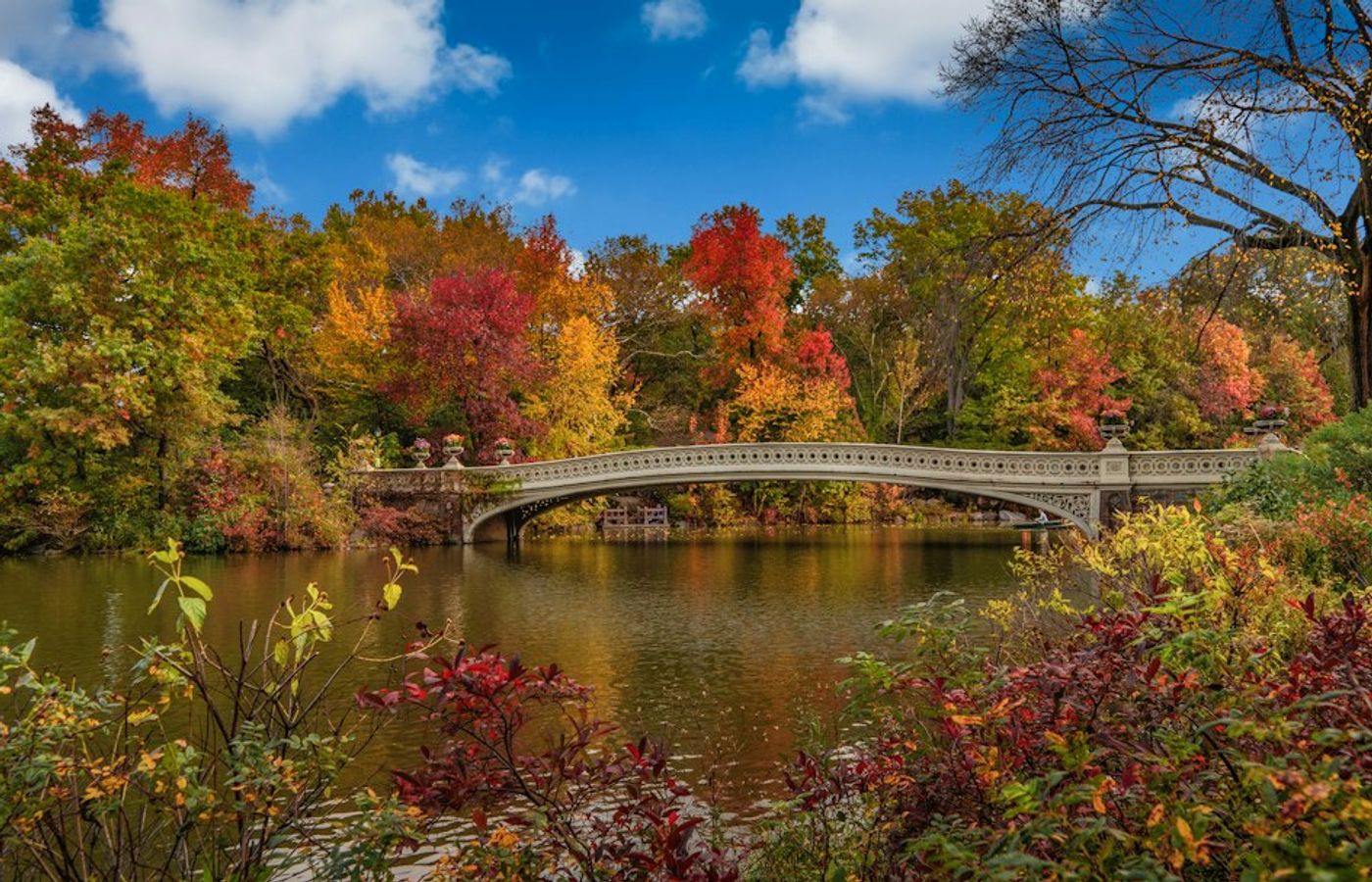

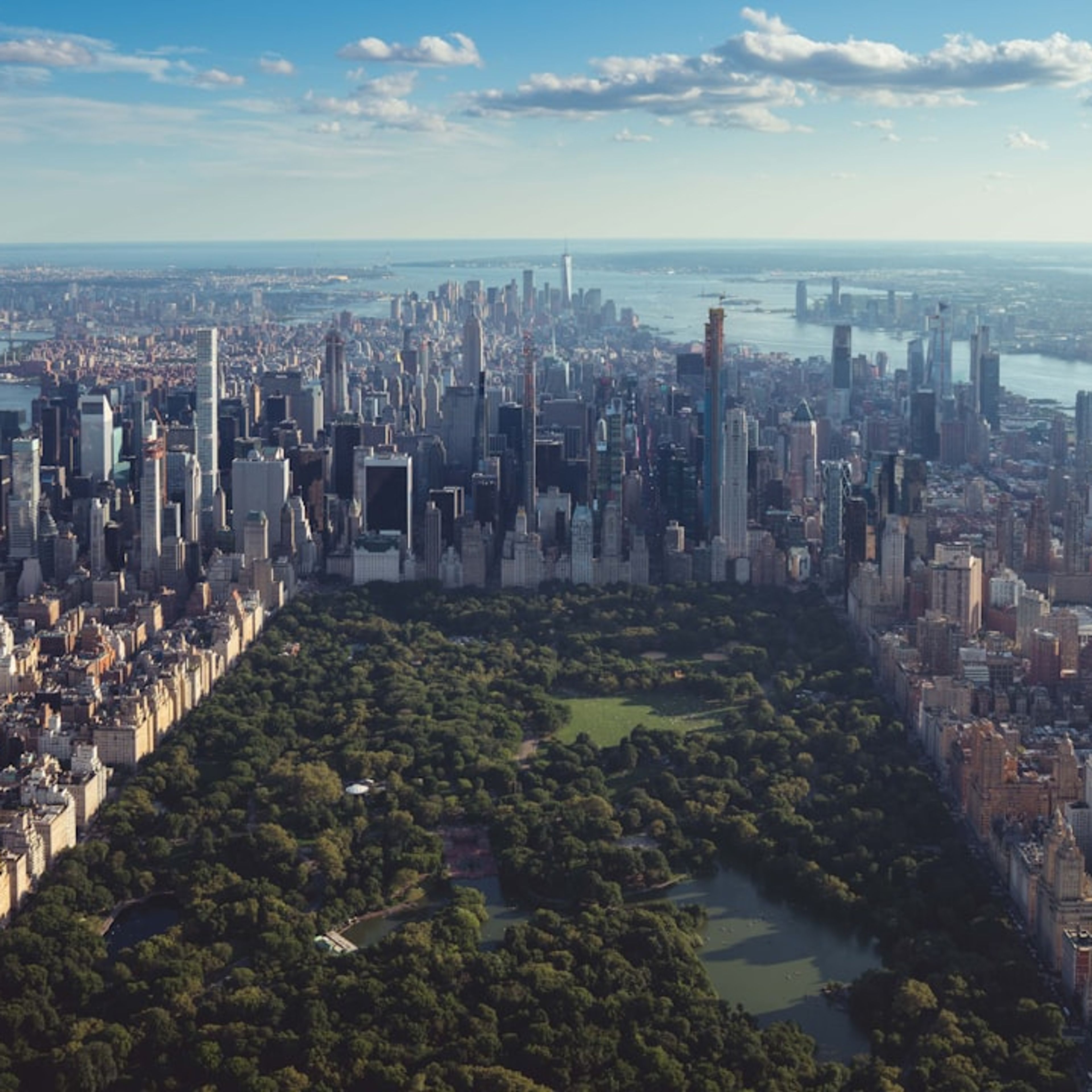
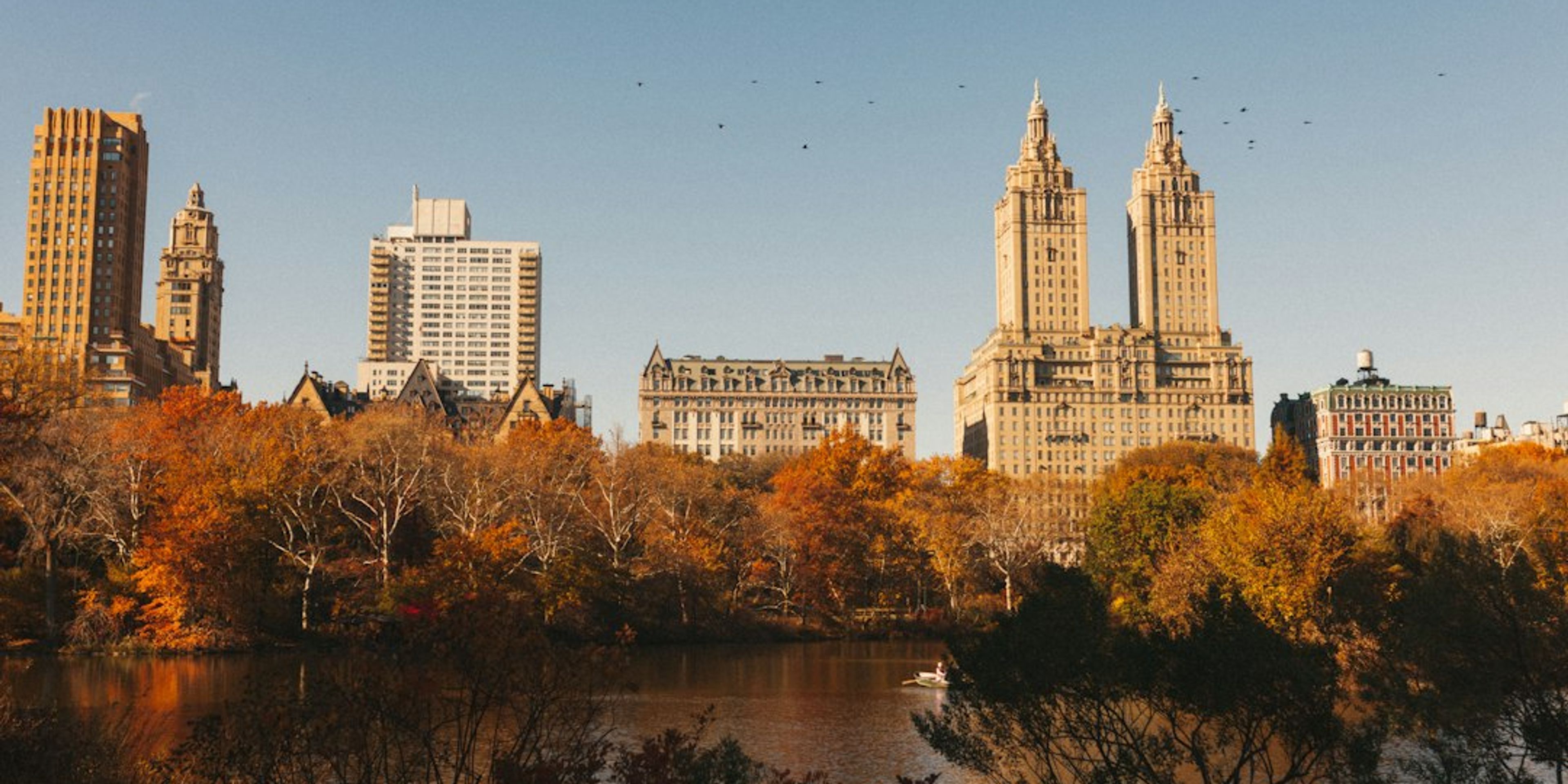
Central Park holds more than 18,000 trees across 843 acres, and in autumn the Central Park Conservancy's arborists track them on a public foliage map that is far more useful than any calendar estimate. Colour arrives in the north first: the North Woods, the Great Hill and the Ravine turn while Midtown is still green. The Mall and Literary Walk, lined with one of the largest surviving stands of American elms in North America, goes fully golden last, usually in the first half of November. The design history of Central Park is worth reading first.
For water reflections, the Lake at Bow Bridge and the Pond in the southeast corner do the work, while the Ramble's 36 acres of woodland paths feel genuinely rural at peak. Belvedere Castle puts you above the canopy looking across Turtle Pond. Rowboat rentals at the Loeb Boathouse usually run into late autumn, though weather closes them without notice.
Pro Tip: Check the Conservancy's foliage tracker the morning you go, then start at the north end around 110th Street. You get peak colour a week or two before the tourist end of the park, and almost nobody is on those paths before 9am.
2Village Halloween Parade - Sixth Avenue on 31 October 2026

The 53rd Village Halloween Parade runs on Saturday 31 October 2026, starting at 7pm and moving north up Sixth Avenue from Canal Street to 15th Street. The 2026 theme is Body and Soul, and the Processional Arts Workshop puppets take their cue from it with luminous spirits and dancing skeletons. More than 50 bands, dancers and artists march alongside thousands of costumed New Yorkers, and the procession winds down around 11pm.
Puppeteer Ralph Lee started this as a neighbourhood walk in 1974 and it now draws spectator crowds in the millions. Watching from the sidewalk is free and needs no ticket. Marching is also free, but a costume is mandatory: participants join the lineup at Canal Street and Sixth Avenue between 6.30pm and 9pm, entering only from the east or south. Spectators in street clothes cannot get onto the route at all.
Pro Tip: Watch from the northern end near 12th or 14th Street rather than downtown. Sidewalks around West 4th and 8th Streets fill first, marchers are released in timed waves so the action runs for hours, and you finish next to the L and F trains when you want out.

3TCS New York City Marathon - 1 November 2026
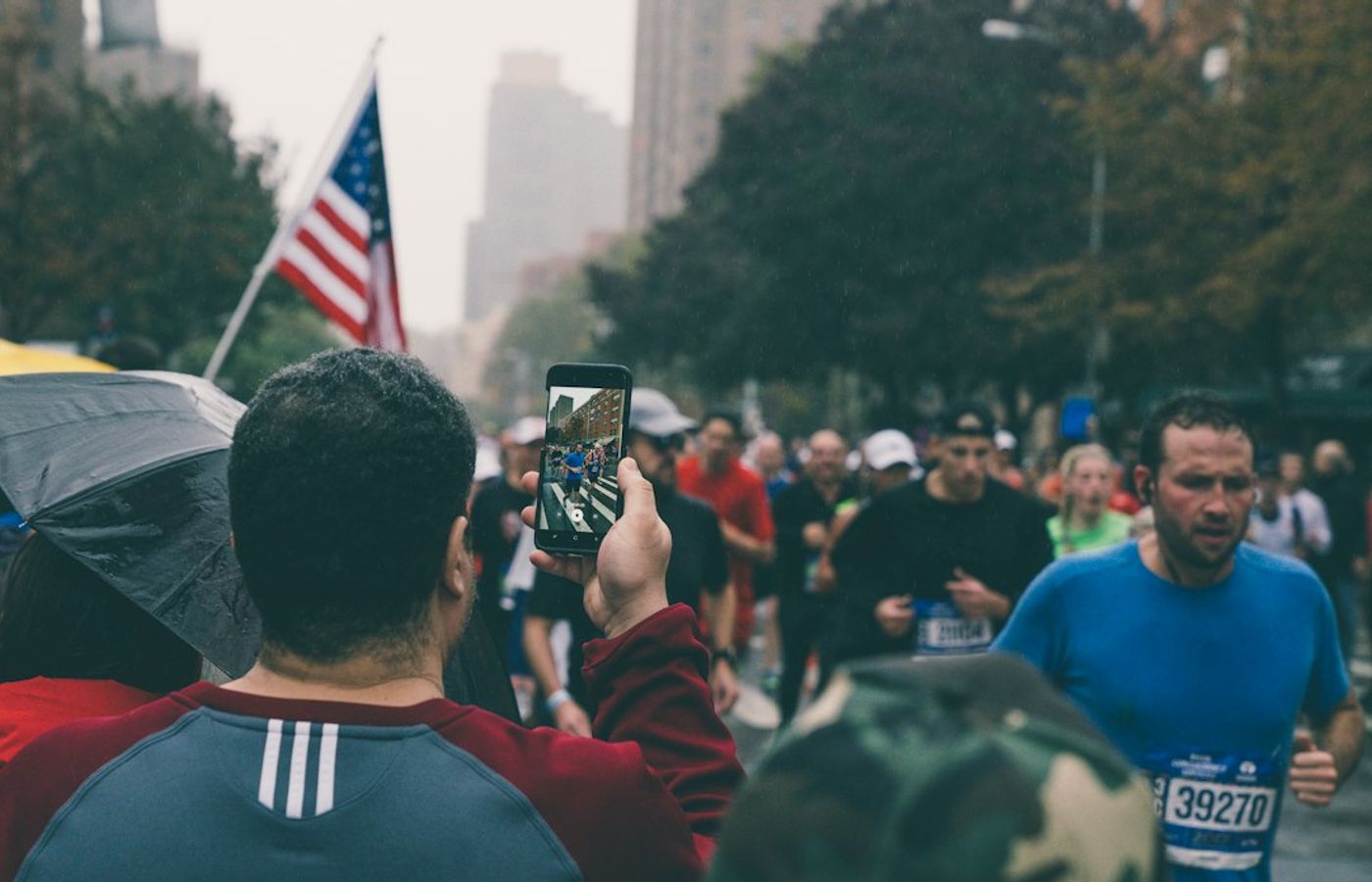
The TCS New York City Marathon runs on Sunday 1 November 2026, and this edition marks 50 years of the five-borough course. Roughly 59,000 runners finished the 2025 race, making it one of the largest marathons in the world. The route starts on Staten Island, crosses the Verrazzano-Narrows Bridge into Brooklyn, works up through Queens and the Bronx, and finishes in Central Park near Tavern on the Green. New York Road Runners publishes the course map and spectator guidance on the official race site.
Spectating is free, and it is the best thing in the city that nobody buys a ticket for. Fourth Avenue in Brooklyn between miles 4 and 8 has the loudest crowds and the most room to stand. First Avenue in Manhattan, just after runners come off the Queensboro Bridge, is the famous wall of noise. The Central Park finish is the hardest stretch to get near without a grandstand pass.
Pro Tip: Daylight Saving Time ends overnight before the race, so clocks go back an hour and you gain one. Use it on the subway: bridges close and several lines reroute around the course from dawn, and getting to Brooklyn after 9am is much harder than it looks on a map.
4New York Botanical Garden - 250 Bronx Acres of Autumn
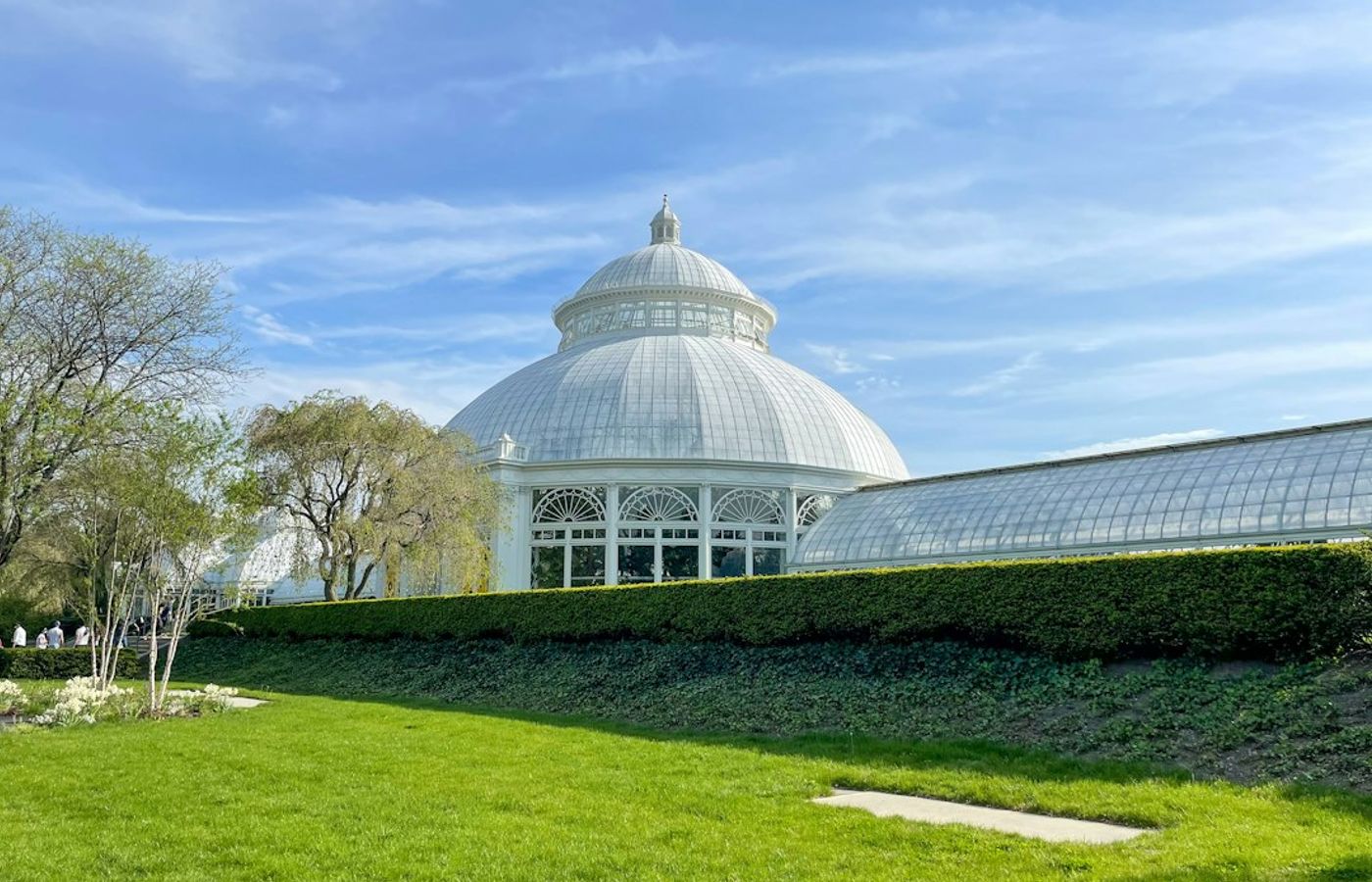
The New York Botanical Garden covers 250 acres in the Bronx and holds the Thain Family Forest, 50 acres of old-growth woodland that is the largest surviving remnant of the forest which once covered New York City. In autumn the oaks, maples and tulip trees there turn on a scale Manhattan cannot match, with the Bronx River running through the middle. The Enid A. Haupt Conservatory, a Victorian glasshouse completed in 1902, runs seasonal displays alongside.
This is a timed-ticket site and the grounds need three to four hours to walk properly. Autumn programming usually includes foliage tours and a family seasonal event, but the line-up changes year to year, so check the calendar before you commit a full day. Metro-North from Grand Central Terminal takes about 20 minutes and stops at the gate.
Pro Tip: Take Metro-North to Botanical Garden station, not the subway. It is 20 minutes from Grand Central Terminal against roughly an hour on the B or D plus a walk, and the station exit sits directly across from the Mosholu Gate.
5Prospect Park - Brooklyn Foliage Without the Crowds
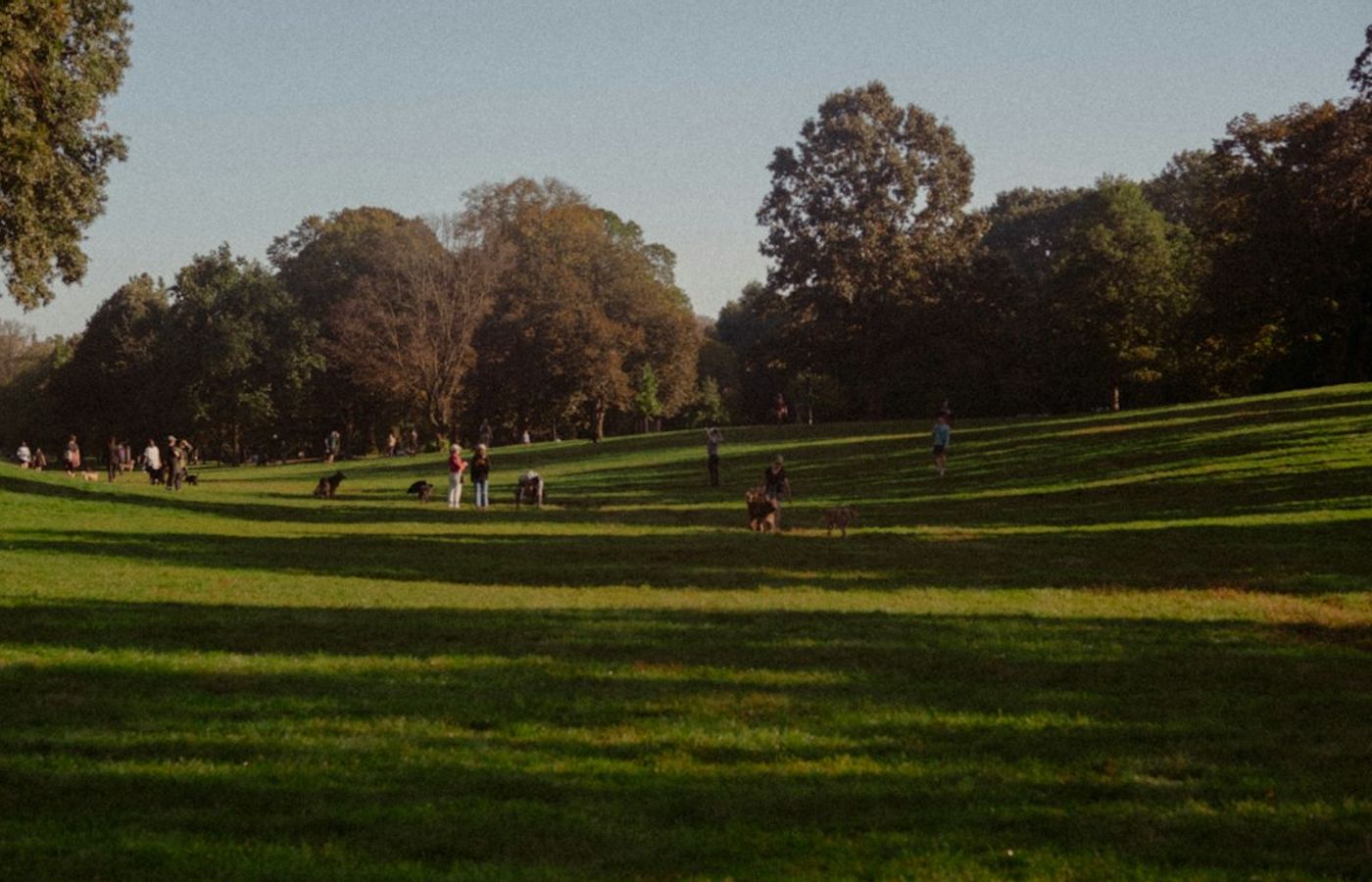
Frederick Law Olmsted and Calvert Vaux built Prospect Park after Central Park, and both are said to have considered it the better of the two. It runs to 526 acres and takes a fraction of the visitors. The Long Meadow stretches roughly a mile, the longest uninterrupted meadow in any American park, and the Lullwater around the Boathouse produces the mirrored autumn reflections Central Park gets famous for. The Ravine holds the last remaining forest in Brooklyn.
Autumn here runs quieter and slightly later than Manhattan. Grand Army Plaza at the north entrance puts you beside Brooklyn Botanic Garden and the Brooklyn Museum, which matters when the weather turns. The park is free and open daily from 5am to 1am, and the Sunday food market at Grand Army Plaza is one of the largest in the city.
Pro Tip: Enter at Grand Army Plaza, walk the Long Meadow south, then loop back through the Ravine. Dogs run off-leash on the meadow until 9am, which is either the charm of the place or the reason to arrive at 8am with a camera.
6Fort Tryon Park and The Cloisters - Autumn Above the Hudson
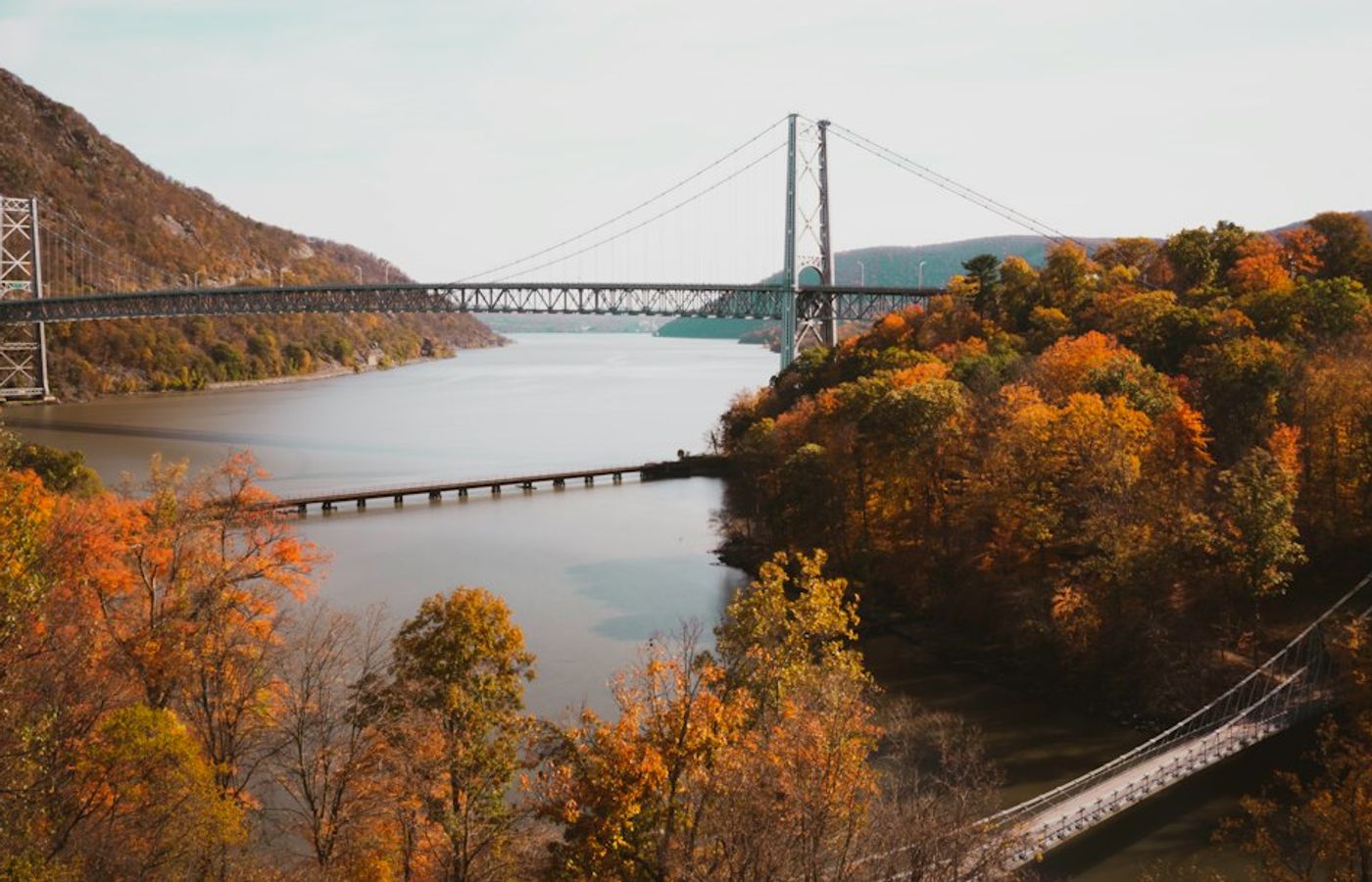
Fort Tryon Park occupies a ridge at the northern end of Manhattan above the Hudson River, and the combination of height, water and mature woodland makes it the best autumn hillside in the borough. The Heather Garden runs three acres along the promenade, looking across to the Palisades cliffs in New Jersey, which turn at the same time. John D. Rockefeller Jr. bought the land and handed it to the city in 1935.
The Cloisters sits at the top: a museum of medieval European art and architecture assembled from parts of five French monastic cloisters, run by the Metropolitan Museum of Art. Admission is included with a Met ticket, which stays valid for three days across all three Met sites. The Bonnefont Cloister herb garden looks straight down the Hudson and is the single best view in the park.
Pro Tip: Take the A train to 190th Street and use the elevator exit, which opens directly into the park at the top of the ridge. Coming up from 181st Street adds around 100 vertical feet of climbing you do not need to do.
7The High Line - Prairie Grasses in Their Best Month
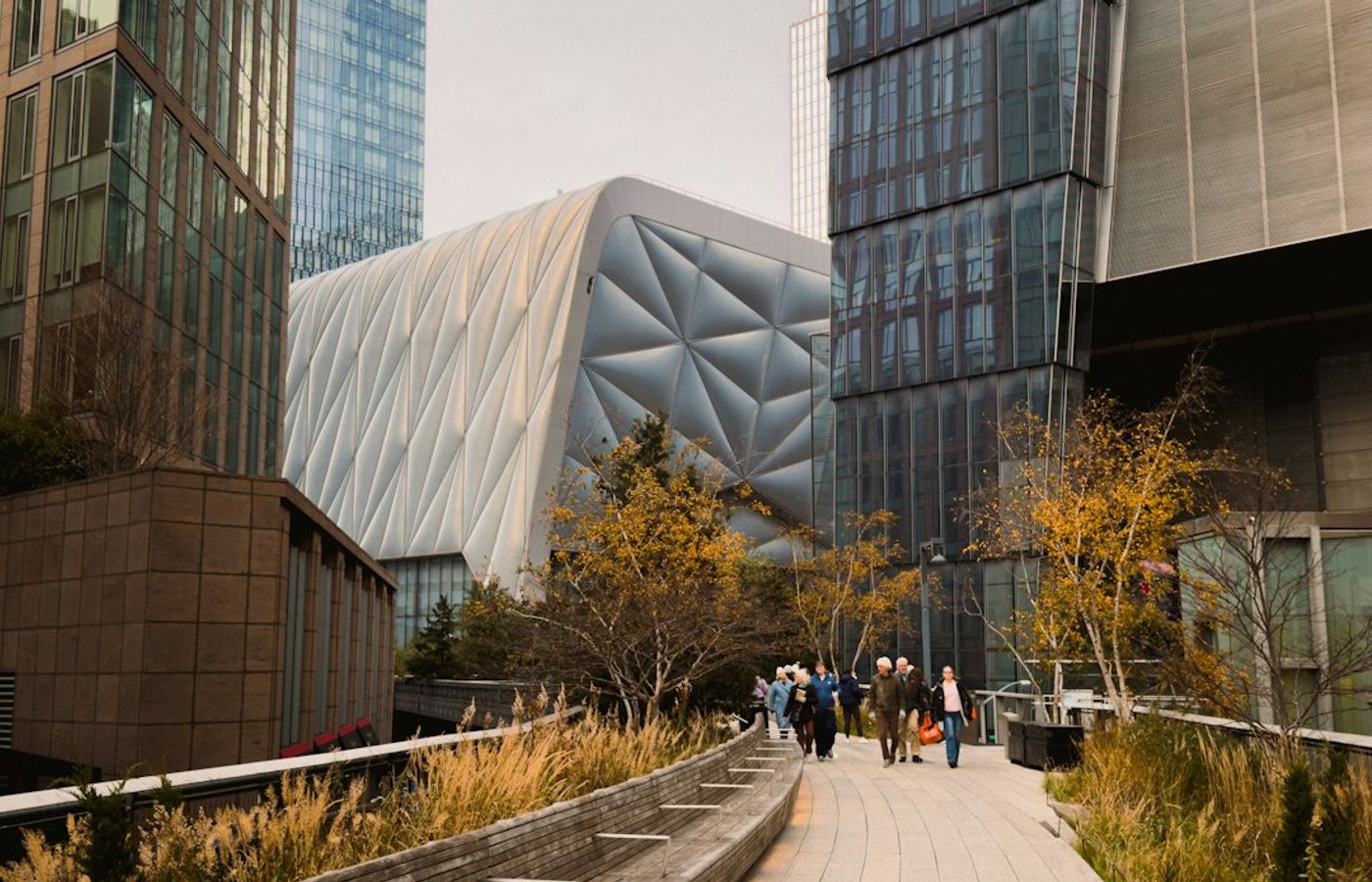
The High Line runs 1.45 miles along a disused elevated freight line from Gansevoort Street in the Meatpacking District to 34th Street at Hudson Yards, about 30 feet above the traffic. Piet Oudolf designed the planting, and autumn is the season it was built for: the perennial grasses go bronze and copper, seed heads are deliberately left standing rather than cut back, and the whole park reads better in October than it does in June.
Entry is free and it opens daily, with closing time pulling earlier as the season turns. Lift access points are at Gansevoort Street, 14th, 16th, 23rd and 30th Streets. End to end takes 45 minutes without stopping, and the route connects straight into Hudson Yards at the north and the Chelsea gallery district in the middle.
Pro Tip: Walk north to south rather than the usual direction. You finish in the West Village instead of at Hudson Yards, and the low afternoon light comes across the Hudson towards you rather than from behind.
8Brooklyn Bridge Park - The Skyline Turns With the Trees
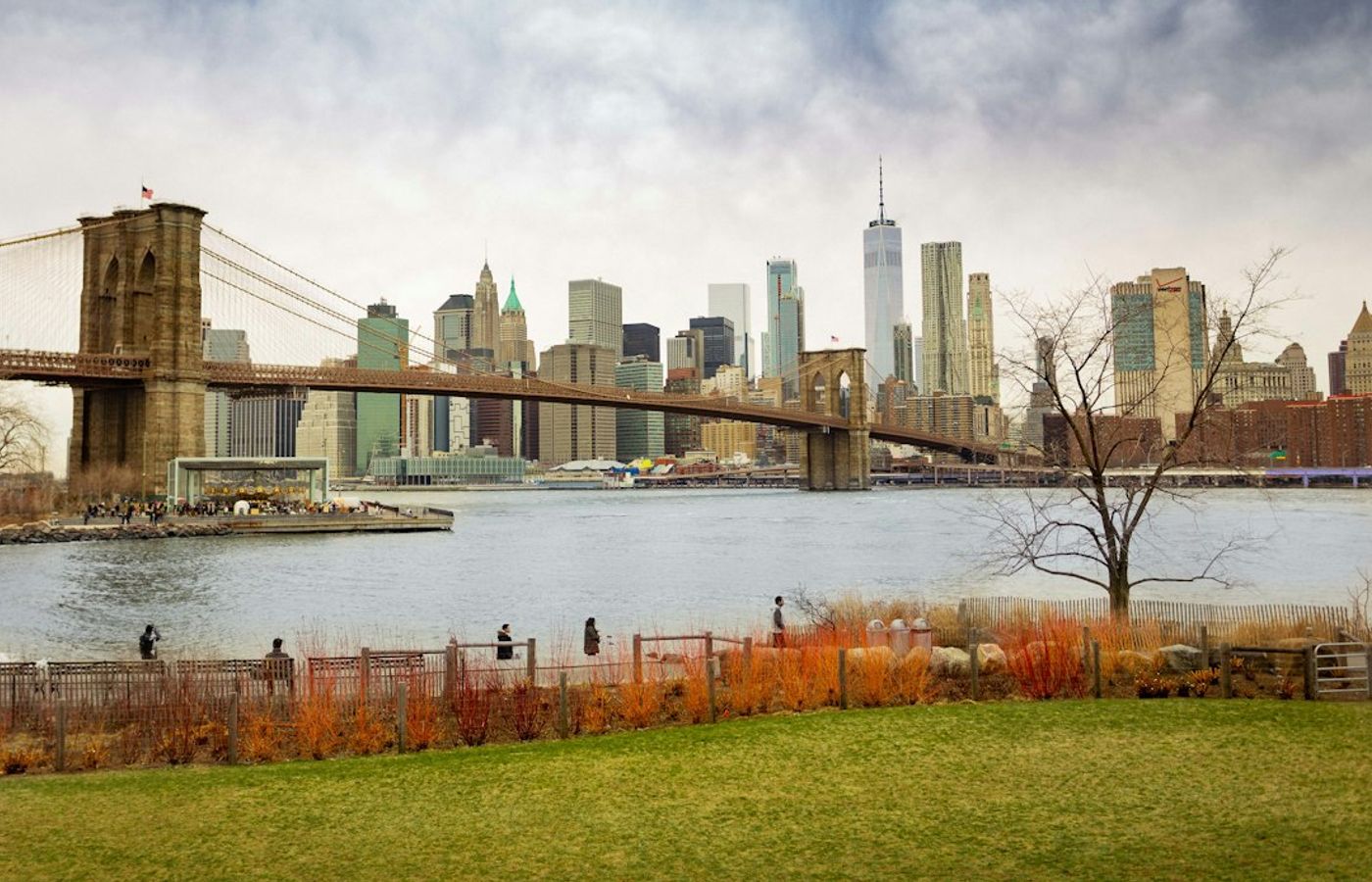
Brooklyn Bridge Park runs 1.3 miles along the East River waterfront from Atlantic Avenue to Jay Street, built across six converted shipping piers. It earns a place here for the sightline: lower Manhattan across the water, the Brooklyn Bridge overhead, and mature planting on Pier 1 and Pier 6 that turns in late October. Jane's Carousel, a restored 1922 ride housed in a glass pavilion, sits at the northern end.
The Empire Fulton Ferry lawn and the pebble shoreline below it give you the classic Manhattan Bridge framing between the DUMBO warehouses. Clear autumn air makes this materially better than summer, when haze flattens the skyline into grey. The park is free and stays open until 1am.
Pro Tip: Walk across the Brooklyn Bridge from Manhattan and drop down into the park rather than riding the subway both ways. Set off an hour before sunset: you cross in daylight and arrive as the towers start lighting up across the water.
9Top of the Rock - The Foliage View Nobody Plans For
Top of the Rock occupies the 67th to 70th floors of 30 Rockefeller Plaza, and its advantage over every other observation deck in New York is direction. It faces north, straight up the length of Central Park. During peak foliage weeks you are looking down at 843 acres of colour with the Empire State Building behind you in the frame rather than underneath your feet, which is the shot the southern-facing decks cannot give you.
The deck first opened in 1933, closed for decades and reopened in 2005. Tickets are timed and sunset slots sell out weeks ahead through foliage season. The upper level is open-air with no glass, which matters for photographs and also means it is genuinely cold once the sun drops in late October.
Pro Tip: Book the slot about 45 minutes before sunset and you get the park in daylight colour plus the switch to city lights on a single ticket. Bring one more layer than you think you need, because the open deck at 850 feet is far colder than street level.
10Union Square Greenmarket - Peak Harvest Season
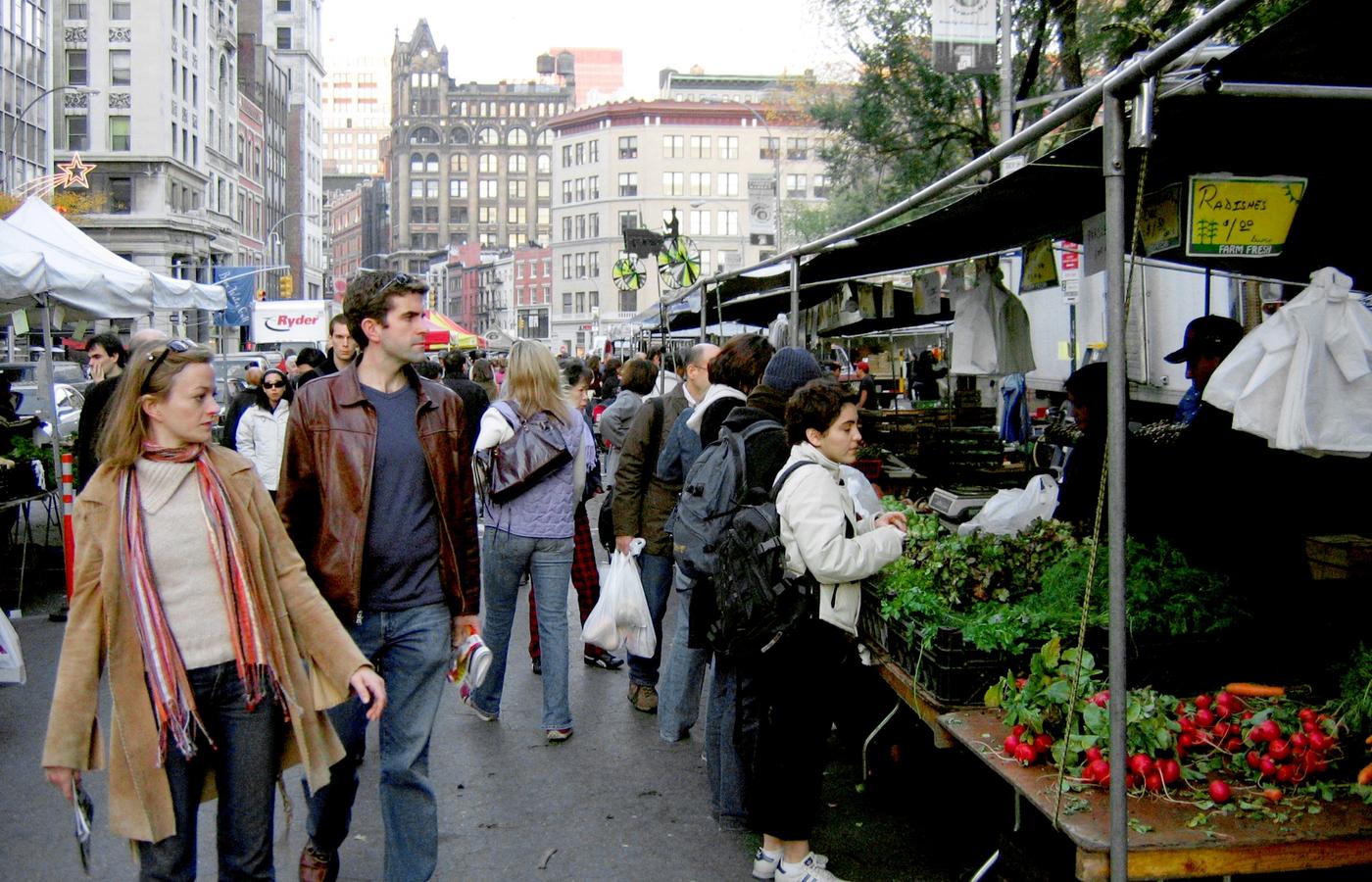
Union Square Greenmarket runs on Mondays, Wednesdays, Fridays and Saturdays year-round, and autumn is its strongest season by a distance. Growers from the Hudson Valley, New Jersey and Long Island bring apple varieties that never reach a supermarket, winter squash, fresh cider, cider doughnuts and the last tomatoes of the year. The market started in 1976 with a handful of farmers and now runs to well over a hundred vendors at peak.
This is the cheapest good thing on the list. Nothing is ticketed, most stalls will sell you a single piece of fruit, and the market sits directly on top of 14th Street-Union Square station, which is served by seven subway lines. Saturday is the biggest day and also the most crowded.
Pro Tip: Go on a Wednesday morning for the apple selection without the Saturday crush. Look for Hudson Valley growers selling heritage varieties such as Newtown Pippin and Esopus Spitzenburg, which are at their best in October and never make it into shops.
11Storm King Art Center - The Hudson Valley Day Trip
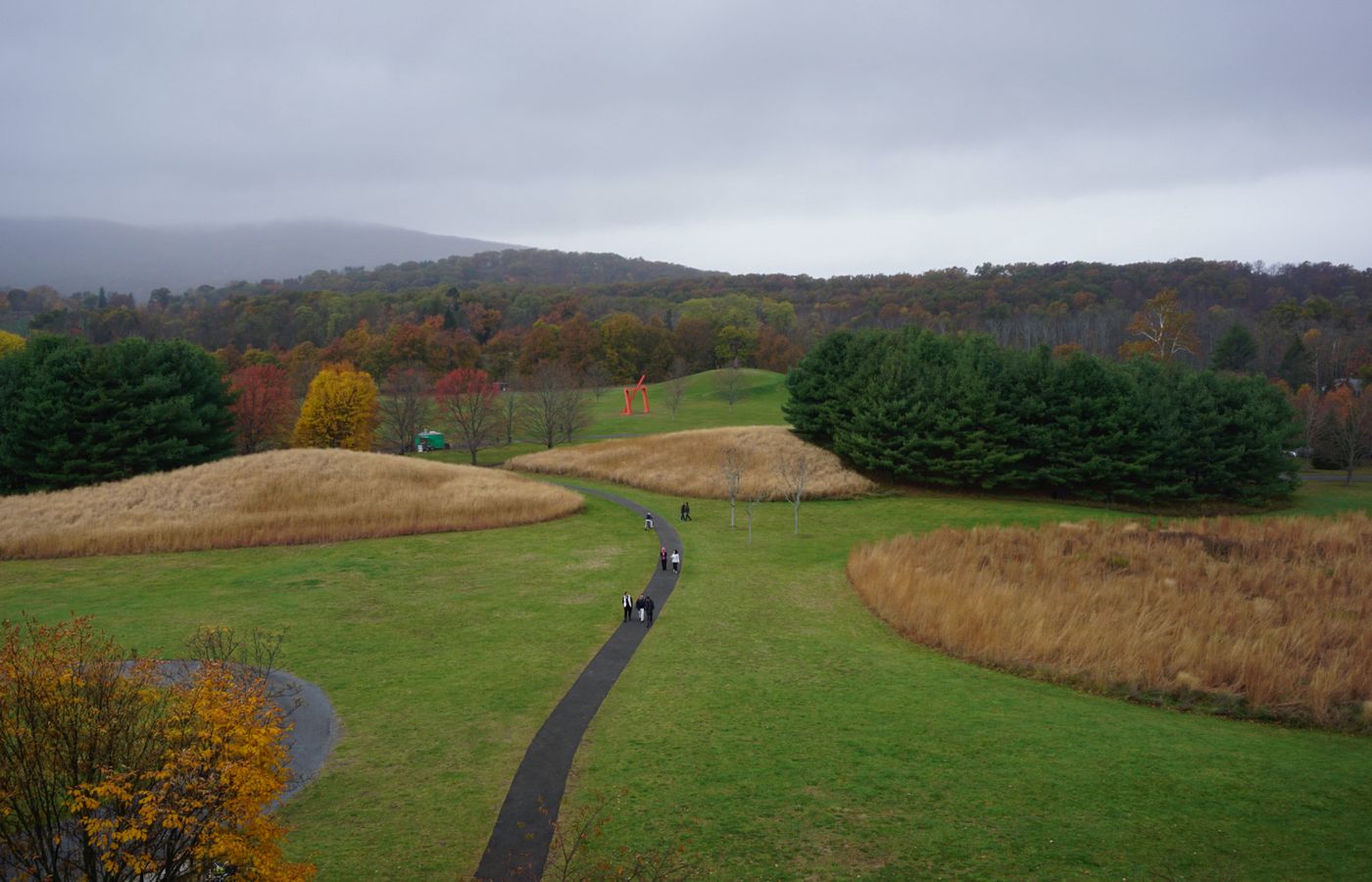
Storm King Art Center spreads across 500 acres of hills, fields and woodland an hour north of the city at New Windsor, with large-scale outdoor sculpture by Richard Serra, Maya Lin, Alexander Calder and Mark di Suvero set into the landscape rather than displayed on it. The Hudson Valley peaks two to three weeks ahead of Manhattan, so a late-October trip catches colour the city has not reached yet.
The site is seasonal and usually closes for winter in late autumn, so confirm the closing date before you book. Tickets are timed, the grounds need at least four hours on foot, and a tram loops the site for anyone who does not want to walk all of it. Bicycle hire operates in the warmer months.
Pro Tip: Take Metro-North to Beacon and pick up a seasonal shuttle or taxi across the river instead of driving. The car park fills on peak foliage weekends, and the last shuttle back leaves well before the site closes, so check the return timetable the day before.

CEO and co-founder
Tomas is the co-founder and director of trip1, an European company specializing in reservation services. He launched the company in 2025 with a focus on building scalable, efficient operations.
New York in Fall: Foliage, Weather and Events - FAQ
No. Four or five is realistic in a day. The two dated events fix your calendar rather than your route, and the New York Botanical Garden and Storm King Art Center each absorb most of a day once travel is counted. Four days covers the full list without rushing.
Anchor the trip on the two dates first: the Village Halloween Parade on 31 October and the TCS New York City Marathon on 1 November. Group everything else by borough. Central Park, Top of the Rock and Union Square Greenmarket make one Manhattan day. Fort Tryon Park and the New York Botanical Garden pair as an uptown day. Prospect Park and Brooklyn Bridge Park form a Brooklyn day, and Storm King Art Center needs its own.
Three. Top of the Rock sells timed entry and sunset slots disappear weeks ahead during foliage season. The New York Botanical Garden and Storm King Art Center both run timed tickets. The Village Halloween Parade is free to watch and free to march in costume, though optional paid access exists. Central Park, Prospect Park, Fort Tryon Park, the High Line, Brooklyn Bridge Park and Union Square Greenmarket are all free and need nothing booked.
Budget roughly USD 90 to USD 130 per adult for the three ticketed sites, plus subway fares, which cap automatically each week once you tap the same card under OMNY. Six of the eleven entries cost nothing at all, and both the Village Halloween Parade and the TCS New York City Marathon are free to watch.
Later than most visitors expect. Central Park usually peaks between late October and mid-November, running a couple of weeks behind the Hudson Valley and New England. The Central Park Conservancy maintains an arborist-checked foliage tracker covering the park's 18,000-plus trees, which beats any calendar estimate. A warm autumn pushes peak later; an early cold snap pulls it forward.
Yes, all eleven. Everything inside the five boroughs is on the subway. The New York Botanical Garden is fastest via Metro-North to Botanical Garden station, and Storm King Art Center needs Metro-North to Beacon plus a shuttle or taxi, so check the return timetable before you set out. Expect subway diversions around the parade and marathon routes on 31 October and 1 November.
Museum season, which matters more in autumn than in summer. The Metropolitan Museum of Art, MoMA and the American Museum of Natural History all launch their autumn programmes in October and are the right answer on a wet day. Broadway and Lincoln Center open their fall seasons at the same time, and the New York Film Festival runs at Lincoln Center from late September.