


Oman travel guides
Browse and explore the best travel guides in Oman.
Oman travel facts
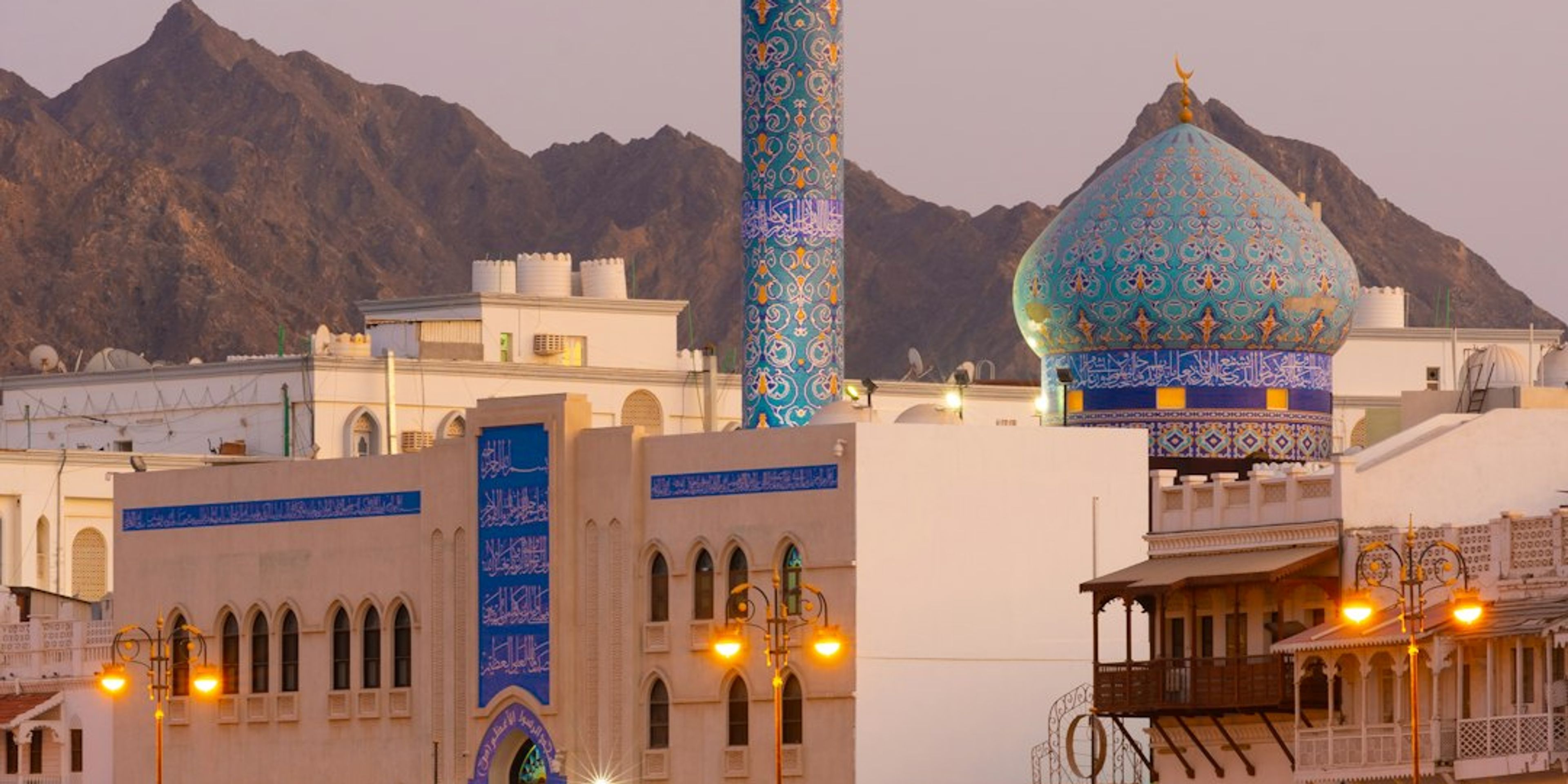
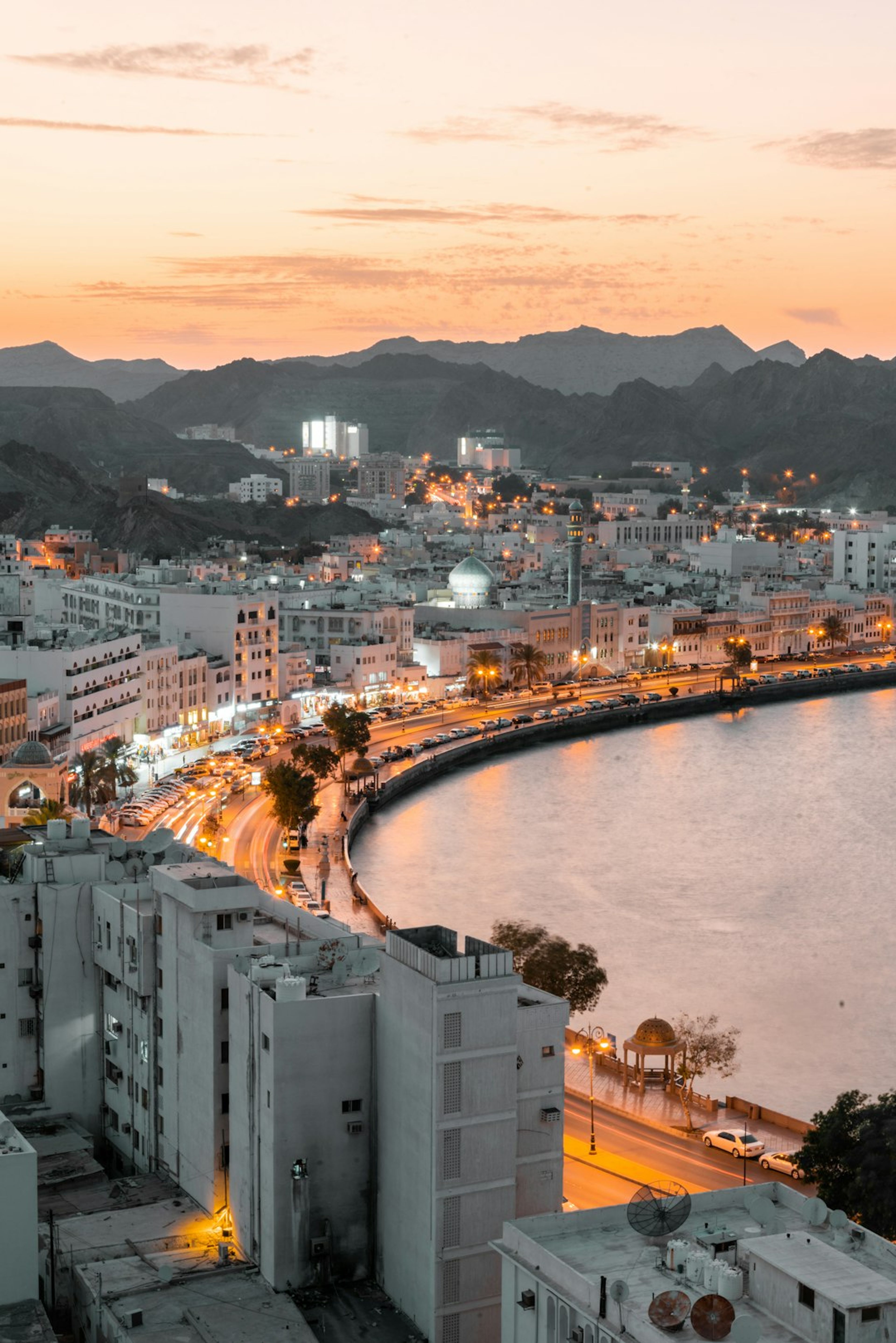
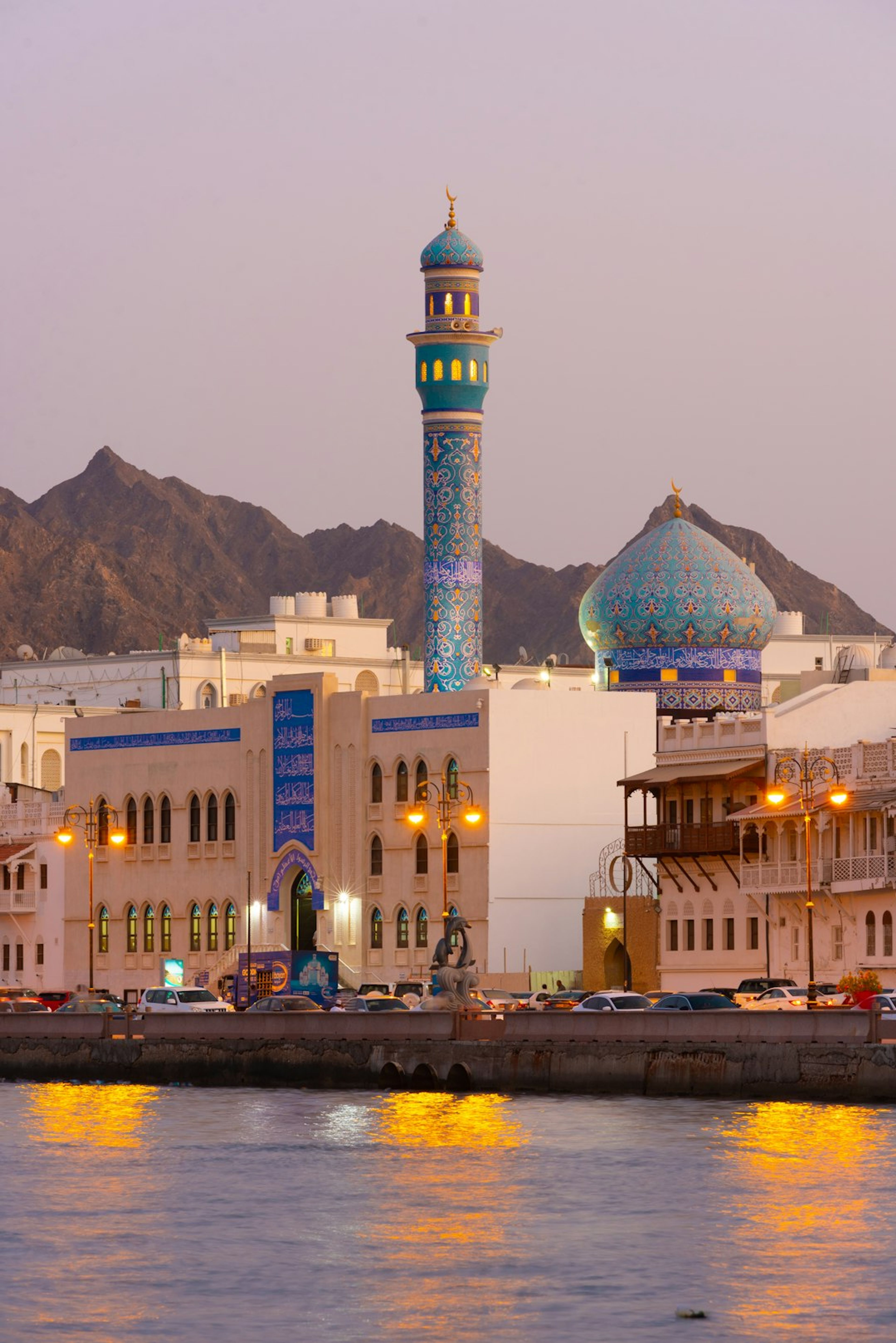
Oman is the Gulf's quiet counterpoint — low-rise, mountainous and far more about landscape than skyline. Muscat holds the Sultan Qaboos Grand Mosque and the old harbour at Mutrah, while a few hours inland the Hajar Mountains open into wadis, terraced villages and the Jebel Shams canyon. The Wahiba Sands and the turtle beaches at Ras al Jinz are classic overnight trips, and in summer the southern Dhofar region around Salalah turns green under the monsoon.

Capital
Muscat
Population
~5.2 million
Area
309,500 km²
Time Zone
GST (UTC+4)
Currency
Omani Rial (OMR)
Languages
Arabic; English widely spoken
Main Airports
MCT (Muscat), SLL (Salalah)
Visa
e-Visa online; visa-free 14 days for many nationalities
Best For
Wadis, deserts, forts, coastline
Typical Cost Level
Mid-range

Oman destinations
Stay in the loop
Get the latest deals, new destinations, and travel tips delivered straight to your inbox.
No spam, unsubscribe anytime.
Do you need a visa for Oman?
Entry rules, stay length and passport validity by nationality.
Climate averages · 1991–2020
When is the best time to visit Oman?
Monthly temperatures, rainfall and sunshine — not a live forecast.
See Oman weatherLatest travel guides


Oman Travel FAQ
Many nationalities can enter Oman visa-free for up to 14 days, including EU, UK, US, Canadian and Australian passport holders. For longer stays you can apply for a 30-day e-Visa through the Royal Oman Police website, which is usually processed within a few days. You will need proof of accommodation, insurance and a return ticket.
October to April is the best time to visit Oman, with warm days and cool nights ideal for wadis, mountains and desert camps. Summer temperatures in the north exceed 45°C. The exception is Salalah in the south, which is at its greenest and coolest from July to September during the khareef monsoon.
Oman is consistently ranked among the safest countries in the Middle East for travellers. Crime is very rare and Omanis are known for hospitality towards visitors. The main hazards are natural rather than criminal: flash floods in wadis after rain, and driving on unpaved mountain tracks that require a 4x4.
Oman uses the Omani Rial (OMR), one of the highest-valued currencies in the world. It divides into 1,000 baisa, so small denominations matter. Cards work in Muscat and larger towns, but carry cash for rural petrol stations, souqs and mountain villages.
Renting a car is the standard way to travel in Oman. Roads between the main cities are excellent and well signposted in English, but a 4x4 is necessary for wadis, Jebel Akhdar and desert tracks. Public transport exists between major towns but will not reach the landscapes most people come for.
On trip1, you can book hotels across Oman and pay with over 50 cryptocurrencies including Bitcoin, Ethereum, and USDC. trip1 covers 3 million+ hotels in 190+ countries, making it easy to find and book accommodation with crypto.