


Muscat travel guides
Browse and explore the best travel guides in Muscat.
Muscat travel facts
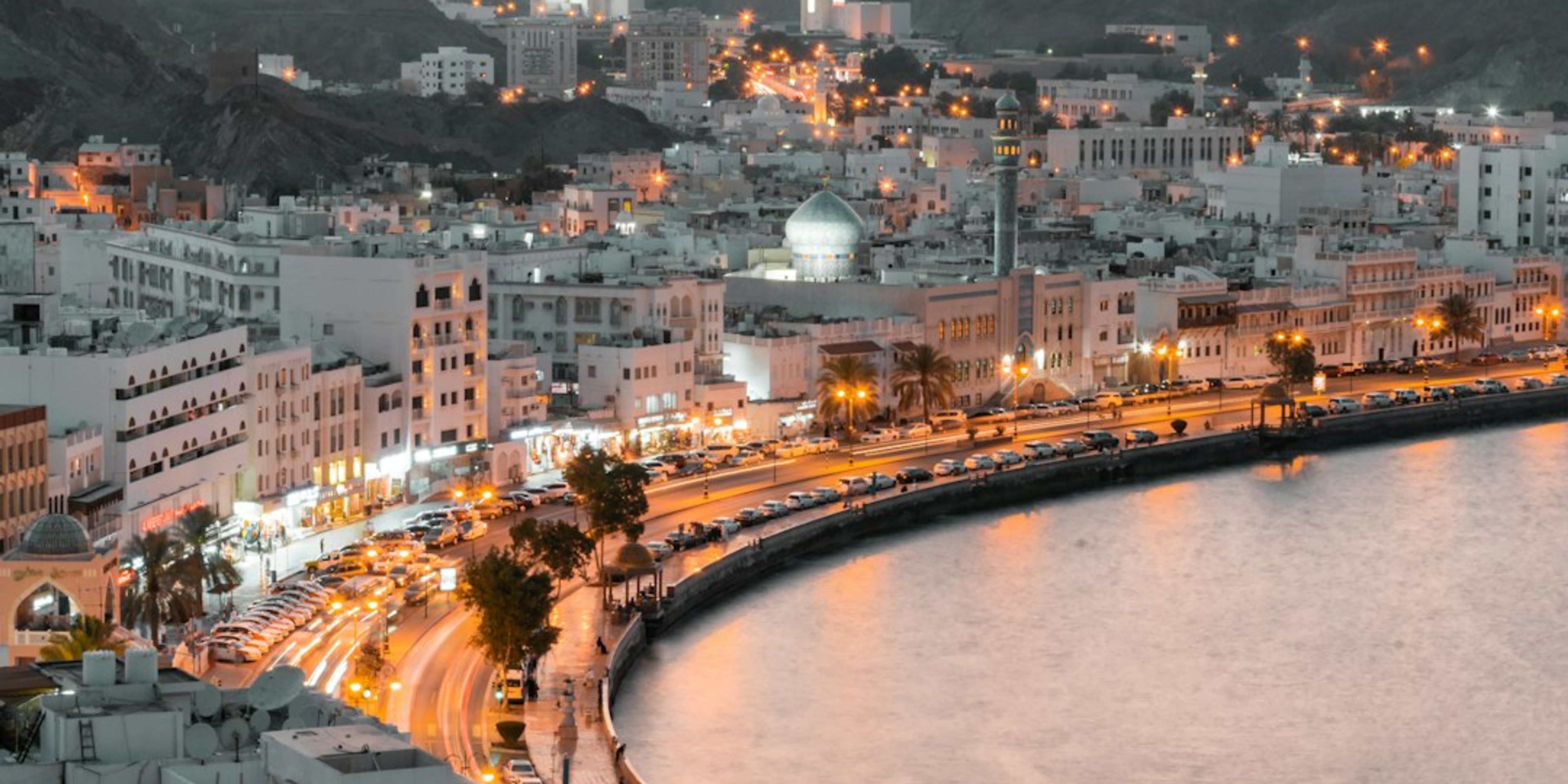
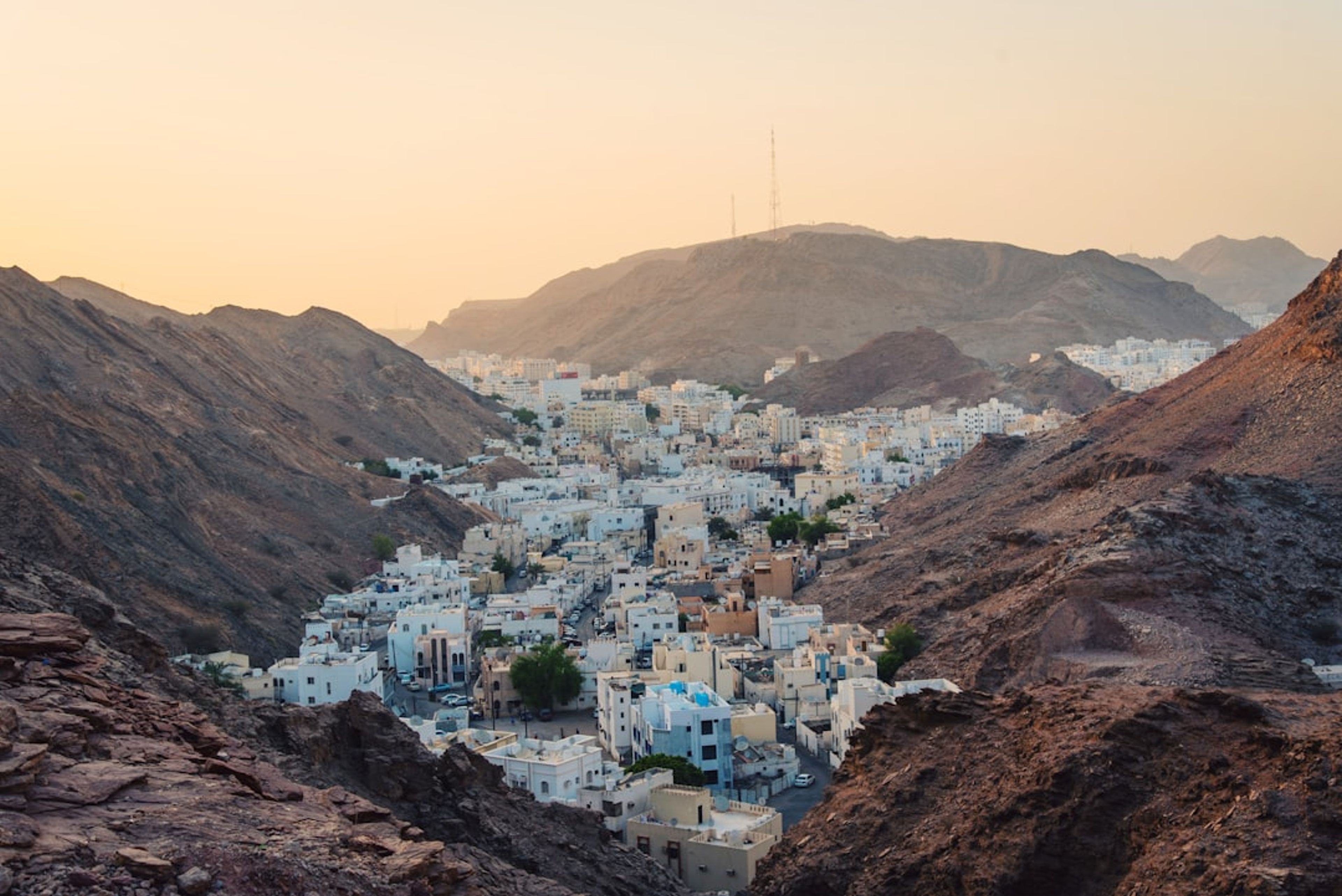
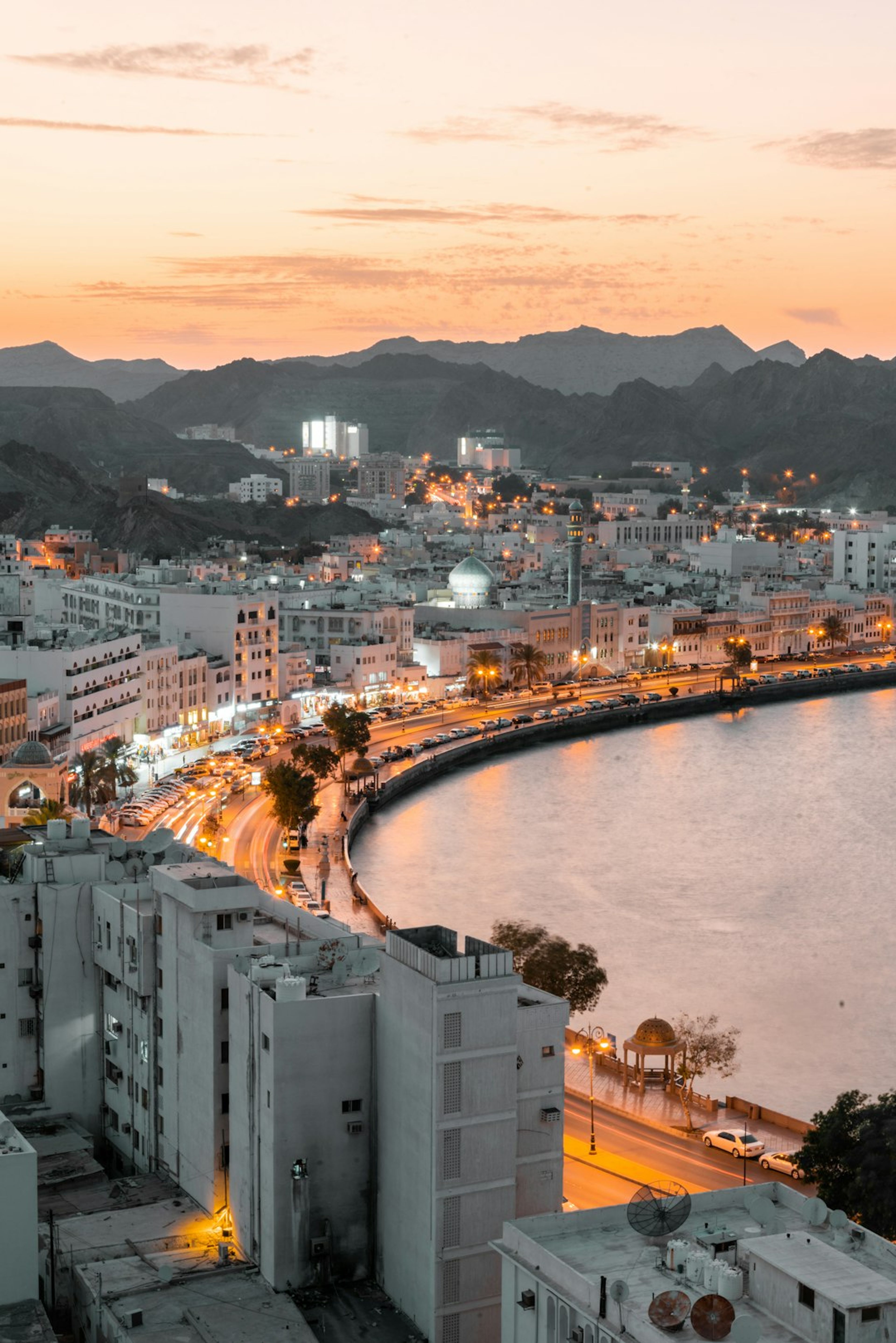
Muscat is a Gulf capital that never went vertical. Building height is restricted by law, so the city spreads for 40 kilometres along the coast in low white blocks between the Hajar Mountains and the Gulf of Oman, with watchtowers still standing on the ridges above it.
The Sultan Qaboos Grand Mosque, with its 21-metre chandelier and one of the world's largest handwoven carpets, opens to non-Muslim visitors each morning. Mutrah holds the old harbour, the corniche and a covered souq that has been trading frankincense and silver for centuries. Old Muscat, further east, sits between two Portuguese forts and the Al Alam Palace.
The city is spread out enough that a hire car makes a real difference, and it is the natural base for the country's landscapes: Wadi Shab and Bimmah Sinkhole to the southeast, the mountain village of Misfat al Abriyeen inland, and dolphin-watching or diving off the Daymaniyat Islands.
Country
Oman
Region
Muscat Governorate, northern coast
Population
~1.7 million (metropolitan area)
Elevation
12 m above sea level
Time Zone
GST (UTC+4)
Currency
Omani Rial (OMR)
Language
Arabic; English widely spoken
Nearest Airport
MCT (Muscat International), 20 km
Airport to City Centre
~25-40 min by taxi, depending on district
Typical Cost Level
Mid-range
Transport Pass
Mwasalat bus network; a hire car is strongly recommended
Spring (Mar-May)
24-36°C
Summer (Jun-Aug)
32-42°C, humid and very hot
Autumn (Sep-Nov)
28-36°C
Winter (Dec-Feb)
19-26°C, the best time to visit
Muscat travel guides
Stay in the loop
Get the latest deals, new destinations, and travel tips delivered straight to your inbox.
No spam, unsubscribe anytime.
Do you need a visa for Oman?
Entry rules, stay length and passport validity by nationality.
Climate averages · 1991–2020
When is the best time to visit Muscat?
The best time to visit Muscat is between October and March, the most comfortable stretch of the year on these averages.
Best time · October–MarchRainfall
- Jan20°
- Feb23°
- Mar26°
- Apr31°
- May35°
- Jun37°
- Jul37°
- Aug36°
- Sep34°
- Oct30°
- Nov25°
- Dec21°
Latest travel guides



Muscat Destination FAQ
November to March is the best time to visit Muscat, with daytime temperatures in the low to mid 20s and cool evenings. April and October are warm but still workable. From May to September the heat and humidity make daytime sightseeing genuinely difficult.
Take an official airport taxi or arrange a hotel transfer, allowing 25-40 minutes depending on which district you are staying in. Muscat is very spread out, so Mutrah and Old Muscat are considerably further than the Al Khuwair business area. Car hire desks are in the arrivals hall.
A car makes a real difference in Muscat. The city stretches 40 km along the coast and public transport is limited, while taxis add up quickly over a few days. Roads are excellent and signposted in English, though a 4x4 is needed for wadis and mountain tracks.
Two days covers Muscat itself, and four to five lets you use it as a base for the region. The city needs one day for the Grand Mosque and Mutrah and another for Old Muscat and the Opera House. Wadi Shab, Nizwa and the Wahiba Sands each justify a further day.
Yes, non-Muslim visitors are welcome on weekday mornings, generally from 8am to 11am. Dress is strictly modest: long sleeves and trousers or long skirts for everyone, and a headscarf for women. Entry is free and it is one of the highlights of any trip to Oman.
Muscat is one of the safest capitals in the world, with very low crime rates and a reputation for hospitality. Solo travellers rarely encounter problems. The genuine hazards are environmental — flash floods in wadis and dehydration on hikes.
On trip1, you can book hotels across Muscat and pay with over 50 cryptocurrencies including Bitcoin, Ethereum, and USDC. trip1 covers 3 million+ hotels in 190+ countries, making it easy to find and book accommodation with crypto.