

Guides · Cusco
12 Top Places to Visit in Cusco, Peru
By Tomas Achmedovas · CEO and co-founder

CEO and co-founder
Cusco served as the capital of the Inca Empire for over three centuries, and the places to visit in Cusco today reflect that deep history layered beneath Spanish colonial architecture, Andean market culture, and some of the most dramatic mountain scenery in South America. This guide covers 12 specific attractions - from megalithic fortress walls and gold-lined temples within walking distance of the central plaza, to full-day excursions into the Sacred Valley and beyond. Each entry includes exact addresses, transport directions, current ticket prices in PEN and EUR, and a practical tip you will not find on the back of a tour bus brochure.
The 12 places are organized to help you plan efficiently. The first six entries sit within Cusco's compact historic centre, reachable on foot from Plaza de Armas. The next two cover hilltop Inca ruins just above the city. The final four are day trips that require transport - the Sacred Valley towns of Ollantaytambo and Pisac, the high-altitude trek to Rainbow Mountain, and the legendary citadel of Machu Picchu. Whether you have three days or a full week, this structure lets you pick and sequence the attractions that match your schedule and fitness level.
Cusco sits at 3,400 metres above sea level, so altitude affects everything from your walking pace to your appetite. Every entry notes the physical demand involved, and the FAQ at the end addresses acclimatization, costs, and ticketing logistics for the full list of 12 sites.
Check dates for Cusco
See what is available on your dates.
1Plaza de Armas - Colonial Heart of the Inca Capital
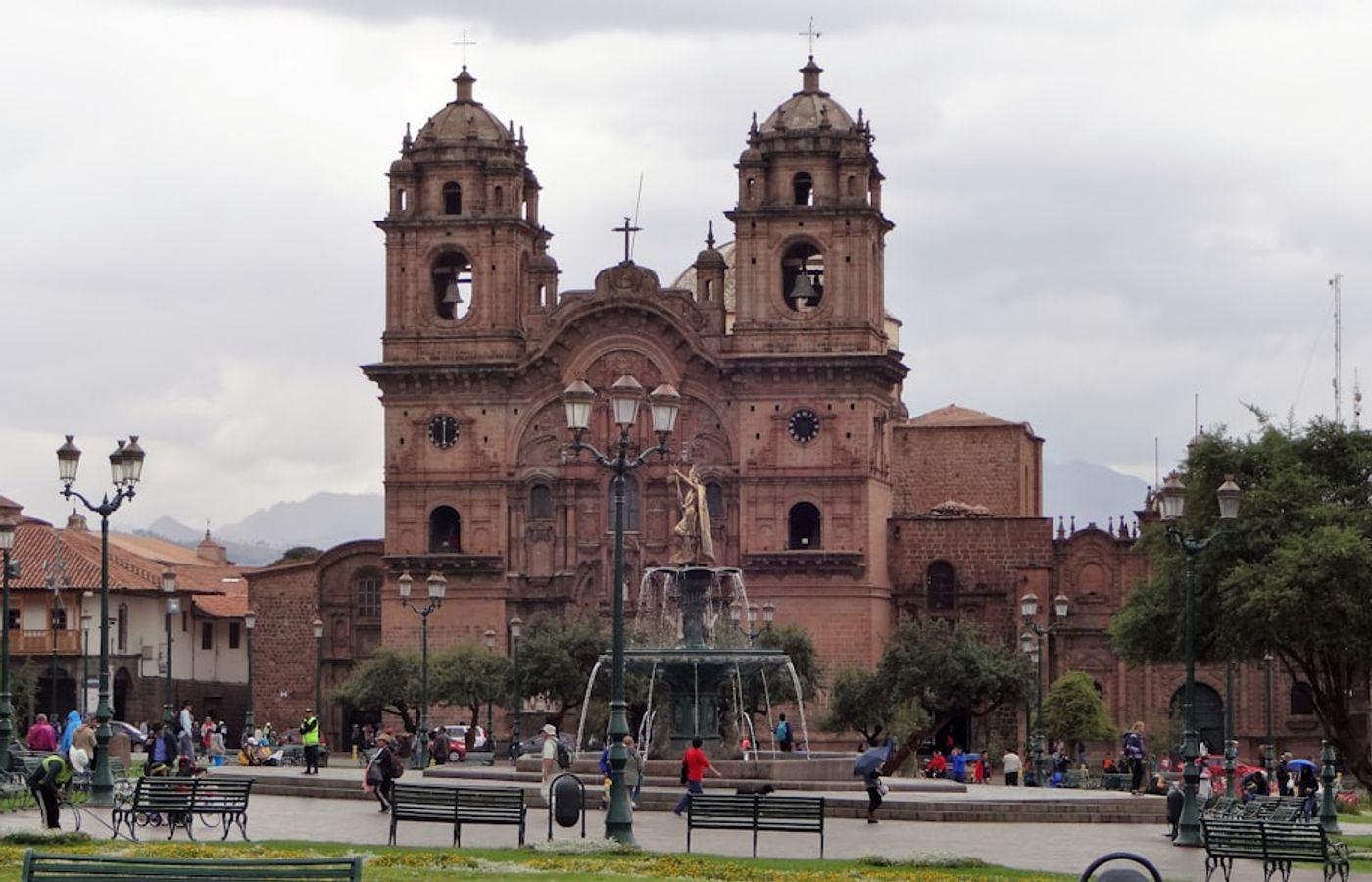

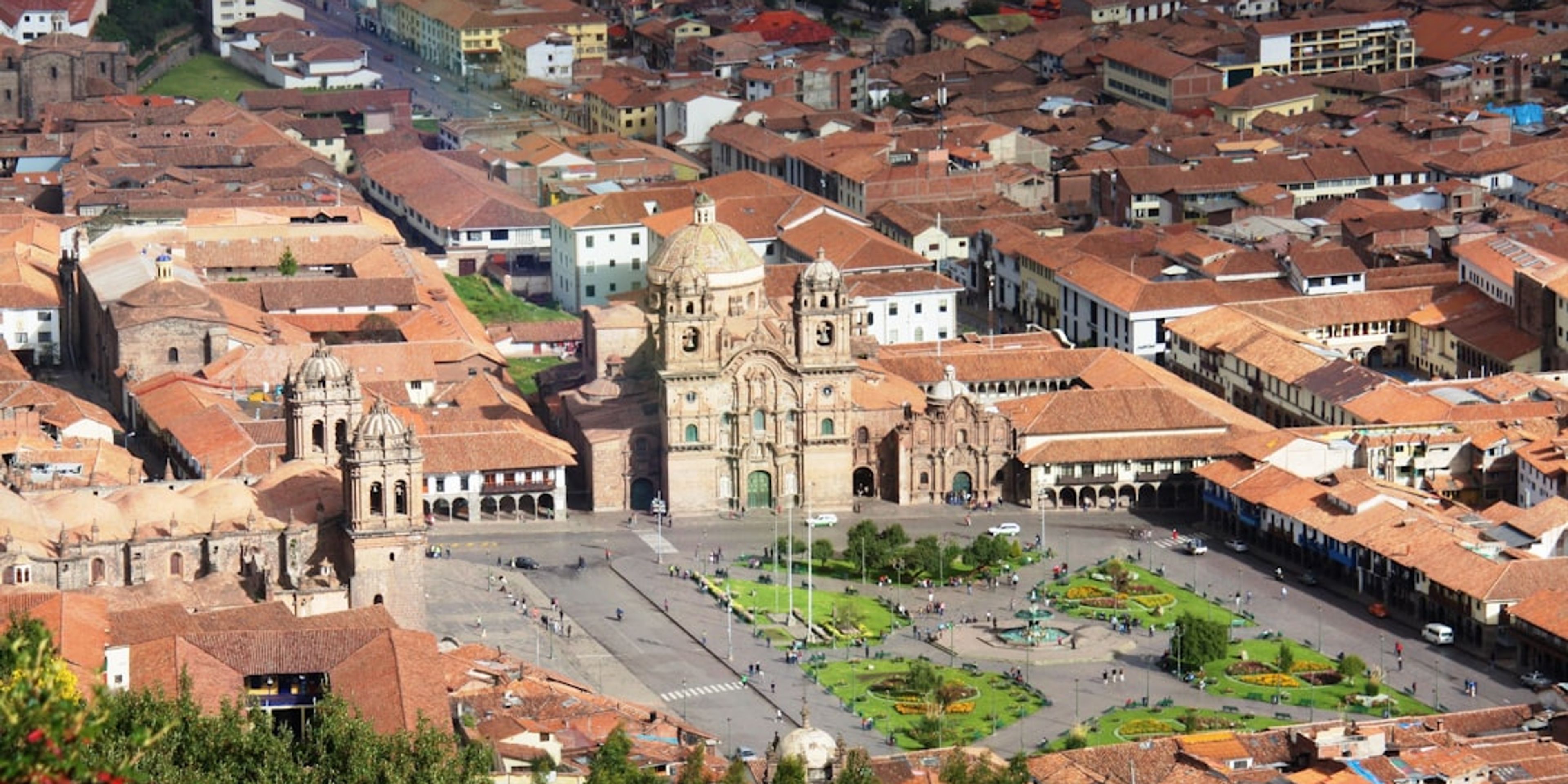
Plaza de Armas occupies the exact site where the Inca emperor Pachacuti laid out Huacaypata, the ceremonial core of the empire. The square is framed by stone arcades, the Cusco Cathedral on its northeast side, and the Jesuit Iglesia de la Compania de Jesus on its southeast corner. Two flags fly here permanently - the red-and-white Peruvian national flag and the rainbow-striped Wiphala representing Andean indigenous peoples. The plaza operates as Cusco's living room: schoolchildren cross it on their way to class, tour groups gather at its fountain, and protest marches occasionally fill its cobblestones.
No ticket is needed to enjoy the plaza itself. Restaurants and cafes line the arcades on all sides, though prices here run 30-50% higher than a few blocks away. The square is worth visiting twice - once during the day to appreciate the architecture and mountain backdrop, and again after dark when the Cathedral and surrounding buildings are lit up. On Sundays, a military flag-lowering ceremony takes place in the late afternoon.
2Cusco Cathedral - Baroque Masterwork on Sacred Inca Ground
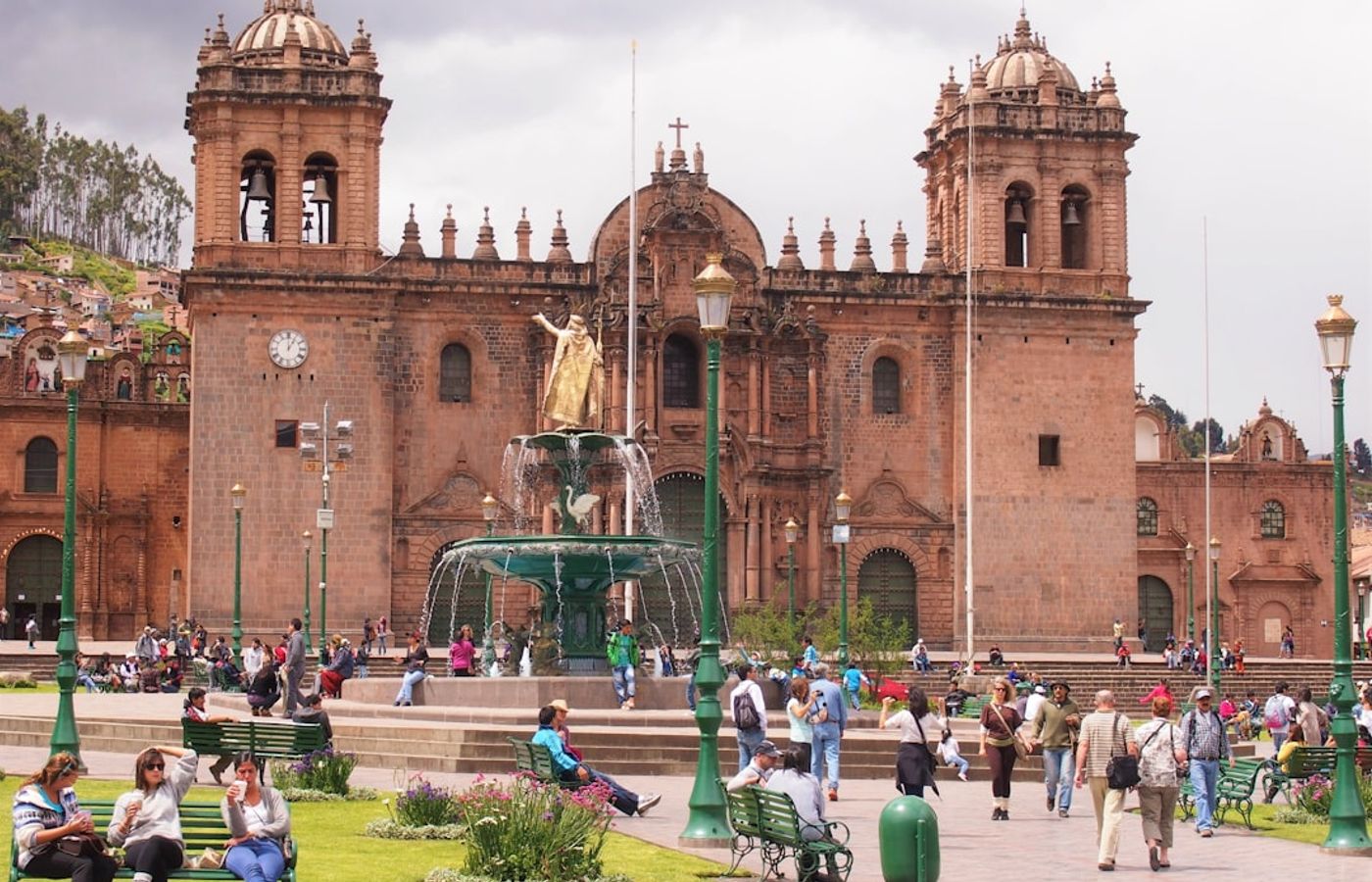

Construction of the Cusco Cathedral began in 1559 using stone blocks pulled from the Sacsayhuaman fortress, and it took nearly a century to complete. The building sits on the foundations of Kiswarkancha, the palace of Inca Viracocha. Inside, the nave holds over 400 paintings from the Cusco School of art, including a famous Last Supper by Marcos Zapata that depicts Christ and the apostles eating cuy (guinea pig) - a pointed example of how colonial artists blended European religious themes with Andean identity. The cedar choir stalls, carved in the 17th century, are considered among the finest in the Americas.
Admission costs 25 PEN (6 EUR) for adults, or you can enter with the Boleto Religioso that also covers other churches. Photography inside is not permitted. The Cathedral is part of the city's UNESCO World Heritage designation, which covers the entire Cusco historic centre. Opening hours are typically Monday to Saturday 10:00-18:00, Sunday 14:00-18:00 (the building is used for Mass in the morning).
3Qorikancha and Santo Domingo - Inca Gold Temple Beneath a Spanish Church
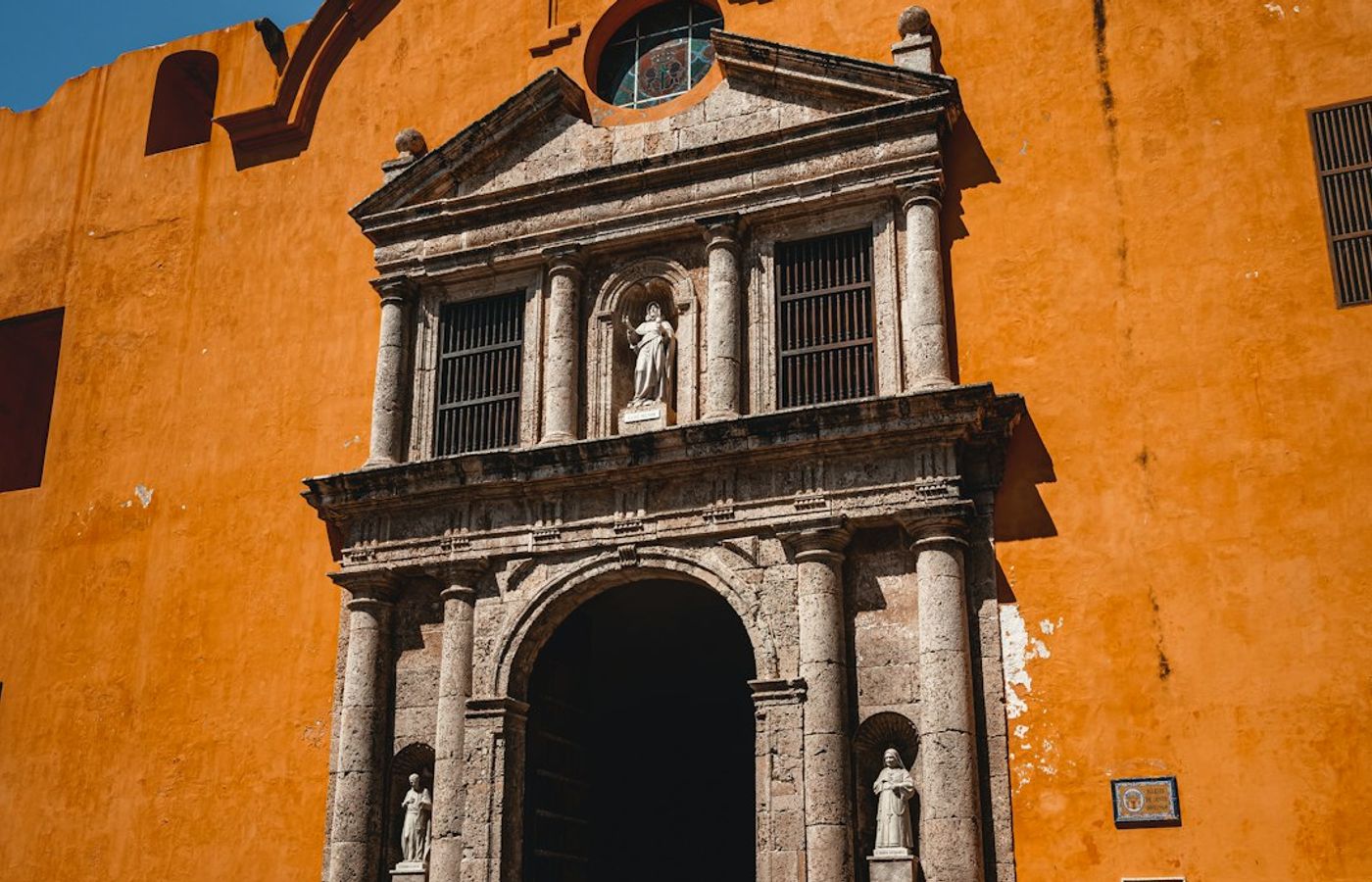

Qorikancha was the most sacred temple in the Inca Empire, its interior walls once sheathed in 700 sheets of solid gold, its courtyard filled with life-sized gold and silver replicas of corn, llamas, and human figures. Spanish conquistadors stripped the gold in 1533 and built the Convent of Santo Domingo directly on top of the Inca stonework. What remains is a striking architectural palimpsest: perfectly fitted Inca masonry, with stones joined so tightly that no mortar was needed, supporting a 16th-century Dominican church above. Several Inca chambers are still intact, including rooms believed to have been dedicated to the sun, moon, stars, and rainbow.
Entry costs 15 PEN (3.50 EUR). The site is open Monday to Saturday 08:30-17:30 and Sunday 14:00-17:00. Allow 45 minutes to an hour. A small on-site museum displays artifacts recovered from the temple grounds. The curved retaining wall visible from the outside along Avenida El Sol is one of the finest surviving examples of Inca stonework anywhere.
Check dates for Cusco
See what is available on your dates.
4San Pedro Market - Cusco's Largest Traditional Food Market
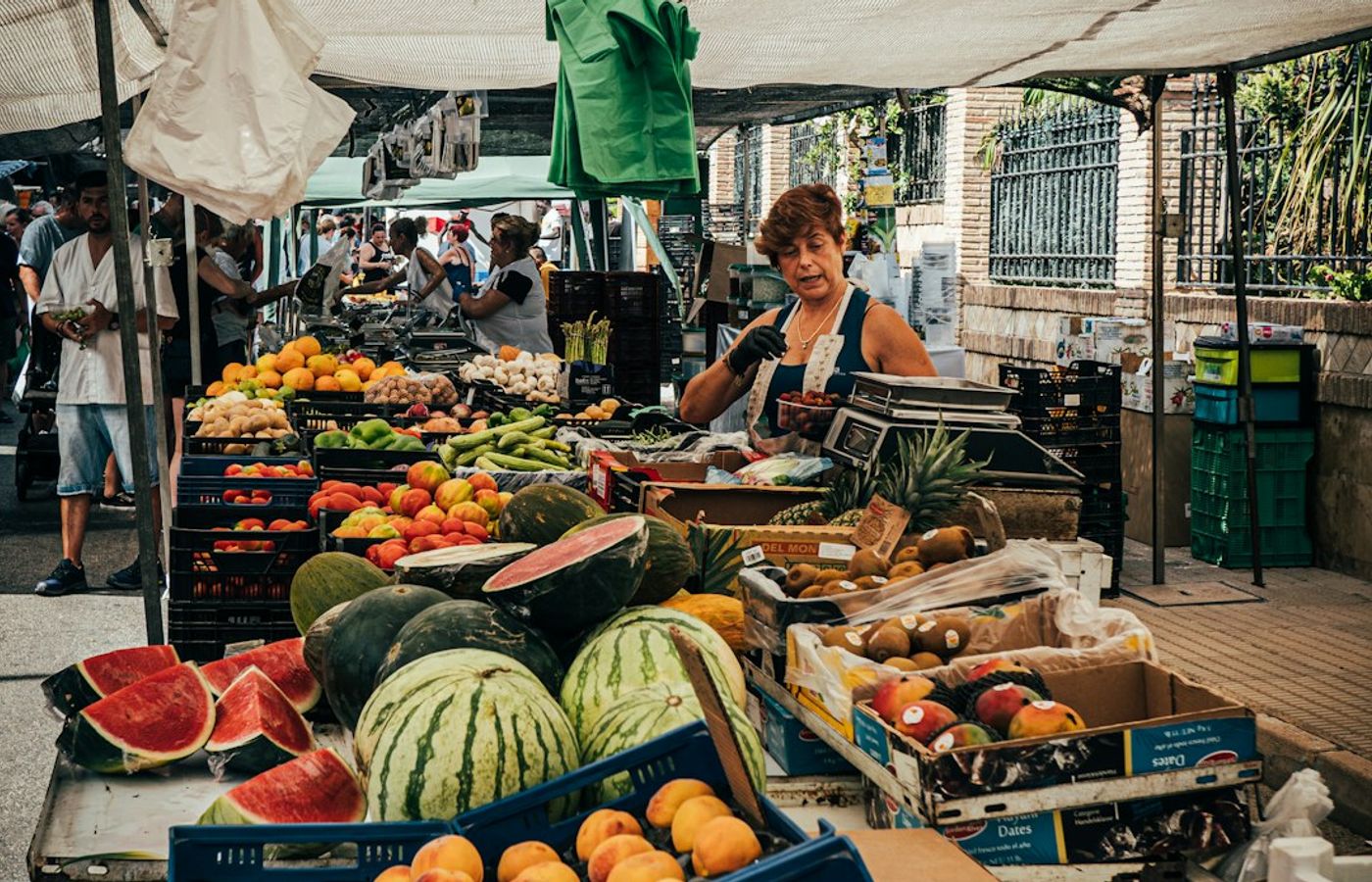
Mercado Central de San Pedro has operated on this site since 1925, housed under an iron-frame roof designed by Gustave Eiffel's engineering firm. The market fills a full city block with over 1,000 stalls organized loosely by product: fresh fruit juices on the south side, cooked food stalls (comedores) in the centre, meats and cheeses along the back wall, and textiles, crafts, and herbal remedies toward the north and east entrances. This is where Cusco residents buy their daily groceries, and prices reflect that - a full lunch plate of soup and a main course at a comedor costs 5-8 PEN (1.20-1.90 EUR).
The juice stands are a highlight. Fresh-squeezed orange, papaya, lucuma, and mixed tropical blends cost 3-5 PEN per large glass. For something more unusual, try emoliente - a hot herbal drink made with toasted barley, flaxseed, lime, and medicinal herbs. The market opens early (around 06:00) and closes by 18:00, but the best energy and selection are between 07:00 and 12:00. Entry is free. Keep valuables secure, as the market gets crowded and pickpocketing is not unheard of.
5San Blas - Artisan Quarter with Cusco's Steepest Streets
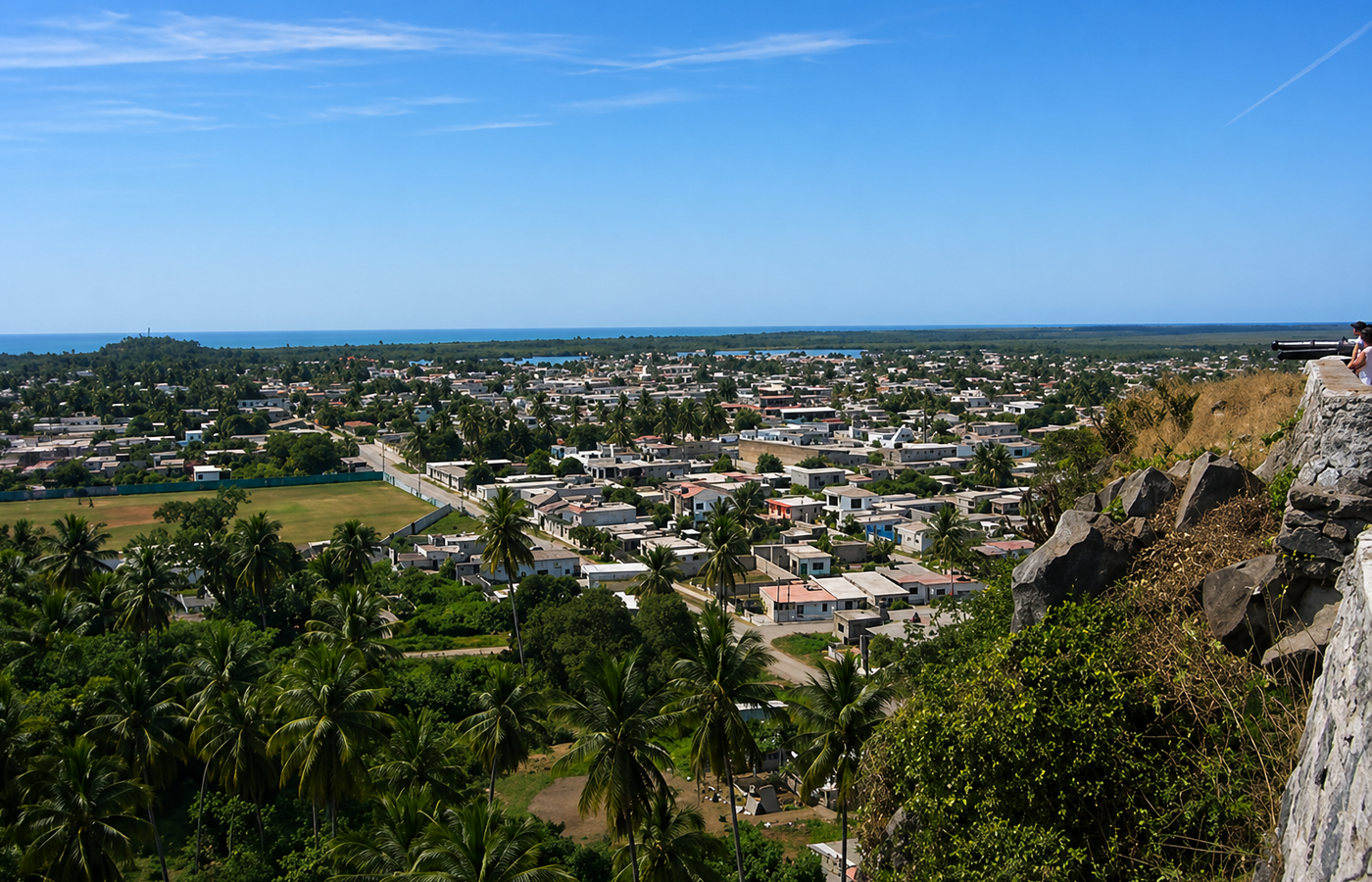
San Blas is Cusco's oldest residential neighbourhood, a tangle of narrow cobblestone lanes and whitewashed adobe houses climbing the hillside above the historic centre. The district has been home to artisans and craftspeople for generations, and today it holds a concentration of ceramics workshops, weaving studios, and small galleries. The walk up from Plaza de Armas via Calle Hatunrumiyoc passes the famous Twelve-Angled Stone (Hatunrumiyoc), a precisely cut Inca block fitted into a palace wall - a masterpiece of stonemasonry that has become one of Cusco's most photographed objects.
The tiny Plazoleta San Blas at the neighbourhood's heart holds the Templo de San Blas, a simple adobe church housing an extraordinary carved wooden pulpit - possibly the finest piece of colonial woodcarving in the Americas. Entry to the church costs 15 PEN or is included in the Boleto Religioso. On Saturdays, an open-air craft market fills the plaza and surrounding streets. The neighbourhood also has some of Cusco's best independent coffee shops and bakeries. Allow one to two hours for a leisurely wander.
6Calle Hatunrumiyoc and the Twelve-Angled Stone - Inca Masonry at Its Finest
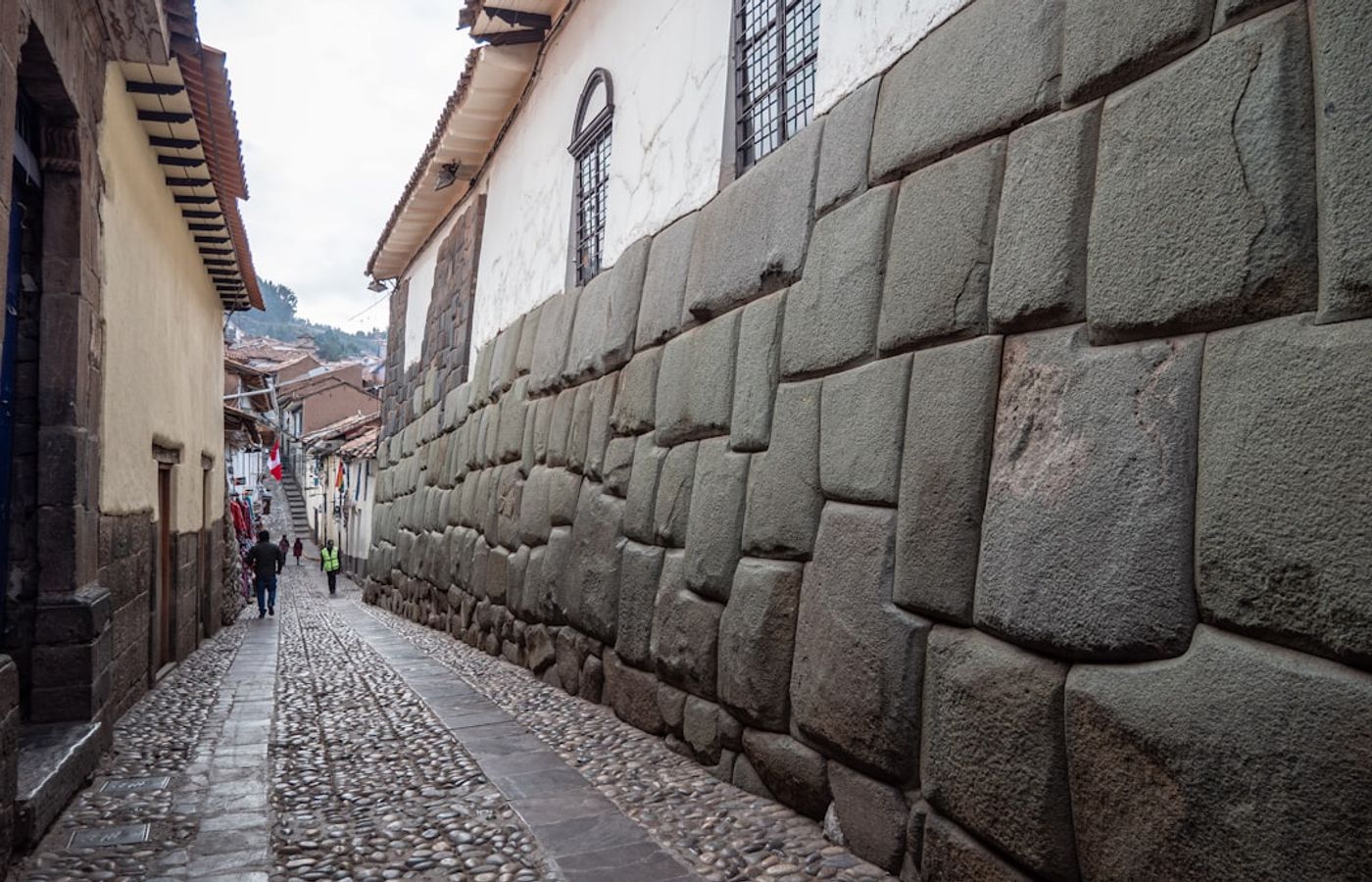
Calle Hatunrumiyoc is a narrow pedestrian lane whose left wall is an original Inca construction - the outer wall of the palace of Inca Roca, the sixth Sapa Inca. The wall extends for roughly 100 metres and features massive stone blocks fitted together without mortar, each one shaped to interlock with its neighbours at irregular angles. The most celebrated block is the Twelve-Angled Stone (Piedra de los Doce Angulos), a single boulder cut with twelve corners and twelve corresponding joints, each flush against the surrounding stones with no gaps. No adhesive holds it in place. The wall is part of what is now the Palacio Arzobispal (Archbishop's Palace), which houses the Museo de Arte Religioso.
Viewing the stone is free - it sits in the open street wall, usually with a guard standing nearby. The street is accessible at any hour, but expect a small crowd during peak daylight hours. The Museo de Arte Religioso inside the palace charges 15 PEN (3.50 EUR) and displays colonial-era religious paintings and silverwork in rooms built on Inca foundations. You can combine this stop naturally with the walk up to San Blas.
7Sacsayhuaman - Megalithic Inca Fortress Above Cusco
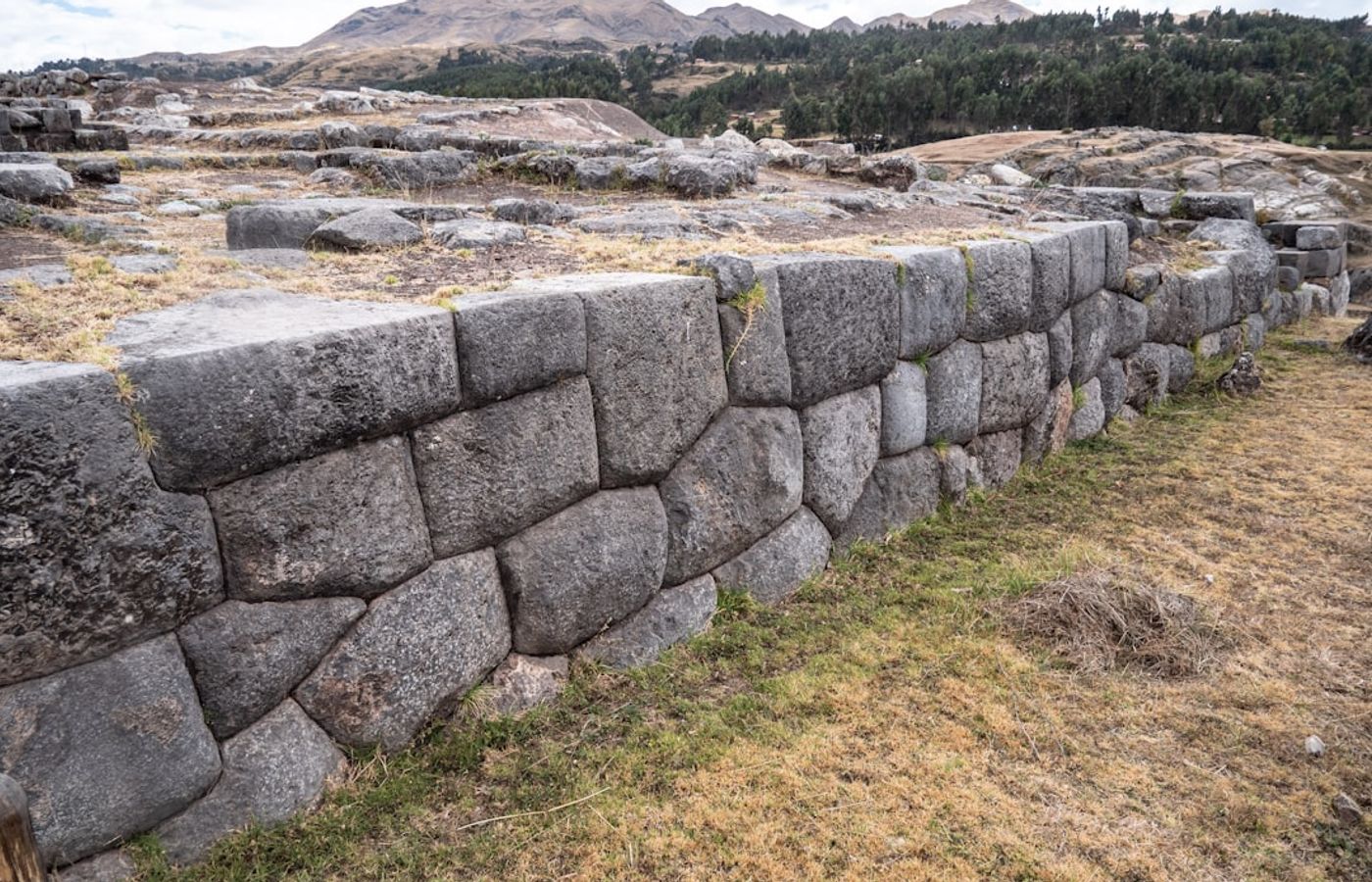
Sacsayhuaman is the single most impressive feat of Inca construction you can see in the Cusco area. Three parallel zigzag walls run for roughly 400 metres across a hillside overlooking the city, built from limestone blocks - some weighing over 120 tonnes - dragged into position and fitted with the same mortarless precision found throughout Inca architecture, but at a scale that defies easy explanation. The largest stones stand over 8 metres tall. Spanish chronicles record that 20,000 to 30,000 workers laboured on the complex over several decades in the 15th century. After the Spanish conquest, much of the upper structure was dismantled for building material, but the massive foundation walls proved too heavy to move.
Entry requires the Boleto Turistico (130 PEN / 31 EUR for the full circuit, or 70 PEN / 17 EUR for a partial ticket covering Sacsayhuaman and nearby sites). The site is open 07:00-17:30 daily. Allow 1.5-2 hours. The grassy esplanade opposite the walls is where Cusco holds Inti Raymi, the Festival of the Sun, every 24 June - a massive re-enactment of Inca solstice ceremonies that draws thousands of spectators.
8Q'enqo - Carved Rock Shrine and Underground Altar
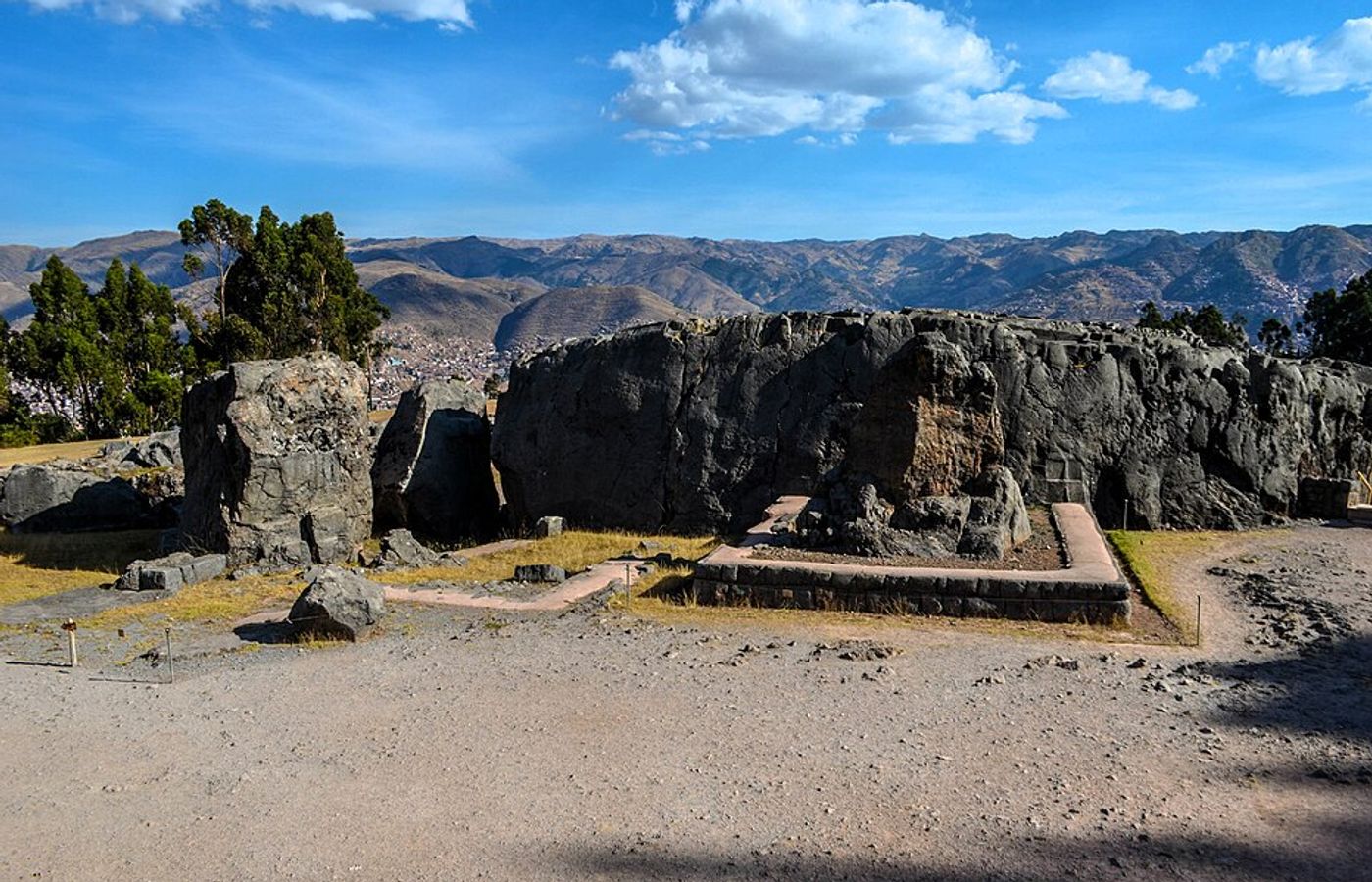
Q'enqo (also spelled Kenko) is a ceremonial site built around and into a massive limestone outcrop. The name means "zigzag" in Quechua, referring to the channels carved into the rock's surface - thought to have been used for pouring chicha (corn beer) or llama blood during ritual offerings. The site's most striking feature is a cave-like passage tunnelled beneath the outcrop, where a flat stone platform served as an altar or possibly a surface for preparing mummies. The interior is dark and cool, a sharp contrast to the open hilltop above.
Q'enqo is included in the Boleto Turistico - the same ticket that covers Sacsayhuaman. There is no separate admission. The site is compact and takes 20-30 minutes to explore. A carved amphitheatre on the upper level once held a tall stone pillar (now broken) believed to have functioned as a solar observatory. Most guided tours combine Q'enqo with Sacsayhuaman and the smaller nearby sites of Puka Pukara and Tambomachay in a half-day circuit.
9Sacred Valley of the Incas - Ollantaytambo, Pisac and the Urubamba River
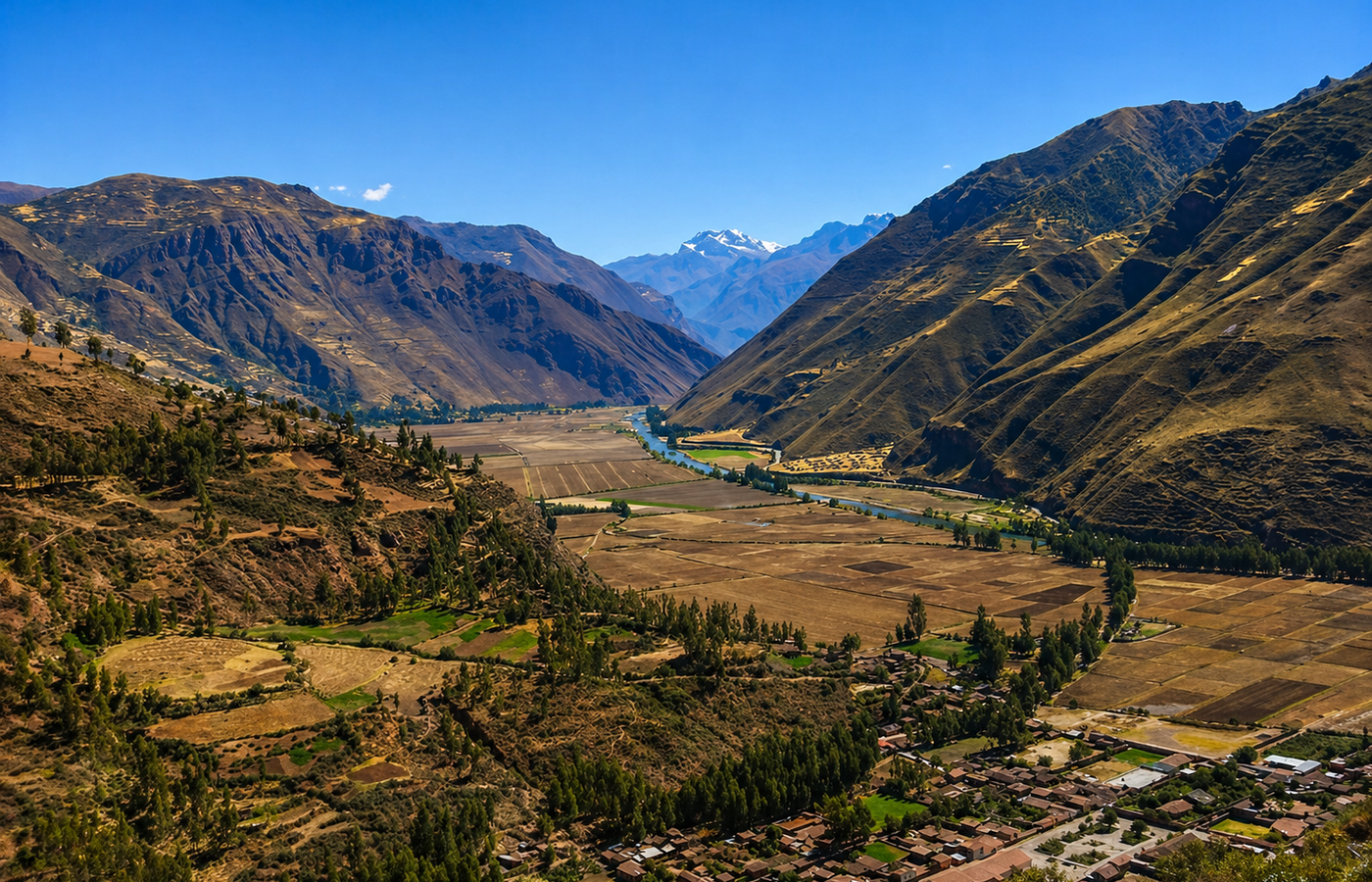
The Sacred Valley follows the Urubamba River through a wide, fertile corridor between Pisac and Ollantaytambo, flanked by steep mountains and dotted with Inca ruins at nearly every turn. Pisac offers two draws: an extensive Inca citadel terraced into the mountainside above town, and a popular market in the main square (largest on Tuesdays, Thursdays, and Sundays). Ollantaytambo, at the valley's western end, is a living Inca town - its street grid and water channels still follow the original 15th-century layout. The fortress ruins above the town feature massive pink granite blocks transported from a quarry 6 km away across the river and up a steep slope, an engineering effort that remains difficult to explain.
Pisac ruins entry costs 70 PEN (17 EUR) via the Boleto Turistico partial circuit. Ollantaytambo charges 70 PEN (17 EUR) individually or is included in the same partial ticket. Most travellers visit both in a single day trip, often adding the Chinchero textile community. Ollantaytambo also serves as the main departure point for trains to Machu Picchu, so some travellers spend a night here before an early-morning train. The valley's lower altitude makes it noticeably warmer and easier to breathe than Cusco.
10Machu Picchu - The Inca Citadel That Needs No Introduction
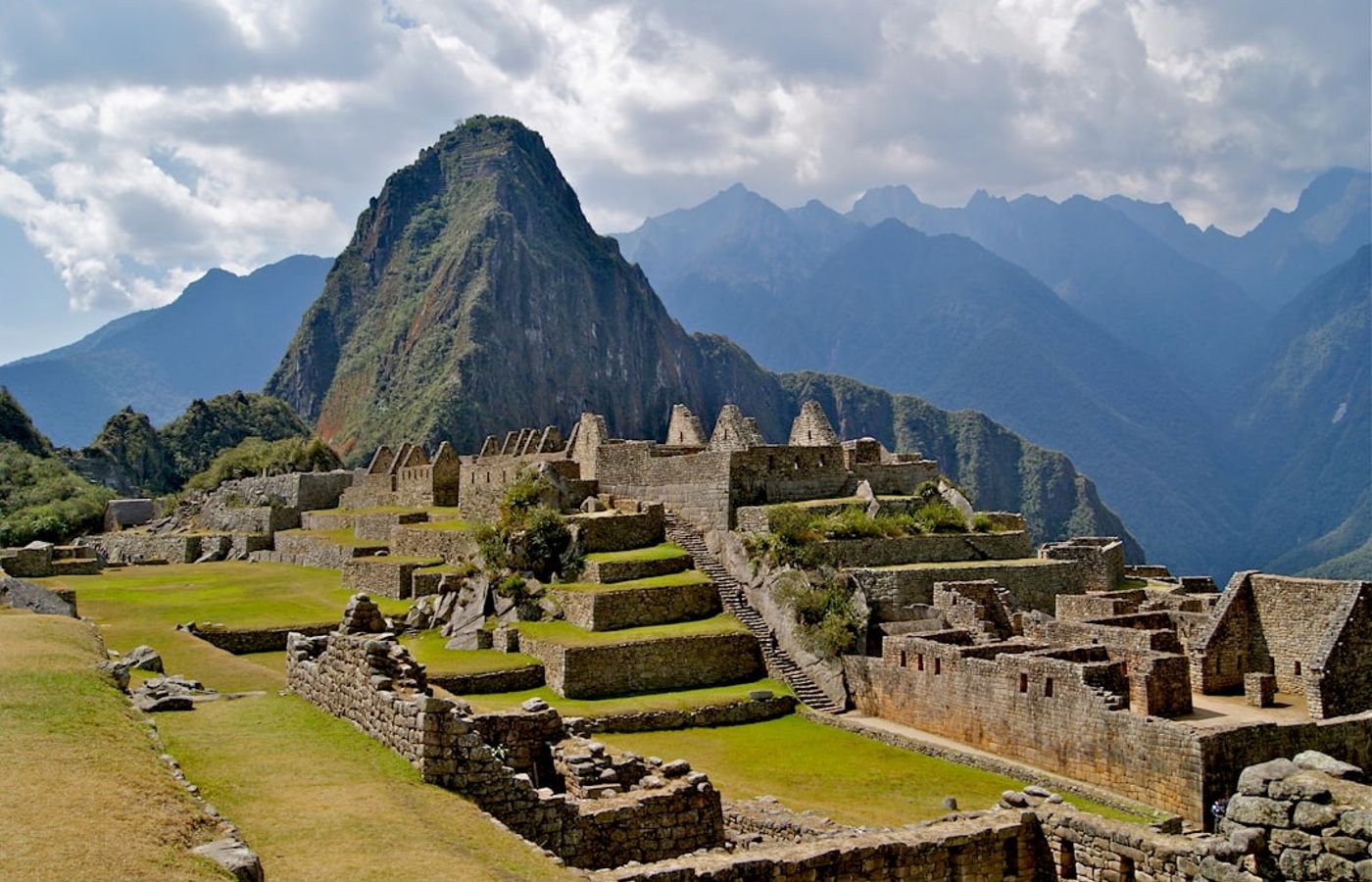
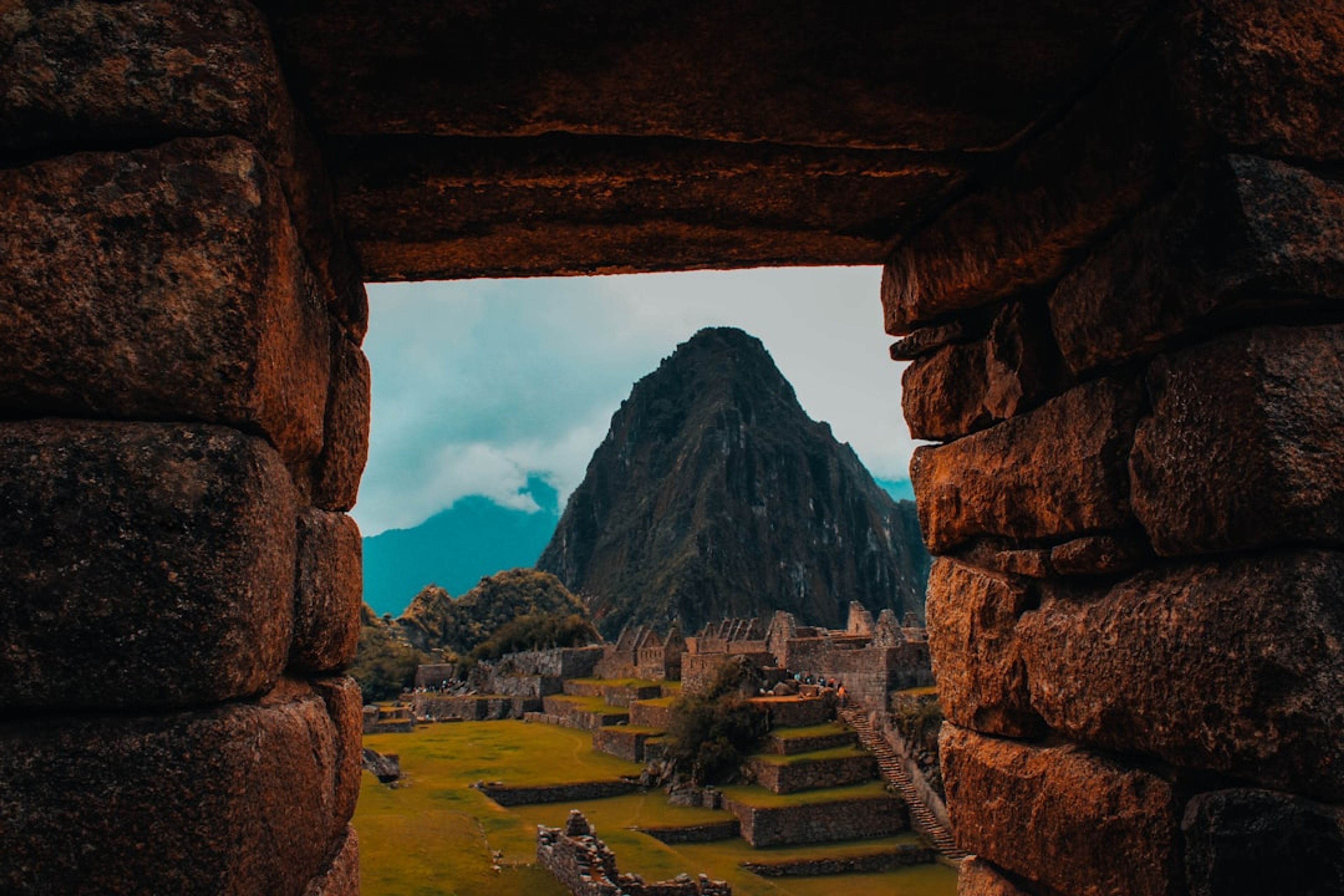
Machu Picchu was built in the mid-15th century under Inca emperor Pachacuti, abandoned roughly a century later, and remained unknown to the outside world until Hiram Bingham's 1911 expedition brought it to international attention. The citadel occupies a narrow ridge between two peaks - Machu Picchu ("Old Mountain") and Huayna Picchu - at 2,430 metres elevation, surrounded by cloud forest and the Urubamba River gorge far below. The site contains roughly 200 structures: temples, residences, storehouses, and agricultural terraces, all built from locally quarried granite and fitted without mortar. It is both a UNESCO World Heritage Site and one of the New Seven Wonders of the World.
Entry tickets cost 152 PEN (36 EUR) for the standard circuit. Additional tickets for Huayna Picchu (200 PEN / 47 EUR) or Machu Picchu Mountain (200 PEN / 47 EUR) must be purchased separately and sell out weeks ahead. Daily visitor numbers are capped at approximately 4,500, split across timed entry slots. You must enter with a licensed guide (available for hire at the entrance for approximately 30-50 PEN per person in a group). The site is open 06:00-17:00, with the first entry slot at 06:00. Bring your passport - it is checked at the gate.
11Rainbow Mountain (Vinicunca) - Striped Andean Peak at 5,200 Metres
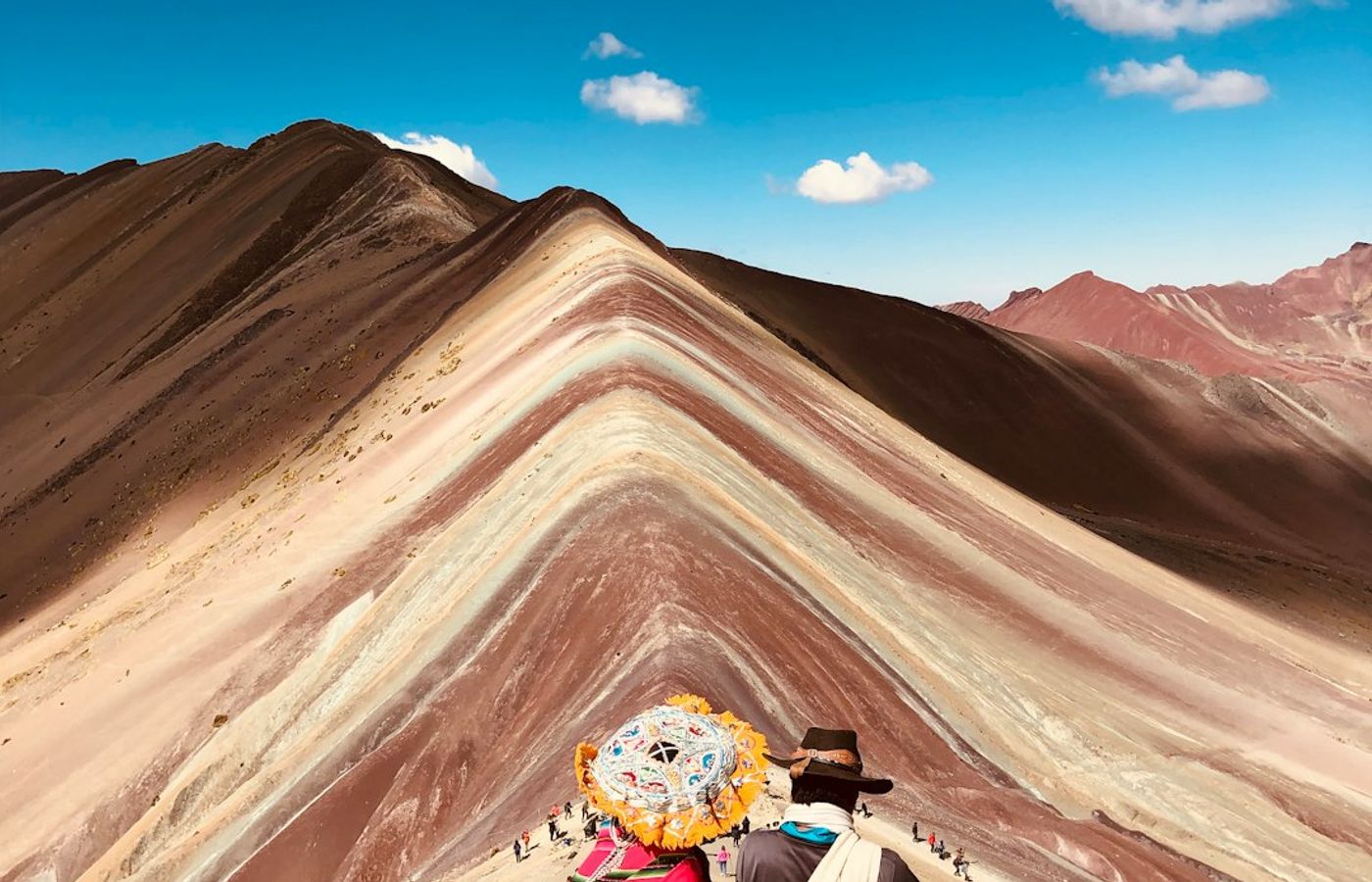
Rainbow Mountain, known locally as Vinicunca or Montana de Siete Colores, was hidden beneath glacial ice until accelerated melting in the 2010s exposed bands of mineral-rich sediment in red, gold, green, and turquoise stripes across its slopes. The mountain only became a tourist destination around 2016 and quickly rose to become one of the most visited sites in the Cusco region. The hike from the trailhead to the viewpoint covers roughly 5 km one way, gaining 600 metres of elevation. At 5,200 metres, the air holds about half the oxygen of sea level. This is a genuinely demanding trek, and altitude sickness can strike anyone regardless of fitness.
Horses are available for rent at the trailhead (40-80 PEN / 9.50-19 EUR) for those who prefer not to walk the full distance. The entry fee at the community checkpoint is 10 PEN (2.30 EUR). Weather determines everything here - clear skies reveal the colours in full intensity, while cloud or rain washes them out to grey. The dry season (May through September) gives the best odds. Dress in layers: temperatures at the summit can drop below freezing even on sunny mornings. There are no facilities, medical posts, or shelters along the trail.
12Inca Trail to Machu Picchu - Four-Day Trek Through Cloud Forest and Mountain Passes
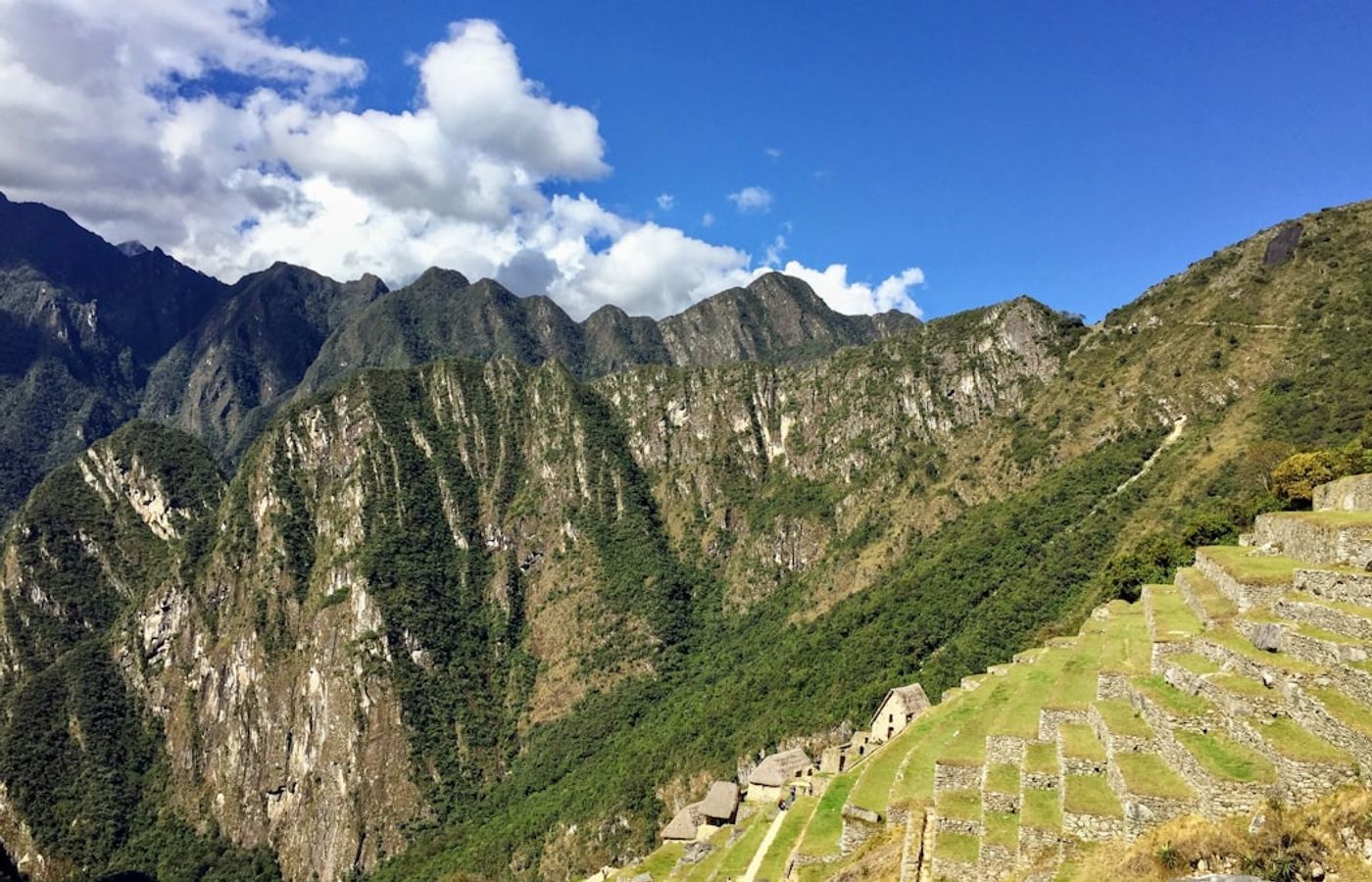
The classic Inca Trail is a 43-km trek that follows original Inca stone pathways through three high mountain passes, subtropical cloud forest, and a succession of archaeological sites before arriving at Machu Picchu through the Sun Gate (Inti Punku) at dawn on the fourth day. The highest point is Dead Woman's Pass (Warmiwanusqa) at 4,215 metres. The route passes through ruins at Llactapata, Runkurakay, Sayacmarca, Phuyupatamarca, and Winay Wayna - each one a significant site that most Machu Picchu visitors never see. The trail is regulated by Peru's Ministry of Culture, which caps daily entries at 500 (200 trekkers plus 300 porters and guides).
Permits cost approximately 250-300 USD per person through a licensed operator, covering the trail fee, guide, porters, meals, camping equipment, and Machu Picchu entry. Peak-season permits (May through August) sell out three to six months in advance. The trail closes every February for maintenance. A two-day "Short Inca Trail" option starts at Km 104 and covers only the final 12 km, arriving at Winay Wayna and then Machu Picchu on the second morning. This shorter version is easier to book on shorter notice and costs roughly 350-450 USD including the train to Km 104. Refer to the official
Physical preparation matters. The trail involves steep ascents and descents on uneven stone steps at altitude. Most reasonably fit travellers complete it without difficulty, but knee strain on day-three descents is common. Trekking poles are strongly recommended.
Take this guide with you
Get every place in this guide, with addresses and map links, in your inbox — easy to open on your phone during the trip.
One email to the address on your account. No newsletter.

CEO and co-founder
Tomas is the co-founder and director of trip1, an European company specializing in reservation services. He launched the company in 2025 with a focus on building scalable, efficient operations.
12 Top Places to Visit in Cusco, Peru: Inca Ruins, Markets & Andean Culture - FAQ
Start at Plaza de Armas and the Cathedral, then see Qorikancha, the Inca sun temple beneath the Santo Domingo convent, and San Pedro Market. Walk up Calle Hatunrumiyoc past the Twelve-Angled Stone to the artisan quarter of San Blas. Above the city, Sacsayhuaman and Q'enqo share the Boleto Turistico, which costs 130 soles (about 31 euros) for the full circuit.
No. Cusco is the old Inca capital, a city at 3,400 metres, while Machu Picchu is a separate Inca citadel at 2,430 metres above the Urubamba gorge, with no direct road from Cusco. Trains run to Aguas Calientes from Poroy, near Cusco, in about 3.5 hours, or from Ollantaytambo in the Sacred Valley in about 1 hour 45 minutes, then a bus climbs to the ruins.
No. Four days is about right. Spend day one on foot around Plaza de Armas, the Cathedral, Qorikancha and San Pedro Market while you adjust to the altitude. Day two covers San Blas, Sacsayhuaman and Q'enqo, day three the Sacred Valley and day four Machu Picchu. Add a fifth day for Rainbow Mountain, which is best left until at least your third or fourth day.
Avoid rushing your first two days: Cusco sits at 3,400 metres, so walk slowly and save hard hikes such as Rainbow Mountain, at 5,200 metres, for day three or later. Photography is not allowed inside the Cathedral. Keep valuables secure in the crowded San Pedro Market, and expect cafes on Plaza de Armas to charge 30 to 50 per cent more than a few blocks away.
Yes, but it is a long day of roughly 14 to 16 hours door to door. Early trains run from Poroy or Ollantaytambo to Aguas Calientes, and a bus climbs to the citadel for a two to three hour guided visit. Book a timed ticket ahead: the standard circuit costs 152 soles (about 36 euros), a licensed guide is compulsory and your passport is checked.
Yes. The valley follows the Urubamba River between Pisac, with its terraced Inca citadel and a market that is biggest on Tuesdays, Thursdays and Sundays, and Ollantaytambo, a living Inca town below a fortress of pink granite. Both are covered by the 70 soles (about 17 euros) partial Boleto Turistico. The valley is lower and warmer than Cusco, and colectivos let you visit independently.