

Guides · Bucharest
10 Best Things to Do in Bucharest

CEO and co-founder
This guide ranks the 10 best things to do in Bucharest, Romania - the sights that genuinely deserve a spot on your itinerary whether you have two days or a full week in the Romanian capital. Each entry lists an exact street address with postal code, the nearest metro or tram, walk time, and a practical Pro Tip informed by local timing. The list is ordered to help you plan efficient sightseeing routes - central Calea Victoriei landmarks like the Athenaeum and National Museum of Art group into one walking day, the Palace of the Parliament and Cismigiu Gardens work best on a second day, and the Village Museum with Herastrau Park fills a relaxed third day.
Bucharest was rebuilt three times in the 20th century - after the 1940 earthquake, after Allied bombing in 1944, and after Ceausescu's demolition programme in the 1980s that flattened a third of the historic centre to make space for the Palace of the Parliament. That turbulence explains the current cityscape: pockets of Belle Epoque elegance survive alongside Communist-era boulevards, Orthodox monasteries tucked behind glass office blocks, and a 55-hectare park hidden five metro stops from the centre. Use this guide as a practical itinerary rather than a bucket list - two full days will cover the core, and a fourth day frees you up for the Sinaia and Peles Castle trip in the Carpathian mountains.
Practical notes: the metro is fast and clean but stops running around 23:30, so plan late dinners in the walkable Old Town. Book the Palace of the Parliament tour at least 48 hours ahead with passport details, and buy Peles Castle timed tickets online before travel. All prices listed below are current for 2026.
1Palace of the Parliament - The Second Largest Building in the World
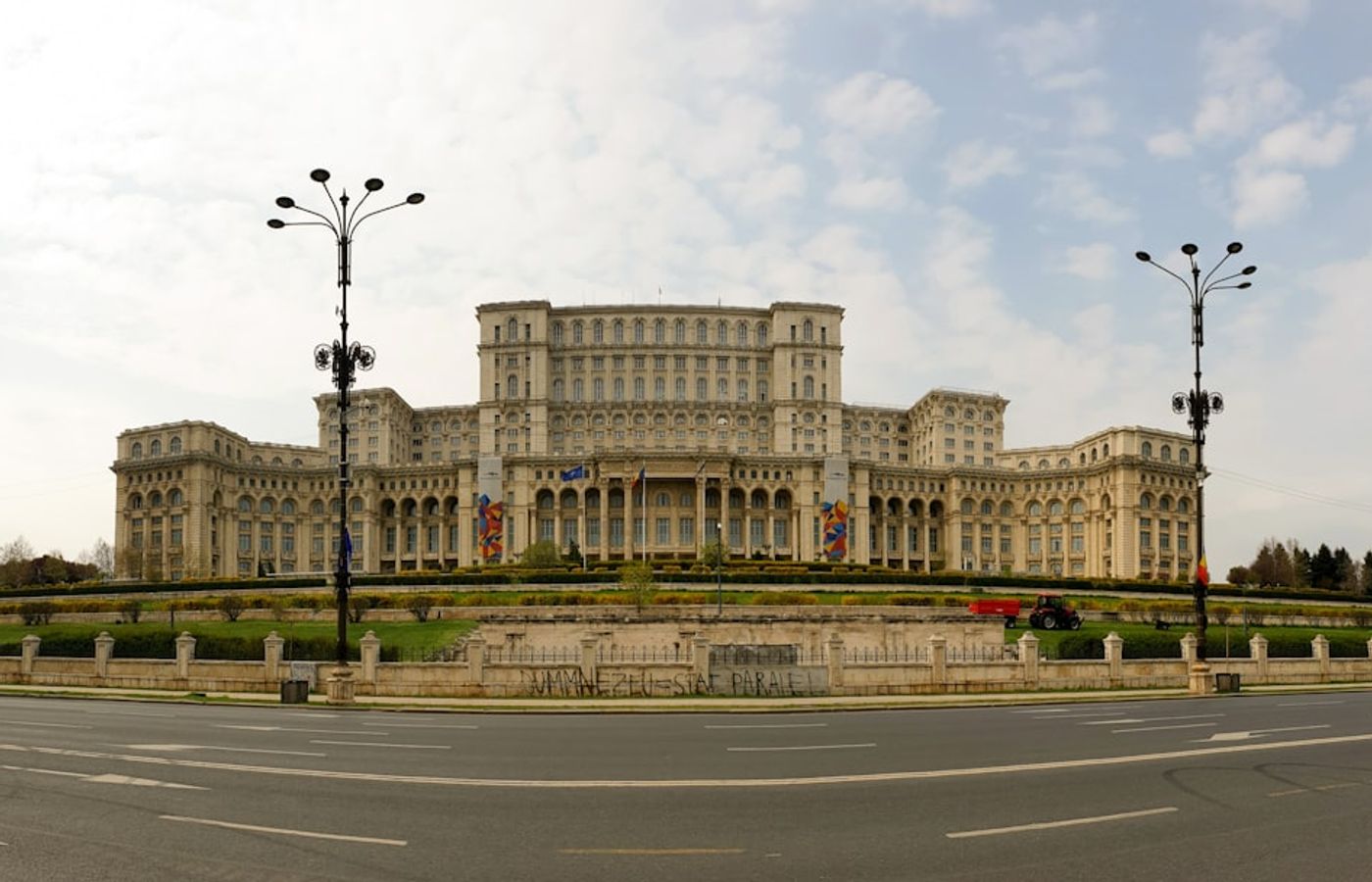

The Palace of the Parliament is the second largest administrative building in the world by floor area after the Pentagon, and the heaviest building on the planet at an estimated 4.1 million tonnes. Commissioned by Nicolae Ceausescu in 1984 and still not entirely finished at his execution in December 1989, it holds 3,100 rooms across 12 storeys and rises 84 metres above street level - with another 92 metres of levels below ground. The exterior of Transylvanian marble, Carrara marble, and Romanian oak alone was drawn from every region of the country.
The standard 60-minute guided tour covers eight of the largest staterooms including the Union Hall with its 2.5-tonne central chandelier and the Nicolae Balcescu Hall with 8-metre embroidered curtains. Language slots run in English, French, German, Spanish, and Romanian, and photography is allowed with a small extra fee. Bring your passport - security at the visitors' entrance checks names against the booking manifest, and no ID means no entry, no exceptions.
Pro Tip: Book online at cic.cdep.ro at least 48 hours ahead, and pick the 10:00 or 10:30 English slot - by 14:00 the acoustics fill with tour-group chatter, and the panoramic terrace loses the morning light for photos of Bulevardul Unirii.
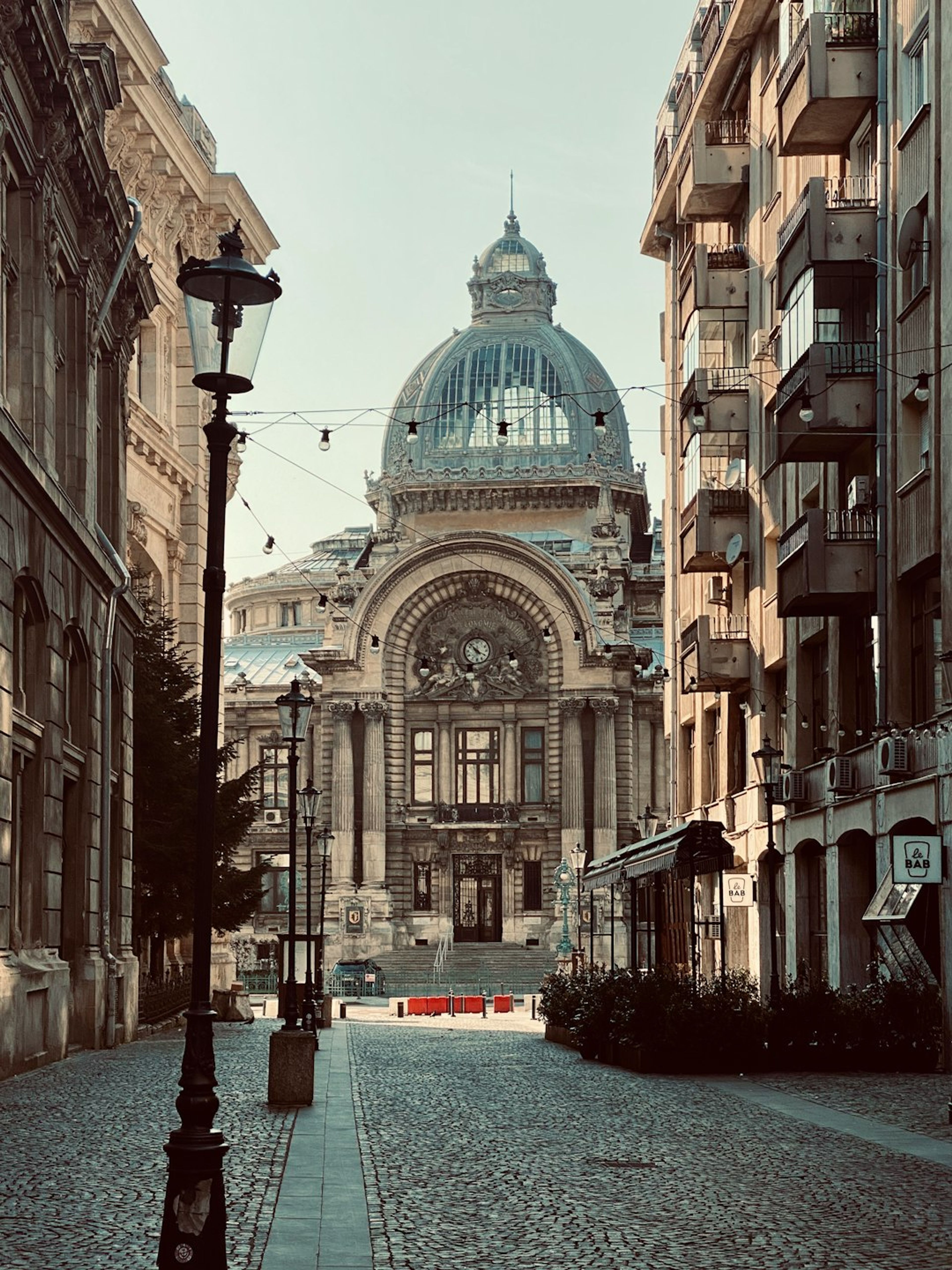
2Old Town Lipscani - Belle Epoque Streets and Manuc's Inn
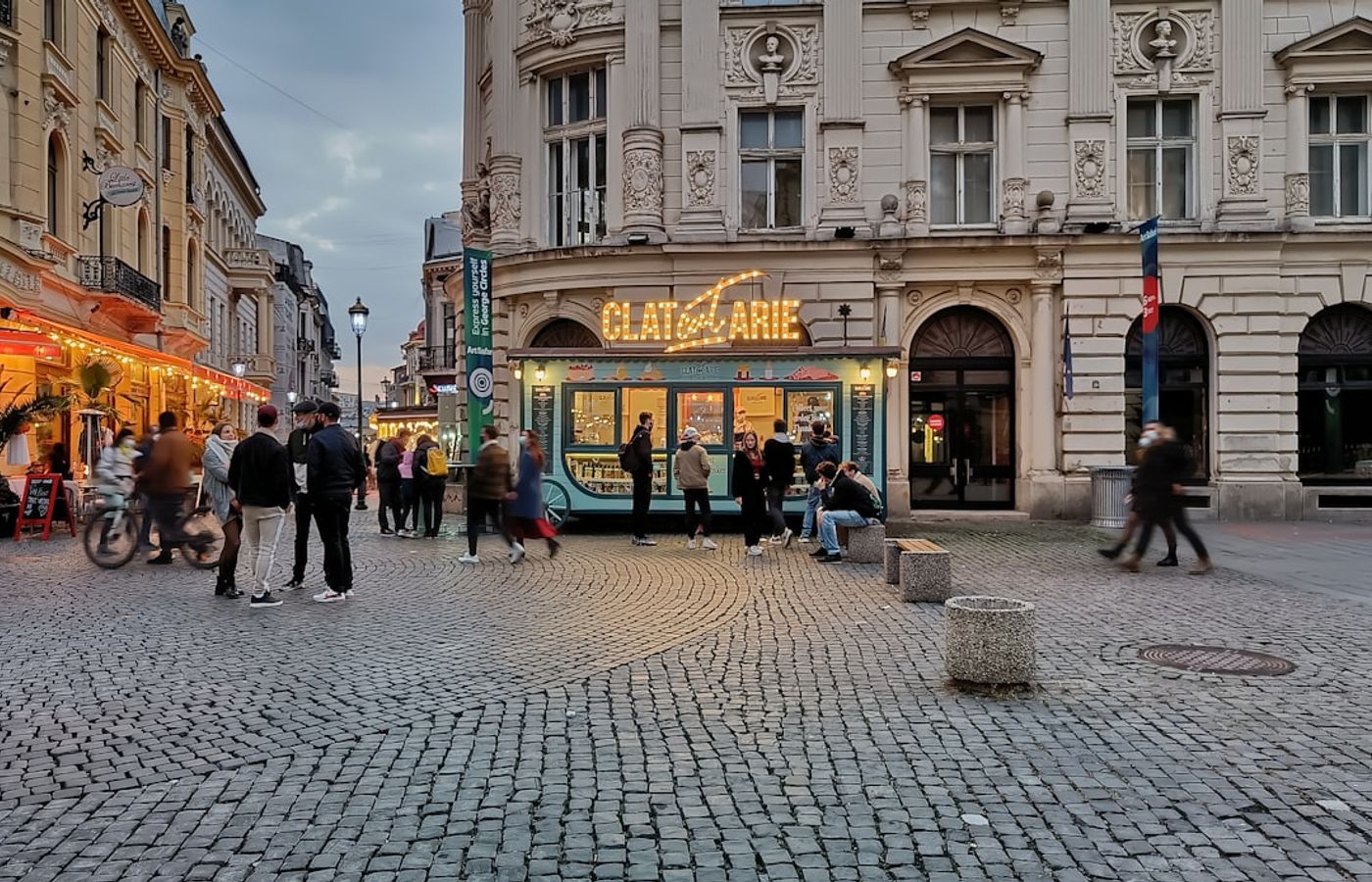

The historic centre, universally called Lipscani after its main street, is a 10-hectare grid of cobbled lanes that survived Ceausescu's demolition largely because it sat outside his master-plan axis. The name Lipscani comes from Leipzig, the 18th-century trade route that brought German-speaking merchants to Bucharest. Today the district is packed with restored 19th-century townhouses, hidden Orthodox chapels, terrace bars, and the country's grandest bookstore, Carturesti Carusel, occupying a restored bank building at Lipscani 55.
Key sights inside the district include Curtea Veche (the ruined 15th-century Princely Court where Vlad the Impaler once held court), Manuc's Inn (Hanul lui Manuc) from 1808 which is the oldest surviving caravanserai in the city, the neo-classical Stavropoleos Monastery, and the fully covered Villacrosse and Macca Passages with their yellow glass roofs. Wander during the day for coffee and architecture; return after 21:00 for the buzz along Selari and Smardan streets.
Pro Tip: For a proper Romanian lunch, book a table on the courtyard balcony at Caru' cu Bere at Stavropoleos 5 - the building is a listed 1899 neo-Gothic monument and the sarmale (cabbage rolls with polenta) at 45 RON is the cheapest way to eat inside a piece of Bucharest history.

3Romanian Athenaeum - The Grandest Concert Hall in the Balkans
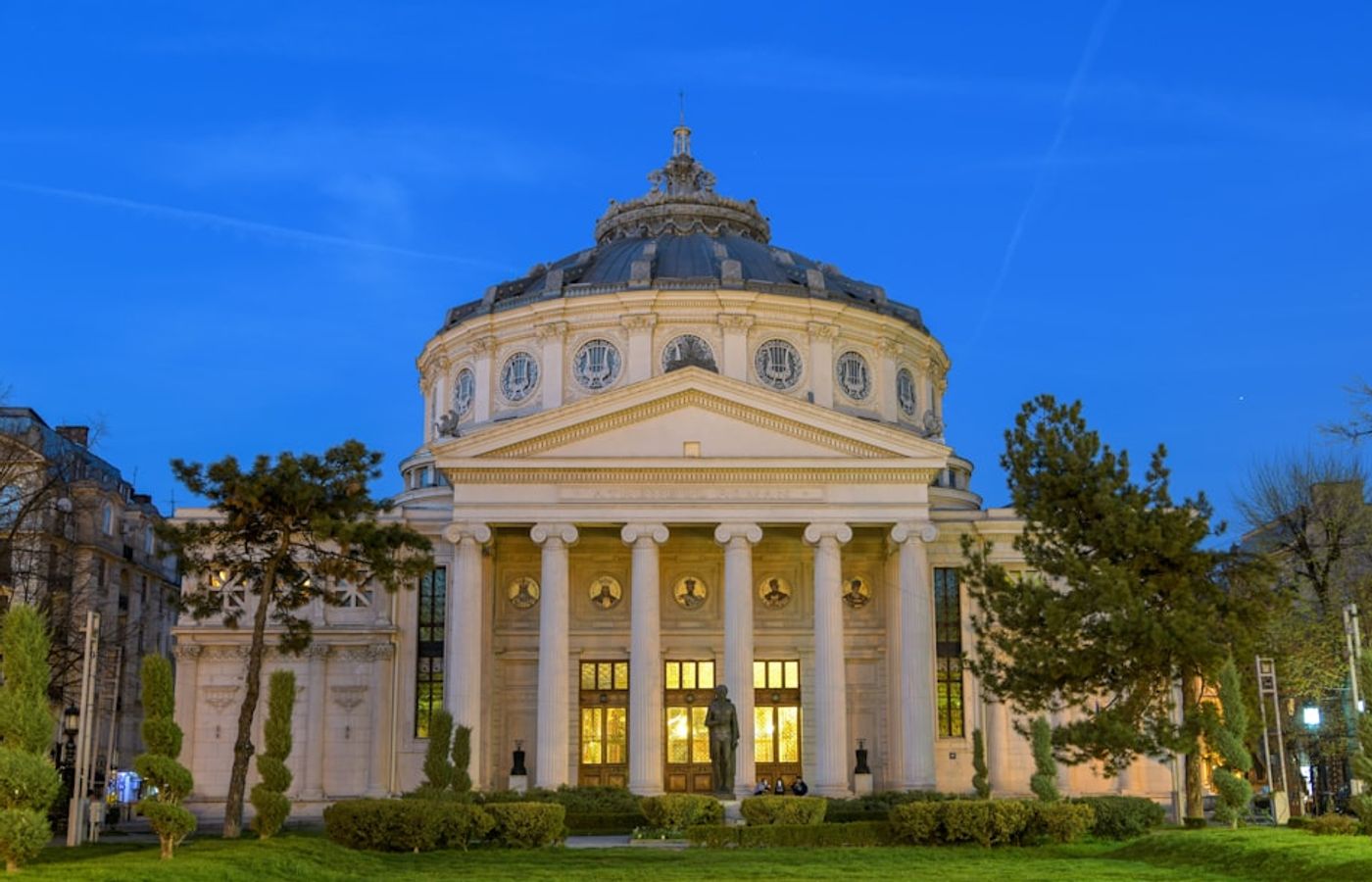

The Romanian Athenaeum (Ateneul Roman) is the neo-classical concert hall that has served as the visual symbol of Romanian culture since it opened on 14 February 1888. The building has a domed circular main hall seating 794, six ionic columns supporting a pediment above the main entrance, and inside a 75-metre continuous fresco by Costin Petrescu tracing 25 defining moments of Romanian history from the Roman conquest of Dacia through the Union of 1918.
The Athenaeum is home to the George Enescu Philharmonic and hosts the George Enescu International Festival in September of odd-numbered years. A short daytime visit (5 RON, roughly 1 EUR) lets you into the entrance lobby and central staircase, but the real experience is a concert - tickets from 30 to 120 RON put you inside one of the best acoustic spaces in Central and Eastern Europe. Check schedules at fge.org.ro.
Pro Tip: Book the 19:00 Thursday chamber concerts at least three weeks ahead - they sell out and cost 30-40 RON. Combine an early concert with a walk through Cismigiu Gardens 500 m away, then dinner in the Old Town for a satisfying, walkable evening.
4Dimitrie Gusti Village Museum - Open-Air Ethnography by Herastrau Lake
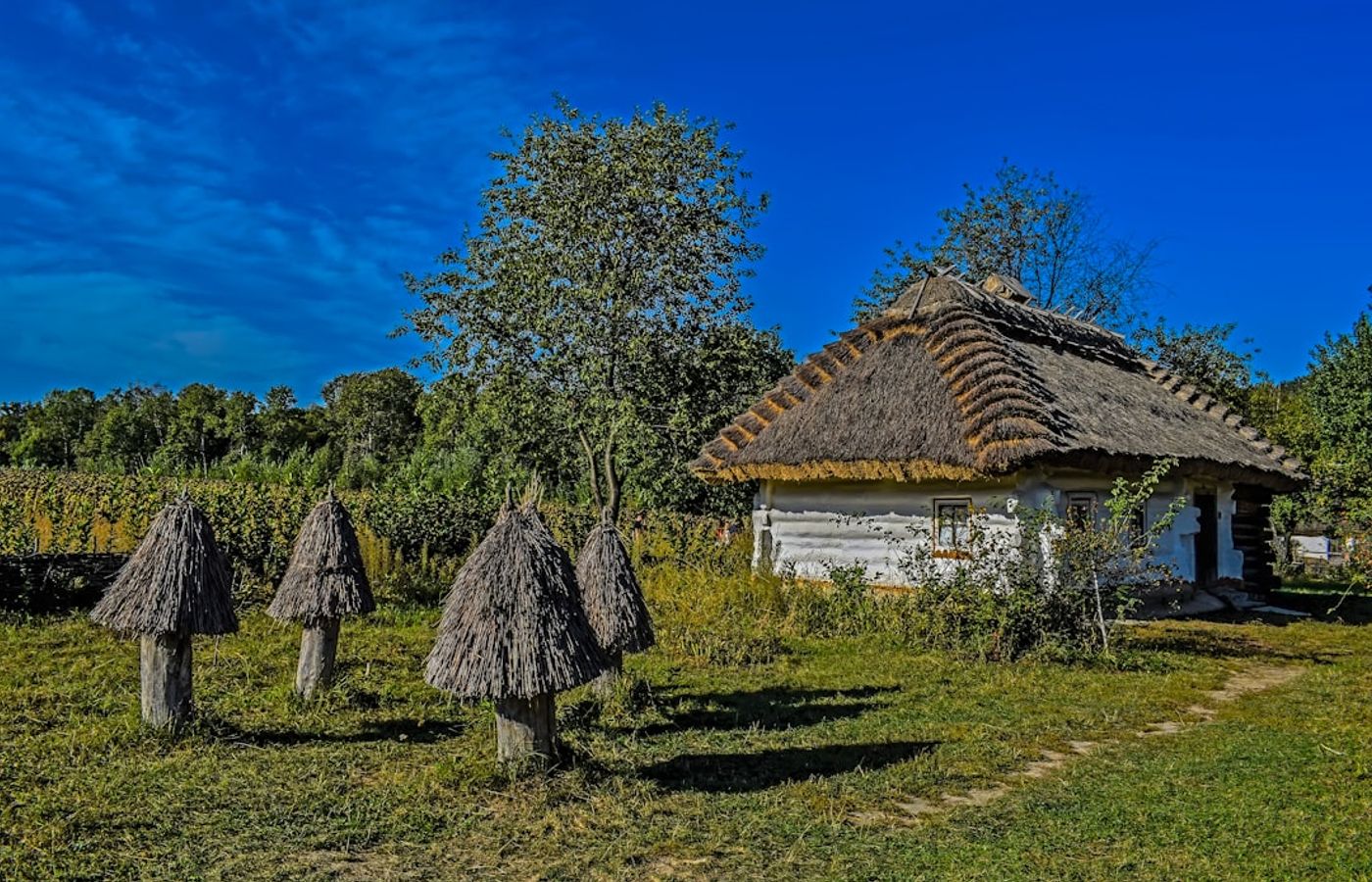
The Dimitrie Gusti National Village Museum, opened on 10 May 1936 by sociologist Dimitrie Gusti and King Carol II, is one of the oldest and largest open-air ethnographic museums in Europe. Spread across 10 hectares along the shore of Herastrau Lake, it holds 272 buildings brought over 87 years from all over Romania and reassembled beam by beam: wooden peasant houses from Maramures with steeply pitched shingle roofs, whitewashed windmills from Dobruja, half-timbered barns from Transylvania, and a 17th-century wooden church.
A comfortable circuit takes 90 minutes to two hours. English signage is thorough and each region has explanatory panels covering agriculture, textiles, and daily rituals. Craft workshops in the Danube Delta section demonstrate reed weaving and traditional wool dyeing on weekends between May and October. Entry is 30 RON for adults, half-price for students, and free on the first Wednesday of each month.
Pro Tip: Combine the Village Museum with a walk along Herastrau Lake and a boat rental at the pier next to Casino Aleea Trandafirilor - the round trip via the small island in the centre takes about 40 minutes and costs 40 RON for the boat.
5King Michael I Park (Herastrau) and Herastrau Lake - 187 Hectares of Green Space
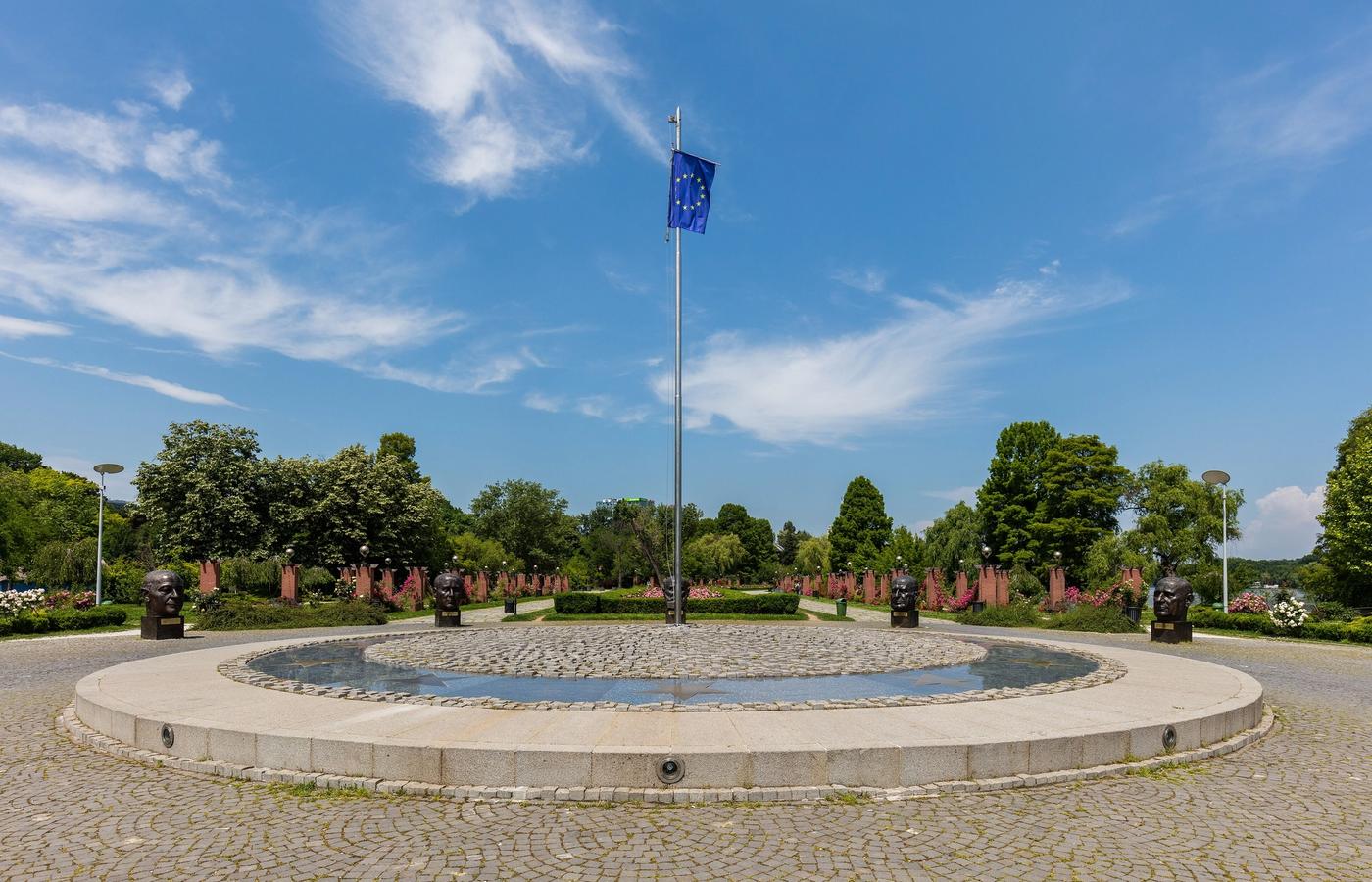
Officially renamed King Michael I Park in 2017 but still universally called Herastrau, this 187-hectare green space is Bucharest's answer to Hyde Park - 74 hectares of that total is the lake itself, giving the park its distinctive irregular shape. The park was landscaped in 1936 by architects Octav Doicescu and Ernest Doneaud on former marshland, and features a Japanese garden, an outdoor amphitheatre, a summer rose garden, and clearly marked 6-km jogging and cycling loops.
Boat and pedalo rentals operate from the main pier at Aleea Trandafirilor between April and October, from 30 RON for 30 minutes. The lakeside promenade on the west side has half a dozen good terrace restaurants for a long Sunday lunch. On the northern edge of the park sits the Village Museum (see previous entry), making a full day of open-air Bucharest culture.
Pro Tip: Rent a bike from the I'Velo station near the Charles de Gaulle entrance (15 RON per hour) and ride the full 6-km outer loop before it heats up. The perimeter path is entirely flat and traffic-free, and the tree cover on the western side keeps the ride shaded even in July.
6National Museum of Art of Romania - Former Royal Palace on Revolution Square
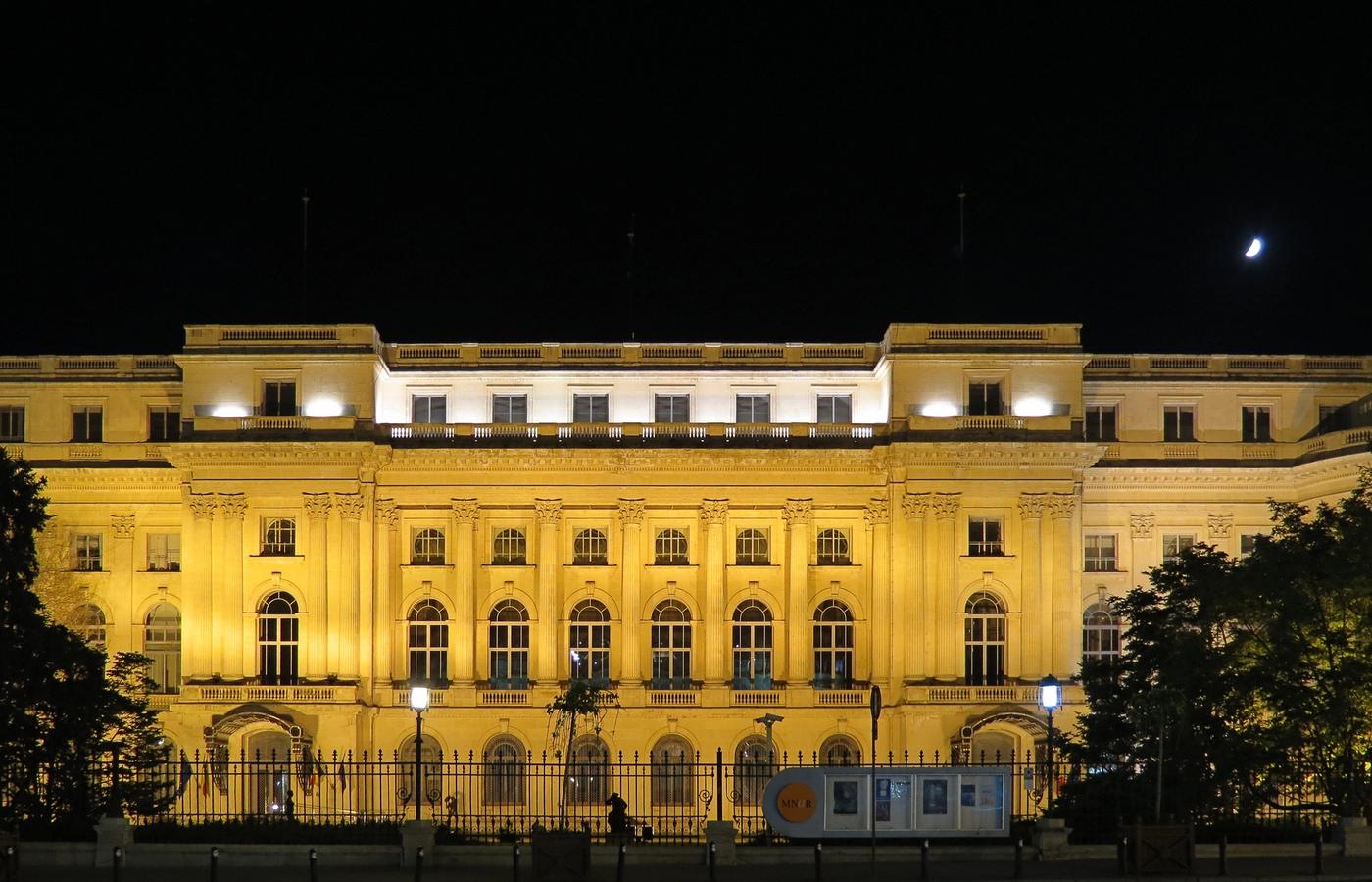
The National Museum of Art of Romania occupies the former Royal Palace on the west side of Revolution Square, which was the official residence of King Carol I, Ferdinand I, Carol II, and Michael I between 1837 and 1947. The palace was heavily damaged in the 1989 Revolution (the bullet marks are still visible on the facade) and now holds three major collections across three separate galleries reached from the same courtyard entrance.
The European Art Gallery holds around 3,000 paintings, sculptures, and decorative arts including works by El Greco, Rembrandt, Rubens, Monet, and Renoir. The Romanian Modern Art Gallery covers 19th and 20th century painting with the largest single collection of Nicolae Grigorescu, Theodor Aman, and Constantin Brancusi. The Romanian Medieval Art Gallery displays Orthodox icons, illuminated manuscripts, and precious metalwork from Wallachia and Moldavia dating from the 14th century onwards. Entry is 30 RON for all three galleries.
Pro Tip: Buy the combined ticket at the courtyard entrance rather than trying to cover just one wing - the Medieval Gallery in particular is often overlooked, but its icons from the Curtea de Arges monastery are among the most important religious art anywhere in the Balkans. Allow at least three hours for all three galleries.
7Stavropoleos Monastery - Brancoveanu Baroque in the Middle of the Old Town
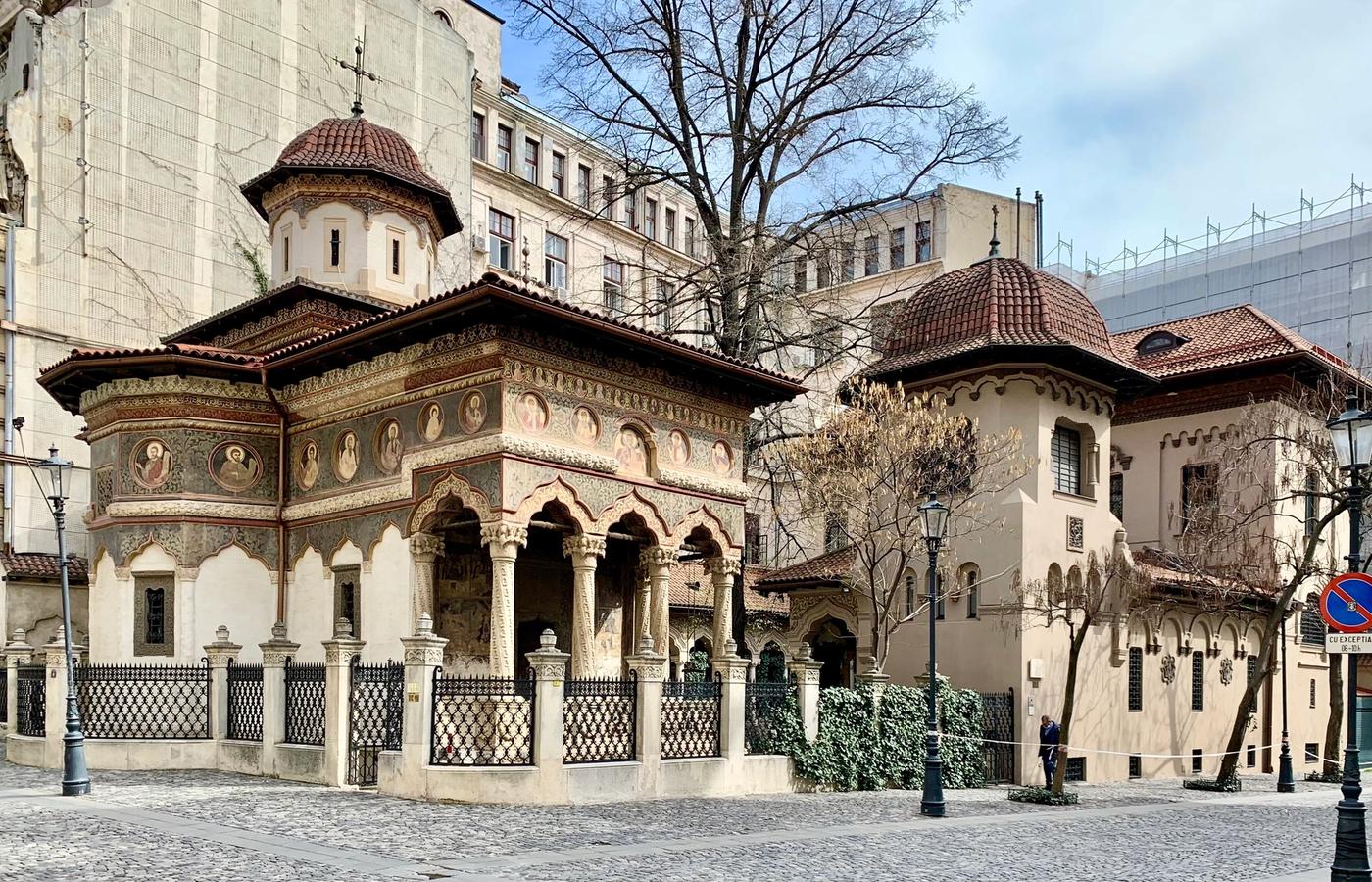
Stavropoleos Monastery is a tiny working nunnery hidden in a courtyard between two Old Town streets, and it is arguably the finest surviving example of Brancoveanu-style Romanian baroque - a mash of late Byzantine, Ottoman, and Italian Renaissance elements developed under Prince Constantin Brancoveanu around 1700. The church itself was built in 1724 by Greek monk Ioanikios Stratonikeas, and the intricately carved stone porch, twisted columns, and vine-leaf capitals set the standard for Romanian religious architecture for the following century.
Inside, the walls are covered with restored 18th-century frescoes and a fine iconostasis in silver leaf. A small annex holds one of the largest collections of Byzantine liturgical music manuscripts in south-eastern Europe. The monastery is free to enter, but photography inside the church is not permitted. Choral vespers with the nuns sung in the old Byzantine style at 17:00 (18:00 in summer) are open to the public and quietly powerful even for non-religious visitors.
Pro Tip: Time your visit for 17:00 vespers on a weekday and dress modestly - shoulders and knees covered for both men and women. Afterwards, cross the courtyard to Caru' cu Bere for dinner in the neo-Gothic hall next door.
8Revolution Square and University Square - Where 1989 Happened
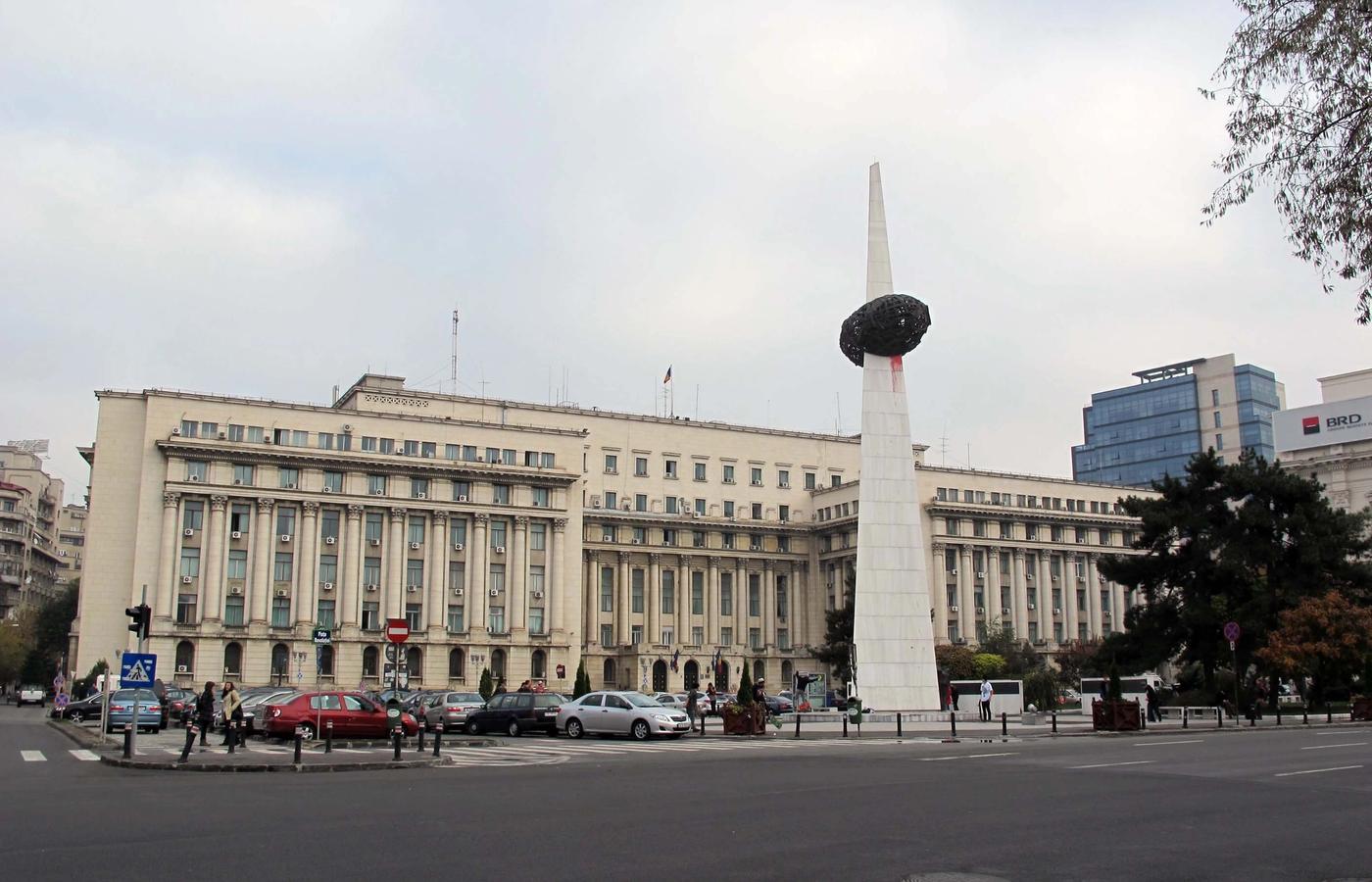
Revolution Square (Piata Revolutiei) is the exact spot where Nicolae Ceausescu delivered his final speech from the balcony of the Central Committee building on 21 December 1989 - and where the crowd's boos triggered the four-day chain of events that ended his 24-year rule. The square is framed by the Royal Palace (now the National Museum of Art), the Romanian Athenaeum, the former Communist Party HQ, and the Kretzulescu Church from 1722. The 25-metre white marble Memorial of Rebirth commemorates the 1,142 people killed during the Revolution.
One kilometre south lies University Square (Piata Universitatii), the second major protest site of 1989 and again in 1990, marked with a small stone cross for the students killed on 13 June 1990 during the Miners' Riots. The University of Bucharest main building, the National Theatre, the Coltea Hospital and Church, and the Sutu Palace (now the Municipal Museum) frame the square. A walk between the two, roughly 15 minutes along Calea Victoriei or Bulevardul Balcescu, gives you a fast overview of the 20th-century political heart of the city.
Pro Tip: Join one of the free 2-hour walking tours that leave from University Square daily at 10:30 and 15:00 (Walkabout Free Tours) - the guides typically studied history at the University next door and cover both squares with primary-source detail you will not get from a paper guidebook.
9Cismigiu Gardens - The Oldest Public Park in Bucharest
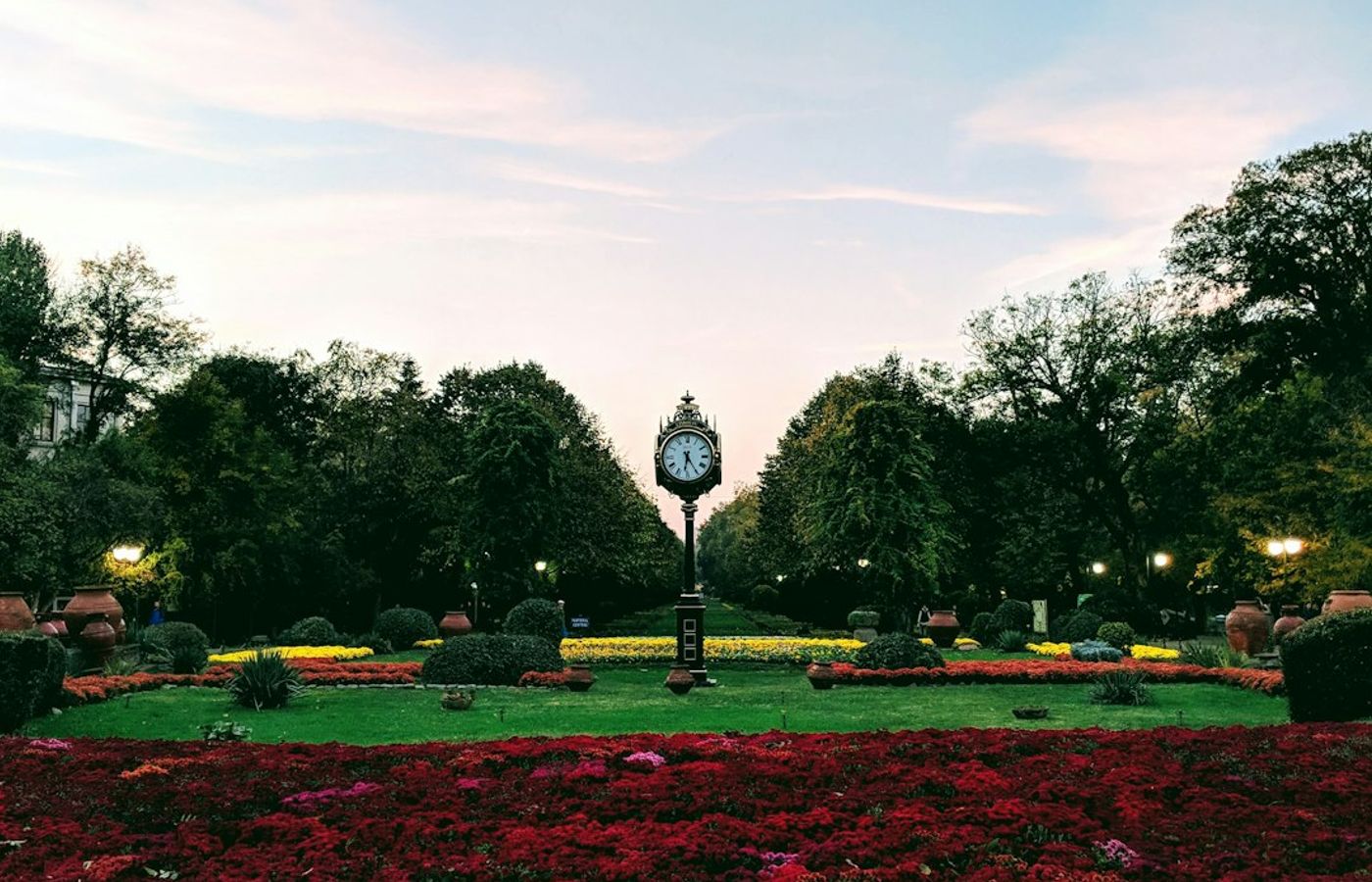
Cismigiu Gardens are the oldest and most central public park in Bucharest, opened to the public in 1854 after being drained and landscaped by German master gardener Carl Meyer under a commission from Prince Bibescu. The 17-hectare park is laid out in the English style around a central boating lake, with two named walking axes - Aleea Marilor Scriitori (Avenue of Great Writers) lined with stone busts of Romanian literary figures, and the wooded Rondul Roman with a small classical rotunda.
In summer the lake fills with pedal-boats (15 RON for 30 minutes) and the terrace restaurant Monte Carlo runs an outdoor bar right on the water. In winter the same lake freezes and becomes a public ice-skating rink from December to February. The park is the shortcut of choice between the Athenaeum area and the Cismigiu neighbourhood, and free wifi covers the whole park.
Pro Tip: Come at 08:00 on a summer Sunday for open-air chess with Bucharest's veteran players - the concrete tables on the eastern edge of the lake fill up fast. The old men speak enough English to explain the local variants they play.
10Day Trip to Sinaia and Peles Castle - The Neo-Renaissance Summer Palace
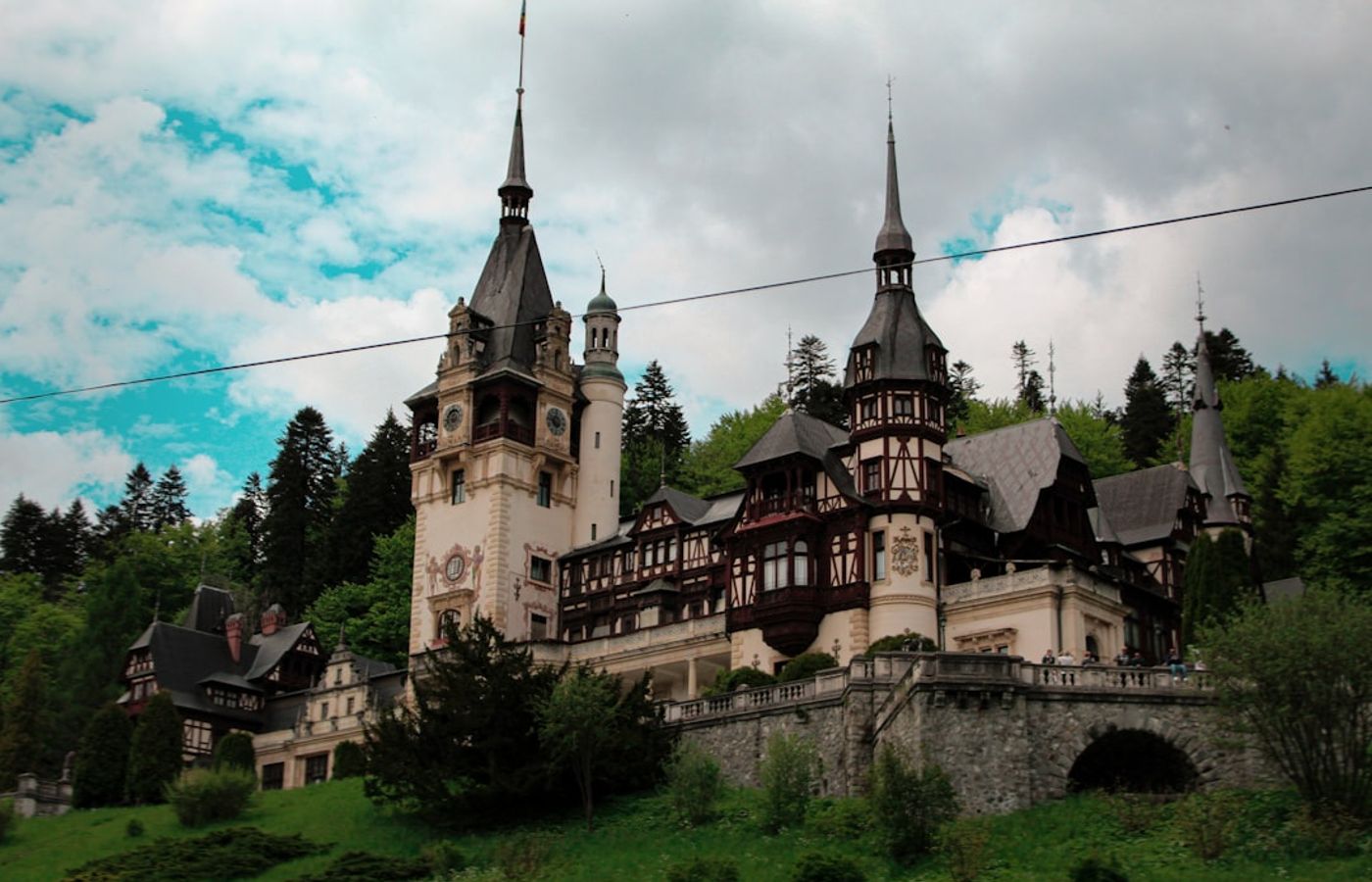
Peles Castle in Sinaia was built between 1873 and 1914 as the summer residence of King Carol I of Romania, and it is widely considered one of the finest neo-Renaissance castles in Europe. The Bavarian architect Wilhelm von Doderer and his successor Johann Schultz created a 34,000 square metre palace with 170 rooms, blending German Renaissance timber-framed facades, Italian marble interiors, Turkish reception rooms, and Moorish courtyard details. Peles was the first European castle wired entirely for electricity from its own hydroelectric plant.
The standard 45-minute guided tour of the ground floor visits 10 major rooms including the Grand Hall with its retractable stained-glass roof and the Weapons Hall with 4,000 pieces of European and Middle Eastern armour. The upper-floor extended tour adds 15 rooms including the Royal Bedroom and the Council Hall. Combine Peles with a short walk to the nearby Sinaia Monastery from 1690 and a look at the small resort town's Belle Epoque villas along Bulevardul Carol I.
Pro Tip: Take the 07:45 train from Gara de Nord to arrive at 09:30, and buy the timed 11:00 castle ticket online at peles.ro the night before - the on-site queue easily hits an hour in July. Bring a light jacket even in August: the castle interiors are cool year-round.
Get hotel deals for Bucharest
Price drops, new stays and local tips for Bucharest, straight to your inbox.
No spam, unsubscribe anytime.

CEO and co-founder
Tomas is the co-founder and director of trip1, an European company specializing in reservation services. He launched the company in 2025 with a focus on building scalable, efficient operations.
10 Best Things to Do in Bucharest, Romania - FAQ
Yes. Bucharest mixes Belle Epoque streets in the Old Town, the vast Palace of the Parliament from the Ceausescu era, Revolution Square, where his rule ended in 1989, and quiet Orthodox monasteries such as Stavropoleos. Two full days cover the core sights, a third adds the Village Museum and Herastrau Park, and Peles Castle in Sinaia makes an easy day trip by train.
A tour of the Palace of the Parliament, the second largest administrative building in the world. Then the Old Town around Lipscani, with Stavropoleos Monastery and the Carturesti Carusel bookshop, Revolution Square and the Romanian Athenaeum, ideally for a concert. With more time, see the Village Museum's 272 historic buildings beside Herastrau Lake.
Day one: Revolution Square, the Romanian Athenaeum and the National Museum of Art, then Stavropoleos and the Old Town for dinner. Day two: the Palace of the Parliament tour in the morning and Cismigiu Gardens. Day three: metro line M2 to Aviatorilor for King Michael I Park (Herastrau) and the Village Museum. With a fourth day, take the train to Sinaia for Peles Castle.
Book a morning tour of the Palace of the Parliament, then walk to the Old Town for Stavropoleos Monastery, Manuc's Inn and lunch at Caru' cu Bere. In the afternoon, head up Calea Victoriei to Revolution Square and the Romanian Athenaeum, where a guided visit costs 15 lei (about 3 euros), or stay for an evening concert.
Yes. It is the second largest administrative building in the world after the Pentagon, with 3,100 rooms, and the standard tour of about an hour visits its grandest halls. Adults pay 85 lei (about 16 euros), paid on site. Book by phone at least 24 hours ahead, arrive 15 minutes early and bring a physical passport or ID card: driving licences are not accepted.
Yes. The Dimitrie Gusti National Village Museum, opened in 1936 beside Herastrau Lake, holds 272 houses, windmills, barns and churches brought from all over Romania and rebuilt beam by beam. Allow 90 minutes to two hours. Adult entry is 40 lei (about 8 euros), half price on Mondays and Tuesdays, when most of the buildings are closed.