Guides · Vienna
12 Top Things to Do in Vienna
By Tomas Achmedovas · CEO and co-founder

CEO and co-founder
This guide covers the 12 top things to do in Vienna - the sights that earn their place on your itinerary whether you have a packed weekend or a full week in the Austrian capital. Each entry includes the exact address, nearest U-Bahn or tram stop, walking distance from the centre, and a practical Pro Tip drawn from on-the-ground experience. We have grouped the list to help you plan efficient routes: the Innere Stadt cluster (Stephansdom, Hofburg, Albertina, State Opera) is walkable in a single morning, the Maria-Theresien-Platz museums sit opposite each other, and the outer-ring sights (Schoenbrunn, Belvedere, Prater) each deserve a half-day.
Vienna's best things to do span imperial palaces, world-class art collections, a legendary opera house, and one of Europe's oldest amusement parks. The Ringstrasse boulevard that encircles the old town connects many of these landmarks in a single loop, and the city's five U-Bahn lines plus an extensive tram network make every attraction on this list reachable without a car. A 24-hour Wiener Linien transit ticket costs EUR 8 - one of the best deals in European capital cities.
Whether you are drawn to Klimt's The Kiss at the Belvedere, the 137-metre spire of St. Stephen's Cathedral, or the grand baroque symmetry of Schoenbrunn Palace, this guide gives you the practical detail to visit each one without wasting time. Expect opening-hour strategies, ticket prices in EUR, and the kind of specific advice that turns a good trip into an efficient one.
Check dates for Vienna
See what is available on your dates.
1St. Stephen's Cathedral - Vienna's Gothic Centrepiece
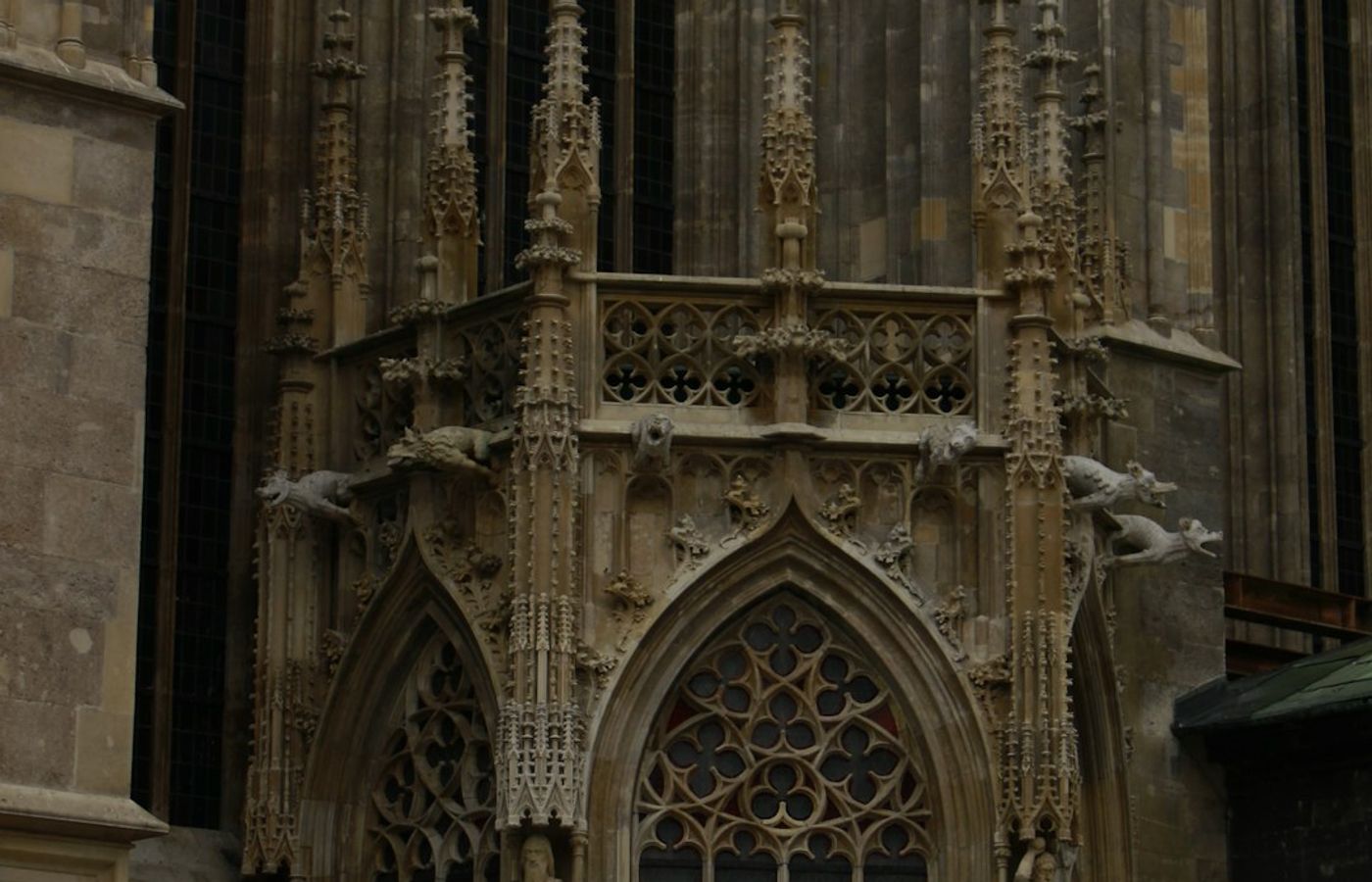

St. Stephen's Cathedral (Stephansdom) has anchored Vienna's skyline since the 12th century. Its south tower rises 136.4 metres above Stephansplatz - climb the 343 steps for a panorama that stretches from the Wienerwald hills to the Danube. The cathedral's multi-coloured chevron-patterned roof, made of 230,000 glazed tiles, is one of the most recognisable features of the city. Inside, the Gothic nave shelters the Wiener Neustadt Altar (1447), the carved stone pulpit by Anton Pilgram, and the catacombs where Habsburg organs are stored in copper urns.
Entry to the main nave is free, making this one of the best things to do in Vienna on any budget. The south tower climb costs EUR 6, the catacombs tour EUR 6.50 (guided only, runs every 15-30 minutes), and the north tower elevator EUR 7. The cathedral is open Monday to Saturday from 06:00 to 22:00 and Sunday from 07:00 to 22:00, though tourist visits are restricted during services. Stephansplatz station (U1/U3) exits directly onto the square - you cannot miss it.
2Schoenbrunn Palace - The Habsburg Summer Residence
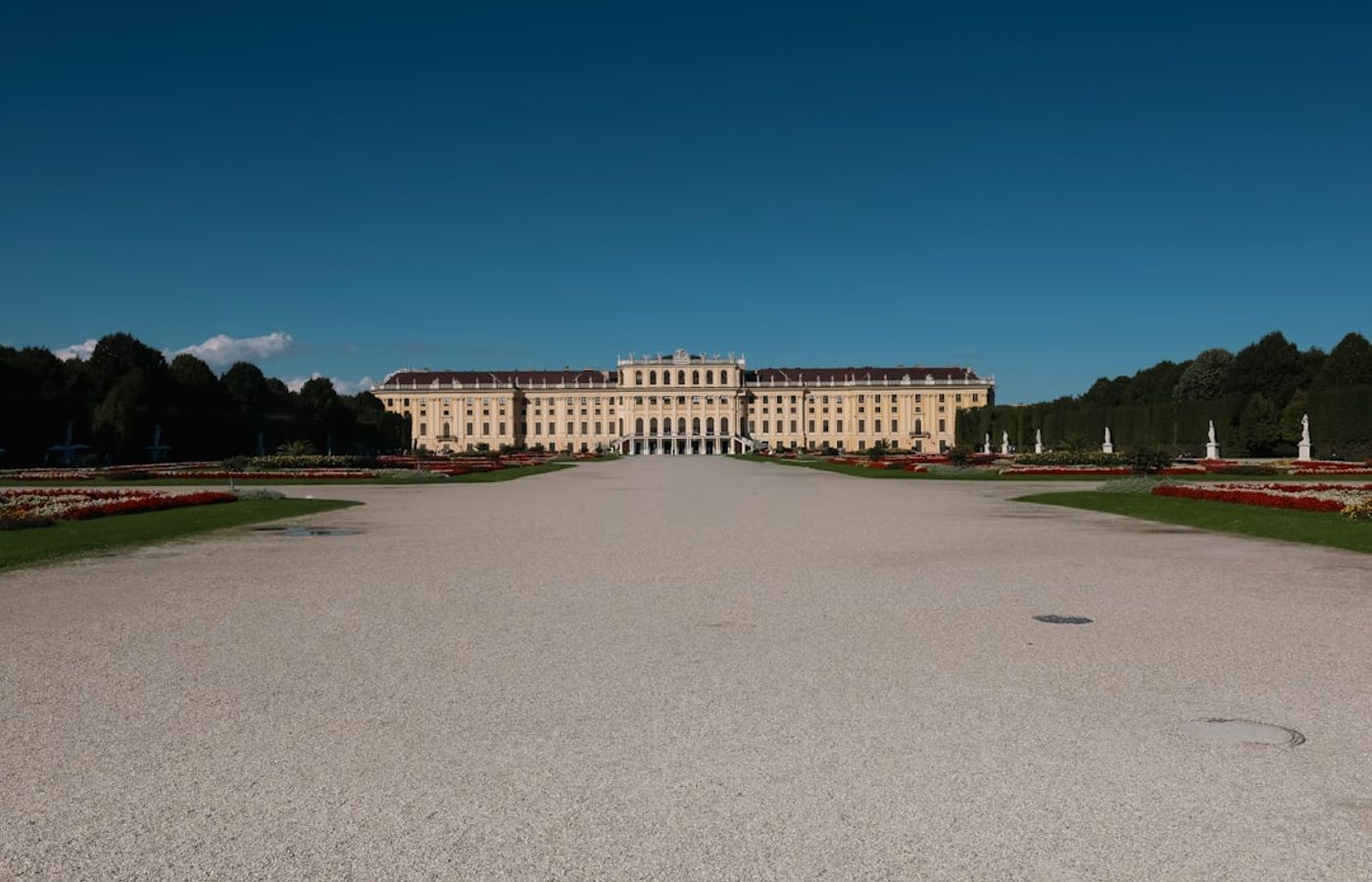

Schoenbrunn Palace is Vienna's most visited attraction and a UNESCO World Heritage Site that served as the summer residence of the Habsburg dynasty from the 18th century. The palace contains 1,441 rooms - the Grand Tour ticket covers 40 of them, including the Great Gallery where the Congress of Vienna held its banquets in 1815 and the Millions Room panelled with rare rosewood and Indo-Persian miniatures. Empress Maria Theresa's influence is everywhere, from the rococo interiors to the symmetrical French gardens that stretch behind the palace for nearly a kilometre.
The gardens are free to enter and worth visiting even without a palace ticket - walk up the hill to the Gloriette for a commanding view over the palace grounds and the Vienna skyline. The Grand Tour ticket costs EUR 29 (Imperial Tour covering 22 rooms is EUR 24). Timed-entry slots are mandatory and sell out days ahead in peak season, so book online at schoenbrunn.at. The palace opens daily at 09:00, with last admission at 17:00 in summer. Schoenbrunn U-Bahn station (U4 line) is a 5-minute walk from the main entrance.
3Hofburg Palace - The Imperial Winter Residence
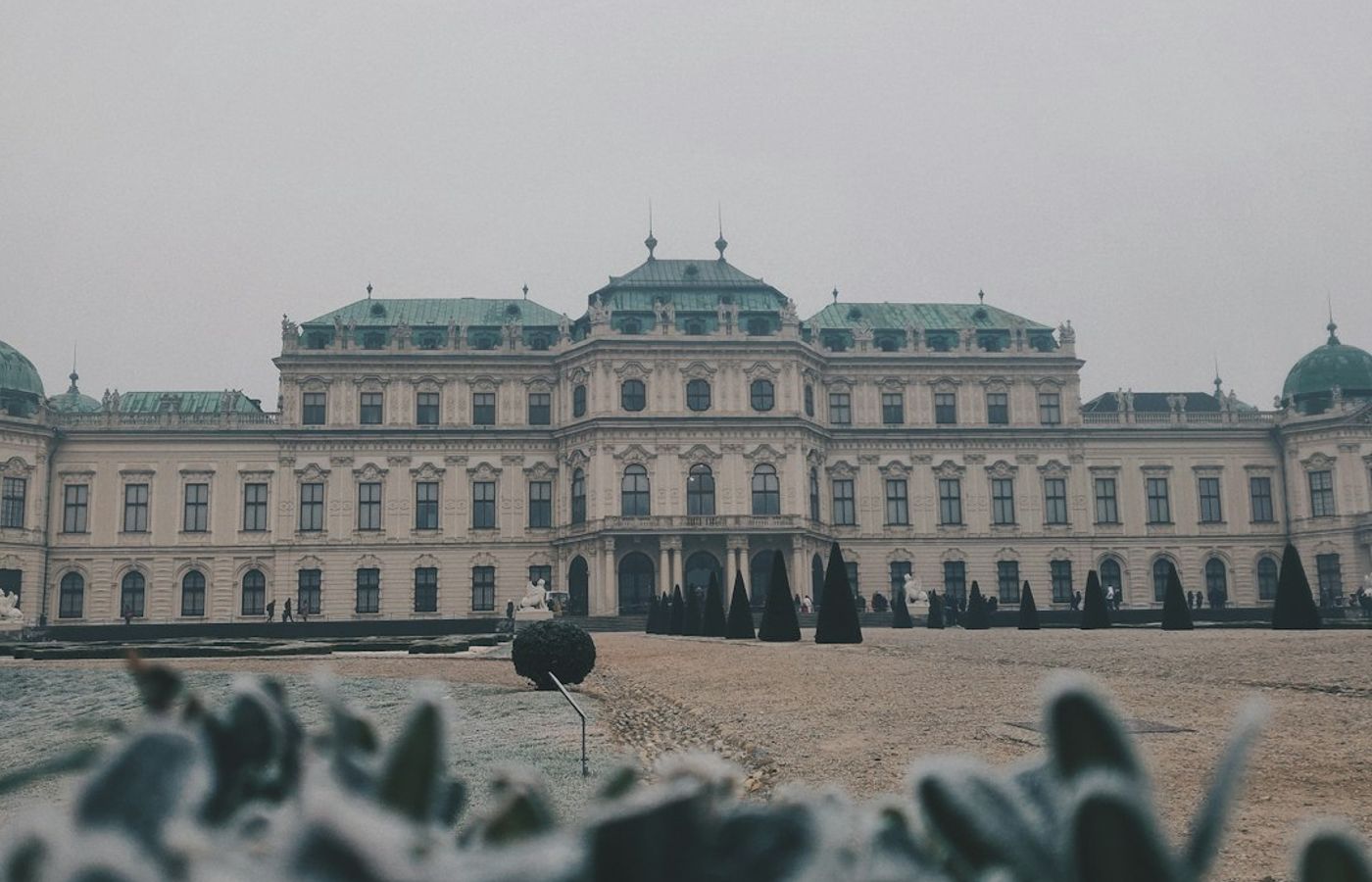

Hofburg Palace was the political nerve centre of the Habsburg Empire for over 600 years and today houses the offices of the Austrian President. The complex sprawls across 240,000 square metres and includes the Imperial Apartments, the Sisi Museum dedicated to Empress Elisabeth, and the Imperial Silver Collection - all covered by a single ticket (EUR 19.50). The apartments preserve the private rooms of Emperor Franz Joseph and Empress Sisi largely as they were in the late 19th century, complete with the emperor's spartan iron bed and Sisi's personal gymnasium.
The Hofburg sits between Heldenplatz and Michaelerplatz in the heart of the Innere Stadt, making it impossible to bypass on any Vienna walking route. The complex also includes the Austrian National Library's ornate Prunksaal (State Hall, EUR 10), the Spanish Riding School, and the Imperial Chapel where the Vienna Boys' Choir performs on Sunday mornings. Allow 90 minutes for the Imperial Apartments and Sisi Museum, longer if you add the National Library. The nearest stops are Herrengasse (U3) or a 7-minute walk from Stephansplatz.
Check dates for Vienna
See what is available on your dates.
4Belvedere Palace - Home of Klimt's The Kiss
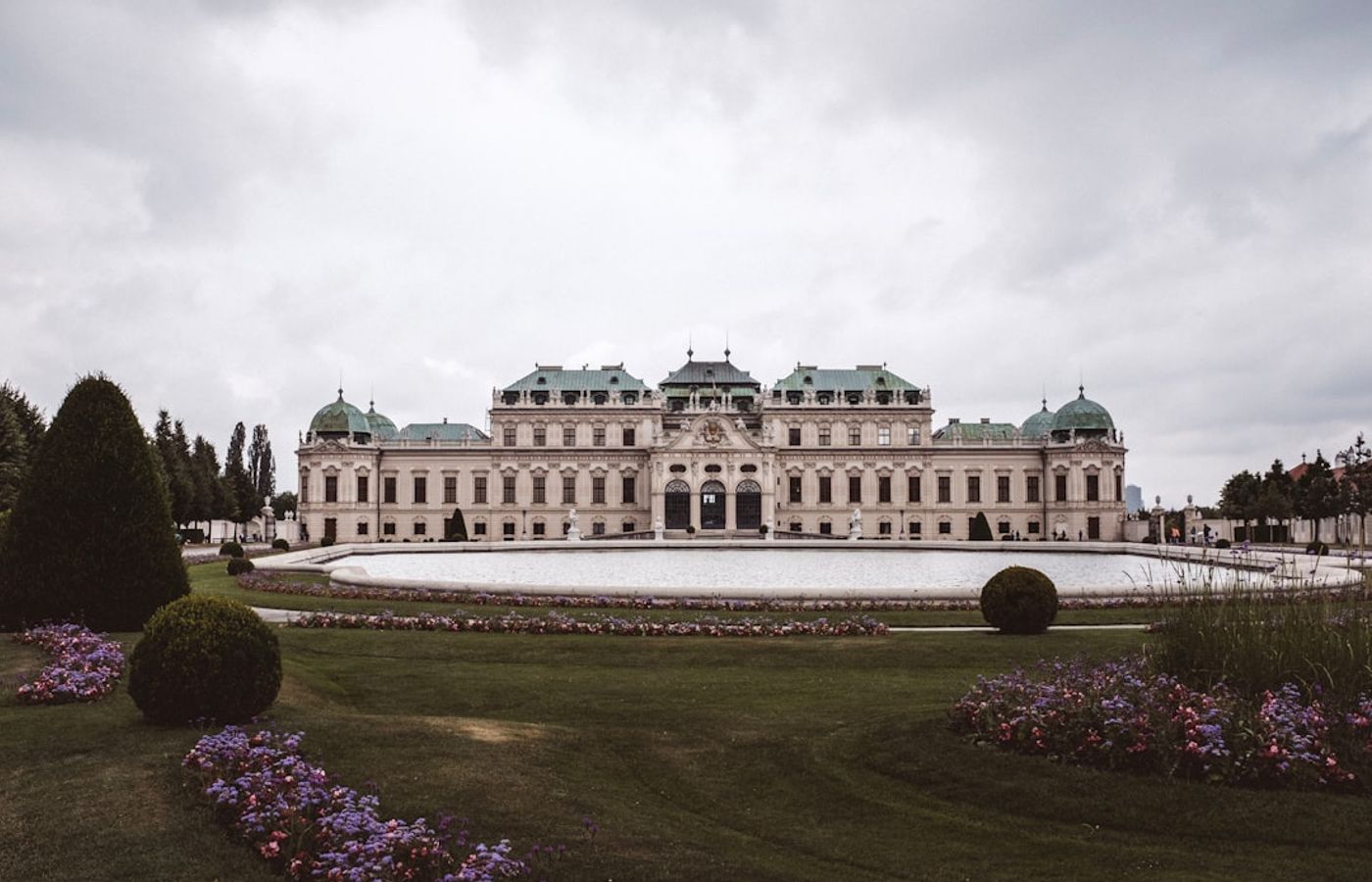
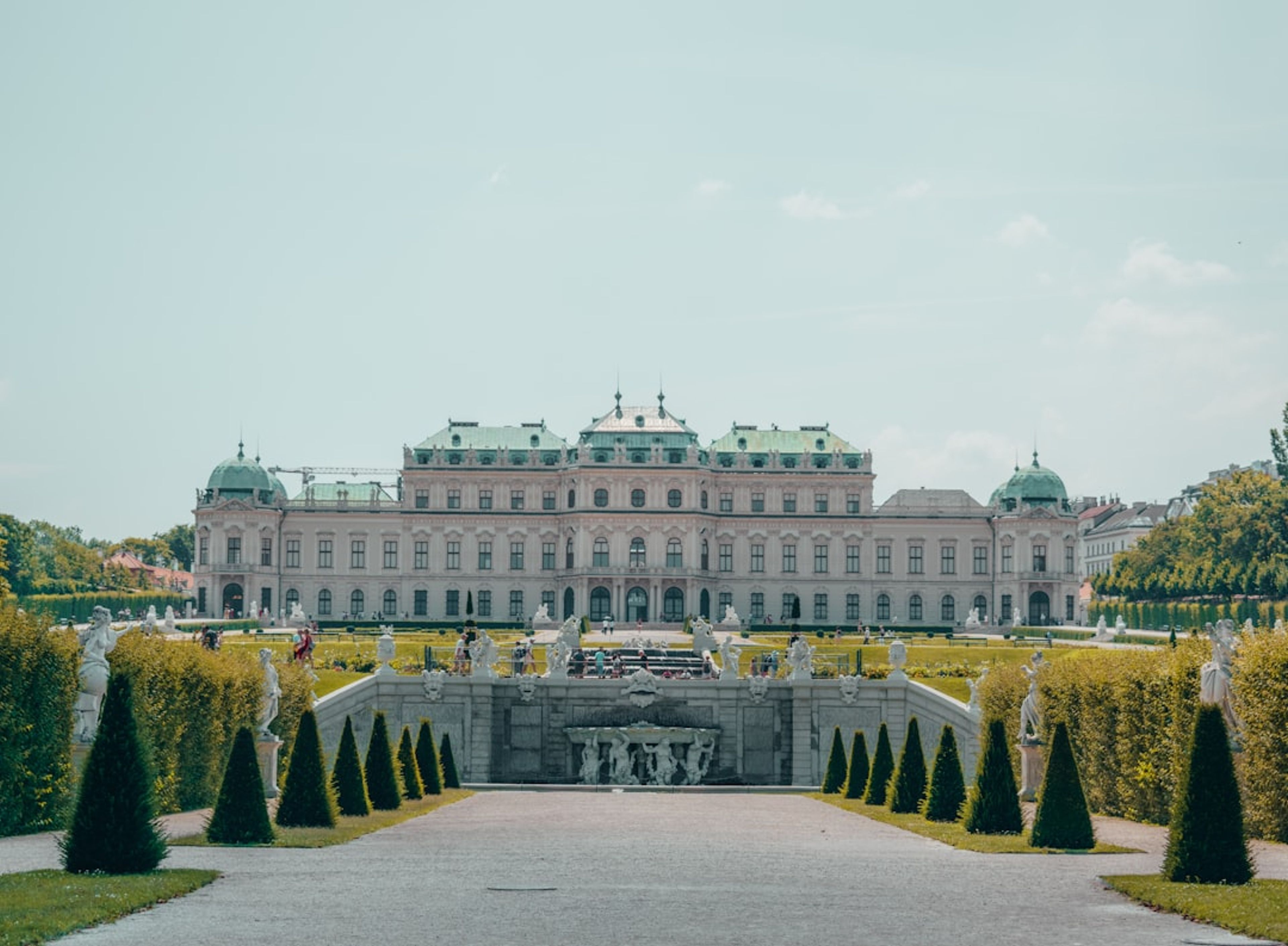
The Belvedere is actually two baroque palaces - Upper and Lower - connected by a formal terraced garden with fountains and sculpted hedges. Prince Eugene of Savoy commissioned the complex in the early 18th century as his summer residence. The Upper Belvedere now holds Austria's most important art collection, including Gustav Klimt's The Kiss (1907-08) and Judith (1901), along with works by Egon Schiele, Oskar Kokoschka, and a strong collection of French Impressionists. The building itself, designed by Johann Lukas von Hildebrandt, is considered one of the finest examples of baroque architecture in Central Europe.
The Upper Belvedere ticket costs EUR 18.50 and covers the permanent collection plus temporary exhibitions. The Lower Belvedere (EUR 16) hosts rotating shows and the orangery. The gardens between the two palaces are free and offer one of the best photo opportunities in Vienna - the symmetrical view from the Upper Belvedere terrace across the garden to the Lower Belvedere with the city skyline behind. Opening hours are daily 10:00-18:00 (Friday until 21:00). Tram D stops at Schloss Belvedere, or walk 10 minutes from Hauptbahnhof (Vienna's main train station).
5Vienna State Opera - One of the World's Great Opera Houses
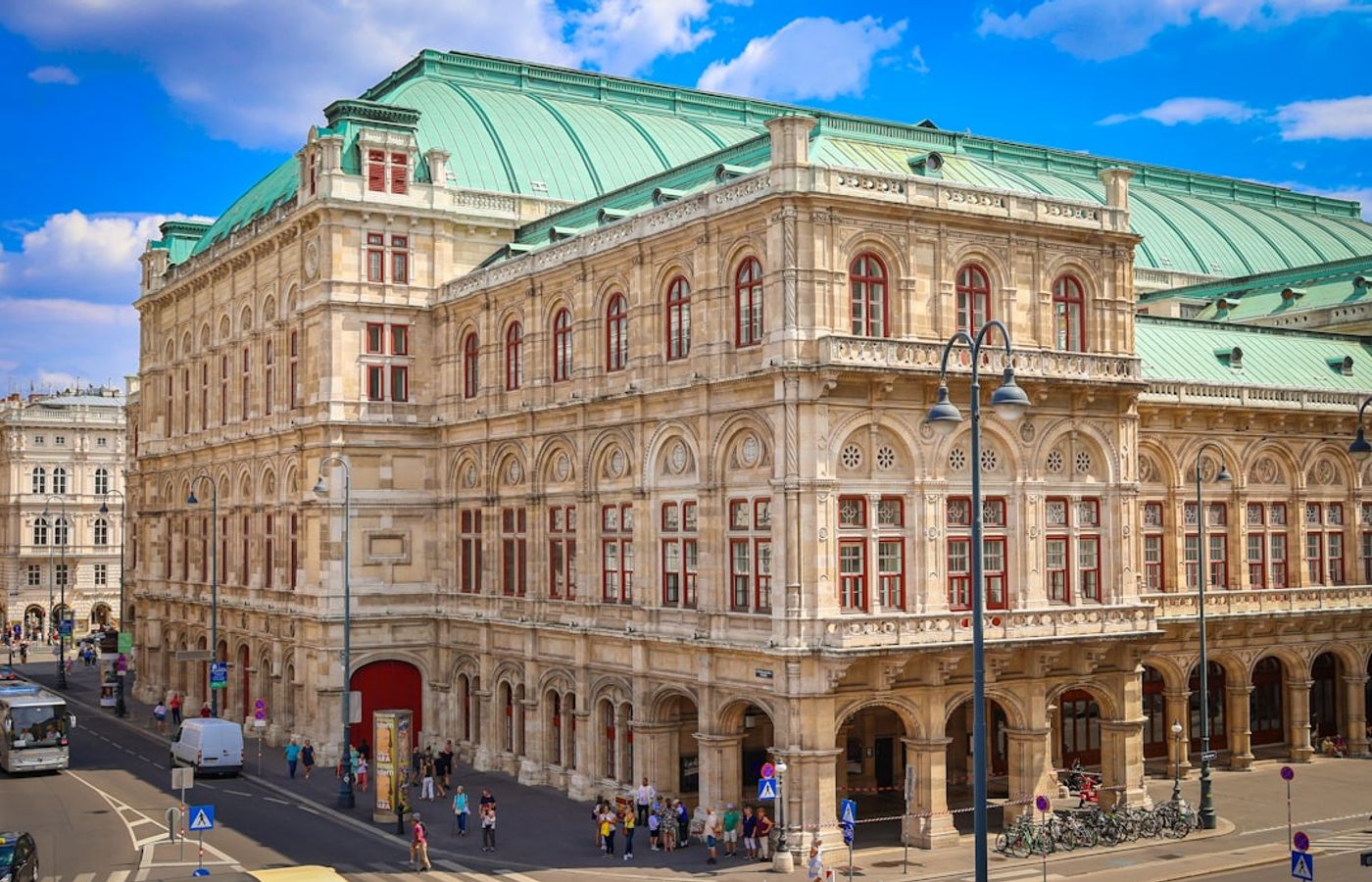
The Vienna State Opera (Wiener Staatsoper) opened in 1869 as the first major building on the new Ringstrasse boulevard. Bombed in 1945 and meticulously rebuilt by 1955, it stages around 300 performances a year across 60 different operas and ballets - one of the densest schedules of any opera house on the planet. The neo-Renaissance facade, the grand staircase, and the tea salon with original Gustav Klimt paintings survive from the original construction and can be seen on guided tours (EUR 13, multiple daily departures).
Performance tickets range from EUR 15 for restricted-view seats to EUR 250+ for prime stalls, but the famous standing-room tickets (Stehplatz) sell for just EUR 15 and go on sale 80 minutes before curtain. Queues form 2-3 hours early for popular productions. Even if you do not attend a show, the guided tour is one of the best things to do in Vienna for understanding the city's deep relationship with music. The opera house sits on the Opernring at the southern edge of the Innere Stadt, directly above Karlsplatz U-Bahn station (U1/U2/U4).
6Prater and the Riesenrad - Vienna's Iconic Ferris Wheel
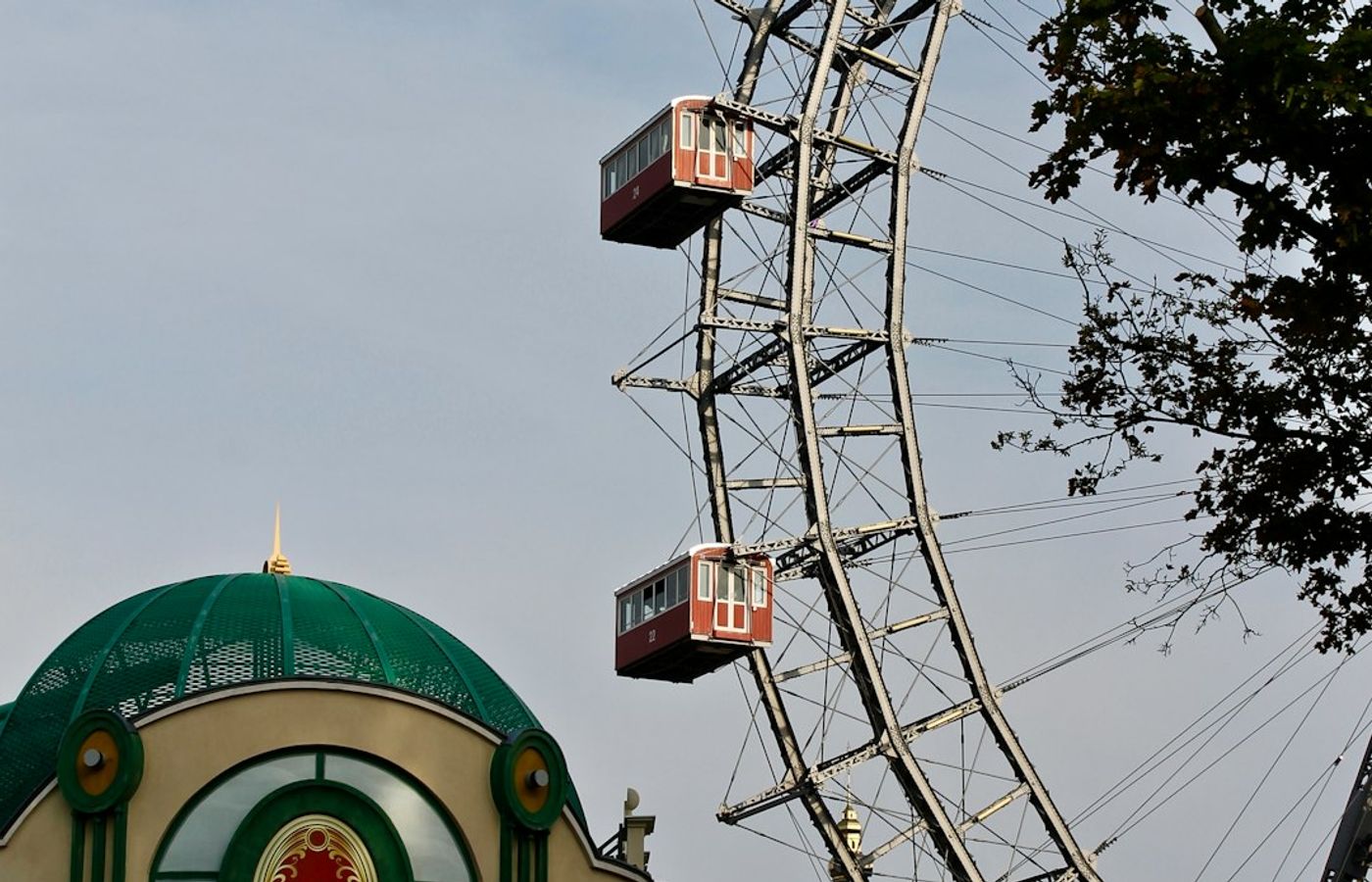
The Wiener Prater is a vast public park and amusement area that has been a recreation ground for Viennese since Emperor Joseph II opened it to the public in 1766. At its entrance stands the Riesenrad (Giant Ferris Wheel), built in 1897 and made famous by its cameo in the 1949 film The Third Man. The wheel lifts you 64.75 metres above the park in enclosed wooden gondolas for a slow, 15-minute rotation with views across the Danube and the city skyline. It is unmistakably one of the top things to do in Vienna, especially around sunset.
A standard Riesenrad ticket costs EUR 14.50 for adults. The adjacent Wurstelprater amusement park is free to enter - you pay per ride, with roller coasters, bumper cars, and carnival games stretching along the Hauptallee. Beyond the amusement area, the Prater's green parkland extends for 6 km along the Hauptallee, a dead-straight chestnut-lined avenue popular with joggers and cyclists. Praterstern station (U1/U2) is directly at the park entrance.
7Albertina Museum - Masterworks from Durer to Picasso
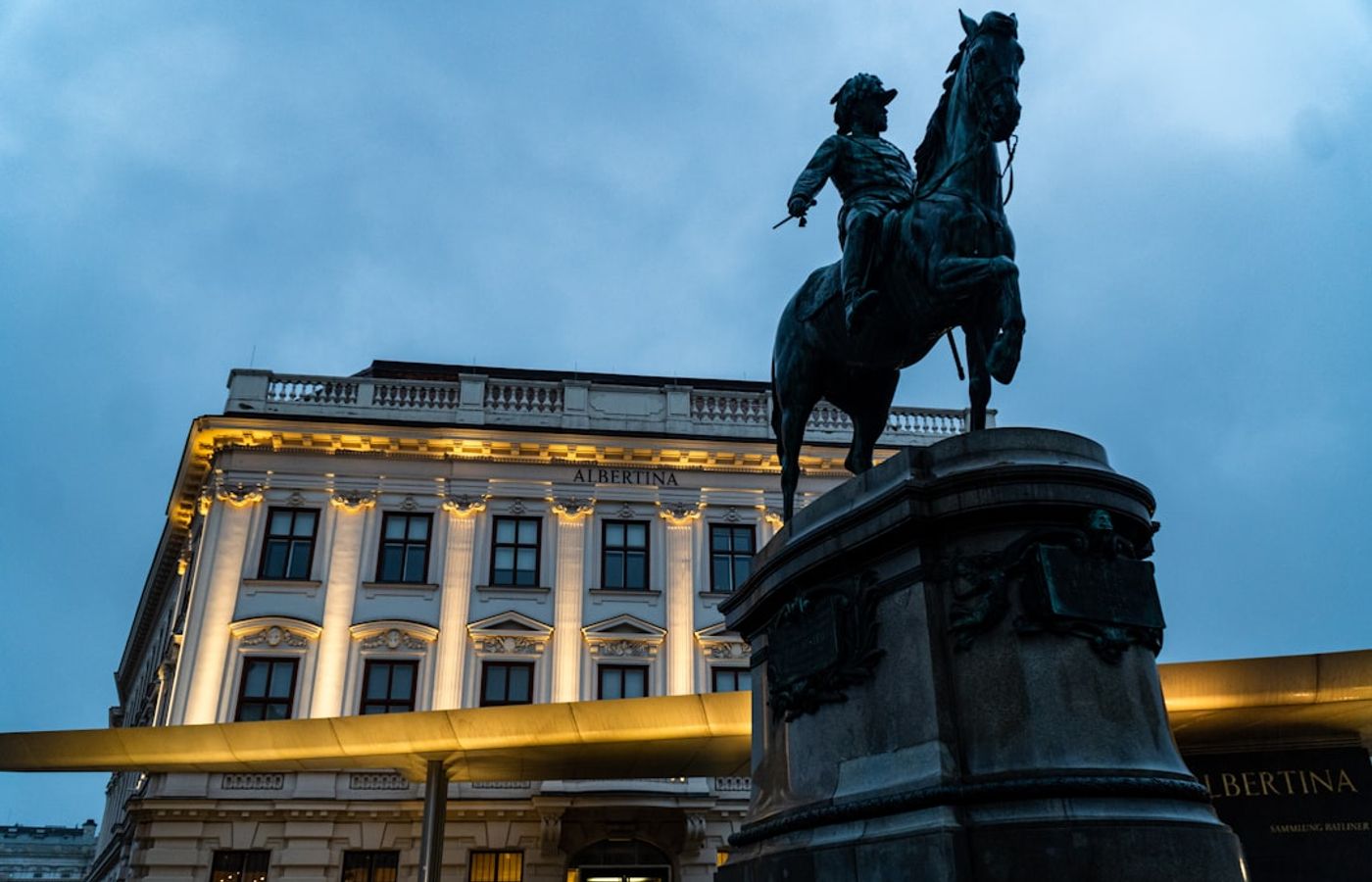
The Albertina sits on the southern tip of the Hofburg complex, perched above the Burggarten on a raised bastion. It holds one of the world's largest and most important print collections - over one million prints, 65,000 drawings, and 70,000 photographs spanning 600 years. The highlights include Albrecht Durer's Young Hare (1502) and Praying Hands (1508), plus works by Klimt, Schiele, Monet, Renoir, and Picasso. The permanent Batliner Collection covers Impressionism through to contemporary art in 20 well-curated rooms.
Tickets cost EUR 18.90 and include all current exhibitions. The museum is open daily 10:00-18:00, with extended hours until 21:00 on Wednesday and Friday. The Albertina's location at the corner of Augustinerstrasse and the Opernring makes it easy to combine with the State Opera and Hofburg in a single Innere Stadt loop. The closest stops are Karlsplatz (U1/U2/U4) or Stephansplatz (U1/U3), both within an 8-minute walk.
8Kunsthistorisches Museum - Austria's Greatest Art Collection
The Kunsthistorisches Museum (Museum of Art History) is the crown jewel of Vienna's museum scene. Emperor Franz Joseph I commissioned the building in 1891 to house the vast Habsburg art collection, and the museum itself - with its marble staircase, dome painted by Hans Makart and a young Gustav Klimt, and ornate gallery halls - is as spectacular as the works it contains. The picture gallery spans Flemish, Italian, and German masters: Vermeer's The Art of Painting, Bruegel's Tower of Babel and Hunters in the Snow, Raphael, Titian, Caravaggio, and Velazquez all hang here.
Beyond paintings, the Kunstkammer (Chamber of Art and Wonders) displays Benvenuto Cellini's golden salt cellar - valued at over EUR 50 million - alongside Habsburg curiosities spanning five centuries. Admission is EUR 21 for adults. The museum opens Tuesday to Sunday, 10:00-18:00 (Thursday until 21:00), and sits on Maria-Theresien-Platz directly opposite the Natural History Museum. MuseumsQuartier U-Bahn station (U2) is a 2-minute walk, or take tram 1, 2, or D to Burgring.
9Natural History Museum Vienna - Dinosaurs, Gems, and the Venus of Willendorf
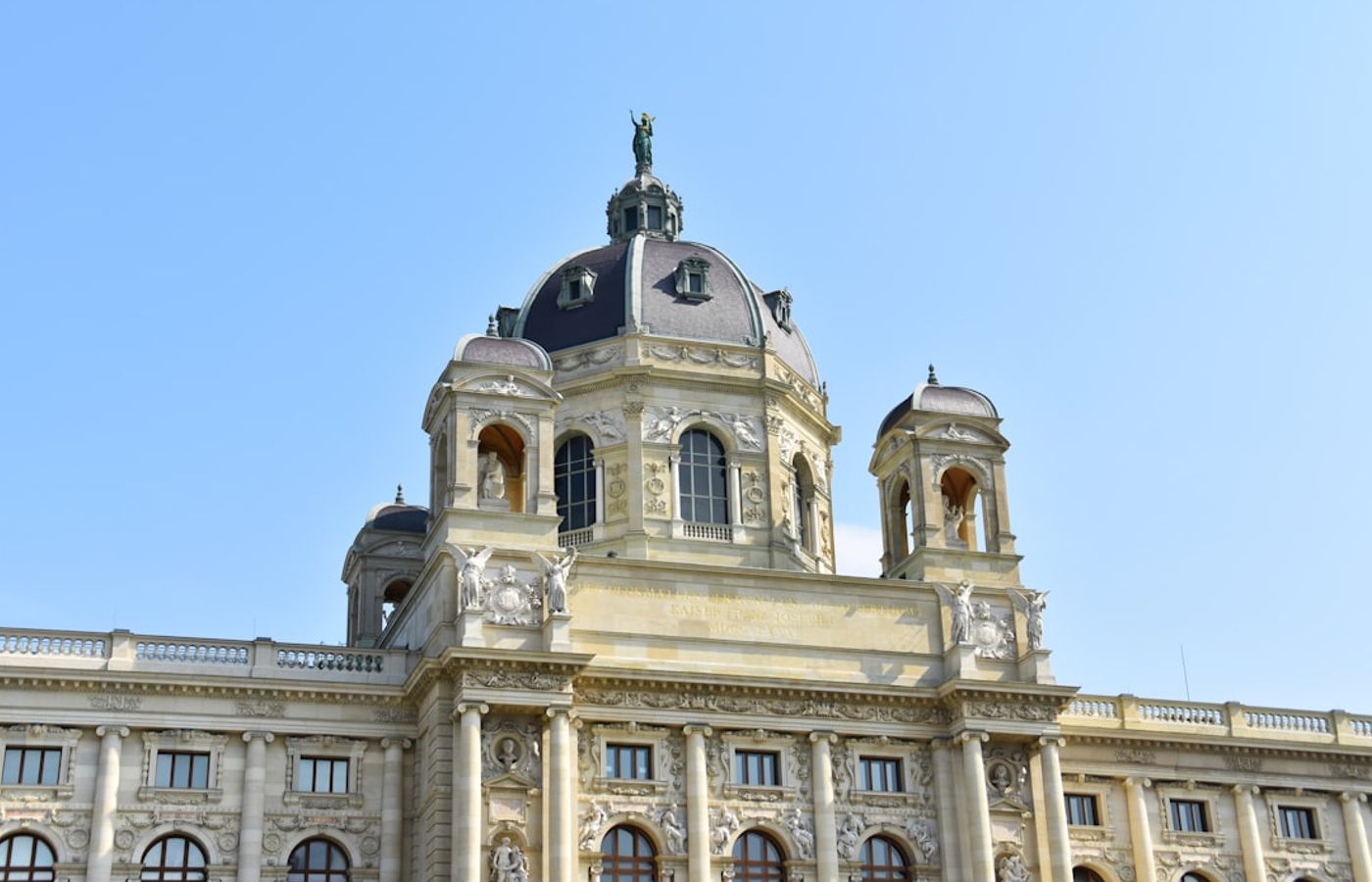
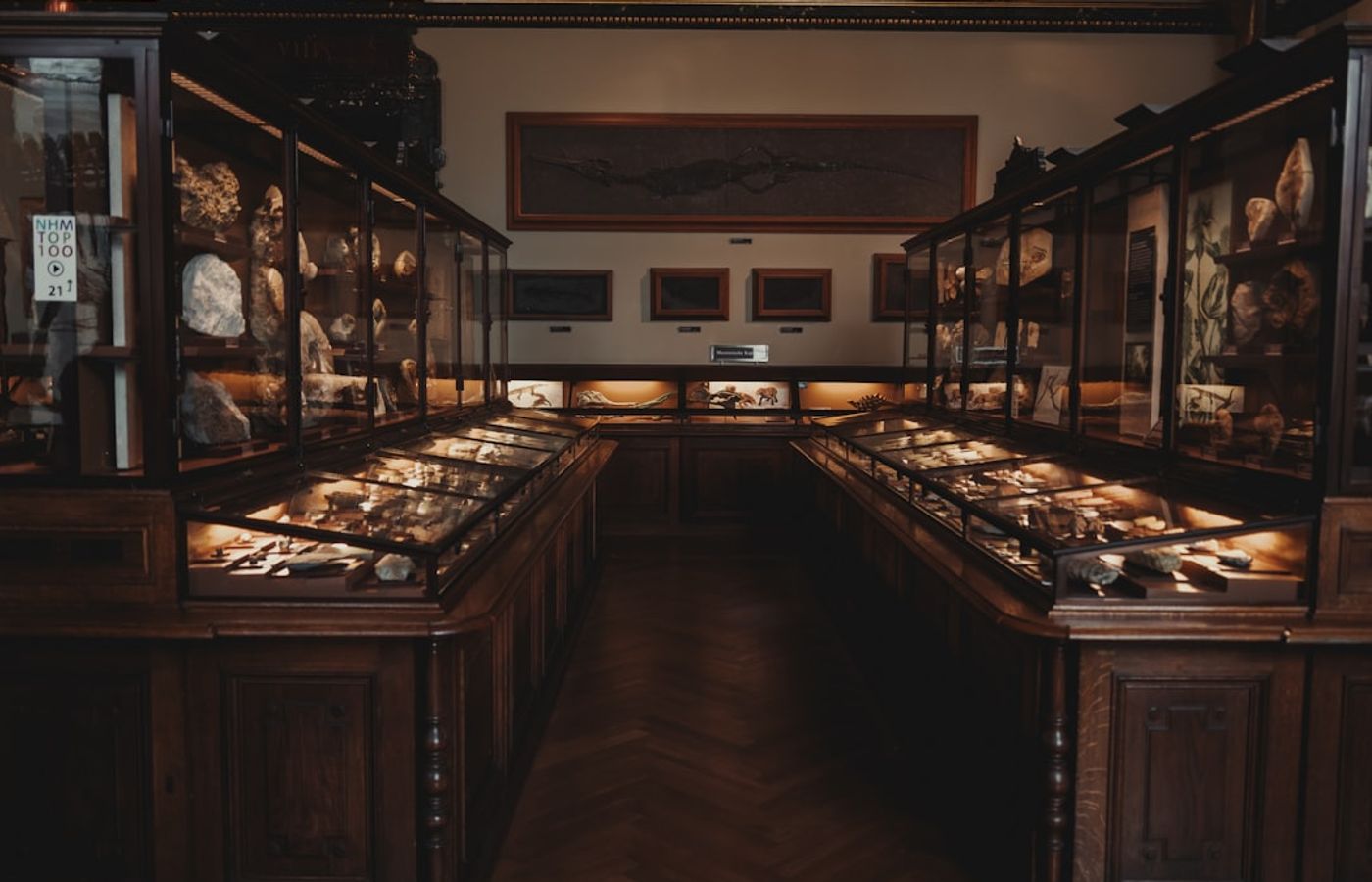
The Naturhistorisches Museum Wien (Natural History Museum Vienna) mirrors the Kunsthistorisches Museum across Maria-Theresien-Platz - identical facades designed by the same architects, Gottfried Semper and Karl von Hasenauer. Inside, 30 million objects fill 39 exhibition halls. The undisputed star is the Venus of Willendorf, a 29,500-year-old limestone figurine discovered in the Wachau Valley in 1908 and one of the most important prehistoric artefacts in existence. The mineral collection, with its meteorites and giant amethyst geodes, is the largest in Europe.
The dinosaur hall features full-size reconstructions alongside real fossils, and the planetarium (separate ticket, EUR 5) screens shows on a 9-metre dome. General admission is EUR 18 for adults. The museum is open Wednesday to Monday, 09:00-18:00 (Wednesday until 21:00), closed Tuesday. Its location on Maria-Theresien-Platz means you can visit both museums in a single day - a combined ticket is not offered, but the proximity saves transit time.
10Naschmarkt - Vienna's Liveliest Food Market
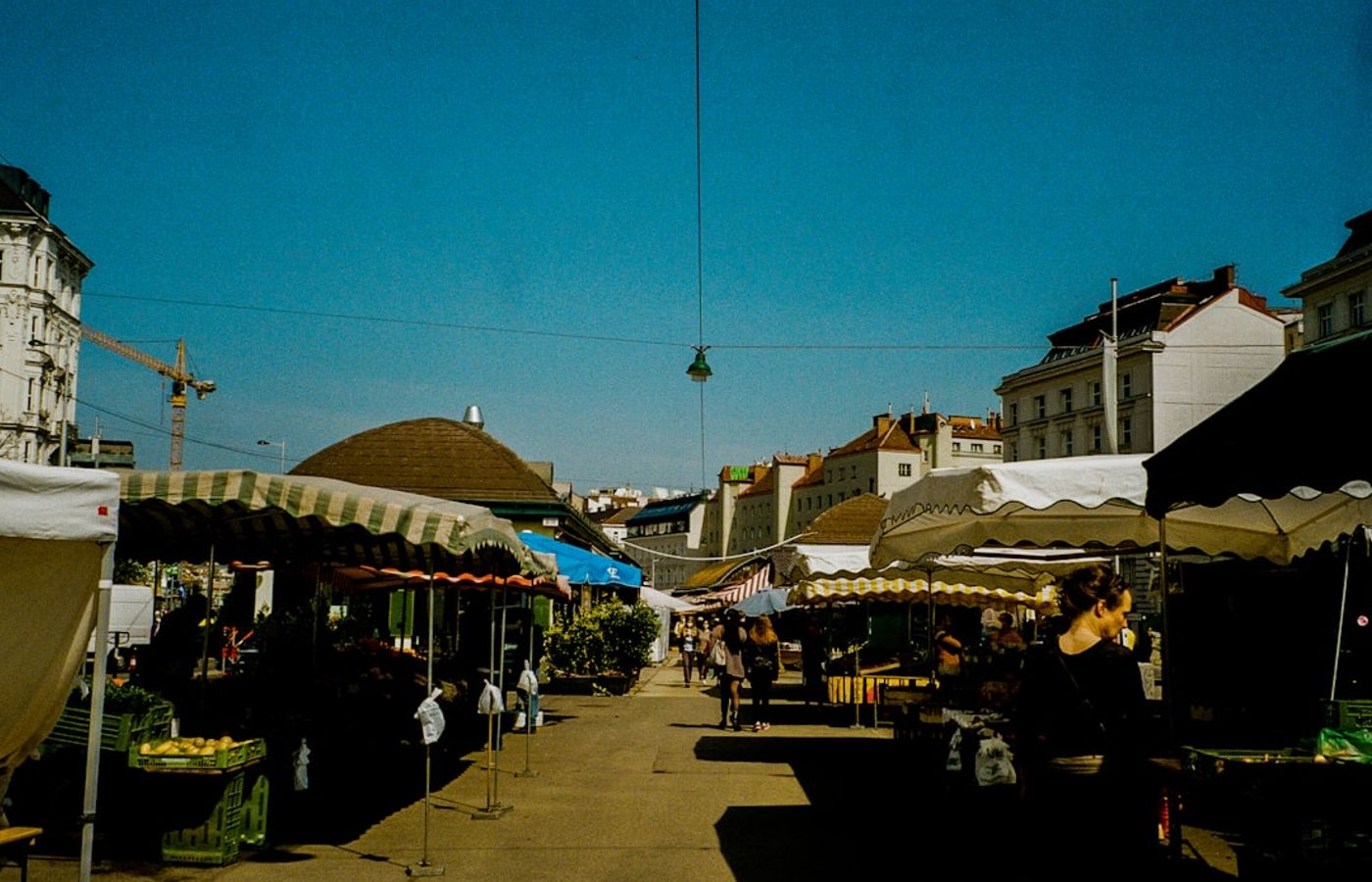
The Naschmarkt has occupied a 1.5-km strip along the Wienzeile since the 16th century and remains Vienna's most diverse open-air market. Over 120 fixed stalls and restaurants line both sides, selling everything from Austrian cheese, cured meats, and fresh produce to Middle Eastern spices, Japanese ingredients, and Indian street food. The market reflects Vienna's position as a crossroads city - Turkish, Balkan, Asian, and traditional Austrian vendors sit side by side, and the atmosphere on a Saturday morning (when a flea market extends the strip) is electric.
The Naschmarkt is free to walk through and open Monday to Saturday (roughly 06:00-19:30, though individual stall hours vary; closed Sunday). Restaurants along the market open for lunch and stay open for dinner. The Saturday flea market (06:00-14:00) at the Kettenbruckengasse end sells antiques, vinyl, clothing, and curiosities. Karlsplatz (U1/U2/U4) serves the eastern end, and Kettenbruckengasse (U4) the western end.
11Karlskirche - Vienna's Baroque Masterpiece
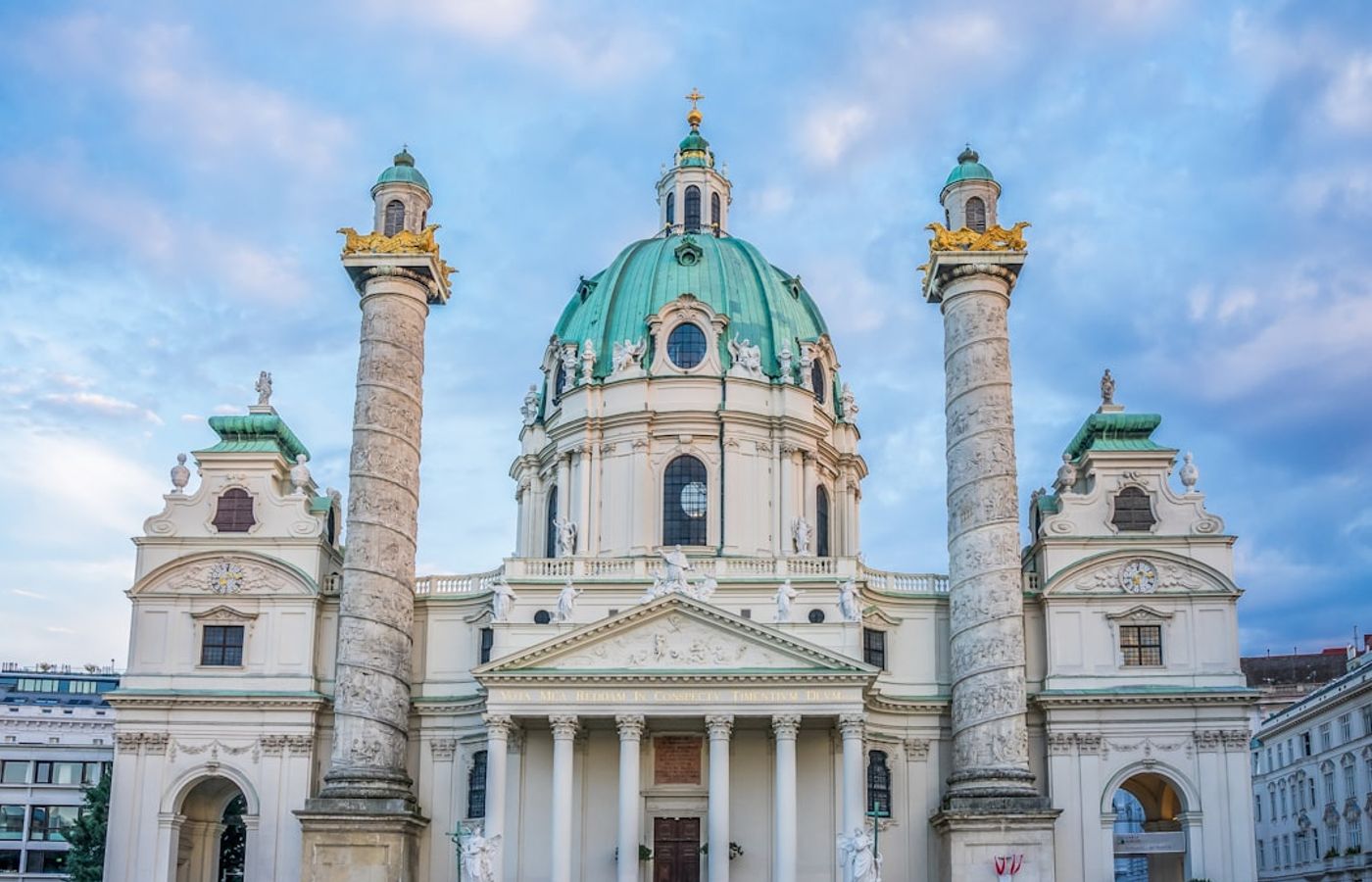
Karlskirche (St. Charles's Church) stands on Karlsplatz as one of the most ambitious baroque churches outside Rome. Emperor Charles VI commissioned it in 1715 after a plague epidemic, and architect Johann Bernhard Fischer von Erlach designed a building that fuses a Greek temple portico, two flanking columns modelled on Trajan's Column in Rome, and an enormous copper dome. The result is theatrical, intentionally grand, and utterly unique among European churches. The interior dome fresco by Johann Michael Rottmayr depicts the apotheosis of St. Charles Borromeo.
A panoramic elevator inside the church lifts visitors to a platform at dome level - just a few metres from the Rottmayr fresco - for EUR 8 (includes church entry). Without the elevator, entry is EUR 6. The reflecting pool in front of the church creates a near-perfect mirror image of the facade and is one of Vienna's most photographed spots. Karlskirche is open Monday to Saturday 09:00-18:00, Sunday 12:00-19:00. Karlsplatz station (U1/U2/U4) is directly across the square.
12Musikverein - The Golden Hall of Classical Music
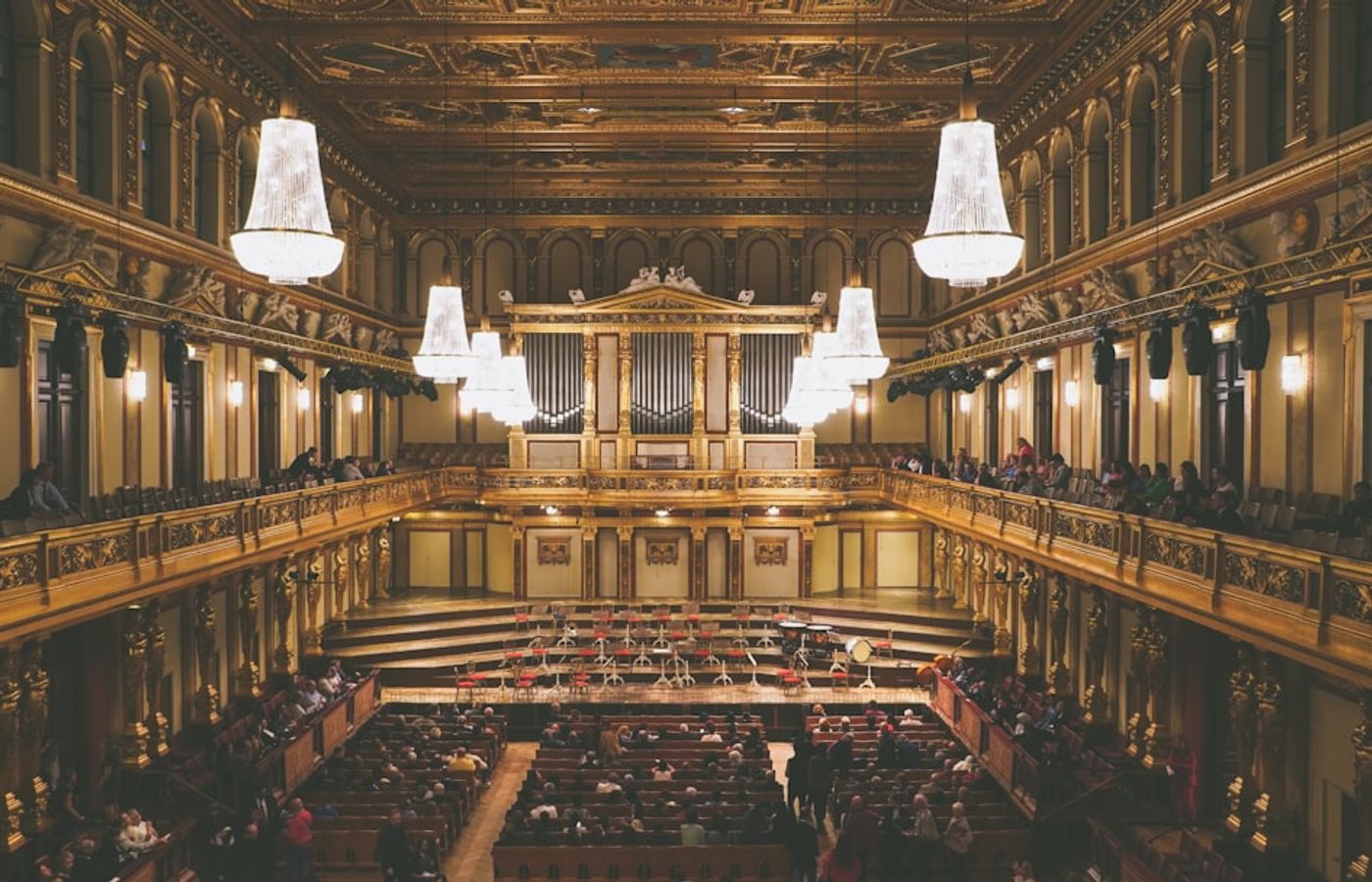
The Musikverein is home to the Vienna Philharmonic Orchestra and its Golden Hall (Grosser Musikvereinssaal) is widely considered the finest concert hall in the world for acoustics. Built in 1870 by Theophil Hansen in a Greek Revival style, the hall's rectangular shoebox shape, wooden floor, and gilded caryatid columns produce a warmth and resonance that recording engineers still struggle to replicate. The annual New Year's Concert broadcast from this room reaches over 50 million viewers worldwide. Beyond the Golden Hall, the building contains five additional concert halls, including the more intimate Brahms-Saal.
Guided tours run most days at various times and cost EUR 9 (check musikverein.at for the schedule, as times shift with rehearsals and performances). Concert tickets range from EUR 40 to EUR 200+ depending on the programme and seat. The building sits on Musikvereinsplatz, a 3-minute walk from Karlsplatz U-Bahn station (U1/U2/U4) and a short stroll from both the State Opera and Karlskirche, making all three easy to combine in one afternoon.
Take this guide with you
Get every place in this guide, with addresses and map links, in your inbox — easy to open on your phone during the trip.
One email to the address on your account. No newsletter.

CEO and co-founder
Tomas is the co-founder and director of trip1, an European company specializing in reservation services. He launched the company in 2025 with a focus on building scalable, efficient operations.
12 Top Things to Do in Vienna - FAQ
St. Stephen's Cathedral, whose nave is free to enter, Schoenbrunn Palace and its gardens, the Hofburg's Imperial Apartments and Sisi Museum, and Klimt's The Kiss at the Upper Belvedere. For an evening, see a performance at the Vienna State Opera, even from a 15-euro standing place, or ride the Riesenrad Ferris wheel in the Prater at sunset.
Yes. Spend day one in the old town at St. Stephen's Cathedral, the Hofburg, the Albertina and the State Opera, day two at the Kunsthistorisches and Natural History museums, Karlskirche and the Musikverein, and day three at Schoenbrunn, the Belvedere and the Prater. Every stop is reachable by U-Bahn, tram or on foot.
The top sights cost about 15 to 30 euros each, but much of the city is free or cheap. The nave of St. Stephen's Cathedral, the Schoenbrunn and Belvedere gardens and the Naschmarkt cost nothing, and standing tickets at the State Opera are 15 euros. Paid highlights include the Schoenbrunn Grand Tour at 29 euros and the Kunsthistorisches Museum at 21 euros.
Do book a timed Schoenbrunn Palace ticket online, since slots sell out days ahead in peak season, and do try the State Opera's standing tickets, sold 80 minutes before curtain. Don't sightsee in St. Stephen's Cathedral during services, and check closing days: the Kunsthistorisches Museum is shut on Mondays and the Natural History Museum on Tuesdays.
Wiener Schnitzel, a thin breaded veal cutlet, is the dish to try first, followed by Sachertorte, the chocolate cake made famous by Vienna's Hotel Sacher, and apple strudel in a traditional coffee house. In the Prater, the Schweizerhaus beer garden is known for roasted pork knuckle, and the Naschmarkt has over 120 stalls and restaurants.
Yes. It is Vienna's most visited attraction, the UNESCO-listed summer palace of the Habsburgs, and the free gardens and the Gloriette viewpoint are worth the trip on their own. The Grand Tour covers 40 of its 1,441 rooms for 29 euros. Book a timed slot online, ideally the first one at 09:00, and allow three hours for the palace and gardens.