Guides · Vienna
Vienna in October: Coffee Houses and Wine Taverns

CEO and co-founder
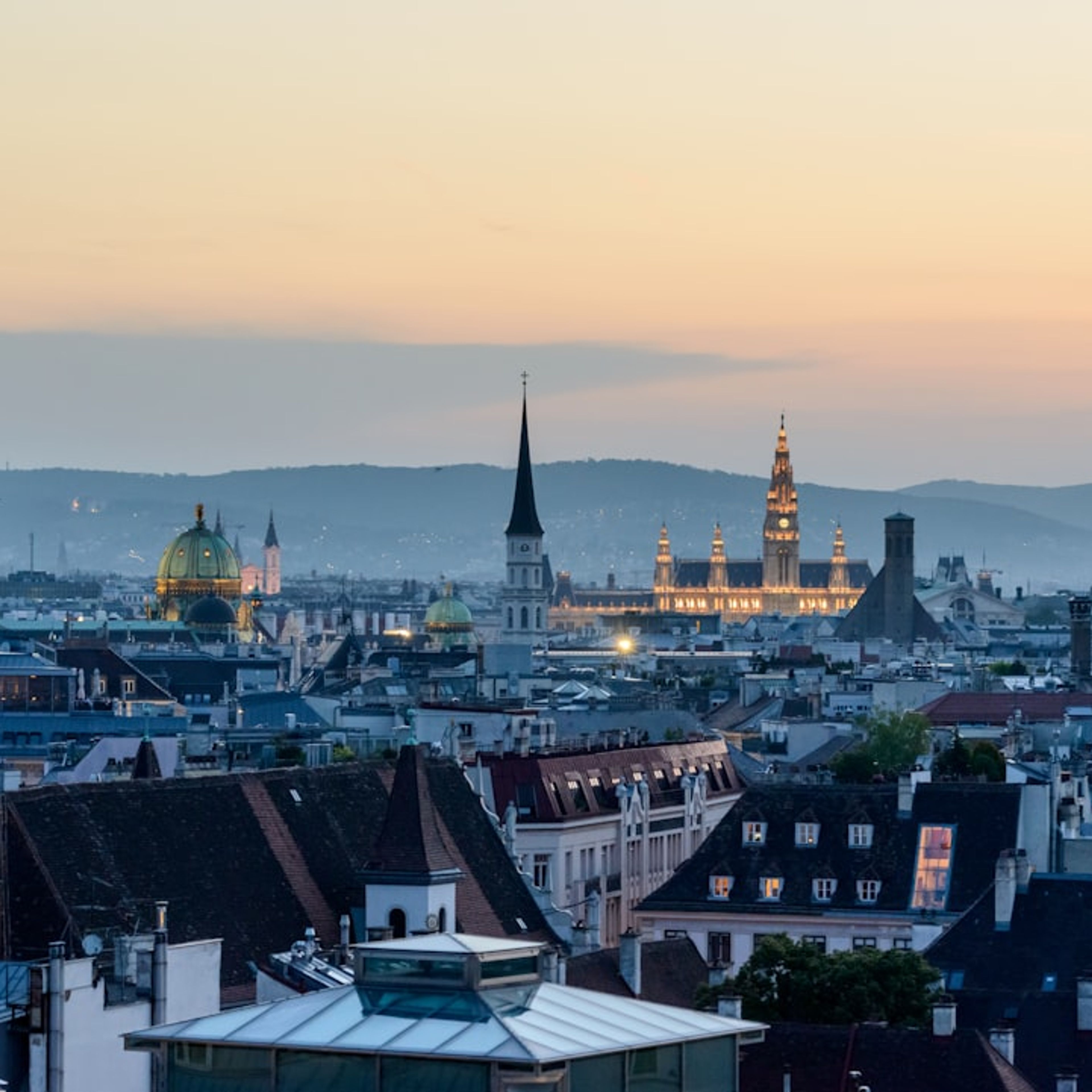
Vienna in October is the month the city moves indoors without losing anything. Coffee houses fill up again, the Heuriger wine taverns in the hills north of the city hit their proper season, and the cultural calendar restarts after the summer lull. This guide covers 11 places and events worth planning around in 2026, each with the exact address, the nearest U-Bahn or tram, and a Pro Tip built around short afternoons and long sit-downs.
On the weather: daytime highs run near 15C in the first days of October and drop to around 10C by the end, with overnight lows falling from about 8C to 4C. Rainfall is modest at roughly 40 mm across the month. Central European Summer Time ends on Sunday 25 October 2026, which pushes sunset back before 5pm for the final week and makes the indoor half of this list considerably more appealing.
Two dates matter. Austria's national day falls on 26 October, when many federal museums traditionally open free of charge, and the Viennale runs from 22 October to 3 November 2026. Everything else groups by district. Kunsthistorisches Museum, Heldenplatz and the Naschmarkt sit inside the Ringstrasse. Belvedere and Zentralfriedhof run south. Grinzing, Kahlenberg and the wine villages are north, and Schonbrunn is west on the U4.
1The Viennese Coffee Houses - UNESCO Heritage You Can Sit In
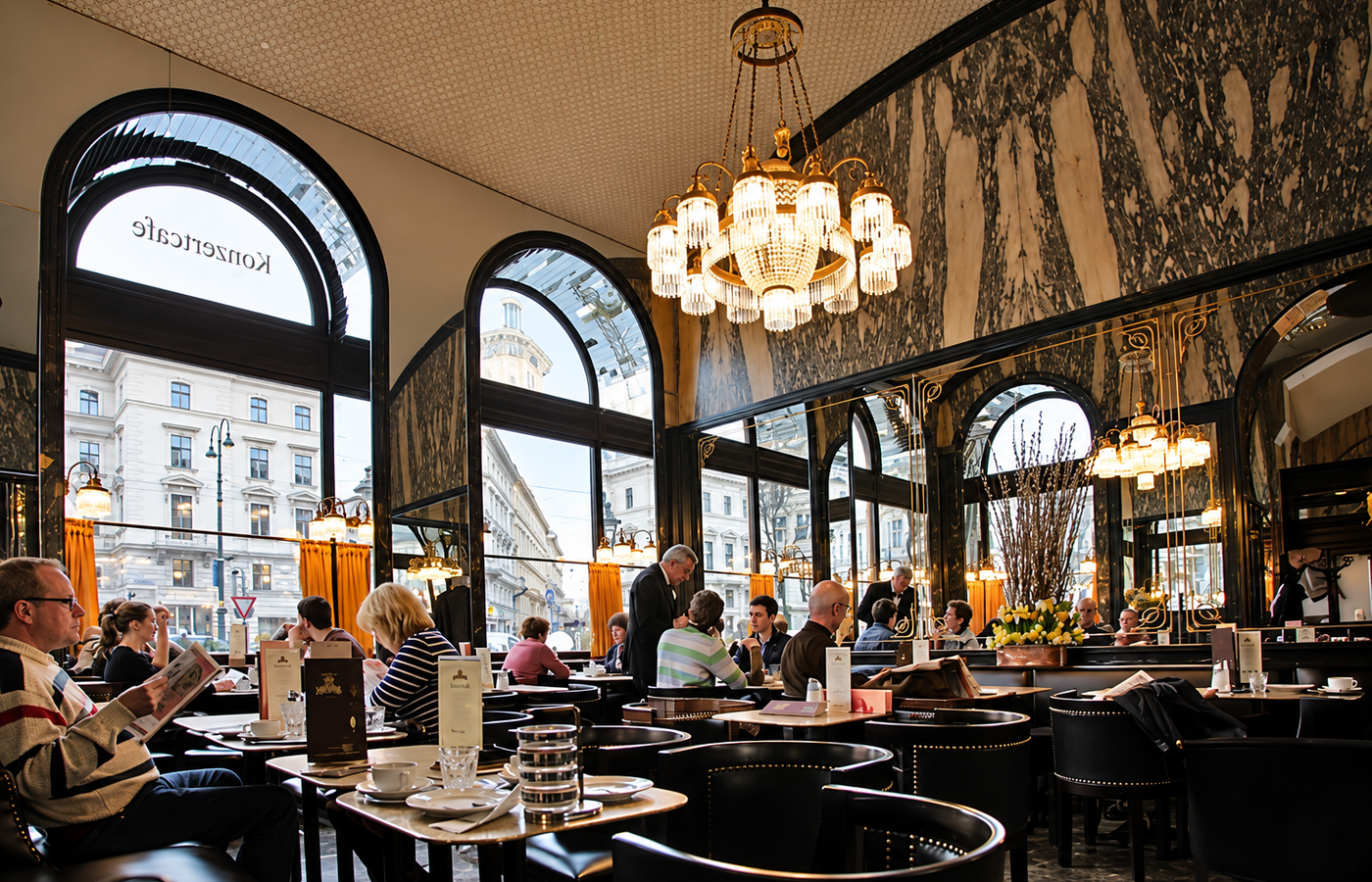

The Viennese coffee house is on the UNESCO list of intangible cultural heritage, and the listing describes it exactly: a place where time and space are consumed but only the coffee appears on the bill. October is when this stops being a curiosity and becomes the reason you are in the city. Cafe Central on Herrengasse, under its vaulted ceiling, was Trotsky's local. Cafe Sperl in the 6th district has kept its 1880 billiard tables. Cafe Landtmann on the Ring was Freud's.
Order by name and you will be treated better: a melange is the standard milky coffee, a grosser Brauner is a double with cream on the side, an Einspanner is black coffee under whipped cream in a glass. Every coffee arrives with a glass of tap water, and a refill of that water is the waiter's way of saying you are welcome to stay. Newspapers on wooden rods are free to read.
Pro Tip: Skip Cafe Central between 11am and 3pm, when the queue outside runs down Herrengasse. Go at 8am instead, or pick Cafe Sperl or Cafe Pruckel, which are the same institution without the coach parties and cost noticeably less.
2Heuriger Wine Taverns - Sturm Season in the Vineyards
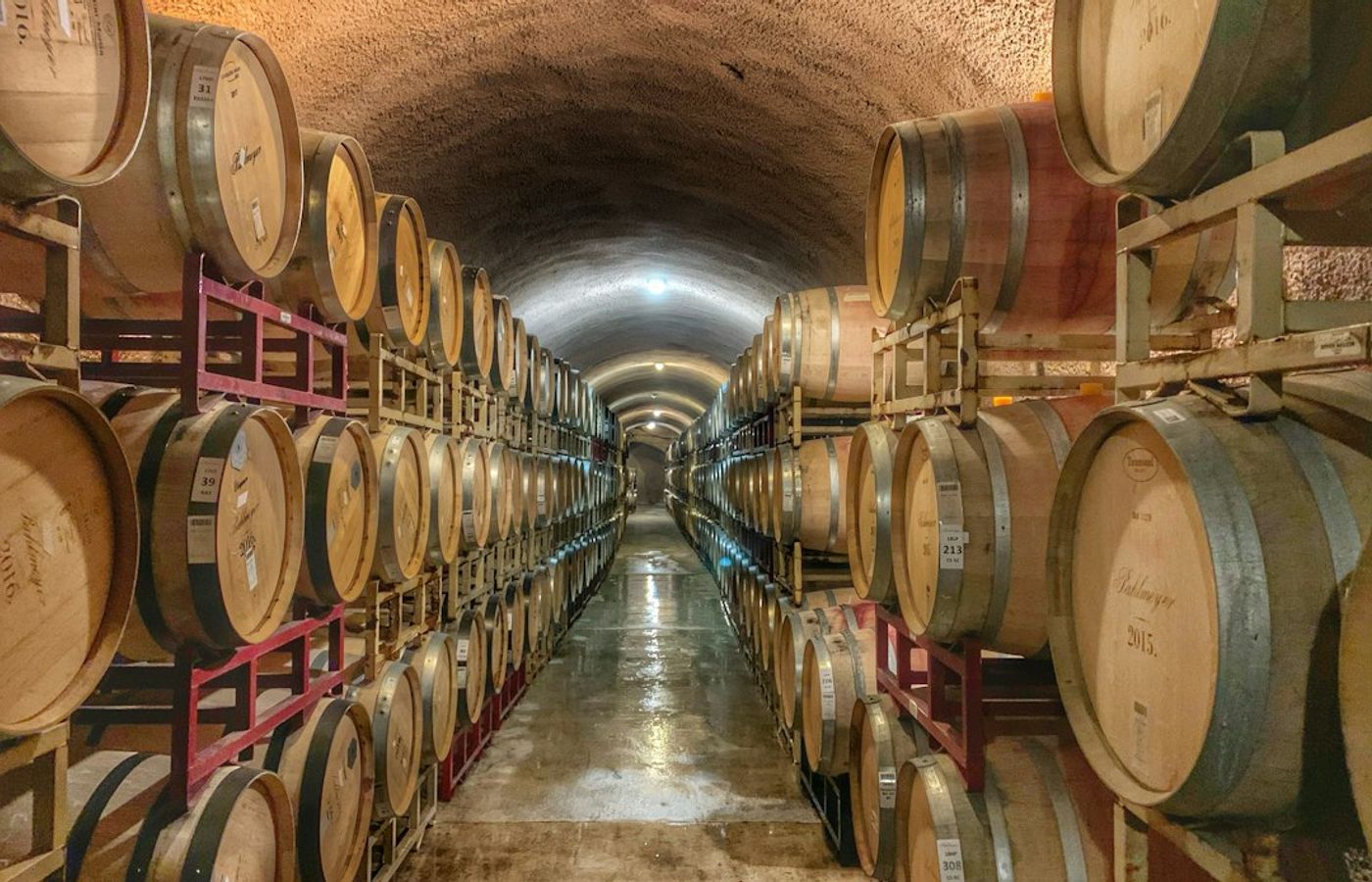

Vienna is the only major capital in the world with commercial vineyards inside the city limits, around 600 hectares of them on the slopes to the north and northeast. The Heuriger is the tavern where a grower sells his own wine, a right granted by imperial decree in 1784, and October is its season. Grinzing, Nussdorf, Neustift am Walde and Stammersdorf are the main clusters, and the last is the least touristed by a distance.
A green branch hung over the door means the tavern is currently open and pouring. Food is sold by weight from a cold buffet rather than ordered from a menu. October is when Sturm appears: cloudy, part-fermented young wine, barely alcoholic to taste and considerably stronger than it seems, available only for the few weeks between harvest and the finished vintage. Gemischter Satz, the field blend planted and pressed together, is Vienna's own appellation.
Pro Tip: Take tram 38 to the Grinzing terminus but keep walking uphill past the first three taverns. The ones on Cobenzlgasse above the village square have the vineyard views and the local crowd; the ones at the bottom have the tour buses.

3Viennale - 22 October to 3 November 2026
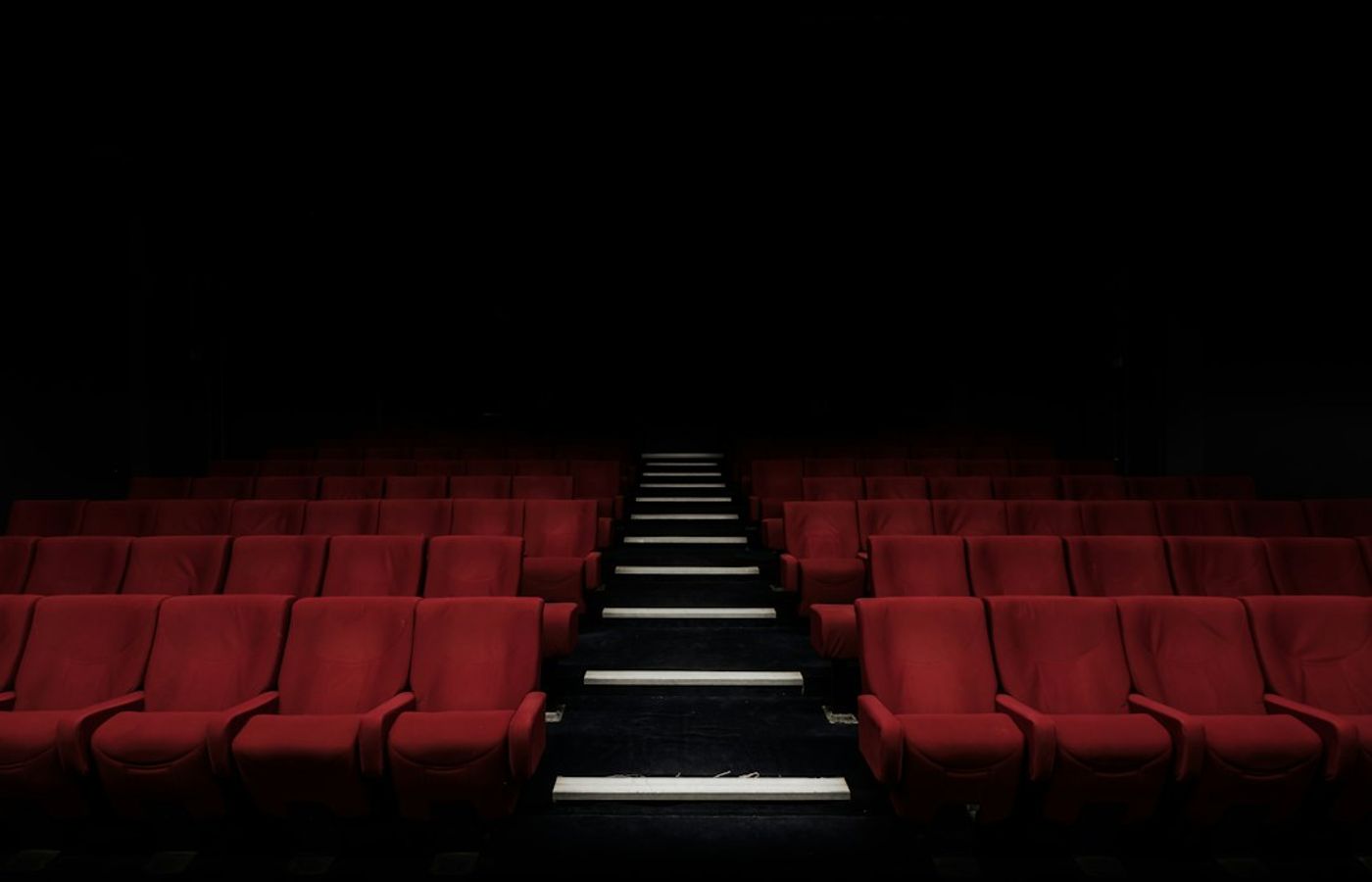
The Viennale, formally the Vienna International Film Festival, runs from 22 October to 3 November 2026 in its 64th edition. It has taken place every October since 1960, screens around 300 features, documentaries and shorts, and draws roughly 75,000 people. The Vienna Film Prize and the FIPRESCI prize are awarded at the close. Programme and tickets go through the festival website, with the full schedule published on 13 October and advance sales opening on 17 October 2026.
This is not a red-carpet festival with a closed industry core. Screenings run in working cinemas across the city, among them Gartenbaukino, Urania, Metro-Kino, the Osterreichisches Filmmuseum and Stadtkino, and the audience is largely Viennese. Gartenbaukino on the Ringstrasse, a 736-seat single-screen survivor from 1960, hosts the openings and is worth a ticket for the room alone.
Pro Tip: Be online at 10am on 17 October when advance sales open, because the Gartenbaukino slots go within the hour. Failing that, same-day tickets are often available at the box office for weekday afternoon screenings at Metro-Kino and Stadtkino.
4Kunsthistorisches Museum - Twelve Bruegels and a Domed Cafe
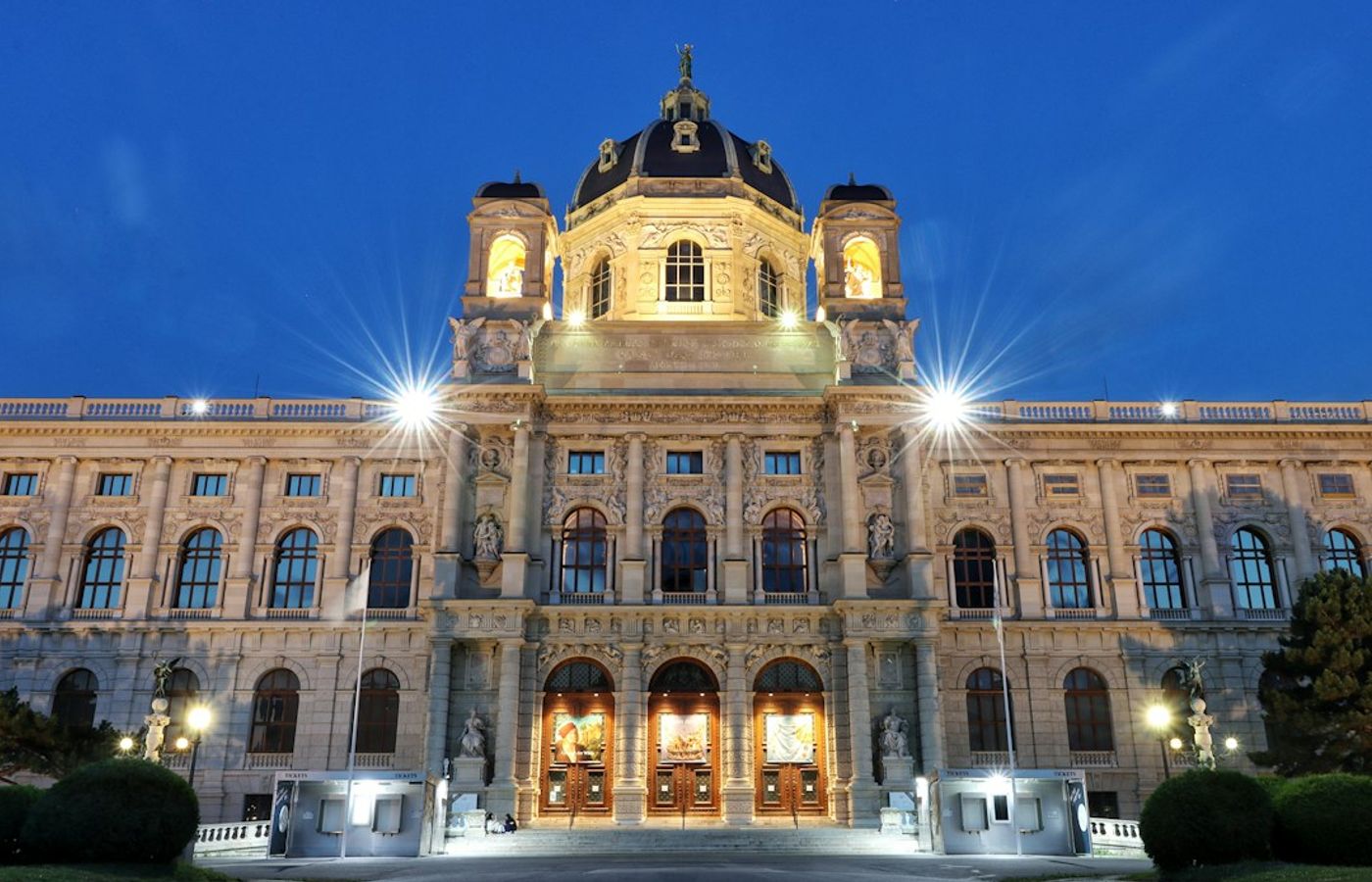
The Kunsthistorisches Museum opened in 1891 to house the Habsburg imperial collections, and it holds the largest group of Bruegel paintings in the world, twelve of them, including Hunters in the Snow and The Tower of Babel. The Picture Gallery also carries Vermeer's The Art of Painting, plus Caravaggio, Velazquez and Rubens in quantity. The Kunstkammer, reopened in 2013, holds the Habsburg cabinet of curiosities including the Saliera by Cellini.
The building itself justifies the ticket: a marble staircase under a Klimt-decorated arcade, and a domed cafe on the first floor that is among the best rooms in Vienna to sit in on a wet afternoon. The museum closes on Mondays outside peak season and stays open late on Thursdays. Allow three hours minimum, and note that the Bruegel room alone absorbs an hour.
Pro Tip: Go on a Thursday evening and start at the Bruegel room rather than working through the galleries in order. By 6pm the tour groups have gone and you can stand in front of Hunters in the Snow without anyone between you and it.
5Schonbrunn Palace Gardens - 160 Hectares of Baroque in Colour
Schonbrunn Palace was the Habsburg summer residence and is a UNESCO World Heritage Site, with 1,441 rooms of which about 40 are open. The autumn argument is the park rather than the apartments: 160 hectares of Baroque garden laid out in the 1700s, with clipped hornbeam avenues, the Neptune Fountain and the Gloriette on the hill behind, all turning through mid-October. Entry to the gardens is free.
The walk up to the Gloriette takes about 20 minutes and gives the standard view back down over the palace to the city beyond, which in autumn has the whole formal garden in colour between you and it. Palace tours are timed and the Grand Tour covers 40 rooms. Schonbrunn Zoo, founded in 1752 and the oldest still operating anywhere, sits inside the grounds.
Pro Tip: Enter by the Hietzing gate on the west side rather than the main gate at Schonbrunn U4. You walk into the gardens ahead of the coach flow, and the Gloriette climb comes at the start while you still have the legs for it.
6Austrian National Day - 26 October and Free Museums
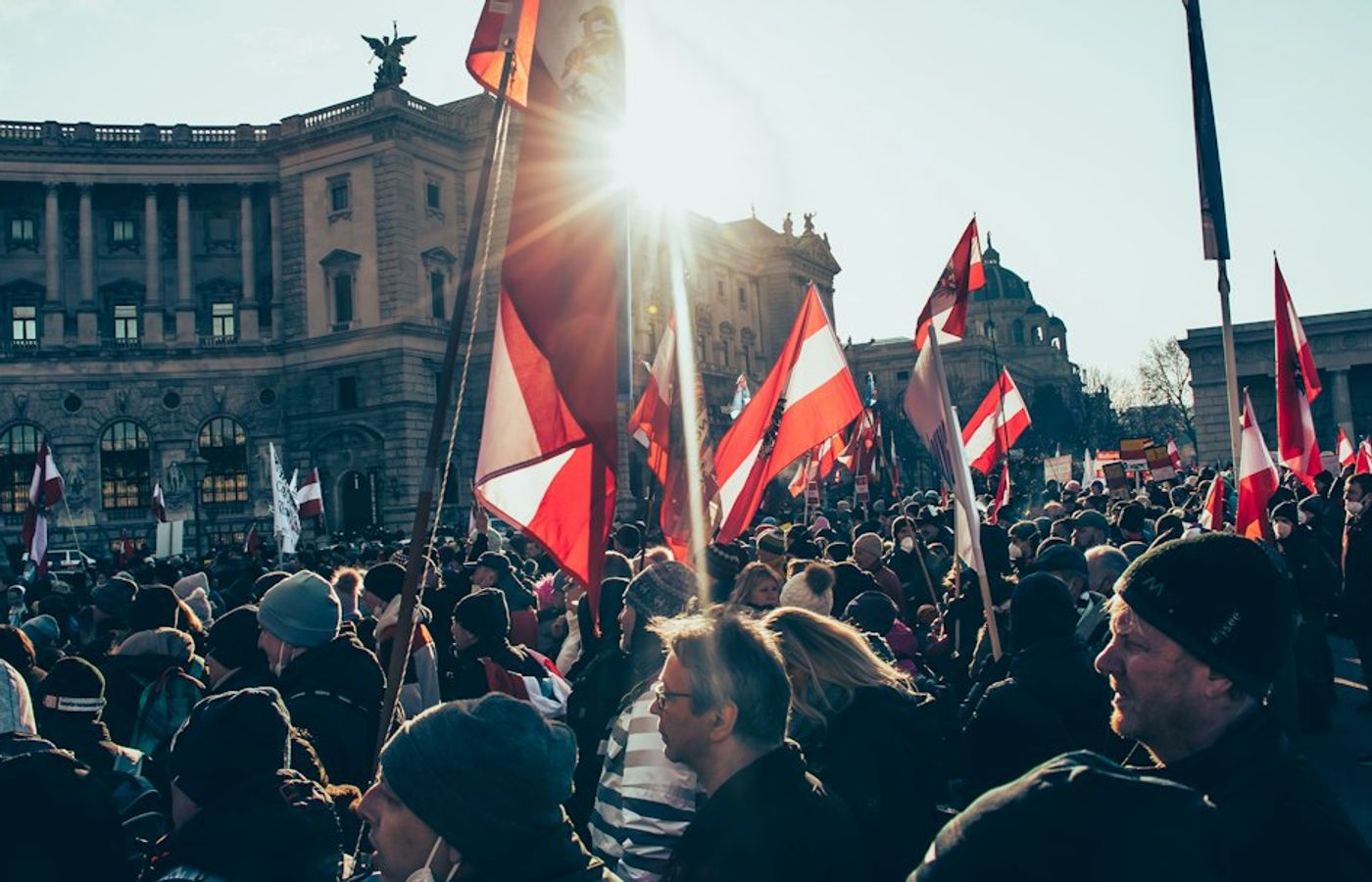
Austria's national day falls on 26 October and marks the 1955 declaration of permanent neutrality, passed the day after the last occupying troops left the country. It is a public holiday. The Austrian Armed Forces stage a large display on Heldenplatz in front of the Hofburg, with equipment on show and a recruitment element, and the Federal President's offices open to the public.
The part that matters to a visitor is admission. A number of federal museums traditionally open free of charge on 26 October, which in a city this museum-heavy is a significant saving. The list is confirmed each year rather than fixed, so check before planning around it. Banks and most shops close, and public transport runs a Sunday timetable.
Pro Tip: Check the free-entry list a week ahead and stack your expensive museum visits onto the 26th, then put the Heuriger taverns and Kahlenberg on the days either side. Arrive at any free museum before 10am, because queues build fast once the Heldenplatz crowd disperses.
7The Prater Hauptallee - 4.5 Kilometres of Chestnut Avenue
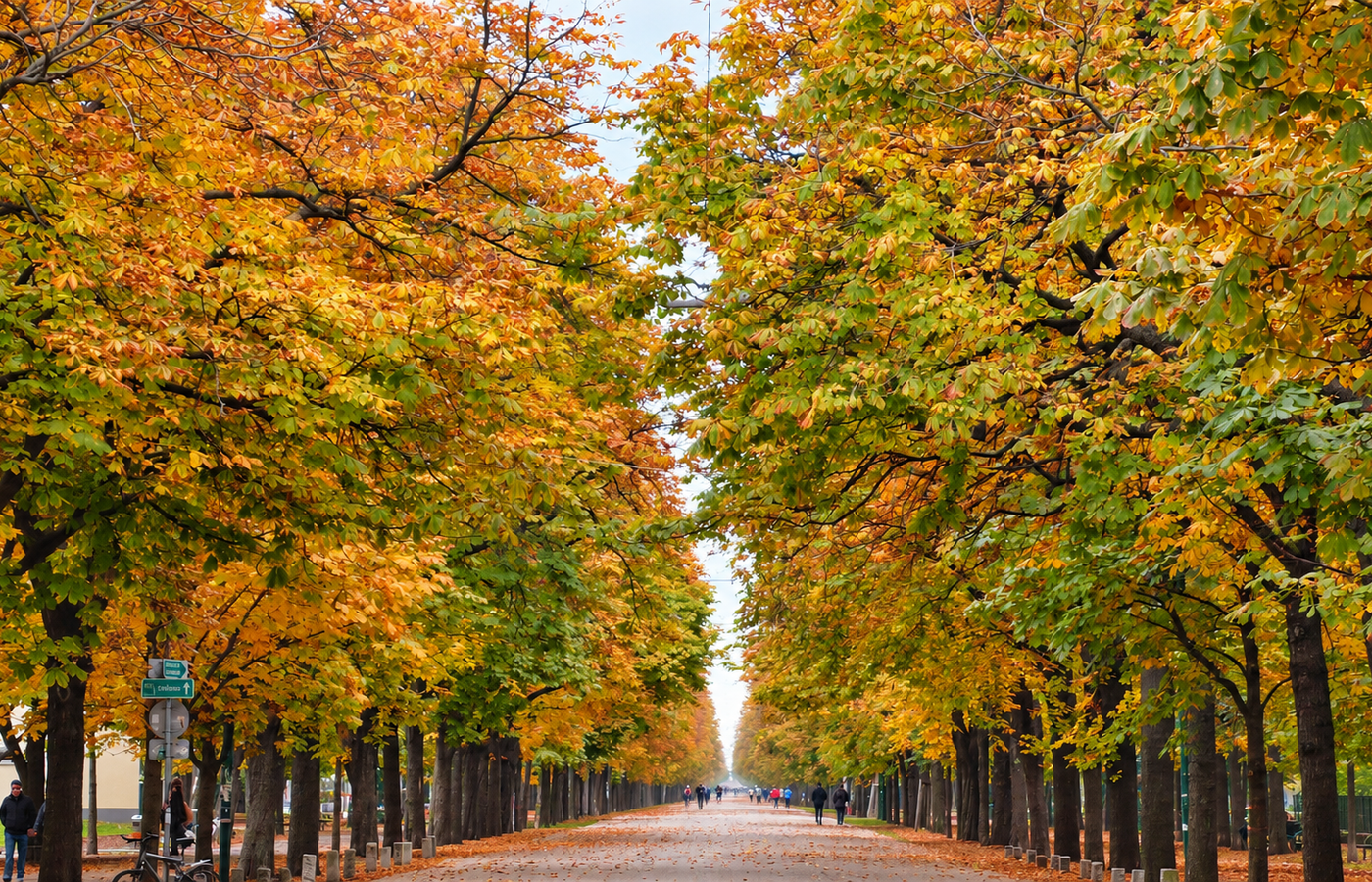
Most visitors see the Wurstelprater funfair and the 1897 Riesenrad and assume that is the Prater. It is about two per cent of it. The Prater proper is 600 hectares of former imperial hunting ground, opened to the public by Joseph II in 1766, and the Hauptallee runs straight through the middle of it for 4.5 kilometres under a double avenue of horse chestnuts.
In October that avenue turns along the length of its run, which is the single longest stretch of autumn colour in Vienna. It is closed to traffic and busy with runners and cyclists rather than tourists. Walking the full length and back takes around two hours. The Riesenrad is still worth a rotation for the view, and the funfair itself is free to enter with rides paid individually.
Pro Tip: Start at Praterstern, walk the Hauptallee southeast for 40 minutes to the Lusthaus at the far end, and take the 77A bus back. Doing the avenue one way rather than out and back leaves you time for the Riesenrad at dusk.
8Naschmarkt - Pumpkin Seed Oil and Chanterelle Season
The Naschmarkt has traded on this site since the 1780s and runs about 1.5 kilometres along the covered course of the River Wien, with roughly 120 stalls. The eastern end nearest Karlsplatz has drifted towards restaurants and tourist prices; the western end towards Kettenbruckengasse is still where Viennese households buy vegetables, and that is the half worth walking.
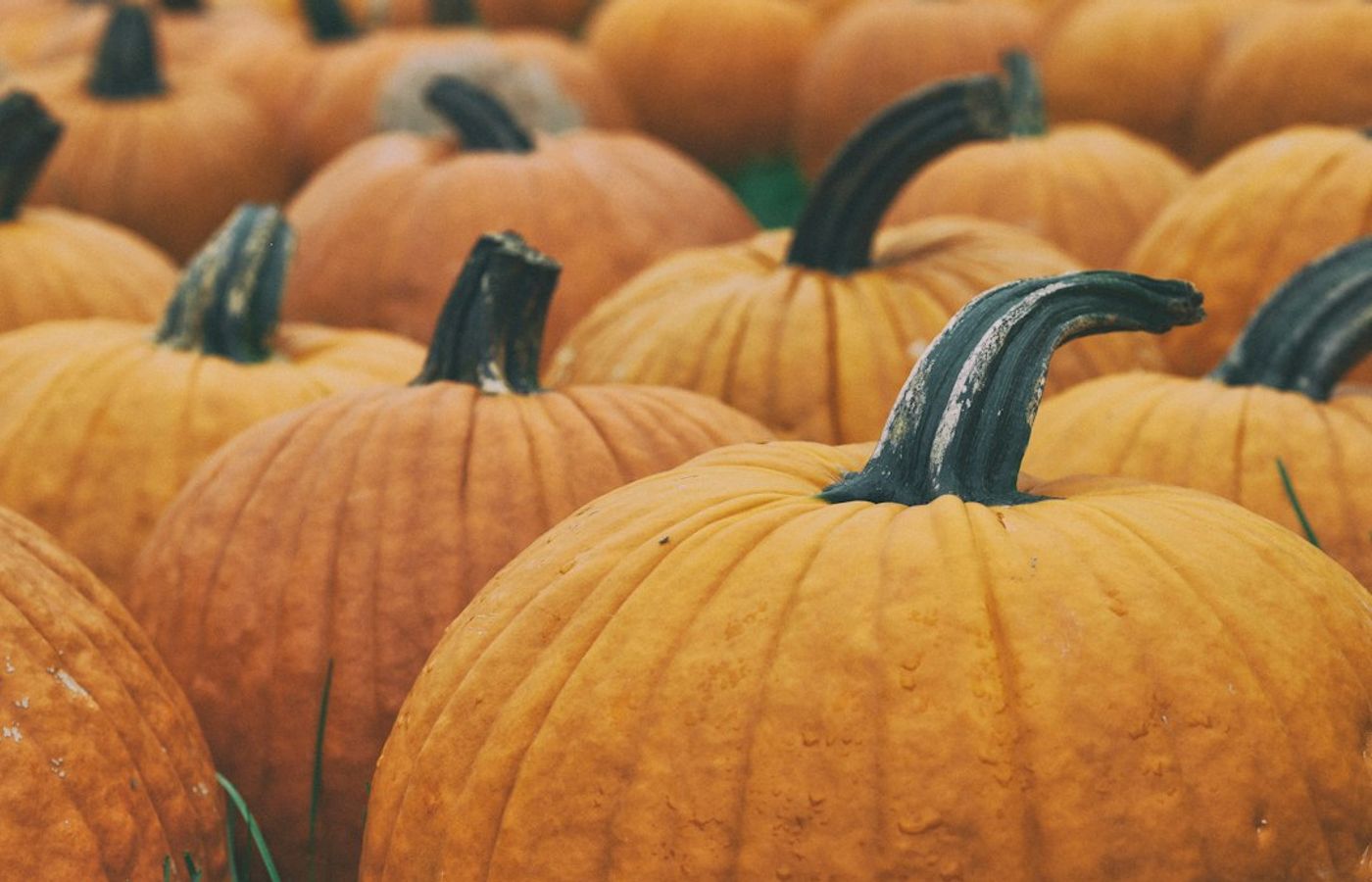
October brings the autumn produce that makes the market worth a trip rather than a photograph: pumpkins, chanterelles and porcini, quince, walnuts, new-pressed pumpkin seed oil from Styria and the first Sturm. Saturday adds a large flea market at the western end, which is the busiest and best day. The market closes on Sundays and shuts around 6pm on weekdays.
Pro Tip: Enter at Kettenbruckengasse on the U4 and walk east, not the other way round. You pass the working produce stalls before you reach the restaurant strip, which is the order that stops you paying Karlsplatz prices for the same tomatoes.
9The Belvedere - Klimt Upstairs, Autumn Terraces Outside
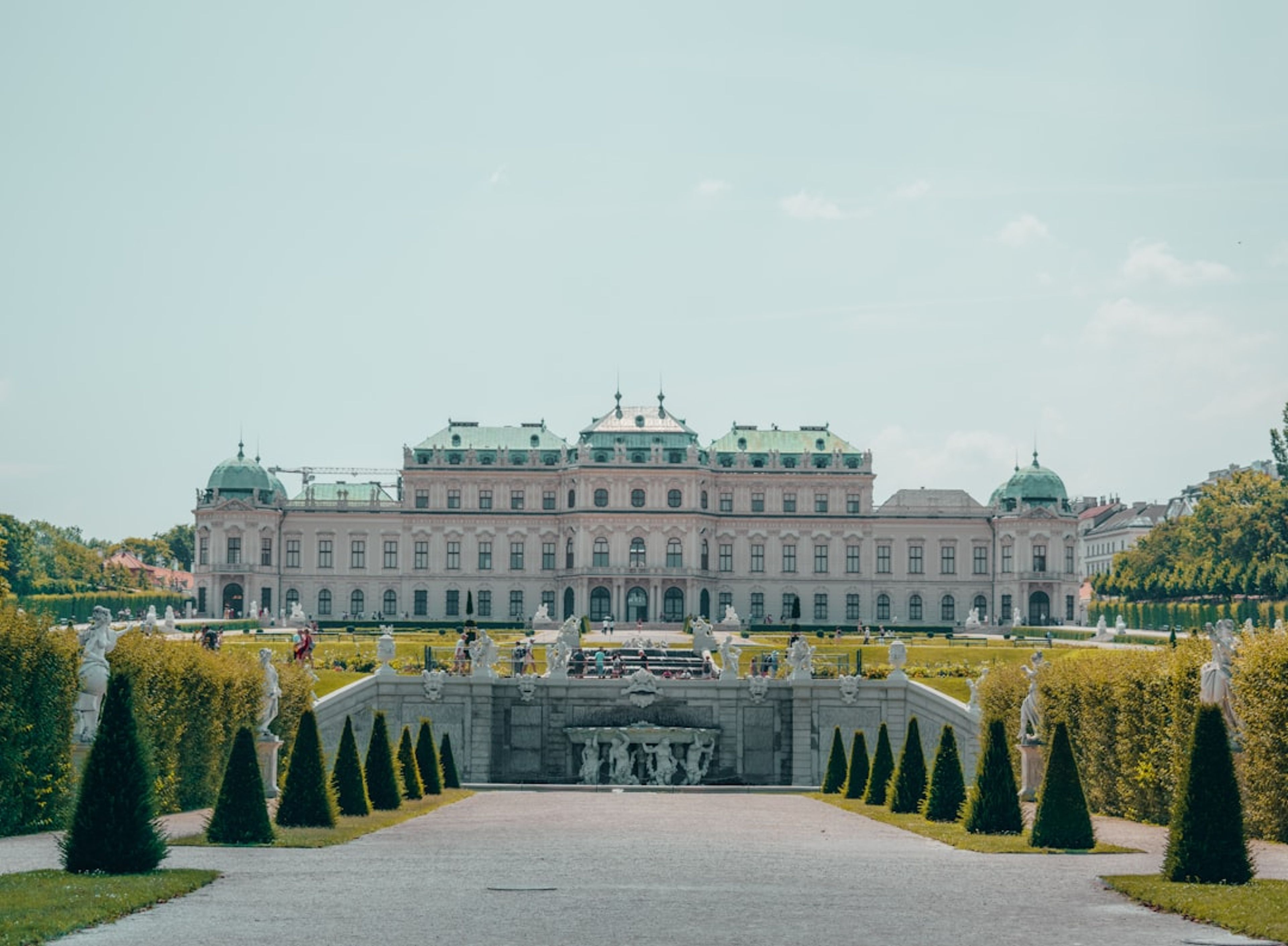
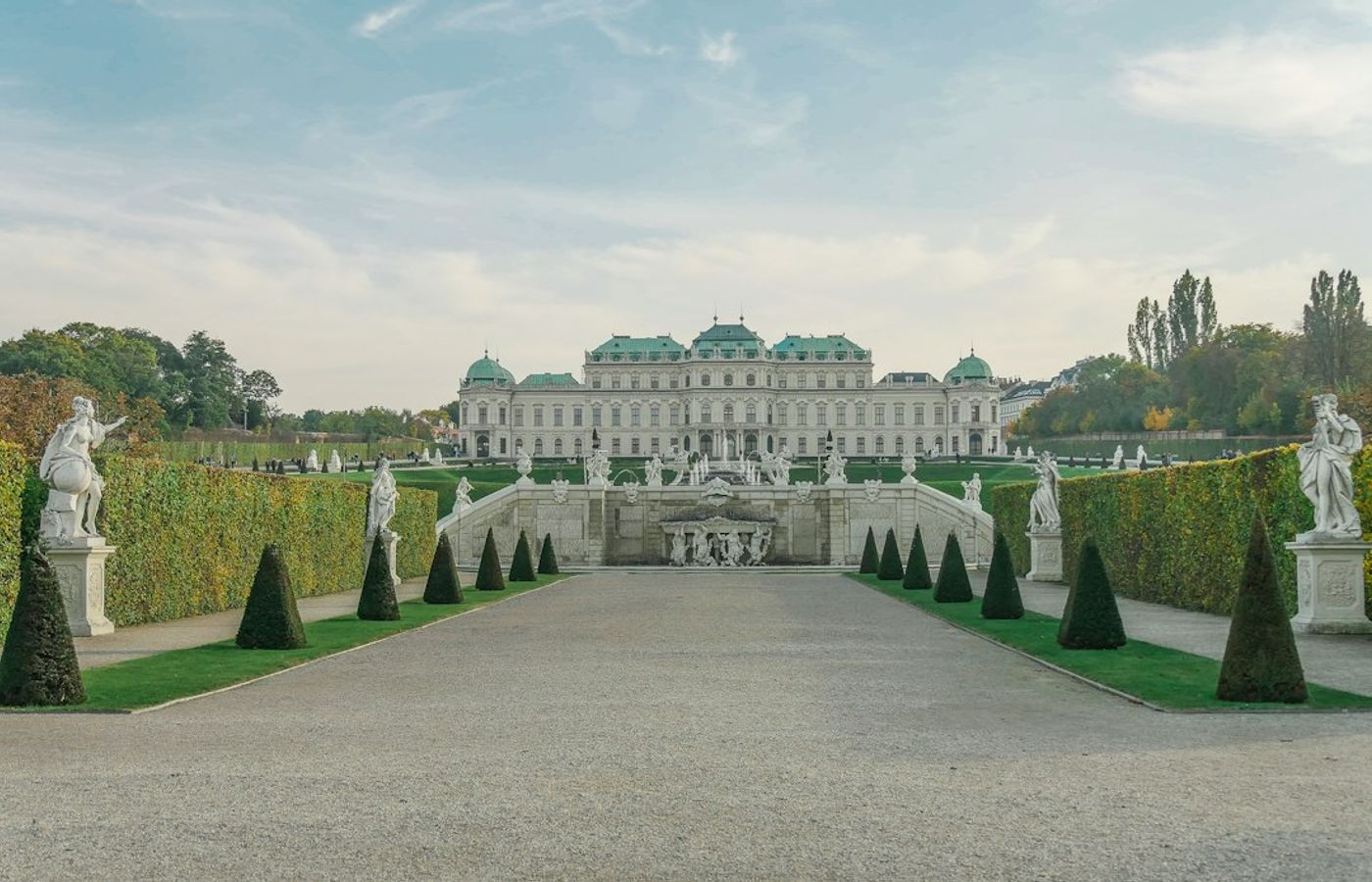
The Belvedere is two Baroque palaces built for Prince Eugene of Savoy in the early 1700s, linked by a formal terraced garden that steps down the slope between them. The Upper Belvedere holds the world's largest Klimt collection, including The Kiss, painted in 1907 and permanently on display here, alongside Schiele and Kokoschka. The Austrian State Treaty was signed in the Marble Hall in 1955.
The garden between the two palaces is free and open daily, and it is the autumn reason to come: clipped hedges and mature limes turning above the ornamental pools, with the view north across the terraces to the spire of St Stephen's Cathedral beyond. Standing at the Upper Belvedere railing on a clear October morning gives you the best framed city view in Vienna without paying for anything.
Pro Tip: Book the first slot of the day and go straight to Klimt on the first floor. The Kiss has a permanent crowd from about 11am onwards, and at 9am you can get within a metre of it. Then walk down through the gardens rather than leaving the way you came.
10Kahlenberg - The Vineyard Walk Down Into the Wine Villages
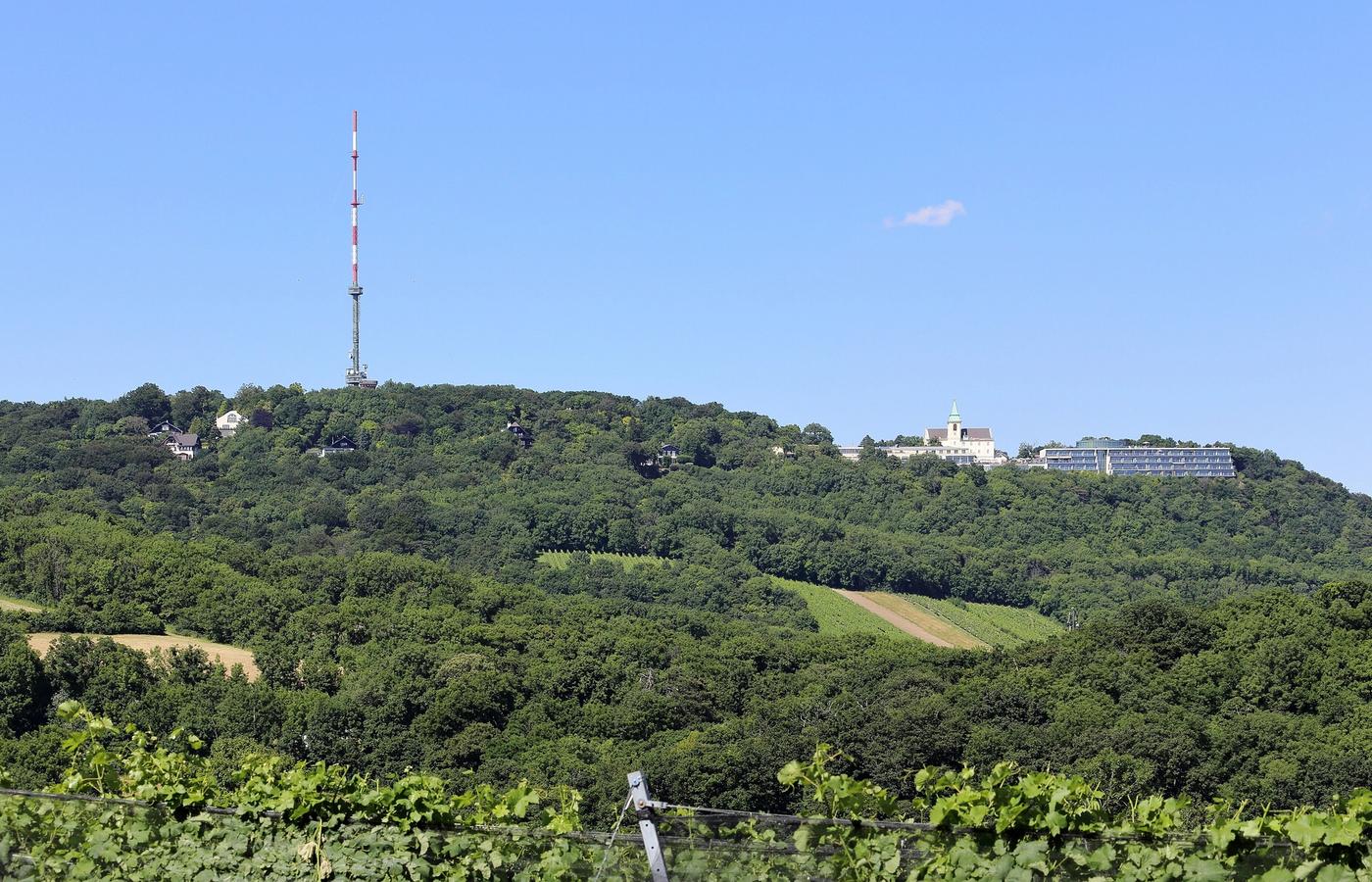
Kahlenberg rises 484 metres at the eastern end of the Vienna Woods and gives the long view over the whole city with the Danube running through it. It is where the relief army assembled before the Battle of Vienna in 1683, and the church at the summit, Sankt Josef, commemorates it. The terrace beside the church is free, and the view runs from the Danube Island across to the Alps on a clear day.
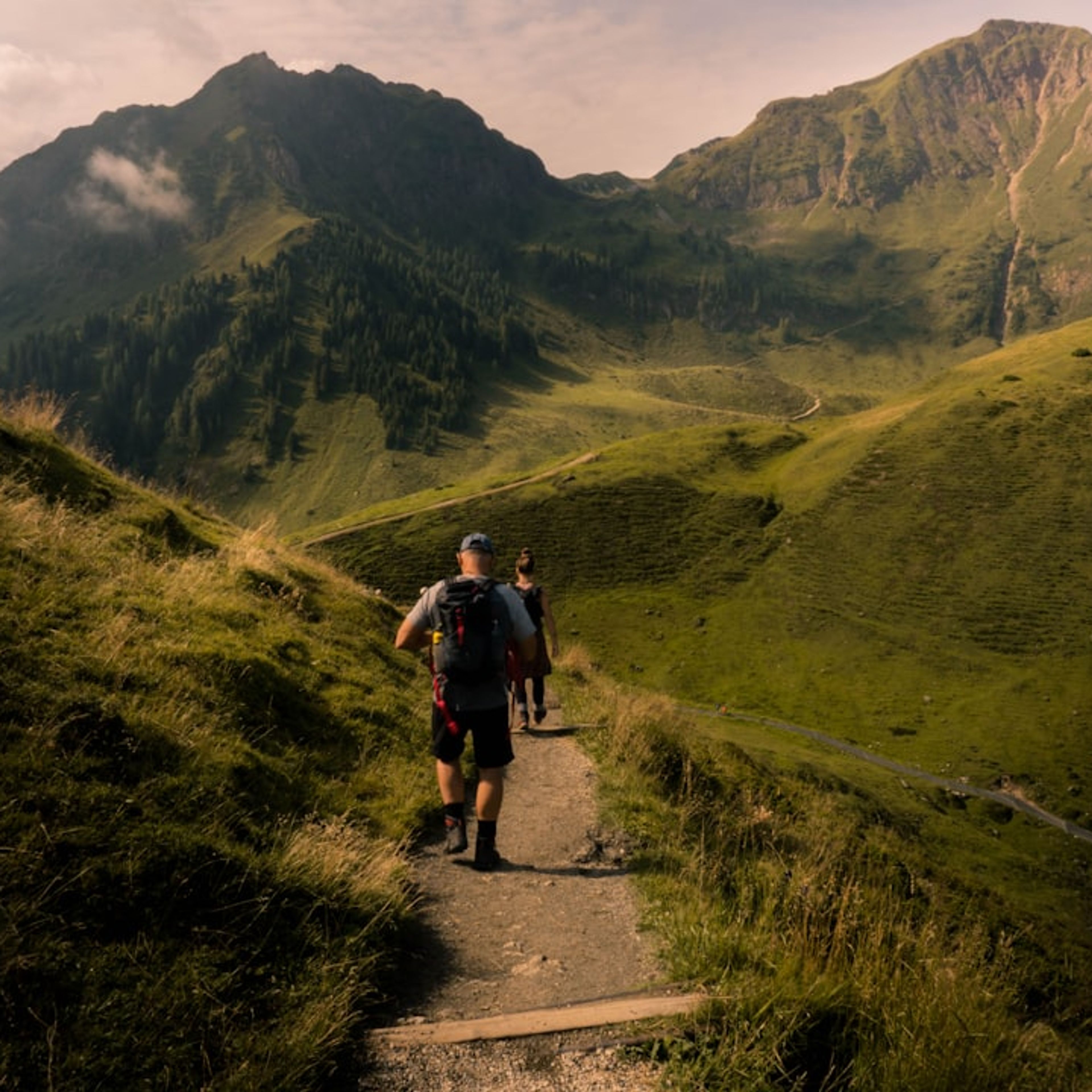
The walk down is the point. A marked path drops through the vineyards and beech woods to Nussdorf in about 90 minutes, passing Leopoldsberg and emerging among the Heuriger taverns at the bottom. In October the vines have turned yellow and the woods behind them are copper, and you finish the descent at a tavern door. Boots rather than trainers: the path is steep and gets slick.
Pro Tip: Take the U4 to Heiligenstadt and bus 38A up, then walk down instead of riding back. Start by 1pm in late October: the light goes before 5pm after the clocks change and the wooded sections of the descent are unlit.
11Zentralfriedhof - Composers, Deer and Autumn Avenues
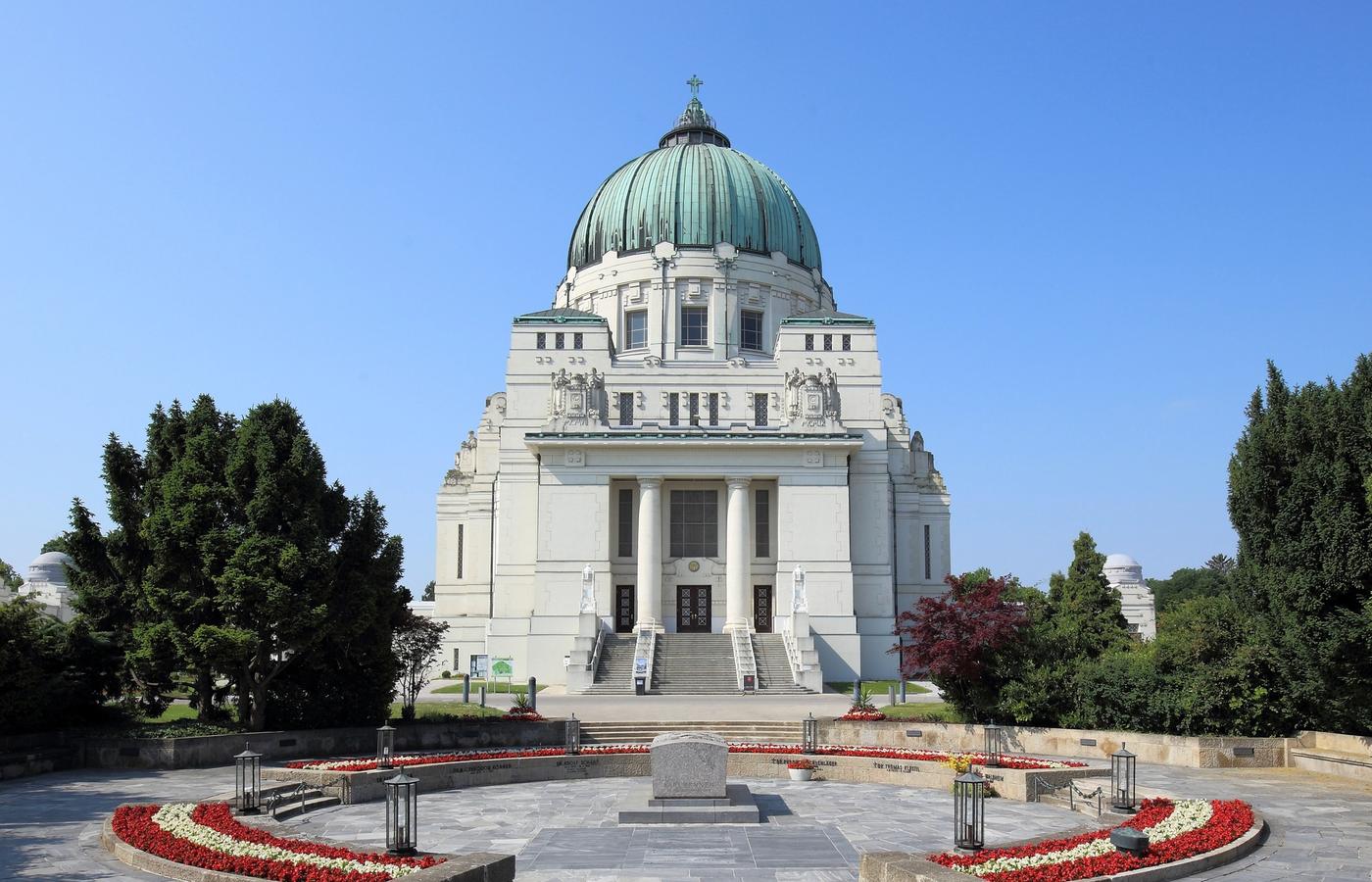
The Zentralfriedhof is one of the largest cemeteries in Europe, covering 2.5 square kilometres with around 330,000 graves, and it reads as parkland more than burial ground. Opened in 1874, it holds the Ehrengraber, the honorary graves of Beethoven, Schubert, Brahms, Gluck, the Strauss family and Salieri, grouped in Group 32A, with a memorial to Mozart whose actual grave is elsewhere. The Art Nouveau Karl Borromaus church at the centre was completed in 1911.
October is the month to walk it. The avenues of mature trees turn through the middle of the month, deer and hares live in the older overgrown sections, and around All Saints on 1 November the whole cemetery fills with candles. Entry is free and there are several gates; Tor 2 is the one nearest the composers. The site is big enough that a bus runs inside it.
Pro Tip: Get off tram 71 at Tor 2, not Tor 1, which puts you on the main avenue with the composers five minutes ahead. Then walk on to the old Jewish section by Tor 1, left deliberately unrestored and overgrown, which is the most affecting part of the site in autumn.

CEO and co-founder
Tomas is the co-founder and director of trip1, an European company specializing in reservation services. He launched the company in 2025 with a focus on building scalable, efficient operations.
Vienna in October: Coffee Houses and Wine Taverns - FAQ
No. Four is a sensible day in Vienna, partly because the coffee houses and Heuriger taverns are meant to be sat in rather than ticked off. Schonbrunn absorbs half a day on its own, and Kahlenberg and Zentralfriedhof are both out on the edges. Three days covers the list properly.
Day one is the Ringstrasse core: Kunsthistorisches Museum, Heldenplatz, a coffee house and the Naschmarkt, with a Viennale screening in the evening. Day two runs south and out: Belvedere, then Zentralfriedhof on tram 71. Day three goes north to the wine villages for Kahlenberg and a Heuriger, or west to Schonbrunn. The Prater slots into any afternoon.
Four. Schonbrunn Palace uses timed entry for the apartments, though the gardens do not. Kunsthistorisches Museum and the Belvedere are both easier with a slot booked, particularly on a wet weekend. Viennale screenings need tickets and advance sales for 2026 open on 17 October. Coffee houses, Heuriger taverns, the Naschmarkt, the Prater, Kahlenberg and Zentralfriedhof are all walk-in.
Budget roughly EUR 70 to EUR 100 per adult for the ticketed sites, plus a 24-hour or 72-hour Wiener Linien pass covering the U-Bahn, trams and buses. Five entries are free. If your trip includes 26 October, Austria's national day, a number of federal museums traditionally open free of charge, which can take a serious chunk out of that total.
Autumn is the Heuriger season proper. The taverns in Grinzing, Nussdorf, Neustift am Walde and Stammersdorf are open through October, and this is when Sturm appears, the cloudy part-fermented young wine sold only for a few weeks between the harvest and the finished vintage. A green branch hung over the door means the tavern is currently open and pouring its own wine.
Yes, all eleven. Wiener Linien runs five U-Bahn lines plus one of the largest tram networks in the world, and Vienna's public transport is the easiest of any city on this list. Tram 38 reaches Grinzing, tram 71 reaches Zentralfriedhof, and bus 38A climbs to Kahlenberg from Heiligenstadt on the U4.
The music calendar, which restarts in autumn and deserves its own planning. The Vienna State Opera, Musikverein and Konzerthaus all open their seasons in September and October, and standing-room tickets at the State Opera cost a fraction of a seat. St Stephen's Cathedral and the Hofburg are also missing here simply because they are year-round rather than autumn-specific.