
Guides · Sofia
10 Top Places to Visit in Sofia

CEO and co-founder
This guide ranks the 10 top places to visit in Sofia, Bulgaria - the sights that genuinely deserve a spot on your itinerary whether you have two days or a full week in the Bulgarian capital. Each entry lists the exact street address, the nearest metro or bus, walking time, and a practical Pro Tip based on local timings. The list is ordered to help you plan efficient sightseeing routes - the central Serdika landmarks like Alexander Nevsky Cathedral, St. Sofia Church, the Rotunda, and Sveta Nedelya cluster into one walking day, while Vitosha Boulevard and the museums fit a second day, and Boyana Church plus Rila Monastery each need their own half-day or full-day trip.
Sofia sits on a 550-metre plateau at the foot of Mount Vitosha and has been continuously inhabited for around 7,000 years - the Thracian settlement of Serdica, the Roman capital of Inner Dacia, a Byzantine border town, a 500-year Ottoman provincial centre, and since 1879 the capital of modern Bulgaria. That layered past is legible in every corner of the centre, from Roman streets excavated under a metro station to Byzantine bricks in the walls of St. Sofia and a UNESCO-listed church in the western suburbs. Use this guide as a working itinerary rather than a bucket list - two focused days will cover the core, and a third day frees you up for a Rila Monastery or Mount Vitosha excursion.
Practical notes: a single public transport ticket is 1.60 lev (about 0.80 EUR) on any bus, tram, or metro; the metro is the fastest way to cover the north-south axis and both lines meet at Serdika station. Boyana Church tickets should be pre-booked online in high season, and Rila Monastery is best reached via the direct daily minibus from Ovcha Kupel bus station. All prices are current for 2026.
1Alexander Nevsky Cathedral - The Largest Orthodox Cathedral in the Balkans
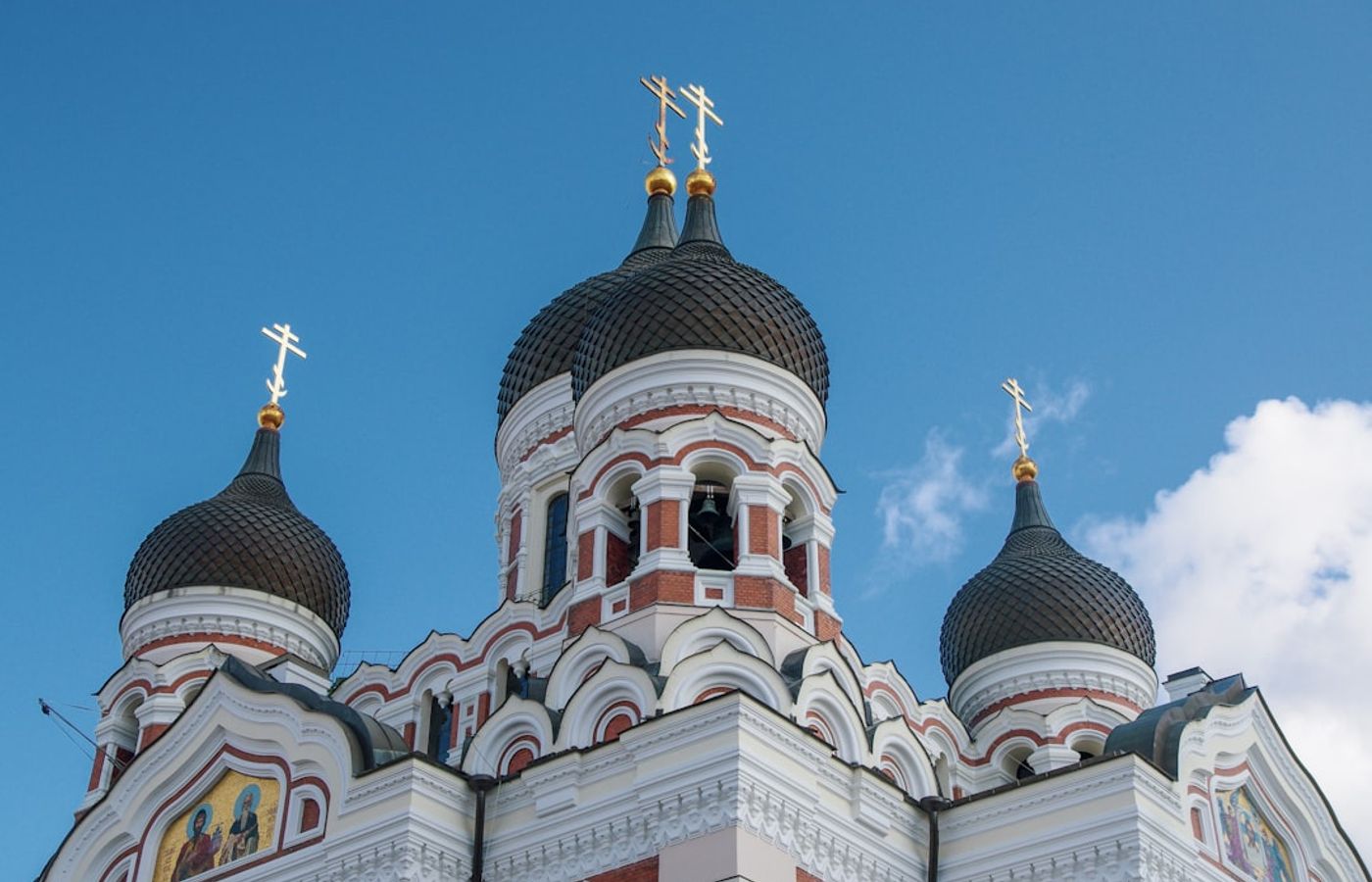

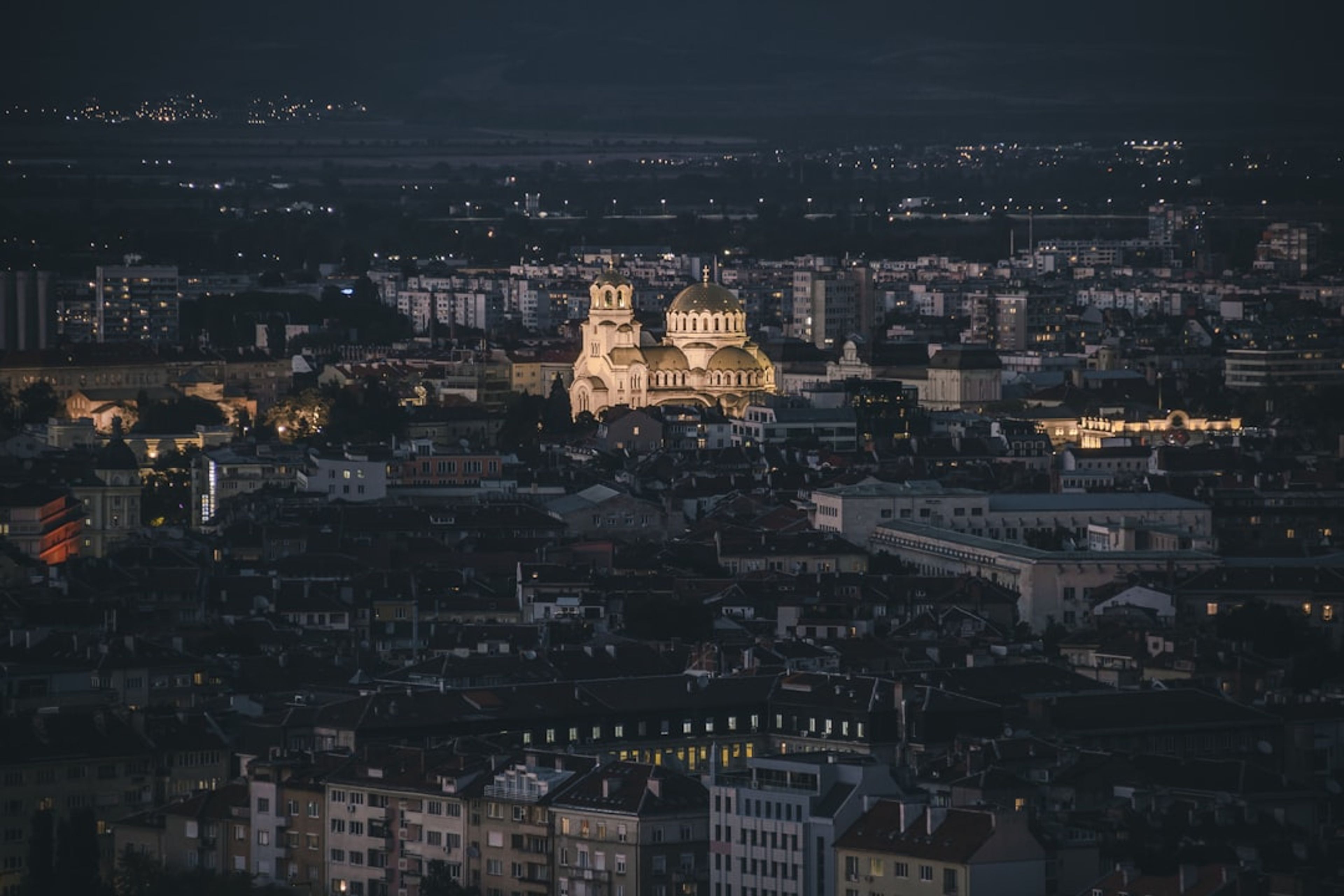
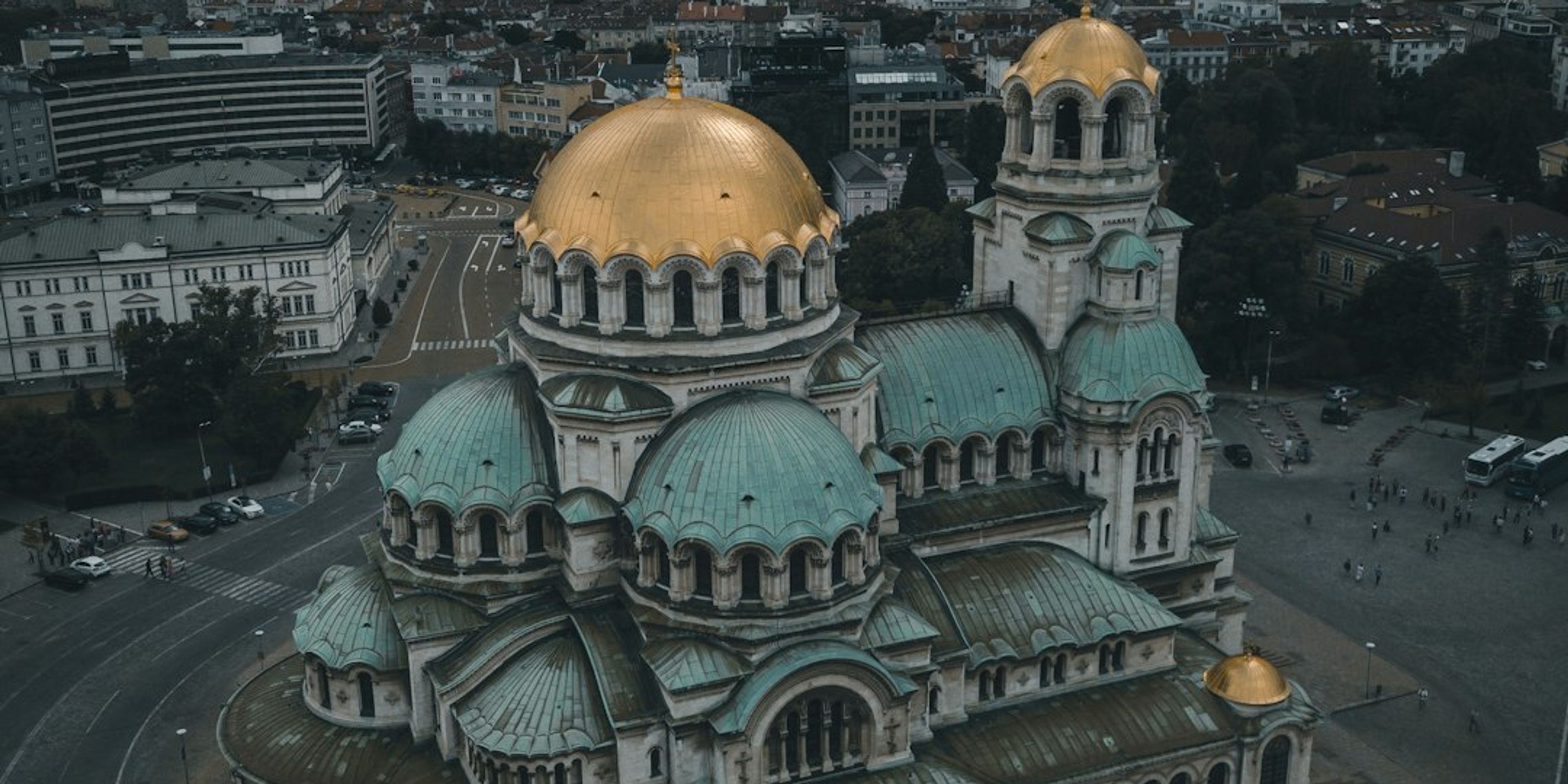
The St. Alexander Nevsky Cathedral is the visual symbol of Sofia and one of the largest Eastern Orthodox cathedrals in the world. Designed by Russian architect Alexander Pomerantsev and built between 1882 and 1912, it commemorates the 200,000 Russian soldiers who died in the 1877-1878 Russo-Turkish War that liberated Bulgaria from Ottoman rule. The cathedral covers 3,170 square metres and can hold up to 10,000 worshippers. Twelve gilded domes crown a design in the Byzantine Revival style, and the 47-metre central bell tower carries 12 bells with a combined weight of 23 tonnes.
The interior is lined with Italian marble, Brazilian onyx, Venetian mosaics, and 82 murals by Russian and Bulgarian artists including Viktor Vasnetsov and Ivan Mrkvicka. The crypt underneath holds one of the finest collections of Orthodox icons in the world, spanning the 9th to 19th centuries. Entry to the main cathedral is free, but photography inside requires a 10-lev permit purchased at the small kiosk near the north door. The icon crypt has a separate 6-lev ticket.
Pro Tip: Come at 09:00 on a weekday for near-empty interiors and the best morning light through the eastern windows. Sunday morning liturgy at 09:30 fills the cathedral with singing that carries through the whole square, but expect standing room only.
2Vitosha Boulevard - Sofia's Central Pedestrian Promenade
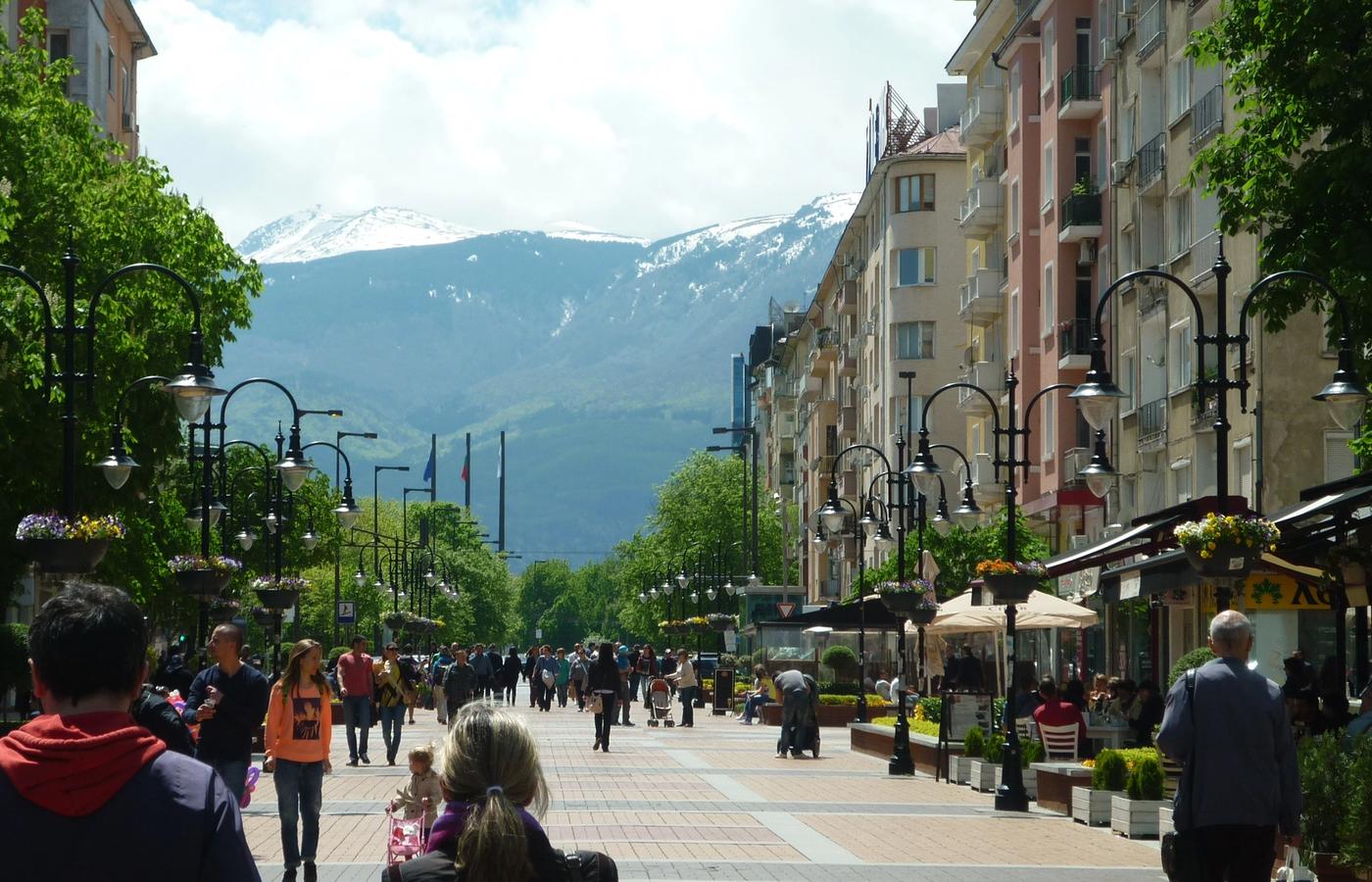

Vitosha Boulevard (Vitoshka) is the main pedestrian shopping and dining street in Sofia, stretching about 1 km south from Sveta Nedelya Square to the National Palace of Culture (NDK). The northern half is fully pedestrianised and lined with Belle Epoque buildings from the 1890s to 1920s, and on clear days the 2,290-metre peak of Cherni Vrah rises directly above the southern end - a straight-line view down the whole boulevard to the ski slopes of Mount Vitosha.
The boulevard is where Sofians come to walk, drink coffee on wide terraces, and browse the mix of international chains and Bulgarian brands. Landmark buildings along the route include the Ivan Vazov National Theatre one block east, the former Zaimov Palace at Vitosha 8, and the small pedestrian side street Solunska with some of the best independent wine bars in the city. Skip the international chains and eat at Sun Moon Bakery at Vitosha 39 for classic Bulgarian banitsa.
Pro Tip: Walk the boulevard south to NDK, then take the exit escalator up to the roof terrace of NDK - the panoramic view back over Vitosha Boulevard framing Mount Vitosha at sunset is the best free photograph in Sofia. Bring a light jacket after 20:00 in shoulder season.

3Boyana Church - 13th-Century Frescoes on the UNESCO World Heritage List
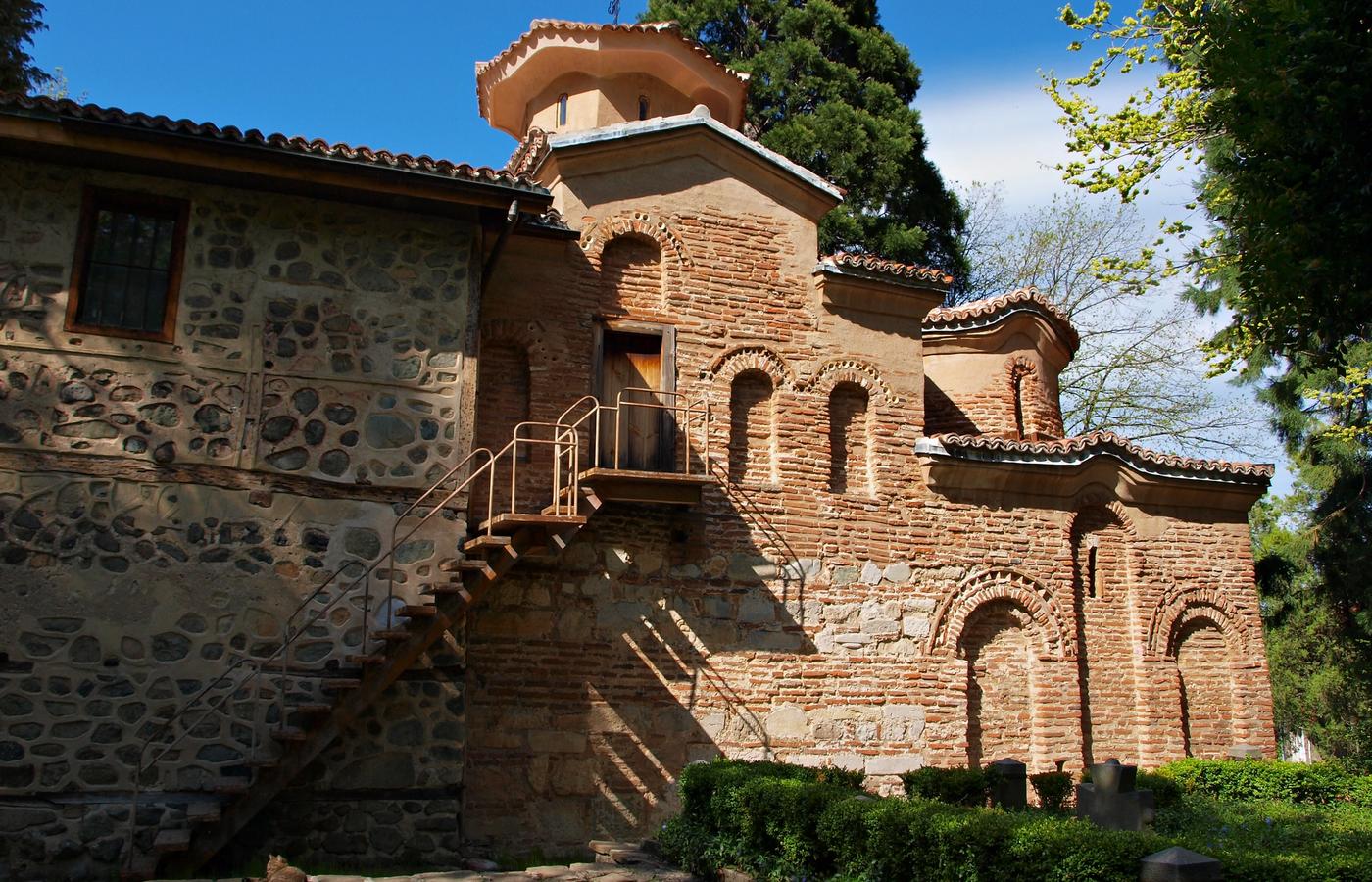
Boyana Church is a small 10th-13th century Orthodox church on the western edge of Sofia and one of Bulgaria's most important cultural monuments. Listed as a UNESCO World Heritage Site since 1979, the church is famous for the second layer of frescoes painted in 1259 by an anonymous artist known simply as the Boyana Master. The 89 individual scenes and 240 painted figures are widely considered to be a pre-Renaissance masterpiece of medieval European art, showing an emerging sense of individual portraiture and spatial depth roughly 60 years before Giotto in Italy.
To protect the murals from humidity, visits are capped at 8 people at a time for exactly 10 minutes inside the church. That makes an advance booking through boyanachurch.org essential from May to September. The neighbouring National Museum of History (a separate ticket) holds Bulgaria's most important artefacts from the Thracian gold treasures of Panagyurishte and Vulchitran to medieval Orthodox metalwork. Entry to the church itself is 10 lev, and the church exterior and small garden are free to walk around.
Pro Tip: Book the first slot of the day (09:00) to get inside before the temperature and humidity climb from other visitors' breath - the guide will let you linger longer if the next slot is not fully booked. Combine the visit with the National Museum of History next door for a full afternoon.
4Sofia Synagogue - The Third Largest Sephardic Synagogue in Europe
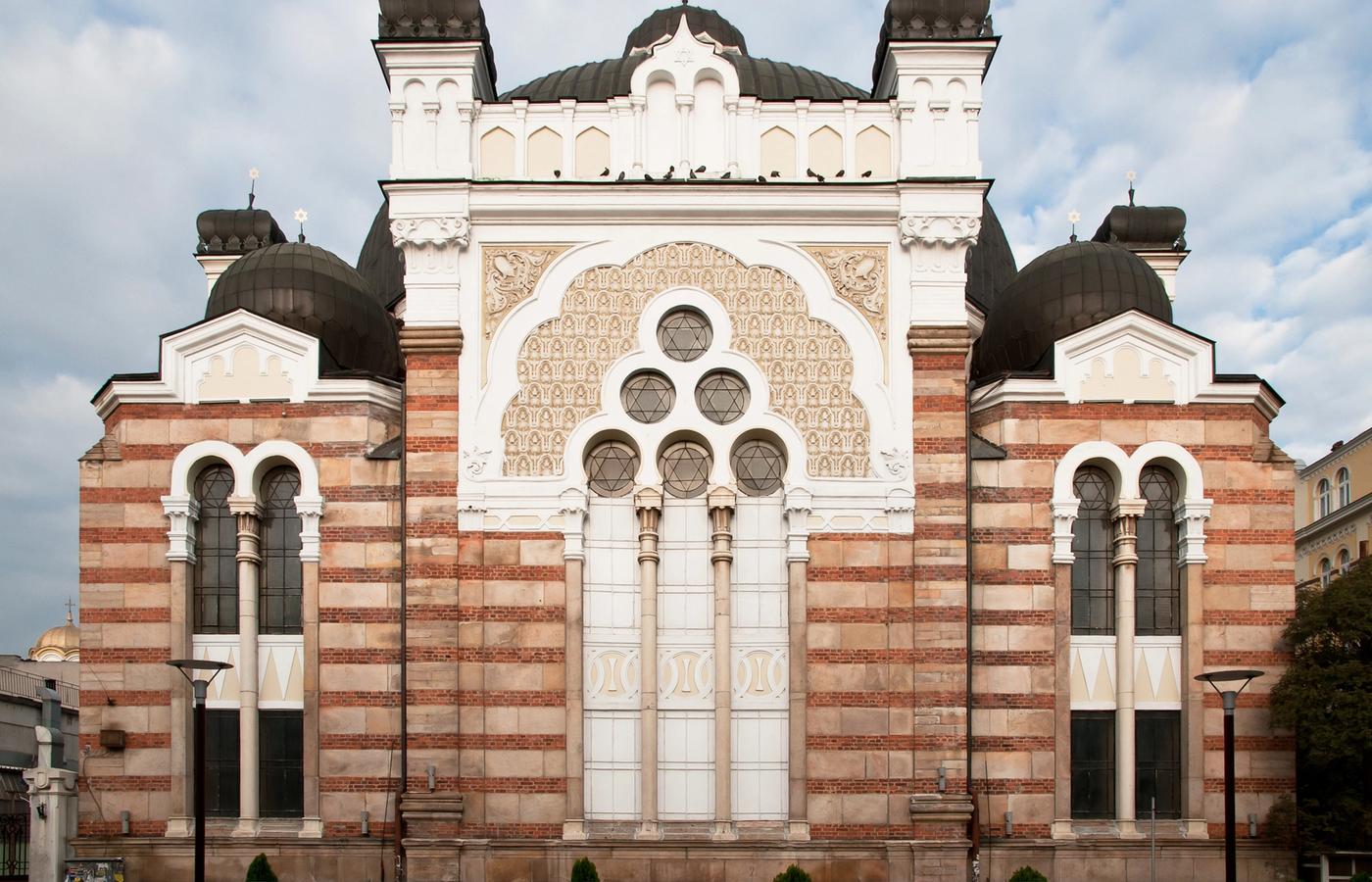
The Sofia Synagogue, consecrated on 9 September 1909 in the presence of Tsar Ferdinand I, is the third largest Sephardic synagogue in Europe after those in Amsterdam and Budapest. Designed by Austrian architect Friedrich Grunanger in a Moorish Revival style with strong Vienna Secession touches, it has a soaring 31-metre central dome, a marble entrance portico, and interior lighting from a 1.7-tonne central chandelier - said to be the largest in Bulgaria. The building comfortably holds 1,200 worshippers, though today Sofia's active Jewish community numbers only a few hundred.
The synagogue houses a small but excellent Jewish Museum documenting the extraordinary story of how almost all 48,000 Bulgarian Jews were saved from deportation to Nazi death camps in 1943, largely through the intervention of the Bulgarian Orthodox Church, opposition politicians, and King Boris III. Entry is 5 lev (about 2.50 EUR) and includes the museum. Modest dress is required, and a small kippah is provided at the entrance for men.
Pro Tip: The synagogue is closed on Saturdays for Shabbat. Combine your visit with the Banya Bashi Mosque directly across the intersection and the Central Market Hall next door - the corner of Ekzarh Yosif and Maria Luiza is one of the few places in Europe where a synagogue, mosque, Catholic cathedral, and Orthodox cathedral sit within 300 metres.
5St. George Rotunda - The Oldest Building in Sofia
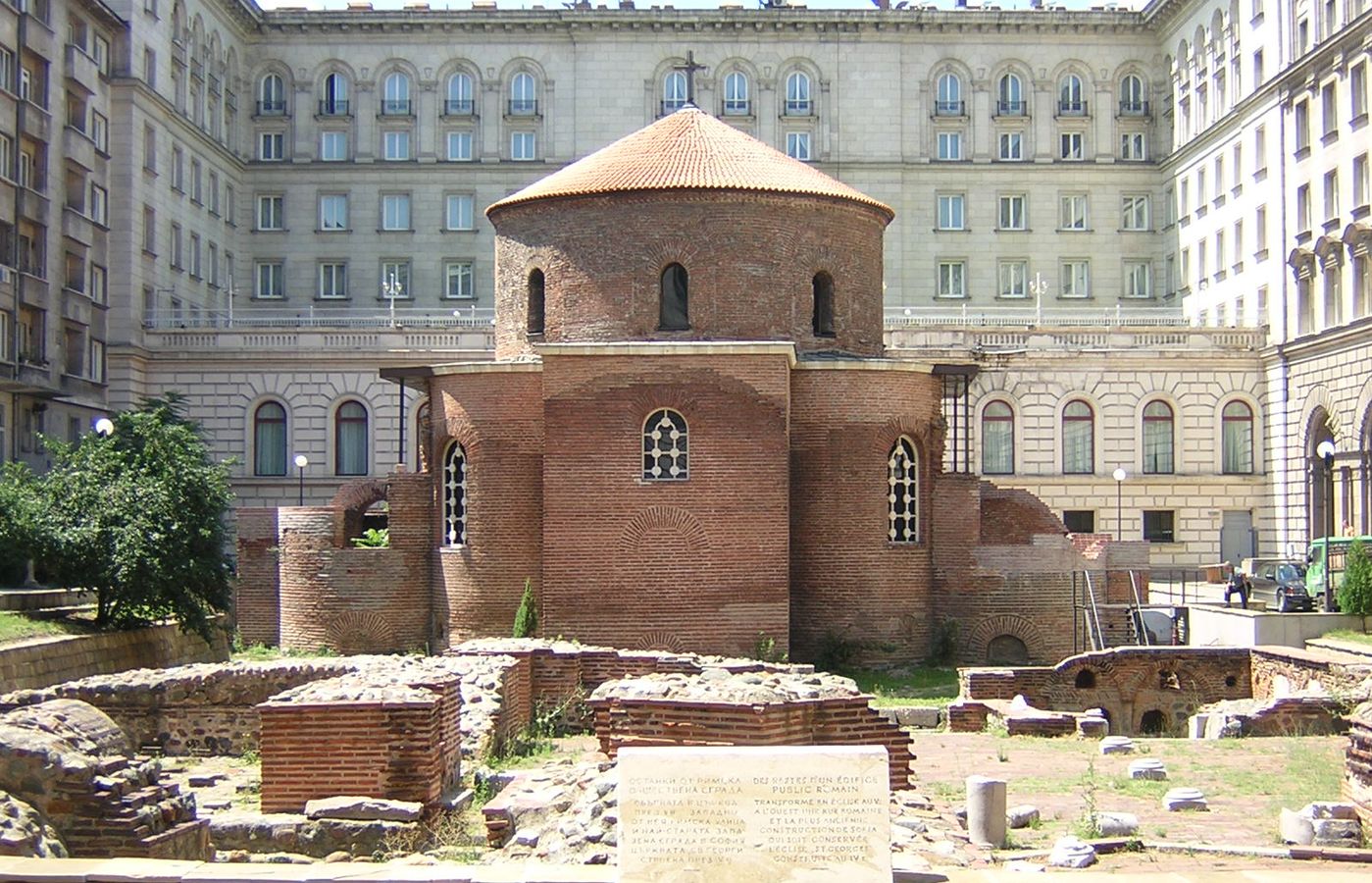
The St. George Rotunda (Rotondata Sveti Georgi) is a small round red-brick church built in the early 4th century and universally cited as the oldest preserved building in Sofia. It was originally a Roman baptistery, then a mausoleum, then an Orthodox church, then an Ottoman mosque (as evidence, the mihrab niche is still faintly visible in the eastern wall), and again an Orthodox church since 1878. The Rotunda sits at 3 metres below the modern street level, in the exact geographic centre of ancient Roman Serdica.
Three superimposed layers of Christian frescoes are visible on the interior walls: 10th century Byzantine images of prophets in the dome, 12th century figures of angels, and 14th century scenes from the life of Christ. Outside, look for the excavated remains of Roman Serdica - a stretch of the original 2nd century cardo maximus, thermal baths, and a small amphitheatre - all visible from the courtyard walkway. The Rotunda is free to enter and is still an active church, so short services take place daily.
Pro Tip: Enter through the arched passage between the Presidency and the Sheraton at Sveta Nedelya - the Rotunda is entirely enclosed by the buildings and easy to miss. If you time your visit for the Changing of the Presidential Guard at the top of each hour, you can catch both in a single stop.
6National Palace of Culture (NDK) - Europe's Largest Multifunctional Congress Centre
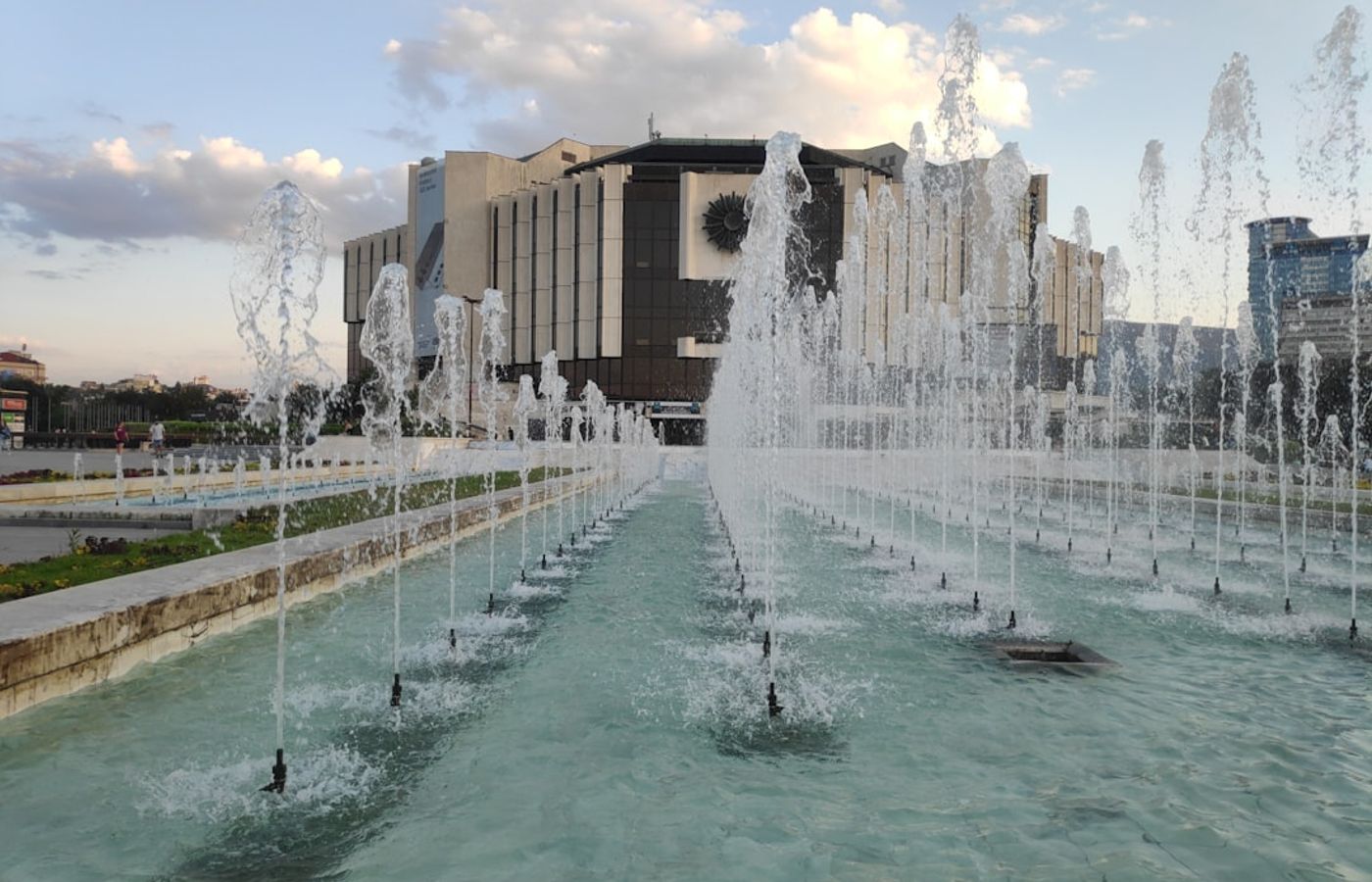
The National Palace of Culture, universally shortened to NDK (en-de-ka), opened in 1981 to mark 1,300 years of the Bulgarian state and remains the largest multifunctional congress centre in south-eastern Europe. The eight-storey monolithic building holds 15 halls with a combined capacity of over 9,000 seats, including a main auditorium seating 3,380 that hosts everything from Eurovision song contest heats to the Bulgarian National Ballet. The whole building sits inside a landscaped 20-hectare park with an axial fountain system that lines up perfectly with Vitosha Boulevard.
The building itself is a piece of late Bulgarian communist architecture worth seeing, with monumental scale, Bulgarian marble cladding, and interior murals commissioned from leading Bulgarian artists of the 1980s. Even without a concert ticket, you can enter the main lobby daily for free, and the rooftop terrace (accessed via a signposted exit escalator inside) has one of the best panoramic views over Sofia and Mount Vitosha - especially at sunset. The surrounding park is a favourite skateboarding and running spot for Sofia locals.
Pro Tip: Check ndk.bg for a small concert or ballet in the main hall the same week you visit - tickets from 20 to 40 lev are the cheapest way to see the interior properly. On the first Saturday of each month, NDK runs a free 45-minute architectural tour of the building at 15:00.
7St. Sofia Church and Sveta Nedelya - Two Churches That Frame the City Centre
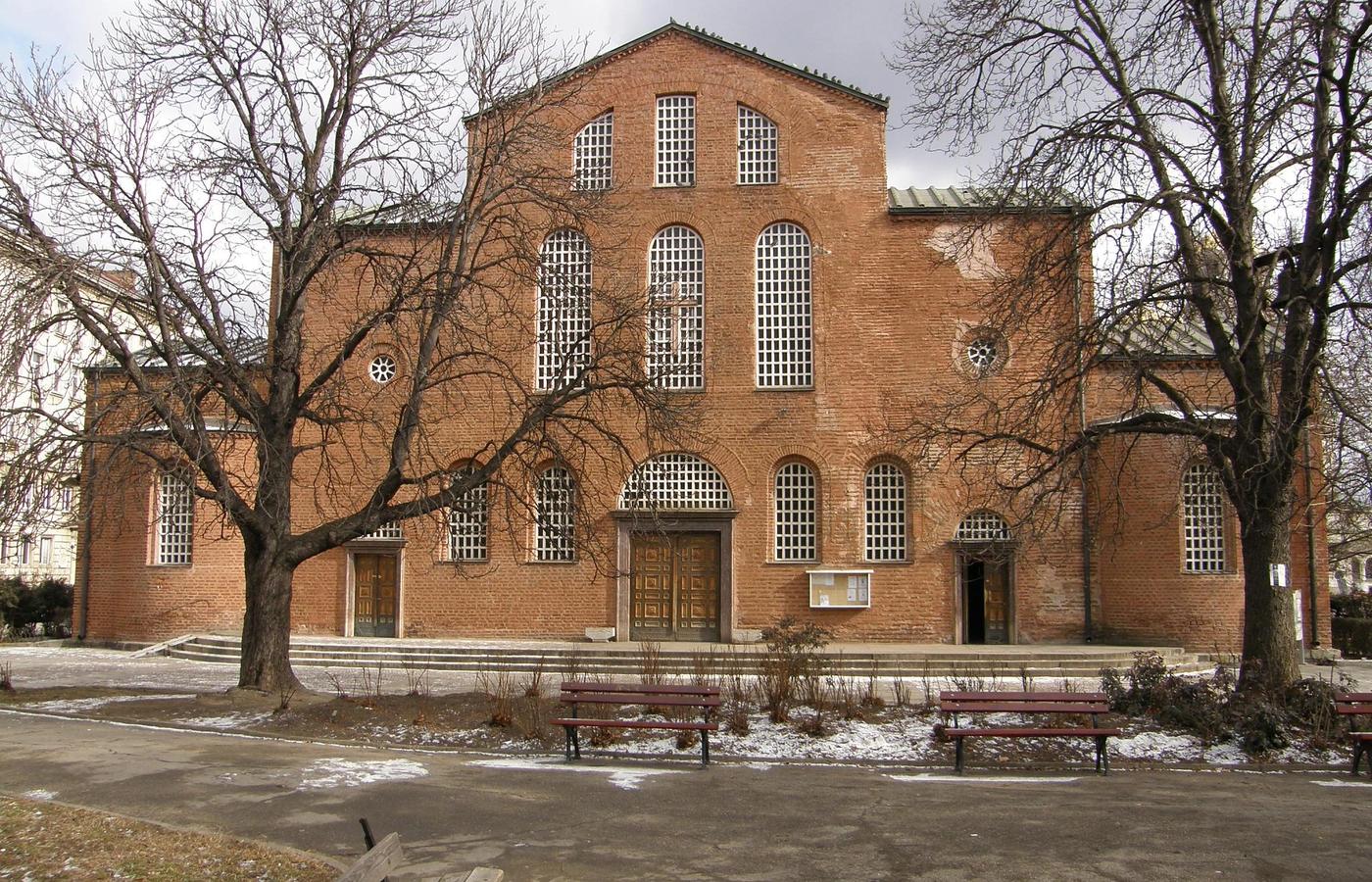
St. Sofia Church, right next to Alexander Nevsky, is a 6th-century Byzantine basilica built during the reign of Emperor Justinian I over the ruins of two earlier 4th-century churches. It is the church that gave the whole city its name after the 14th century, and its plain red-brick exterior conceals a surprisingly austere interior with fragments of the original opus sectile floors and a 6th-century mosaic. Underneath sits a large underground necropolis with tombs, foundations, and a mosaic floor from around 350 AD, opened as a paid museum with clearly signed English panels.
800 metres south-west, the Sveta Nedelya Cathedral sits in the middle of the roundabout that acts as Sofia's zero point for road distances. The current neo-Byzantine building was consecrated in 1933 after the earlier church was blown up in the 1925 St. Nedelya assault - a Bulgarian Communist Party terror attack that killed 150 people including 15 generals and injured 500 more, and remains the deadliest terror attack in Bulgarian history. Both churches are free to enter and daily Orthodox liturgies at 08:00 and 18:00 are open to all.
Pro Tip: Buy the 6-lev combined ticket for the St. Sofia crypt and necropolis at the desk to the left of the main entrance - the underground level is genuinely unusual and the ticket also includes access to the small museum of medieval Sofia through the same door.
8National Archaeological Museum - Thracian Gold and Ottoman-Era Ceramics
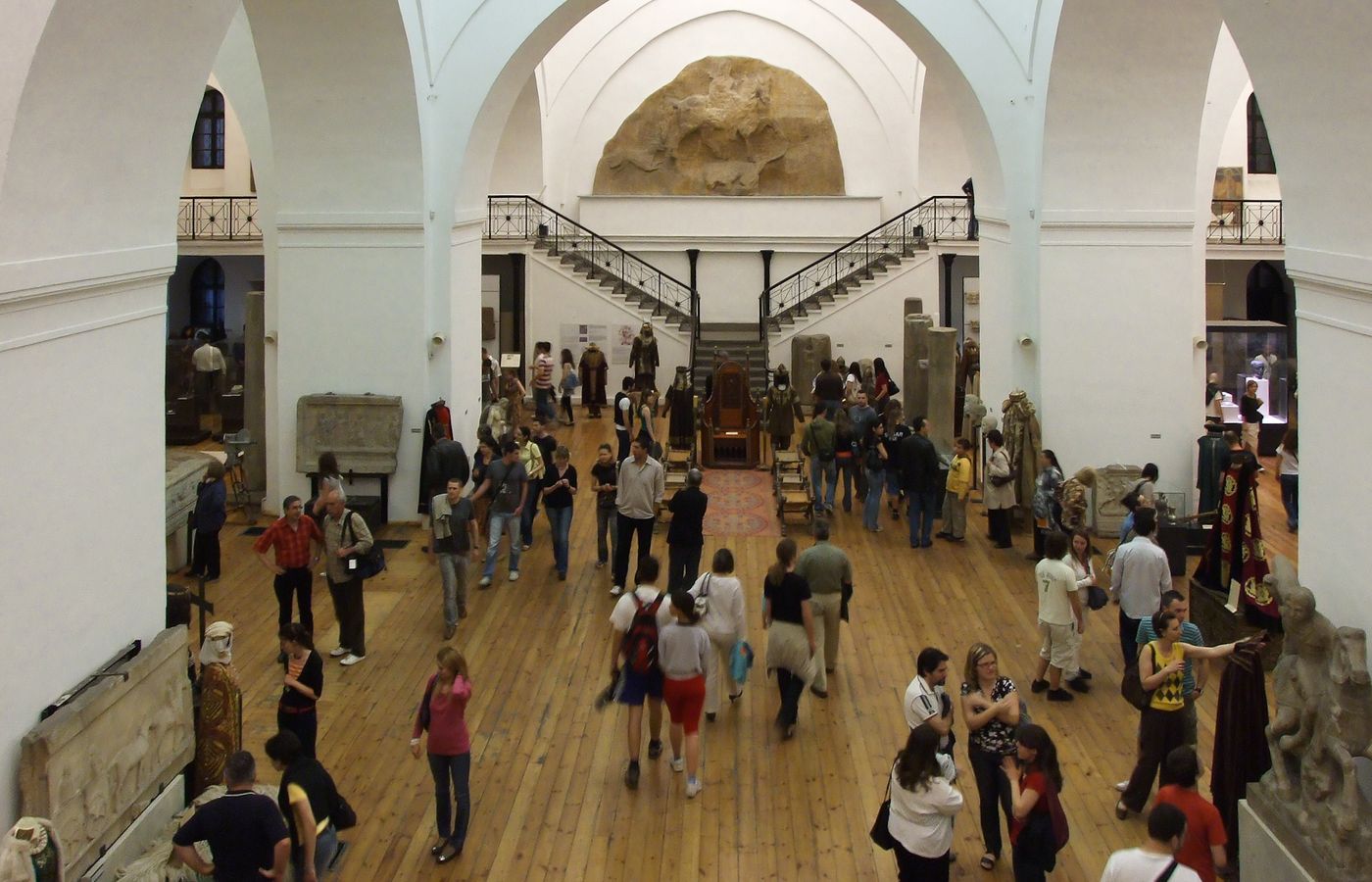
The National Archaeological Museum occupies the elegant 15th-century Buyuk Djamiya (Grand Mosque), Sofia's oldest Ottoman building. The museum's four permanent halls - Prehistory, Treasury, Main Hall, and Middle Ages - hold the finest single collection of Bulgarian antiquities anywhere in the world, ranging from Neolithic ceramics dated to 6000 BC through to late Ottoman items. Highlights include a well-preserved Thracian gold funerary mask from Shipka, the 4th-century BC Thracian tomb frescoes from Kazanlak (moved indoors for preservation), and Justinian-era Byzantine sculpture.
The setting adds a great deal - the Main Hall sits directly under the 15th-century Ottoman brick dome, still bearing traces of its original interior painting. Entry is 15 lev for adults, half-price for students, and the last Sunday of each month is free (queues get long). Allow 90 minutes to two hours. English signage throughout is thorough and academic in tone, and the museum shop has a good range of Bulgarian archaeology publications hard to find elsewhere.
Pro Tip: Head directly to the Treasury hall on the ground floor first - it holds the most fragile gold pieces and is often the least crowded room in the morning. The famous replicas of the Panagyurishte Thracian gold treasure are here (the originals rotate between Sofia and the National Museum of History).
9Ivan Vazov National Theatre - The Grand Dame of Bulgarian Culture
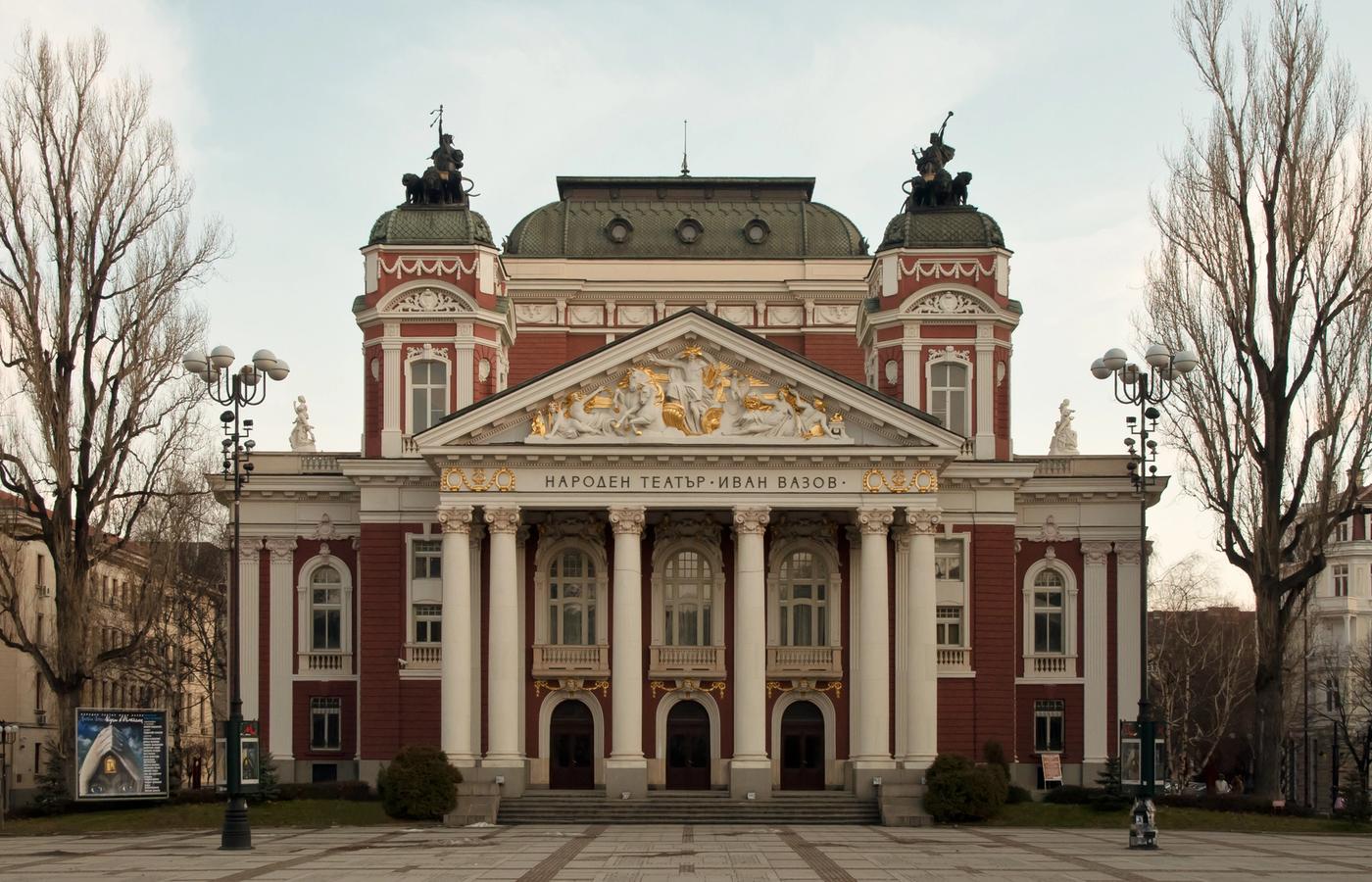
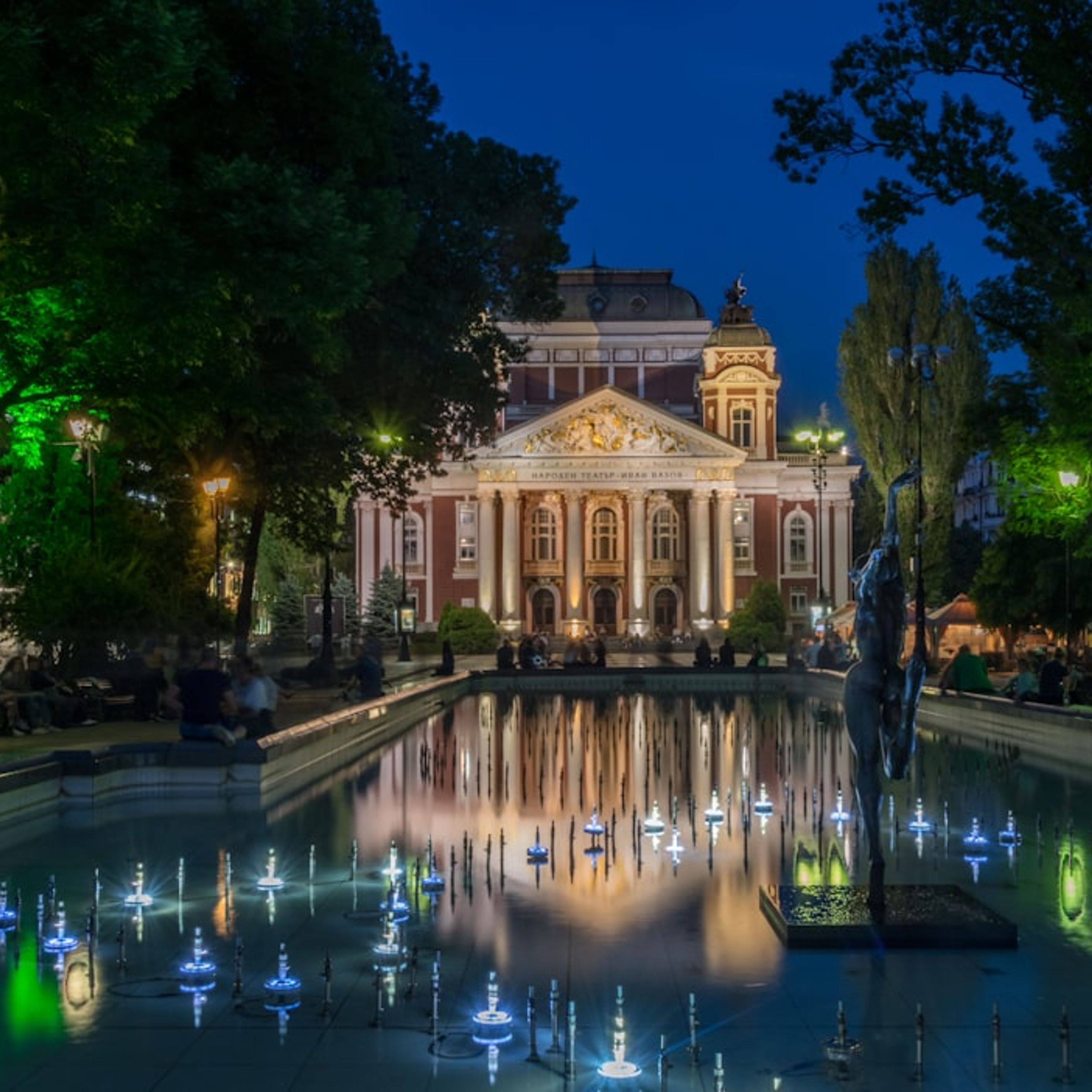
The Ivan Vazov National Theatre is the oldest and most prestigious theatre in Bulgaria, and its ornate neo-classical facade with a six-column ionic portico and allegorical statues of Apollo and the Muses on the pediment is one of the most photographed spots in the country. Designed by Viennese architects Ferdinand Fellner and Hermann Helmer (specialists in central European opera houses) and completed in 1907, it is named after Bulgaria's national writer Ivan Vazov and holds an 850-seat main hall plus a 120-seat chamber studio.
The theatre sits directly on the small triangular City Garden, itself the oldest public park in Sofia (from 1872) with old plane trees and open-air chess tables that fill with locals every afternoon. Most performances are in Bulgarian and rarely subtitled, so foreign visitors are usually better off with a ballet or classical concert. Tickets run 15-50 lev and sell out for premieres. Even without a ticket, the courtyard and garden make for a good 20-minute break between other central sights.
Pro Tip: Book a Saturday evening ballet if a company is in residence - the classical repertoire (Swan Lake, Nutcracker) needs no translation, ticket prices are a fraction of Vienna or Prague, and the interior with its baroque revival stucco is worth the visit alone.
10Day Trip to Rila Monastery and Mount Vitosha - UNESCO Site and Alpine Escape
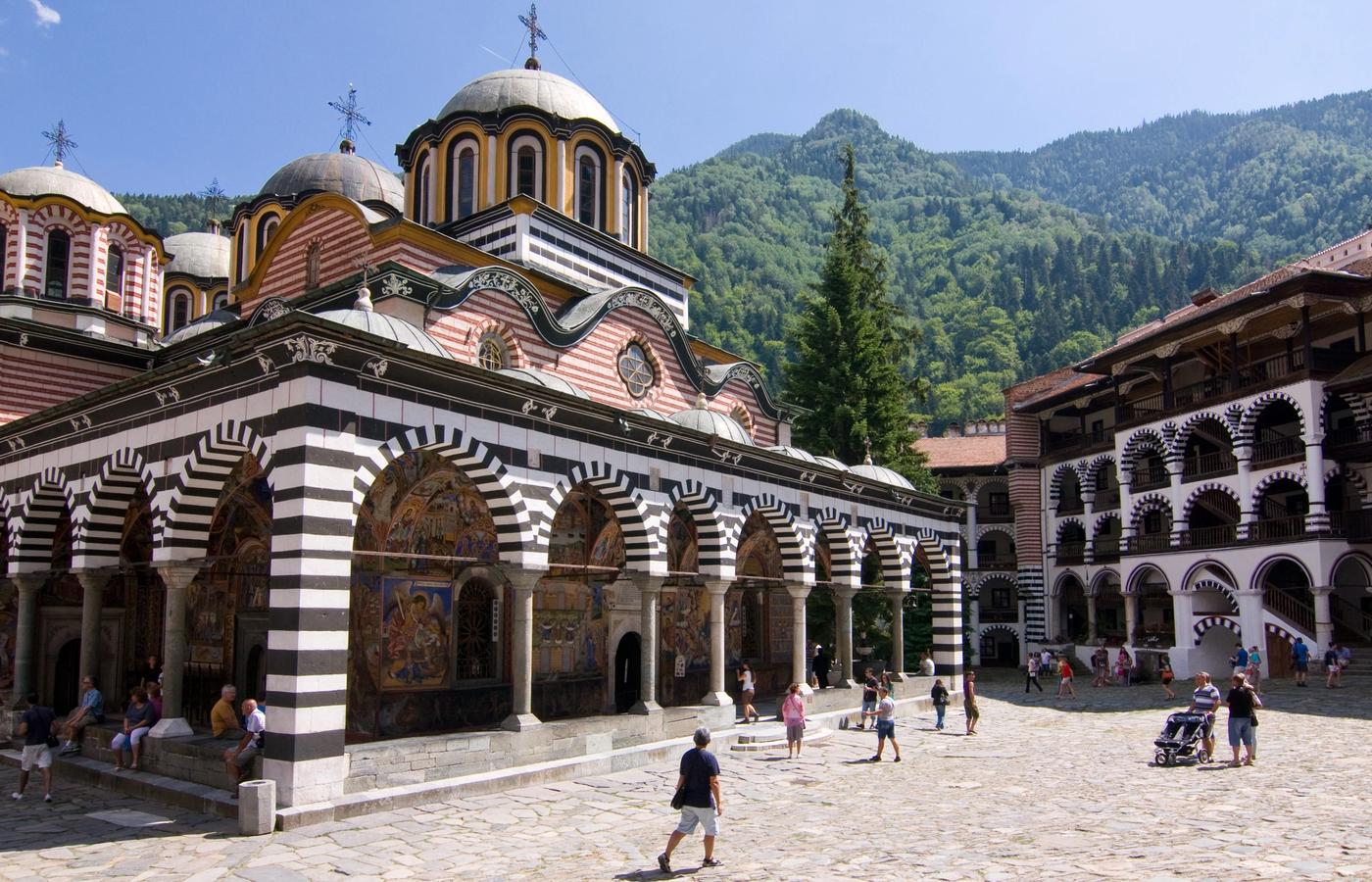
Two very different day trips are equally easy from central Sofia. The historical trip is Rila Monastery, a UNESCO World Heritage Site founded in 927 by Ivan of Rila and rebuilt in its current form between 1834 and 1862 after fire. The complex, tucked into a valley of the Rila mountains at 1,150 metres, is protected by 24-metre stone walls that enclose the main Church of the Nativity of the Virgin (whose vaulted porch is decorated with 1,200 square metres of vivid outdoor frescoes), Hrelyu's Tower from 1335, and 300 monks' cells across four floors of striped black-and-white stone galleries.
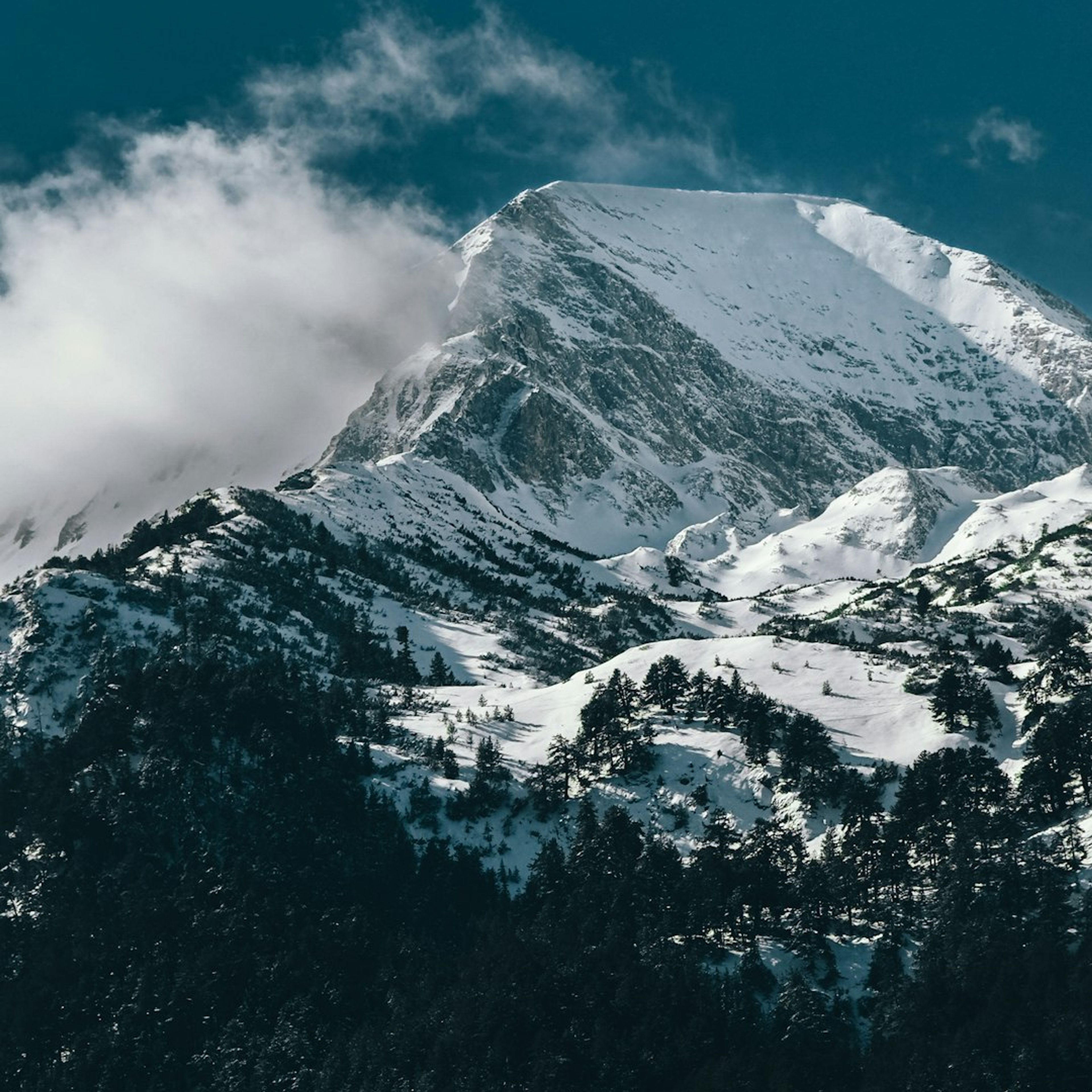
The natural trip is Mount Vitosha, whose 2,290-metre summit Cherni Vrah sits within Sofia's municipal boundary and is Europe's oldest nature park (established 1934). The Aleko resort at 1,810 metres is the base for a network of well-marked summer hiking trails and winter ski runs, and the summer chairlift up to Cherni Vrah gives a two-hour round-trip that non-hikers can manage comfortably. In winter, ski passes run 40-60 lev per day - the cheapest lift-served skiing in any European capital.
Pro Tip: For Rila, take the 10:30 direct minibus from Ovcha Kupel bus station rather than a group tour - it costs 25 lev return, arrives at the monastery around 13:00, and gives you three hours on site before the 16:15 return. Bring cash: card acceptance in the village around Rila is patchy.
Get hotel deals for Sofia
Price drops, new stays and local tips for Sofia, straight to your inbox.
No spam, unsubscribe anytime.

CEO and co-founder
Tomas is the co-founder and director of trip1, an European company specializing in reservation services. He launched the company in 2025 with a focus on building scalable, efficient operations.
10 Top Places to Visit in Sofia, Bulgaria - FAQ
Yes. Sofia has around 7,000 years of history in a walkable centre, from Roman Serdica under the streets to the gilded domes of Alexander Nevsky Cathedral, plus a UNESCO-listed church with 13th-century frescoes and Mount Vitosha on the city's edge. Most of its churches and squares are free, which makes it one of Europe's cheapest capitals for sightseeing.
Alexander Nevsky Cathedral, the St. George Rotunda, Sofia's oldest building, and St. Sofia Church, which gave the city its name. Then walk Vitosha Boulevard, see the Thracian gold at the National Archaeological Museum and the 1259 frescoes of Boyana Church, and take a day trip to Rila Monastery.
Two days covers the city and three lets you add a day trip. Day one: the central sights around Serdika, from Sveta Nedelya to the Rotunda, St. Sofia and Alexander Nevsky. Day two: Vitosha Boulevard, the museums and Boyana Church. Day three: Rila Monastery or Mount Vitosha.
Yes. Alexander Nevsky Cathedral, St. Sofia Church, the Rotunda and Sveta Nedelya are free, and the main paid sights, like Boyana Church and the National Archaeological Museum, cost only a few euros. Bulgaria has used the euro since 1 January 2026.
From May to September, yes. To protect the 1259 frescoes, only 8 visitors are allowed in at a time for exactly 10 minutes, so book a slot at boyanachurch.org. The first slot at 09:00 is best, and the National Museum of History next door makes it a full afternoon.
Yes. The direct minibus leaves Ovcha Kupel bus station at 10:30, reaches the monastery around 13:00 and returns at 16:15, giving you three hours at the UNESCO-listed site. Founded in 927, the monastery is known for its striped galleries and the vivid frescoes of the Church of the Nativity. Bring cash, as cards are patchy nearby.