

Guides · Bansko
5 Best Ski Slopes in Bansko

CEO and co-founder
Ranking the best ski slopes in Bansko means choosing five pistes out of the 75 km of marked runs that fall off the Todorka ridge in the Pirin Mountains. This guide covers the one black run at Bansko Ski Resort, two reds served by the upper chairlifts, the longest blue for skiers still building confidence, and the ski road that carries you back into Bansko town at 998 m.
All five share a starting point. The Bansko Gondola is a 6,233 m cabin lift that climbs 601 m from the edge of town to Banderishka Polyana at roughly 1,620 m, and the ride takes about 25 minutes. Every entry below gives the piste number printed on the Bansko Ski Resort map, the lift that feeds it, an address with coordinates, and a Pro Tip tied to a time, a price or a named lift.
Ski them in the order listed when conditions allow. The Alberto Tomba run and the Todorka piste reward an early start while the north-facing snow is firm, Balkaniada suits the middle of the day, Shiligarnik 1 works for laps when the light goes flat, and Ski Road No. 1 is the last descent before the ski lifts close at 16:15. The gondola queue is a weather problem before it is a capacity problem, so check Bansko weather the evening before and start early on the days the forecast is clear. Most visitors fly into Sofia and take the two-and-a-half-hour transfer south, which is worth knowing when you price a week here against the Alps. The hotels in Bansko within walking distance of the gondola station save an hour a day that the resort shuttle would otherwise take.
1Alberto Tomba (Piste No. 9) - The Only Black Run at Bansko Ski Resort
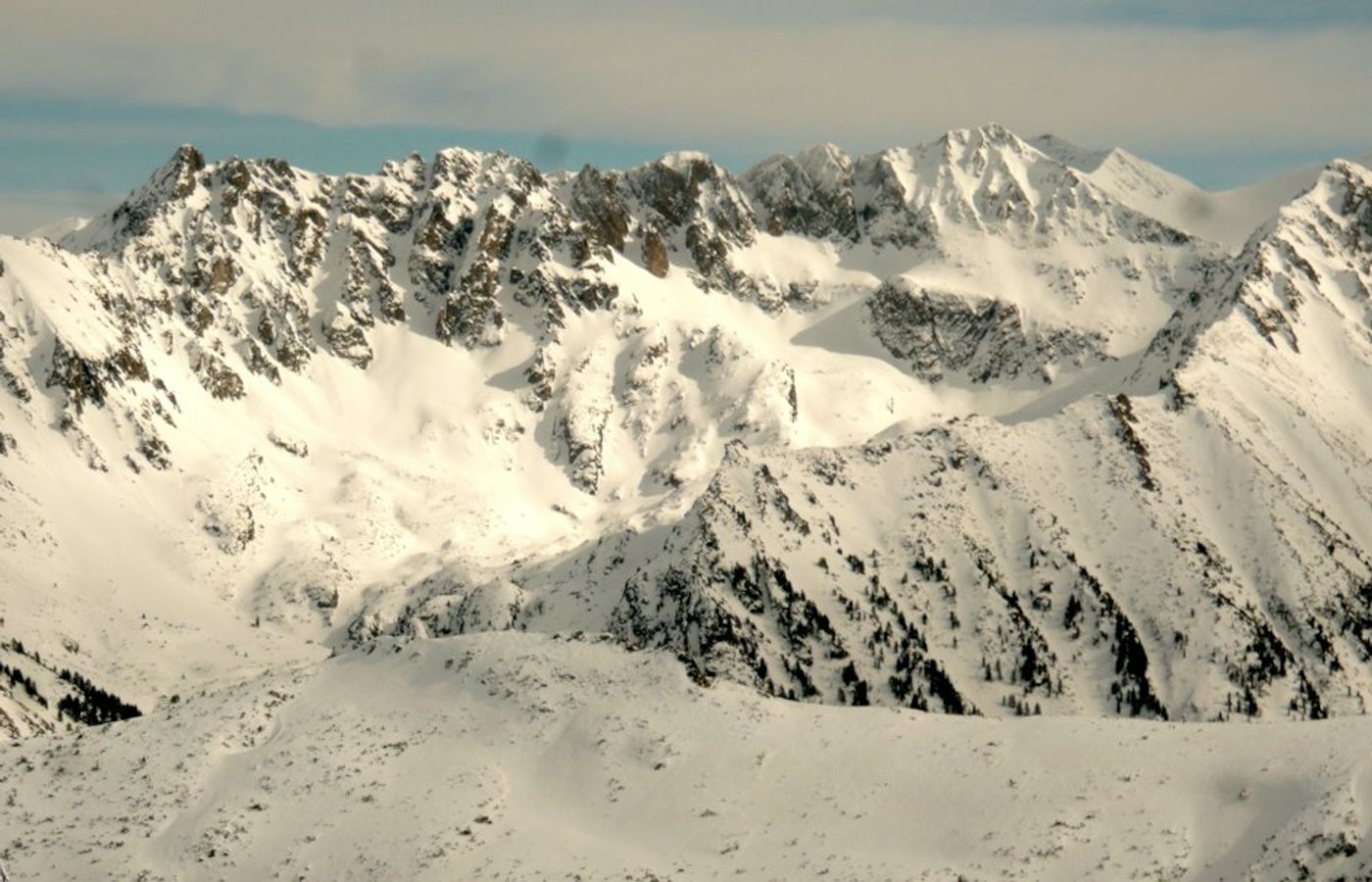

Piste No. 9, marked Tomba on the Bansko Ski Resort map and named after Italian racer Alberto Tomba, is the single black-graded run in the ski area and the reason strong skiers book a week here. It measures 2,567 m with a vertical drop of 925 m, the biggest single drop on the upper mountain. The line begins near the top station of the Todorka six-seat chairlift at 2,527 m, runs through open ground, then tightens into a steeper pitch above Banderishka Polyana.
Snow quality decides how this piste skis. The north-facing aspect keeps it cold and around 400 snow cannons cover most of the terrain, but the steep middle section glazes over by mid-afternoon once traffic has scraped it back to hardpack. Bansko Ski Resort has staged Audi FIS Alpine Ski World Cup racing on this flank of Todorka since 2009, including parallel giant slalom rounds on 17 and 18 January 2026, and the course setters use the same fall line. Piste numbering, grading and lift specs are published on the official Bansko Ski Resort site.
Pro Tip: Make the Alberto Tomba run your first descent of the day. Ski lifts start at 08:45 and the groomed corduroy on the steep section holds for roughly 90 minutes before it turns hard.
2Todorka (Piste No. 6) - The Long Red Under the Top Chairlift
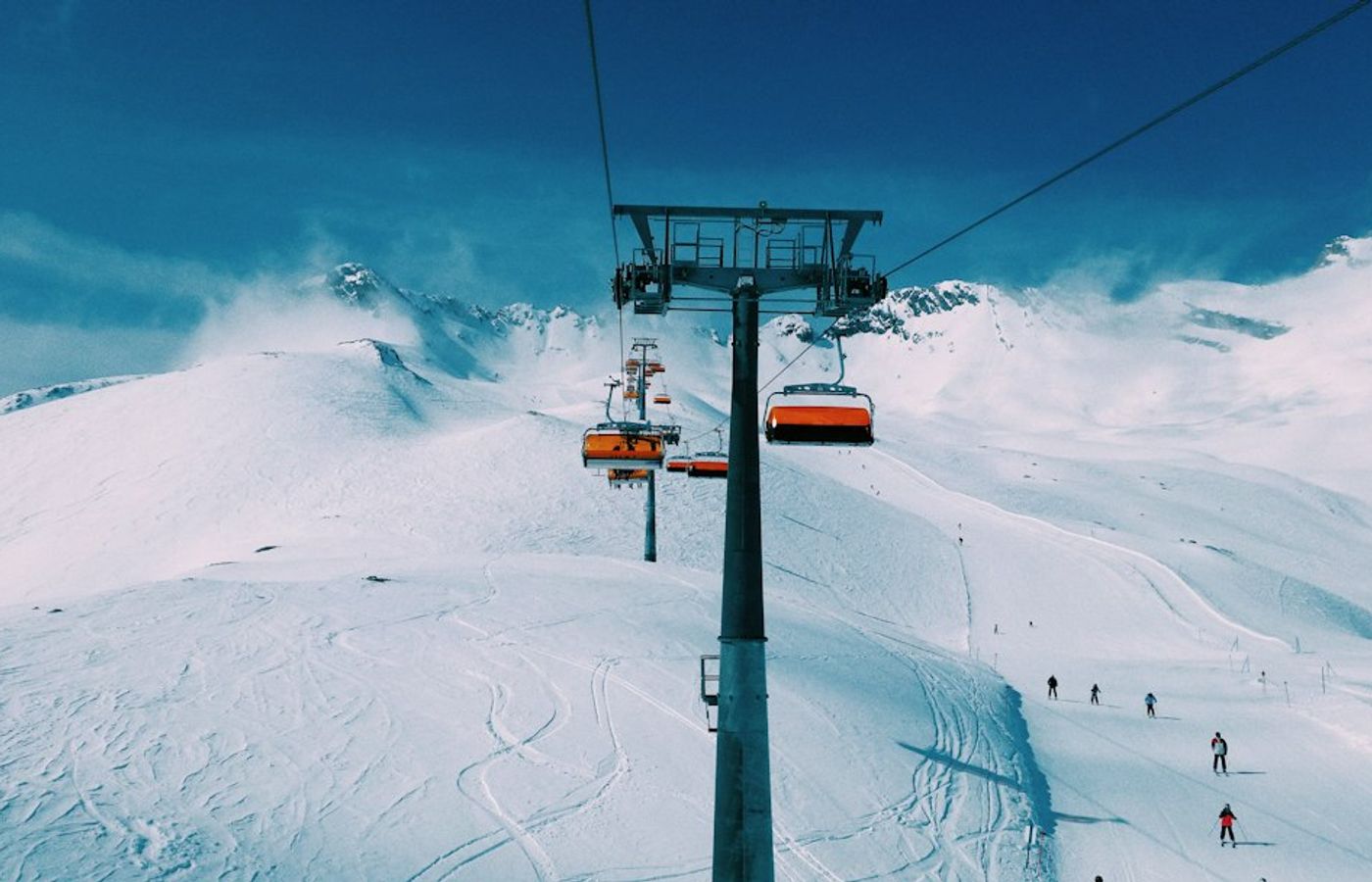

Piste No. 6, Todorka, drops 470 m across 1,690 m of red-graded snow beneath the Todorka six-seat chairlift, and it is the run most people remember from a week at Bansko Ski Resort. The chairlift itself covers 2,415 m with a 700 m rise to a top station at 2,527 m, sitting below the 2,746 m summit of Todorka peak, a three-summit ridge whose northern pyramid is visible from the main square in Bansko town.
The gradient here is honest rather than punishing. Broad upper turns give way to a rolling middle third where the view opens west across Pirin National Park towards Vihren at 2,914 m. Because the Todorka chairlift carries only 800 people an hour, well under the 2,000 an hour on most other lifts at Bansko Ski Resort, the piste below stays thinner than the Shiligarnik and Plato sectors even in half-term weeks. Wind is the catch. This is the first lift in the ski area to shut in a gale, and there is no alternative way back to 2,527 m when it does.
Pro Tip: Check the lift status board at Banderishka Polyana before 10:00. If the Todorka chairlift is on wind hold, the Mosta four-seat chairlift (2,606 m long, 581 m rise) is the next best way onto the upper mountain.

3Balkaniada (Piste No. 4) - The Quiet Red for Carrying Speed
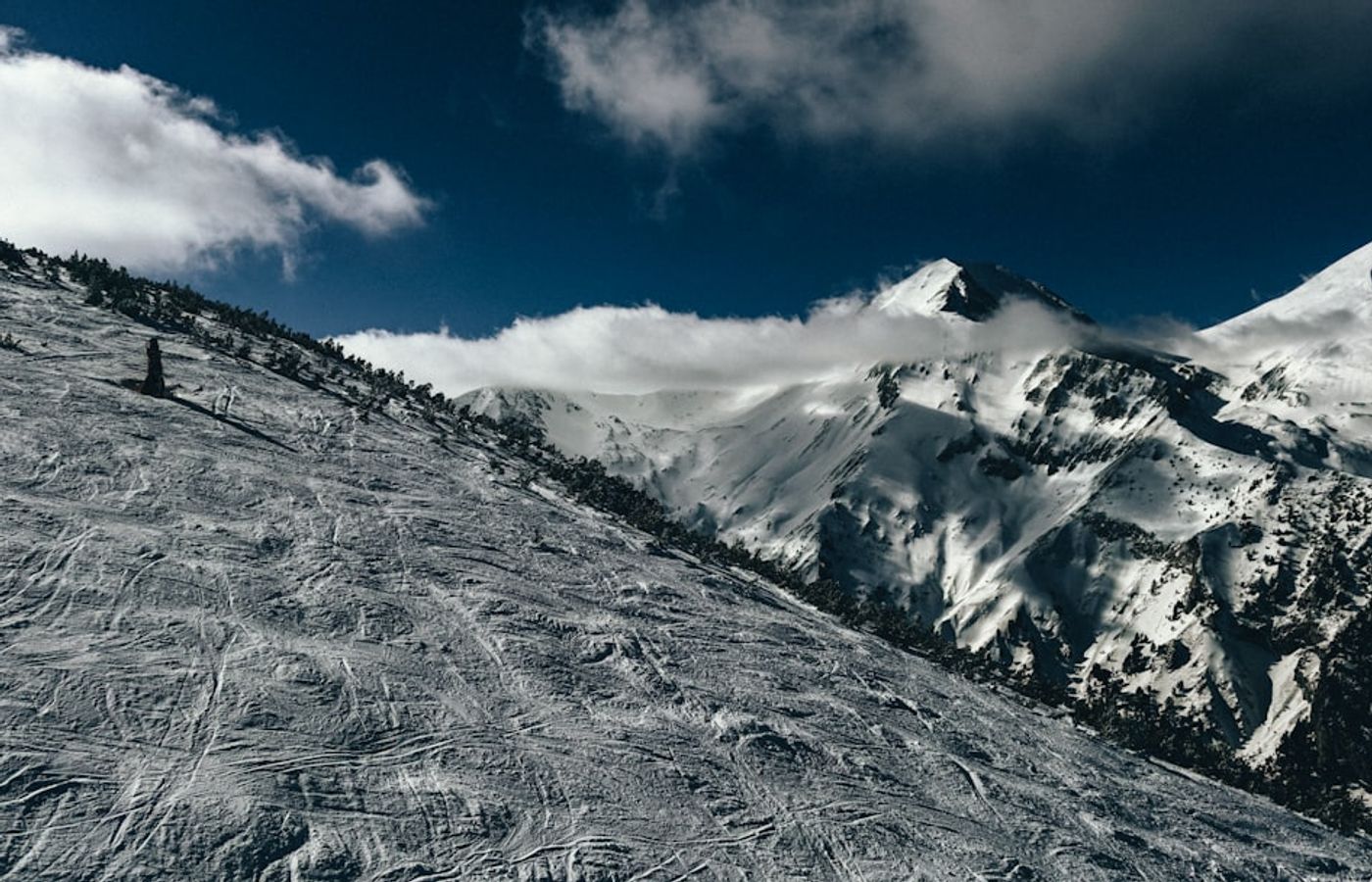

Piste No. 4, Balkaniada, is the red that regulars ski when the Alberto Tomba run fills up. It lies roughly 400 m east of the Tomba line across the same Todorka bowl, and the Banderiza 1 four-seat chairlift feeds it, covering 1,745 m with a 630 m rise at 2,000 people an hour.
The run takes its name from the Balkaniada regional games, and it has the profile of a training course: a steady fall line, consistent width, and no long traverses to break the rhythm. Bansko Ski Resort groups Balkaniada with Todorka (No. 6) and Stara Pista (No. 7) in the red category, and of those three it is usually the emptiest, since the Alberto Tomba run and the Todorka piste pull most of the traffic off the top of the mountain. That makes Balkaniada the place to work on giant slalom turns at speed.
One warning about grading. Colours at Bansko Ski Resort run stiffer than the same colours in the French or Austrian Alps, and Balkaniada is a fair example. A cautious intermediate will find the upper pitch faster than expected, so take a warm-up lap on Shiligarnik 1 before dropping in.
Pro Tip: Use the Banderiza 1 chairlift rather than the Todorka chairlift for repeat Balkaniada laps. It moves 2,000 people an hour against Todorka's 800, so the queue clears far quicker between 11:00 and 13:00.
4Shiligarnik 1 (Piste No. 5) - The Longest Blue for Beginners
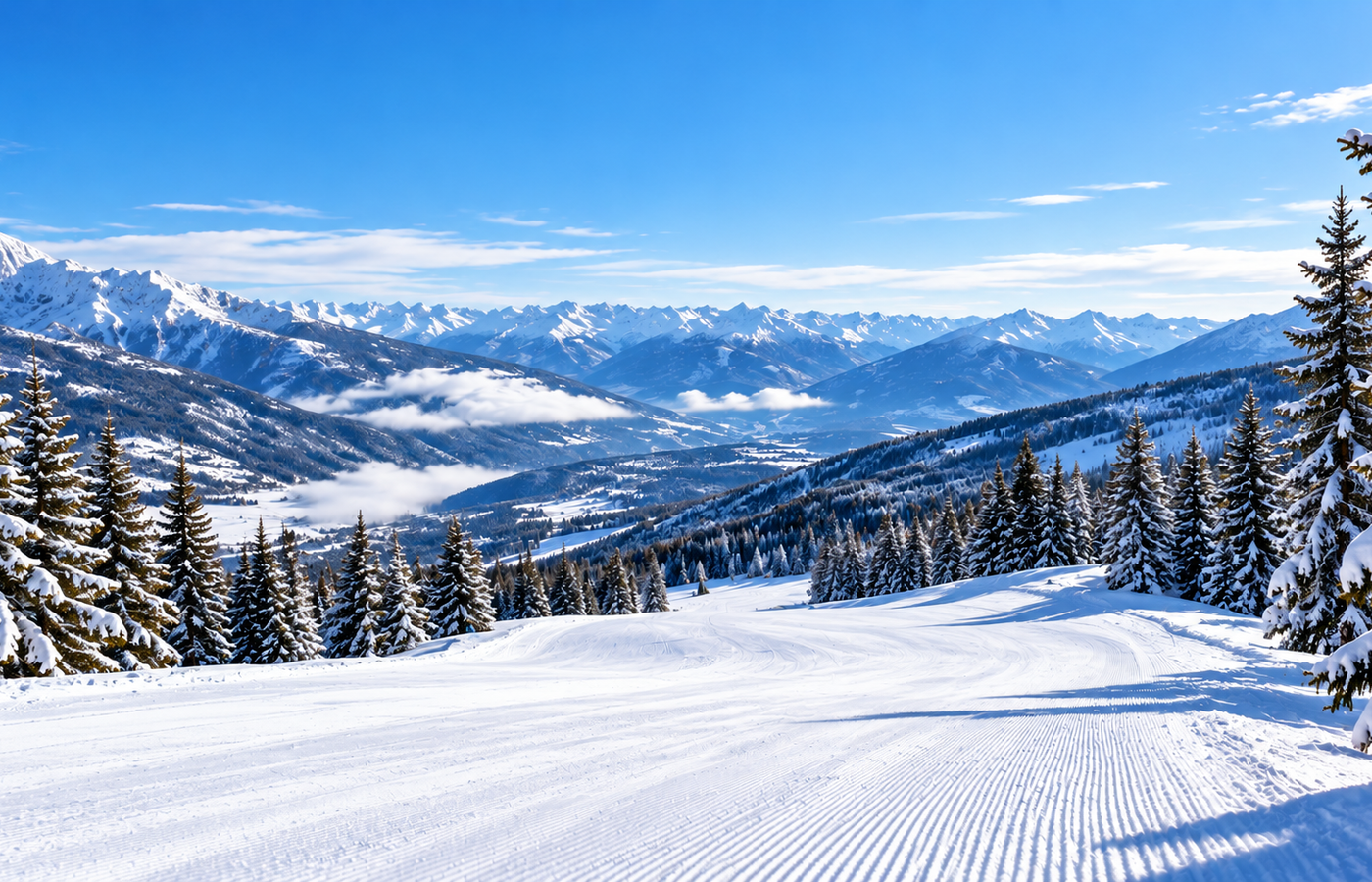
Piste No. 5, Shiligarnik 1, is the run that turns a nervous beginner into a skier who can get down a mountain. It measures 2,047 m with 487 m of vertical, making it the longest blue-graded descent at Bansko Ski Resort. The Shiligarnik four-seat chairlift that serves it is almost exactly the same size, 2,042 m long with a 483 m rise and a capacity of 2,000 people an hour, so a lap takes well under half an hour door to door.
The Shiligarnik sector sits at about 1,730 m, above Banderishka Polyana and below the Todorka bowl. Wide and partly tree-lined, it holds snow through the day and stays skiable in flat light when the open upper slopes turn featureless. There is one steeper roll partway down that local instructors call the wall, best taken in short traverses rather than straight-lined. Ski school groups occupy the lower half between 10:00 and 12:00, which is the one hour of the day to be somewhere else.
Pro Tip: Ski Shiligarnik 1 between 12:30 and 13:30 while ski school groups break for lunch. The Shiligarnik chairlift usually loads without a queue in that hour.
5Ski Road No. 1 (Piste No. 17) - The 10 km Descent Into Bansko Town
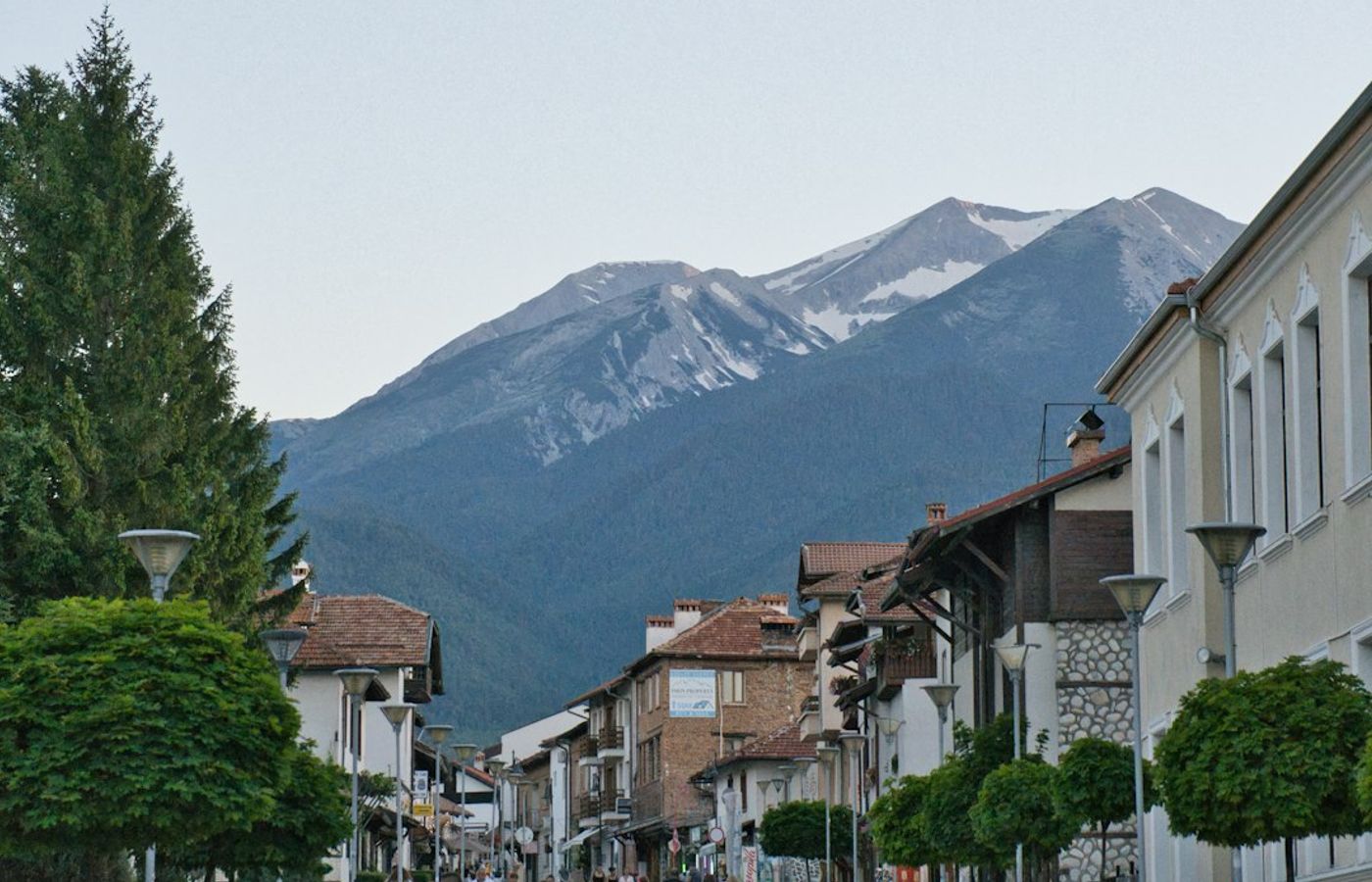
Ski Road No. 1, numbered 17 and marked orange on the Bansko Ski Resort piste map, is how the day should end: a long descent from Banderishka Polyana at roughly 1,620 m through the forest to the Bansko Gondola lower station at 998 m, on the southern edge of Bansko town. Measured from the meadow it runs about 10 km. Linked from the top of the Todorka six-seat chairlift at 2,527 m, the whole descent comes to around 16 km with close to 1,540 m of vertical, which puts it among the longest continuous runs anywhere in Europe.
Difficulty is not the point. The grade sits between green and easy blue for most of its length, and the reward is distance and quiet forest rather than pitch. Plan around two problems: the final section flattens badly, so snowboarders should expect to unstrap and walk, and the snow down at 998 m turns patchy from late March. Riding the Bansko Gondola back down, which runs until 17:00, is no disgrace in April.
Pro Tip: Drop into Ski Road No. 1 by 15:30 at the latest. Ski lifts stop at 16:15, and the lower forest is in full shadow by then, which turns soft afternoon snow into ice.

CEO and co-founder
Tomas is the co-founder and director of trip1, an European company specializing in reservation services. He launched the company in 2025 with a focus on building scalable, efficient operations.
Climate averages · 1991–2020
When is the best time to visit Bansko?
Monthly temperatures, rainfall and sunshine — not a live forecast.
See Bansko weatherMore of Bulgaria
5 Best Ski Slopes in Bansko - FAQ
Yes, all five fit into a single day when the Bansko Gondola runs on schedule. The gondola opens at 08:30 and ski lifts operate from 08:45 to 16:15, which leaves roughly seven hours on snow. Ski the Alberto Tomba run and the Todorka piste first, Balkaniada before lunch, Shiligarnik 1 after, and finish on Ski Road No. 1. Allow 25 minutes for the gondola ride up.
Start high and work downhill. Ride the Bansko Gondola to Banderishka Polyana, take the Todorka six-seat chairlift, and ski the Alberto Tomba run while the grooming still holds. Follow with the Todorka piste on the same lift, then Balkaniada off the Banderiza 1 chairlift, then Shiligarnik 1 in the early afternoon. Ski Road No. 1 only works as the last descent, since it ends in Bansko town.
None of them need a slope-specific ticket. A single lift pass covers every piste at Bansko Ski Resort, bought at the Bansko Gondola lower station or online beforehand. Queues at the gondola base build from around 08:15 in high season, so buying a multi-day pass on your first afternoon spares you a second wait. Ski lessons and equipment hire do need booking ahead in February.
One adult lift pass covers all five runs. For the 2025/26 season Bansko Ski Resort charged 59 euro (115.39 lev) for a one-day adult pass in high season and 45 euro (88.01 lev) from 1 April, with six days at 341 euro (666.94 lev) and a child day pass at 30 euro (58.67 lev). Prices for 2026/27 were not published when this guide was written.
Four runs are worth adding. Chalin Valog 1 and Chalin Valog 2 sit in the lower forest zone between 1,100 m and 1,600 m and stay skiable when the summit is on wind hold. Plato 1 is gentler than Shiligarnik 1 and suits a genuine first day on skis. Stara Pista, 970 m long with 205 m of vertical, links off Balkaniada. Off-piste below Todorka peak needs a guide.
The euro. Bulgaria joined the euro area on 1 January 2026 at the fixed rate of 1.95583 lev to one euro, and lev banknotes stopped being legal tender after 31 January 2026. Bansko Ski Resort quoted lift passes in both currencies through the 2025/26 season, so older lev figures convert directly. The Bulgarian National Bank still exchanges leftover lev notes without a deadline.
Related travel guides
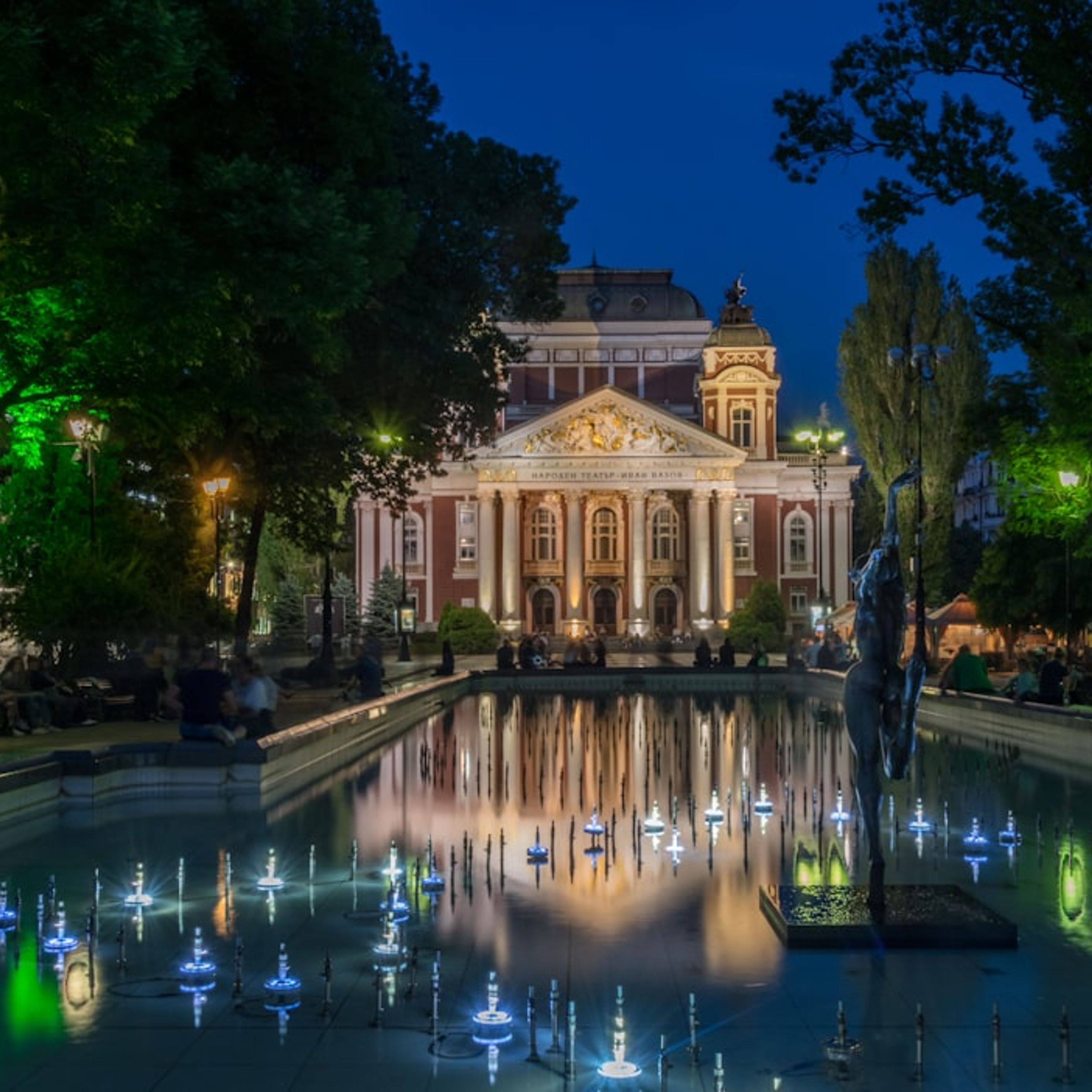
5 Best National Parks Near Sofia
Best national parks near Sofia for 2026: Vitosha, Rila, Pirin and Central Balkan, with driving times, bus routes and fees in BGN and euro.
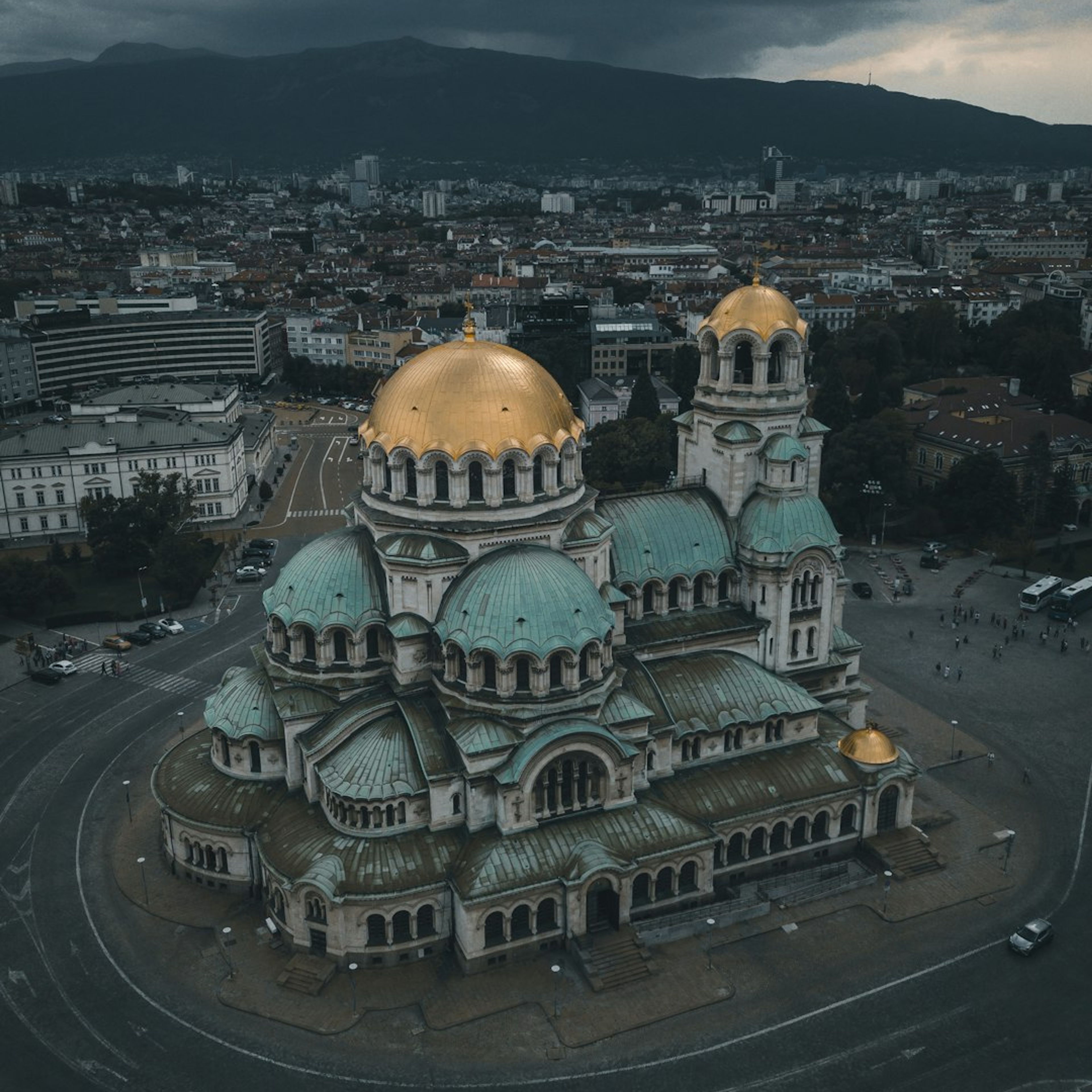
10 Top Places to Visit in Sofia
The 10 top places to visit in Sofia in 2026 - Alexander Nevsky Cathedral, Vitosha Boulevard, Boyana Church, St. George Rotunda, Rila Monastery day trip.