
Guides · Sofia
5 Best National Parks Near Sofia
By Tomas Achmedovas · CEO and co-founder

CEO and co-founder
Bulgaria's protected areas start on Sofia's doorstep, and this guide covers the 5 best national parks near Sofia in the order you meet them on the road, closest first. One point of accuracy before you plan anything: Bulgaria has exactly three national parks, namely Rila, Pirin and Central Balkan. Vitosha and Rila Monastery are prirodni parkove, nature parks, a lower protection category with different rules on building, logging and grazing. Guides that call Vitosha a national park are simply wrong, and the distinction matters once you start reading Bulgarian signage.
Each of the five entries below gives the driving distance and time from Sofia, the public transport option with its line, operator and journey time, entry or lift fees in Bulgarian lev and euro, a visitor centre or main entrance address, and one signature trail with its distance and walking time. Bulgaria adopted the euro on 1 January 2026 at the fixed rate of 1 EUR = 1.95583 BGN, so prices appear in both currencies.
Routing is straightforward. Vitosha Nature Park works as a half-day escape from the city. The Seven Rila Lakes and Rila Monastery sit on the same southbound corridor and pair well over two days. Pirin National Park needs an overnight in Bansko, and Central Balkan National Park is the one you reach by heading east. Vitosha is a weather decision more than a distance one, since the ridge holds cloud long after the city below is clear, so check Sofia weather before you commit the half day. Pirin needs an overnight in Bansko, a town this guide treats as a base rather than a detour, and the Rila corridor works best across two unhurried days. The hotels in Sofia near Serdika put you on the Vitosha bus and the southbound coach station within one transfer.
Check dates for Sofia
See what is available on your dates.
1Vitosha Nature Park - Sofia's Mountain on the Doorstep
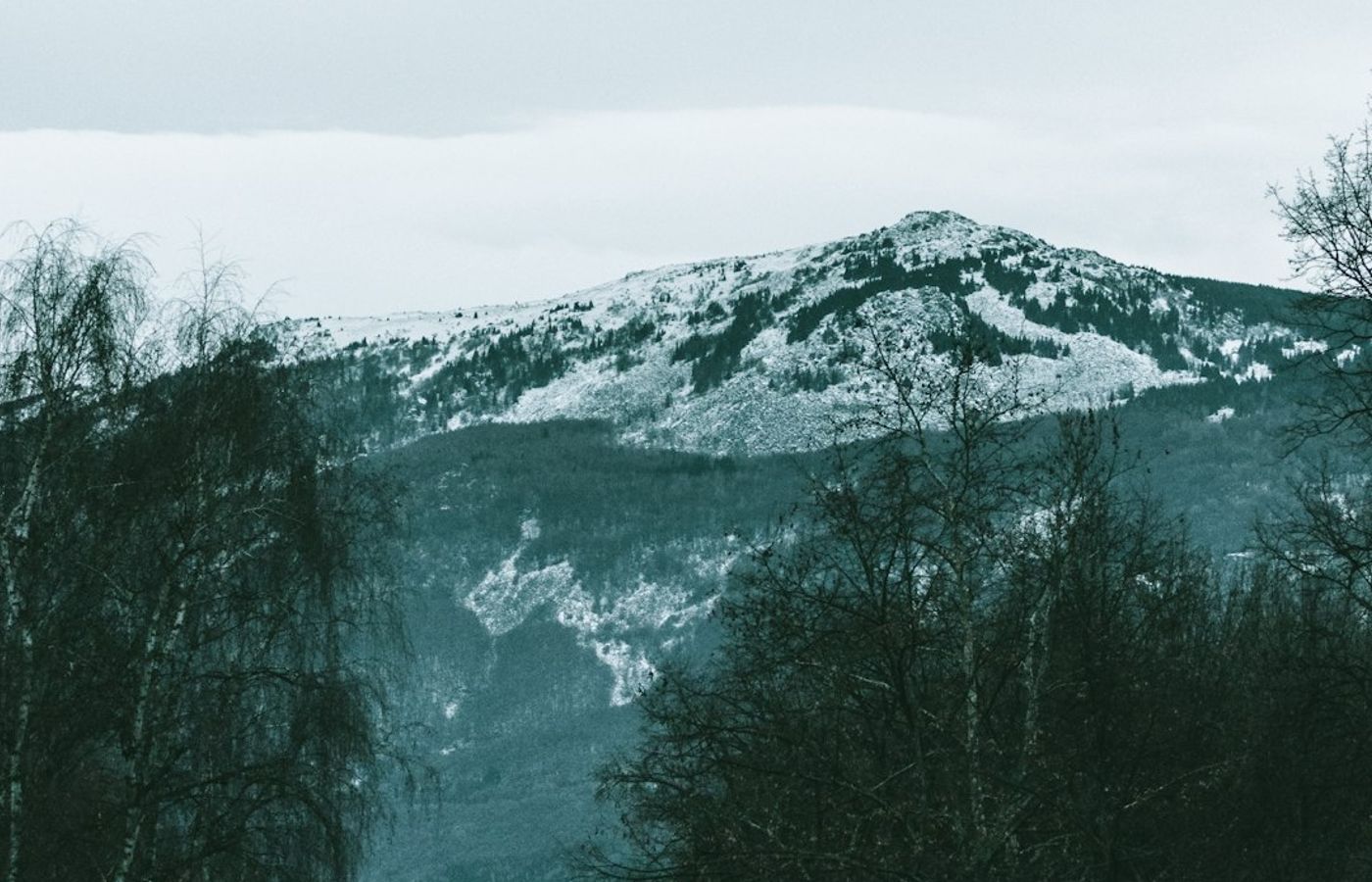

Vitosha Nature Park rises straight out of Sofia's southern suburbs, and the label deserves precision: Vitosha is a nature park, not a national park. It was declared in 1934, which made it the first protected park of its kind in the Balkans, and it now covers 27,079 hectares. Cherni Vrah, the 2,290 m summit, is the flat-topped skyline visible from most streets in the capital.
Entry to Vitosha Nature Park is free. The Simeonovo gondola that once carried walkers up from the city has been withdrawn from service, so the Vitoshko Lale chairlift above Aleko is the only summer lift turning: 3.50 EUR (6.85 BGN) per single ride for adults and 2.50 EUR (4.89 BGN) for children under 12, running 09:00 to 16:30. The Vitosha Nature Park Directorate answers visitor questions from its office at ul. Antim I 17, 1303 Sofia.
The classic outing is the climb from Hizha Aleko to Cherni Vrah: about 1 km of path and 480 m of ascent, 1 hour 30 minutes to 2 hours up and around an hour back down. Storms build fast above the treeline on summer afternoons.
2Rila National Park - The Seven Rila Lakes Circuit
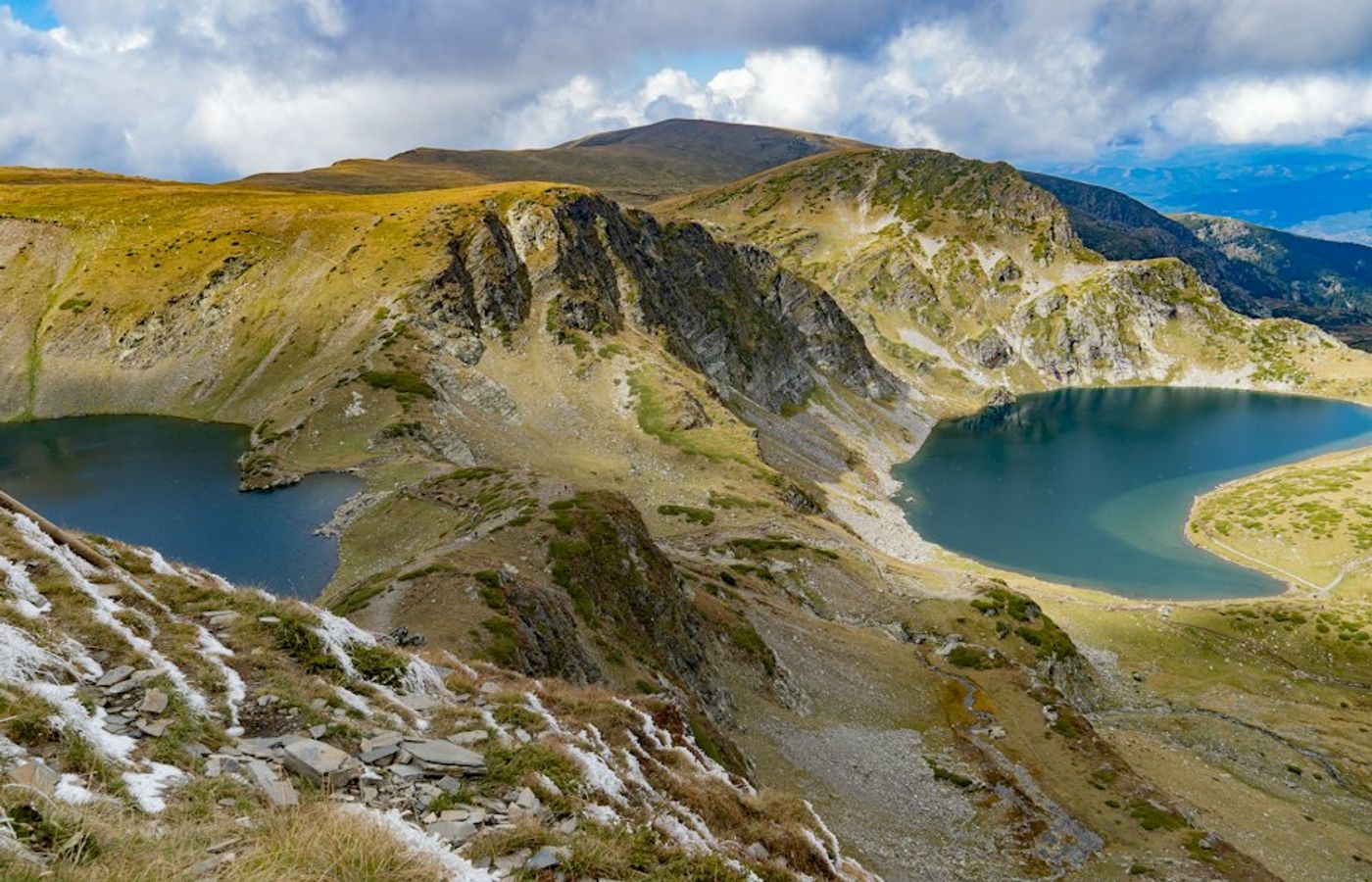

Rila National Park is the first genuine national park on this list and the largest protected area in Bulgaria. Its best known corner is the Seven Rila Lakes, a staircase of glacial tarns lying between 2,095 m and 2,535 m: Dolnoto Ezero, Ribnoto Ezero, Babreka, Bliznaka, Trilistnika, Okoto and Salzata, each named for its shape.
The Seven Rila Lakes chairlift carries you from roughly 1,500 m at Panichishte to 2,100 m near Rilski Ezera Hut in about 20 minutes. Adult tickets cost 11.00 EUR (21.51 BGN) one way and 16.00 EUR (31.29 BGN) return; children aged 5 to 12, pensioners and disabled visitors pay 8.00 EUR (15.65 BGN) return, and under-5s travel free. It runs 08:30 to 17:30 Tuesday to Sunday, opens only at 12:30 on Mondays, and closes all day on the last Monday of each month. Parking at the base station costs 5 BGN (2.56 EUR) a day. Rila National Park is administered from 12B Bistritsa Street, Blagoevgrad.
From the top station the full circuit of all seven lakes runs 9 to 10 km with 350 to 500 m of climbing and takes 3 to 4 hours, with the Haramiyata viewpoint as its high point.
3Rila Monastery Nature Park - A Nature Park Around a UNESCO Monastery
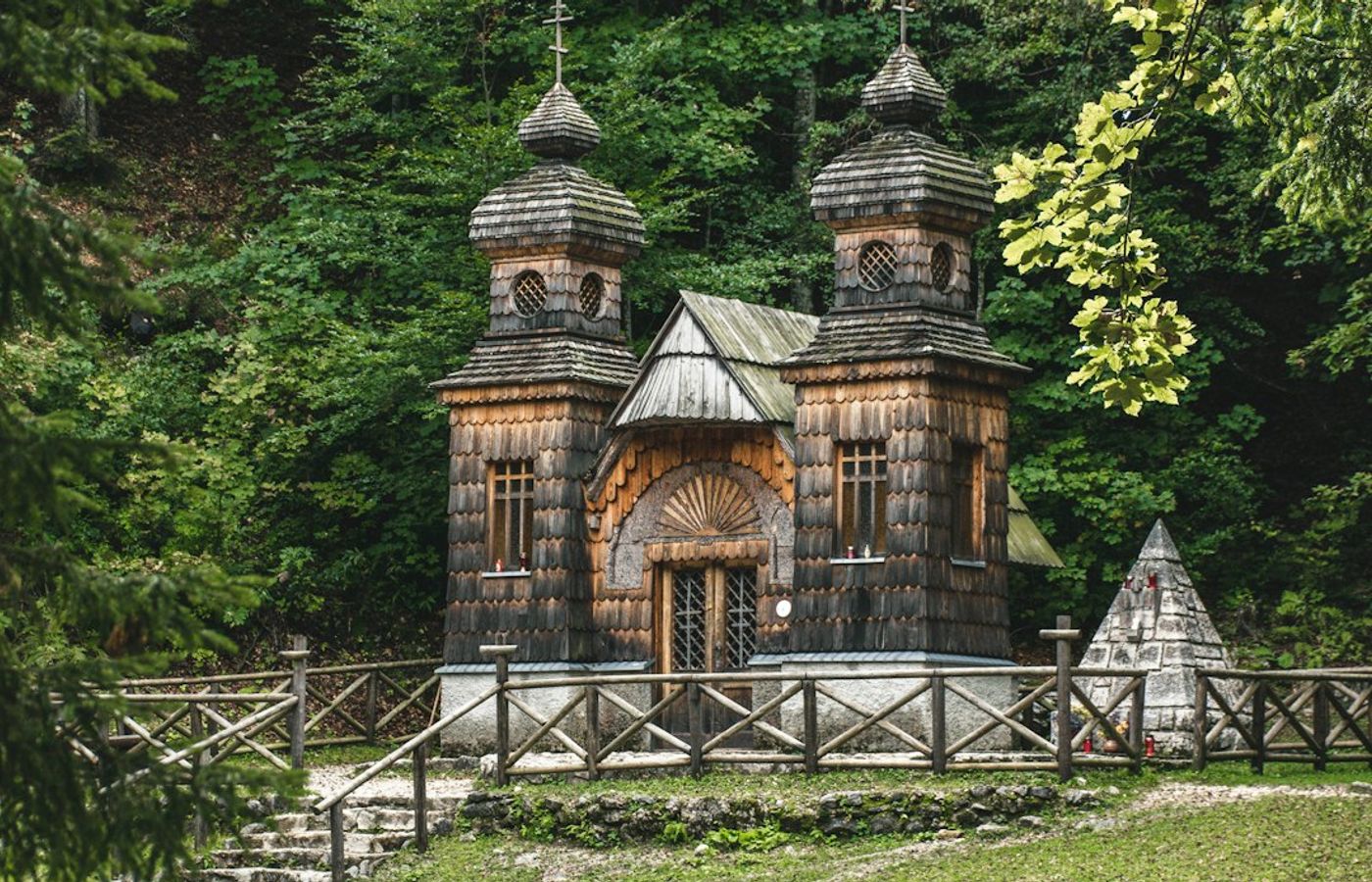

Rila Monastery Nature Park is the second nature park here, and its status is a legal curiosity worth understanding. The territory belonged to Rila National Park when both were created in 1992, but in 2000 it was returned to the monastery and recategorised, because Bulgarian law requires national park land to be state-owned. Rila Monastery Nature Park covers 252.5 km² between 750 m and 2,713 m, topping out at Rilets peak, and is administered from the town of Rila by the Executive Forest Agency.
Rila Monastery itself, a UNESCO World Heritage Site since 1983, is free to enter, courtyard and church included. The monastery museum charges about 8 BGN (4.09 EUR) and Hrelyo Tower about 5 BGN (2.56 EUR). The grounds open 07:00 to 20:00 and the museums roughly 08:30 to 16:30. Car parking runs 5 to 10 BGN (2.56 EUR to 5.11 EUR).
The walk most visitors make is the 4 km route from Rila Monastery up road 107 and the marked path to the cave and tomb of Saint Ivan of Rila, roughly an hour on foot in each direction.
Check dates for Sofia
See what is available on your dates.
4Central Balkan National Park - Botev Peak and Raysko Praskalo
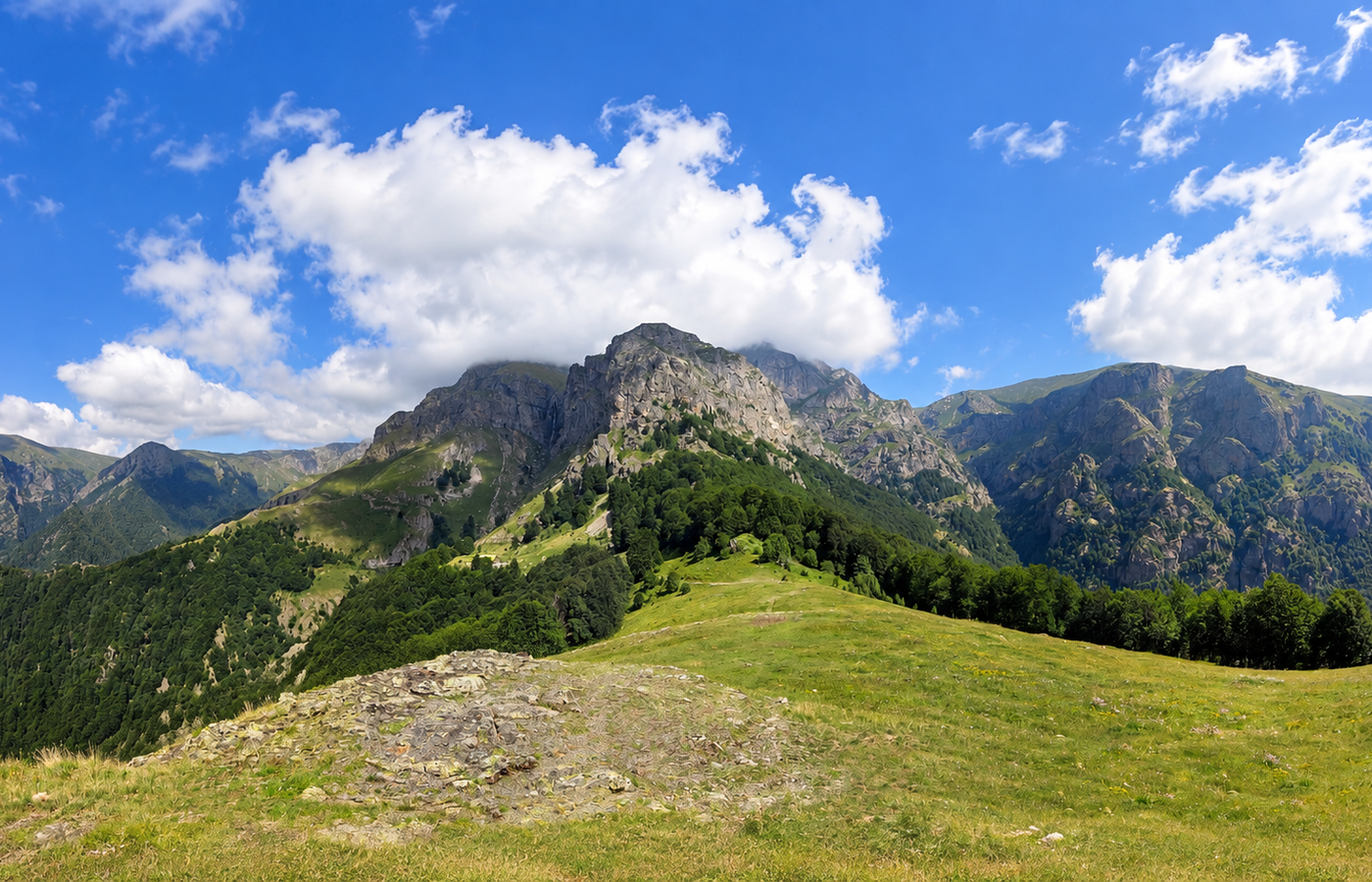
Central Balkan National Park protects an 85 km strip of the Balkan range and is the second of Bulgaria's three national parks. Created on 31 October 1991, it covers 716.69 km² and holds nine strict reserves: Boatin, Tsarichina, Kozya Stena, Steneto, Severen Dzhendem, Peeshti Skali, Sokolna, Dzhendema and Stara Reka. Four of them are UNESCO biosphere reserves, and since 2017 the park's beech stands have formed part of the Ancient and Primeval Beech Forests World Heritage Site. Botev Peak, at 2,376 m, is the highest point in the entire Balkan chain.
There is no entrance fee. Driving inside Central Balkan National Park is regulated, and several access roads need clearance from the nearest park office. The park directorate is at 3 Bodra Smyana Street, 5300 Gabrovo, with local offices in Kalofer and Karlovo.
The trail that earns the trip starts at Panitsite, 4 km above Kalofer on a paved road. About 3 hours of forest walking brings you to Rai Hut at 1,422 m, and another 15 to 20 minutes reaches Raysko Praskalo, a single 124.5 m drop that is the tallest waterfall in Bulgaria.
5Pirin National Park - Bulgaria's UNESCO World Heritage Mountain
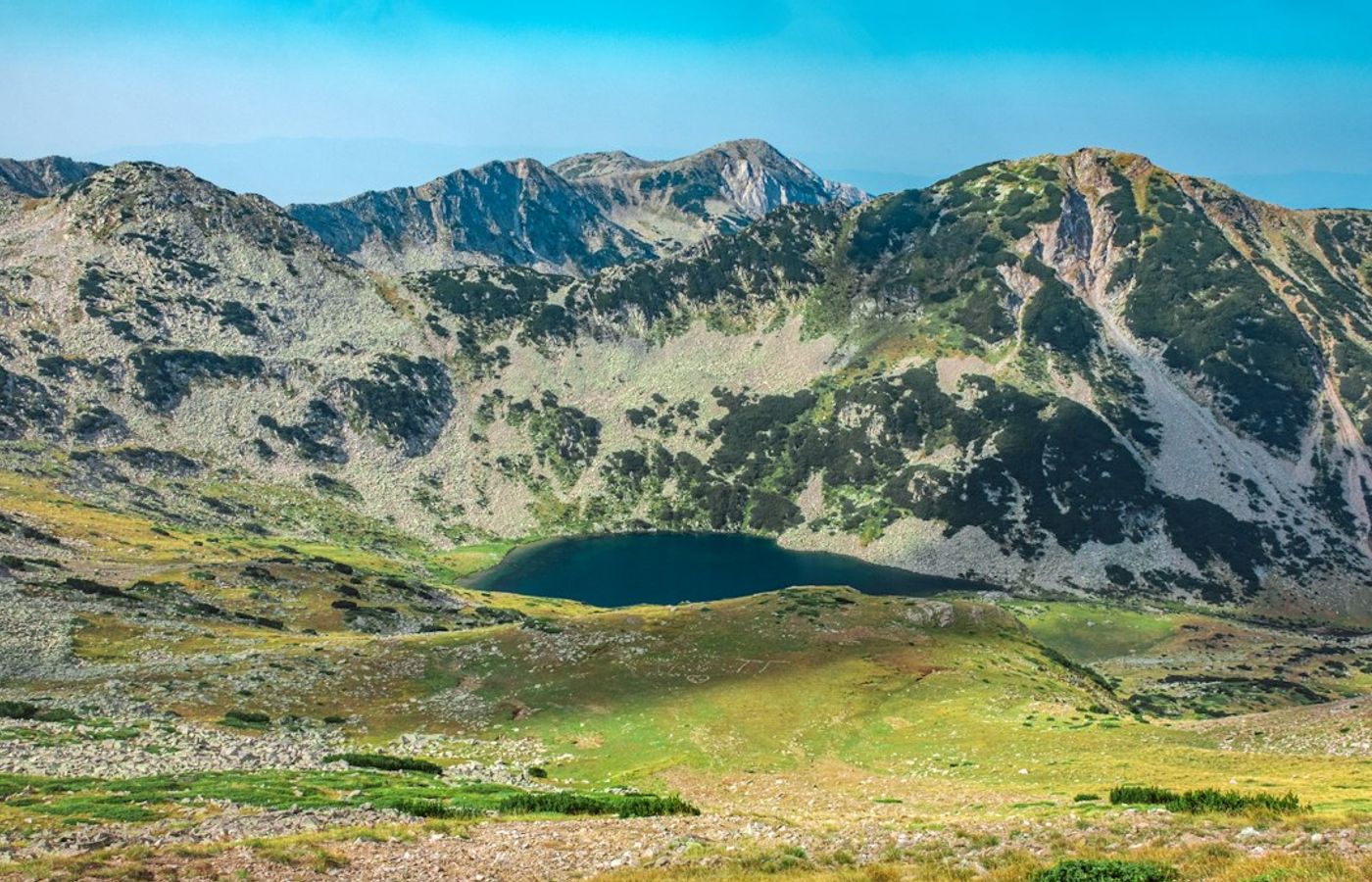
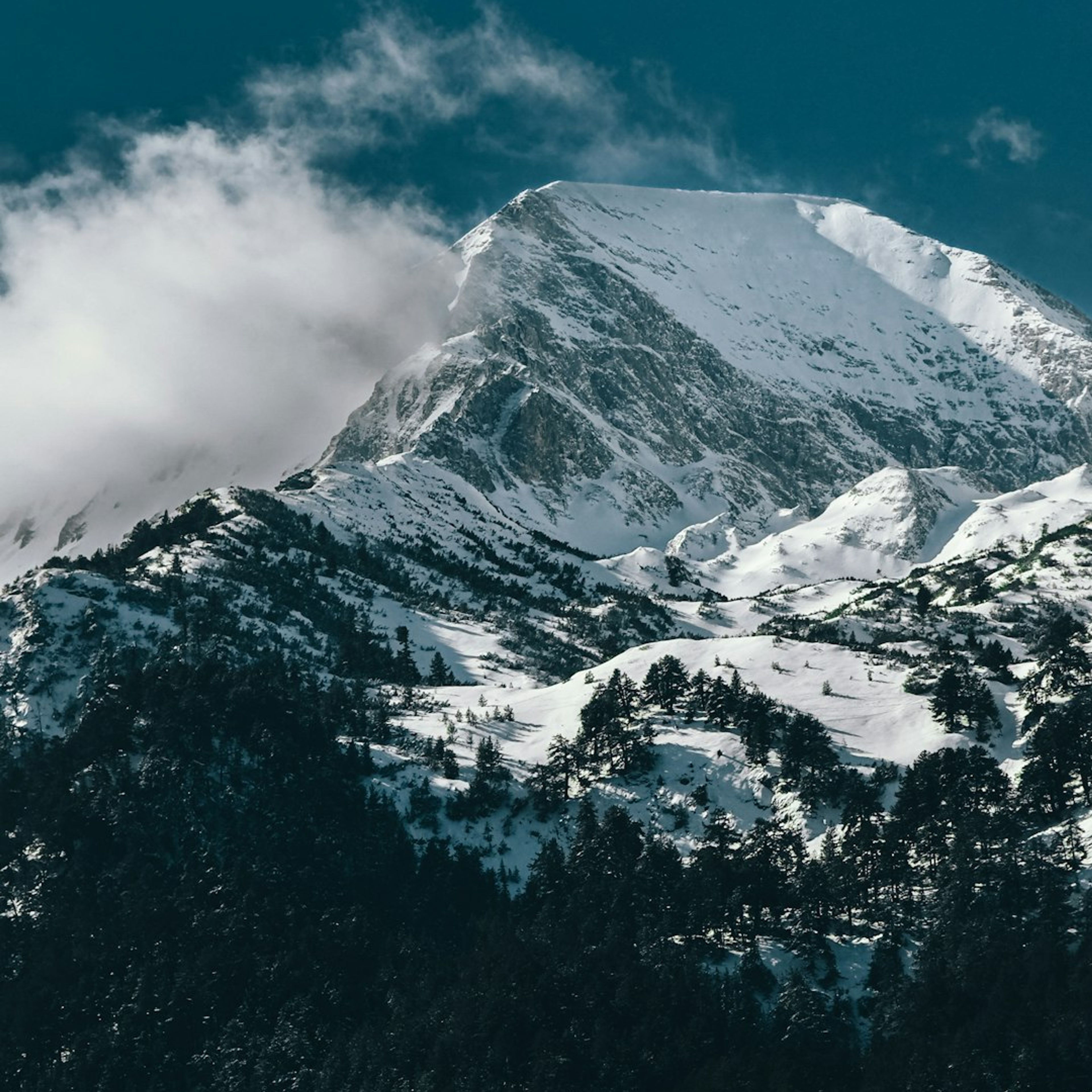
Pirin National Park closes the list and carries the heaviest credentials. Inscribed on the UNESCO World Heritage List in 1983 and extended in 2010, it spans roughly 40,000 hectares between 1,008 m and 2,914 m under natural criteria vii, viii and ix. Inside are more than 70 glacial lakes, 1,315 vascular plant species including 86 Balkan endemics, 45 mammal species and 159 birds.
Entry to Pirin National Park is free. The Visitor Information and Education Centre at ul. Pirin 104, 2770 Bansko opens daily from 09:00 to 17:30. Vihren Hut, at 1,951 m, sits 16 km up a narrow asphalt road from Bansko; a municipal bus leaves Bansko railway station at 08:30, 13:20 and 17:00, takes about 45 minutes and costs around 12 BGN (6.14 EUR). Between 1 July and 15 September private vehicles cannot use the Shiligarnika to Vihren Hut section from 08:00 to 16:00, and a shuttle minibus covers it every 20 to 30 minutes for 6 BGN (3.07 EUR).
The route everyone comes for is Vihren peak by the Kabata saddle: 8.7 km there and back from Vihren Hut, about 950 m of ascent, 4 to 5 hours.
Take this guide with you
Get every place in this guide, with addresses and map links, in your inbox — easy to open on your phone during the trip.
One email to the address on your account. No newsletter.

CEO and co-founder
Tomas is the co-founder and director of trip1, an European company specializing in reservation services. He launched the company in 2025 with a focus on building scalable, efficient operations.
5 Best National Parks Near Sofia - FAQ
The Seven Rila Lakes in Rila National Park, a staircase of glacial lakes between 2,095 m and 2,535 m, are the classic answer. Pirin National Park, a UNESCO World Heritage Site with more than 70 glacial lakes under Vihren peak, comes close. In Central Balkan National Park, Raysko Praskalo is a single 124.5 m drop, the tallest waterfall in Bulgaria.
Yes. Bulgaria has a few hundred wild brown bears, living mainly in Rila, Pirin and Central Balkan National Parks, the Rhodopes and nature parks such as Rila Monastery and Vitosha. They are protected and shy, and walkers rarely see them. Stay on marked trails, make some noise in dense forest and never leave food out at huts or campsites.
Three: Rila, Pirin and Central Balkan. Rila is the largest protected area in the country, Pirin is a UNESCO World Heritage Site, and Central Balkan protects an 85 km strip of the Balkan range. Vitosha and Rila Monastery, both close to Sofia, are nature parks, a lower protection category with different rules on building, logging and grazing.
There is no direct bus. Take a BDZ train or a Union Ivkoni coach to Dupnitsa, about 2 hours, then a local bus to Sapareva Banya and a taxi for the last 15 km to Panichishte. The chairlift climbs to 2,100 m in about 20 minutes for 16 euros return. The full circuit of all seven lakes is 9 to 10 km, 3 to 4 hours.
Vitosha Nature Park is the easiest, a half day from the city: bus 66 reaches Hizha Aleko at weekends and the climb to Cherni Vrah takes about 2 hours. The Seven Rila Lakes and Rila Monastery each fill a full day to the south. For Raysko Praskalo waterfall, take the 06:10 train to Kalofer, which has compulsory seat reservations.
No. Entry is free at Rila, Pirin and Central Balkan National Parks, and at Vitosha and Rila Monastery Nature Parks. You pay for lifts, buses and museums: the Seven Rila Lakes chairlift is 16 euros return, the Vitoshko Lale chairlift on Vitosha 3.50 euros a ride, and the Rila Monastery museum about 4 euros. The monastery itself is free.