

Guides · Berlin
Berlin in October: Weather, Parks and Festivals

CEO and co-founder
Berlin in October is the month the city gets its best light, in both senses. The parks turn, the Festival of Lights puts projections on the Brandenburg Gate for ten nights, and the beer gardens run until the weather finally breaks. This guide covers 11 places and events worth planning around in 2026, each with the exact address, the nearest U-Bahn or S-Bahn, and a Pro Tip written for a city where the distances are the real obstacle.
On the weather: daytime highs run near 15C in the first week and fall to about 10C by the end of the month, with overnight lows dropping from roughly 8C to 4C. Rainfall is modest at around 35 to 40 mm. Central European Summer Time ends on Sunday 25 October 2026, which puts sunset before 5pm for the final week and means the Festival of Lights, which finishes on the 18th, still runs in genuine darkness from 7pm.
Two dates fix the calendar: German Unity Day on 3 October, and the Festival of Lights from 9 to 18 October 2026. Everything else groups by district. The Reichstag, Brandenburg Gate, Museum Island and the Wall Memorial sit in Mitte. Tempelhofer Feld and Viktoriapark are south, Treptower Park is east, the Tiergarten is central, and Potsdam is 40 minutes out on the S7.
1Festival of Lights - 9 to 18 October 2026
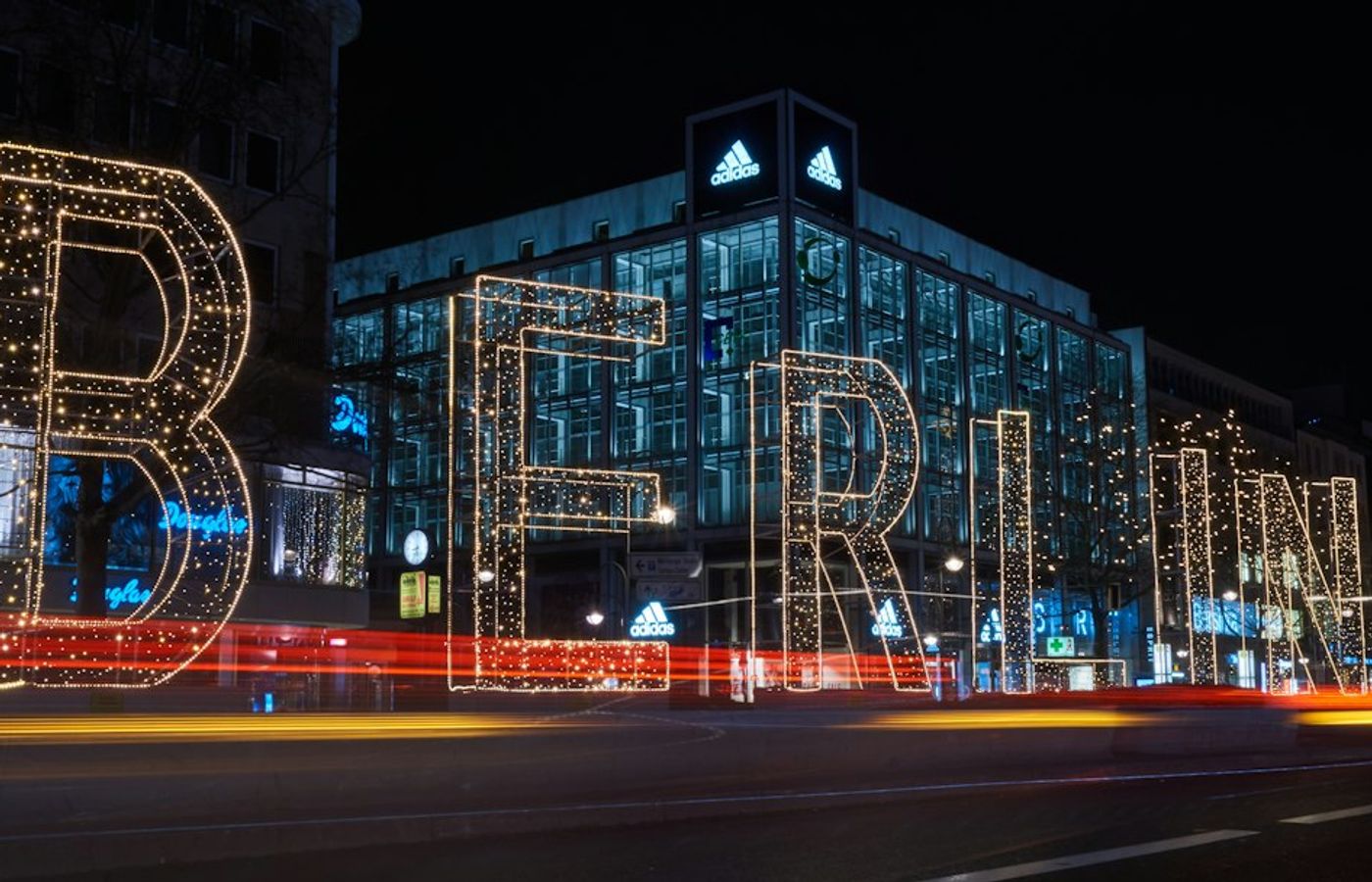

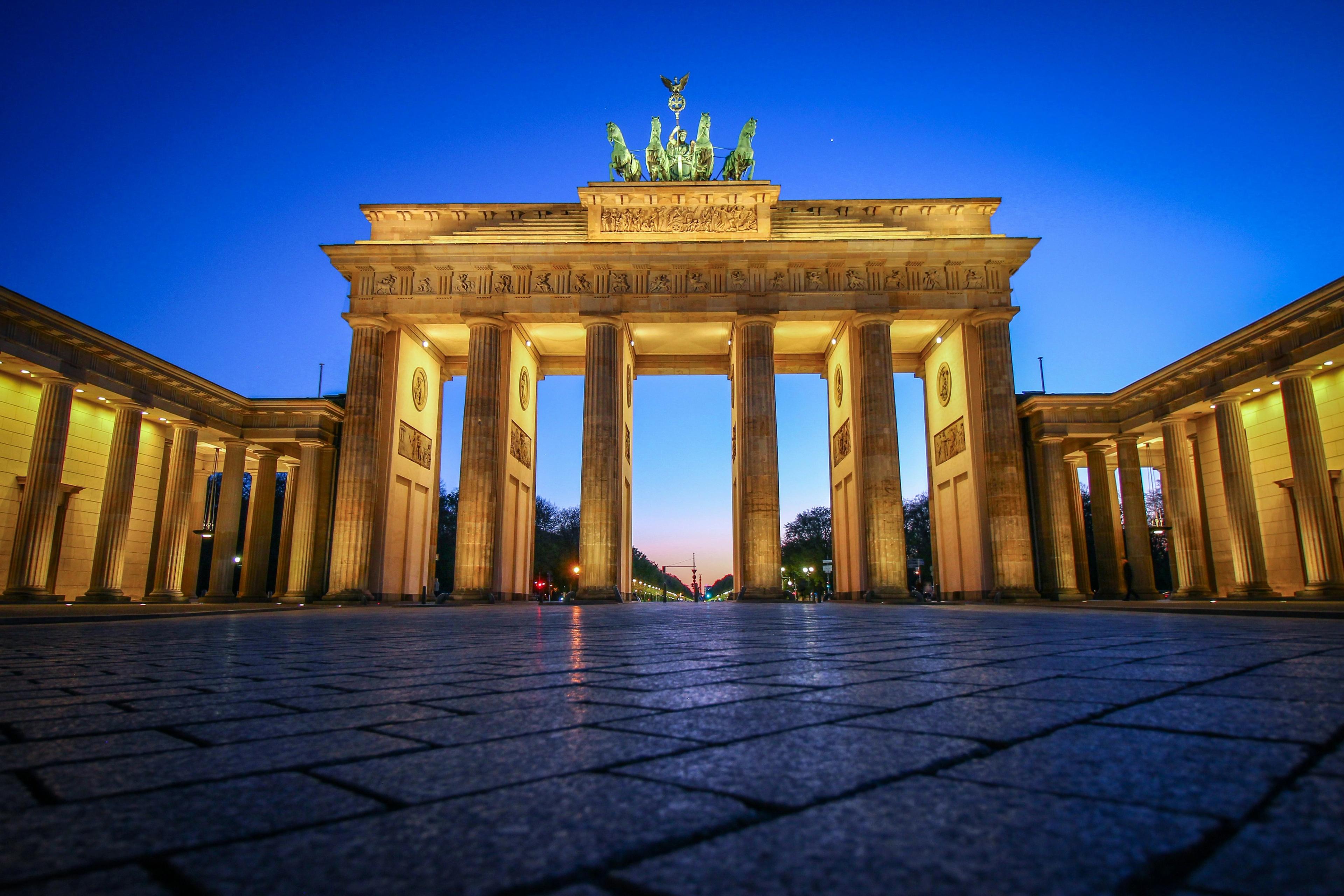
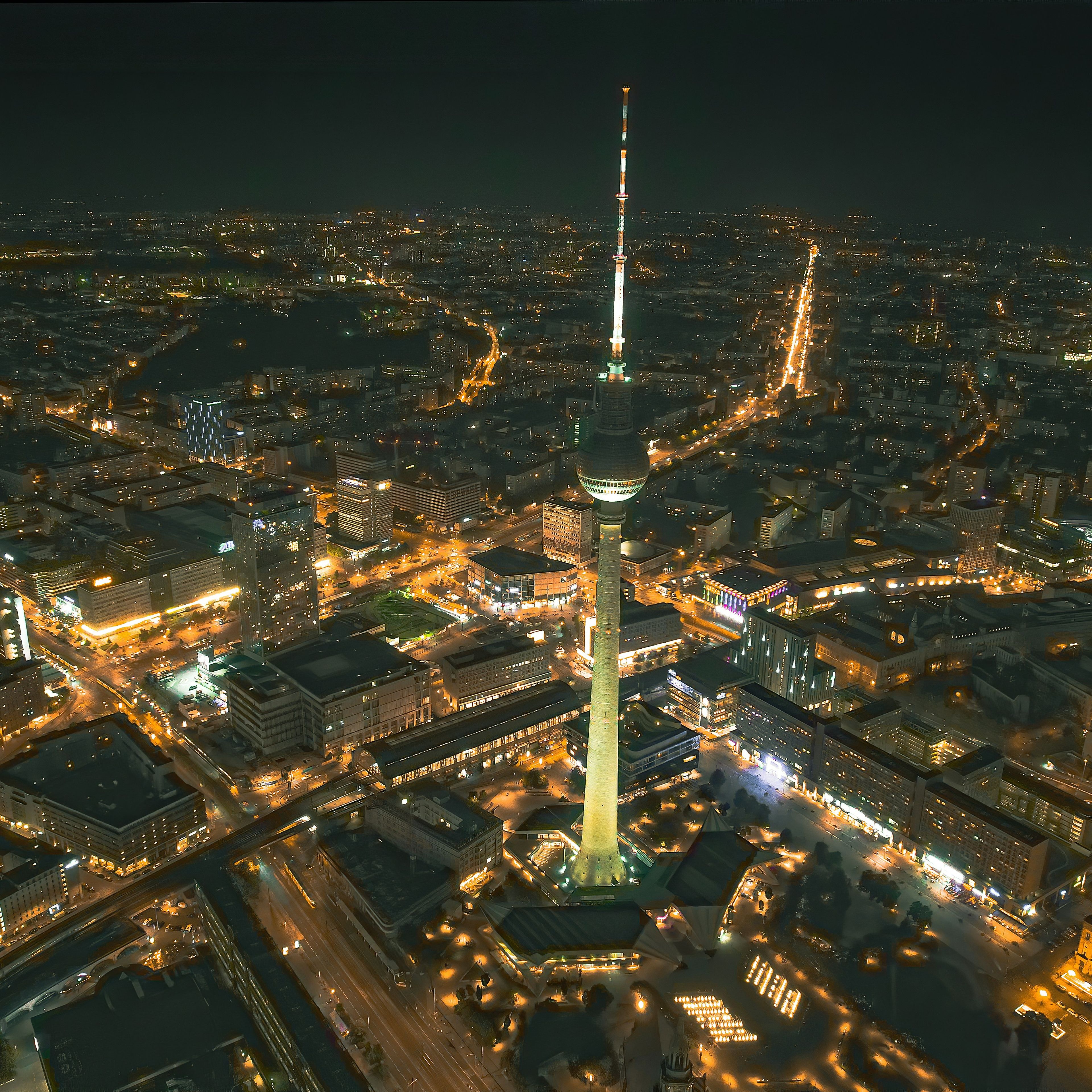
The Festival of Lights runs from Friday 9 October to Sunday 18 October 2026, its 22nd edition, under the motto Colours of Love. Landmarks across the city become projection surfaces: the Brandenburg Gate, Berlin Cathedral, Bebelplatz, Potsdamer Platz and the TV Tower are the usual anchors, with video mapping and 3D light art running nightly from 7pm to 11pm. The whole thing is free and needs no ticket. The festival site publishes the final location map shortly before it opens.
It has run since 2005 and now draws crowds in the millions across the ten evenings. Separately ticketed events take place inside Berlin Cathedral during the run, combining 3D projection with live DJ sets and ambient music, and those do sell out. The core walking route between Alexanderplatz and Potsdamer Platz sits entirely within the AB fare zone and takes about two hours at a slow pace.
Pro Tip: Start around 7.30pm rather than at the 7pm switch-on, and walk east to west from Alexanderplatz. You miss the first crush, the light has settled, and you finish at Potsdamer Platz with the U-Bahn underneath you rather than a long walk back.
2German Unity Day - 3 October and a Closed City Centre
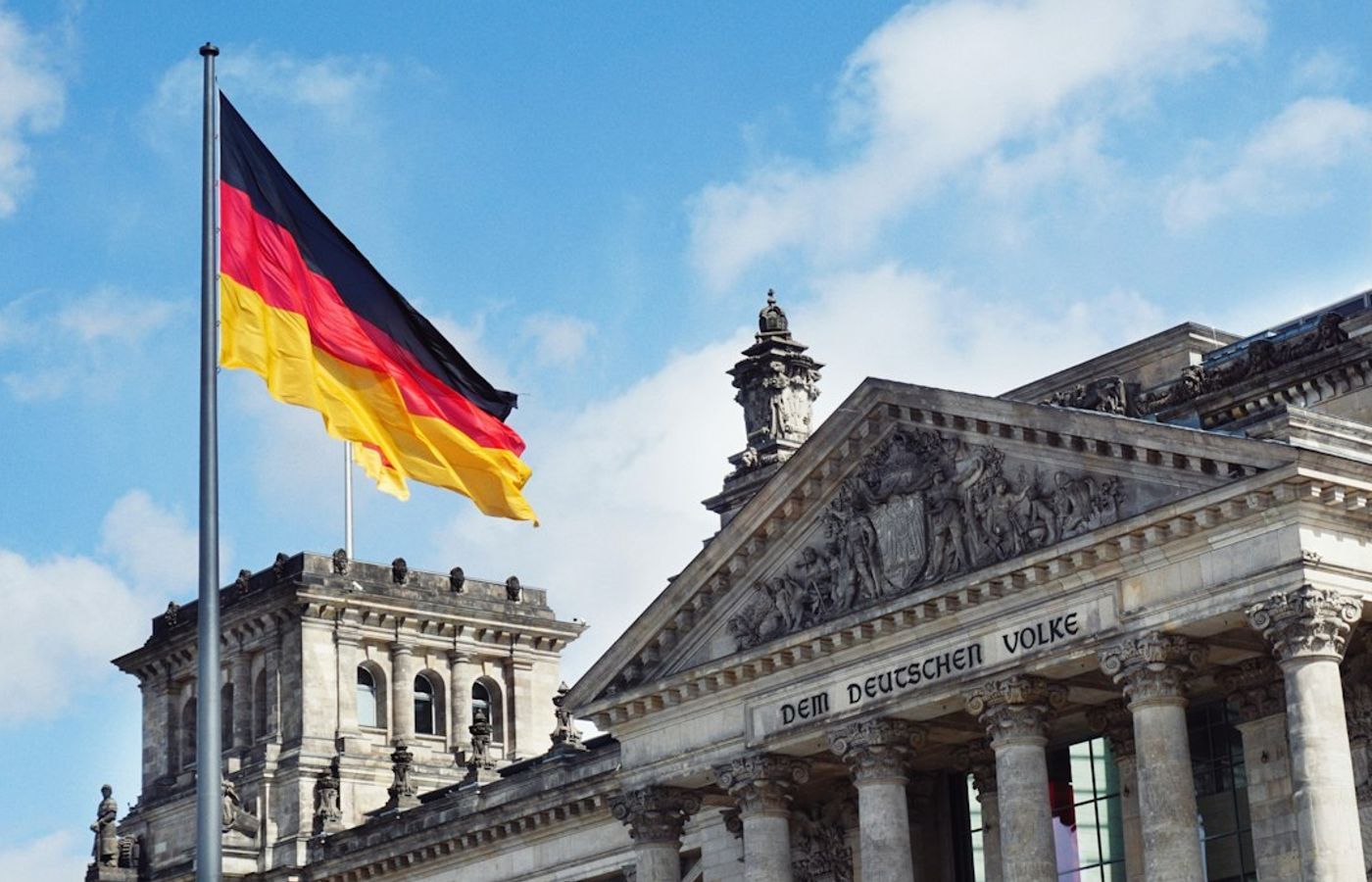

German Unity Day falls on 3 October and marks the 1990 reunification of East and West Germany, making 2026 the 36th anniversary. It is the country's only national public holiday. Berlin, as the city the division ran through, marks it with a Burgerfest along Strasse des 17. Juni and around the Brandenburg Gate: stages, food stalls, open-air exhibitions and institutions running open days across the weekend.
The official central ceremony rotates between federal states each year, so Berlin's programme varies in scale depending on whether it is hosting. Practical consequences are consistent though: shops and banks close, public transport runs a Sunday timetable, and the streets around the Brandenburg Gate are closed to traffic. Museums generally stay open and are busier than usual.
Pro Tip: Do the Berlin Wall Memorial on Bernauer Strasse on the morning of the 3rd, before the festivities. It is the one day of the year when the site's subject matter and the city's mood line up, and it is far quieter than the Brandenburg Gate end.

3The Tiergarten - 210 Hectares Turning at Once

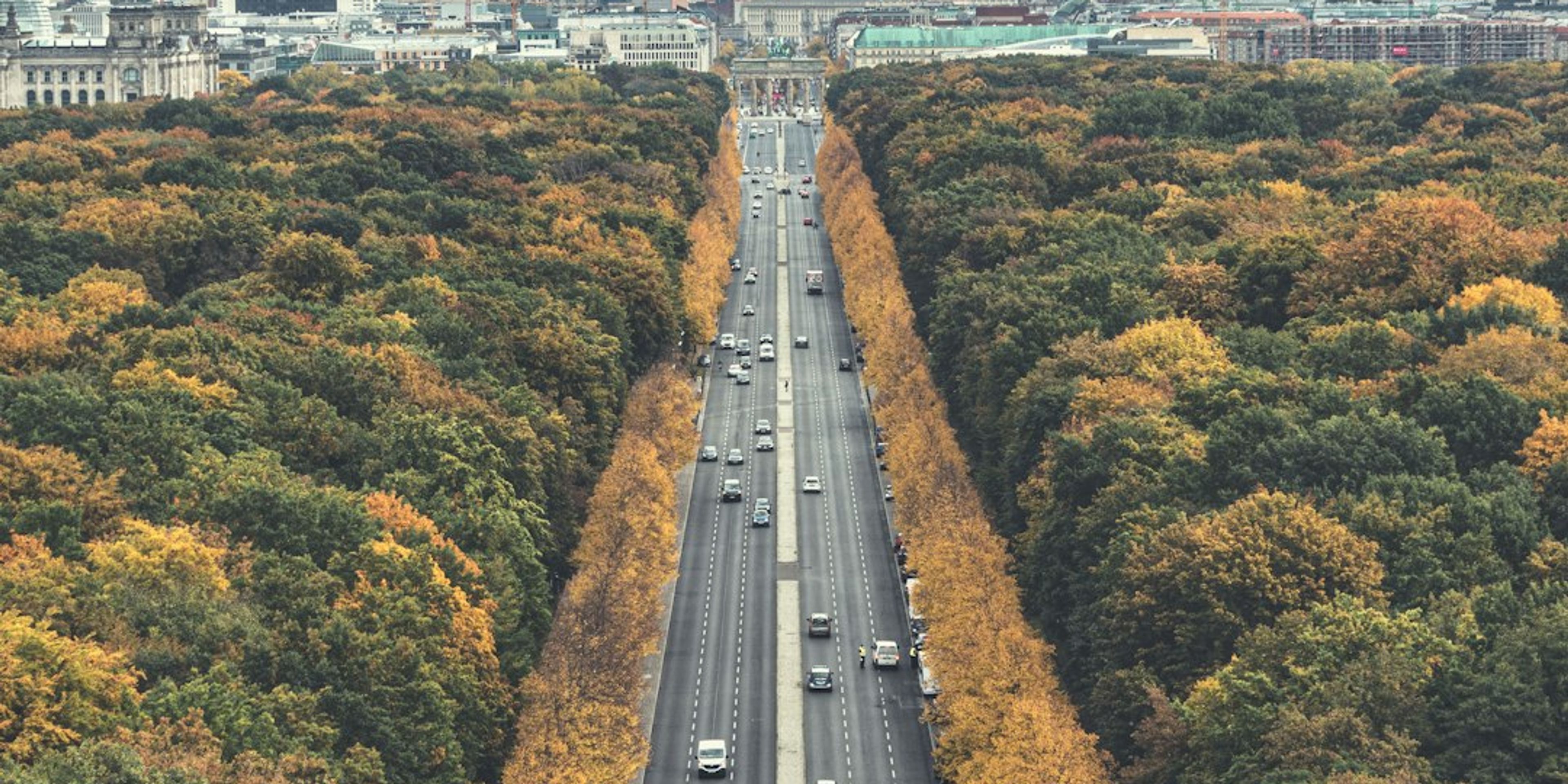
The Tiergarten covers 210 hectares in the middle of Berlin, which makes it larger than Hyde Park, and it began as a royal hunting ground before Frederick the Great turned it into a public park in the 1740s. It was cut down almost entirely for firewood in the winters after 1945 and replanted from the 1950s, so the mature trees you walk under are mostly younger than they look. The Victory Column stands at the centre on the Grosser Stern roundabout.
October turns the whole thing copper and gold, and because the park is laid out as woodland with winding paths rather than formal avenues, you lose the city inside it within a few minutes. The climb up the Victory Column is 285 steps to a viewing platform looking straight down Strasse des 17. Juni to the Brandenburg Gate. The park is free; the column charges a small fee.
Pro Tip: Walk the park from the Brandenburg Gate west to the Victory Column, then carry on to Schleusenkrug beer garden by the lock at the far end. It is the one beer garden in central Berlin you reach through woodland rather than off a main road.
4Museum Island - Five Museums and No Summer Queue
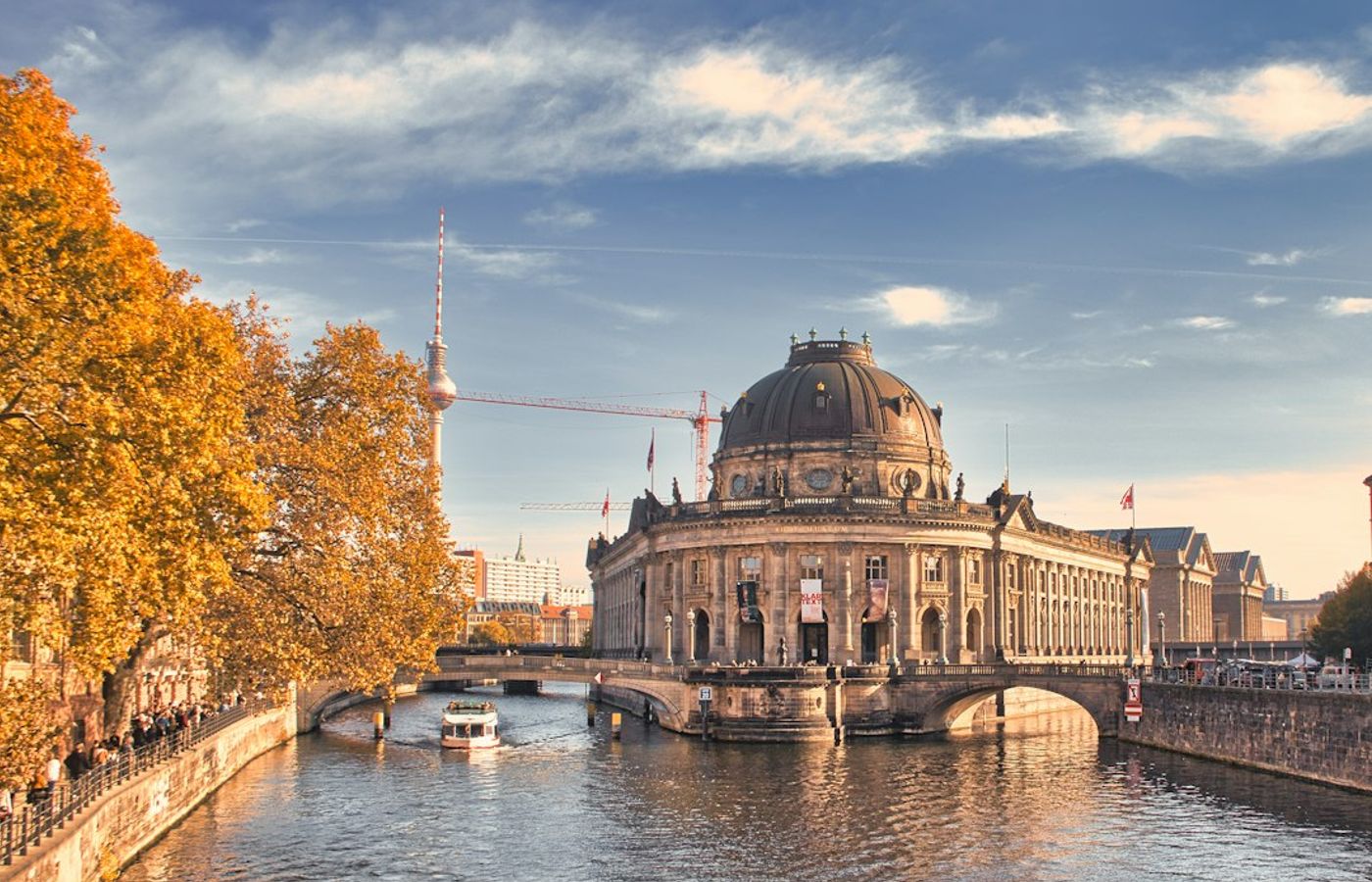
Museum Island is the northern half of an island in the Spree holding five separate museums built between 1830 and 1930, and the whole ensemble is a UNESCO World Heritage Site. The Pergamon is the most famous and has been partially closed for a long reconstruction, so check what is accessible before planning around it. The Neues Museum holds the bust of Nefertiti, and the Alte Nationalgalerie holds the 19th-century German collection. Read more about Museum Island before you choose which to visit.
A combined day pass covers all five and is worth it if you will visit more than two. October is the month this becomes genuinely pleasant: summer queues at the Neues Museum disappear, and the island is the obvious plan on the wet days. During the Festival of Lights, Berlin Cathedral across the Lustgarten becomes one of the main projection surfaces.
Pro Tip: Pick two museums, not five. The day pass tempts people into a forced march and the collections here are dense enough that three hours in the Neues and the Alte Nationalgalerie beats a skim through all of them. Book the first slot and go to Nefertiti immediately.
5Tempelhofer Feld - An Airport You Can Walk Across
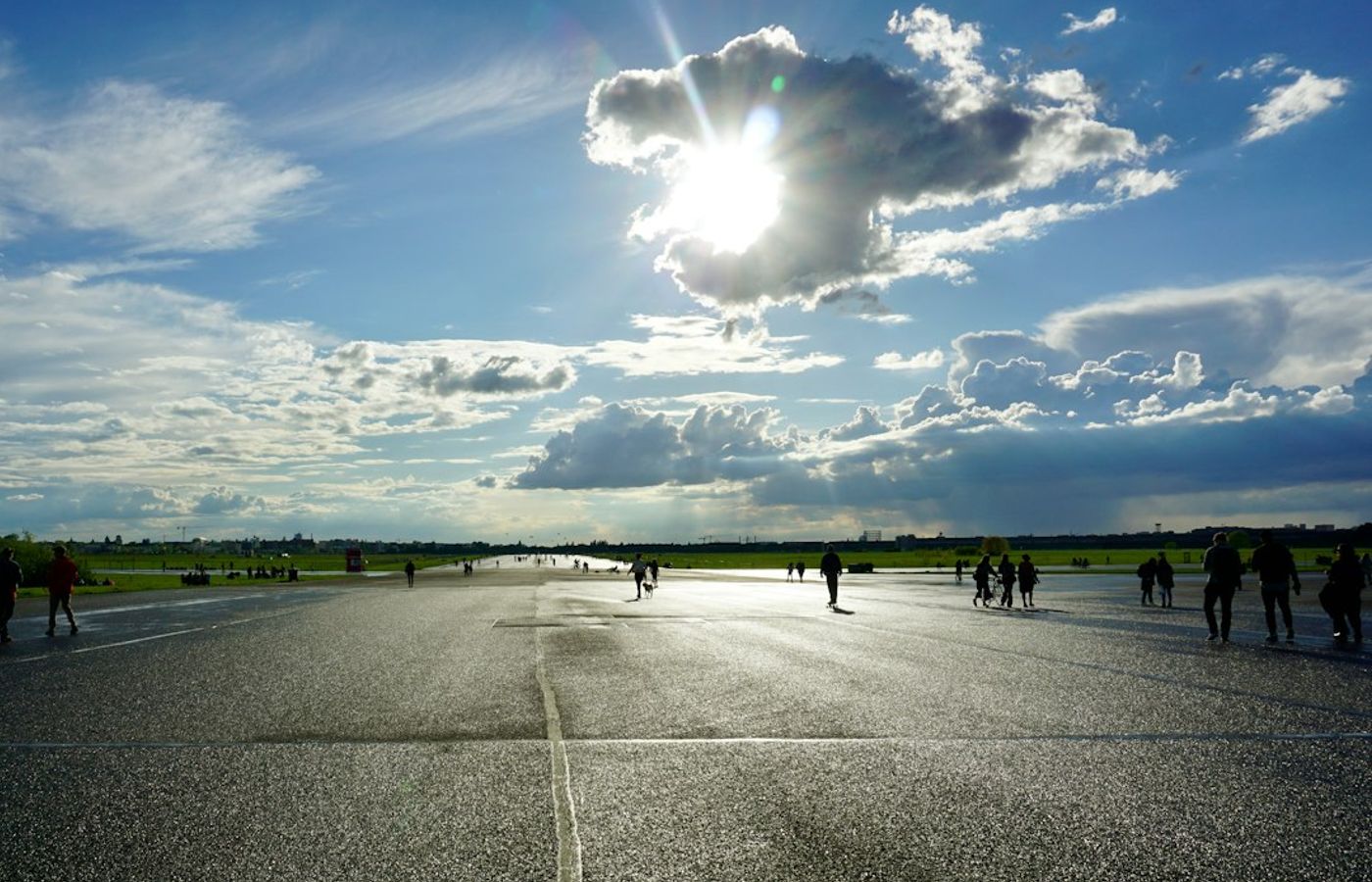
Tempelhofer Feld is a decommissioned airport turned public park, and it is the strangest open space in any European capital. Tempelhof was the airfield of the Berlin Airlift in 1948 and 1949, closed as an airport in 2008, and opened to the public in 2010. Berliners then voted in a 2014 referendum to block all development on it, so the two runways, the taxiways and 300 hectares of open grass remain exactly as they were.
What happens there now is kite-surfing on skateboards, cycling the runways, urban gardening plots and barbecues. There is nothing to see in the museum sense, and that is the appeal: it is a flat horizon in the middle of a dense city, which October wind and low sun suit better than August heat. Entry is free and the gates open at dawn and close at dusk, so the closing time moves earlier through the month.
Pro Tip: Come at sunset and walk the length of a runway westward. The field is completely flat and unobstructed, which makes it the only place in Berlin where you get a full uninterrupted sunset, and the airport terminal behind you is one of the largest buildings in the world.
6Berlin Beer Gardens - The Last Weeks of the Season
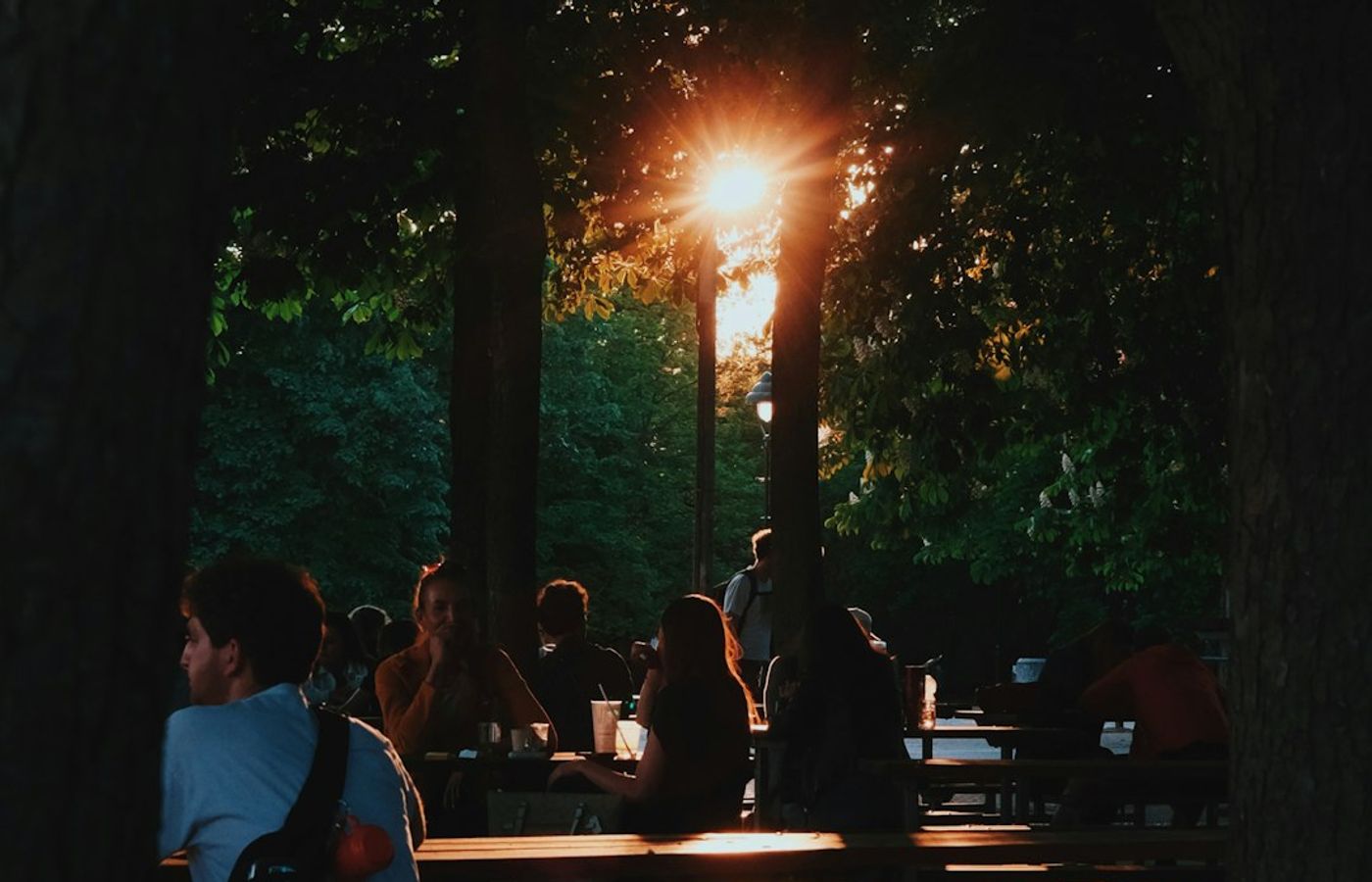
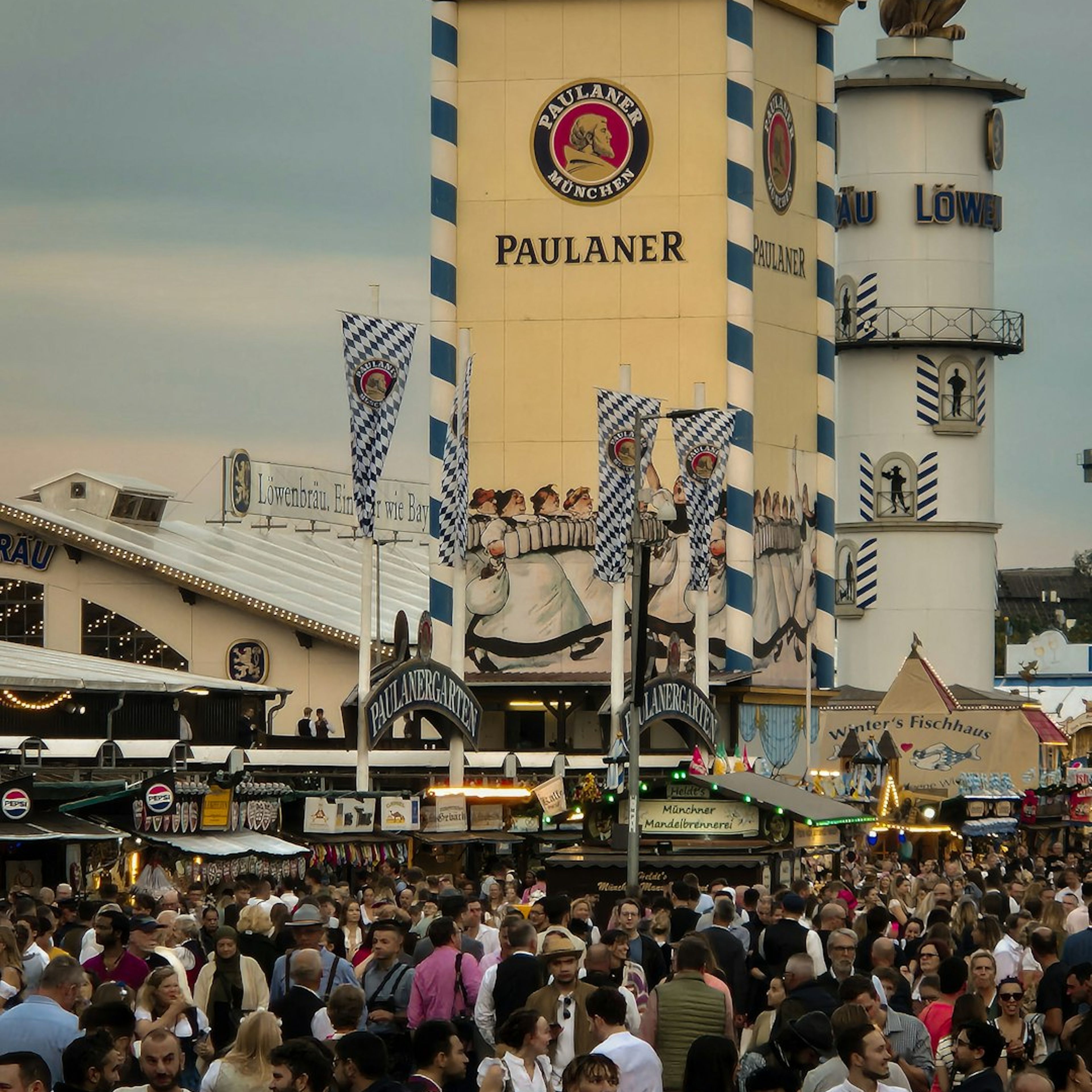
Prater Garten on Kastanienallee has been open since 1837, which makes it the oldest beer garden in Berlin, and it still runs the way the format is meant to: long shared tables under chestnut trees, self-service at a counter, beer in half-litre and litre glasses. October is the end of the season and the best part of it, with the chestnut leaves coming down onto the tables and blankets appearing on the benches.
Berlin's beer gardens run on weather rather than dates and most close somewhere between mid-October and early November, so an early-month visit is the safer bet. Schleusenkrug by the lock at the western end of the Tiergarten and Cafe am Neuen See in the middle of it are the two other central ones worth knowing. Several keep a heated indoor room open once the garden shuts.
Pro Tip: Go in the afternoon rather than the evening once October sets in. The gardens are unheated and the temperature drops hard after about 5pm, but a bright autumn afternoon under the chestnuts with a coat on is exactly what the season is for.
7Berlin Wall Memorial - The Only Intact Death Strip
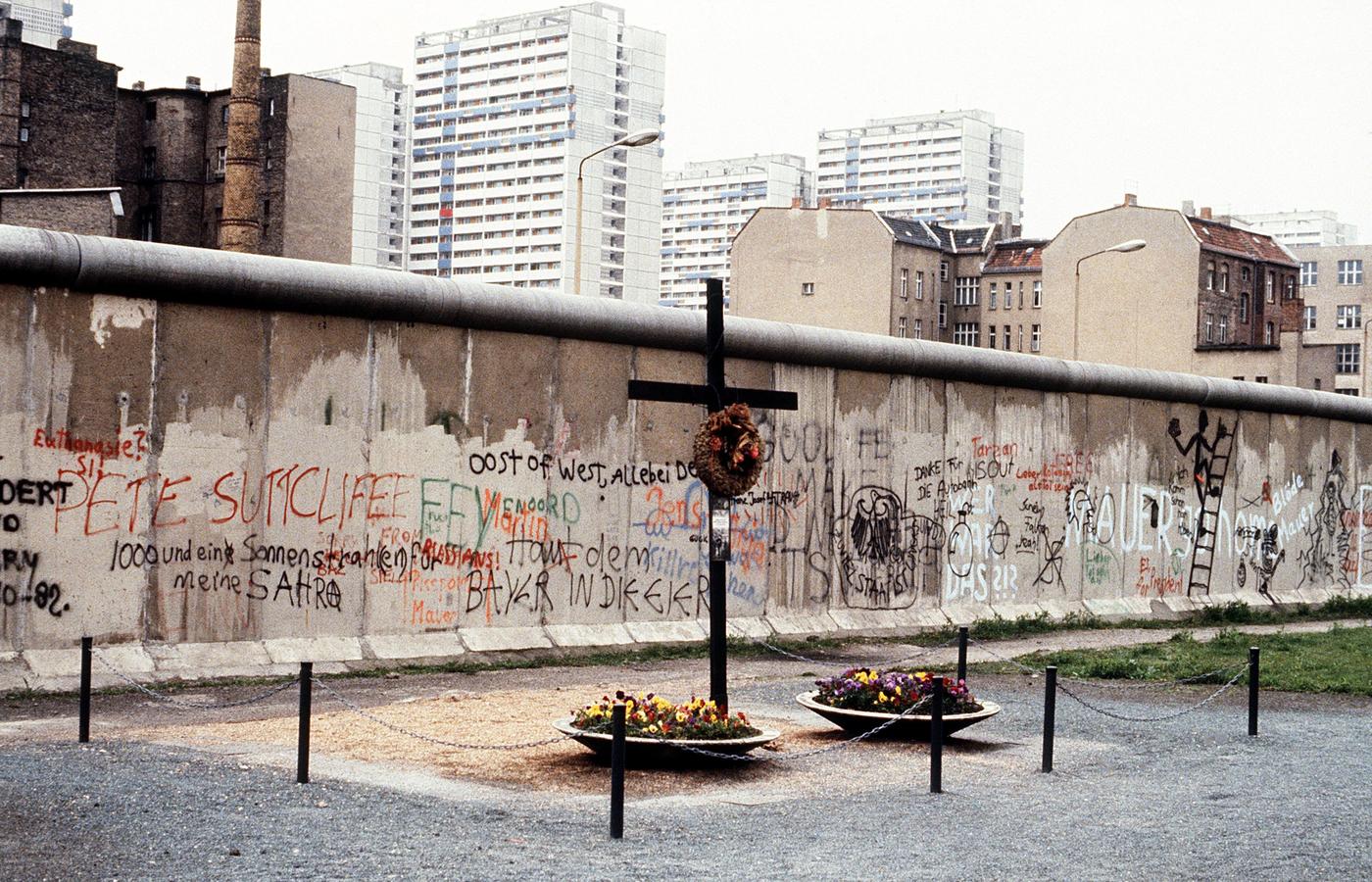
The Berlin Wall Memorial on Bernauer Strasse is the only place where the full depth of the border fortifications survives: outer wall, death strip, patrol road, lamps and a watchtower, preserved across a 1.4-kilometre stretch. Bernauer Strasse was where the buildings themselves formed the border in 1961, with people jumping from upper windows into the West before the facades were bricked up. The visitor centre and documentation centre are both free.
This is the serious Wall site, as distinct from the East Side Gallery, which is a 1.3-kilometre painted section of the inner wall along the Spree and is worth seeing as public art rather than as history. The memorial's observation tower gives the only aerial view of an intact section of death strip. Allow two hours. The outdoor grounds are open daily and the indoor centres close on Mondays.
Pro Tip: Start at Nordbahnhof station and read the exhibition inside it before going up to the street. It was a ghost station, sealed and patrolled beneath East Berlin while Western trains passed through without stopping, and the panels down there set up everything above ground.
8Treptower Park - A Soviet Memorial in Autumn Woodland
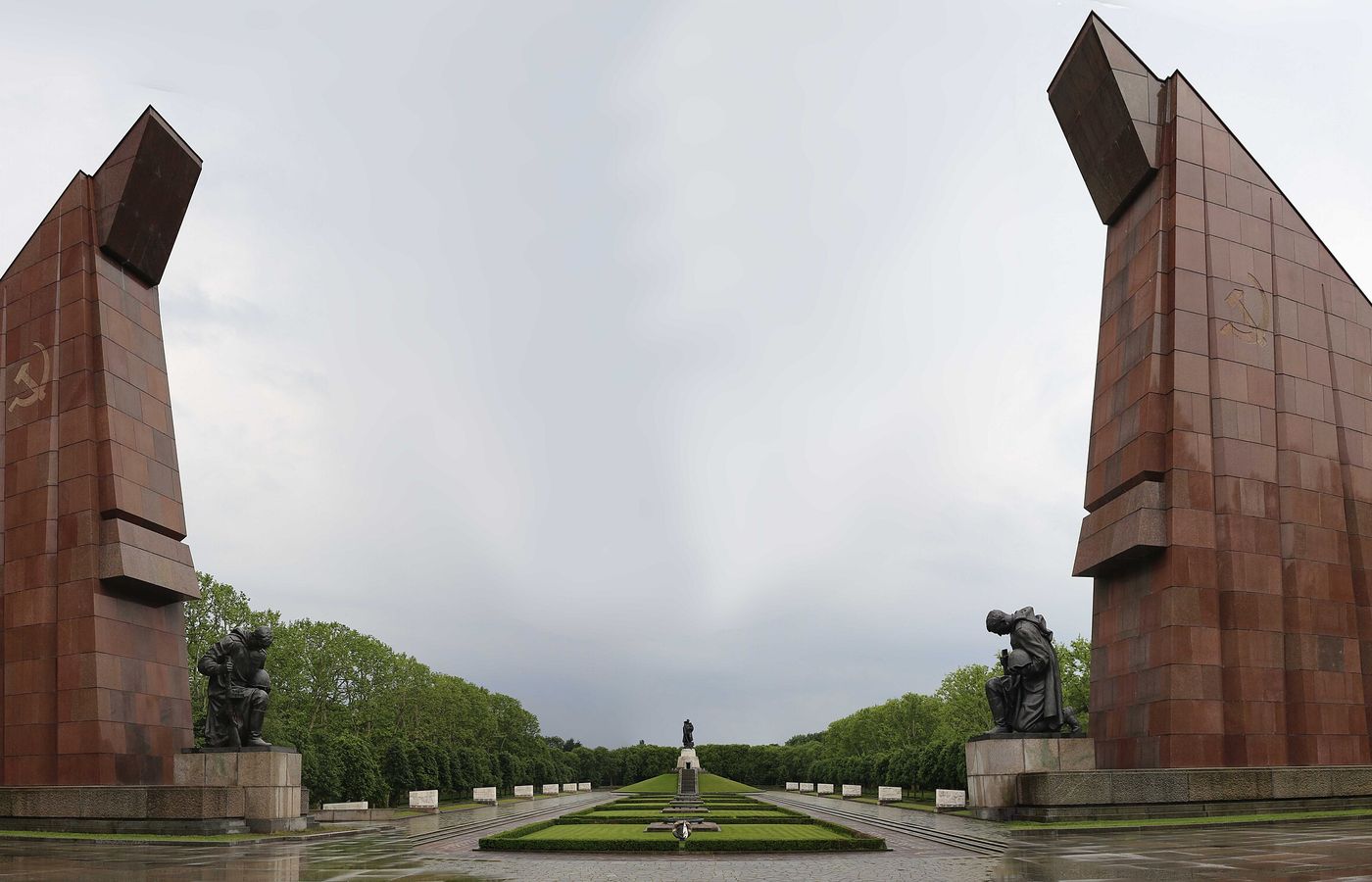
Treptower Park runs along the Spree in the southeast and holds the Soviet War Memorial, a monument on a scale that has to be seen to register: a 12-metre bronze soldier holding a child and a lowered sword standing over the graves of around 7,000 Red Army soldiers killed in the Battle of Berlin. The approach runs between two vast stone flags of red granite, reputedly taken from Hitler's Reich Chancellery.
The park around it is the other half of the visit: mature riverside woodland that turns through October, boat hire on the Spree in the warmer weeks, and the Archenhold Observatory, which holds the longest refracting telescope in the world and is where Einstein gave his first Berlin lecture on relativity in 1915. The park and the memorial are both free and open at all hours.
Pro Tip: Approach the memorial on foot from Treptower Park station through the trees rather than from the riverside. The design is built around a long axial approach and coming at it the intended way, with the scale opening up gradually, is the whole point of the thing.
9The Reichstag Dome - Free, But Book It Days Ahead
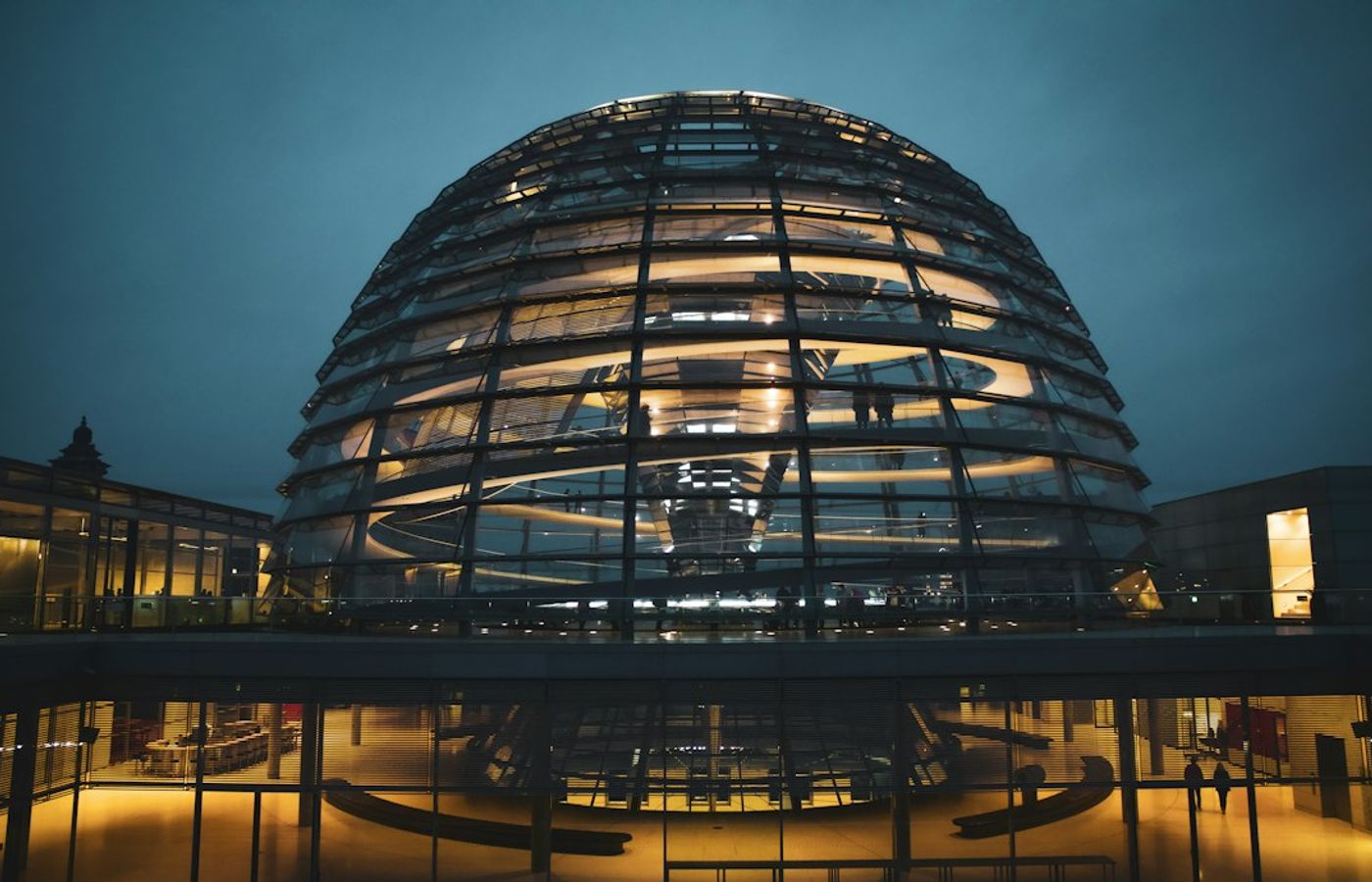
The Reichstag has housed the German parliament since 1999, and Norman Foster's glass dome above the chamber is the part open to the public. A spiral ramp winds up the inside of it to a roof terrace, with a mirrored cone at the centre reflecting daylight down into the debating chamber below. The symbolism is deliberate: visitors walk above their elected representatives and can look down on them at work.
Entry is free but requires advance online registration with passport details, and slots fill several days ahead. An audio guide starts automatically as you climb and covers the skyline and the building's history, including the 1933 fire and the Soviet soldiers' graffiti preserved inside the walls. The dome opens late, to around 10pm with last entry at 9.45pm, which in October means the city lit up below you.
Pro Tip: Register for a slot around 6.30pm in mid-October. Sunset lands while you are on the ramp, so you climb in daylight and come down over a lit city, and the evening slots are the easiest ones to get at short notice.
10Viktoriapark - A Waterfall and the Best View in Kreuzberg
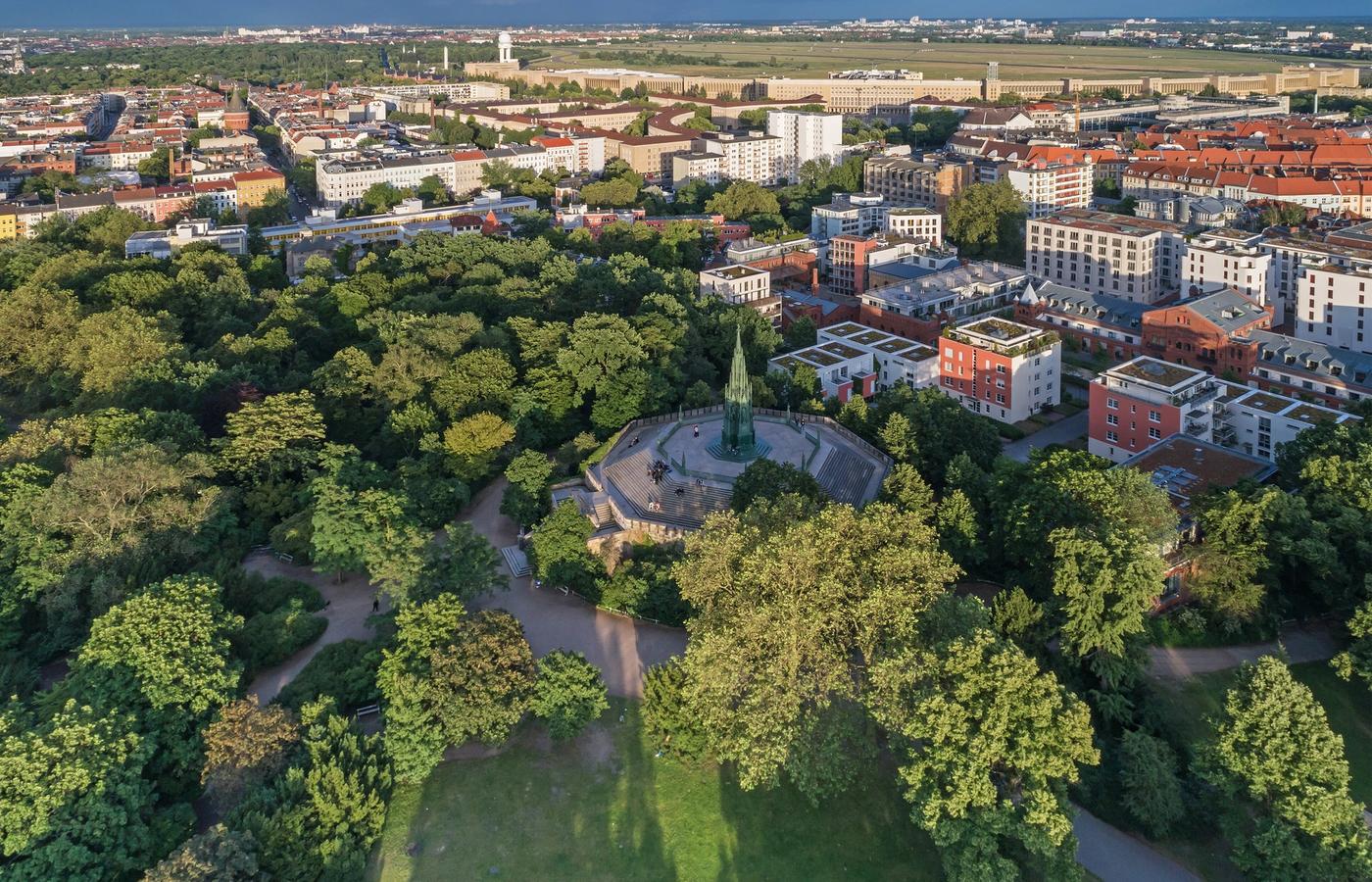
Viktoriapark climbs the Kreuzberg, the 66-metre hill that gives the district its name and the highest natural point in central Berlin. An artificial waterfall runs 24 metres down the northern face, modelled on one in the Riesengebirge and fed by pumps rather than a spring. At the top stands Schinkel's 1821 monument to the Napoleonic Wars, a neo-Gothic iron spire that was the tallest structure in Berlin when it was built.
The hill is wooded and turns properly in the second half of October, and the view north from the monument runs across the whole city to the TV Tower. There is a vineyard on the southern slope producing a small quantity of Berlin wine each year. The park is free and always open, and Bergmannstrasse with its cafes and market hall is five minutes downhill.
Pro Tip: Climb the steps beside the waterfall rather than taking the gentle path round the back. The waterfall usually runs from spring until around early October, so an early-month visit catches it, and the stepped route brings you out at the monument facing the view.
11Sanssouci and Potsdam - Vineyard Terraces in Full Colour
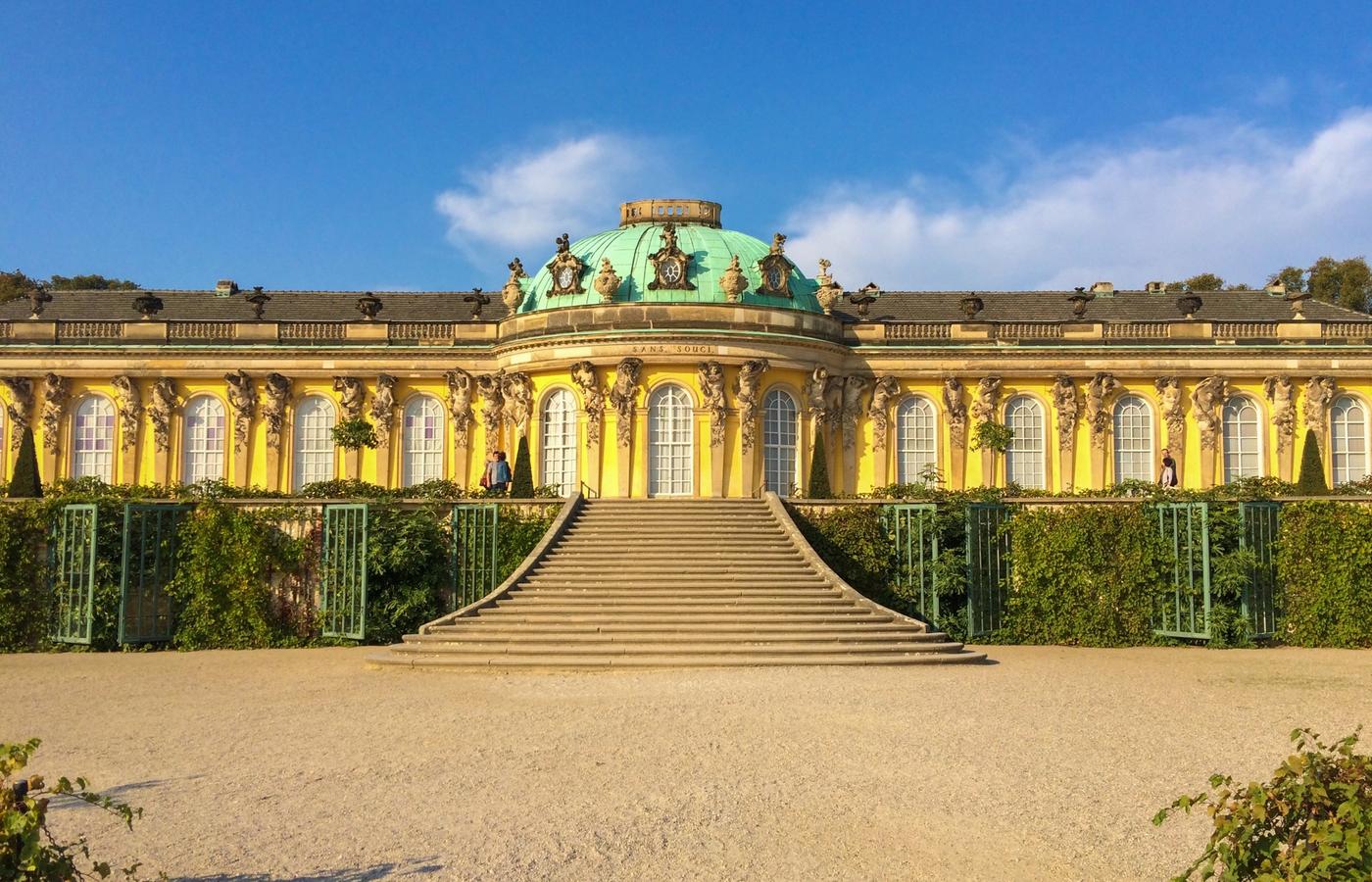
Sanssouci was Frederick the Great's summer palace, built in the 1740s on a hillside of six terraced vineyard steps outside Potsdam, and the whole park with its palaces is a UNESCO World Heritage Site. The palace itself is deliberately small, a single-storey rococo building of twelve rooms, because Frederick wanted somewhere to escape the court rather than impress it. The park runs to 300 hectares and holds the much grander New Palace at the far end.
October is the right month for the park rather than the interiors. The terraced vines turn yellow, the avenues of lime and chestnut along the main axis go gold, and the crowds that make the terraces unpleasant in summer have gone. Palace entry is timed and the park is free. The S7 from central Berlin reaches Potsdam in about 40 minutes and needs an ABC zone ticket.
Pro Tip: Walk the two-kilometre main avenue from Sanssouci to the New Palace rather than taking the shuttle bus. Almost nobody does it, the avenue in autumn colour is the best thing in the park, and the New Palace at the far end is nearly empty by mid-afternoon.
Get hotel deals for Berlin
Price drops, new stays and local tips for Berlin, straight to your inbox.
No spam, unsubscribe anytime.

CEO and co-founder
Tomas is the co-founder and director of trip1, an European company specializing in reservation services. He launched the company in 2025 with a focus on building scalable, efficient operations.
Berlin in October: Weather, Parks and Festivals - FAQ
Yes. The parks turn copper and gold, the Festival of Lights projects art onto the Brandenburg Gate for ten nights, and the beer gardens stay open until the weather breaks. Museum Island loses its summer queues and covers the wet days. The catches are cooler weather, highs falling from about 15C to 10C, and sunset before 5pm in the last week.
Two dates shape the month. German Unity Day on Saturday 3 October 2026 brings a public festival around the Brandenburg Gate and Strasse des 17. Juni, with shops closed and road closures in the centre. The Festival of Lights follows from 9 to 18 October, and the beer gardens run their last weeks of the season.
No. Berlin is huge and distances are the real constraint, so about four sights a day is realistic. Three days covers Mitte with the Reichstag dome, Museum Island and the Wall Memorial, then Tempelhofer Feld, Viktoriapark and Treptower Park, then the Tiergarten and a beer garden. Add a fourth day for Sanssouci in Potsdam, 40 minutes away on the S7.
Cool and fairly dry. Daytime highs are near 15C in the first week and fall to about 10C by the end of the month, with nights dropping from roughly 8C to 4C. Rainfall is modest at around 35 to 40 mm. Clocks go back on Sunday 25 October 2026, putting sunset before 5pm, so bring a warm coat for the evenings.
From Friday 9 to Sunday 18 October 2026, the 22nd edition, under the motto Colours of Love. Light art runs nightly from 7pm to 11pm on landmarks such as the Brandenburg Gate, Berlin Cathedral and the TV Tower, and the festival itself is free. Separately ticketed Festival of Lights in Concert shows run inside Berlin Cathedral from 13 to 17 October.
Yes, for most of the month. Berlin's beer gardens run on weather rather than dates and most close between mid-October and early November, so an early-month visit is the safer bet. Prater Garten on Kastanienallee, open since 1837, Schleusenkrug and Cafe am Neuen See are the central ones. Go in the afternoon, since the gardens are unheated and evenings get cold.