
Guides · Rome
Rome in October: Weather, Crowds and Italian Cuisine

CEO and co-founder
Rome in October is the city at its most comfortable. The heat that makes August sightseeing a test of endurance has gone, the Jubilee crowds of 2025 are behind it, and Roman kitchens switch to porcini, chestnuts and the first new-season wine from the Castelli Romani. This guide covers 10 places and events worth planning around in 2026, from the Colosseum and the Vatican Museums to the Testaccio market, the Appia Antica and the Festa del Cinema, each with the exact address, the nearest metro, tram or bus, and a Pro Tip that assumes a shower or two is part of the trip.
On Rome weather in October: daytime highs run about 24°C in the first week and fall to around 19°C by the end of the month, with overnight lows dropping from about 15°C to 11°C. October is one of Rome's wetter months, with roughly 100 mm of rain across 8 to 10 days, often in short, heavy downpours followed by clear skies. Clocks go back on Sunday 25 October 2026, when sunset moves from about 18:20 to about 17:20 and the Colosseum starts closing at 16:30 instead of 18:30.
Two free days anchor the Rome Italy in October calendar: Sunday 4 October, when state museums including the Colosseum, the Pantheon and the Galleria Borghese are free with booking, and Sunday 25 October, the Vatican Museums' free last Sunday. The same first weekend brings the grape festival in Marino, and the Festa del Cinema runs from 13 to 25 October. The list starts with ancient Rome, moves through the Vatican and the centro storico to food and neighbourhoods, and ends outside the walls.
1The Colosseum and Roman Forum - Cooler Days and Earlier Closing
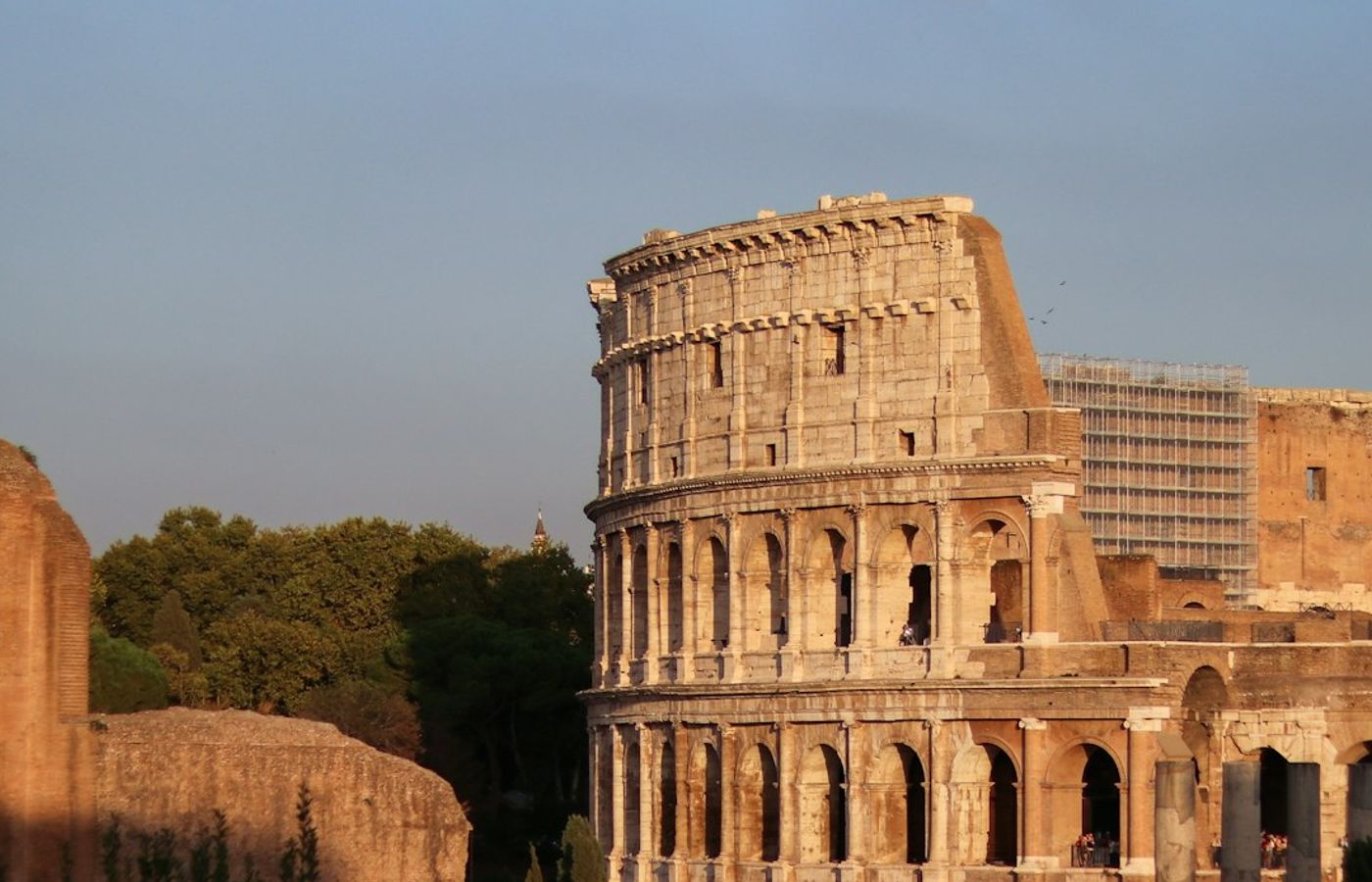

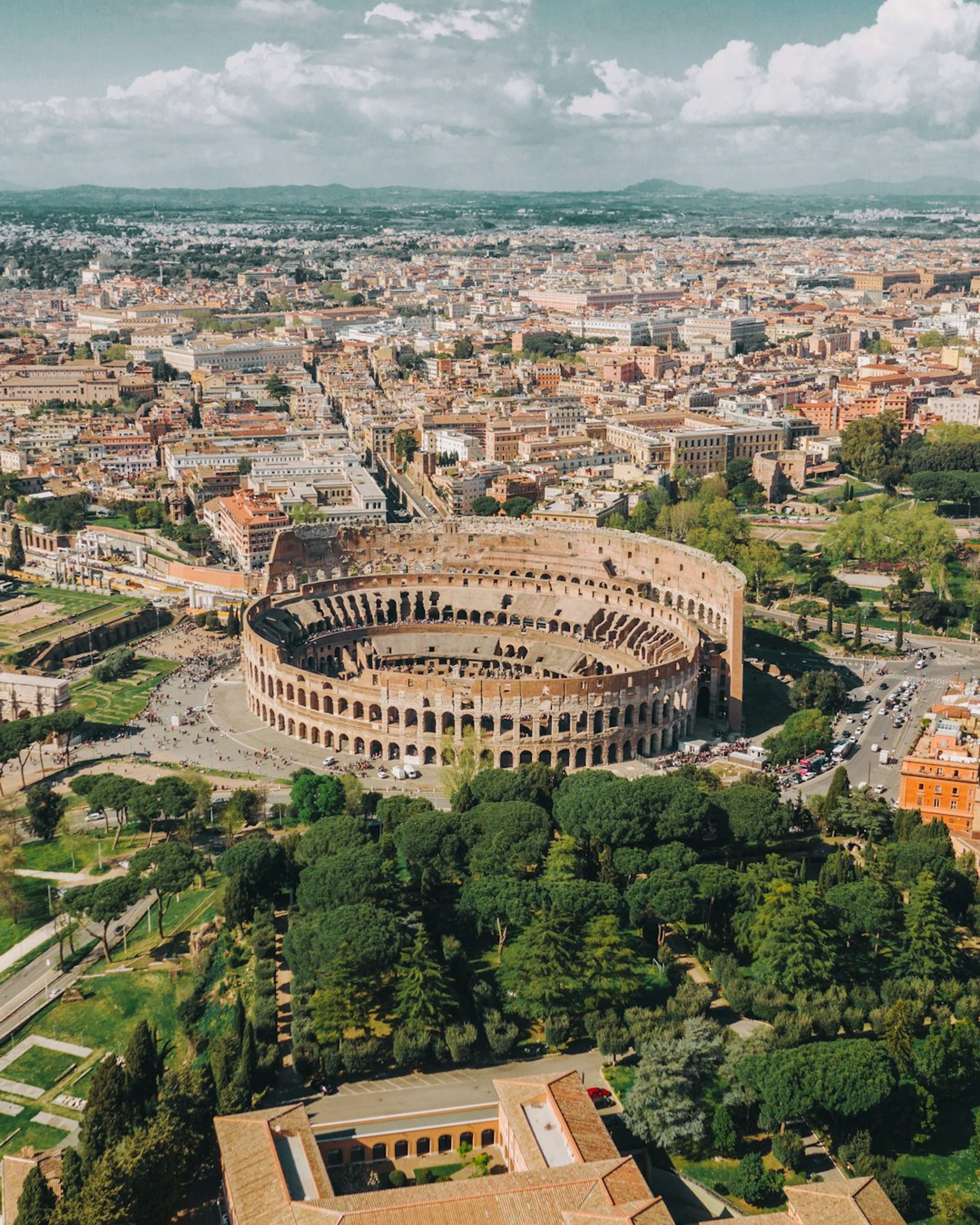
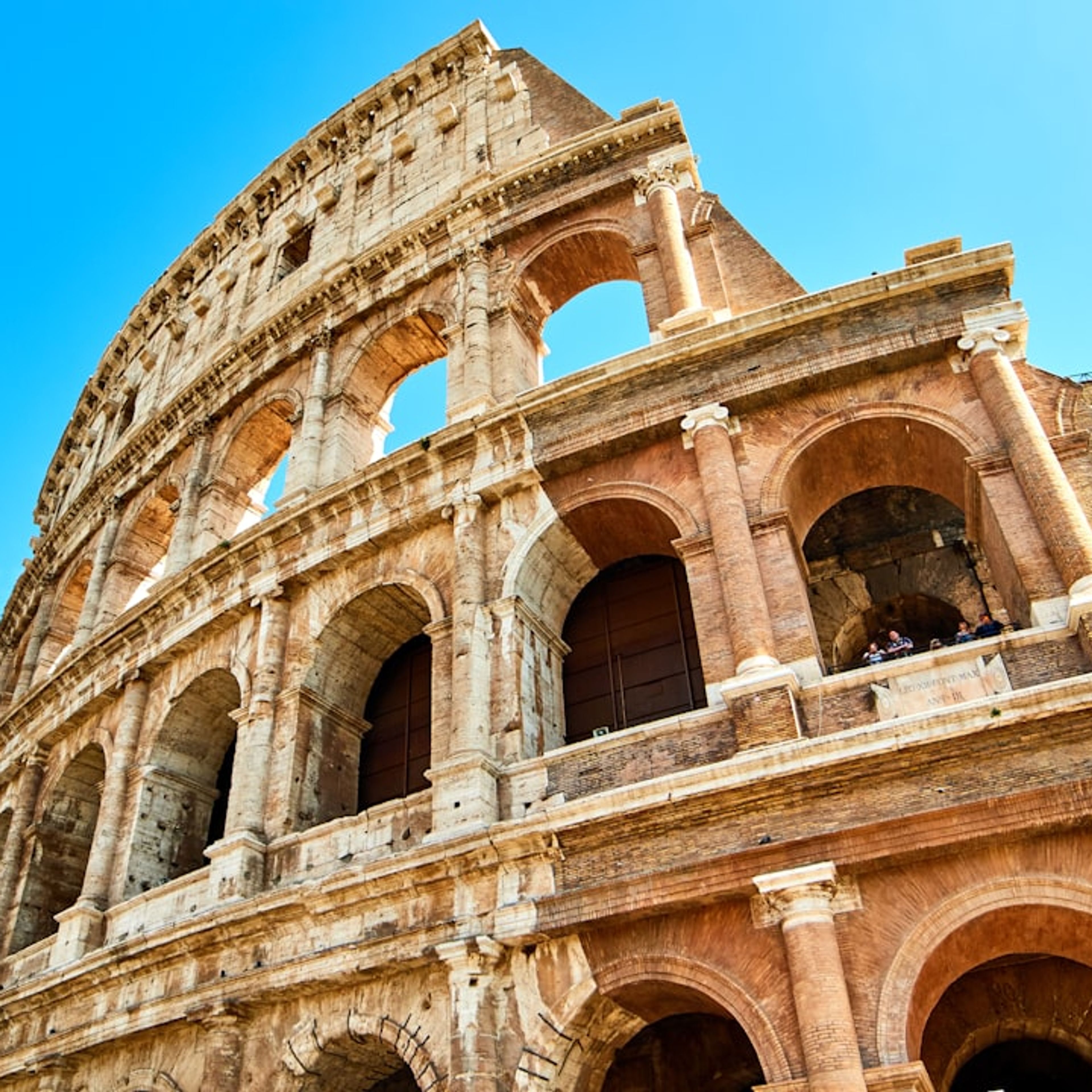
The Colosseum was inaugurated in 80 AD under Emperor Titus and held around 50,000 spectators for gladiator fights and animal hunts. It is the most visited monument in Italy, and in October the difference is mostly about temperature: walking the Roman Forum and the Palatine Hill in 24°C rather than 35°C turns a gruelling three hours into a pleasant half day. The standard 24-hour ticket costs €18 and covers one entry to the Colosseum plus the Roman Forum and Palatine.
Opening hours change twice this month. From 1 to 24 October 2026 the archaeological park closes at 18:30, with last entry at 17:30. From Sunday 25 October, when the clocks go back, it closes at 16:30 with last entry at 15:30, so late-afternoon plans need moving forward. The Colosseum opens at 08:30, the Forum and Palatine at 09:00.
Sunday 4 October is a free first Sunday under the national Domenica al Museo scheme, but the Colosseum still requires an online booking on the official ticketing site, and those free slots go quickly. Since December 2025 the new Metro C station beside the monument has its own small museum of finds from the excavations.
Pro Tip: Enter the Forum from the Via Sacra side at 09:00, walk up the Palatine first, and do the Colosseum interior last on a timed slot around 11:30, when the first wave of tour groups is leaving. After 25 October, book a morning slot only.
2Vatican Museums and St Peter's - The Free Last Sunday on 25 October
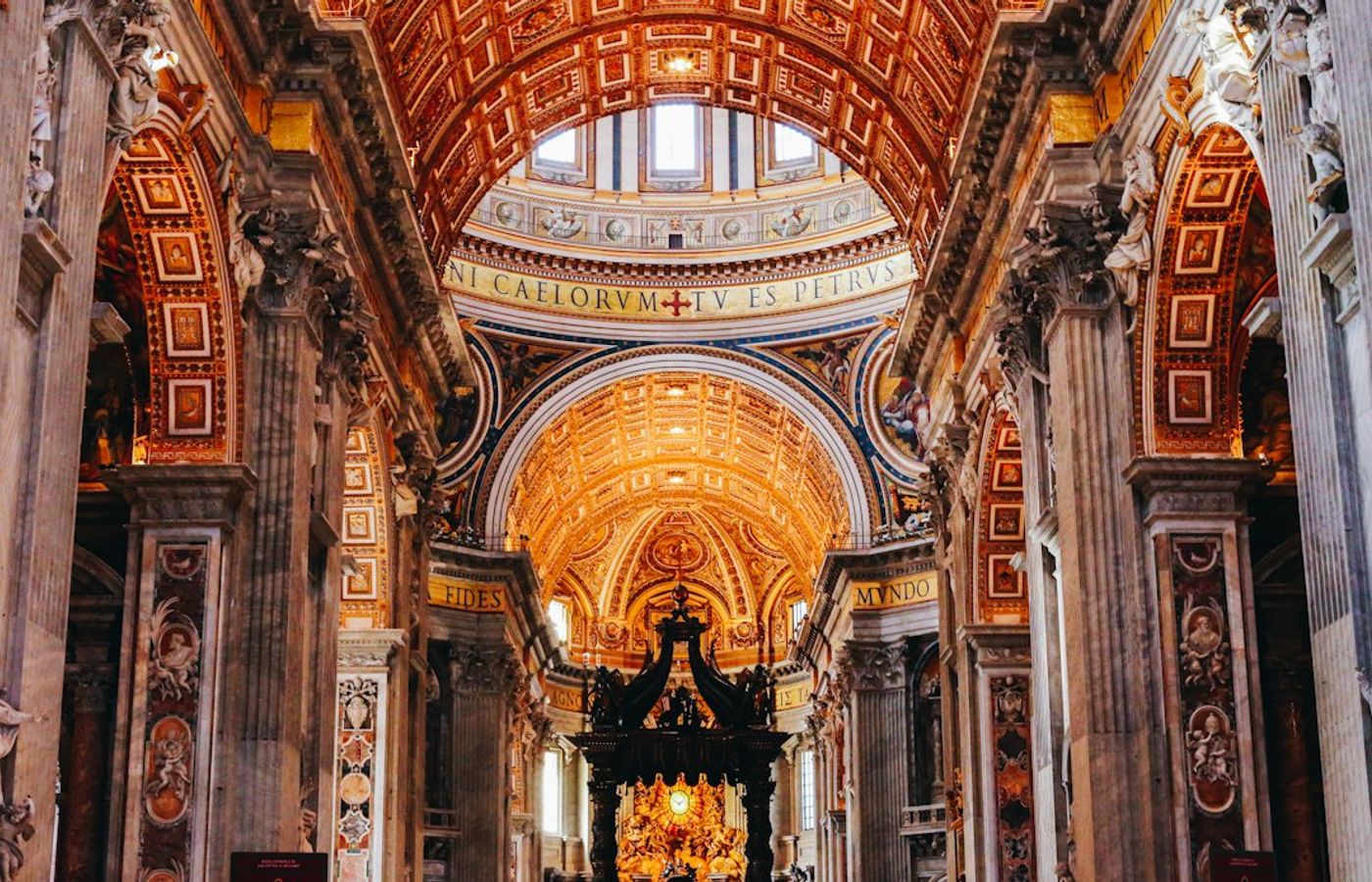

The Vatican Museums hold one of the largest art collections in the world, and the route ends in the Sistine Chapel, with Michelangelo's ceiling and his Last Judgment on the altar wall. About 7 million people visit each year. October is one of the better-balanced months: busier than winter, far calmer than June to August, and without the Jubilee pilgrim numbers that filled Vatican City through 2025.
A full ticket costs €20, or €25 booked online through the official site, which is worth paying to skip the ticket queue. The museums are free on the last Sunday of the month, which falls on 25 October 2026, from 09:00 to 14:00 with last entry at 12:30. Free entry is walk-in only, first come, first served, and the queue along Viale Vaticano starts before dawn, so it suits patient travellers rather than anyone short on time. On other Sundays the museums are closed.
St Peter's Basilica is free to enter through its own security line in St Peter's Square, a 15-minute walk from the museum exit. The dome climb keeps summer hours until 25 October.
Pro Tip: Book the first entry slot at 08:00 on a Tuesday or Wednesday and walk straight to the Sistine Chapel before the tour groups arrive, then go back for the Raphael Rooms and the Gallery of Maps. Dress with shoulders and knees covered, or you may be turned away.

3The Pantheon - Rain Through the Oculus
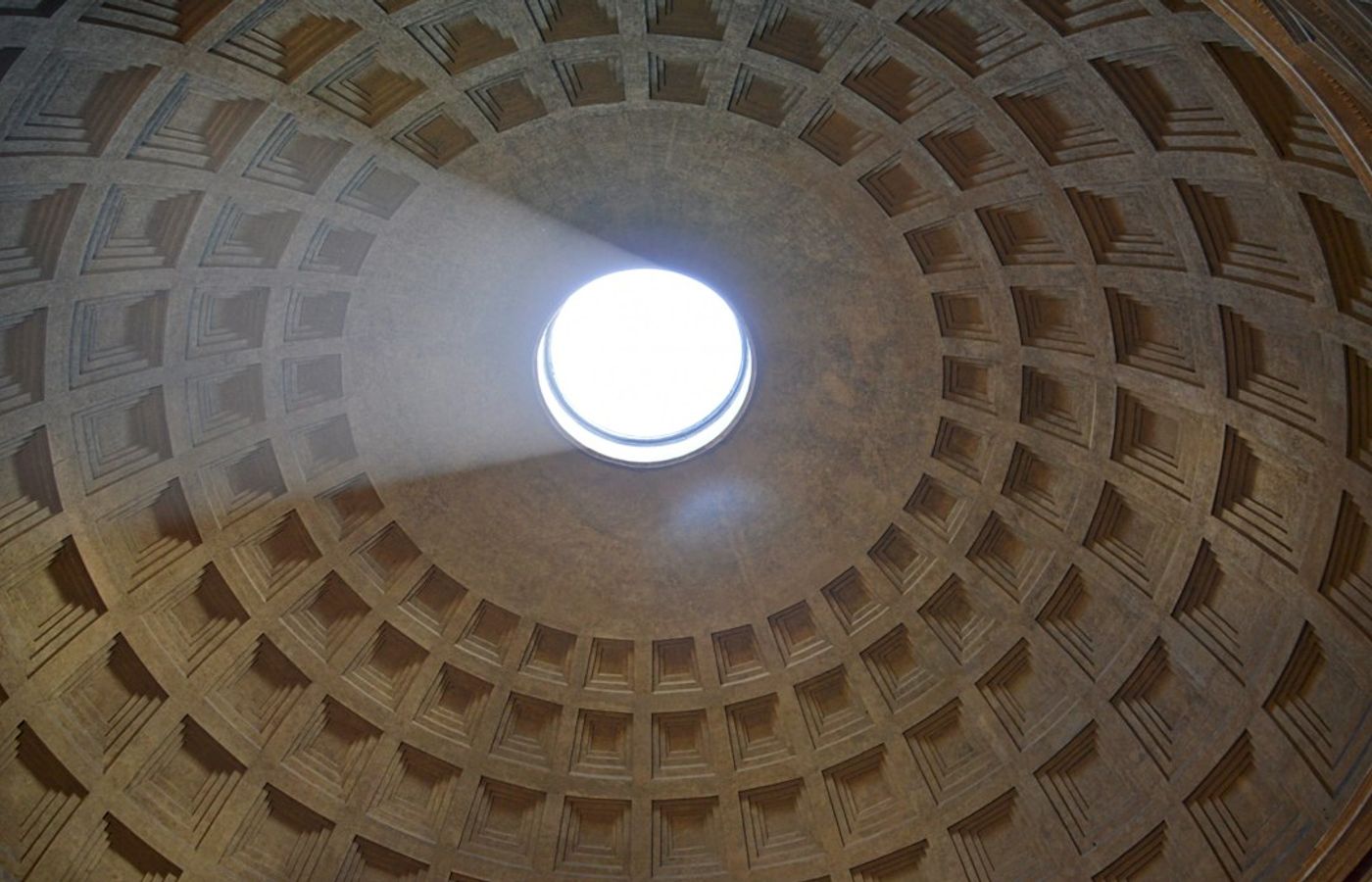

The Pantheon, rebuilt under Emperor Hadrian around 125 AD, still has the largest unreinforced concrete dome in the world, 43.3 metres across, with a 9-metre oculus open to the sky at the top. It has been a church since 609, which is the main reason it survived intact, and it holds the tombs of Raphael and the first two kings of Italy. Entry costs €5, and it is included in the free first Sunday on 4 October.
October gives the Pantheon its best trick. When one of Rome's autumn downpours passes over, rain falls straight through the oculus in a column and drains away through small holes in the marble floor. The building is also a good shelter from a shower, and the ticketed entry introduced in 2023 keeps numbers inside more manageable than the crowd in Piazza della Rotonda suggests.
The streets around it are the densest part of the centro storico. Piazza Navona is a 5-minute walk west, Sant'Ignazio with its painted false dome is 3 minutes east, and the Tazza d'Oro and Sant'Eustachio coffee bars sit on either side.
Pro Tip: Check the rain radar and head for the Pantheon when a shower is due, since the column of rain through the oculus lasts only minutes. Otherwise go at opening at 09:00 or in the last hour before closing, when the queue for tickets is shortest.
4Mercato di Testaccio - Porcini, Chestnuts and Roman Street Food
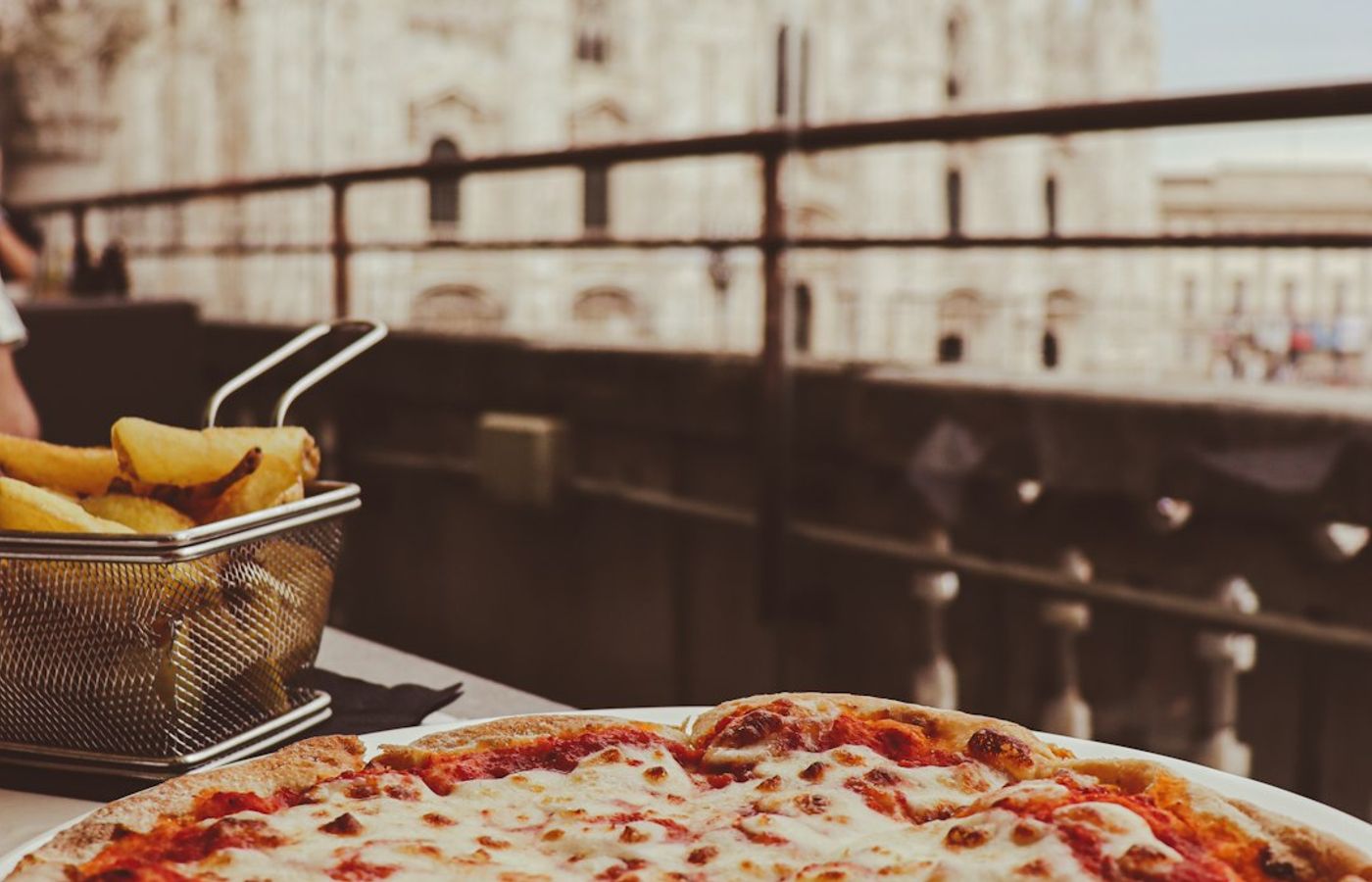
Testaccio grew up around Rome's old slaughterhouse, and its cooking still leans on the offal cuts that workers were once paid with: coda alla vaccinara, tripe and rigatoni con la pajata. The covered Mercato di Testaccio, opened in its current modern building in 2012, is where to taste that tradition alongside the produce Romans actually shop for. It trades Monday to Saturday from early morning to mid-afternoon and is closed on Sundays.
Autumn is when the stalls look their best. Porcini mushrooms arrive from the Lazio hills in October, alongside chestnuts, squash, figs and Castelli Romani grapes, and the first new-season olive oil appears towards the end of the month. Romanesco artichokes and puntarelle, the chicory shoots dressed with anchovy and garlic, start to turn up as October ends and take over in November. Between the produce sit street-food counters selling supplì, trapizzini and sandwiches of slow-cooked beef.
The market works well as an early lunch before walking to the Protestant Cemetery and the Pyramid of Cestius, both about 10 minutes away.
Pro Tip: Arrive around 11:30 on a weekday, buy a trapizzino or a panino at one of the hot-food counters, and eat at the central tables before the lunchtime queue forms at 13:00. Ask stallholders which porcini came in that morning; the best ones sell out early.
5Trastevere and the Gianicolo - Autumn Trattorias and a Sunset Terrace
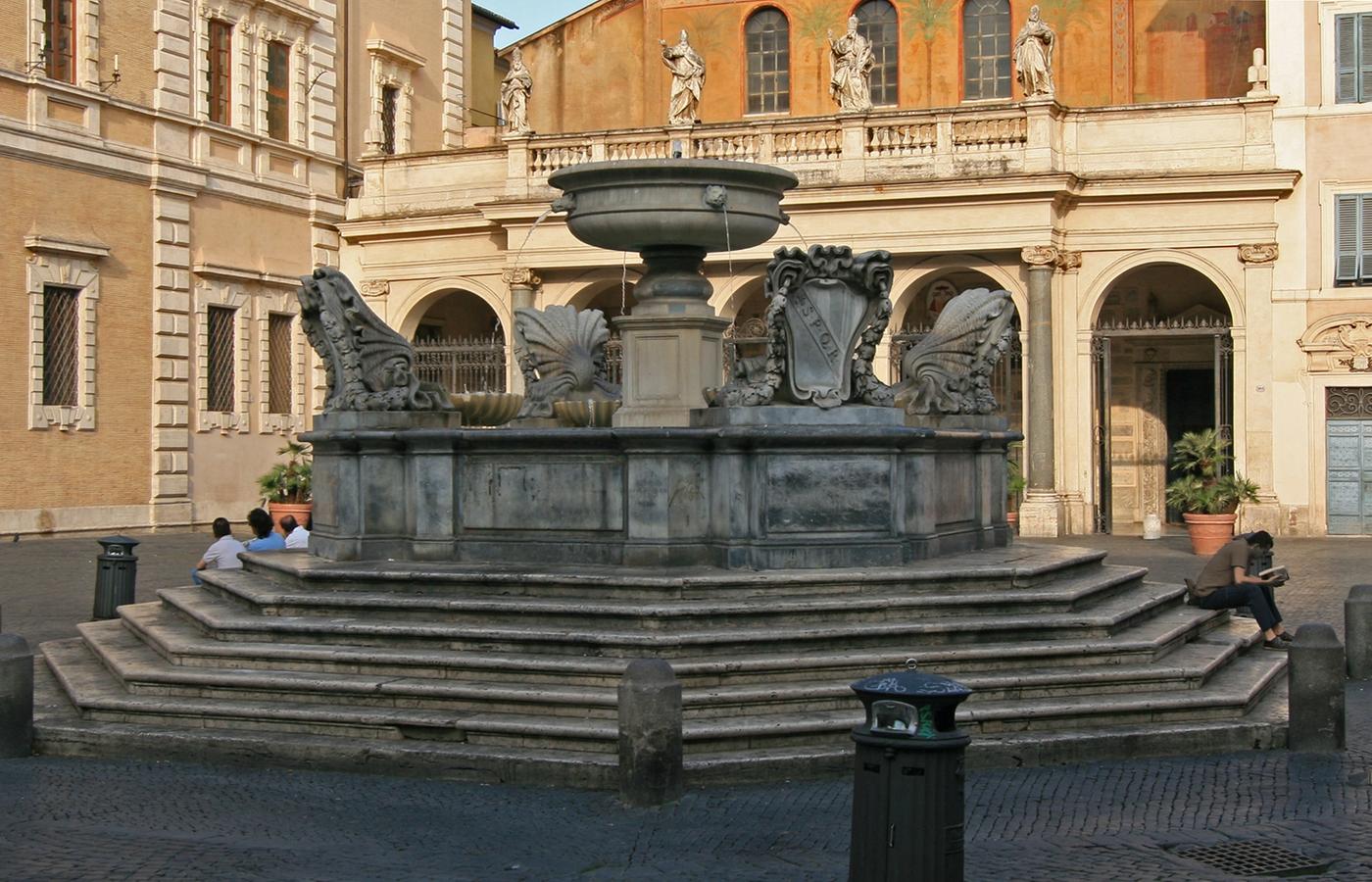
Trastevere, the medieval quarter on the west bank of the Tiber, is where most visitors eat dinner at least once, and October is the month its trattorias shift to autumn menus: fettuccine with porcini, artichokes as soon as they arrive, and the classic Roman pastas cacio e pepe, amatriciana and carbonara. The Basilica of Santa Maria in Trastevere, one of the oldest churches in Rome, has 12th-century apse mosaics that glow when lit in the evening.
Above the neighbourhood rises the Gianicolo, the ridge that gives the best free view over central Rome's domes. From Piazzale Giuseppe Garibaldi at the top you can pick out St Peter's, the Pantheon and the Altare della Patria. A cannon has fired from below the terrace every day at noon since 1847 to set the city's clocks, and it still does.
The walk up from Trastevere takes about 20 minutes via Via Garibaldi and the Fontana dell'Acqua Paola. In October sunset falls around 18:50 at the start of the month and about 17:20 after the clocks change on 25 October.
Pro Tip: Walk up to the Gianicolo about 45 minutes before sunset, then come down through the steps to Trastevere and eat on the quieter streets south of Viale di Trastevere. Book ahead on Fridays and Saturdays, when the tables around Piazza di Santa Maria fill by 20:30.
6Villa Borghese and the Galleria Borghese - Bernini and Autumn Colour
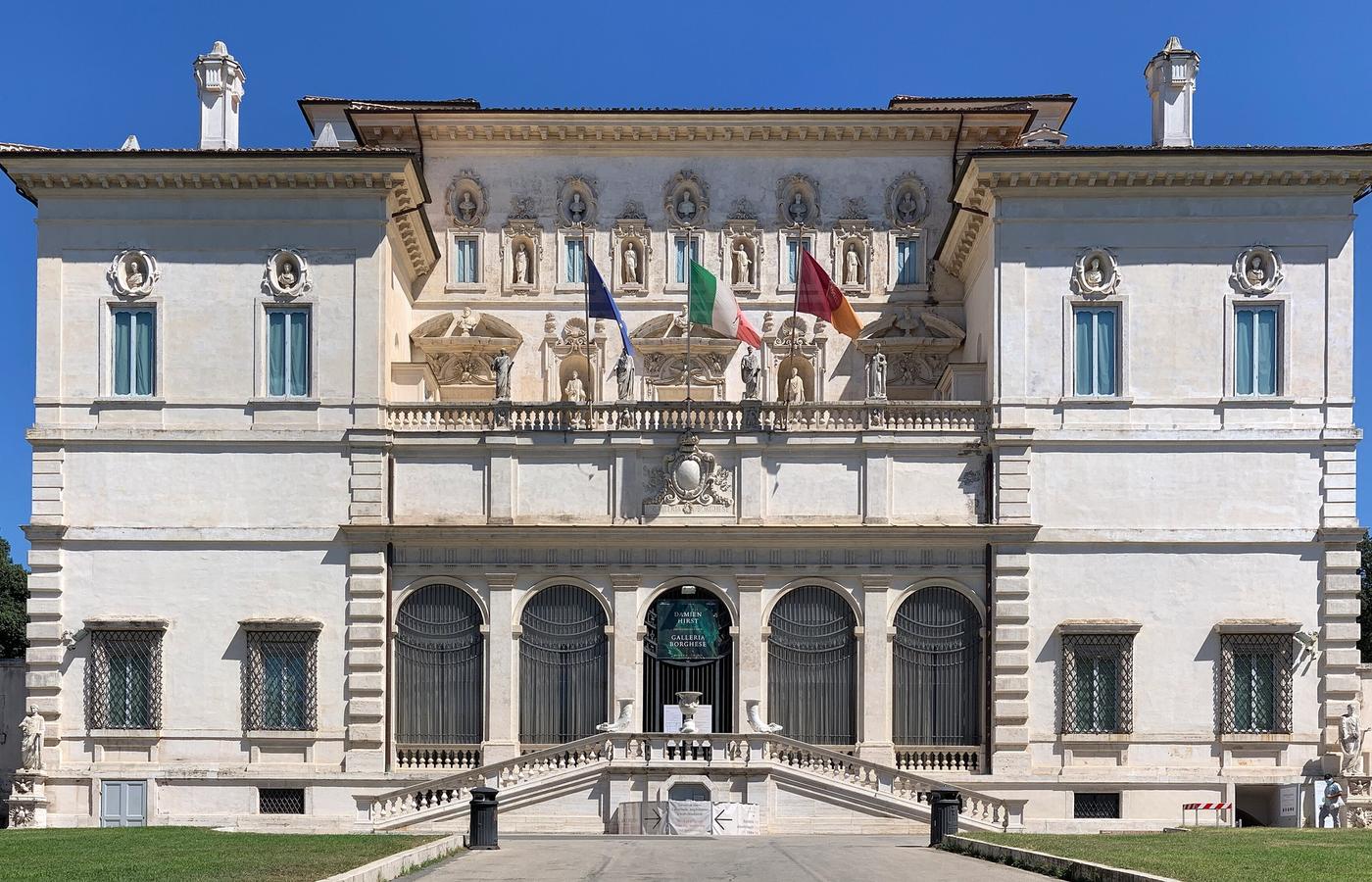
Villa Borghese is Rome's central park, laid out for Cardinal Scipione Borghese in the early 1600s, and in late October its plane trees, oaks and horse chestnuts start to turn. The Galleria Borghese inside the park holds the cardinal's collection, including Bernini's Apollo and Daphne and The Rape of Proserpina, six paintings by Caravaggio, and Canova's reclining Paolina Borghese. It is small enough to see properly in the two hours each timed slot allows.
Booking is compulsory, and slots sell out days ahead even in October. The gallery is closed on Mondays. It is part of the free first Sunday on 4 October, but the free tickets must still be reserved in advance, and they go first.
After the gallery, walk west across the park to the Pincio terrace above Piazza del Popolo, one of Rome's classic sunset viewpoints. Rowing boats are for hire on the small lake by the Temple of Aesculapius, and bike and electric cart hire is available near the park entrances when the weather is dry.
Pro Tip: Book the 09:00 slot at the Galleria Borghese, see the sculpture on the ground floor first while it is quieter, then spend the rest of the morning walking through the park to the Pincio. Leave bags at home, since everything bigger than a small handbag must be checked in.
7Appia Antica - Cycling the Queen of Roads in Mild Weather
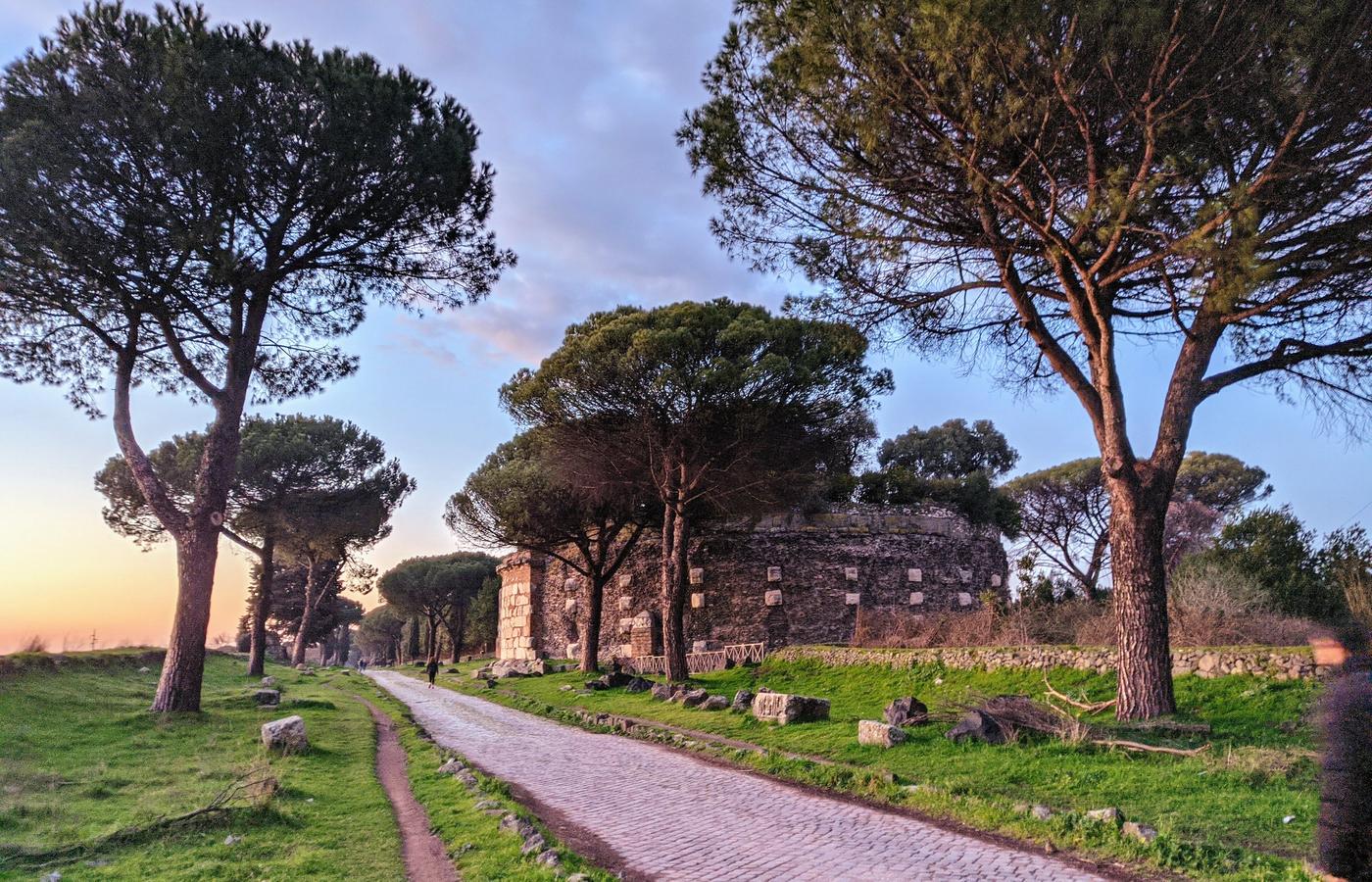
The Via Appia Antica, begun in 312 BC, was the main road from Rome to southern Italy, and its first stretch outside the city walls is now protected as the Parco Regionale dell'Appia Antica. The original basalt paving is still visible in long sections, lined by umbrella pines, cypresses and ruined tombs, including the round Tomb of Caecilia Metella. The catacombs of San Callisto and San Sebastiano lie just off the road and are open for guided visits.
This is an entry that depends on the weather, and October usually delivers. Summer is too hot for the exposed road, winter too muddy, but mild October days are ideal for cycling or walking the 5 km or so to the Tomb of Caecilia Metella and beyond. Bikes, including electric ones, can be hired at the visitor point near the start of the road. On Sundays much of the old road is closed to private cars, which makes it the most relaxed day to ride.
The ancient paving is uneven and hard on thin tyres and ankles, so choose a hybrid or e-bike and sturdy shoes.
Pro Tip: Go on Sunday morning when the road is traffic-free, hire an e-bike at the visitor point by 10:00, ride out past Caecilia Metella, and stop for lunch at one of the trattorias near the catacombs. Skip it on a rainy day, when the basalt stones turn slick.
8Festa del Cinema di Roma - Red Carpets at the Auditorium
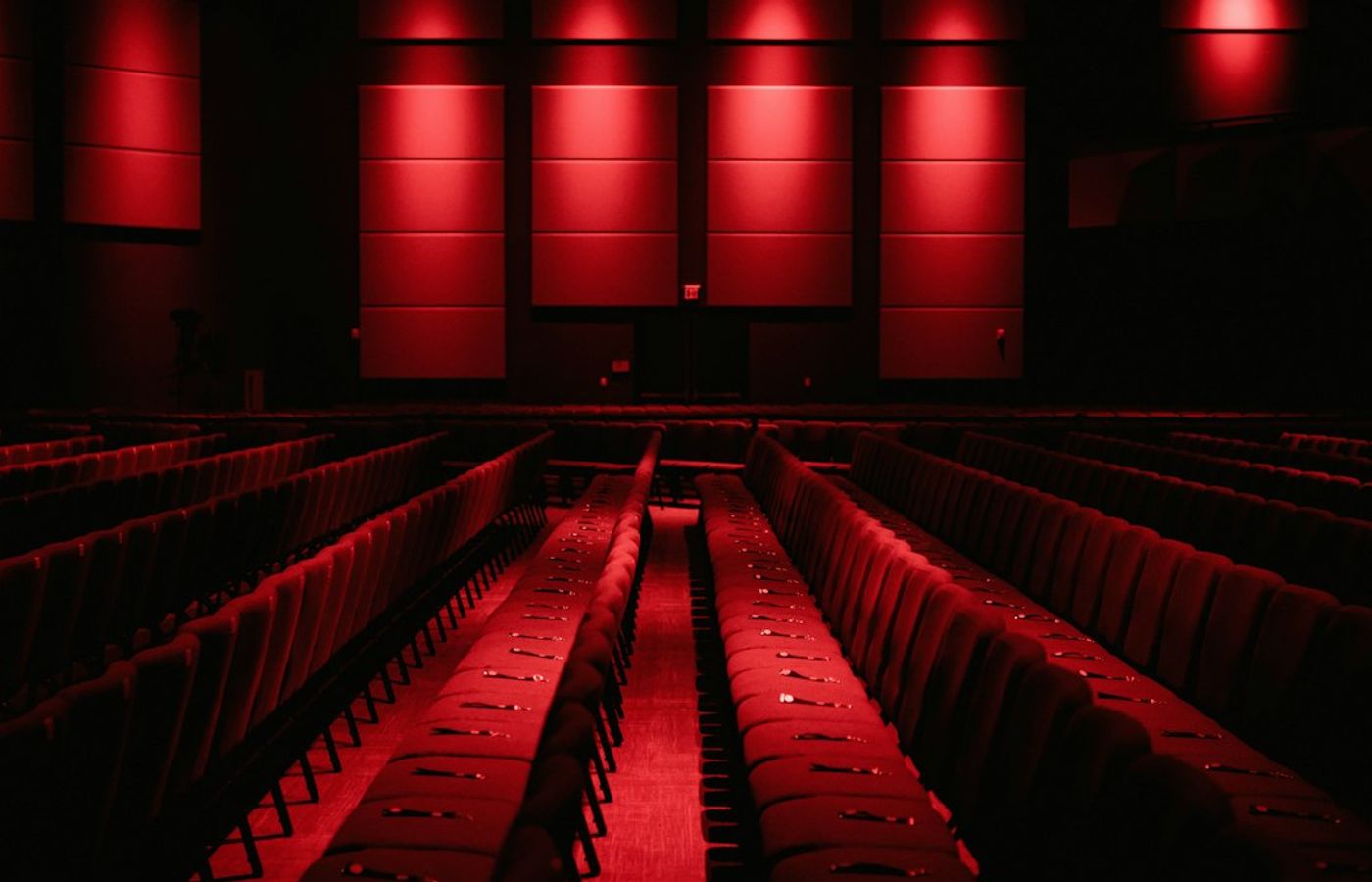
The Festa del Cinema di Roma is the city's international film festival, and its 21st edition runs from 13 to 25 October 2026 at the Auditorium Parco della Musica Ennio Morricone, the three-hall concert complex designed by Renzo Piano. The 2026 official image pays tribute to the actress Monica Vitti, and the festival opens with Paolo Genovese's Il rumore delle cose nuove. Past editions have premiered films that went on to win Oscars, Golden Globes and European Film Awards.
Unlike Venice or Cannes, the Rome festival is built for the public as much as the industry. The programme runs across a competition section, Progressive Cinema, and non-competitive strands including Grand Public, Freestyle, Best of 2026 and restored classics in Storia del Cinema. Tickets for public screenings go on sale through the official site before the festival, and evening red-carpet arrivals outside the Auditorium draw crowds even without a ticket.
For anyone spending Rome in fall with a wet evening to fill, a screening at the Auditorium is an easy plan, and many international films are shown in their original language with Italian and English subtitles.
Pro Tip: Check the programme as soon as it is published and book weekday afternoon screenings, which are cheaper and less likely to sell out than the red-carpet premieres. Arrive by 19:00 on premiere nights if you want a spot along the carpet barriers.
9Marino and the Castelli Romani - The Fountain That Pours Wine
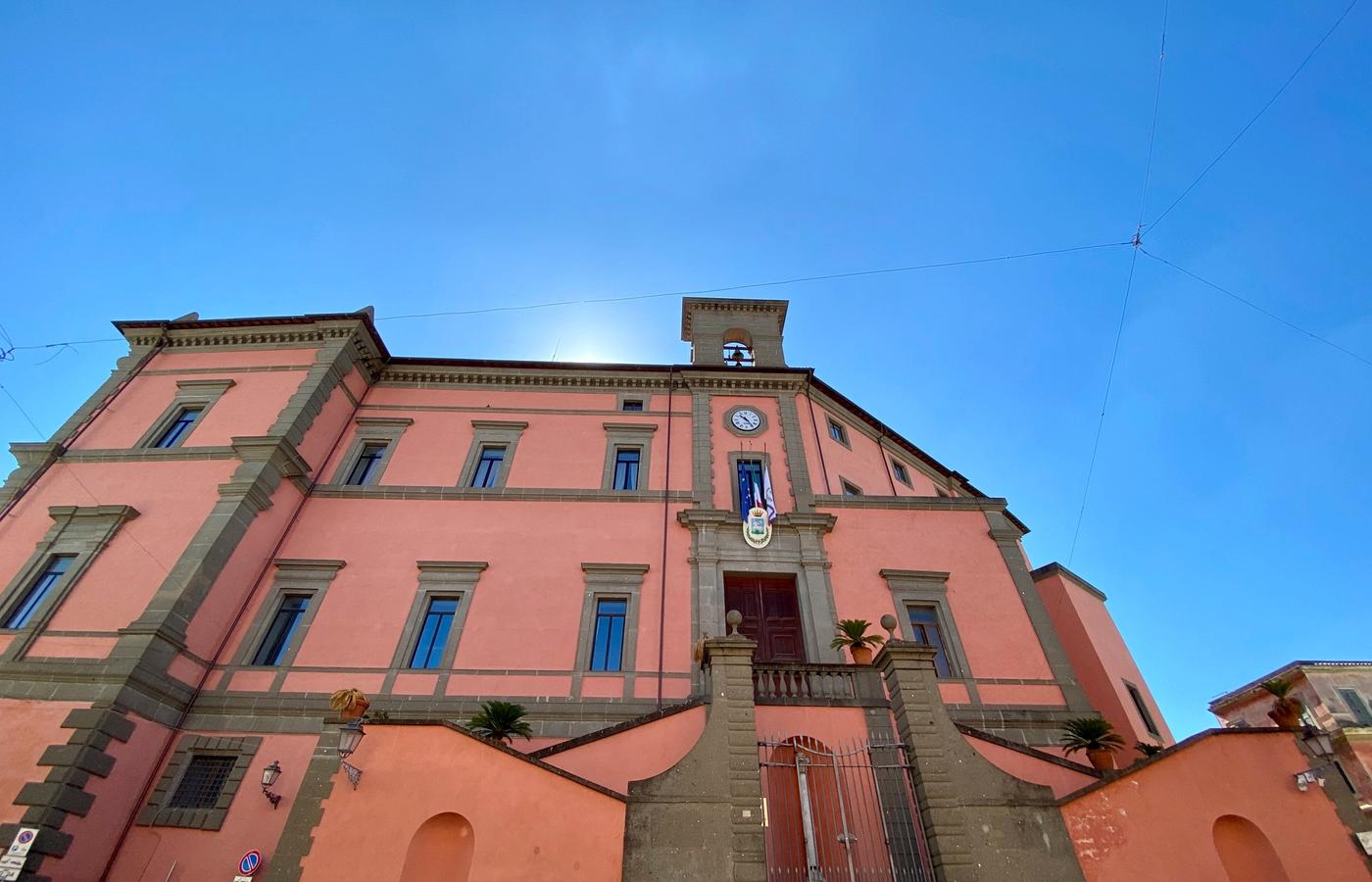
The Castelli Romani are the hill towns south-east of Rome around Lake Albano, where Romans have gone for wine and long lunches since antiquity. Marino is famous for its white wine and for the Sagra dell'Uva, held every year on the first Sunday of October since 1925, which in 2026 falls on 4 October. On festival Sunday the Fontana dei Quattro Mori in Piazza Lepanto is connected to wine instead of water, and visitors fill glasses straight from the fountain.
The festival also brings a costumed historical procession commemorating the Battle of Lepanto of 1571, bands, wine stalls and cellars opening their doors, and it spills across the whole weekend. Expect heavy crowds and tight trains on the Sunday afternoon itself.
On any other October day the Castelli make a good slow day trip. Castel Gandolfo sits on the rim of Lake Albano a short bus ride away, and Ariccia, known for porchetta, is where Romans eat at the fraschette, simple taverns serving local wine with cured meats, cheese and bread.
Pro Tip: Take a morning FL4 train on 4 October, arrive before noon, and be back at Marino Laziale station by 17:00 before the rush for the last crowded trains. Carry cash for the smaller wine stalls, and bring your own glass or buy one at the first stand.
10Ostia Antica - Rome's Ancient Port Without the Heat
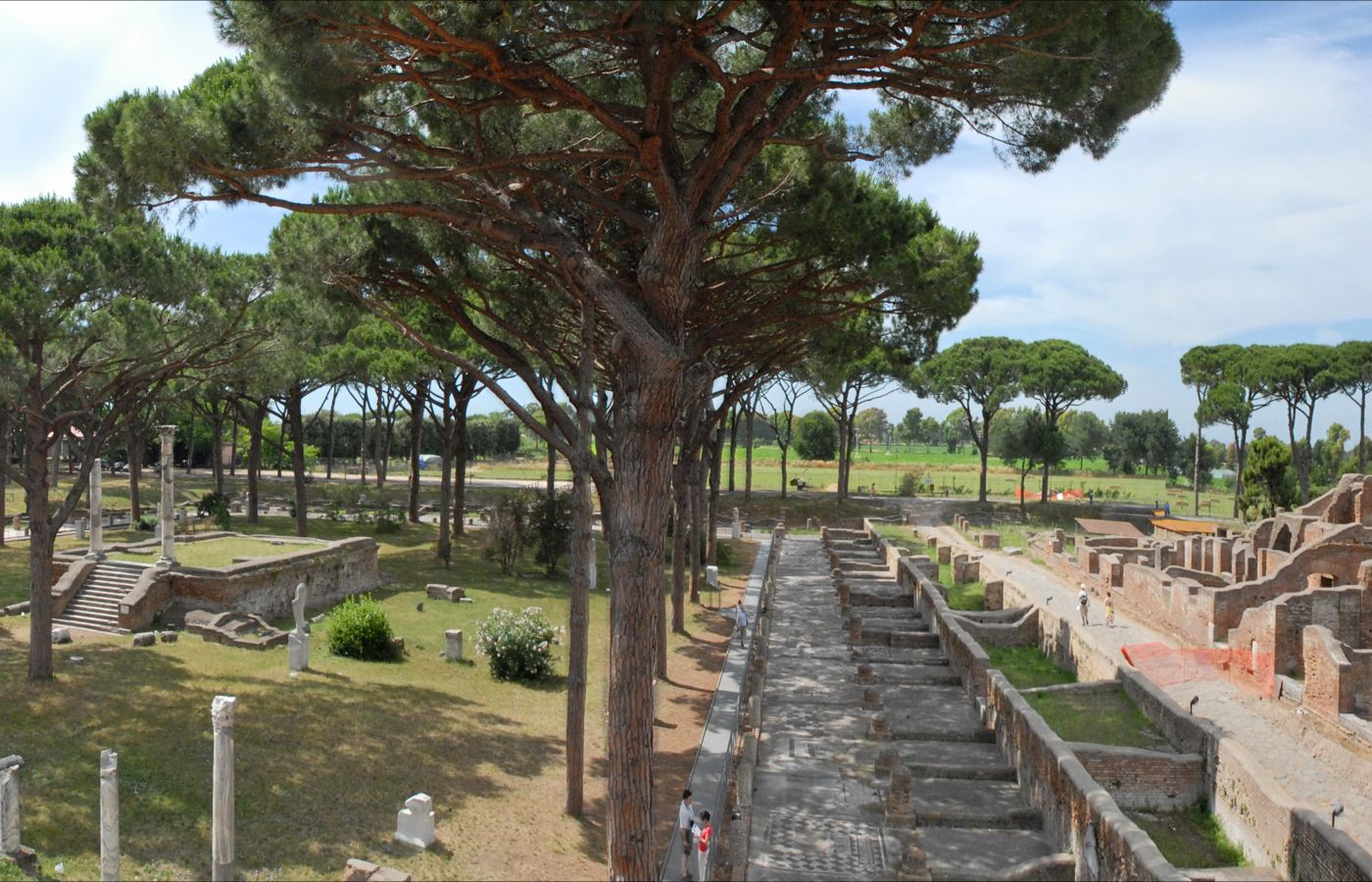
Ostia Antica was the harbour city of ancient Rome, home to about 50,000 people at its peak, and its ruins are often compared to Pompeii for how complete the streets remain, without Pompeii's crowds or its three-hour journey. You can walk the Decumanus Maximus past apartment blocks several storeys high, bakeries, a theatre that still hosts summer performances, public latrines and the Piazzale delle Corporazioni, where black-and-white floor mosaics advertise the shipping guilds of the ancient Mediterranean.
The site is large and exposed, with almost no shade, which makes it hard work in summer and ideal in October. Allow at least three hours, wear comfortable shoes for the uneven paving, and bring water, since facilities inside are limited. The site is closed on Mondays and is part of the free first Sunday on 4 October.
The Roma-Lido line runs every 15 to 20 minutes and uses a standard Rome transport ticket. Stay on a few stops longer and it reaches the beaches of Lido di Ostia, which are quiet by October but pleasant for a seafront walk and a fish lunch.
Pro Tip: Catch a train before 09:30 to arrive for opening, head straight to the theatre and the Piazzale delle Corporazioni before the school groups, and finish with the Terme di Nettuno mosaic viewed from the platform above it.
Get hotel deals for Rome
Price drops, new stays and local tips for Rome, straight to your inbox.
No spam, unsubscribe anytime.

CEO and co-founder
Tomas is the co-founder and director of trip1, an European company specializing in reservation services. He launched the company in 2025 with a focus on building scalable, efficient operations.
Rome in October: Weather, Crowds and Autumn Food - FAQ
No. The Colosseum and Forum, the Vatican Museums, the Appia Antica, Ostia Antica and Marino each need at least half a day. A realistic plan spreads the ten over four to five days: one day for ancient Rome and the Pantheon, one for the Vatican and Trastevere, one for the Borghese and Testaccio, and one or two for the Appia Antica, Ostia or the Castelli Romani.
Start with the dated events. Use Sunday 4 October for the free Colosseum or Borghese, or go to Marino for the grape festival instead. Catch the Festa del Cinema between 13 and 25 October. Plan the Vatican Museums for a weekday unless you want the free queue on 25 October, and keep the Appia Antica for a dry Sunday.
The Galleria Borghese always requires booking, and so does the Colosseum, including on the free first Sunday. The Vatican Museums are strongly recommended online to skip the ticket queue. Festa del Cinema screenings sell out, so book early. The Pantheon, Ostia Antica and bike hire on the Appia Antica can usually be bought on the day.
Main tickets are the Colosseum at €18, the Vatican Museums at €20, or €25 online, and the Pantheon at €5. The Galleria Borghese and Ostia Antica are paid entries too. Several are free: Trastevere, the Gianicolo, the Mercato di Testaccio and St Peter's Basilica. State sites are free on Sunday 4 October, and the Vatican Museums on Sunday 25 October.
Rome weather in October is warm early and cooler, wetter later. Highs start around 24°C and fall to about 19°C by the end of the month, with lows of 11 to 15°C. Expect roughly 100 mm of rain across 8 to 10 days, often in short heavy downpours. Pack layers, a compact umbrella and shoes with grip for wet cobbles.
Yes, compared with summer and with 2025. The Jubilee year brought millions of extra pilgrims through 2025, and it ended in January 2026. October 2026 is still a popular month, so the Colosseum, Vatican Museums and Trevi Fountain remain busy, but queues shorten after mid-month, especially on weekdays and once the clocks go back on 25 October.
This guide focuses on October-specific plans, so it skips some year-round sights. Worth adding are the Capitoline Museums above the Forum, Castel Sant'Angelo for its rooftop view, and the Baths of Caracalla. Food lovers can take a day trip to the Frascati wine cellars, and anyone staying longer can reach Orvieto or Tivoli's Villa d'Este by train.