
Guides · Muscat
10 Best Things to Do in Muscat

CEO and co-founder
This guide covers the 10 best things to do in Muscat, Oman, ordered so you can group them into sensible days rather than criss-crossing the coast twice. Every entry carries the exact address, the nearest Mwasalat bus route or a realistic driving time, how far it sits from the centre, and a Pro Tip drawn from how the place actually works on the ground. Seven of the ten sit inside the city. Three are day trips that need a car and an early start.
Muscat is not a compact city. It spreads roughly 40 km along the Gulf of Oman, from Old Muscat and the Mutrah harbour in the east to Al Mouj and Seeb in the west, with bare mountain ridges cutting one district off from the next. Public transport is minimal and taxis are unmetered, so a hire car changes the trip completely. Parking is free almost everywhere, fuel costs around 0.23 OMR a litre (roughly 0.55 EUR), and the highways are in excellent condition.
Timing matters more here than in most places. October to April is the workable season, with daytime highs of 25C to 32C and warm, swimmable sea. Between June and September the temperature regularly passes 42C and the wadi trips turn unpleasant. One scheduling constraint shapes everything: the Sultan Qaboos Grand Mosque admits non-Muslim visitors on weekday mornings only, roughly 8am to 11am, so build your first morning around that window and work outward from it. Travellers comparing the Gulf usually have Dubai on the list as well, and the honest contrast is that this is the low-rise, mountainous alternative, with the old port and the wadis doing the work that skyline architecture does there. The wadis are the part of this list the heat ruins first, so check Muscat weather before committing a day to them. The hotels in Muscat along the Mutrah and Qurum stretch keep the corniche and the souq within reach on foot.
1Sultan Qaboos Grand Mosque - The Largest Place of Worship in Oman
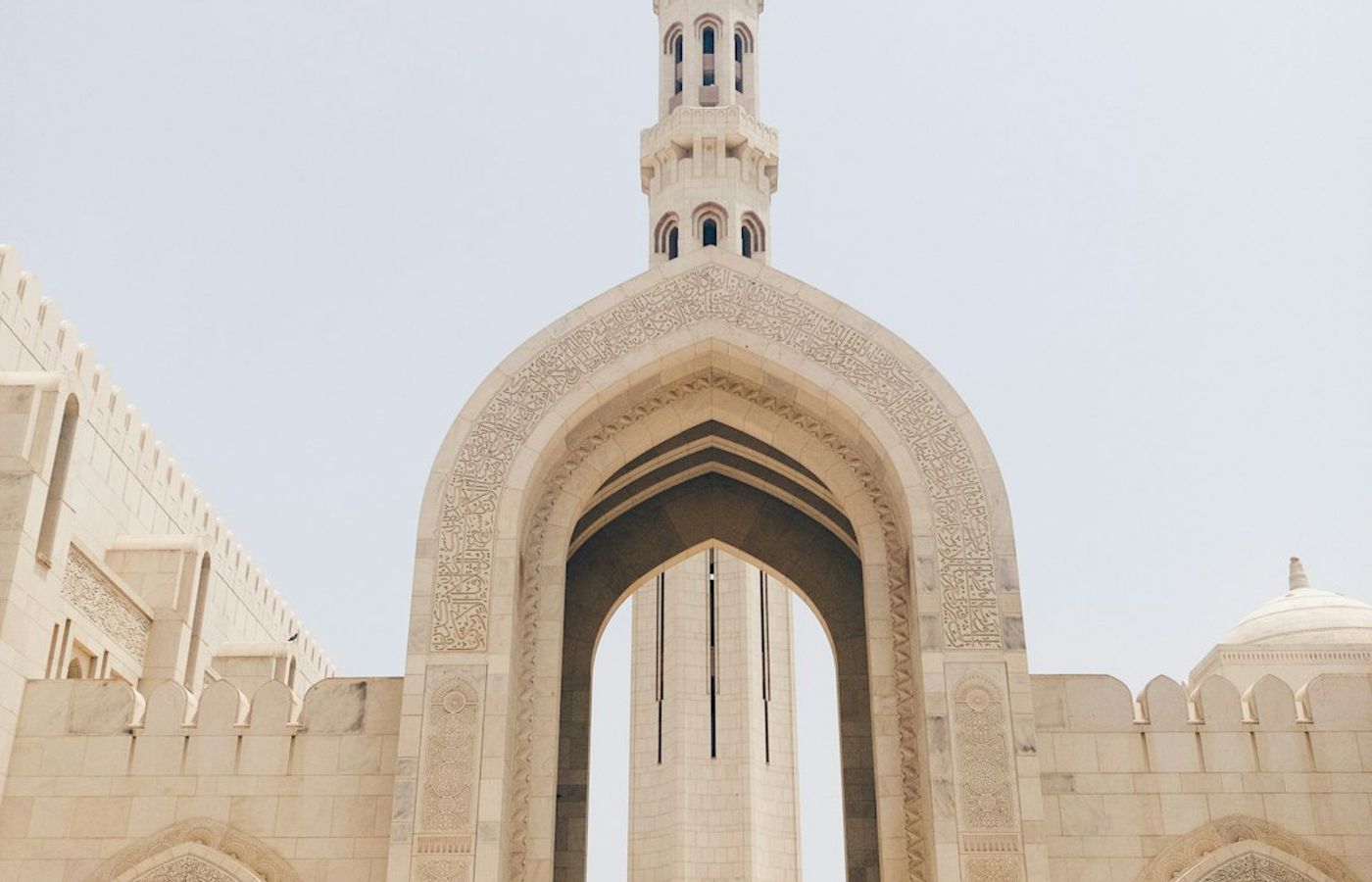

The Sultan Qaboos Grand Mosque opened in 2001 after six years of construction and holds 20,000 worshippers across the main prayer hall, the women's hall and the arcaded outer courtyards. The single-piece Persian carpet in the main hall weighs 21 tonnes and took 600 weavers four years to knot. Above it hangs a Swarovski crystal chandelier that drops 14 metres. The Indian sandstone, the Omani marble and the restraint of the geometry are what stay with most people.
Non-Muslim visitors are admitted on weekday mornings only, roughly 8am to 11am, and the mosque is closed to tourists on Fridays. The dress code is enforced at the gate with no exceptions: long sleeves, ankle-length trousers or skirts, and a headscarf covering the hair for women. Entry is free. Give it 90 minutes to take in both prayer halls, the Islamic library and the courtyards. Photography is fine, tripods are not.
Pro Tip: Arrive at 8am sharp. By 9.30 the coach groups from the cruise terminal have filled the main hall and the low light through the stained glass has gone. Scarves sell for about 3 OMR (roughly 7 EUR) at the car park kiosk if you forget one.
2Mutrah Souq - The Oldest Working Marketplace in Oman

Mutrah Souq has traded on this spot for around 200 years and still functions as a working market rather than a tourist set piece. Omani families come for frankincense, silver khanjar daggers, halwa and bolts of fabric. Under the carved wooden roof the lanes narrow, split and double back, and the air carries frankincense smoke from the burners at nearly every stall. Prices are negotiable and expected to be negotiated. Start at about half the opening figure and settle somewhere near two thirds.
Opening hours split into two shifts, roughly 9am to 1pm and 5pm to 9pm, with most stalls shut through the afternoon heat. Good frankincense (the resin, not the perfume oil) costs 2 to 8 OMR (about 5 to 19 EUR) depending on grade, with Hojari the top tier. Silver is sold by weight, so ask the seller to put the piece on the scales before you talk price.
Pro Tip: Go at 7pm rather than mid-morning. The evening shift is when Omanis actually shop, prices soften, and the walk out onto the lit Corniche afterwards takes 30 seconds.

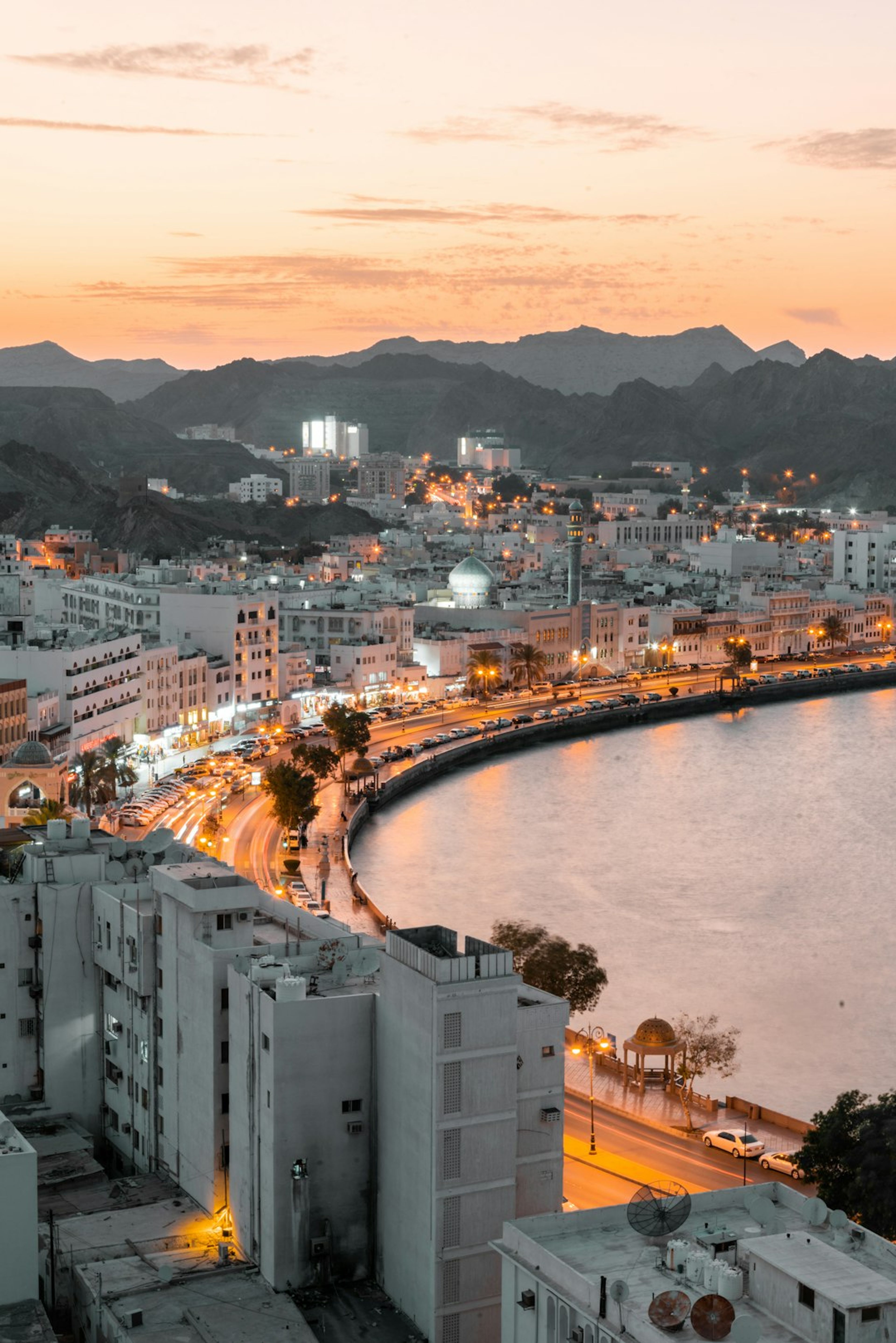
3Mutrah Corniche - The Harbour Promenade Beneath the Watchtowers
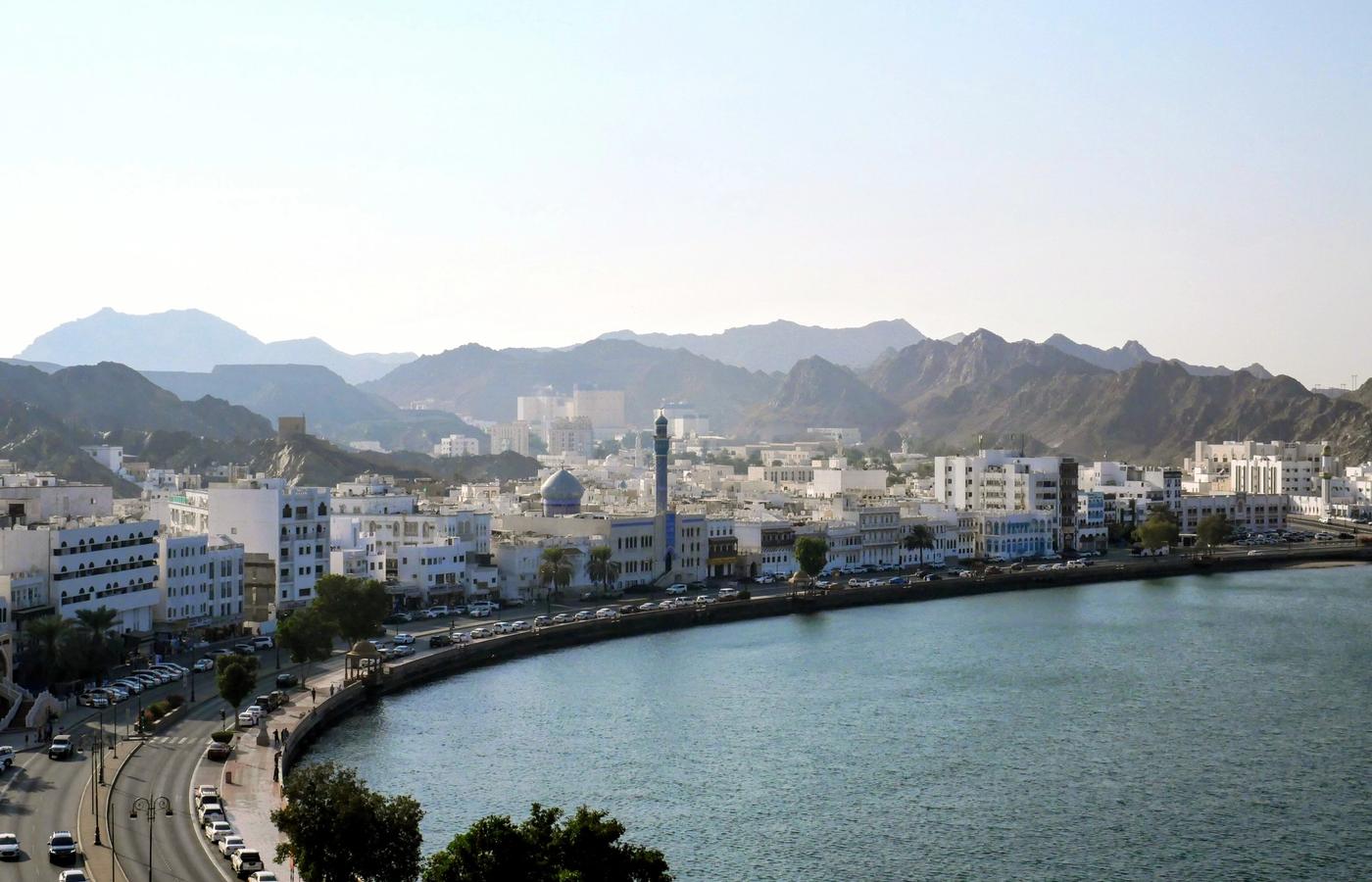

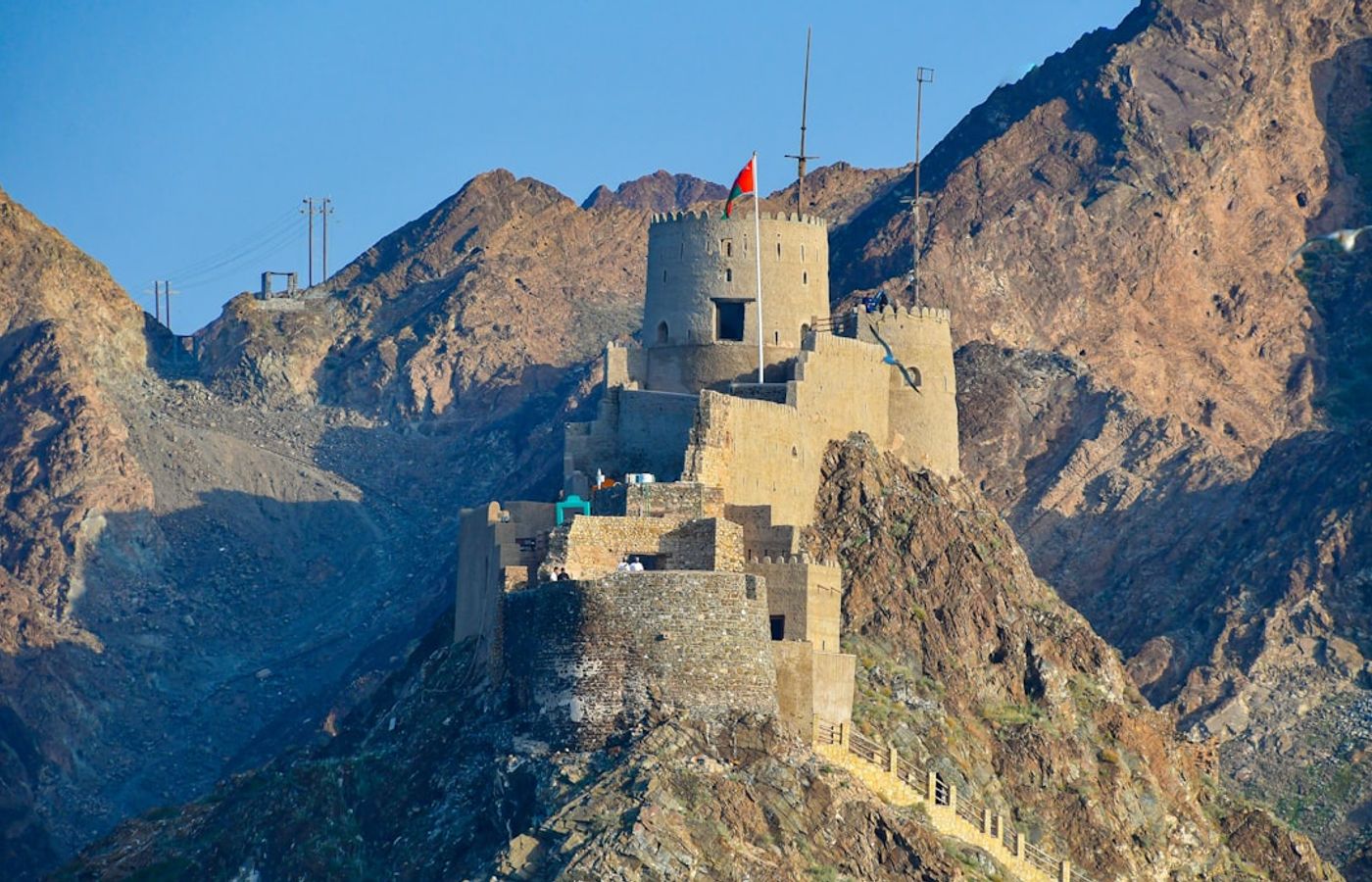
The Mutrah Corniche runs about 3 km along the harbour, from the fish market at the western end to Mutrah Fort at the eastern. White merchant houses with carved balconies face the water on one side, dhows and the royal yacht sit on the other, and Portuguese-era watchtowers stand on the ridge above. It is the most photographed stretch of Muscat and the easiest thing on this list to fit into a spare hour.
Walk it around 5pm when the heat drops and the stone turns amber. Mutrah Fort, built by the Portuguese in the 1580s, charges 0.5 OMR (about 1.20 EUR) and takes 20 minutes to climb for the best harbour view in the city. The Mutrah fish market at the far end is worth a look before 9am, when the night's catch of kingfish and tuna is still being sorted. Parking along the Corniche is free.
Pro Tip: Climb the Riyam incense burner monument at the eastern end 40 minutes before sunset. It is a free 10-minute stair climb and gives you the whole Corniche curve with the mountains behind it.
4Royal Opera House Muscat - The First Purpose-Built Opera House in the Gulf
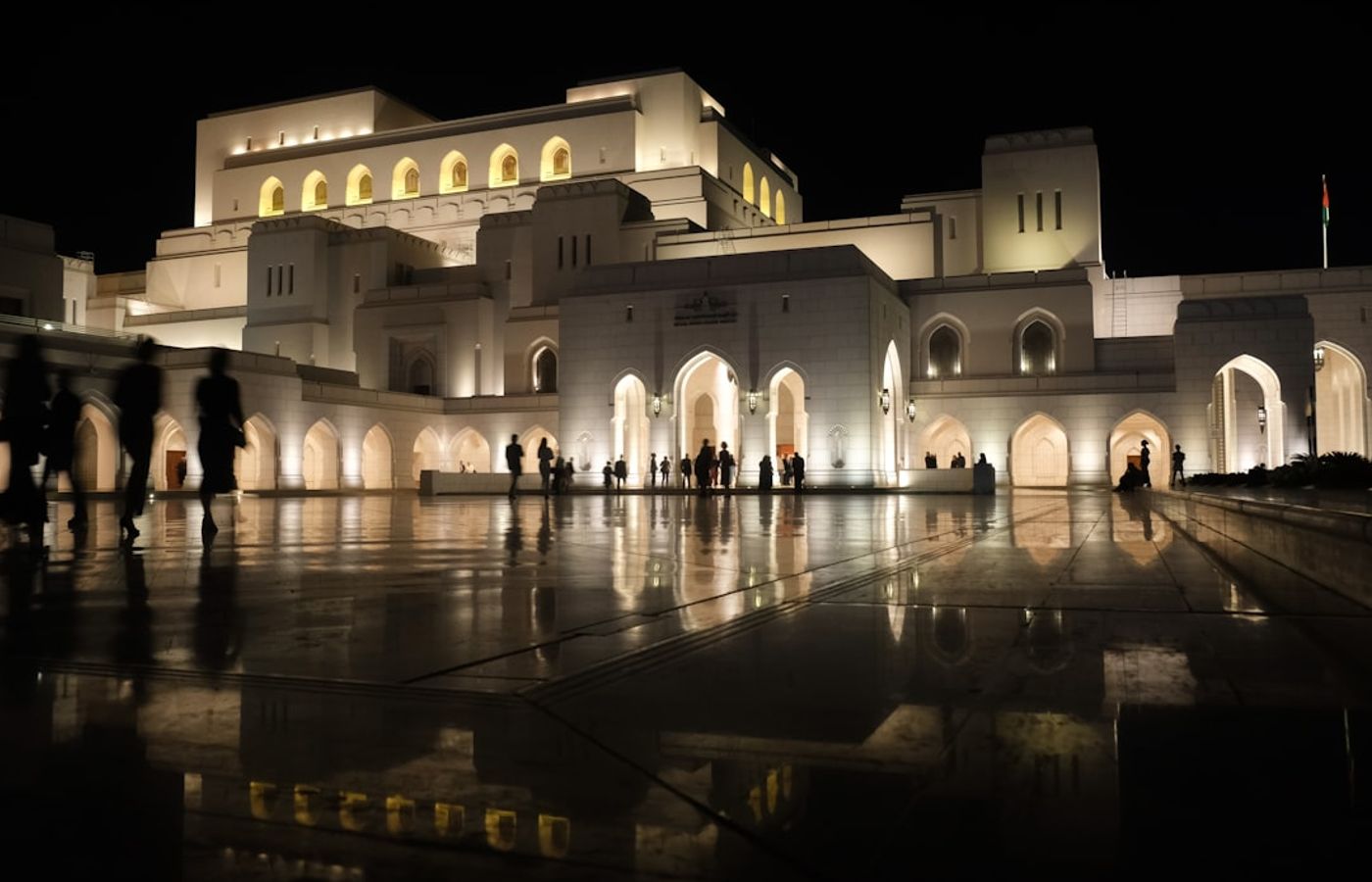
The Royal Opera House Muscat opened in 2011 and was the first purpose-built opera house on the Arabian Peninsula. The 1,100-seat auditorium is finished in Burmese teak and Omani marble, and every seat carries a small screen for surtitles. The season runs September to May and mixes opera, ballet, Arabic classical music and orchestral programmes. Tickets start around 10 OMR (roughly 23 EUR) and climb past 60 OMR (about 140 EUR) for the best boxes on premiere nights.
If nothing is scheduled while you are in town, the daytime guided tour runs most mornings for 3 OMR (about 7 EUR) and gets you into the auditorium, the royal box and the concert organ chamber. Dress code for performances is formal and taken seriously: jacket for men, covered shoulders and knees for women. Doors close at curtain and latecomers wait for the interval, so allow time for the car park.
Pro Tip: Book the moment the season calendar goes live in August. Popular nights sell out weeks ahead, and the cheaper upper-tier seats go first because the acoustics up there are genuinely good.
5Old Muscat, Al Alam Palace and the Jalali and Mirani Forts - The Walled Royal Quarter
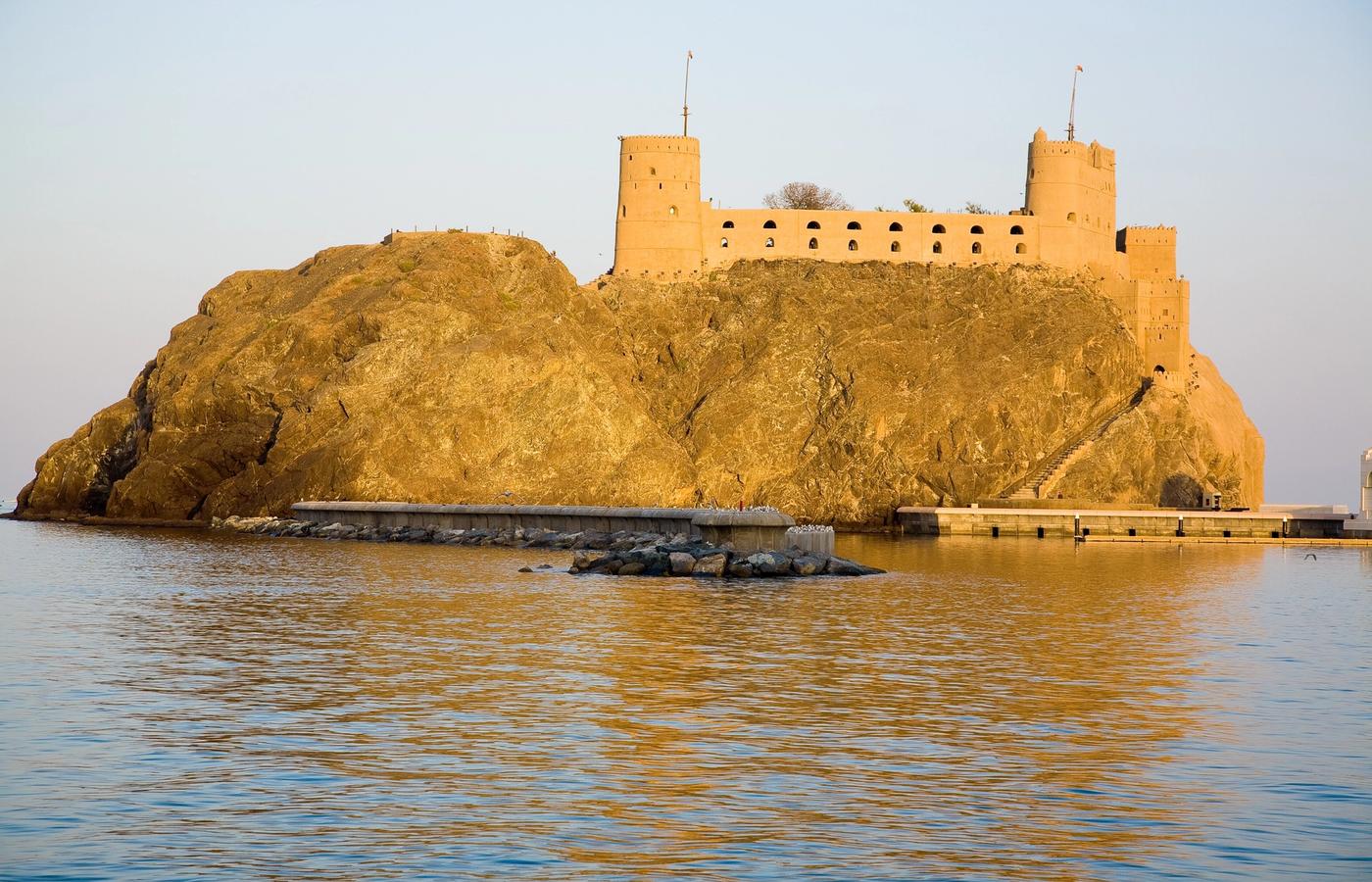
Old Muscat is the original walled town, reached through a gate in the city wall and quiet in a way the rest of the capital is not. At its heart stands Al Alam Palace, the ceremonial residence of the Sultan, with its flared blue and gold columns. You cannot go inside, but the approach along the ceremonial avenue is open to everyone and the facade is the single most recognisable image of Muscat after the Grand Mosque.
Two Portuguese forts from the 1580s, Al Jalali and Al Mirani, sit on the rock outcrops either side of the palace and guard the old harbour entrance. Both are closed to the general public, so treat them as backdrop rather than destination. Bait Al Zubair, a private museum of Omani dress, weapons and household objects, is a five-minute walk away and charges 2 OMR (about 4.70 EUR). The whole quarter takes about two hours.
Pro Tip: Park at the free lot on Al Saidiya Street and walk the loop anticlockwise: palace gates, then the seafront path under Al Mirani, then the National Museum of Oman directly opposite. It removes all backtracking.
6National Museum of Oman - The Country's Story Across Fourteen Galleries
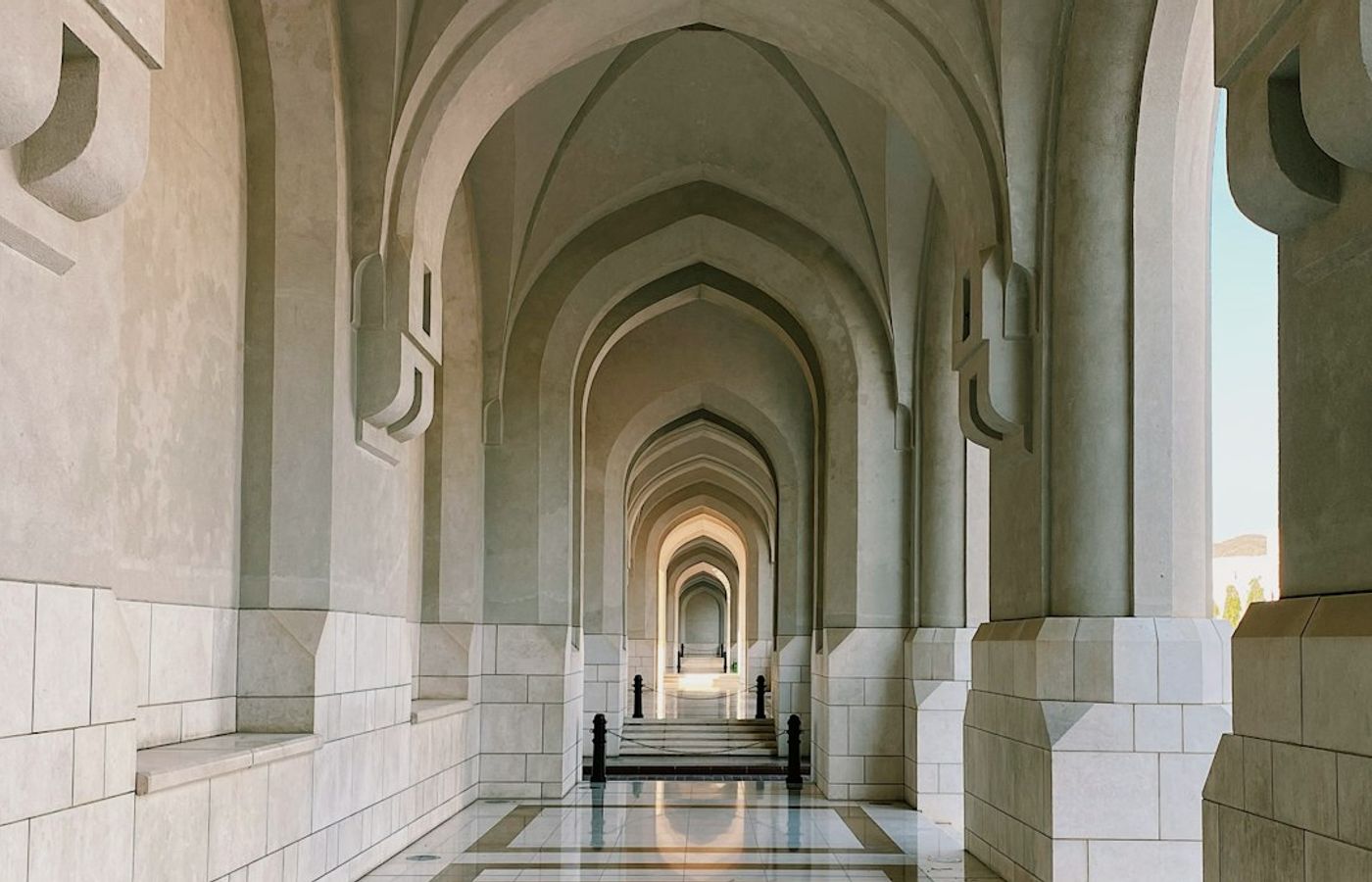
The National Museum of Oman opened in 2016 opposite Al Alam Palace and is the best single explanation of the country you will find. Fourteen permanent galleries run from Bronze Age copper mining at Maysar through the maritime empire that once reached Zanzibar, to the frankincense trade and the Renaissance period after 1970. Labels are in Arabic, English and Braille, and it was the first museum in the region to use Arabic Braille throughout.
Entry costs 5 OMR (around 12 EUR) for adults and children under 12 go free. It opens 10am to 5pm and closes on Fridays. Two hours covers the highlights, though the maritime gallery with its full-scale reconstruction of a sewn-plank Omani ship can eat 40 minutes on its own. The air conditioning is fierce, which makes this the obvious midday stop when the heat outside becomes unworkable.
Pro Tip: Do the Land and People gallery first, before the crowds off the 11am cruise shuttles arrive. It gives you the geography and tribal context that makes every other gallery read properly.
7Wadi Shab - The Canyon Swim South of Muscat
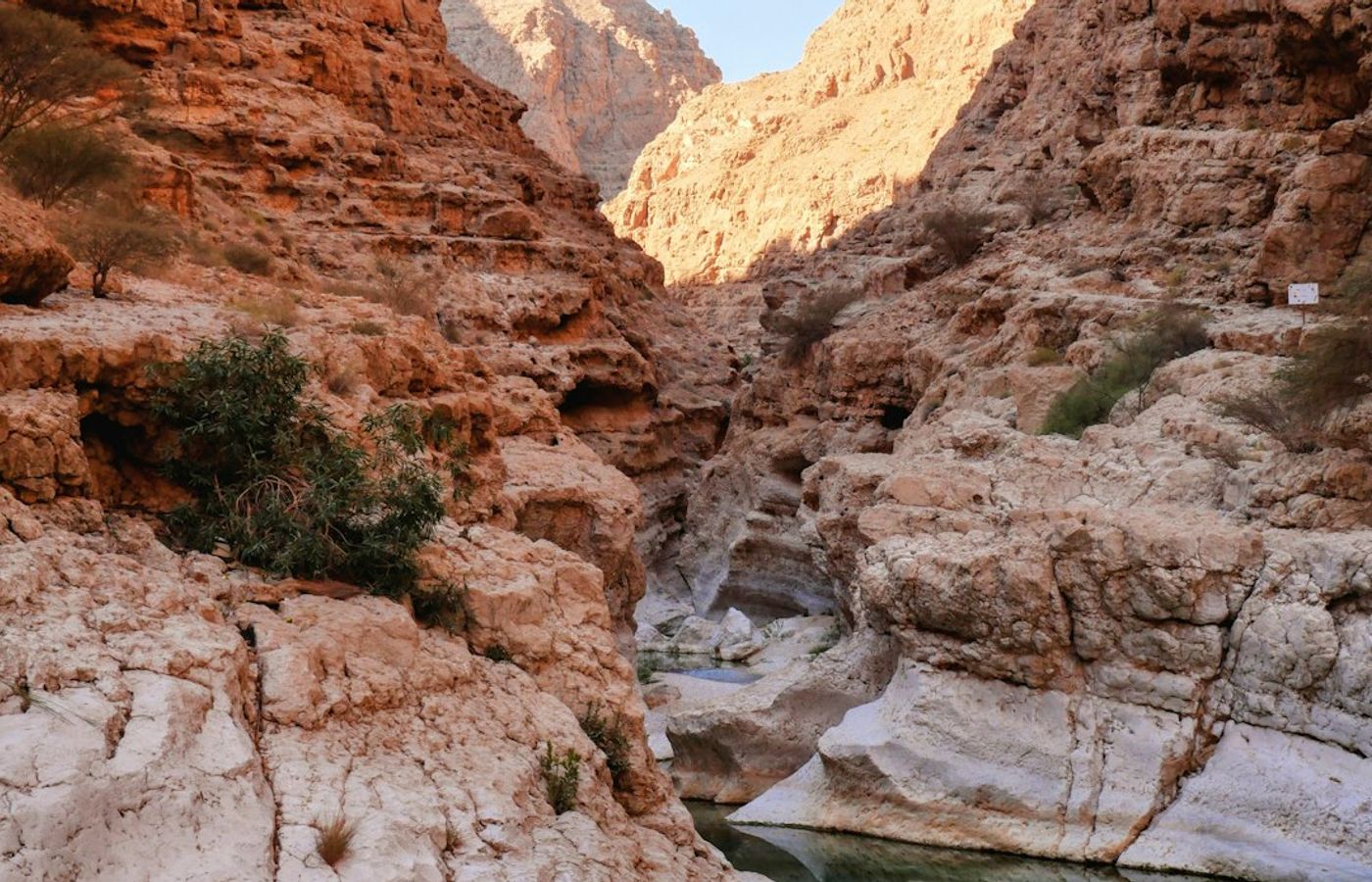
Wadi Shab is the day trip most people remember longest. From the car park under the highway bridge a small boat ferries you across the entrance pool for 1 OMR (about 2.30 EUR) return, and from there it is a 45-minute walk up the canyon over boulders and irrigation channels. The path ends at a chain of turquoise pools. Swim through three of them, then squeeze through a narrow rock slot into a cave with a waterfall inside it.
Bring water shoes, a dry bag and at least two litres of water each. Modest swimwear is expected: shorts and a t-shirt rather than a bikini. Allow four hours round trip from the car park. One serious warning - wadis flash flood. Rain falling on the Hajar mountains hours away and kilometres upstream can send water down a dry canyon with no warning at all, so check the forecast and never enter Wadi Shab if rain is anywhere in the region.
Pro Tip: Leave Muscat by 6.30am. You will reach the pools before 9.30, swim into the cave with almost nobody there, and be walking back out as the tour vans unload at eleven.
8Bimmah Sinkhole - The Limestone Crater at Hawiyat Najm Park
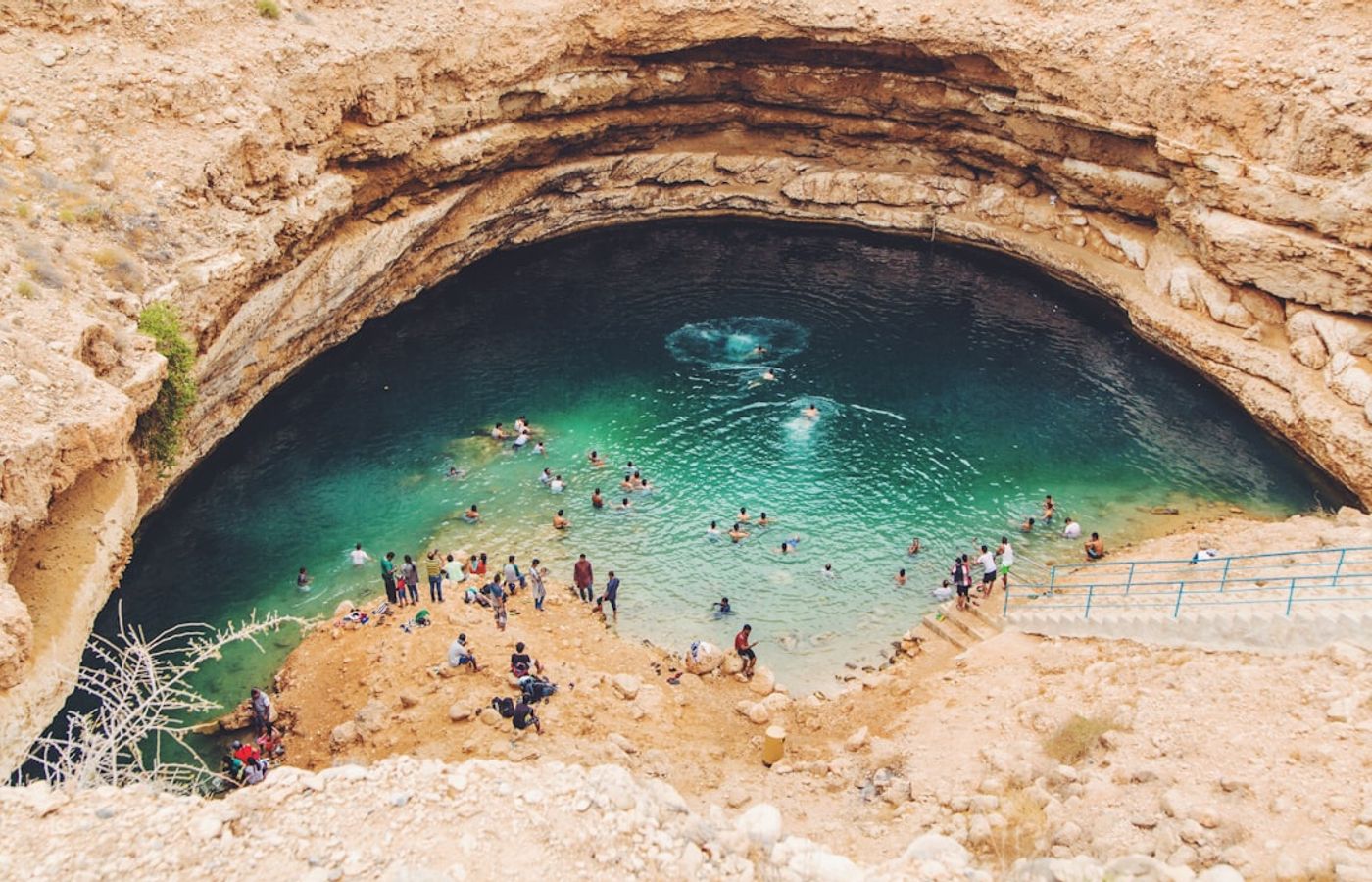
Bimmah Sinkhole is a collapsed limestone crater about 40 metres across and 20 metres deep, filled with green-blue water that mixes fresh groundwater and seawater seeping in from the coast 600 metres away. Omani folklore says a meteorite made it, which is where the park's name Hawiyat Najm, the falling star, comes from. Geologists point to limestone dissolution instead. A concrete staircase runs down to a small ledge at water level.
Entry to Hawiyat Najm Park is free and it stays open through the day. The water is cool year round and deep enough to jump into from the lower ledge, though the small fish that nibble at your feet surprise most first-timers. Facilities are basic: shaded picnic tables, toilets, no cafe, so bring your own water. Forty-five minutes is enough. Pair it with Wadi Shab, which is another 30 minutes further down the same highway.
Pro Tip: Stop here on the way back from Wadi Shab rather than on the way out. The afternoon sun sits directly over the crater between about 1pm and 3pm and that is when the water reads properly turquoise instead of grey.
9Daymaniyat Islands - Snorkelling and Dolphin Watching Offshore
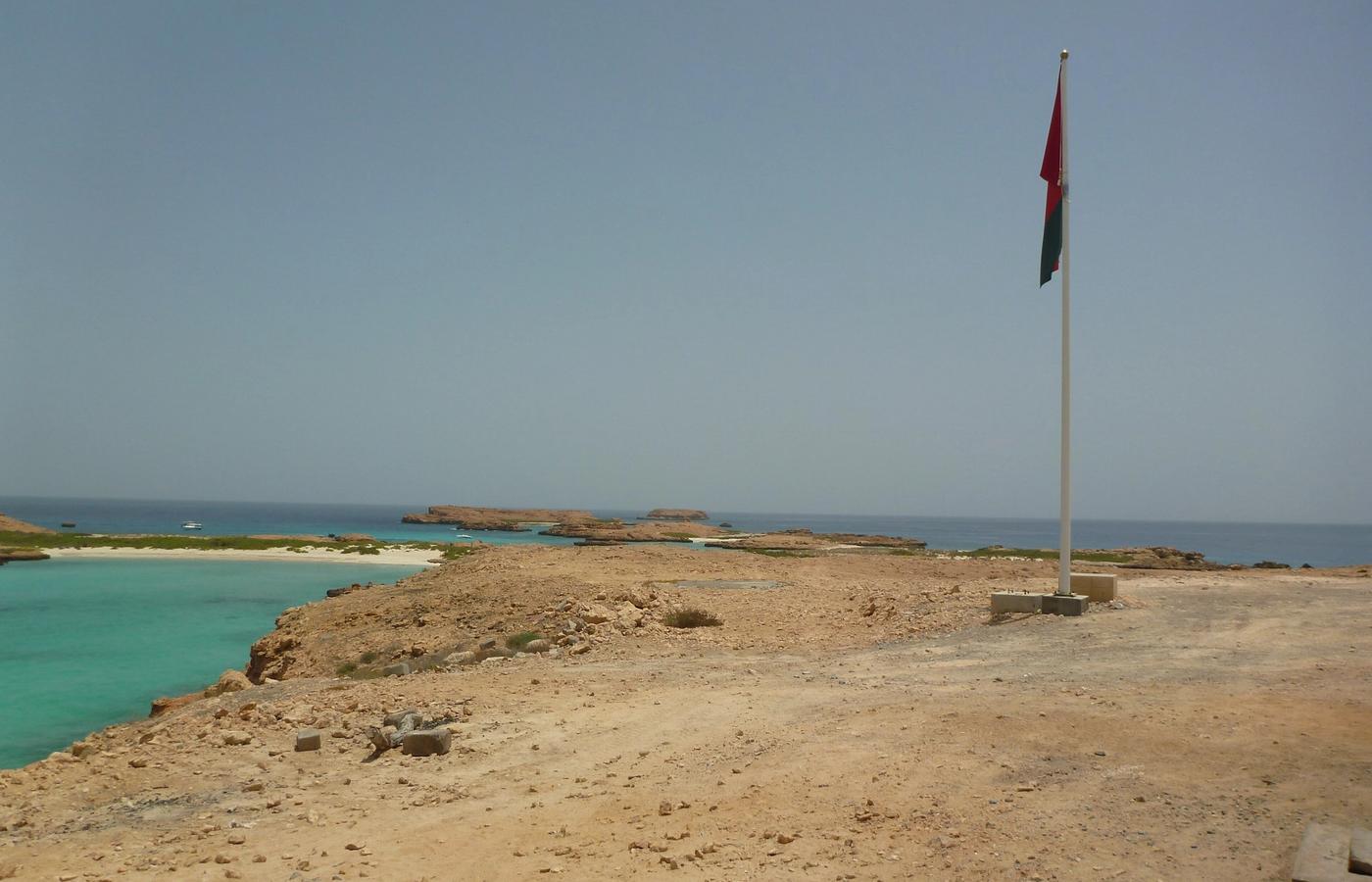
The Daymaniyat Islands are nine small islands and a scatter of rocks about 18 km off the coast, protected as a nature reserve since 1996. The reefs hold green and hawksbill turtles, reef sharks, rays and, between May and September, whale sharks. Boats leave Al Mouj Marina and take 45 to 60 minutes each way, often crossing pods of spinner dolphins on the run out. Access requires a permit, so you must book through a licensed operator; Oman's official tourism site lists the approved ones.
A half-day snorkelling trip runs 30 to 45 OMR (about 70 to 105 EUR) including equipment and the reserve fee. Diving costs more. The islands close to landing from May to October during turtle nesting season, though snorkelling in the surrounding water continues. Sea conditions decide everything: trips are cancelled outright when the swell picks up, which happens often between June and August. Book for early in your stay so you have a spare day to rebook.
Pro Tip: Take the 7am departure over the 10am one. The water is glassier, the dolphin sightings are far more reliable in the first two hours after sunrise, and you are back at the marina before the worst of the heat.
10Qurum Beach - The City Beach for Late Afternoon Walks
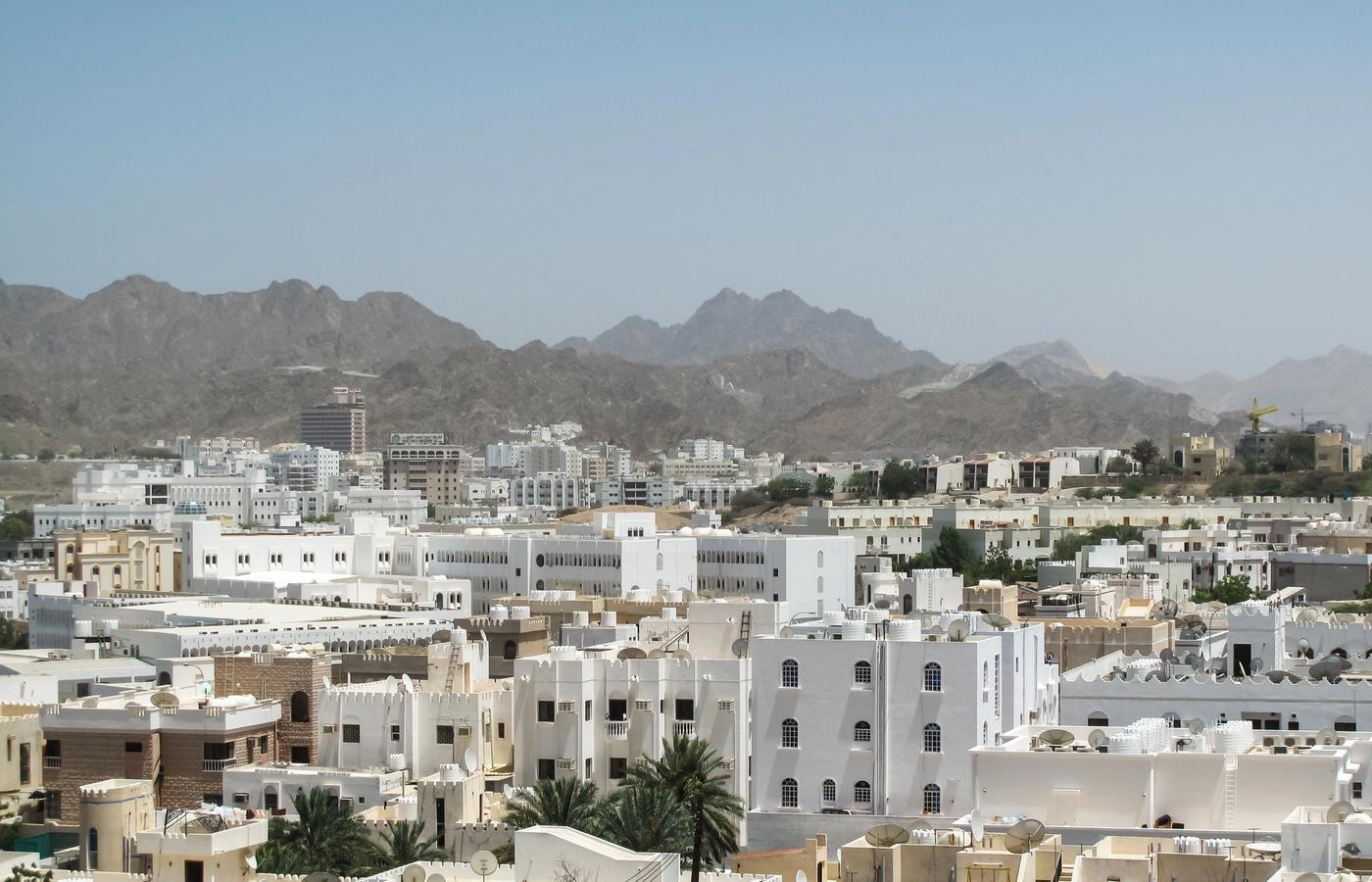
Qurum Beach is the long public strand that Muscat actually uses, running several kilometres of clean pale sand along Shati Al Qurum. Late afternoon is when it fills up: families setting out picnics, joggers on the packed sand at the waterline, football games, and men grilling on portable stoves as the light goes orange behind Qurum Heights. Access is free, there are no sunbeds to rent, and the water shelves gently enough for children.
Swim in shorts and a t-shirt rather than brief swimwear; this is a public beach used by Omani families and covering up is simply the norm. Qurum Natural Park sits directly behind it with a boating lake and shaded lawns, free to enter. Cafes line Al Shati Street a two-minute walk back from the sand. Avoid midday between May and September, when the surface temperature makes barefoot walking painful.
Pro Tip: Walk east towards the Crowne Plaza headland about an hour before sunset. The cliff at that end gives you the whole bay in one frame, and the stretch of sand below it stays almost empty while the western half is packed.

CEO and co-founder
Tomas is the co-founder and director of trip1, an European company specializing in reservation services. He launched the company in 2025 with a focus on building scalable, efficient operations.
10 Best Things to Do in Muscat, Oman - FAQ
No, one day is nowhere near enough. Four of the ten sit outside Muscat proper: Wadi Shab and Bimmah Sinkhole are roughly two hours south along Highway 17, and the Daymaniyat Islands need a half-day boat trip. Budget three full days for the city sights plus one or two day trips, and remember the Sultan Qaboos Grand Mosque only admits non-Muslim visitors between about 8am and 11am on weekdays.
Group them geographically rather than by ranking. Day one: Sultan Qaboos Grand Mosque first thing in the morning, then the National Museum of Oman, Old Muscat with Al Alam Palace and the Jalali and Mirani forts, finishing at Mutrah Souq and the Mutrah Corniche at sunset. Day two: a boat to the Daymaniyat Islands, then Qurum Beach in the late afternoon. Day three: drive south to Bimmah Sinkhole and Wadi Shab. Slot the Royal Opera House Muscat into whichever evening has a performance.
Three of them do. The Royal Opera House Muscat sells performance tickets online and popular nights go weeks ahead, while daytime guided tours run on a fixed schedule. The Daymaniyat Islands are a protected nature reserve, so you must go with a licensed operator holding a permit, booked at least a day or two in advance. Wadi Shab needs no ticket but does need the small boat ferry across the pool. The Sultan Qaboos Grand Mosque, National Museum of Oman and everything else accept walk-ins.
Expect roughly 45 to 70 OMR per person, about 105 to 165 EUR, excluding transport. Entry to the Sultan Qaboos Grand Mosque, Mutrah Souq, Mutrah Corniche, Old Muscat, Bimmah Sinkhole and Qurum Beach costs nothing. The National Museum of Oman charges 5 OMR (around 12 EUR), Wadi Shab asks 1 OMR (about 2.30 EUR) for the boat, Royal Opera House tickets start near 10 OMR (roughly 23 EUR), and a Daymaniyat Islands snorkelling trip runs 30 to 45 OMR (about 70 to 105 EUR).
A car yes, a 4x4 no. Muscat stretches roughly 40 km along the coast and public transport is thin, so a hire car saves hours over taxis. Every attraction on this list, including Wadi Shab and Bimmah Sinkhole, is reached on sealed tarmac that a standard saloon handles fine. You only need a 4x4 for off-road wadi bashing or the Wahiba Sands dunes, neither of which appears here. Parking is free and plentiful at all ten.
Several places narrowly missed the cut. Nizwa Fort and its Friday goat market sit two hours inland and deserve a full day of their own. Jebel Shams, the highest peak in Oman, and the terraced village of Misfat al Abriyeen are the same trip. Closer in, Bait Al Zubair museum in Old Muscat, the Amouage perfume factory in Seeb, Ras Al Hadd turtle beach at Ras Al Jinz, and the Al Mouj waterfront all reward an extra day.