Guides · Busan
10 Best Things to Do in Busan

CEO and co-founder
This guide covers 10 things to do in Busan, South Korea, and it is built for planning rather than browsing. Each of the 10 entries below gives you the exact street address, the nearest Busan Metro station or bus route with a realistic walk time, and how far the place sits from Seomyeon, the commercial centre of the city. Every entry closes with a Pro Tip that names a specific hour, a price in Korean won, or a side street worth knowing before you go.
Busan stretches roughly 30 km along the southeastern coast, so the order of the list follows geography as much as ranking. Entries 1, 4, 9 and 10 cluster around the old downtown of Jung-gu, Seo-gu and Yeongdo-gu, all reachable on Busan Metro Line 1. Entries 2 and 3 sit on the eastern beaches served by Busan Metro Line 2. The two major temples, Haedong Yonggungsa and Beomeosa, sit at opposite ends of the city and each needs a bus leg on top of the metro.
A workable plan is three days. Day one covers the downtown cluster on foot, day two takes the eastern beaches from Haeundae to Gwangalli, and day three pairs one temple with Taejongdae or the Songdo cable car. Two days works if you drop one temple. Fares are quoted in Korean won throughout, and transit times assume a T-money or Cashbee card rather than single-journey tokens. The beach days and the downtown days pull in opposite directions, so the hotels in Busan around Haeundae suit one plan and the ones near Seomyeon suit the other; pick before you book rather than splitting the difference. Both the coastal temple and the cable car are poor value in rain, so check Busan weather before you fix the order of the three days. Most visitors arrive by KTX from Seoul, which takes under three hours and makes a two-city trip straightforward.
1Gamcheon Culture Village - The Painted Hillside Above Saha-gu
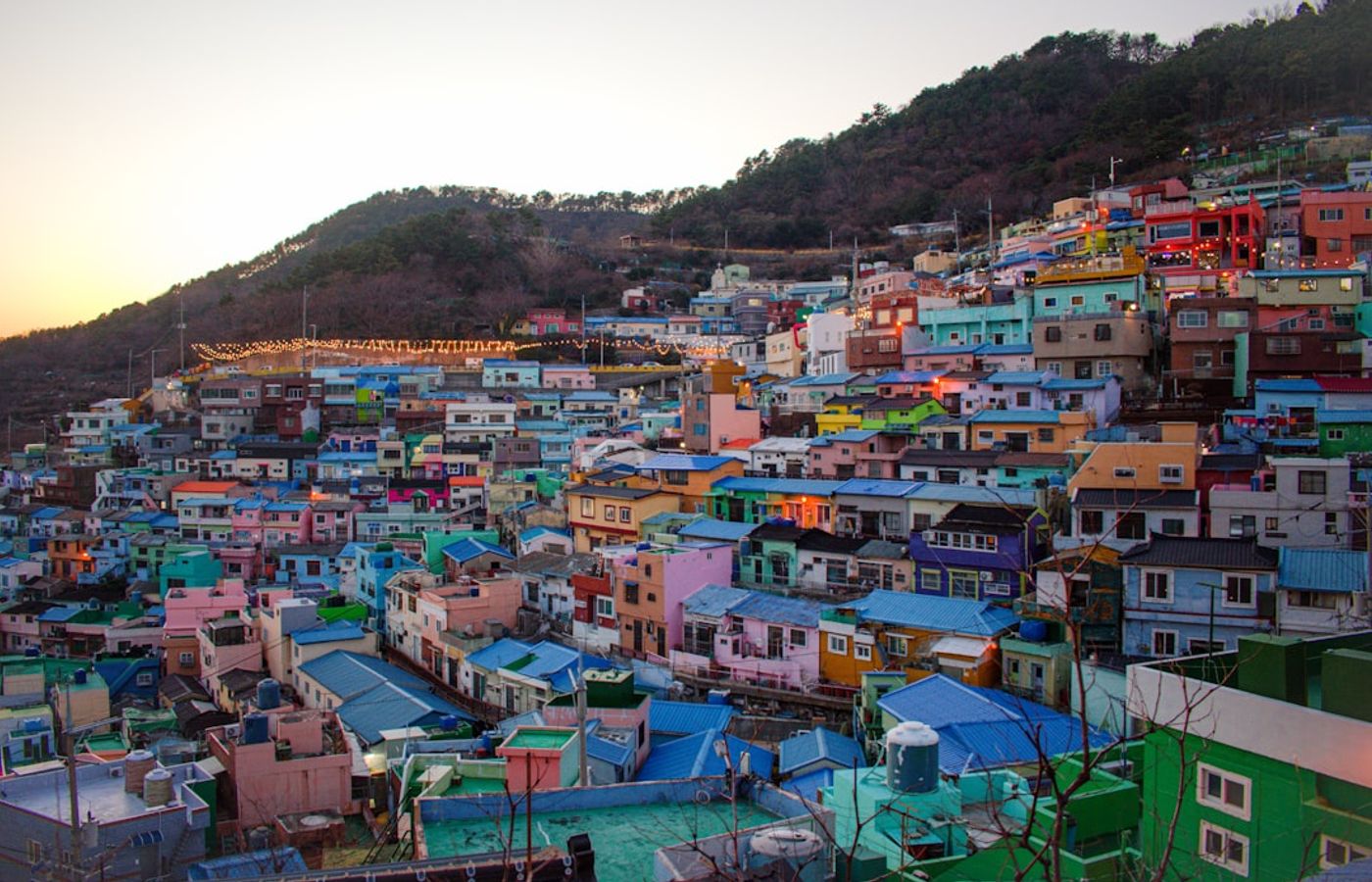

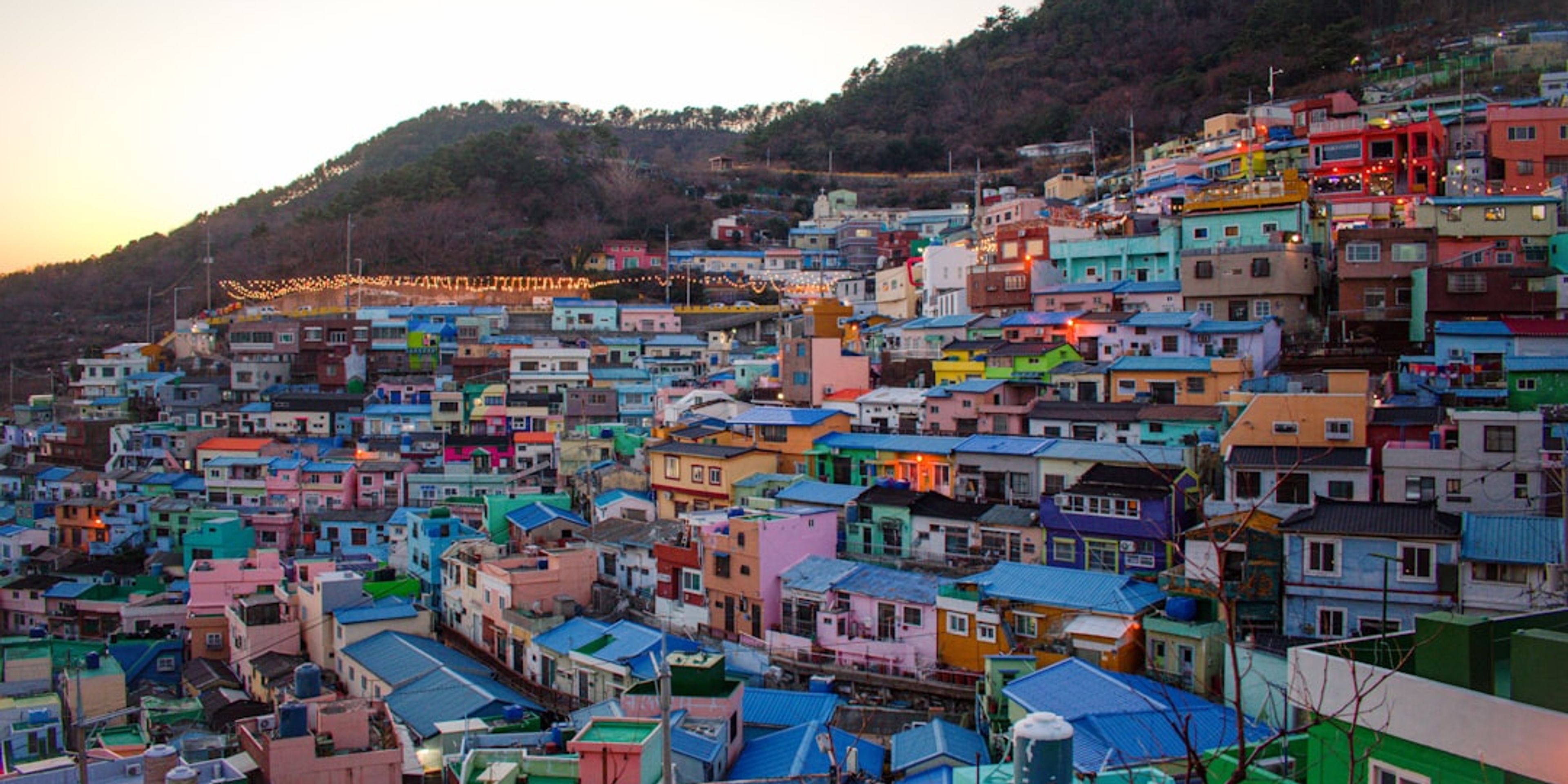
Gamcheon Culture Village climbs a hillside in Saha-gu as a grid of pastel houses stacked in rows, a layout that dates to the 1950s when Korean War refugees and members of the Taegeukdo religious movement settled here. A 2009 government art project brought in students and local artists who painted the facades and installed sculptures along the lanes. The result is a working residential neighbourhood of roughly 10,000 people rather than an open-air museum, which is why signs ask visitors to keep noise down after dark.
Entry is free. Pick up the stamp map for 2,000 KRW at the information centre near the main entrance and collect stamps at marked points to trade for a postcard. The Little Prince statue on the eastern ridge draws the longest queue, often 20 minutes on weekends. Walking the full circuit takes about two hours, and the route is steep in places with uneven steps. For background on how the settlement formed, see the Gamcheon Culture Village entry on Wikipedia.
Pro Tip: Arrive between 09:00 and 10:30 on a weekday. Tour buses start unloading at 11:00, and the narrow lane to the Little Prince statue jams completely by early afternoon.
2Haeundae Beach - Busan's Main Stretch of Sand
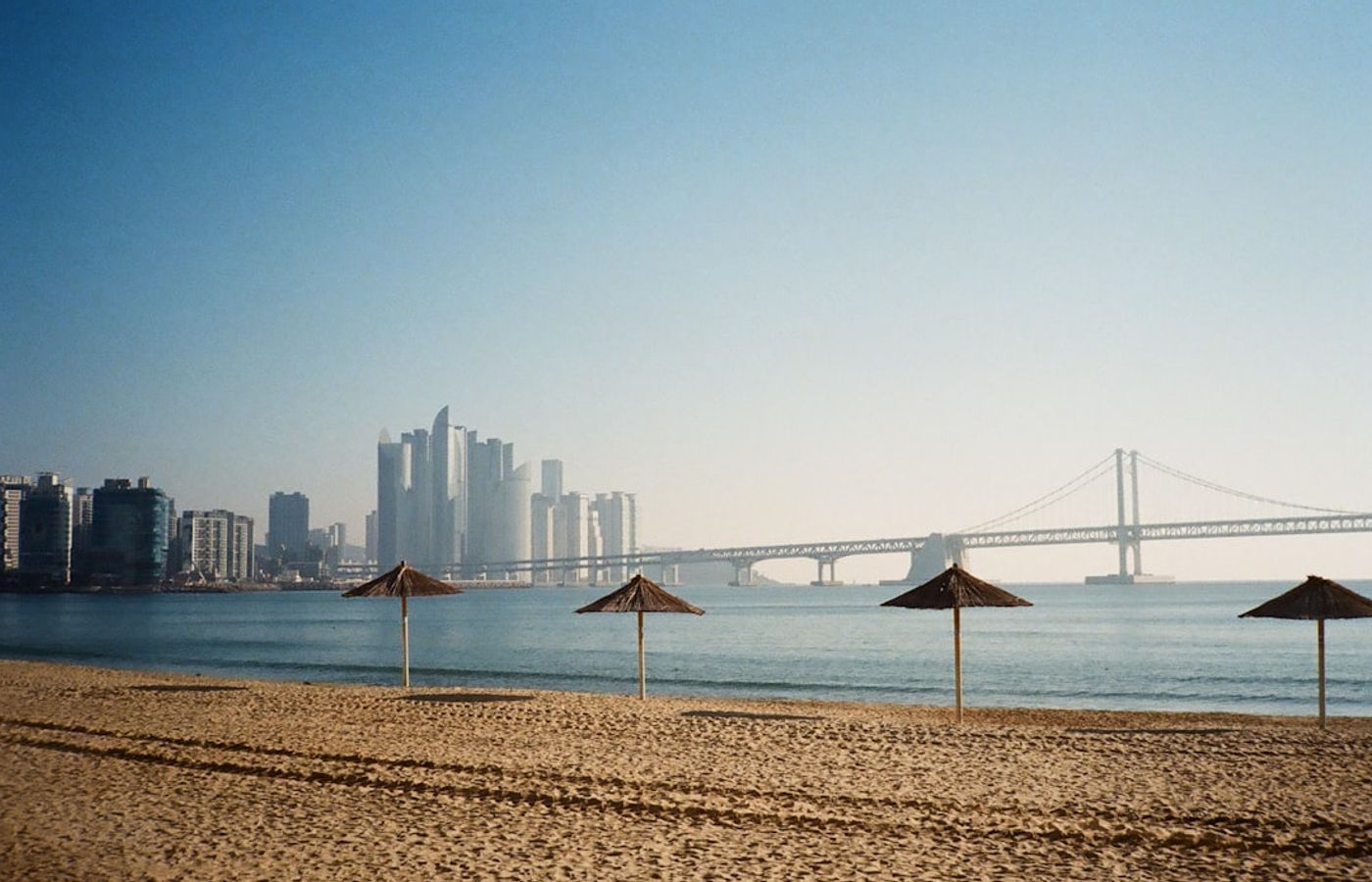

Haeundae Beach runs about 1.5 km of pale sand between Dongbaekseom Island and Mipo Harbour, and it is the beach most Koreans picture when they think of Busan. Swimming season officially runs from early July to late August, when lifeguards, changing rooms and rental parasols operate. Outside those weeks the beach stays open and much quieter, which suits anyone who came for the walk rather than the water.
Parasol and deckchair rental costs around 8,000 KRW per day in season. Behind the sand, Gunam-ro leads inland to Haeundae Traditional Market, where fishcake and grilled scallop stalls stay open past 22:00. The Haeundae Blueline Park beach train starts at Mipo, a 15-minute walk east along the shore, and runs 4.8 km to Songjeong for roughly 7,000 KRW one way. Dongbaekseom Island at the western end has a 1.2 km boardwalk loop and a clear view back across the bay to the Gwangan Bridge.
Pro Tip: Skip mid-August. Attendance on peak weekends is counted in the hundreds of thousands. Late September still gives warm evenings, and the beachfront cafes drop back to normal prices.

3Gwangalli Beach and the Gwangan Bridge - The Best Night View in Busan
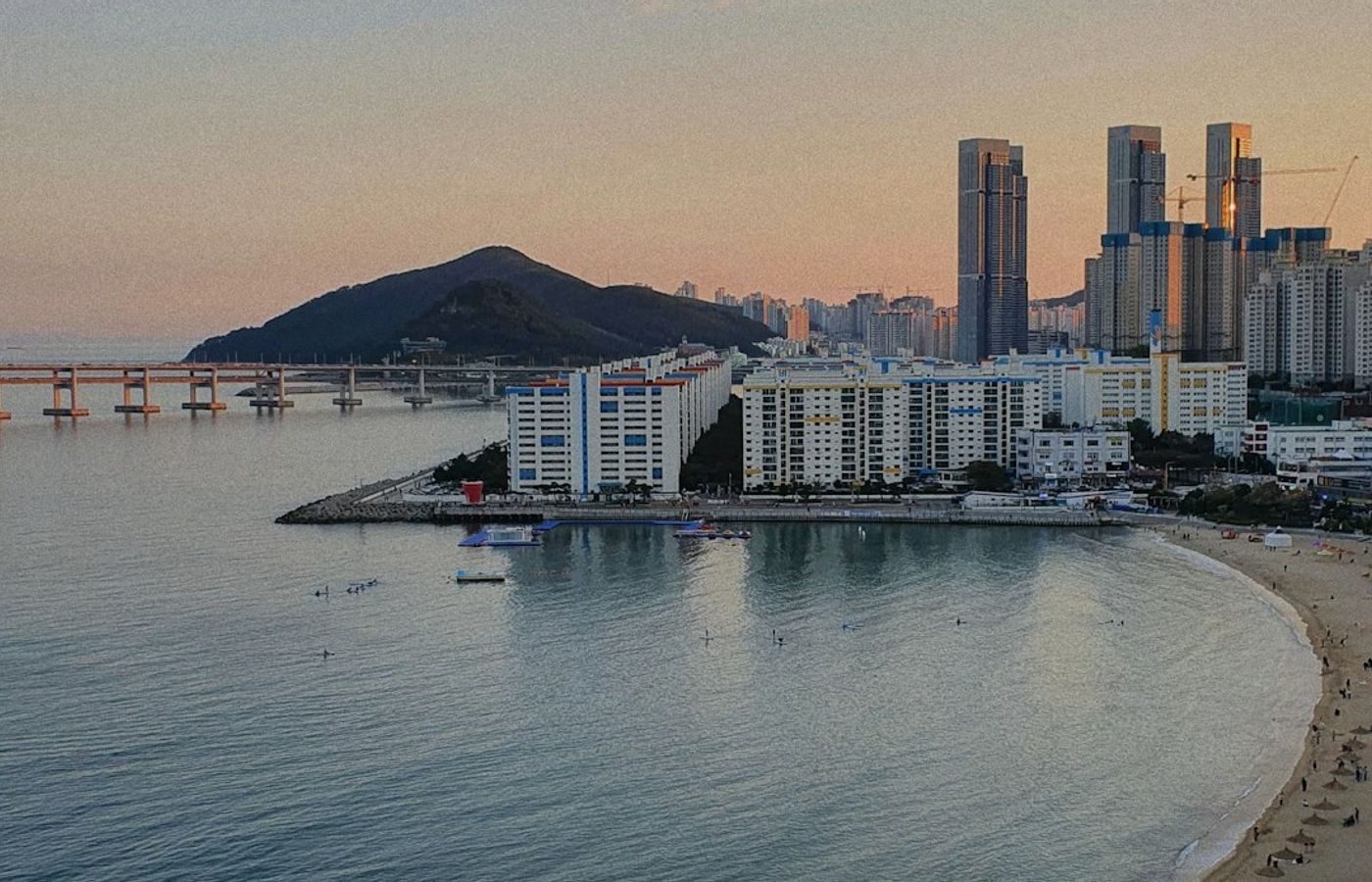

Gwangalli Beach faces the Gwangan Bridge, a 7.4 km suspension crossing that opened in 2003 and lights up in changing colours after sunset. The sand here is coarser than Haeundae and the beach is shorter at roughly 1.4 km, but the view is the reason people come. The seafront strip is lined with cafes and bars whose windows point straight at the span.
The Busan Drone Light Show runs over the water on selected Saturday evenings, usually around 20:00 in summer and 19:00 in winter, with several hundred drones forming shapes above the bay. Check the schedule before travelling, because dates shift with the weather. Millak Waterside Park sits at the eastern end, where you can buy raw fish from the market building and eat it at the outdoor tables for a table fee of about 5,000 KRW per person.
Pro Tip: For photographs, walk to the Millak Waterside Park breakwater, about 15 minutes east of the Gwangan Station exit. It puts the whole bridge span in frame without the crowd on the main beach.
4Jagalchi Fish Market - Korea's Largest Seafood Market
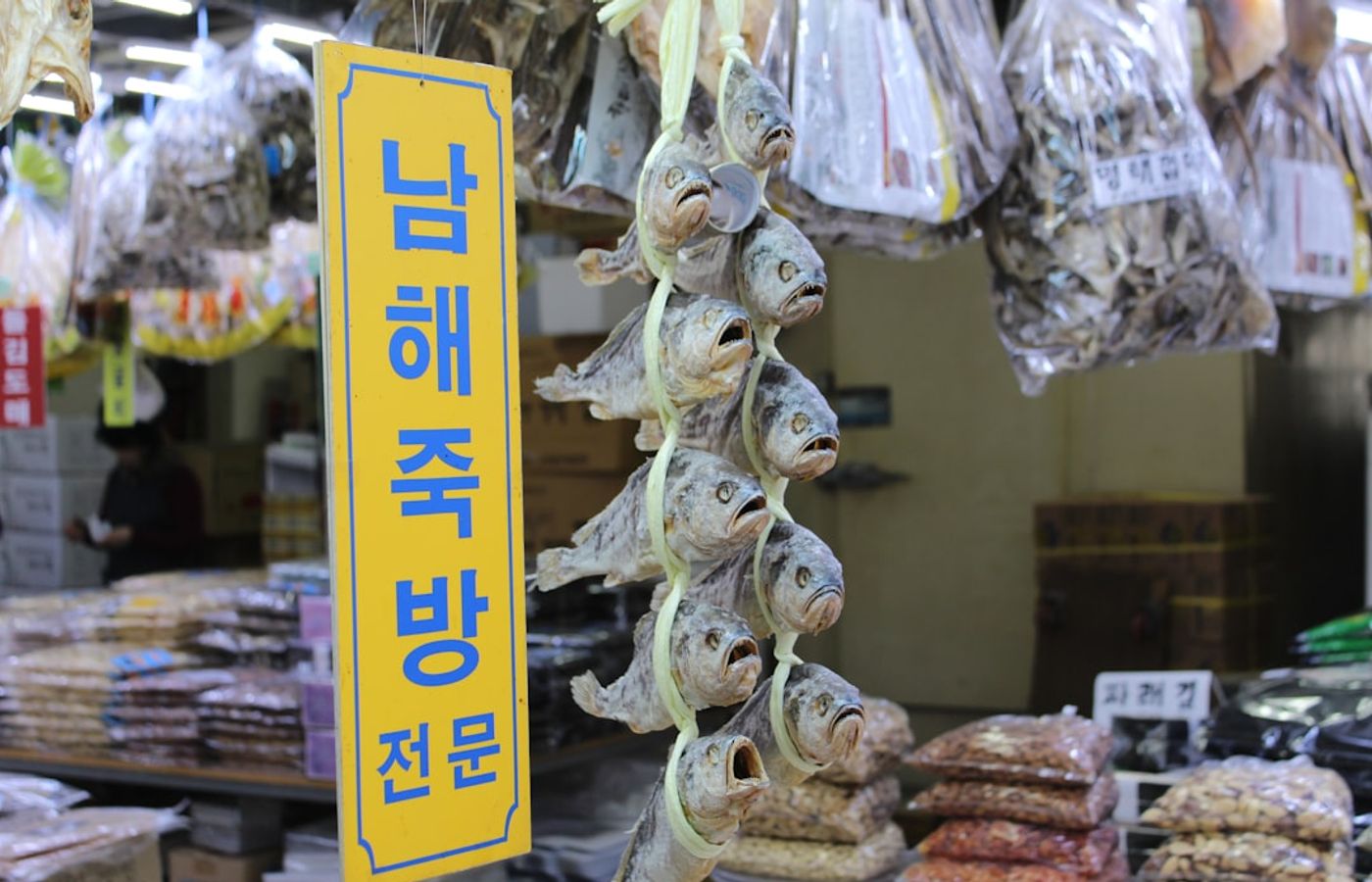
Jagalchi Fish Market is the largest seafood market in South Korea, spread across a seven-storey building on the Nampo waterfront plus the open stalls along Jagalchihaean-ro. Trading starts before dawn on the wholesale floor, and the retail level runs from roughly 05:00 to 22:00. The market grew after the Korean War around the women vendors known as Jagalchi ajumma, who still run most of the ground-floor stands.
The routine is simple: buy live fish downstairs, then carry it to a second-floor restaurant that prepares it as hoe, or raw slices, for a preparation fee of about 10,000 to 15,000 KRW per table. Flounder, sea bream and abalone are the usual picks. Prices are rarely marked, so agree a figure before the fish leaves the tank. The market closes on the first and third Tuesday of every month, which catches out a lot of visitors.
Pro Tip: Ask the price per fish rather than per kilogram, and check it against a second stall before committing. A mid-size flounder should land near 30,000 KRW, not 60,000.
5Haedong Yonggungsa Temple - A Buddhist Complex Built on the Sea
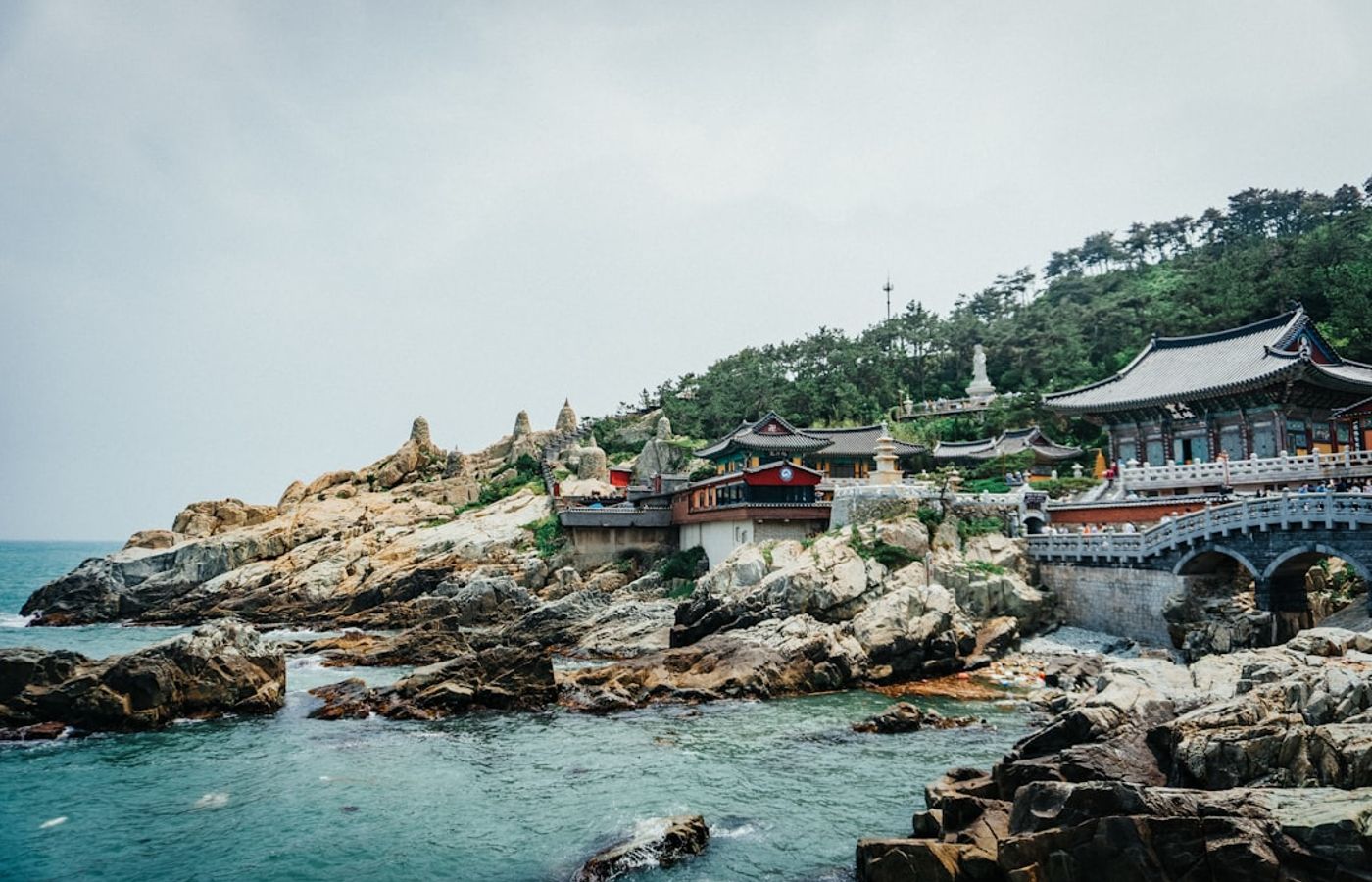
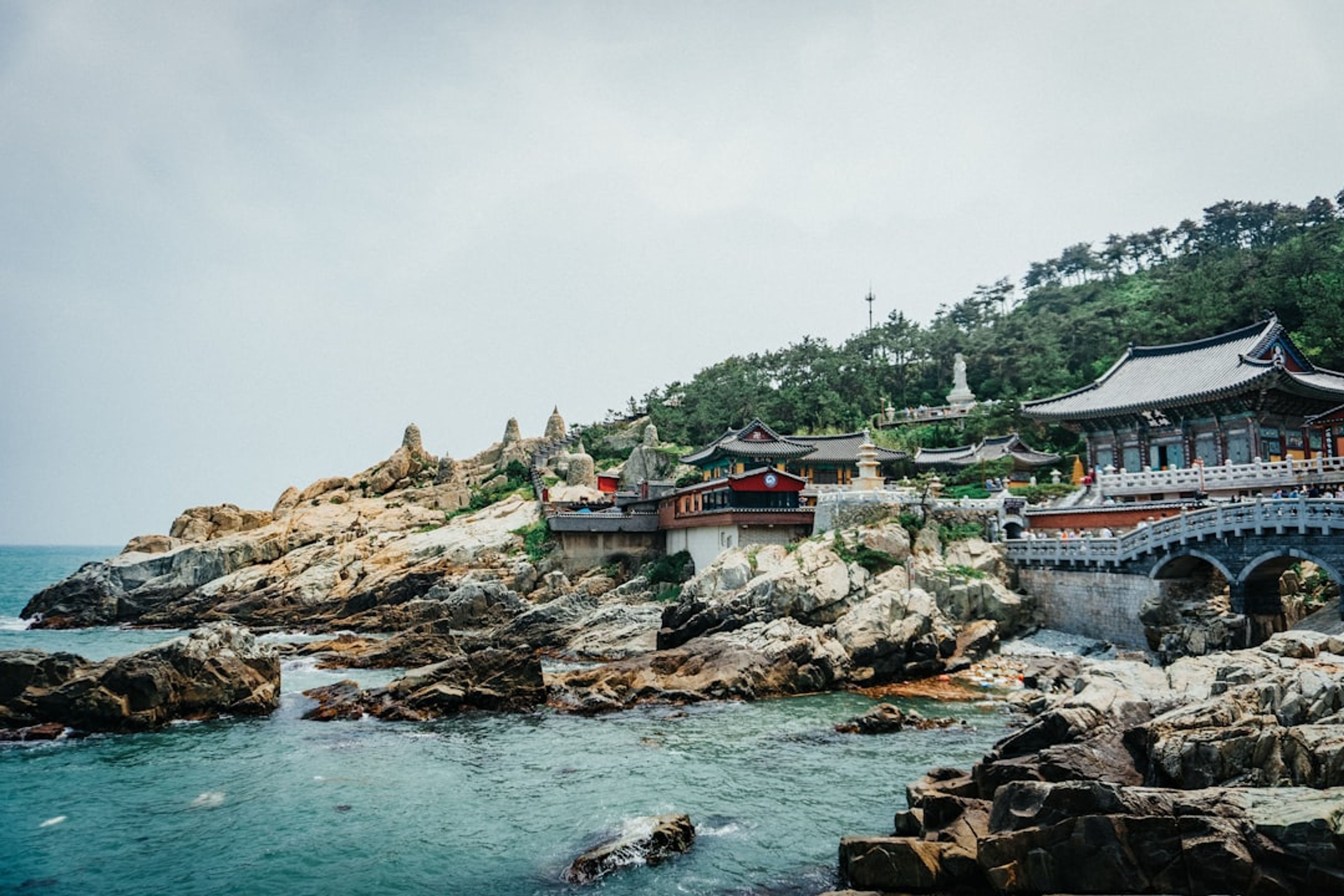
Haedong Yonggungsa is one of very few Korean temples built on the sea rather than in the mountains. The original was founded in 1376 by the monk Naong Hyegeun, destroyed during the Japanese invasions of the 1590s, and rebuilt in the 1930s. The complex sits on black rock directly above the water in Gijang-gun, and a 108-step stone staircase drops through a stone gate to the main hall.
Admission is free and the grounds open from roughly 05:00 until sunset. The 108 steps stand for the 108 earthly desires in Buddhist teaching, and the small stone pagoda near the entrance is where visitors toss coins for wishes. Sunrise on 1 January draws tens of thousands of people. For seasonal opening hours and city-wide event dates, the official Visit Busan tourism site keeps an English calendar.
Pro Tip: Take the earliest bus 181 you can manage and be at the gate by 07:30. By 10:00 the staircase moves single-file in both directions and the sea-facing platform is unusable for photographs.
6Beomeosa Temple - A Silla-Era Mountain Monastery
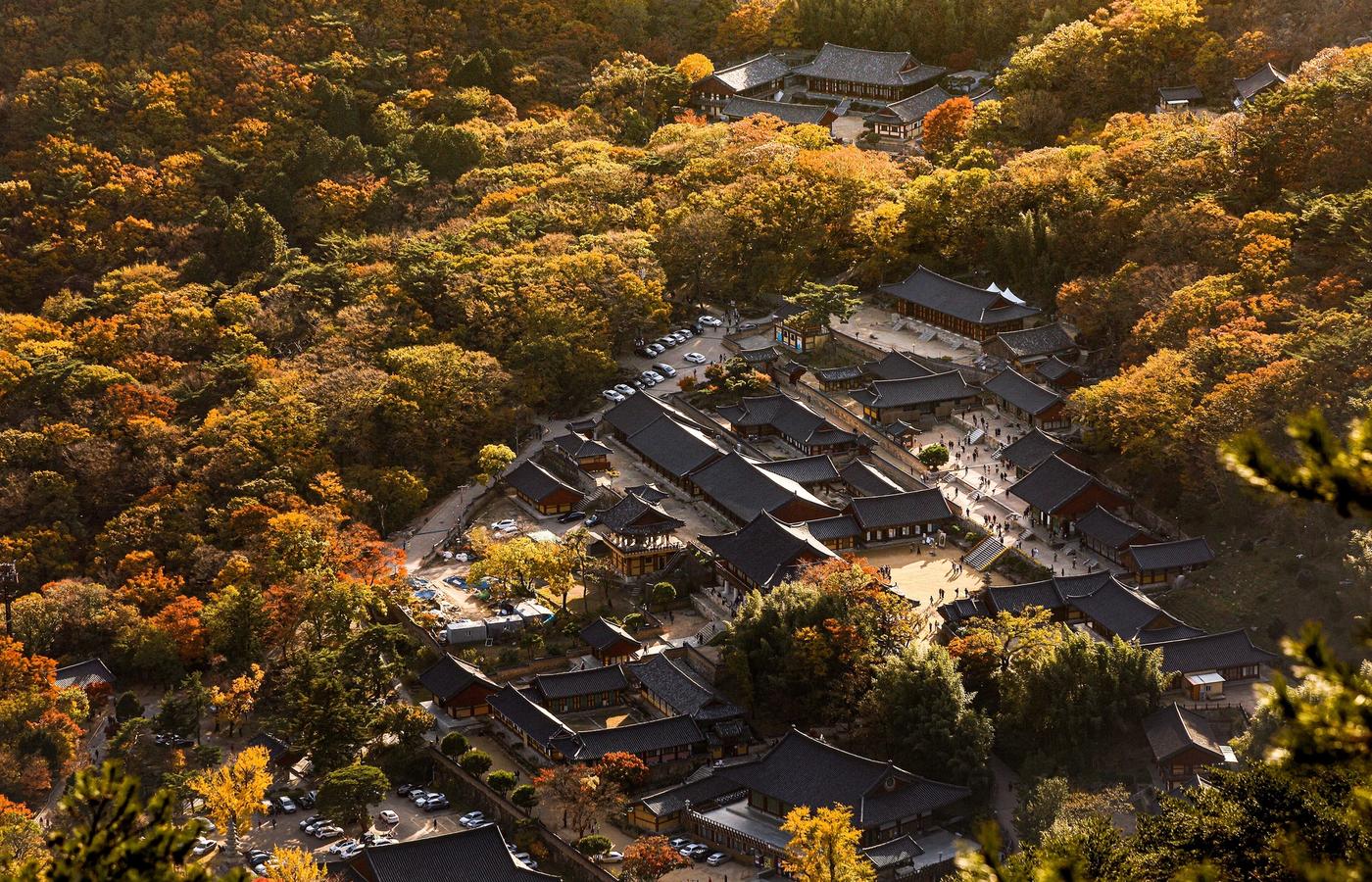
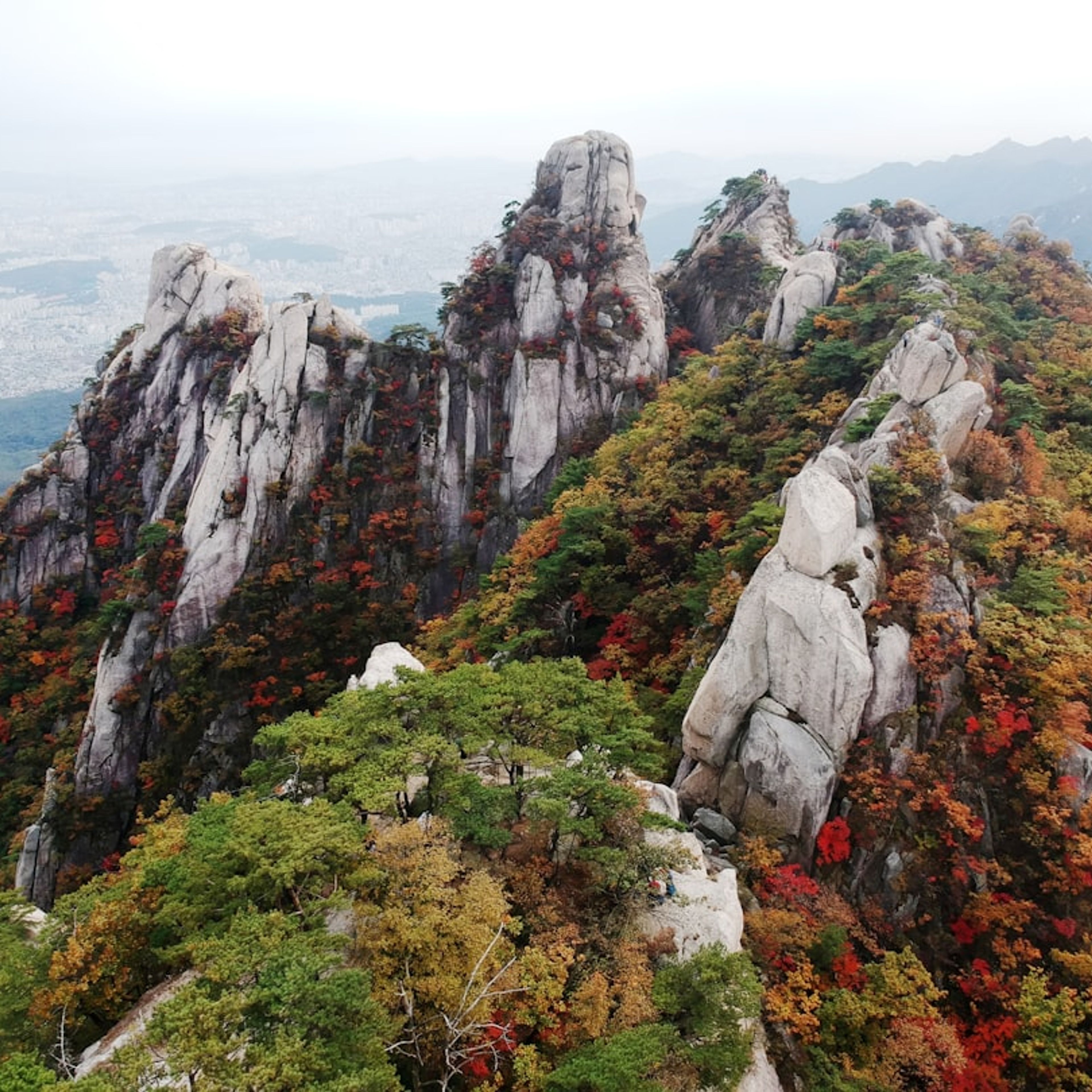
Beomeosa was founded in 678 during the Silla kingdom by the monk Uisang, which makes it roughly seven centuries older than Haedong Yonggungsa. It sits on the eastern slope of Geumjeongsan, the mountain that forms the northern edge of Busan, so the setting is forest rather than coastline. The Iljumun entrance gate, carried on four stone pillars, dates to 1614 and is registered as a national treasure.
Entry is free. The temple runs a Templestay programme with day and overnight options, typically 50,000 to 80,000 KRW depending on the format, bookable in English through the national Templestay system. Behind the compound, a marked trail climbs to Geumjeongsanseong Fortress, whose walls run 17 km and are the longest in South Korea. The North Gate is about 90 minutes up on foot, and the path is well signed in Korean and English.
Pro Tip: Go on a weekday morning in October when the maples turn. Bus 90 from Beomeosa Station Exit 5 runs every 15 minutes and drops you a 5-minute walk below the Iljumun gate, which saves a steep 25-minute climb from the main road.
7Taejongdae Park - Cliffs and Pine Forest on Yeongdo Island
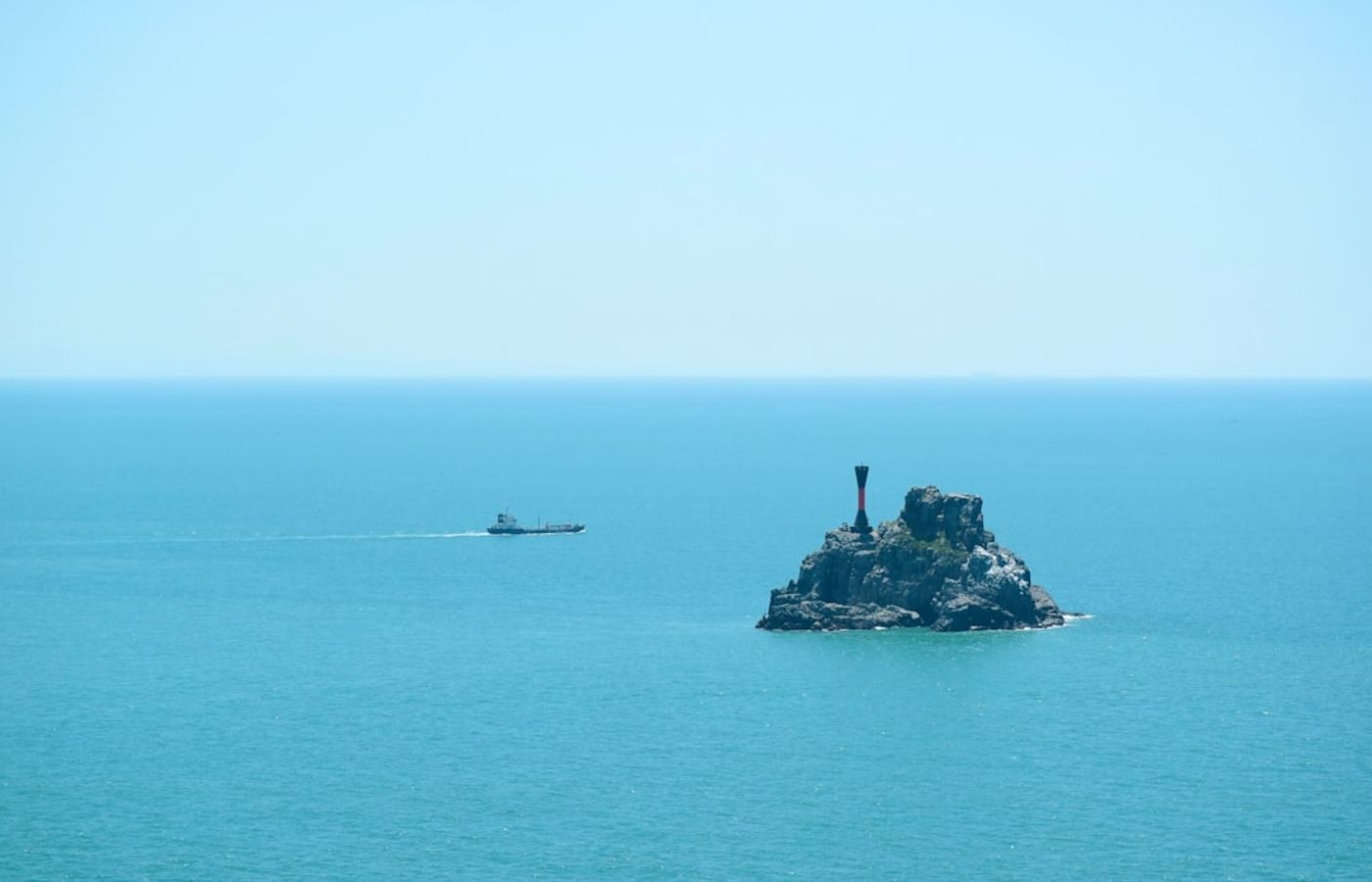
Taejongdae occupies the southern tip of Yeongdo Island, where pine forest ends in cliffs dropping about 100 m to the sea. The park takes its name from King Taejong Muyeol of Silla, who is said to have practised archery here. A paved 4.3 km loop road runs past the observatory, the lighthouse and Sinseon Rock, a flat shelf at the base of the cliffs reached by a steep staircase.
The Danubi road train circles the loop with four stops, costs 4,000 KRW for adults and 2,000 KRW for children, and departs roughly every 20 minutes. Walking the same loop takes about 90 minutes. Near the lighthouse, a line of tented stalls sells grilled shellfish and sea squirt with soju, run by the local haenyeo divers. On clear days the observatory deck gives a view across to Tsushima Island in Japan.
Pro Tip: Buy the Danubi ticket, ride up to the lighthouse stop, then walk the second half downhill. You get the same views without the climb, and the queue for the train is shortest before 10:00.
8Songdo Marine Cable Car and Skywalk - A Ride Across Songdo Bay
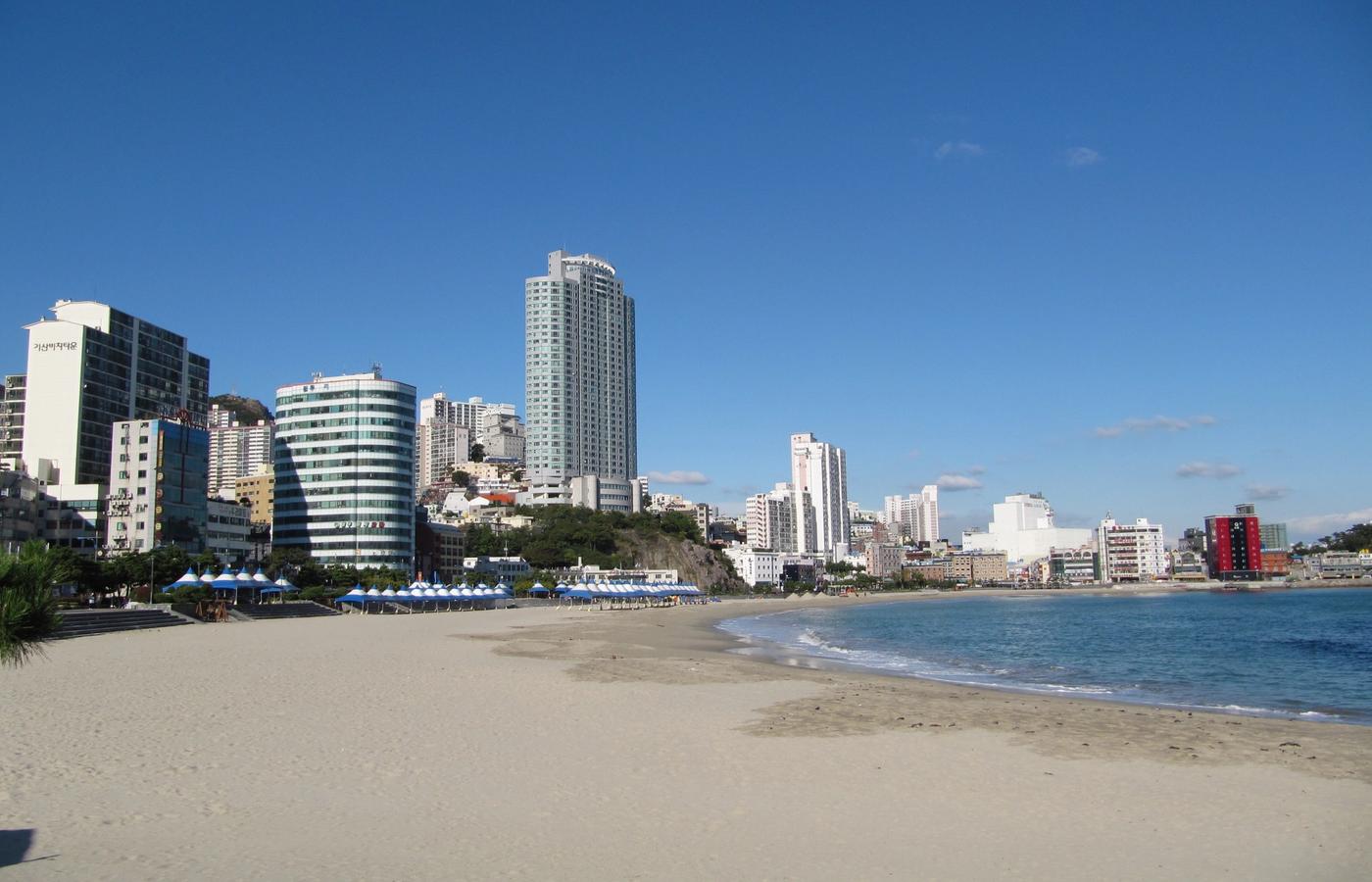
The Songdo Marine Cable Car, branded Busan Air Cruise, runs 1.62 km across Songdo Bay between Songnim Park and Amnam Park, reaching about 86 m above the water at its highest point. It reopened in 2017, nearly thirty years after the original 1964 line was dismantled in 1988. Standard cabins and Crystal Cruise cabins with transparent glass floors run on the same cable, so the only difference is the floor and the fare.
Round-trip fares run about 17,000 KRW for a standard adult cabin and 22,000 KRW for the Crystal Cruise, with one-way tickets at roughly two thirds of that. At the Amnam Park end, the Songdo Yonggung Cloud Trails form a 365 m looped skywalk pinned over the rocks, and walking it costs nothing. Songdo Beach itself is small at 800 m, but it opened in 1913 as the first public beach in Korea.
Pro Tip: Ride out in daylight and come back after sunset. Last boarding is usually 21:00 in summer and 19:00 in winter, and the return leg with the coastline lit up is the better half of the trip.
9Gukje Market and BIFF Square - Street Food and Post-War Trading Alleys
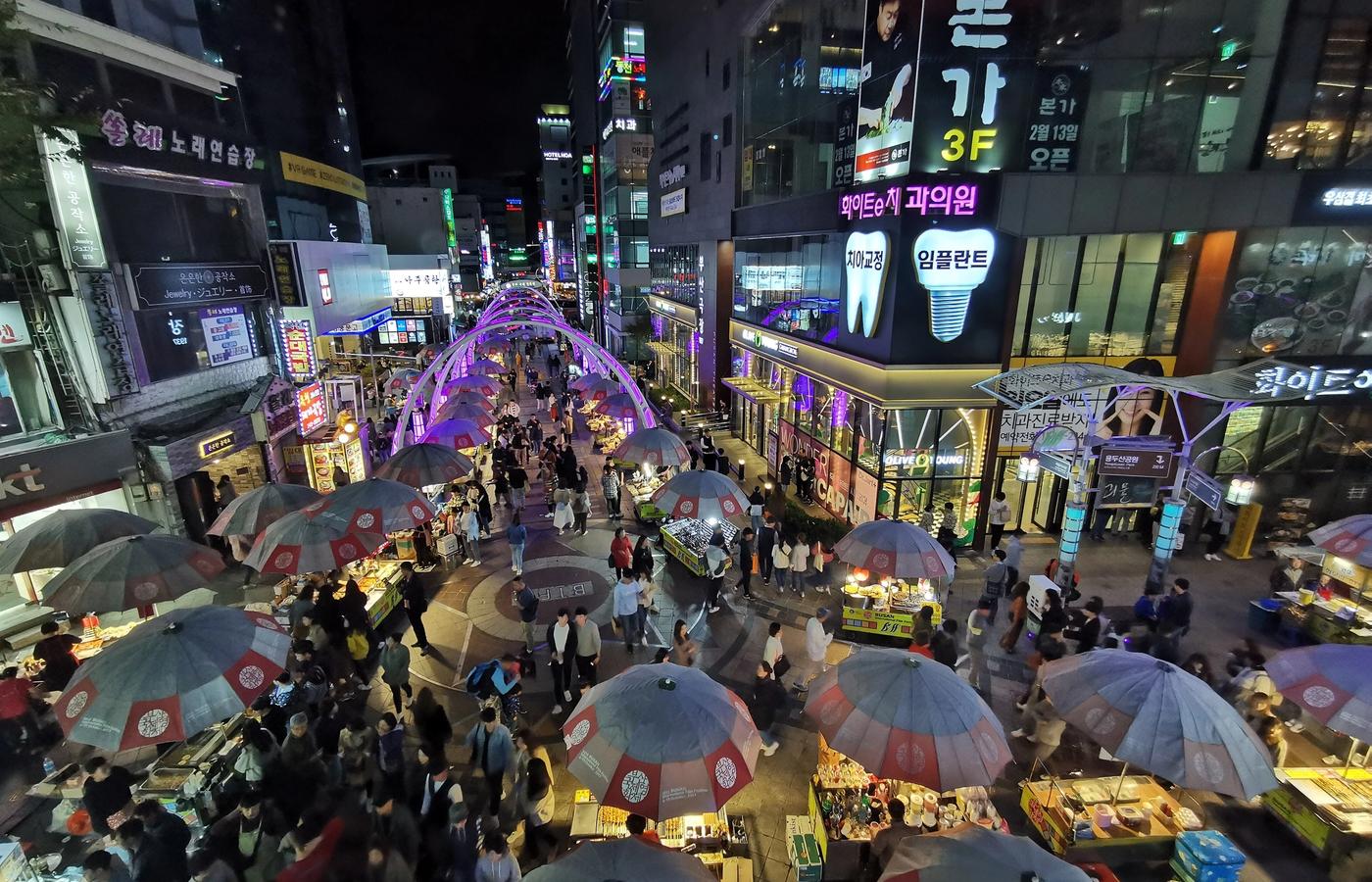
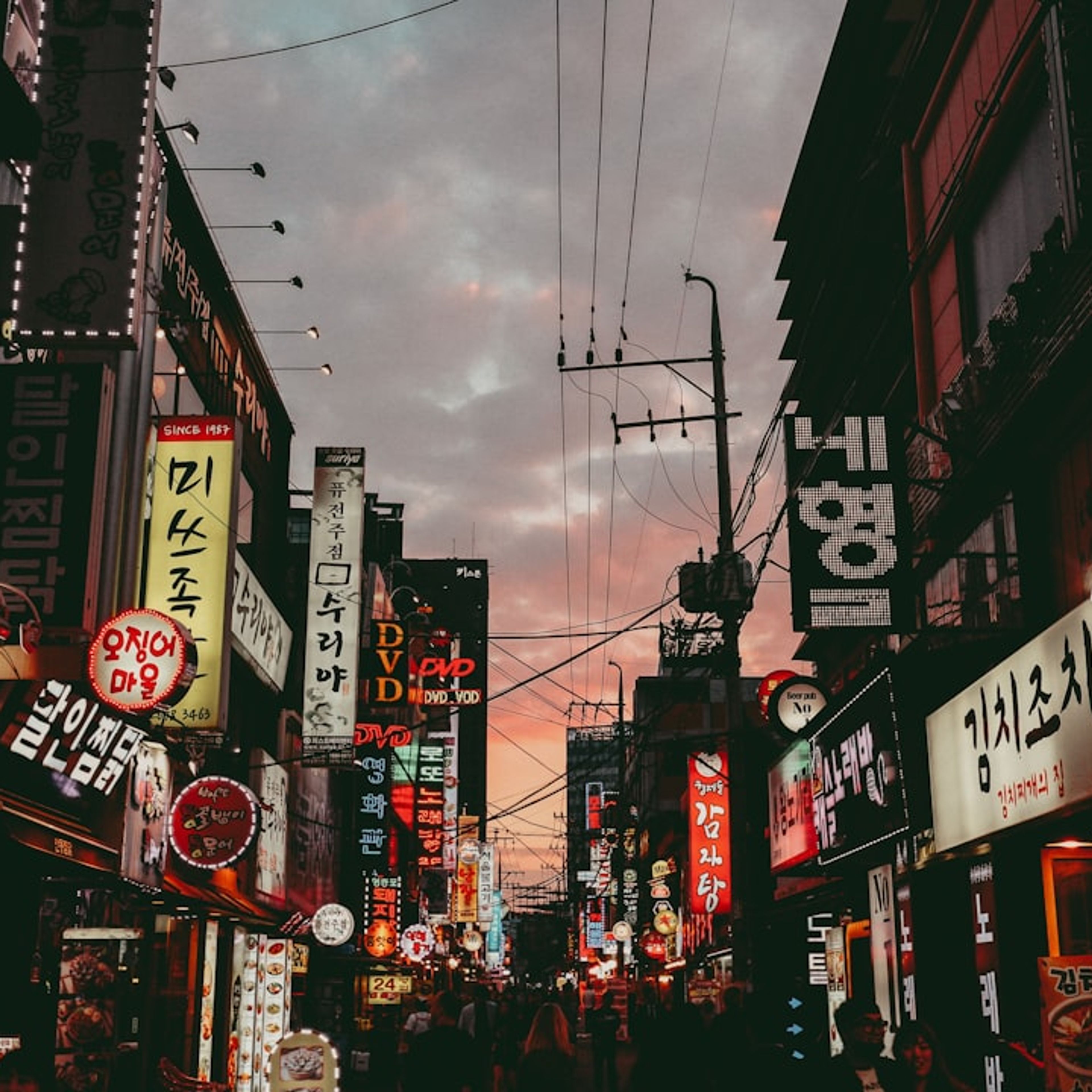
Gukje Market began in 1945 as a place where returning Koreans and, later, Korean War refugees sold surplus goods, and it still operates as a grid of covered alleys across Jung-gu. Sections are loosely organised by trade: fabric in one lane, hardware in another, then kitchenware and clothing. Kkangtong Market on the eastern side is the food alley, where the night stalls set up from around 19:00 and run late.
BIFF Square, two minutes south, was the original home of the Busan International Film Festival and has the handprints of directors and actors set into the pavement. The street food to order is ssiat hotteok, a fried pancake split open and packed with seeds and nuts, at around 2,000 KRW. Eomuk fishcake skewers cost 1,000 KRW and bibim dangmyeon noodles about 4,000 KRW. Most stalls take cash only, and few have English menus.
Pro Tip: Carry 10,000 KRW in small notes. The busiest hotteok stall on BIFF Square, the one with the queue down the lane, moves fast only if you have exact change ready.
10Huinnyeoul Culture Village - A Cliffside Row Above the Shipping Lanes
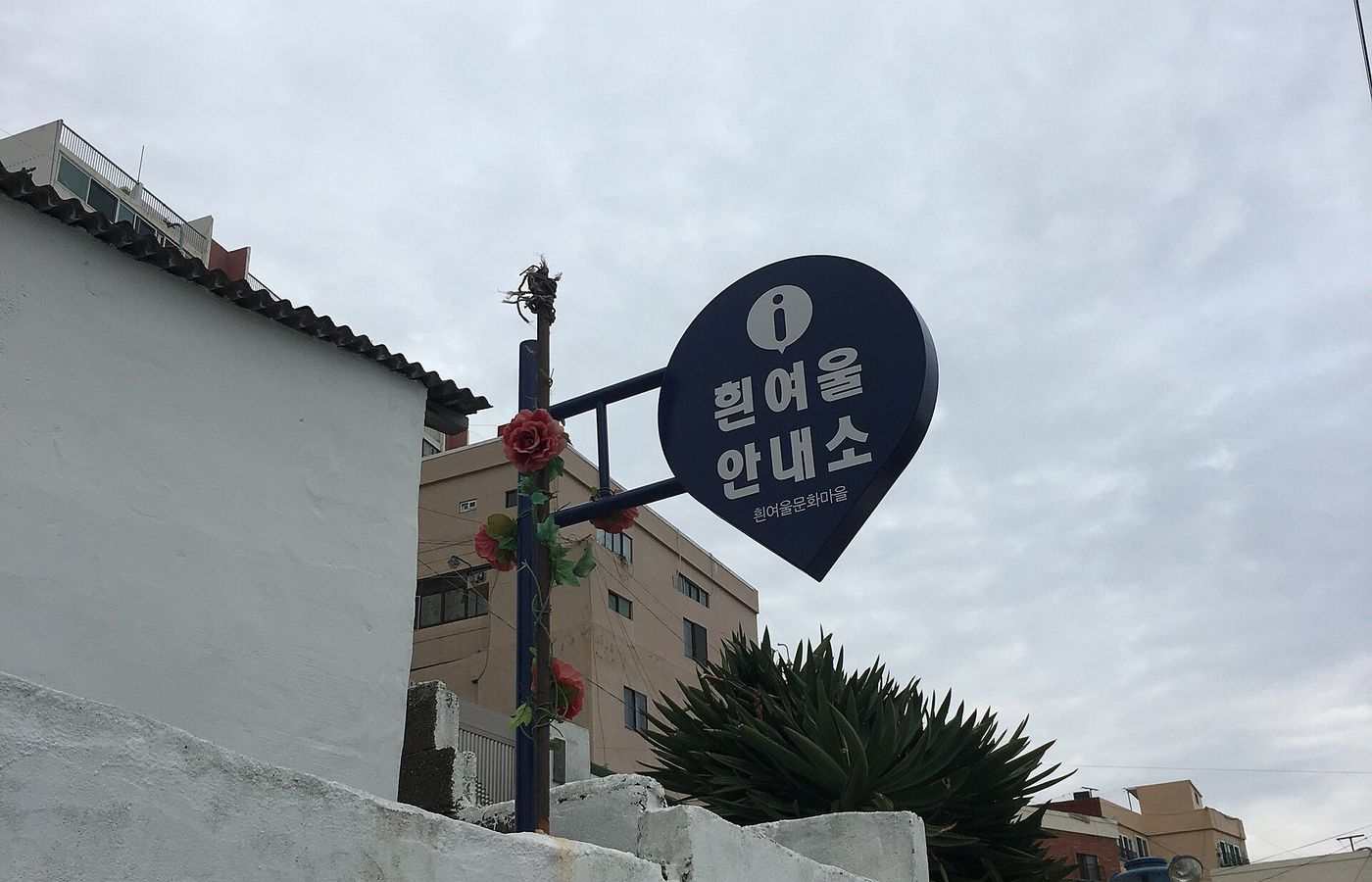
Huinnyeoul Culture Village runs along a cliff edge on the western side of Yeongdo Island, a single row of low houses above the water with a narrow coastal path below. The name refers to the white streams that once ran down the slope. Like Gamcheon, the settlement started with Korean War refugees, and the houses were repainted decades later as part of a regeneration scheme.
The village is smaller and quieter than Gamcheon and takes about an hour to walk end to end. The cliffside path connects to the Jeoryeong Coastal Walk, a 3 km route with sea views and several sections of steel walkway bolted to the rock. Cafes occupy converted houses along Huinnyeoul-gil, most with rooftop seating facing the container terminal and the shipping lanes. People still live here, so the residential lanes carry quiet-hours signs.
Pro Tip: Walk it in late afternoon and stay for sunset, which sits directly over the water from the Jeoryeong path. Bus 6 back to Nampo Station runs until about 22:30.

CEO and co-founder
Tomas is the co-founder and director of trip1, an European company specializing in reservation services. He launched the company in 2025 with a focus on building scalable, efficient operations.
10 Best Things to Do in Busan, South Korea - FAQ
No. Busan stretches roughly 30 km along the coast and the attractions sit at opposite ends of it. Three days is the sensible minimum, grouping the list into a western old-city day, an eastern beach day and a northern temple day.
Work west to east. Day one covers Gamcheon Culture Village, Jagalchi Market, Gukje Market and Huinnyeoul Culture Village around Nampo-dong. Day two takes Haeundae Beach, the Songdo cable car and Gwangalli after dark for the bridge lights. Day three goes north to Beomeosa Temple and out along the coast to Haedong Yonggungsa.
Almost none. Only the Songdo Marine Cable Car benefits from booking ahead at weekends, when queues for the crystal-floor cabins stretch past an hour. Both temples, all the beaches, both markets and Taejongdae Park are free or pay at the gate.
About KRW 35,000 per person, roughly EUR 24. Most of the list is free, including both beaches, Gamcheon Culture Village, Jagalchi Market, Gukje Market, Beomeosa and Haedong Yonggungsa. The Songdo cable car is the main cost at around KRW 17,000 return, and the Taejongdae Danubi train is KRW 4,000.
Seven are directly on the metro, and the rest need a short bus link. Gamcheon, Taejongdae, Songdo and Haedong Yonggungsa all require a bus from the nearest station, typically 10 to 30 minutes. A Cashbee or T-money card covers metro and buses and gives a transfer discount.
Three strong alternatives. The Blueline Park beach train between Mipo and Songjeong runs along a disused railway right above the water. Oryukdo Skywalk gives a glass-floor view over the point where the East Sea meets the South Sea. Gyeongju, the ancient Silla capital, is under an hour away and easily justifies a full day.