

Guides · Seoul
5 Best Places to See Autumn Leaves in Seoul

CEO and co-founder
Autumn in Seoul is the city's most beautiful season. From mid-October, red maples and golden ginkgos creep down from the surrounding mountains into palace gardens and city parks, under clear, dry skies that follow the summer monsoon. This guide picks the 5 best places to see autumn leaves in Seoul and nearby, from the Secret Garden of Changdeokgung to Nami Island and Seoraksan, each with the address, how to get there, when colour peaks and a Pro Tip.
Timing is everything with autumn in Korea. The 2026 foliage forecasts put peak colour at Seoraksan, on the east coast, around 25 October, and at Bukhansan, on Seoul's northern edge, around 4 November. City-centre palaces and parks usually follow in the first half of November. October highs run from about 23°C down to 17°C, with cool mornings, and summits are colder and windier than the city.
The list runs from inside the city outwards: two spots reachable by subway in central Seoul, Bukhansan on the city's edge, and two day or overnight trips east into Gangwon Province. Weekends at peak colour are extremely busy everywhere, so visit on weekdays where you can and book palace tours and trains ahead.
1Changdeokgung Secret Garden - Maples Around a Royal Pond
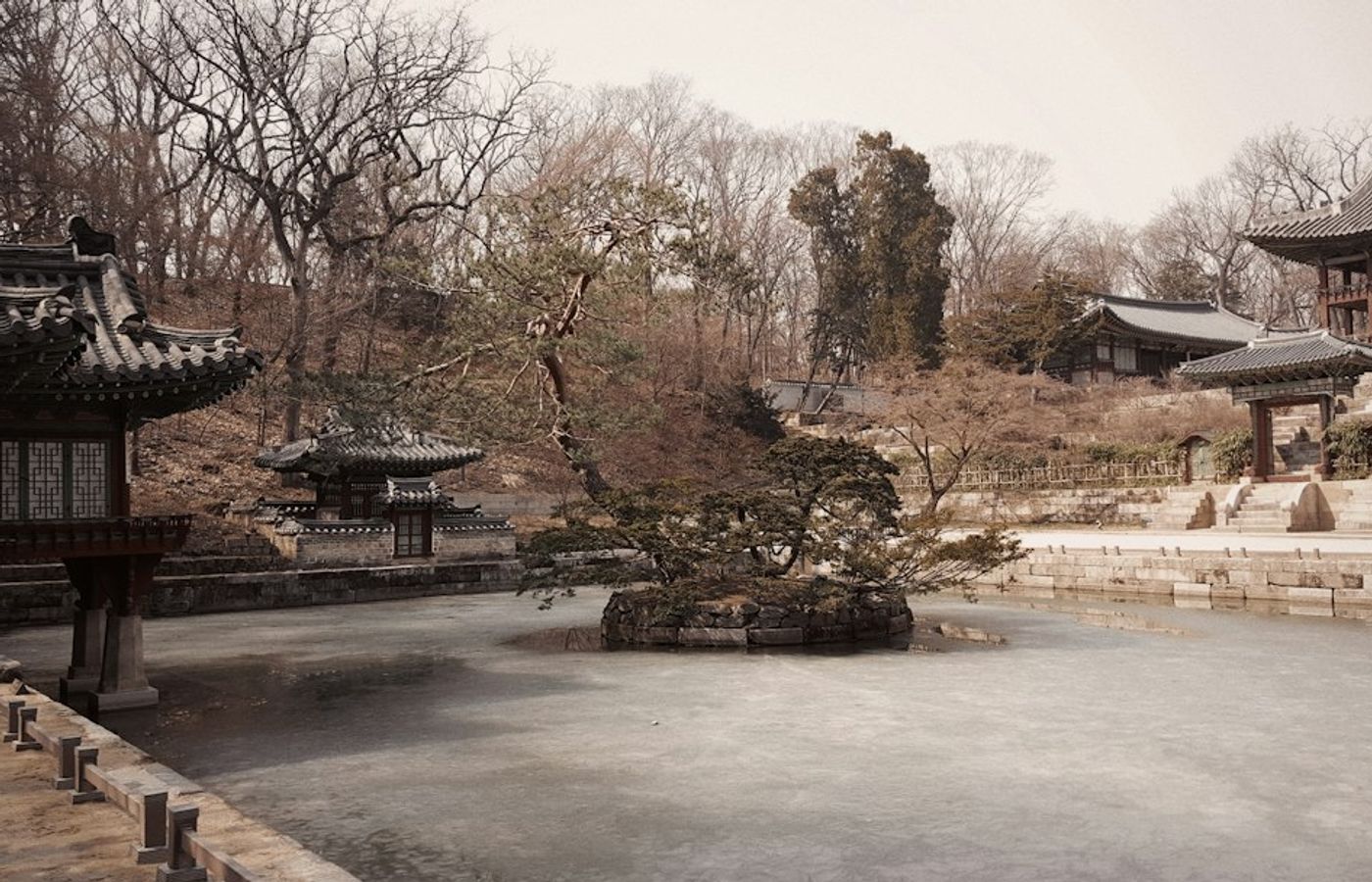

Changdeokgung, built in the early 15th century, is the best preserved of Seoul's five Joseon-dynasty palaces and a UNESCO World Heritage Site. Behind it lies Huwon, the Secret Garden, a wooded royal retreat of pavilions, lotus ponds and old trees laid out to follow the natural landscape. The Buyongji Pond, framed by maples and a pavilion on stone pillars, is one of the classic autumn views in Korea.
The Secret Garden can only be visited on timed guided tours, including tours in English, with limited places that sell out quickly during foliage season. Colour usually peaks in early November, a little later than in the mountains. Palace grounds are closed on Mondays.
The nearby Bukchon Hanok Village, with traditional wooden houses, makes an easy extension, though residents ask visitors to keep noise down.
Pro Tip: Book the Secret Garden tour online as soon as slots open for your dates, and wear a hanbok to get free palace entry. Visit on a weekday morning in the first week of November for peak colour.
2Namsan Park - Autumn Trails Beneath N Seoul Tower
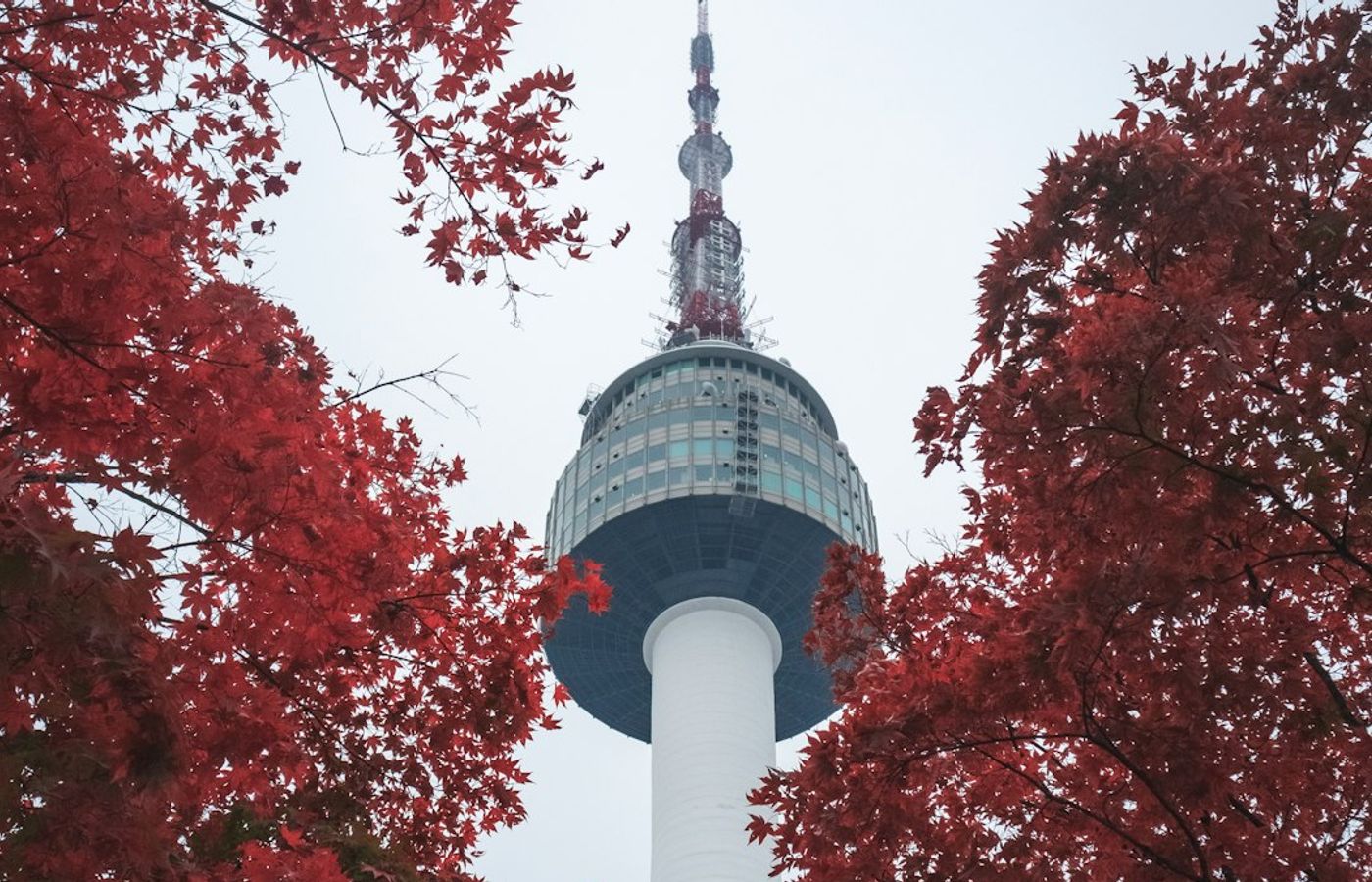

Namsan, the 262-metre mountain in the middle of Seoul, is topped by N Seoul Tower and wrapped in a park of forest trails and restored Joseon-era fortress walls. In autumn, the walking roads around the mountain, closed to private cars, turn into tunnels of red and yellow, and the view from the top takes in the whole city ringed by mountains.
The Namsan Cable Car runs up from near Myeongdong, or you can walk up the stairs along the fortress wall in about 30 to 40 minutes. The northern and southern circuit roads are gentle, paved walks ideal for foliage. Colour typically peaks in late October to early November, and the park is free.
N Seoul Tower's observatory is ticketed and busiest at sunset.
Pro Tip: Walk up via the fortress wall from Namdaemun in the late afternoon, catch sunset from the top, then take the cable car down to Myeongdong for street food.

3Bukhansan National Park - Granite Peaks on Seoul's Edge
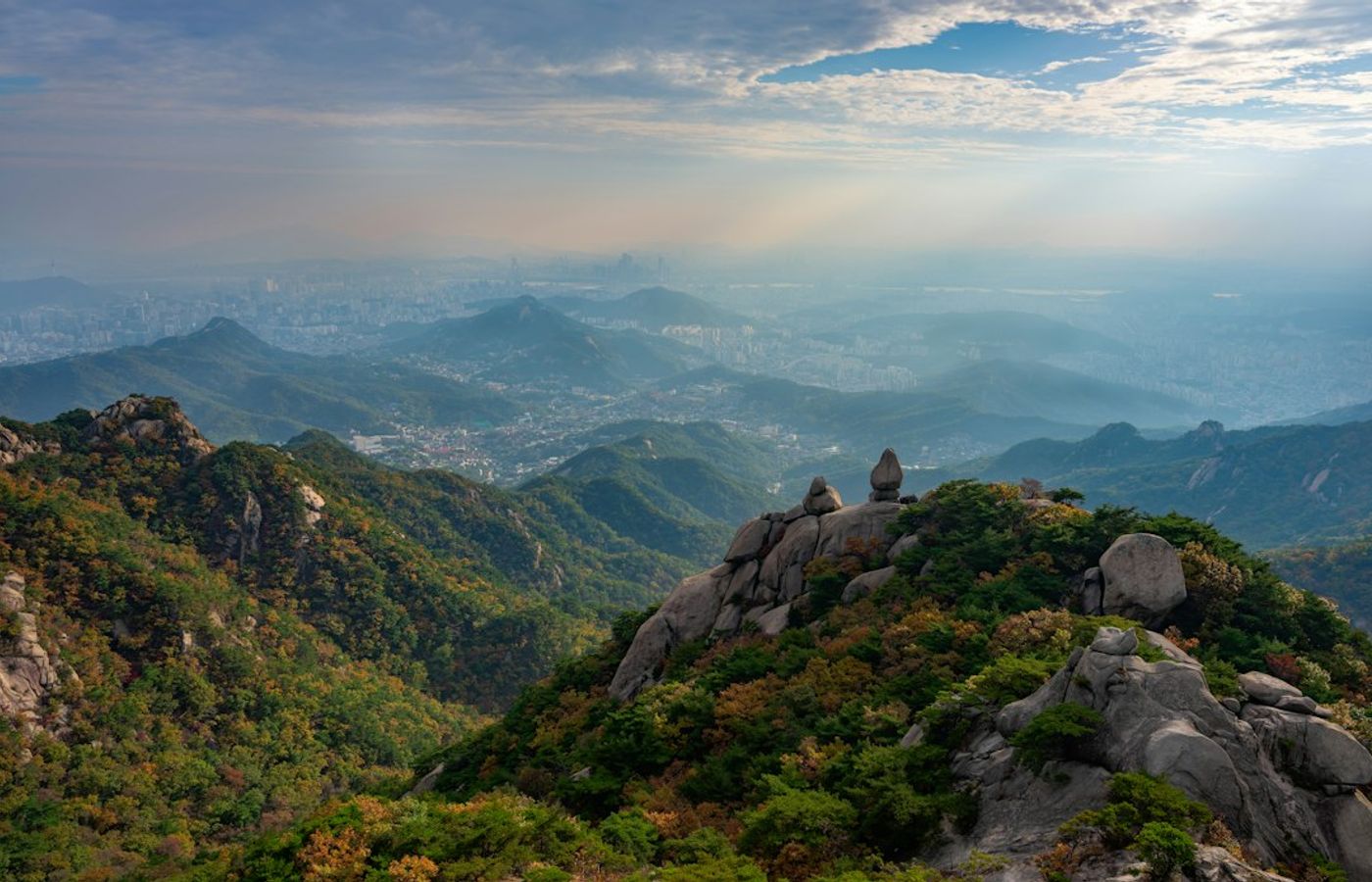

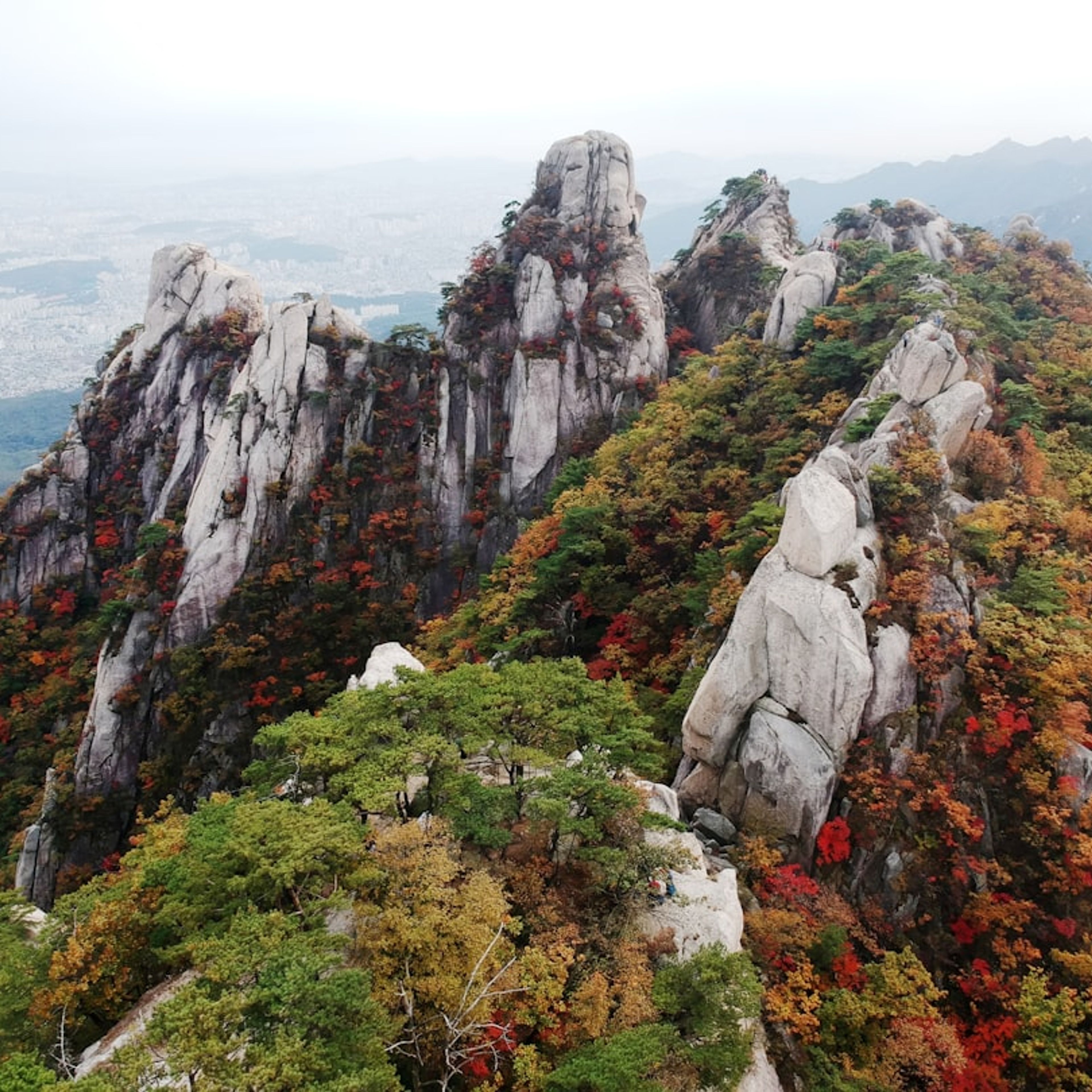
Bukhansan National Park, on Seoul's northern edge, is one of the most visited national parks in the world by visitor numbers per area, a range of granite peaks rising to 836 metres at Baegundae. Trails climb through forests of oak and maple past Buddhist temples and the walls of Bukhansanseong, a Joseon fortress, and the summit view looks back over the entire city.
The 2026 forecasts put Bukhansan's peak colour around 4 November, and the valleys around the Bukhansanseong trailhead turn deep red. The summit route to Baegundae takes about five hours return and includes steep granite sections with cables; shorter valley walks to temples suit a half day. Entry to the park is free.
Weekend crowds of Korean hikers in bright gear are part of the experience.
Pro Tip: Go on a weekday around the start of November, start from Bukhansanseong by 08:30, and wear grippy shoes for the granite. Have a Korean-style post-hike meal of pajeon and makgeolli at the trailhead restaurants.
4Nami Island - Ginkgo and Metasequoia Avenues on the Bukhan River
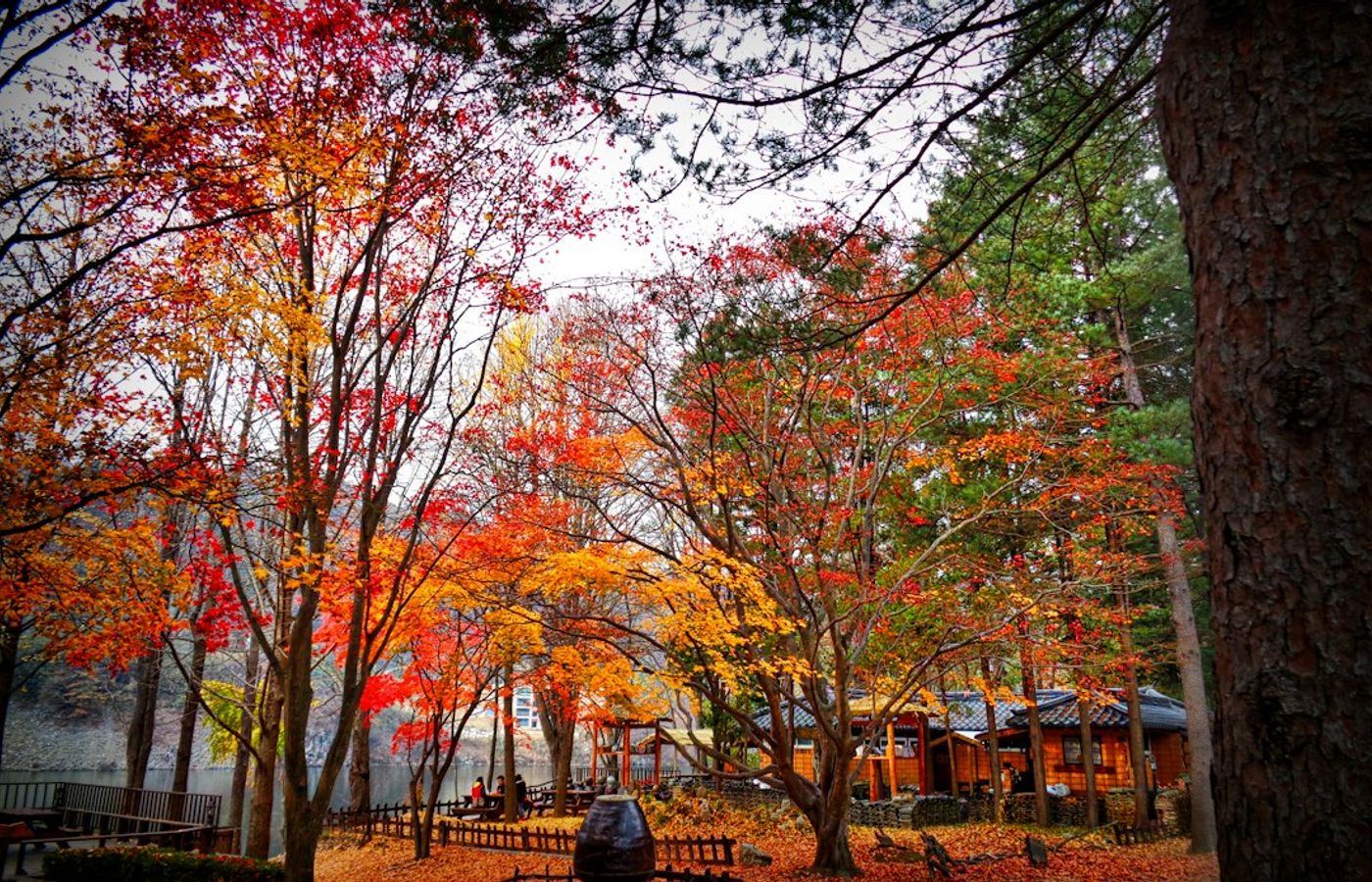
Nami Island is a small crescent-shaped island in the Bukhan River, reached by a five-minute ferry or a zipline from Gapyeong Wharf. It became famous across Asia as a filming location for the 2002 drama Winter Sonata, and its tree-lined avenues of ginkgo, maple, pine and tall metasequoia are among the most photographed autumn scenes in Korea.
Colour usually peaks from late October into early November, when the ginkgo lanes carpet the paths in yellow. The island has bike hire, cafés and small galleries, and it gets very busy at weekends. An entry ticket includes the ferry, and the zipline is an extra.
The Garden of Morning Calm, a large arboretum about 30 minutes away, is famous for its autumn maples and makes a good pairing.
Pro Tip: Take an early weekday ITX train, catch one of the first ferries, and walk the metasequoia lane before 10:00, when day-tour buses arrive. Reserve ITX seats in advance at peak season.
5Seoraksan National Park - Korea's Earliest Autumn Colour
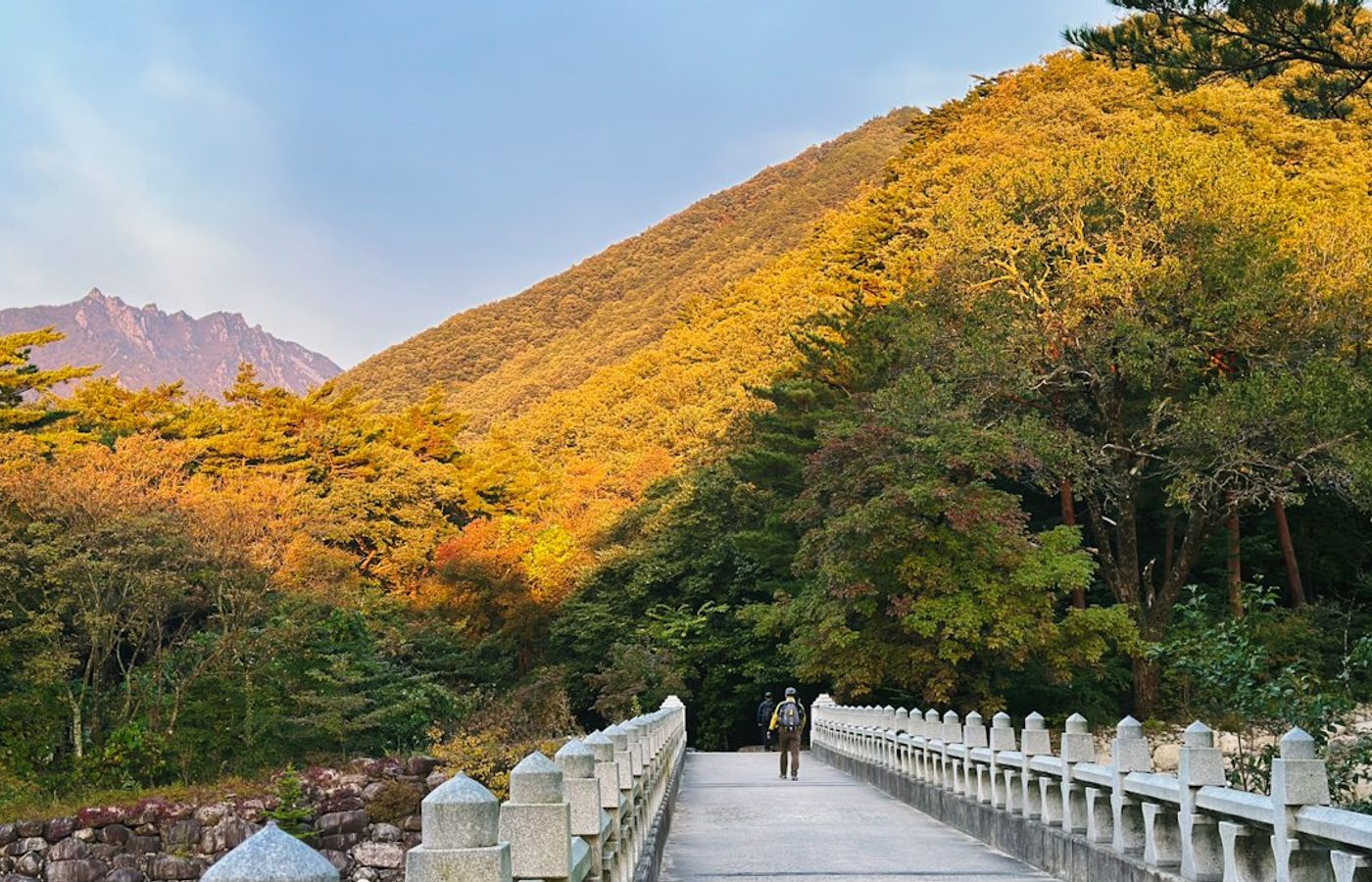
Seoraksan is Korea's most celebrated mountain park, a UNESCO Biosphere Reserve of jagged granite peaks rising to 1,708 metres at Daecheongbong, and it is where autumn colour arrives first. The 2026 forecasts put peak colour at Seoraksan around 25 October, when the valleys around Sinheungsa Temple and the great seated Buddha turn scarlet and gold.
From the Seorak-dong entrance, easy options include the walk to Biseondae rock and the valley beyond, while the Seoraksan cable car climbs to Gwongeumseong fortress for views over the peaks. The Ulsanbawi hike, about four hours return with steep metal stairs, rewards fit walkers with some of the best views in the country. An overnight stay in Sokcho, with its fish markets and beach, makes the trip less rushed.
Peak weekends bring huge crowds and cable car queues of several hours.
Pro Tip: Plan a weekday visit in the last week of October, stay in Sokcho the night before, and be at the park entrance at opening to ride the cable car before the queues build.
Get hotel deals for Seoul
Price drops, new stays and local tips for Seoul, straight to your inbox.
No spam, unsubscribe anytime.

CEO and co-founder
Tomas is the co-founder and director of trip1, an European company specializing in reservation services. He launched the company in 2025 with a focus on building scalable, efficient operations.
5 Best Places to See Autumn Leaves in Seoul - FAQ
Mid-October to mid-November, moving from the mountains down to the cities. The 2026 forecasts put peak colour at Seoraksan around 25 October and Bukhansan in Seoul around 4 November. City palaces and parks in central Seoul usually peak in the first half of November, and Nami Island in late October to early November.
Autumn in Seoul is clear, dry and crisp. October highs run from about 23°C early in the month to around 17°C by the end, with lows falling towards 8°C, and November is colder again. Rain is light compared with the summer monsoon. Mountain summits are much colder and windier, so bring layers for hikes.
Yes. The Secret Garden of Changdeokgung Palace, Namsan Park and Bukhansan National Park are all reachable by subway, with Bukhansan on the city's northern edge. Deoksugung's stone-wall road and the ginkgo-lined streets around the palaces also turn yellow in early November. Nami Island and Seoraksan need a day trip or overnight stay.
Yes, it is one of the most photographed autumn spots in Korea, with avenues of ginkgo, maple and metasequoia trees. It gets very crowded at weekends in peak season, so go on a weekday and arrive on an early ferry. Combining it with the Garden of Morning Calm or Petite France nearby makes a full day trip.
The Secret Garden at Changdeokgung can only be visited on timed guided tours, which sell out in autumn, so book online ahead. Seoraksan cable car tickets also sell out on peak weekends. ITX train seats to Gapyeong for Nami Island are worth reserving. Namsan Park and Bukhansan trails are free and need no booking.
Yes, over four or five days. Plan Seoraksan first, around its late-October peak, as an overnight trip to Sokcho, then Nami Island as a day trip, and finish with Bukhansan, Namsan and the Secret Garden in Seoul in early November as colour moves into the city.