Guides · Zurich
10 Top Places to Visit in Zurich

CEO and co-founder
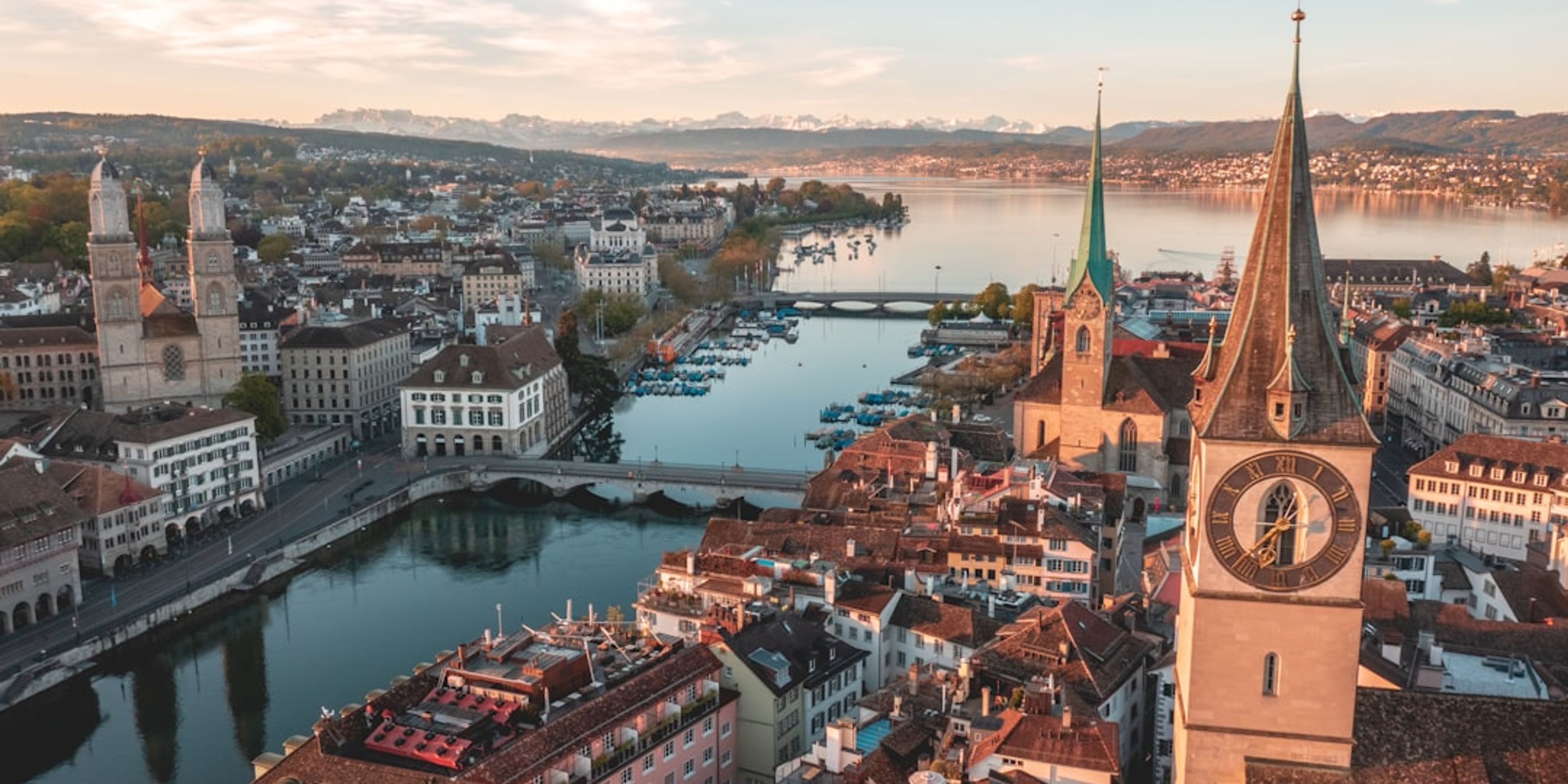
This guide ranks the 10 top places to visit in Zurich, the sights that genuinely deserve a spot on your itinerary whether you have a weekend layover or a full week in Switzerland's largest city. Each entry gives you the exact address with postal code, the nearest tram, S-Bahn or bus stop, walking time from that stop, and a practical Pro Tip you would only get from someone who has already made the mistake. We have ordered the list so the medieval Old Town cluster (Lindenhof, Fraumunster, Grossmunster and Bahnhofstrasse) forms a natural walking loop for day one, the museums sit close enough to combine, and the escape to Uetliberg or Lake Zurich waits for late afternoon light.
Zurich rewards visitors who plan by district rather than by attraction. The city divides cleanly into the medieval Altstadt on both banks of the Limmat river, the shopping and financial spine of Bahnhofstrasse, the museum quarter around the Hauptbahnhof, the industrial-turned-creative Zurich West, and the ring of hills and lake at the edges. Public transport is extraordinary, so every place on this list is reachable within 20 minutes of the main station on a single ZVV zone 110 ticket. If you plan to stay two nights or more in 2026, the 72-hour Zurich Card almost always beats paying per attraction.
1Grossmunster - The Twin-Towered Heart of Reformation Zurich
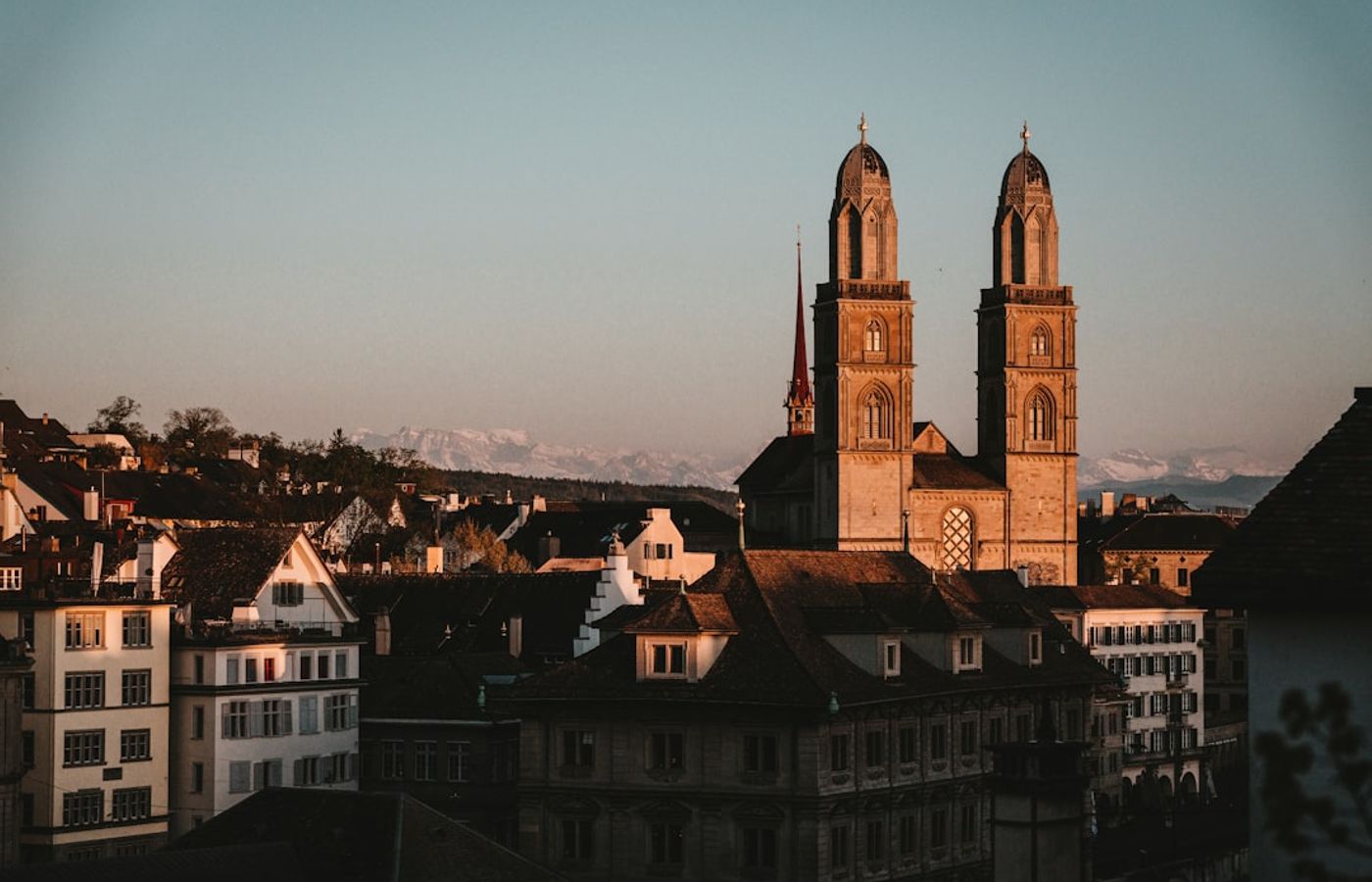

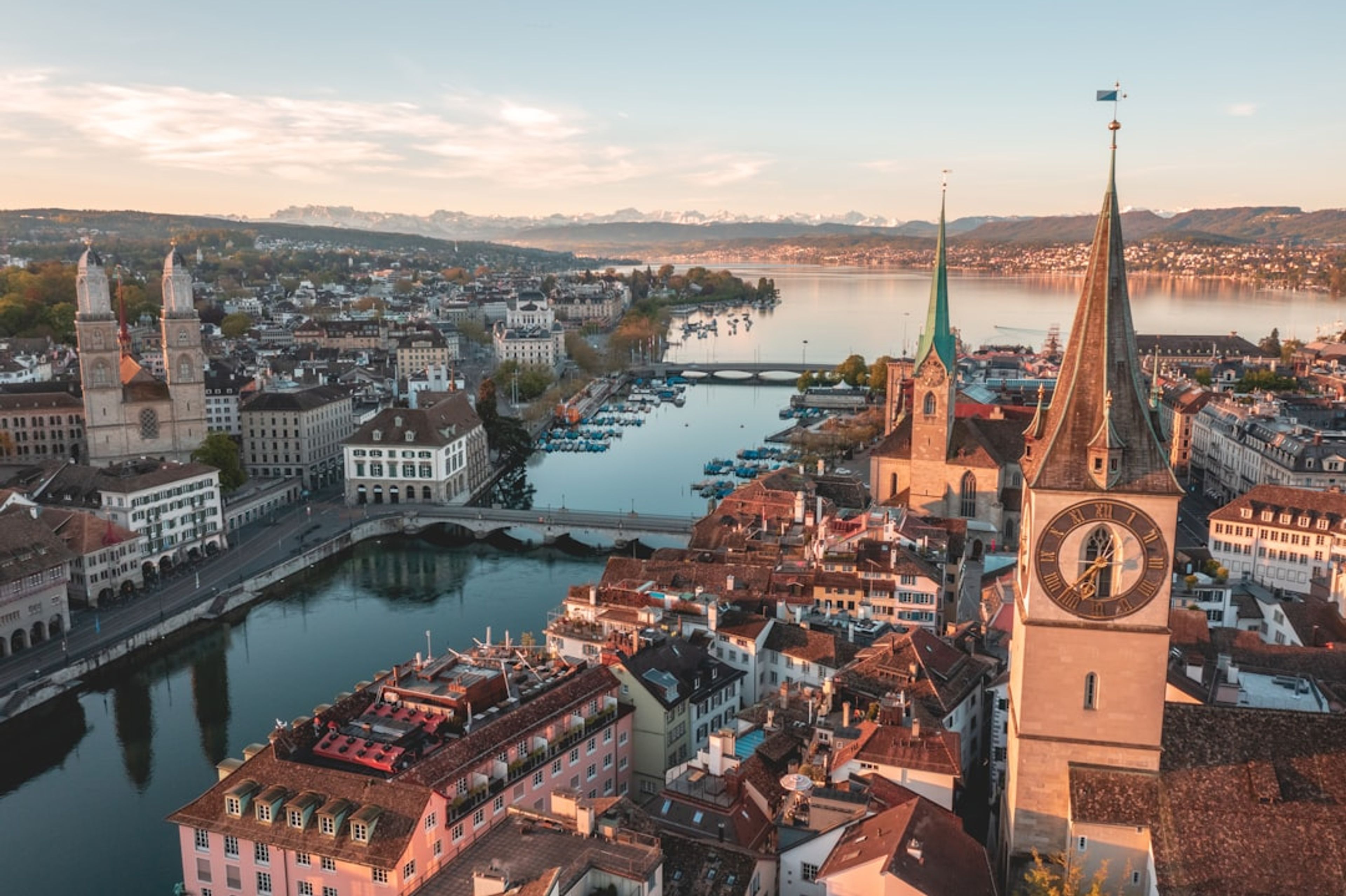
The twin towers of Grossmunster define the Zurich skyline and mark the spiritual birthplace of the Swiss-German Reformation. Founded, according to legend, by Charlemagne in the 9th century on the graves of the city's patron saints Felix and Regula, the current Romanesque church was built between 1100 and 1220. In 1519, Huldrych Zwingli began preaching here and launched the Reformation that reshaped Northern Europe.
Entry to the nave is free. The interior is austere by design, stripped of Catholic decoration during the Reformation, but the modern stained-glass windows by Augusto Giacometti (1932) and Sigmar Polke (2009) are extraordinary. For CHF 5 you can climb the 187 steps of the Karlsturm south tower for the single best rooftop panorama of the Old Town, the Limmat, Lake Zurich, and, on clear days, the Alps on the horizon.
Pro Tip: Climb the Karlsturm 45 minutes before sunset. The light on the terracotta rooftops is unbeatable, and by then the last coach tours have left. The staircase is narrow and one-way alternating, so allow 15 minutes for the climb plus wait at the top.
2Bahnhofstrasse - Europe's Most Exclusive Shopping Street
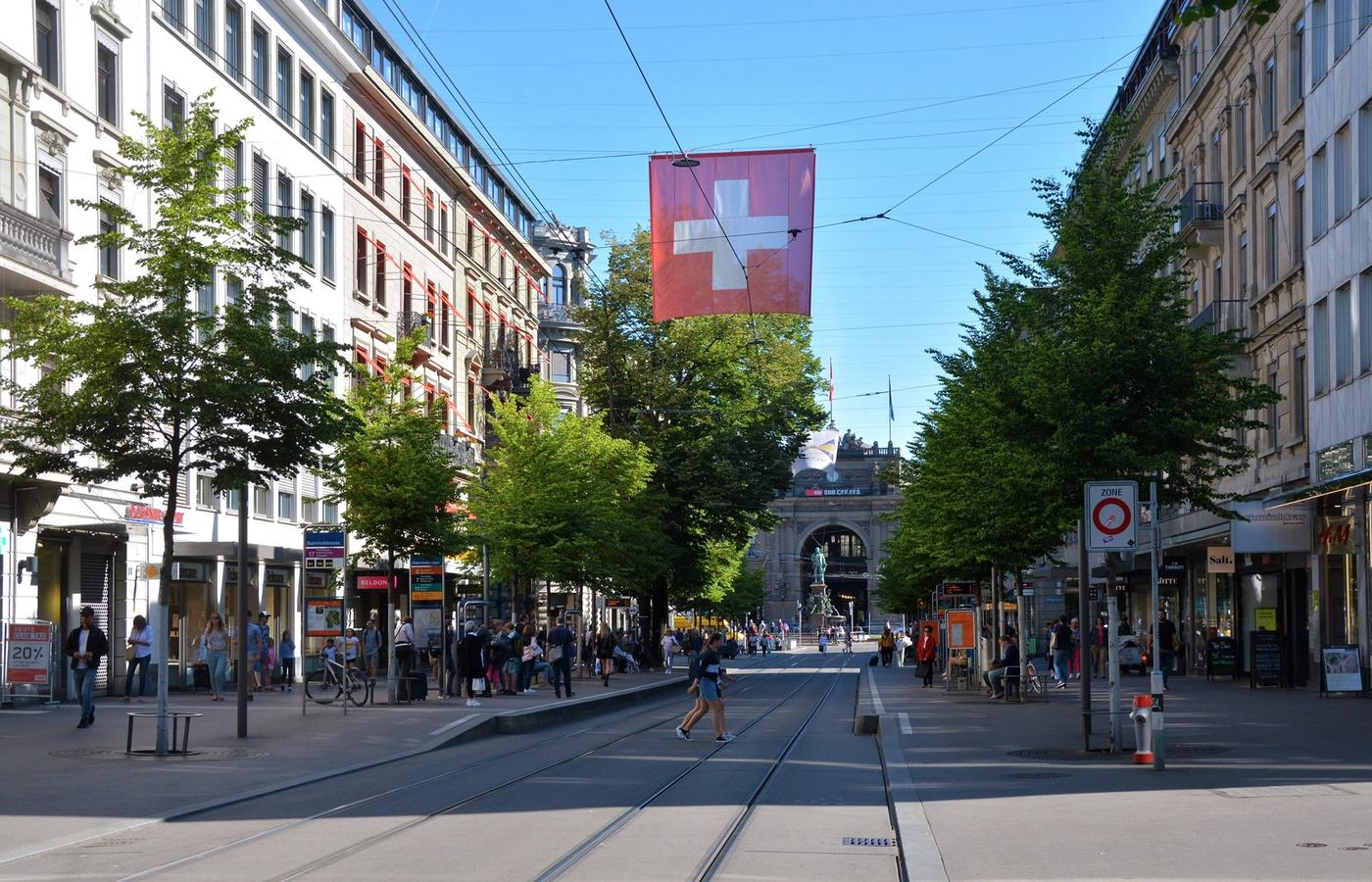
The 1.4 km stretch of Bahnhofstrasse runs in a straight line from the Hauptbahnhof to Lake Zurich at Burkliplatz, and it is the highest-rent retail street in Switzerland and one of the top three in the world. Built in 1864 on the drained bed of a former moat, it is home to the flagship stores of Bally, Bucherer, Beyer, Chopard, and the Swiss headquarters of UBS and Credit Suisse. Underneath the pavement lie the gold vaults of the Swiss banking system.
The street is fully pedestrianised except for tram lines. Even if you have no intention of buying a CHF 40,000 watch, the window displays are worth an evening walk, and the Christmas lights (the Lucy installation) turn the whole street into a hanging chandelier from late November. Confiserie Sprungli at Paradeplatz (open since 1836) is essential for a Luxemburgerli macaron break, and Beyer's clock museum in the basement of its watch store is free and unexpectedly excellent.
Pro Tip: Walk Bahnhofstrasse from north (Hauptbahnhof) to south (Burkliplatz) so you finish at the lake, which is the natural spot for a sunset drink. Duck into the arcades between Paradeplatz and Rennweg to see the private banking district.

3Lake Zurich (Zurichsee) - Alpine Water at the City's Doorstep
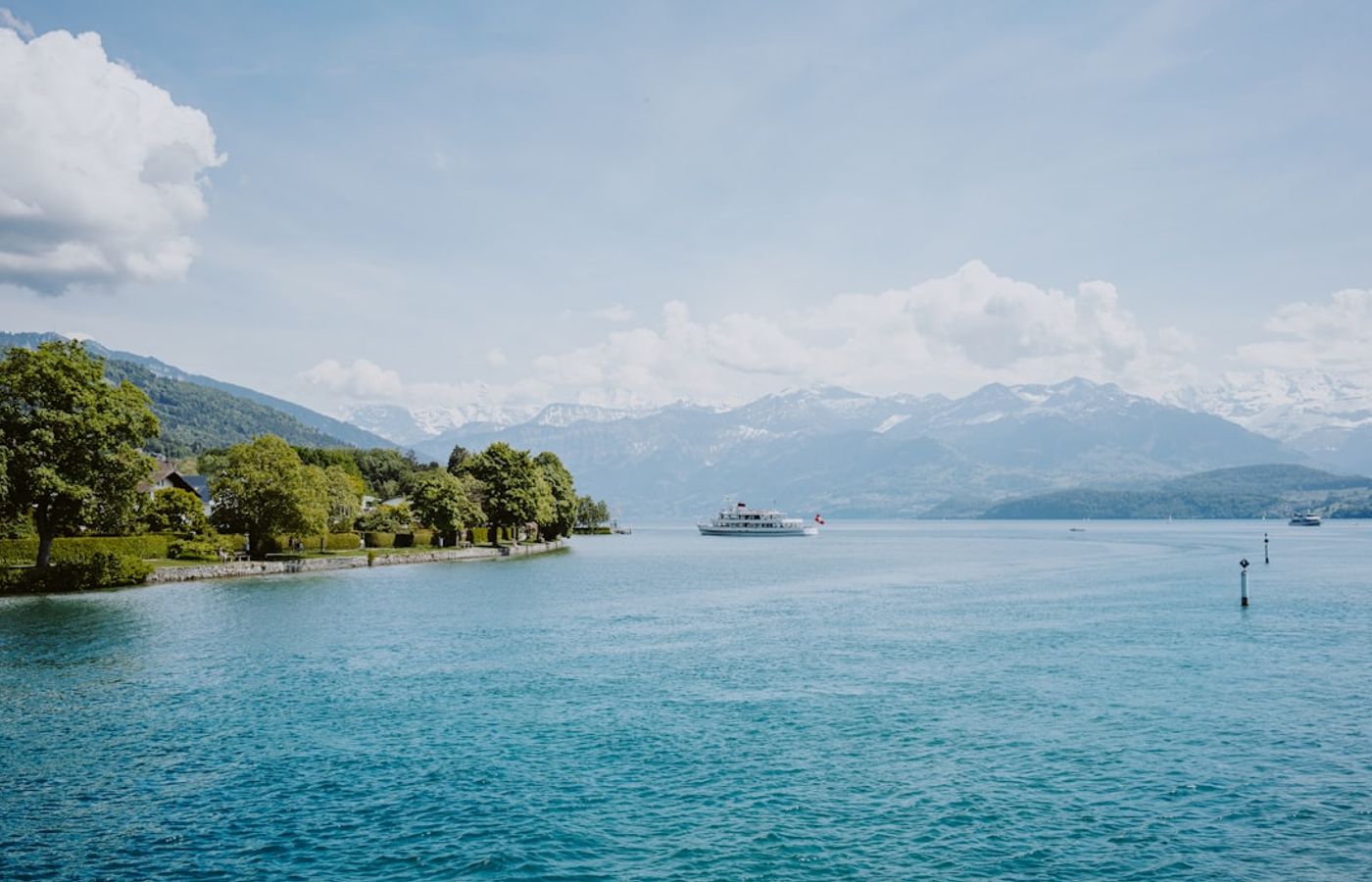
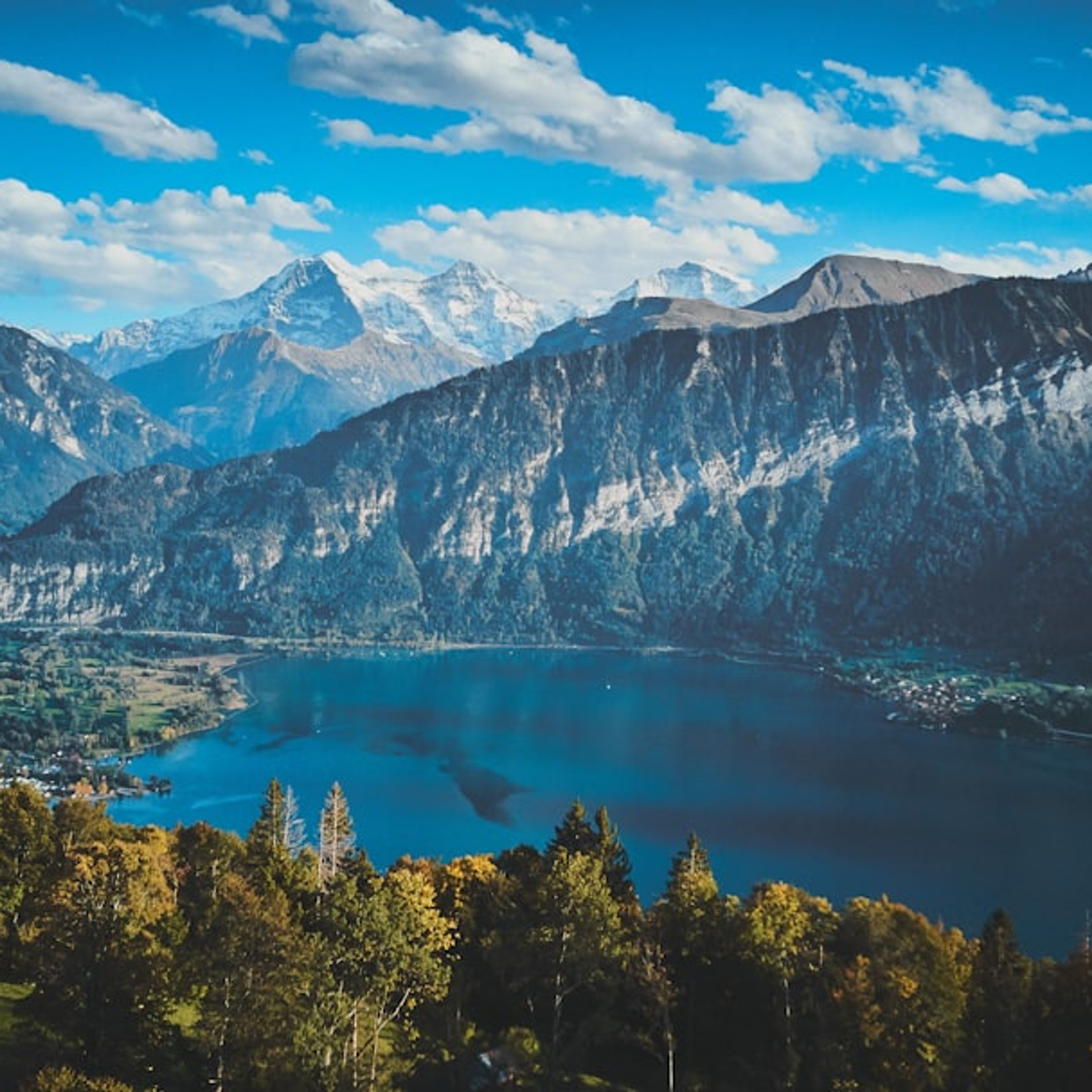
Lake Zurich stretches 42 km southeast from the city into the foothills of the Alps, and it is the reason Zurich feels less like a landlocked finance hub and more like a resort. The northern tip laps directly against the city centre at Burkliplatz. Fed by the Linth river and framed by the snow-capped Glarus Alps on clear days, the water is clean enough that locals swim in the many free lakeside bathing spots (badis) all summer long.
The ZSG boat company runs scheduled services from Burkliplatz year-round. A small round trip (kleine Rundfahrt) takes 90 minutes, costs CHF 8.80 and stops at Kusnacht and Erlenbach. The large round trip (grosse Rundfahrt) takes 4 hours and reaches Rapperswil, the medieval rose town at the far end. Any ZVV day pass or Zurich Card covers all boats in zone 110. On summer weekends the historic paddle steamers (like the DS Stadt Zurich, built 1909) are worth timing your ride around.
Pro Tip: In summer, skip the tour boats and instead take the free ferry to Seebad Enge (10 minutes from Burkliplatz by tram 5), a wooden lake bath from 1885 with a diving platform. Entry is CHF 8 and you swim with the Alps in view.
4Uetliberg - The 869-Metre Summit With the Best View of Zurich
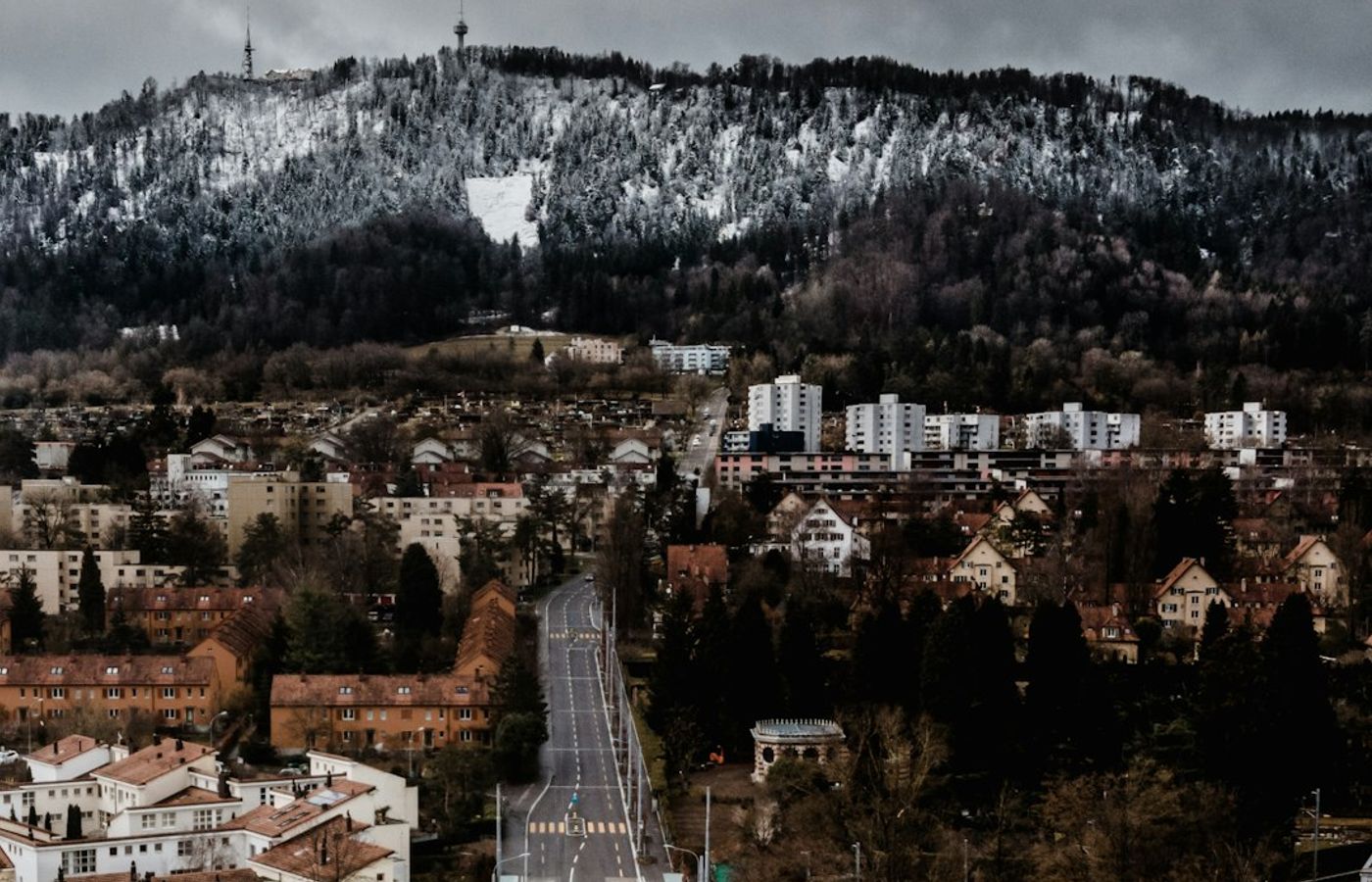
Uetliberg is Zurich's local mountain, rising 869 metres above sea level on the western edge of the city. On a clear day the summit offers a full 360-degree view over the city, Lake Zurich, the Zugerland below, and the Bernese and Glarus Alps in the distance. The S10 S-Bahn from the Hauptbahnhof takes 20 minutes and climbs a steady gradient, and it is one of the steepest normal-gauge railways in Europe.
From the S-Bahn station a well-signposted trail climbs 10 minutes to the wooden viewing tower (Uto Kulm), which adds another 30 metres of height and a summit restaurant. The scenic Panorama Trail (Planetenweg) then runs southeast along the ridge to Felsenegg (about 2 hours easy walking), from where a cable car drops back to the S4 S-Bahn at Adliswil. In winter, sledge runs and quiet snow forest walks replace the summer hikers.
Pro Tip: Go on a bora day (the clear, cold north wind, usually after a rain front) for the sharpest Alp views. The S10 leaves Zurich HB twice an hour, and both directions of the ride are covered by any ZVV day pass, no supplement.
5Fraumunster - Home to Marc Chagall's Five Stained-Glass Windows
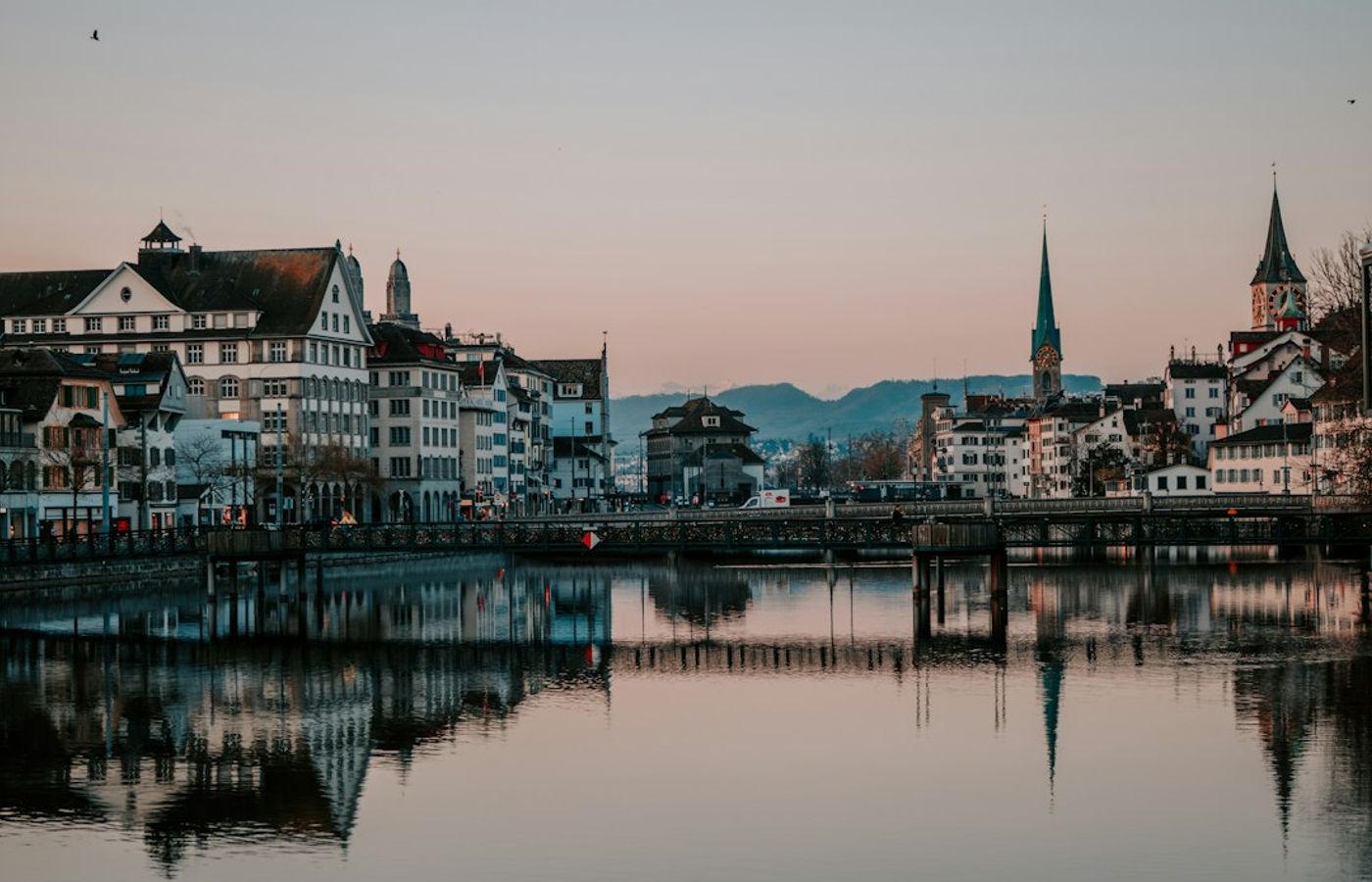
Fraumunster stands opposite Grossmunster on the west bank of the Limmat, its slender blue-tipped spire a counterpoint to Grossmunster's twin towers. Founded in 853 as a convent for aristocratic women by King Louis the German, it was the seat of enormous political power in medieval Zurich (the abbess minted coins and appointed magistrates) until the Reformation abolished it in 1524.
The reason to visit today is the five stained-glass windows in the choir designed by Marc Chagall in 1970, when the artist was 83 years old. Each window is dedicated to a biblical figure - Elijah, Jacob, Moses, Zion and Christ - and the light through them at mid-morning is what most visitors talk about for years afterward. The north transept holds a further window by Augusto Giacometti (1945). Entry costs CHF 6 and includes an audio guide covering the windows in detail.
Pro Tip: Photography inside is not permitted, so put the phone away and just sit for 20 minutes. Visit between 11:00 and 12:00 when eastern light comes strongest through the Chagall windows. The Zunfthaus zur Waag next door does the best traditional lunch on Munsterhof square.
6Lindenhof - The Historic Hill Where Zurich Was Born
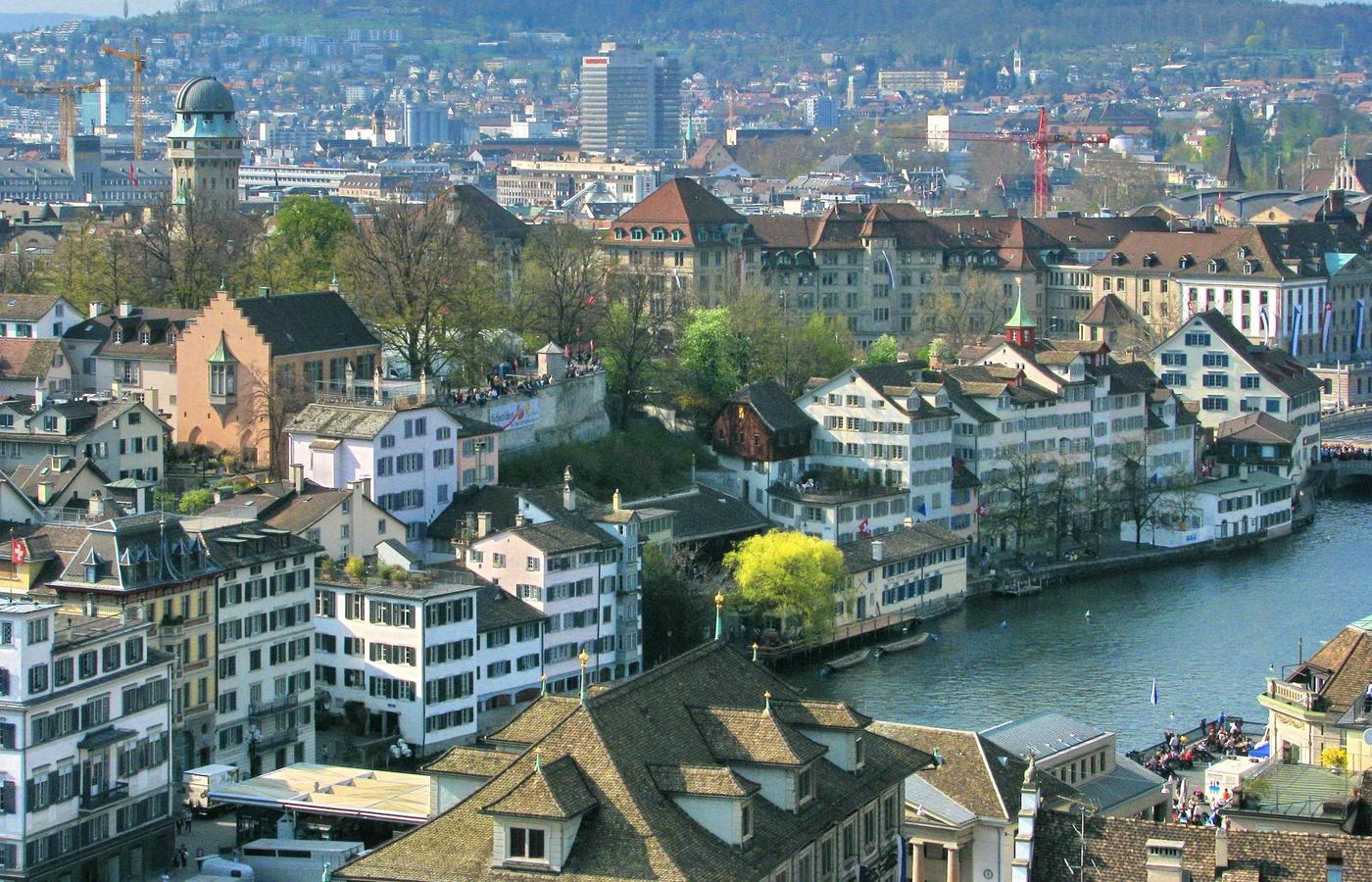
Lindenhof is the low, tree-covered hill on the west bank of the Limmat where Roman Zurich began around AD 15 as the customs post Turicum. The Roman fort was later replaced by a Carolingian imperial palace under Charlemagne's grandson, Louis the German, and the medieval city grew outward from here. Nothing of the palace remains except a single Roman gravestone in the paving, but the terrace itself is one of the most peaceful spots in central Zurich.
From the balustrade you get a straight-on view of Grossmunster's twin towers, the ETH Zurich buildings on the opposite hill, the Rathaus, and the red-tiled roofs of the medieval Old Town sloping down to the river. Chess is played on the giant boards year-round, and locals treat it as an outdoor living room. In 1292 a group of Zurich women reportedly saved the city here by lining up in armour to trick the invading Habsburgs into thinking a garrison remained - a story every local schoolchild learns.
Pro Tip: Come at golden hour for photos and bring a takeaway from the nearby Cafe Schober on Napfgasse. Access is via a set of steep stone stairs from Fortunagasse - the elevator at Rennweg 4 (the gap between two shops) is a locals' shortcut that most tourists miss.
7Kunsthaus Zurich - Switzerland's Foremost Art Museum
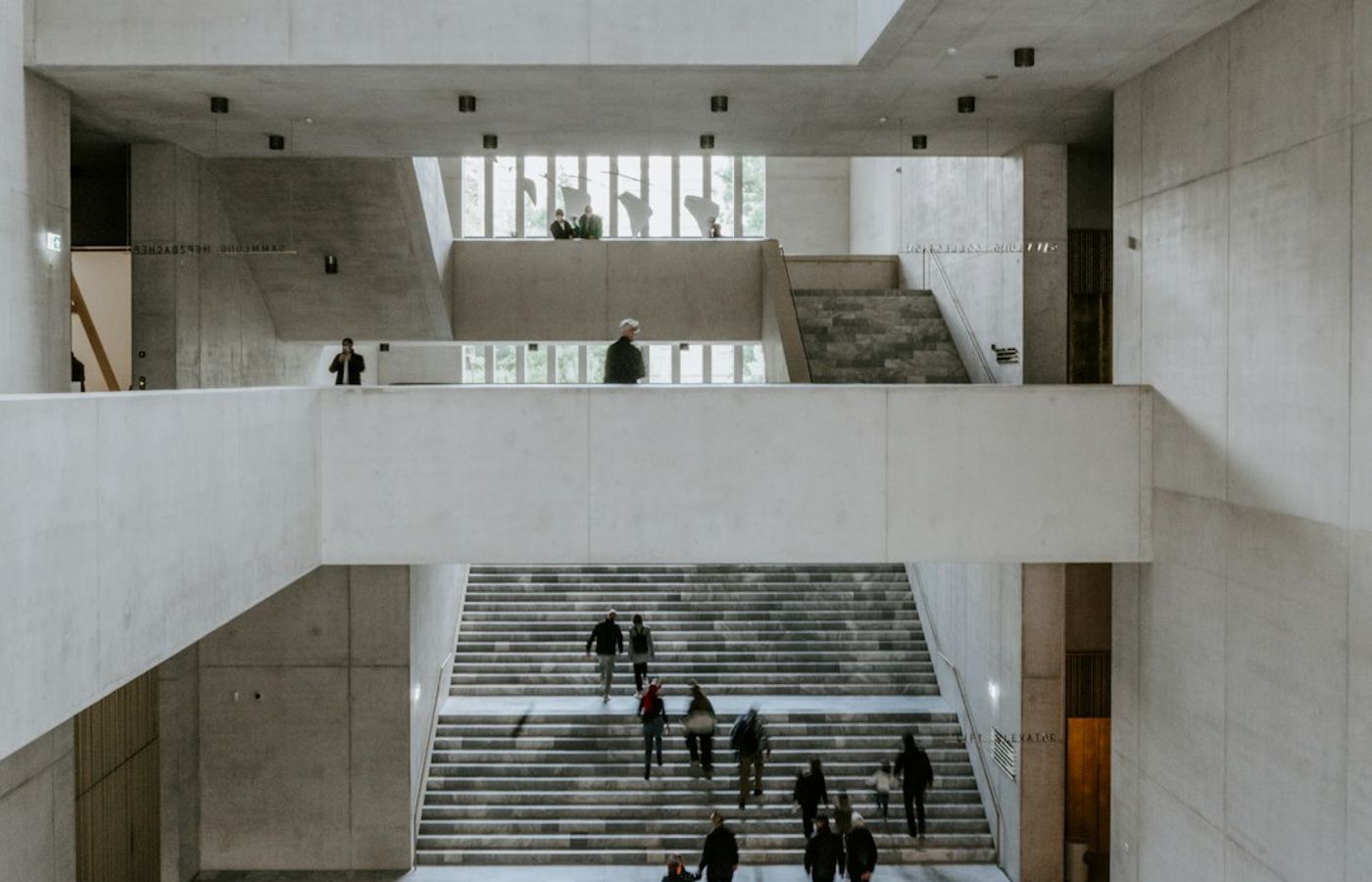
The Kunsthaus is the largest and most important art museum in Switzerland, and after the 2021 extension by David Chipperfield doubled its footprint, it is also one of the largest in the German-speaking world. The permanent collection spans from medieval altarpieces to the present day, but the real strength lies in modern art: the biggest Alberto Giacometti holding in the world outside the Kunstmuseum Bern, and the Emil Buhrle Collection of French Impressionism (Manet, Monet, Cezanne, Van Gogh) housed in the new wing since 2021.
Look for Munch's Girls on a Bridge, one of the finest versions of that motif outside Norway; Marc Chagall's Battle of the Angels, painted in Zurich in 1962; and one of Rodin's Gates of Hell casts in the entrance hall. Entry is CHF 24 for adults, free for under-16s. Wednesdays are late-opening evenings until 20:00 and are the quietest slot to see the Buhrle rooms.
Pro Tip: Book online for the Buhrle Collection specifically - it's ticketed separately on weekends. The underground passage between the old and new wings has one of the best gift shops in the city, worth a stop even if you skip the museum.
8Swiss National Museum (Landesmuseum) - The Story of Switzerland
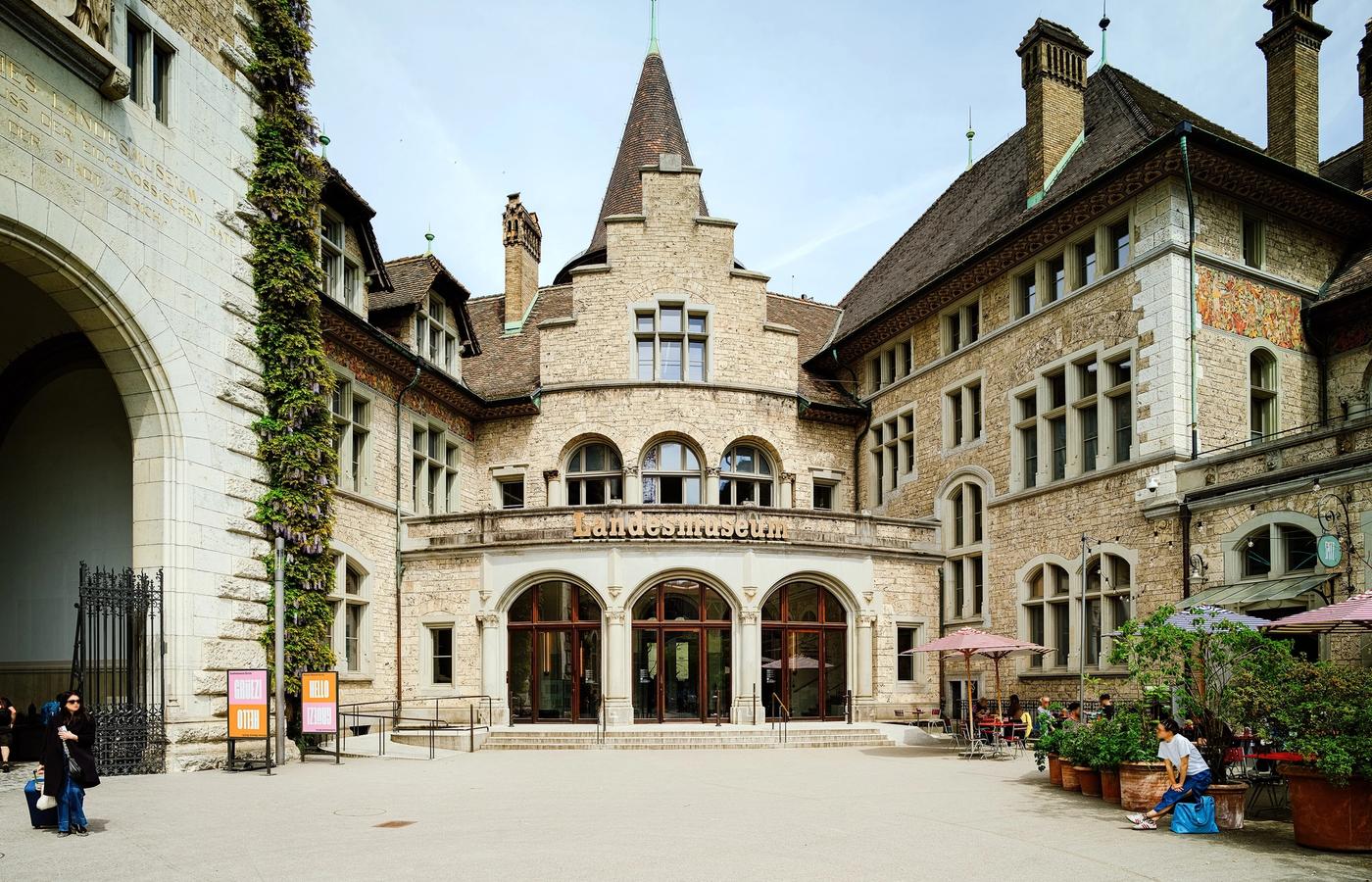
Housed in a fairytale neo-Gothic castle from 1898 (with a bold contemporary extension added in 2016 by Christ & Gantenbein), the Swiss National Museum is the largest cultural-history museum in the country. Its permanent exhibition traces the story of Switzerland from prehistoric bronze finds through the medieval Confederation and the Reformation to the country's modern industrial rise. Highlights include a full 16th-century Landsknecht armoury, a wall of over 750 pieces of Swiss porcelain, and the reconstructed 15th-century Great Hall from the Kappel monastery.
The temporary exhibitions are consistently strong - past shows have covered Zurich's Reformation, Swiss chocolate history, and the country's role in World War II. Entry is CHF 13, free for under-16s and included in the Zurich Card. Allow at least 2 hours; a full visit takes 3 to 4. The setting is also worth noting: the museum sits on the Platzspitz peninsula where the Sihl river meets the Limmat, a green urban park that was once notorious in the 1980s as Europe's largest open drug scene, since fully reclaimed.
Pro Tip: The museum shop is exceptional for Swiss design books and reproductions. Start on the top floor (Ideas of Switzerland) and work down - the layout makes more sense in reverse than the recommended route.
9Zurich West - Industrial Ruins Turned Creative Playground
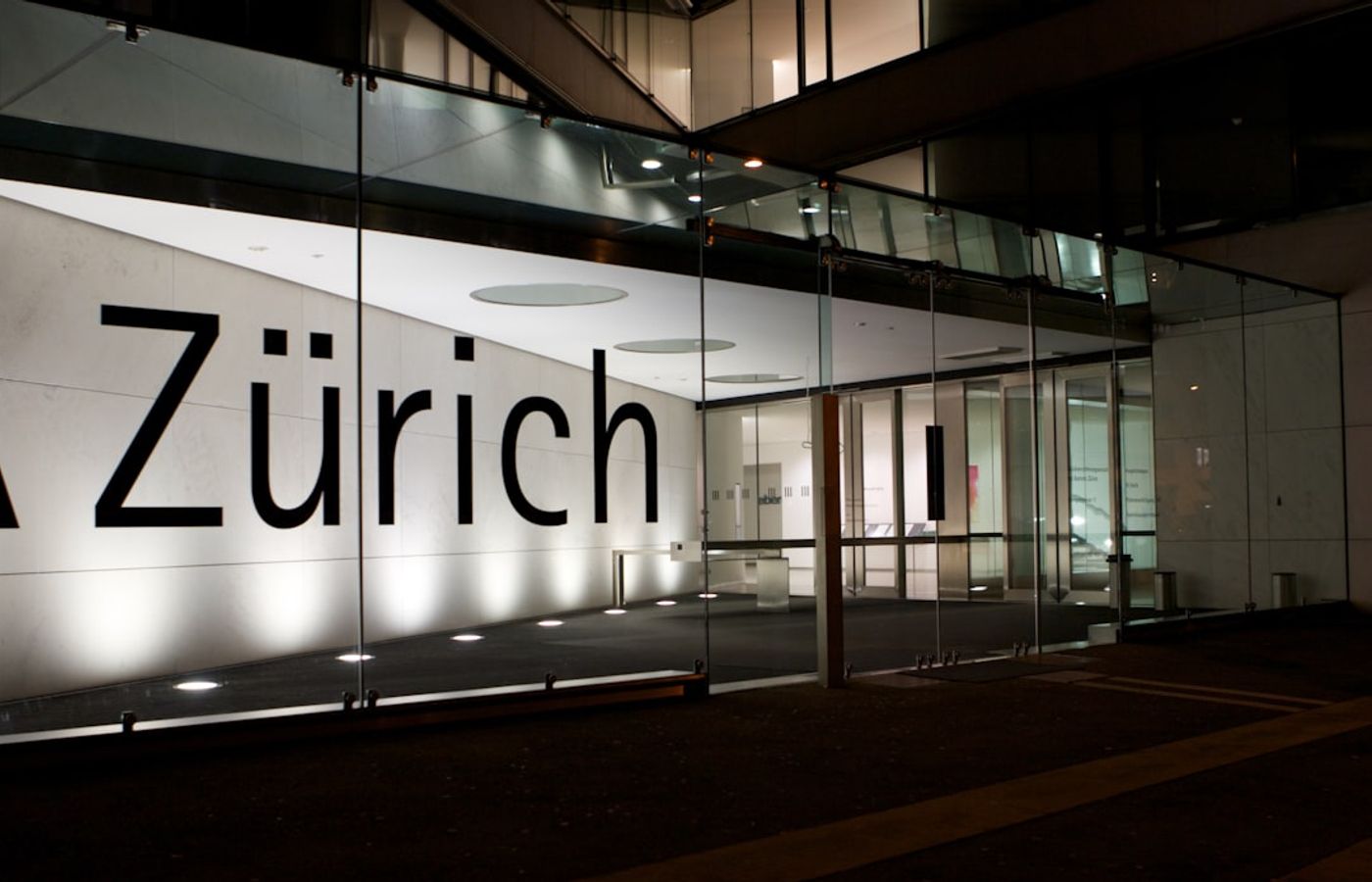
For most of the 20th century, Zurich West was a heavy-industry district full of shipbuilding yards, breweries and machine works. Since 2000 it has become the creative heart of the city, with converted brick factories, contemporary galleries, and street food markets. The 126-metre Prime Tower (once Switzerland's tallest building) marks the district's centre, and the Freitag flagship store - a 26-metre stack of rusty shipping containers on Geroldstrasse - has become an unlikely landmark. You can climb to the top for a free view over the rooftops.
Next door, Frau Gerolds Garten is a seasonal urban garden and beer terrace built into the shipping-yard yards - salvaged furniture, garden beds, string lights, and a rotating cast of pop-up kitchens under the arches of the S-Bahn viaduct. Nearby, the Viadukt (the 36 vaulted stone arches of the 1894 railway viaduct) has been converted into design shops, delis and a food hall. IM VIADUKT and Frau Gerold together form the best evening food and drink circuit in the city outside the old town.
Pro Tip: Come Thursday to Saturday evening when the district is at its liveliest. Frau Gerolds Garten closes for winter from November to March; in that window, head to the covered Markthalle im Viadukt instead.
10Niederdorf and the Old Town Alleys - Medieval Zurich After Dark
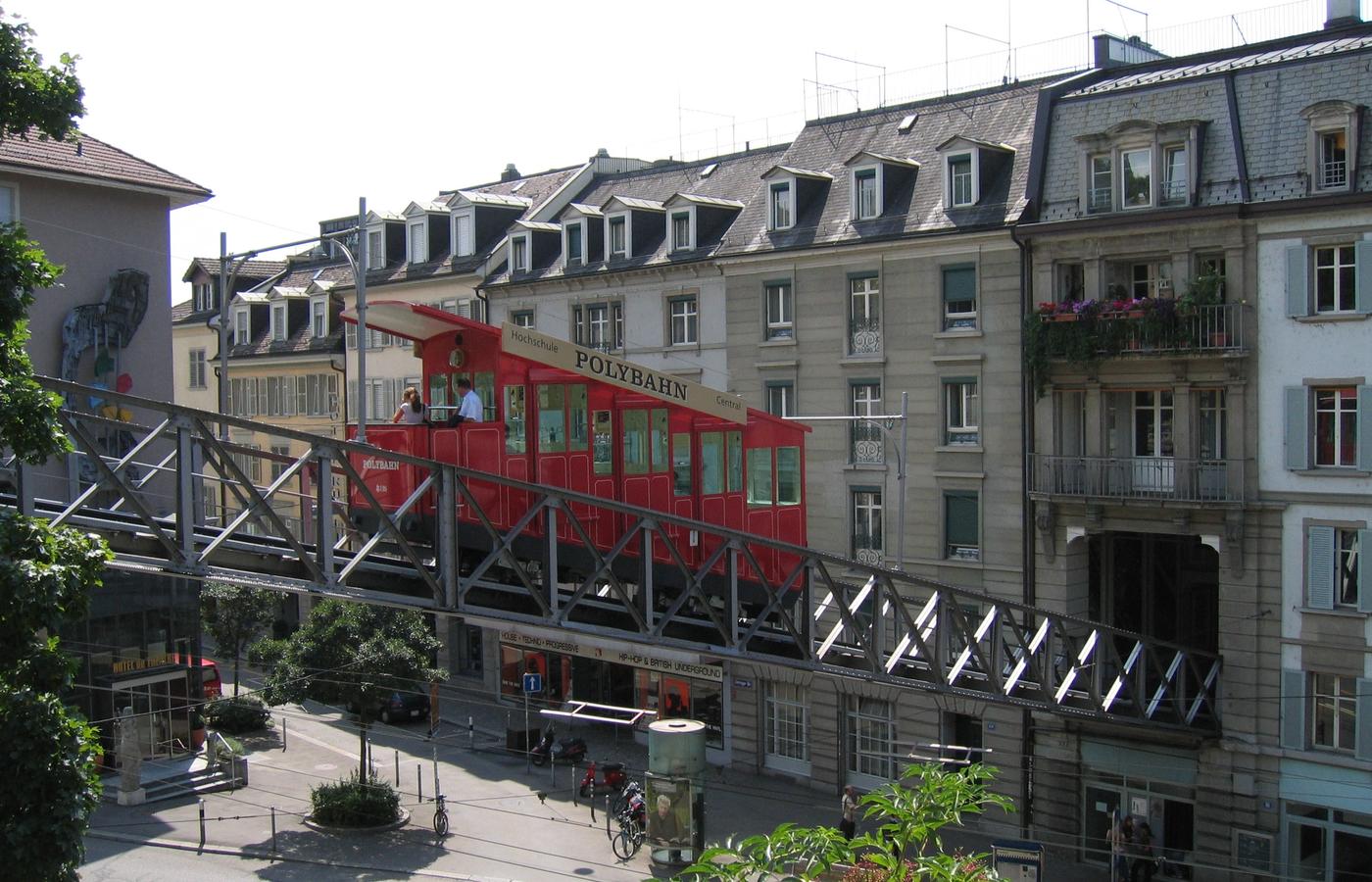
The Niederdorf (Dorfli to locals) is the pedestrianised medieval quarter on the east bank of the Limmat, stretching from Central tram stop south to Grossmunster. Its cobbled alleys - Niederdorfstrasse, Spiegelgasse, Neumarkt, Napfgasse - are lined with 16th- and 17th-century town houses, small bookshops, wine bars, jazz cellars and the kind of stubbornly independent shops that were priced out of Bahnhofstrasse three generations ago. Lenin lived at Spiegelgasse 14 from 1916 to 1917, before returning to Russia on the sealed train.
By day it's a quiet browse; after 18:00 it turns into Zurich's most reliable night quarter. The Cabaret Voltaire on Spiegelgasse 1, where the Dada art movement was founded in 1916, still runs a bar and event space. The Zeughauskeller on Bahnhofstrasse side is the classic Swiss beer hall, and the small basement jazz clubs on Marktgasse have been running since the 1960s. The whole quarter is walkable in under 10 minutes end to end.
Pro Tip: Skip the touristy fondue restaurants on Niederdorfstrasse itself and turn one street uphill to Neumarkt or Kirchgasse for better food at half the markup. Le Dezaley on Romergasse serves classic Vaudois raclette to locals for a fraction of the tourist-menu prices.
Get hotel deals for Zurich
Price drops, new stays and local tips for Zurich, straight to your inbox.
No spam, unsubscribe anytime.

CEO and co-founder
Tomas is the co-founder and director of trip1, an European company specializing in reservation services. He launched the company in 2025 with a focus on building scalable, efficient operations.
10 Top Places to Visit in Zurich, Switzerland - FAQ
Yes, for the city itself. Day one covers the Old Town loop of Lindenhof, Fraumunster, Grossmunster and Bahnhofstrasse, ending at the lake. Day two fits the Swiss National Museum, the Kunsthaus and sunset on Uetliberg, 20 minutes by S10 train. Add a third day for Zurich West or the 4-hour lake cruise to Rapperswil.
Walk the Old Town. Start at Lindenhof for the view across the Limmat, see Chagall's five windows in Fraumunster, then climb the 187 steps of Grossmunster's Karlsturm tower for CHF 5. Stroll Bahnhofstrasse to the lake for a 90-minute boat trip or a sunset drink, and end the evening in the lanes of the Niederdorf. Everything is walkable or a short tram ride.
Day one: the Old Town loop of Lindenhof, Fraumunster, Grossmunster and Bahnhofstrasse, ending at Lake Zurich. Day two: the Swiss National Museum in the morning, the Kunsthaus after lunch, then the S10 train up Uetliberg for sunset. Day three: Zurich West, with the Freitag tower, Frau Gerolds Garten and Im Viadukt, or a 4-hour lake cruise to Rapperswil.
Banking, its lake and a well-kept medieval Old Town. Bahnhofstrasse is Switzerland's most expensive shopping street, with bank vaults beneath it. Grossmunster is where Huldrych Zwingli launched the Swiss-German Reformation in 1519, Fraumunster holds Marc Chagall's stained glass, and Lake Zurich is clean enough that locals swim from free lakeside baths all summer.
The rooftop view from Grossmunster's Karlsturm tower, Chagall's windows in Fraumunster and a swim or boat ride on Lake Zurich. On a clear day, take the S10 train up Uetliberg, 869 metres high, for a view that reaches the Alps. In the evening, the Niederdorf and Zurich West are the liveliest places to eat and drink.
Yes. Every sight is within 20 minutes of the main station on trams, S-Bahn trains and buses, all on one ZVV zone 110 ticket. The S10 reaches Uetliberg in 20 minutes, and lake boats leave from Burkliplatz at the end of Bahnhofstrasse. The Zurich Card, CHF 29 for 24 hours or CHF 56 for 72 hours, covers all of them and gives museum discounts.