

Guides · Taipei
10 Best Things to Do in Taipei

CEO and co-founder
This guide covers 10 things to do in Taipei, Taiwan, picked for travellers with two to four days who want a route that actually holds together. Every entry gives you the exact street address, the nearest Taipei MRT station with its exit number and walking time, how far the site sits from the city centre, and a Pro Tip drawn from how the place behaves in practice - when the queues build, what to order, which exit saves you ten minutes of wandering.
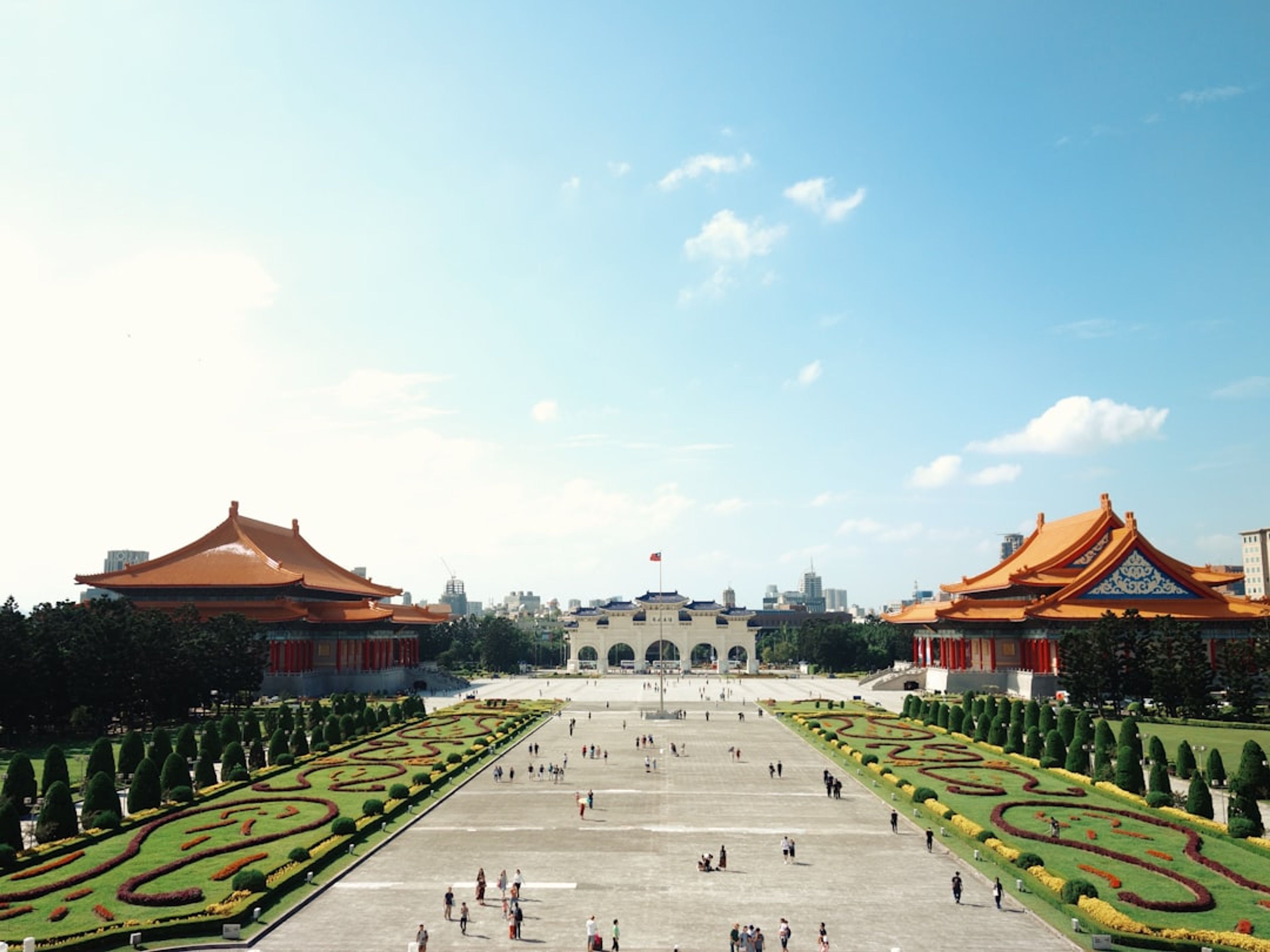
Getting between them is the easy part. The Taipei MRT runs six colour-coded lines across the city, and a single EasyCard tap pays for the metro, the city buses, and the Keelung bus that climbs out to Jiufen. Fares inside Taipei run TWD 20 to TWD 65 (roughly EUR 0.60 to EUR 1.90) a ride, and the card itself costs TWD 100 (about EUR 2.90) as a one-off. Nine of the ten stops below are a short walk from a station.
The list falls into three clusters. The city centre holds Taipei 101, Chiang Kai-shek Memorial Hall, Longshan Temple and Ximending, and those pair up neatly on foot. The night markets - Shilin and Raohe Street - anchor your evenings, sit on different lines, and deserve one night each rather than a rushed double. The surrounding hills carry the rest: Elephant Mountain rises straight out of Xinyi District, Beitou's hot springs sit at the top of the Red Line, and Jiufen clings to a ridge an hour and a quarter northeast. Which line you sleep on decides how much of that you actually see, and the hotels in Taipei around Zhongshan or Ximen put two of the three clusters within a single metro ride. The hill entries and the markets are both outdoor propositions, so check Taipei weather before you fix which evening goes where rather than after. Anyone extending the trip usually adds Hong Kong, which is three hours out and a useful contrast in scale.
1Taipei 101 - The Tower That Sets the Skyline
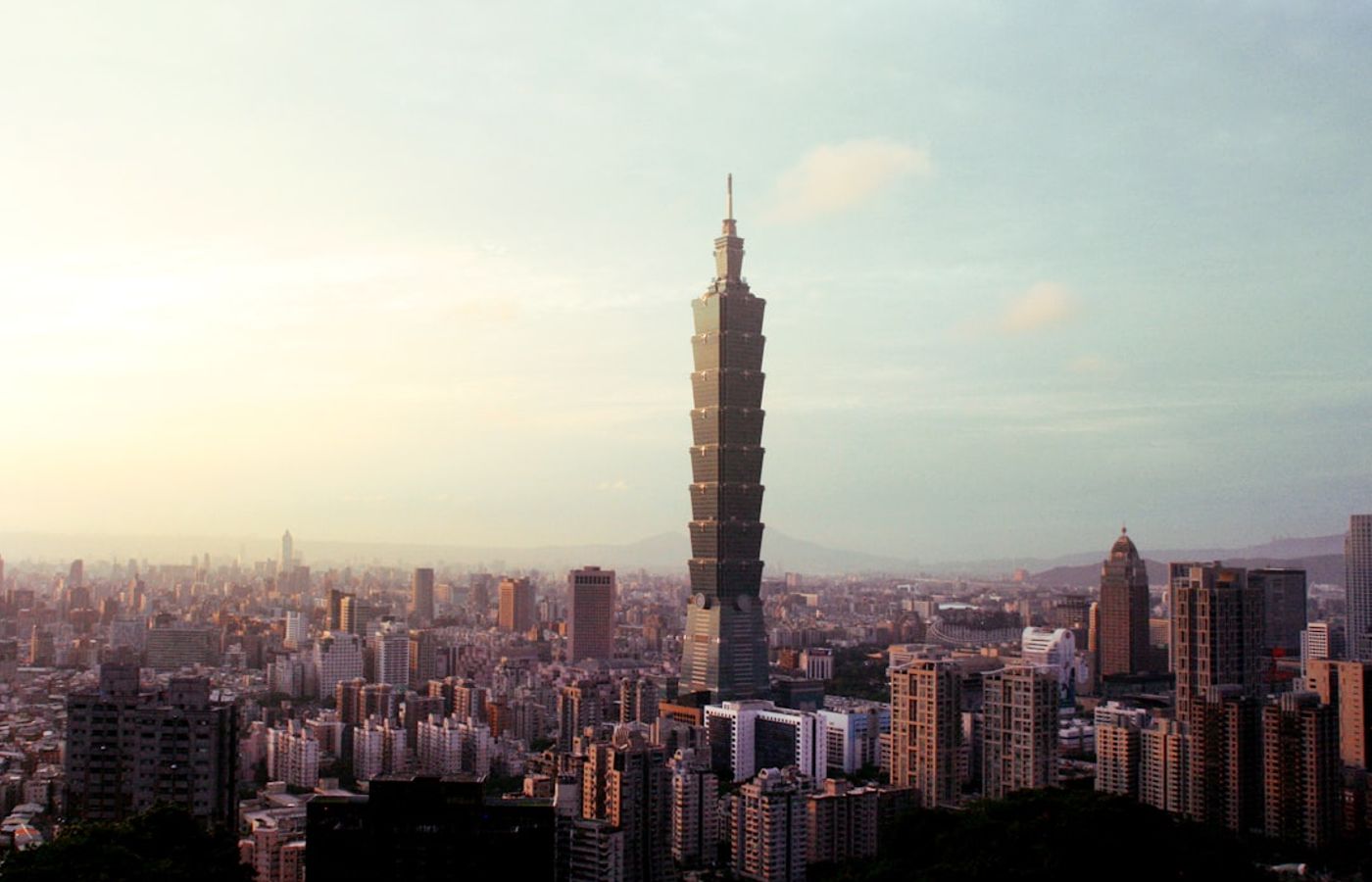

Taipei 101 held the title of world's tallest building from 2004 to 2010 at 508 metres, and it still fixes the shape of the Taipei skyline. The observatory spans floors 88 to 91, costs TWD 600 (about EUR 17), and the pressure-controlled lift reaches the 89th floor in 37 seconds. What people actually remember is the tuned mass damper: a 660-tonne golden sphere hung between floors 87 and 92 that swings to counter typhoon winds and earthquakes.
The lower five floors are a shopping mall, and the basement food court is far better value than the restaurants stacked above it. Skip the 101st-floor outdoor deck on humid days, when cloud simply sits on the tower and you pay extra to stand inside it. Sunset slots between 17:00 and 18:30 are the busiest hour of the day, every day.
Pro Tip: Buy a timed observatory ticket online before any weekend visit and enter at the fifth-floor desk inside the mall. If the queue still looks long, walk 20 minutes to Elephant Mountain instead - you get the tower in the frame rather than standing on top of it, and it costs nothing.
2Shilin Night Market - The Largest Night Market in Taipei
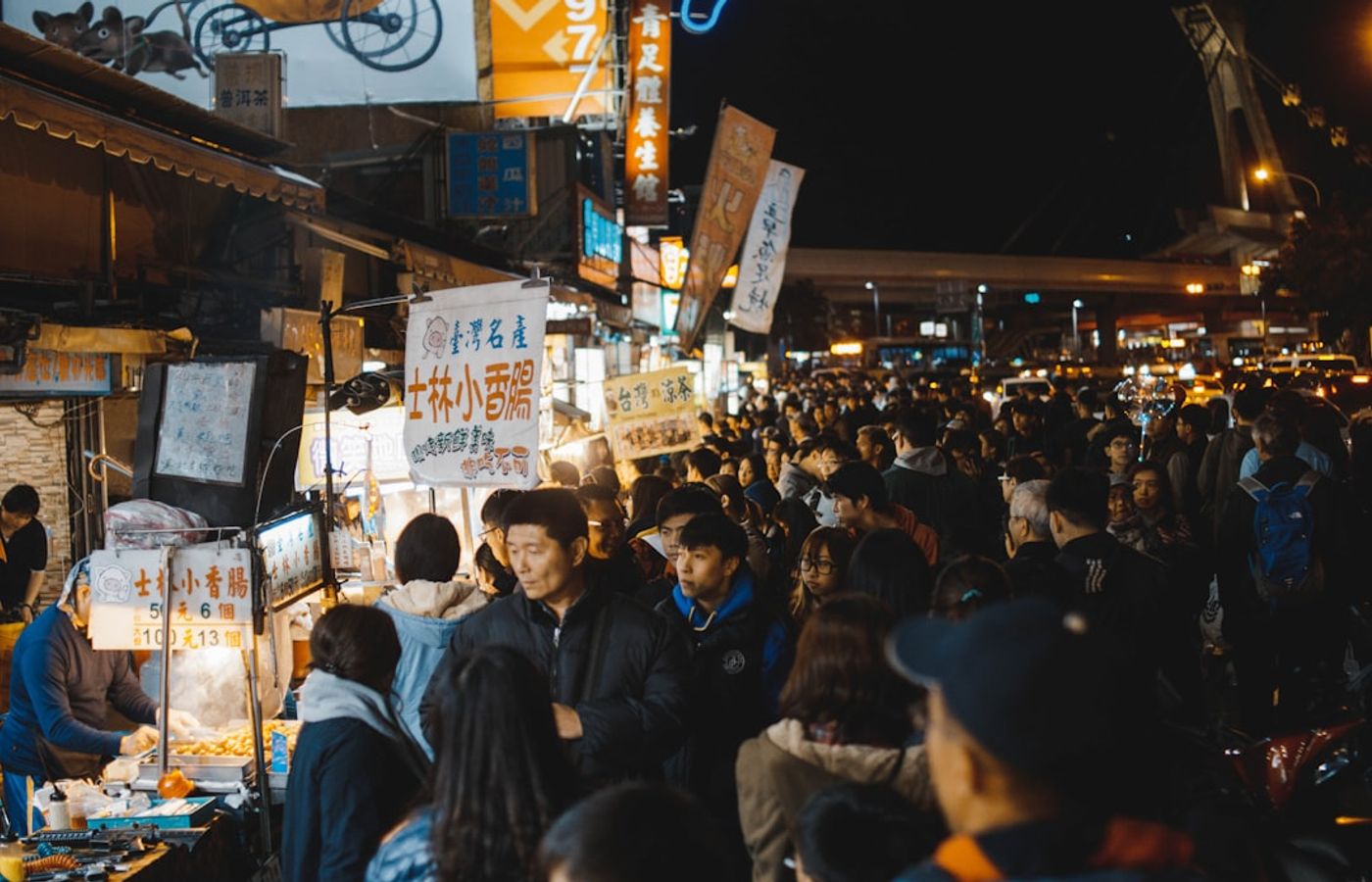

Shilin is the biggest night market in Taipei and the one most first-time visitors head straight for. The covered food court sits underground beneath Cixian Temple, while the street stalls sprawl across Dadong Road and the lanes off Jihe Road above it. Order the oyster omelette (o-a-tsian) at around TWD 80 (about EUR 2.30), a fried chicken cutlet the size of your face at TWD 90, and tianbula, the Taiwanese take on tempura served in sweet chilli sauce, at TWD 60.
Come on a weeknight. Friday and Saturday crowds turn the narrow lanes into a shuffle, and the clothing stalls at the northern end are not why you made the trip. Most food stalls open around 16:00 and run past midnight, while the underground court winds down closer to 23:00. Carry small notes, since plenty of stalls still take cash only.
Pro Tip: Eat at the street stalls along Dadong Road rather than in the underground court - same dishes, faster turnover, and you can walk while you eat. Leave room for a frog egg drink (qingwa xiadan), which is sago pearls in tea, not frogs.

3National Palace Museum - The World's Largest Chinese Imperial Collection
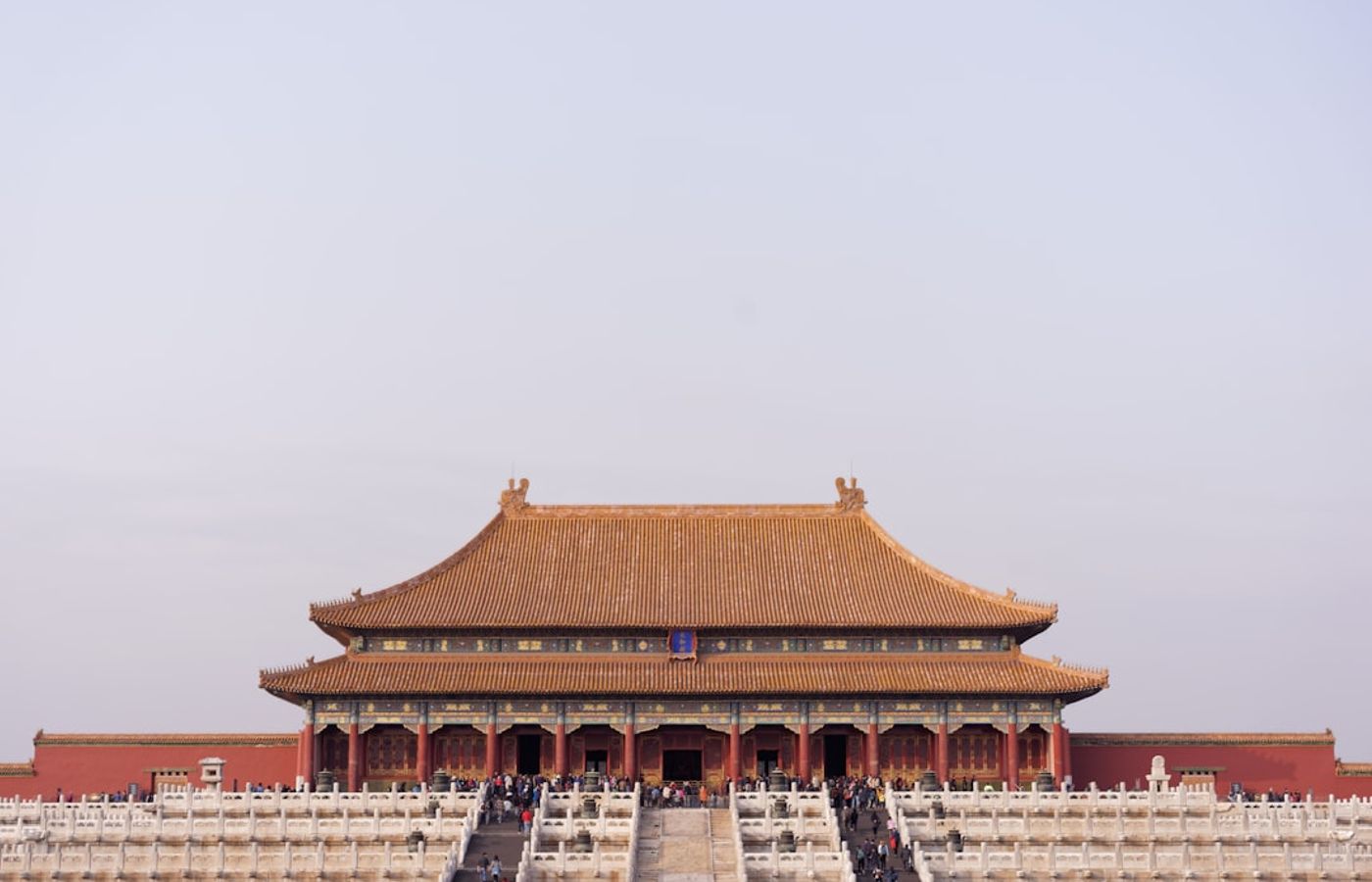

The National Palace Museum holds the largest collection of Chinese imperial artefacts in the world - close to 700,000 pieces, moved out of Beijing's Forbidden City between 1948 and 1949 during the Chinese Civil War. Only a fraction is on display at any moment, so the galleries rotate every few months and the official museum site lists what is currently out. Admission is TWD 350 (about EUR 10).
Two objects pull the crowds: the Jadeite Cabbage and the Meat-Shaped Stone, both small enough that you queue behind tour groups for thirty seconds of viewing. The ritual bronzes and the calligraphy galleries are quieter and, for most visitors, the better hour. Allow three hours as a minimum. Large bags go into free lockers at the entrance, and photography is banned in several rooms.
Pro Tip: Arrive at 09:00 when the doors open, go straight up to the Jadeite Cabbage, then work downwards against the tour-group flow. Tuesday and Wednesday mornings are the calmest of the week; Sunday afternoons are the worst.
4Chiang Kai-shek Memorial Hall - Liberty Square and the Honour Guard
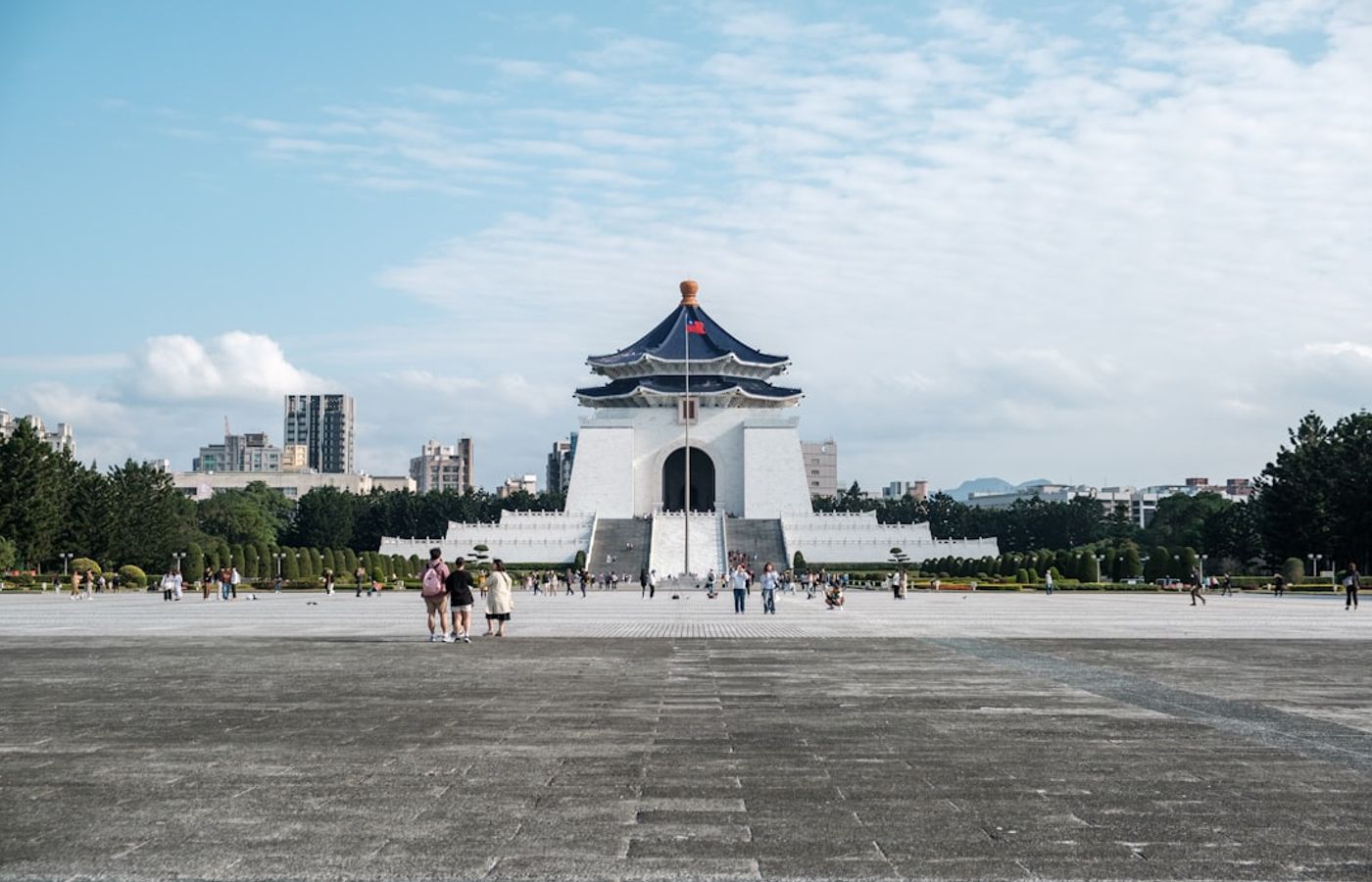
The white octagonal hall at the head of Liberty Square opened in 1980 and is still the largest single monument in Taipei. Eighty-nine steps climb to the main chamber, one for each year of Chiang Kai-shek's life, and a bronze statue sits beneath an octagonal blue-tiled roof. Entry is free. The same plaza holds the National Theater and the National Concert Hall, two red-columned buildings facing each other across the paving.
The changing of the honour guard runs hourly on the hour between 09:00 and 17:00 and takes about ten minutes of precise rifle drill. The site's meaning is openly contested in Taiwan, and the ground-floor exhibition now covers the martial law period rather than only the general's career. By late afternoon Liberty Square belongs to skateboarders, kite flyers and dance groups practising in the shade of the arch.
Pro Tip: Get into position five minutes before the hour so you are not craning over three rows of phones. The main hall closes at 18:00 but the outer grounds stay open to 22:00, and the floodlit building from the far side of Liberty Square is the better photograph anyway.
5Longshan Temple - A Working Temple From 1738
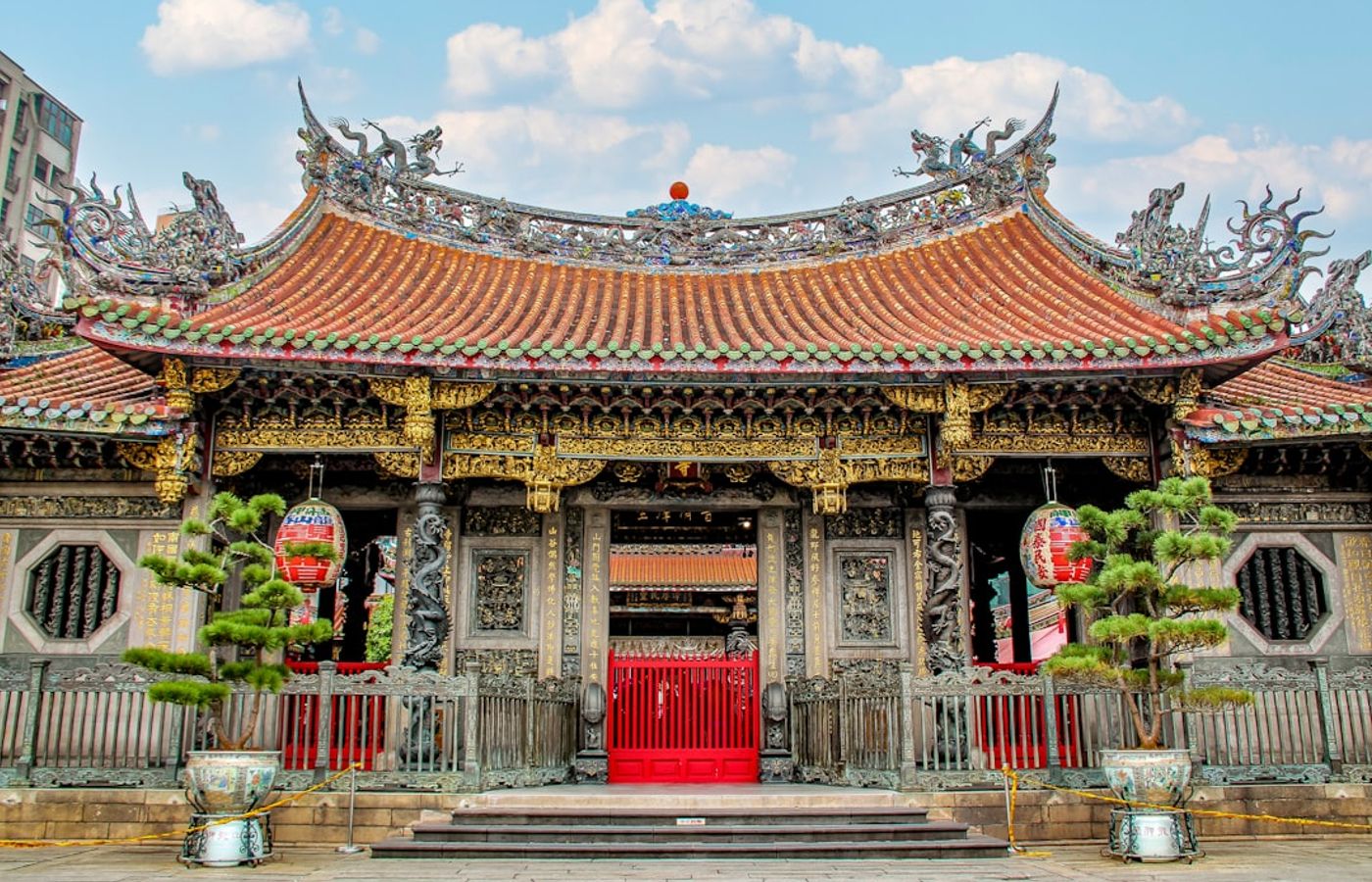
Longshan Temple was founded in 1738 by settlers from Fujian and has been rebuilt after fire, earthquake and an Allied bombing raid in 1945. This is a working temple rather than a monument: incense smoke, chanting at 06:00 and again around 17:00, and worshippers dropping crescent-shaped jiaobei blocks on the flagstones to ask the gods yes-or-no questions. Entry is free and the gates open at 06:00 daily.
The rear hall mixes Buddhist, Taoist and folk deities, which is why students pray to Wenchang for exam results in one corner while single visitors leave offerings for Yue Lao, the matchmaker god, in another. Photography is fine in the courtyards, but stay quiet during services. Bopiliao Historic Block, a restored Qing-era shophouse street, sits five minutes east on Kangding Road and costs nothing to walk.
Pro Tip: Time your visit for the 17:00 chanting, when a few hundred voices fill the courtyard under the carved stone dragon columns. Afterwards cross to Huaxi Street Night Market for herbal spare-rib soup - local, cheap, and a world away from the Shilin crush.
6Elephant Mountain (Xiangshan) Hiking Trail - The Classic Skyline Viewpoint
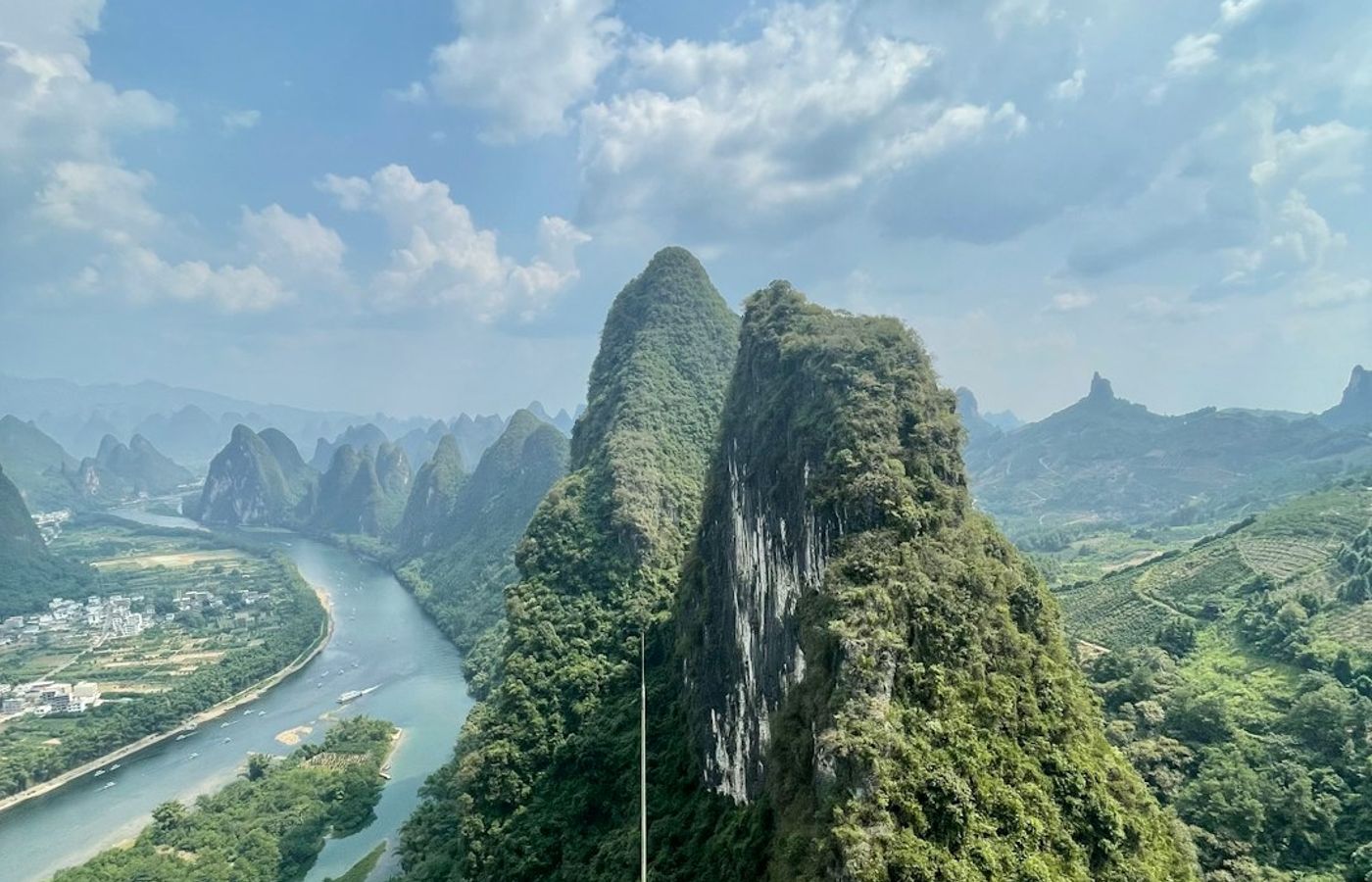
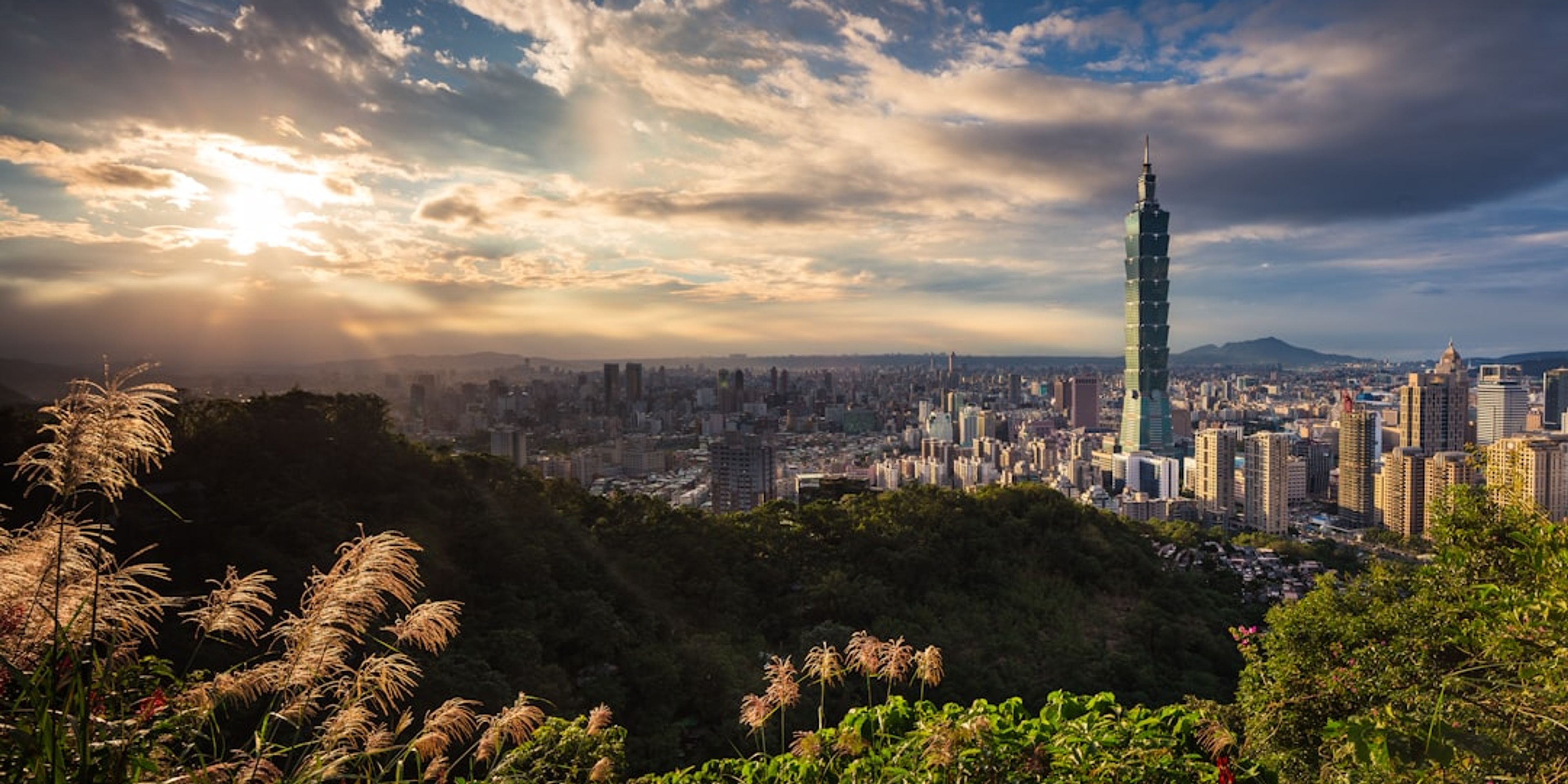
The climb up Elephant Mountain is 20 minutes of steep stone steps and it produces the postcard view of Taipei 101 rising out of the city grid. Roughly 600 steps separate the trailhead from the first viewing platform at 183 metres. A little further on, the Six Giant Rocks give you flat boulders to sit on with the tower directly ahead, which is why photographers claim them early.
The path is paved and lit, so coming down after dark is straightforward, but it is genuinely sweaty work from May to September. Bring water: there is a vending machine at the base and nothing above it. Carrying on past the platform links into the Four Beasts Mountain trails towards Nangang, which adds two hours if you want a proper hike instead of a viewpoint.
Pro Tip: Start climbing 75 minutes before sunset. From one spot you get the skyline in daylight, the blue hour, and the tower's night lighting, and you beat the tripod crowd that turns up at dusk to fight over the Six Giant Rocks.
7Beitou Hot Springs - Geothermal Bathing at the Top of the Red Line
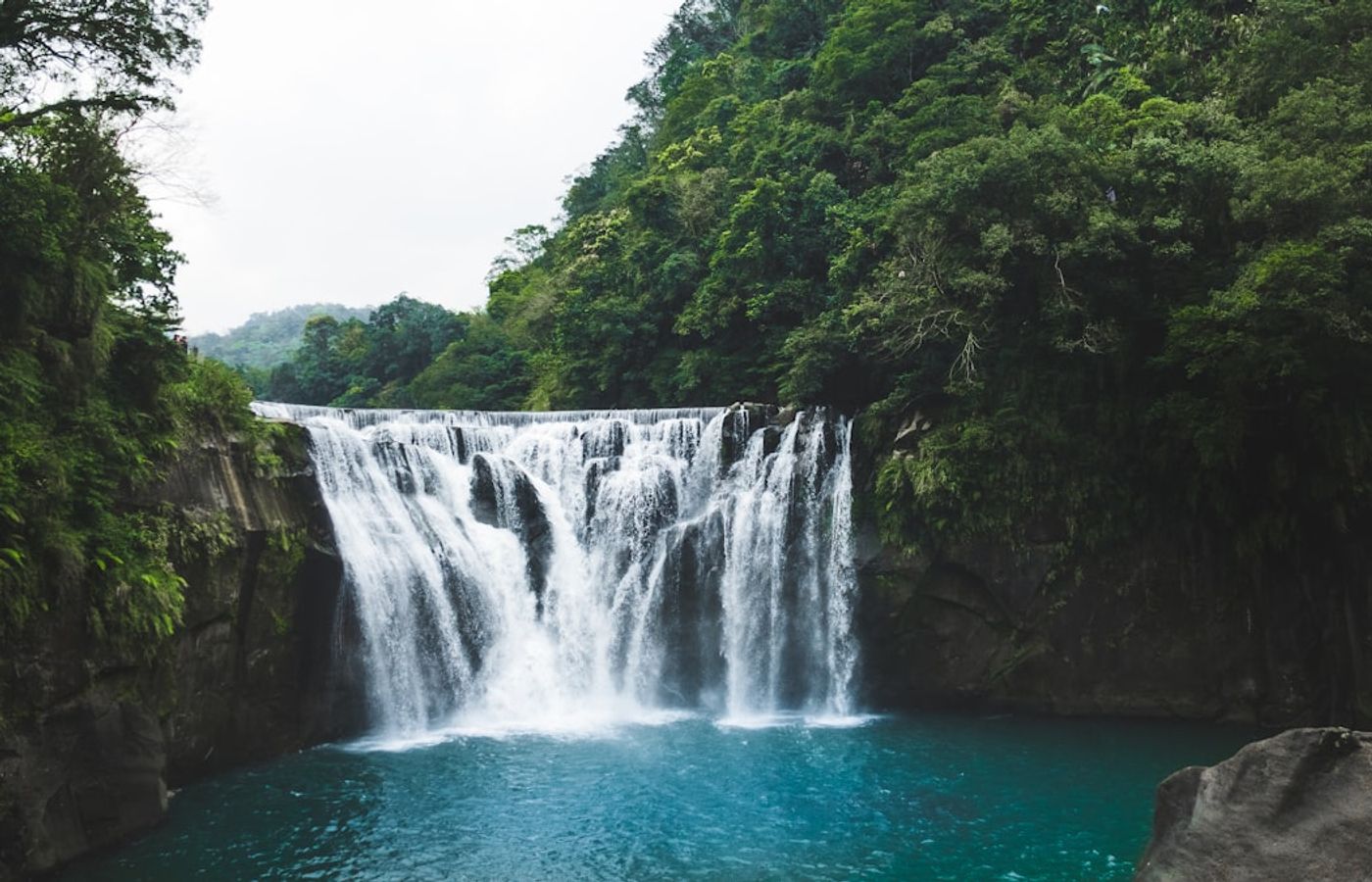
Beitou sits on a geothermal field at the northern end of the Taipei MRT Red Line, and the Japanese built the first bathhouses here in the 1890s. The Millennium Hot Spring public baths charge TWD 60 (about EUR 1.75) for a timed session in terraced outdoor pools running from 38 to 45 degrees. Swimsuits and caps are required in the public pools, unlike the private single-sex baths in the older guesthouses further up the hill.
Thermal Valley, five minutes uphill, is a milky green lake steaming at close to 90 degrees. You cannot swim in it, but the walk explains the sulphur smell hanging over the whole district. The Beitou Hot Spring Museum, housed in a 1913 Japanese bathhouse with a tatami lounge upstairs, is free and worth twenty minutes. Bring a towel from your accommodation rather than renting one.
Pro Tip: Turn up on a weekday morning and you may share the hottest pool with two retirees and nobody else. Sessions are strictly timed and staff clear the water between them, so read the posted schedule board before you pay at the kiosk.
8Raohe Street Night Market - Pepper Buns and a Straight Line
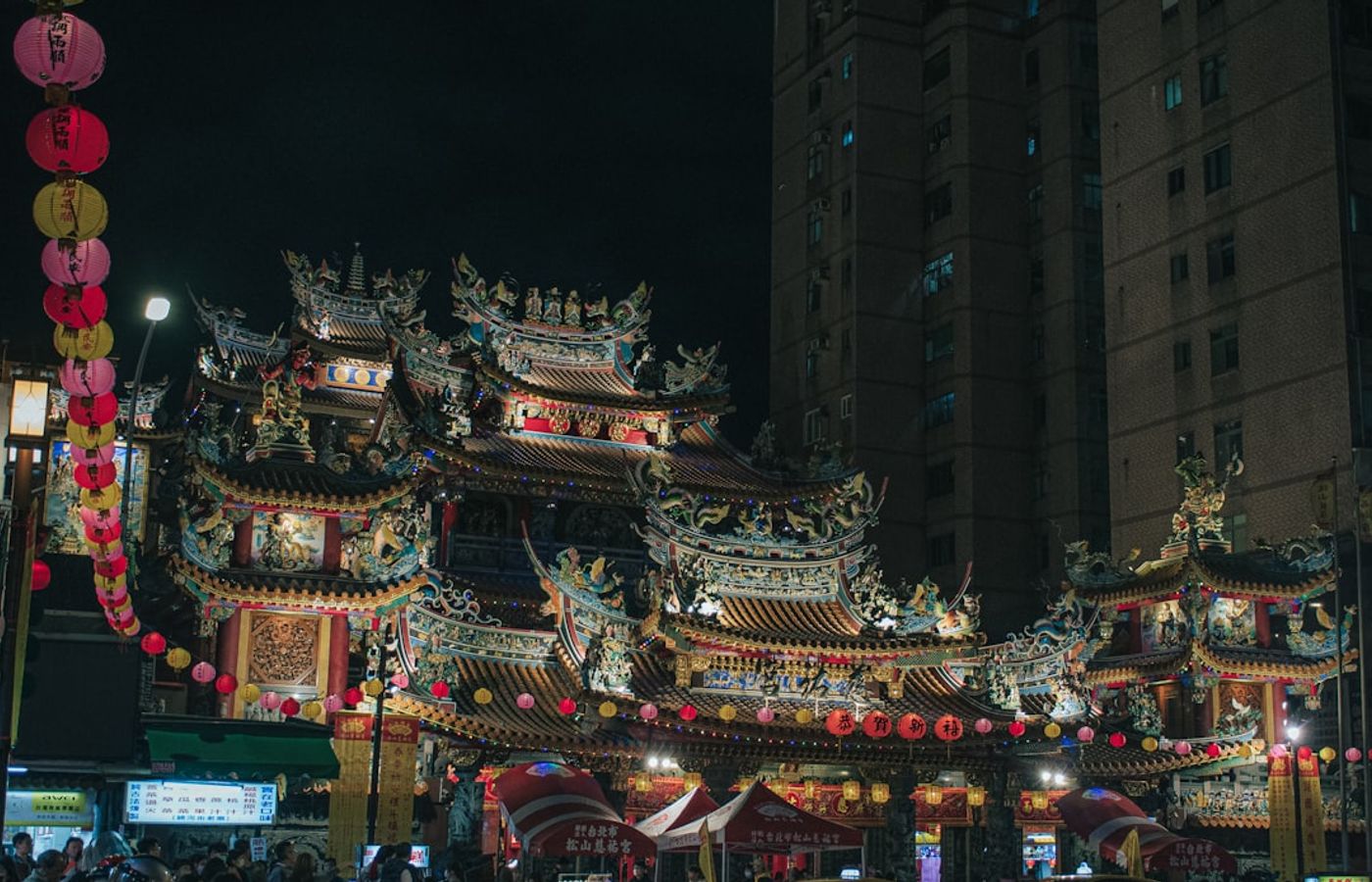
Raohe Street runs 600 metres in a straight covered line between two ornamental arches, which makes it far easier to work through than Shilin. The Fuzhou pepper buns at the Songshan Ciyou Temple end are the reason people come: pork and spring onion sealed in dough, slapped onto the wall of a clay tandoor, TWD 60 (about EUR 1.75) each. Arrive before 19:00 or budget twenty minutes in the queue.
Work down the lane from there. Medicinal spare-rib soup simmered with herbs, grilled milkfish belly, sticky taro balls and stinky tofu all have their own long-running stalls, and prices sit between TWD 50 and TWD 120. Songshan Ciyou Temple at the entrance dates to 1753 and is dedicated to Mazu, the sea goddess; it stays open while the market trades, from 17:00 until roughly midnight.
Pro Tip: Join the pepper bun queue on the Ciyou Temple side rather than the far arch - that is the original stall and trays come out of the oven every few minutes. Eat it standing and bite carefully, because the filling releases scalding broth.
9Ximending - The Pedestrian District Taipei Teenagers Own
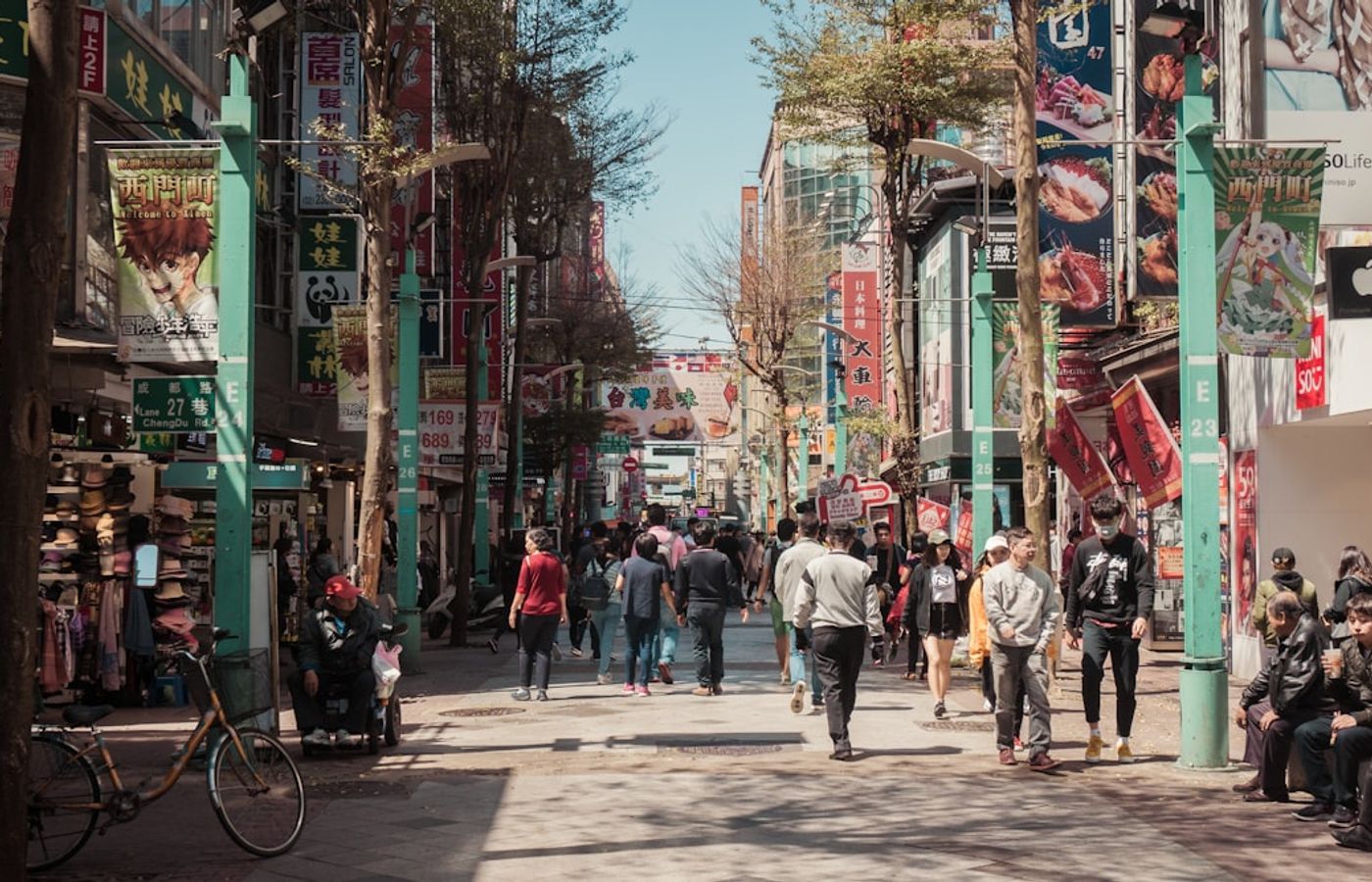
Ximending is Taipei's pedestrian shopping district and the closest the city gets to Tokyo's Shibuya. The car-free grid around Hanzhong Street and Emei Street fills from mid-afternoon with students, street performers, tattoo studios and cinema queues. The Red House, an octagonal brick market building from 1908, anchors the western edge and now holds design shops, a small theatre and a cluster of bars in its rear courtyard.
Come for the street food and the noise rather than the shopping, which is mostly chains. Ay-Chung Flour-Rice Noodle on Emei Street has served the same thick, vinegary intestine noodle soup since 1975 for around TWD 65 (about EUR 1.90), eaten standing on the pavement with a plastic spoon. Weekend evenings after 18:00 are chaotic in a way that is either the point or the problem.
Pro Tip: Ay-Chung has no seats and no menu beyond two bowl sizes, so point, pay, then add chilli and garlic paste yourself from the counter. Longshan Temple is one Blue Line stop away, which makes the two an easy single afternoon.
10Jiufen - The Lantern-Lit Gold Town Day Trip
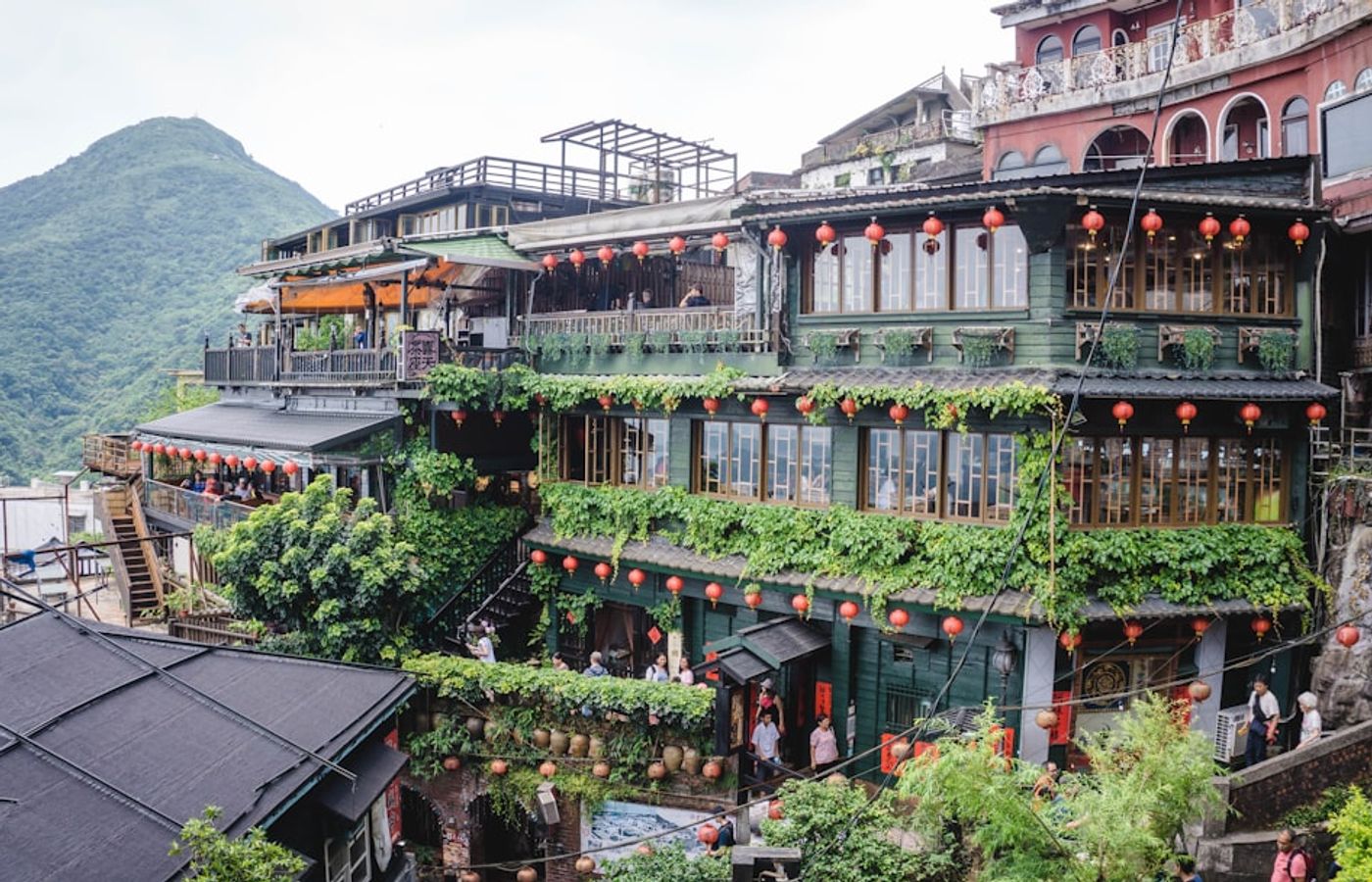
Jiufen is a former gold-mining town stacked up a hillside above the Pacific, and it is the one entry here that needs a full day. Jishan Street is a narrow covered lane of tea houses, taro ball shops and souvenir stalls, while the Amei Tea House and its red lanterns on the Shuqi Street steps supply the image everyone has already seen. Hayao Miyazaki has denied that the town inspired Spirited Away, which has stopped nobody from saying so.
Stay for dusk, when the lanterns come on and sea fog rolls up the valley. Taro balls in hot ginger soup run about TWD 60 (roughly EUR 1.75), and a tea house pot with refills and a view over Keelung Bay costs around TWD 300 per person. Weekends make the main lane close to impassable. The Gold Museum at Jinguashi, ten minutes further by bus, is far quieter and covers the mining history properly.
Pro Tip: Take bus 1062 from Zhongxiao Fuxing instead of the train-and-bus route via Ruifang. It costs roughly TWD 100 (about EUR 2.90) on an EasyCard and drops you at the top of Jishan Street, so you walk downhill. Head back before 20:00, when the return queue on the main road gets long.

CEO and co-founder
Tomas is the co-founder and director of trip1, an European company specializing in reservation services. He launched the company in 2025 with a focus on building scalable, efficient operations.
Climate averages · 1991–2020
When is the best time to visit Taipei?
Monthly temperatures, rainfall and sunshine — not a live forecast.
See Taipei weather10 Best Things to Do in Taipei, Taiwan - FAQ
No, and trying it would ruin the day. These 10 sites spread from Beitou in the north to Jiufen on the coast, so three days is the realistic minimum. Four attractions per day works well, and Jiufen alone eats five hours once you count the bus each way.
Group them by geography rather than by ranking. Day one takes Taipei 101, Elephant Mountain at sunset and Raohe Street Night Market, all in the east. Day two links Chiang Kai-shek Memorial Hall, Longshan Temple and Ximending on foot. Day three heads north to the National Palace Museum, Shilin Night Market and Beitou, leaving Jiufen as a standalone day trip.
Only two genuinely benefit from booking ahead. The Taipei 101 Observatory sells timed slots that let you skip the weekend queue, and private hot spring rooms in Beitou are usually gone by Friday afternoon. Everything else - the National Palace Museum, both temples, both night markets, Elephant Mountain and Jiufen - sells at the door or costs nothing.
Budget around TWD 2,500 (roughly EUR 72) per person across three days. That covers the Taipei 101 Observatory at TWD 600, the National Palace Museum at TWD 350, a Beitou public bath session at TWD 60, return bus fare to Jiufen near TWD 200, Taipei MRT rides, and enough night market food to skip two sit-down dinners.
Nine of the ten sit within a short walk of a Taipei MRT station, and one EasyCard tap covers every ride. Jiufen is the exception: it needs Keelung Bus 1062 from Zhongxiao Fuxing station, which the same EasyCard also pays for. The National Palace Museum requires a short connecting bus from Shilin station.
Several strong candidates just missed the cut. Da'an Forest Park, the Huashan 1914 Creative Park, the Maokong Gondola tea houses above Muzha, Dihua Street's Qing-era shophouses and the Tamsui waterfront at sunset all reward a spare afternoon. Bopiliao Historic Block sits five minutes from Longshan Temple and costs nothing.
Related travel guides
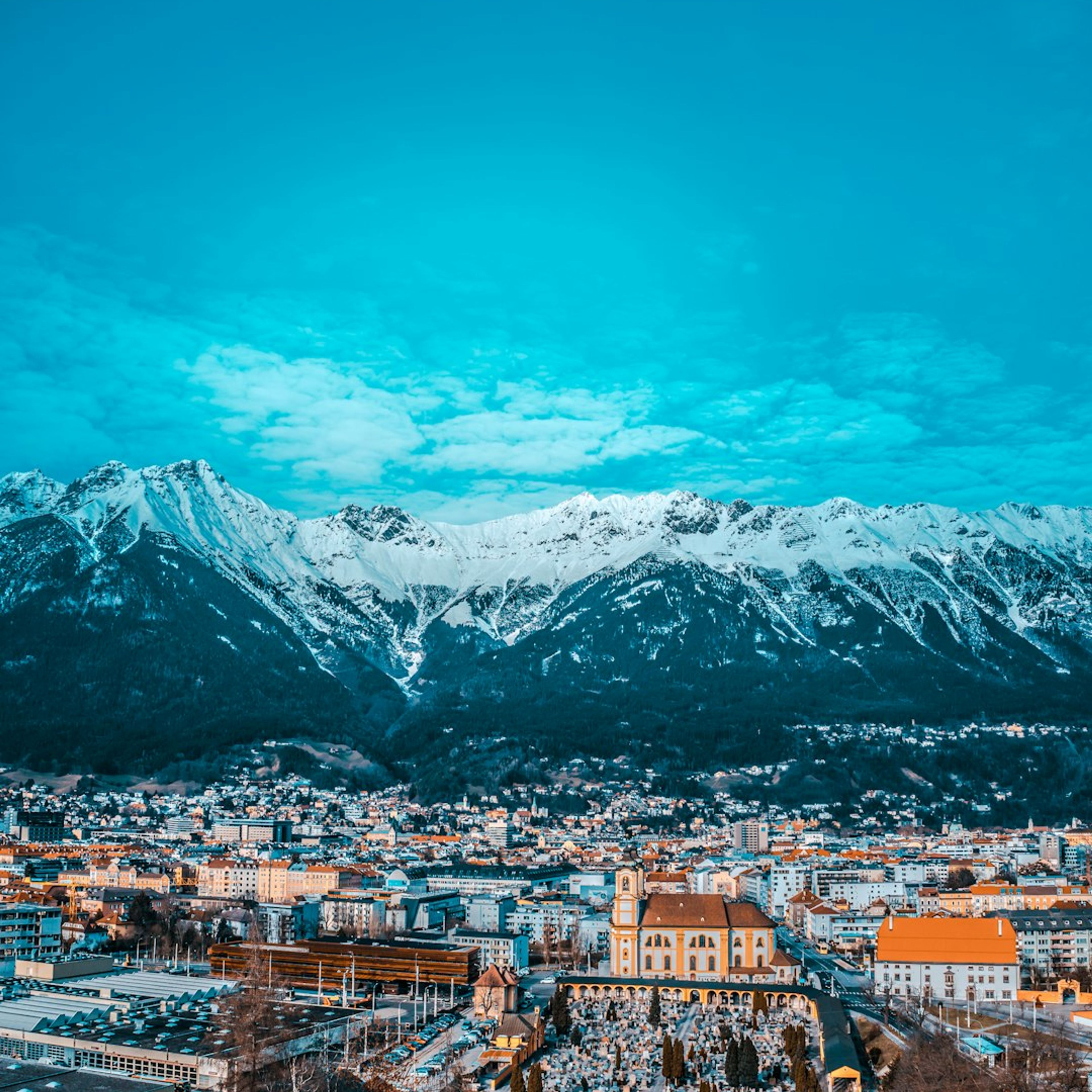
5 Best Ski Slopes Near Innsbruck
Best ski slopes near Innsbruck for 2026/27: the Nordkette Karrinne, two Olympic downhills, the Stubai Glacier Daunhill and Kühtai, with ski bus lines.
5 Best Ski Slopes in Zakopane
The best ski slopes in Zakopane for 2026: Kasprowy Wierch, Harenda, Szymoszkowa, Kotelnica Białczańska and Suche, with prices, lifts and transit.