
Guides · Manchester
10 Best Things to Do in Manchester

CEO and co-founder
This guide covers the 10 best things to do in Manchester, England, ranked by what actually earns a place on a short itinerary rather than what fills a postcard rack. Every entry below gives the exact street address with postcode, the nearest Metrolink tram stop or rail station with a walking time, how far the place sits from the city centre, and a Pro Tip drawn from how it works on the day.
The order is built for routing. Manchester city centre is genuinely walkable, end to end in about 25 minutes, so the Northern Quarter, Manchester Art Gallery, the John Rylands Research Institute and Library, the People's History Museum, Castlefield and Manchester Cathedral fold into two easy days on foot. The Metrolink tram handles everything else: Salford Quays and MediaCity on the Eccles line, Old Trafford on the Altrincham line, the Etihad Stadium on the Ashton line. Nothing on this list needs a car.
Budget less than you expect. Several of the best museums in Manchester are free, including the Science and Industry Museum, Manchester Art Gallery and the People's History Museum, which leaves the two stadium tours as the only real ticket costs on this list. Travel stays cheap as well, because the Bee Network caps contactless fares daily across tram and bus - tap in and out with the same card and you stop paying once you reach the cap.
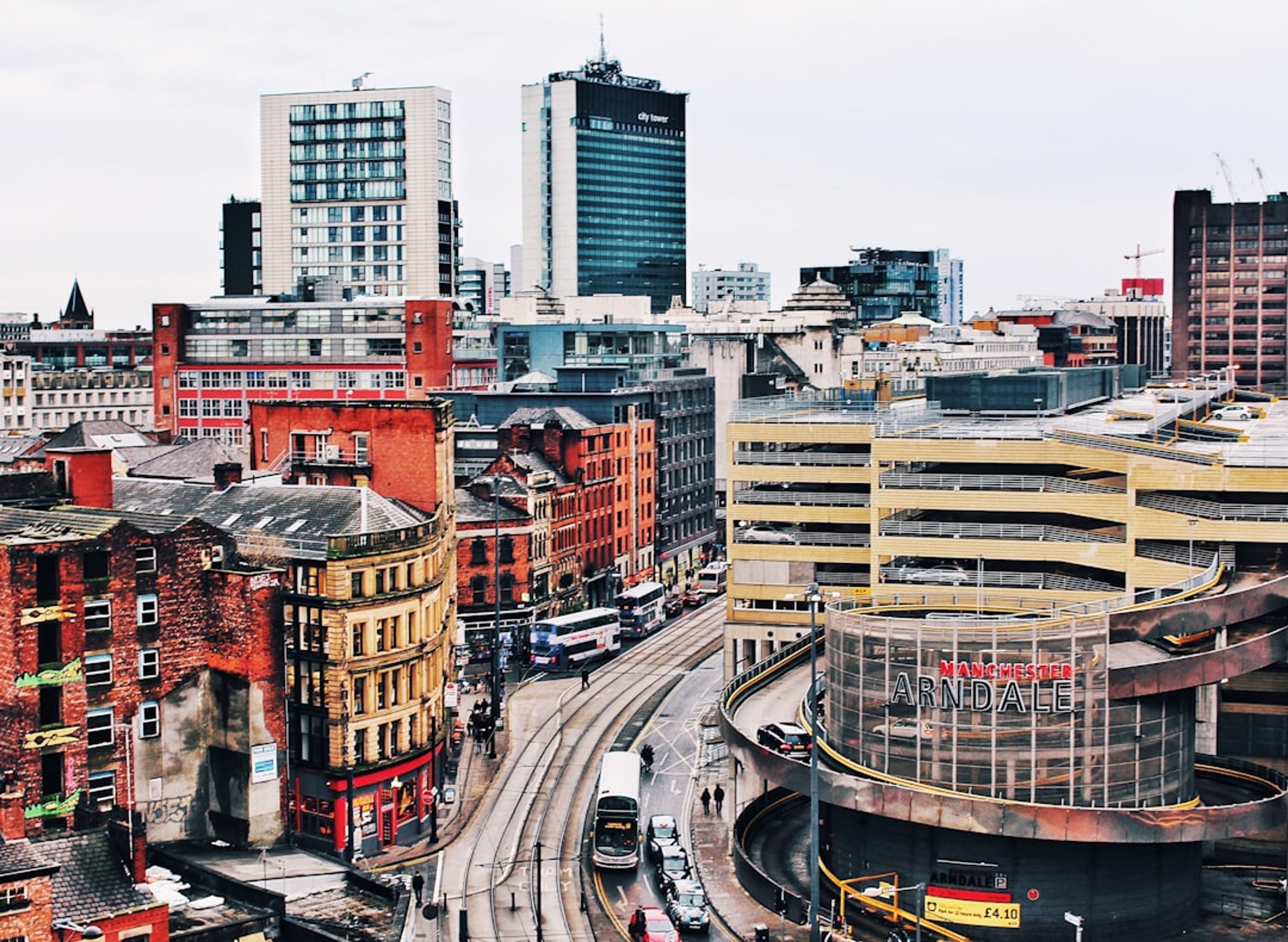
1The Northern Quarter - Manchester's Independent Heart
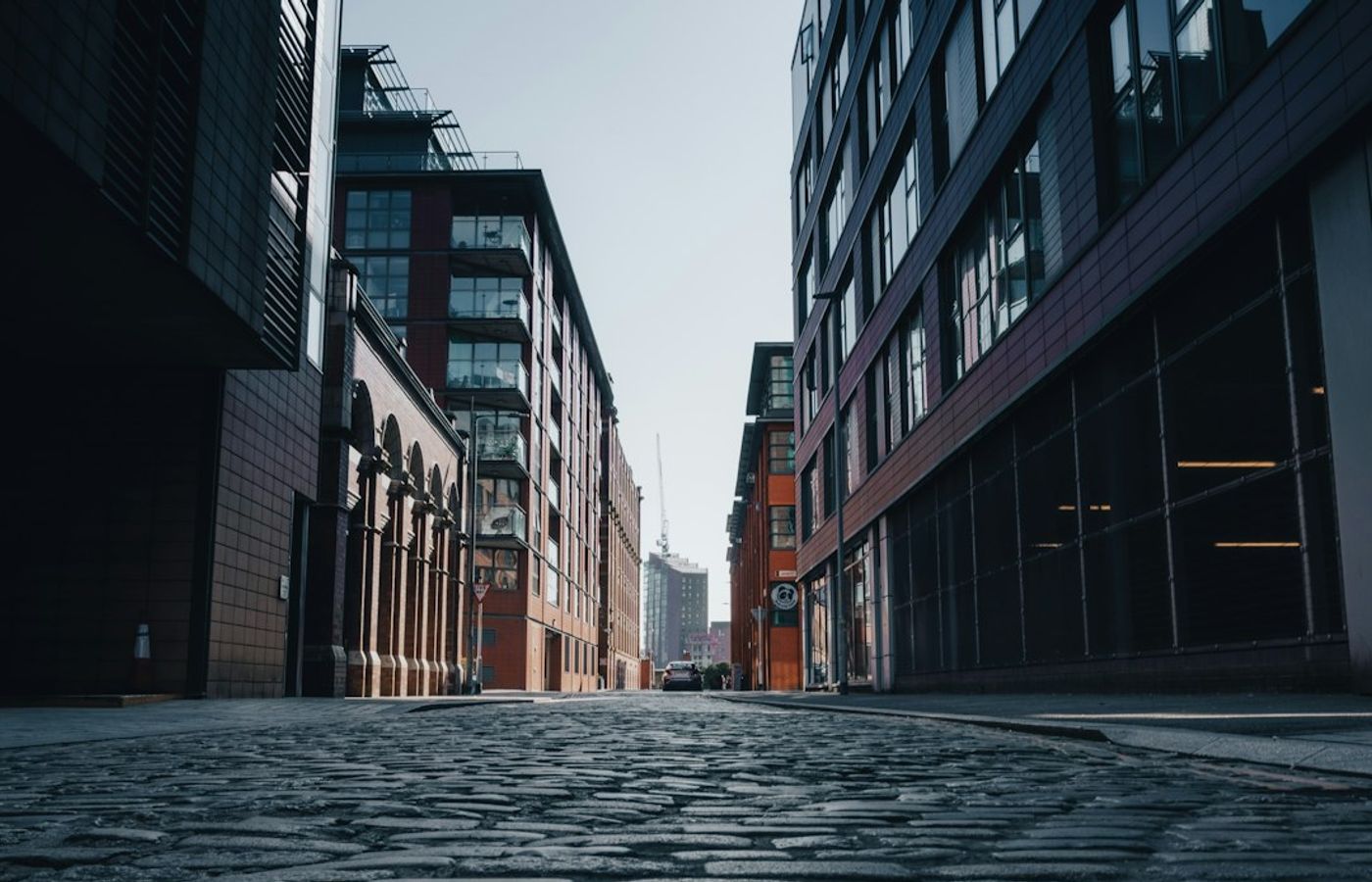

The Northern Quarter is the part of Manchester most visitors end up photographing without planning to. Red brick warehouses that once stored cotton now hold record shops, tattoo studios, vintage dealers and small coffee roasters, and most gable ends carry a mural. Afflecks, the four-floor indoor market on Church Street, has traded since 1982 and remains the place to buy something you did not intend to buy. Stevenson Square is the centre of the street art scene and gets repainted several times a year, so the walls you see in July will not be the walls you see in December.
Tib Street and Oldham Street carry most of the retail. Weekday mornings are quiet enough to get a table anywhere; Saturdays bring record fairs and queues. The whole district is compact, maybe two hours of slow wandering, though few people move through it that quickly. Coffee runs around GBP 3.50 and a decent lunch sits near GBP 12.
Pro Tip: Start at Stevenson Square and walk north up Tib Street rather than down Oldham Street. You catch the newest murals first and end at Shudehill, which puts you one tram stop from Victoria and Manchester Cathedral.
2Science and Industry Museum - Where the Industrial Revolution Started
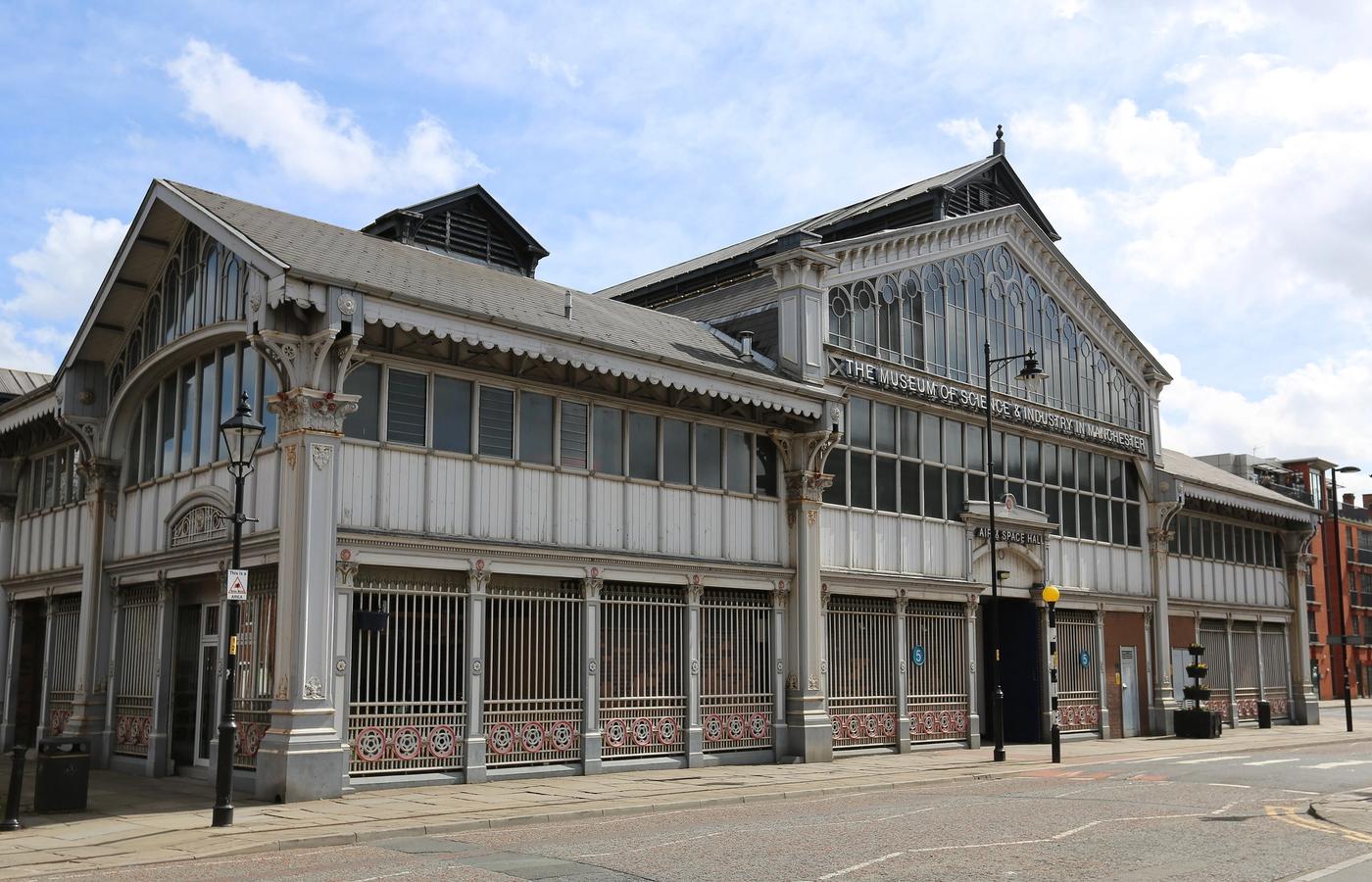

The Science and Industry Museum occupies the site of Liverpool Road Station, the oldest surviving passenger railway station in the world, opened in 1830 as the Manchester terminus of the Liverpool and Manchester Railway. Entry is free. The Power Hall holds one of the largest collections of working steam mill engines anywhere, and when the engineers fire them up the floor moves under your feet. The Textiles Gallery runs live demonstrations of the spinning and weaving machinery that built the city's fortune and its slums in roughly equal measure.
Allow two to three hours. The site spreads across five listed buildings, so it feels larger than the map suggests. Special exhibitions occasionally carry a charge, usually GBP 10 or under, but the permanent galleries never do. Families should head straight for the Experiment gallery on the ground floor.
Pro Tip: Check the daily demonstration board at the entrance before you do anything else. The steam engine runs are scheduled, usually late morning and mid afternoon, and the museum is far less interesting if you miss them.

3Old Trafford and the Etihad Stadium Tours - Two Sides of Manchester Football
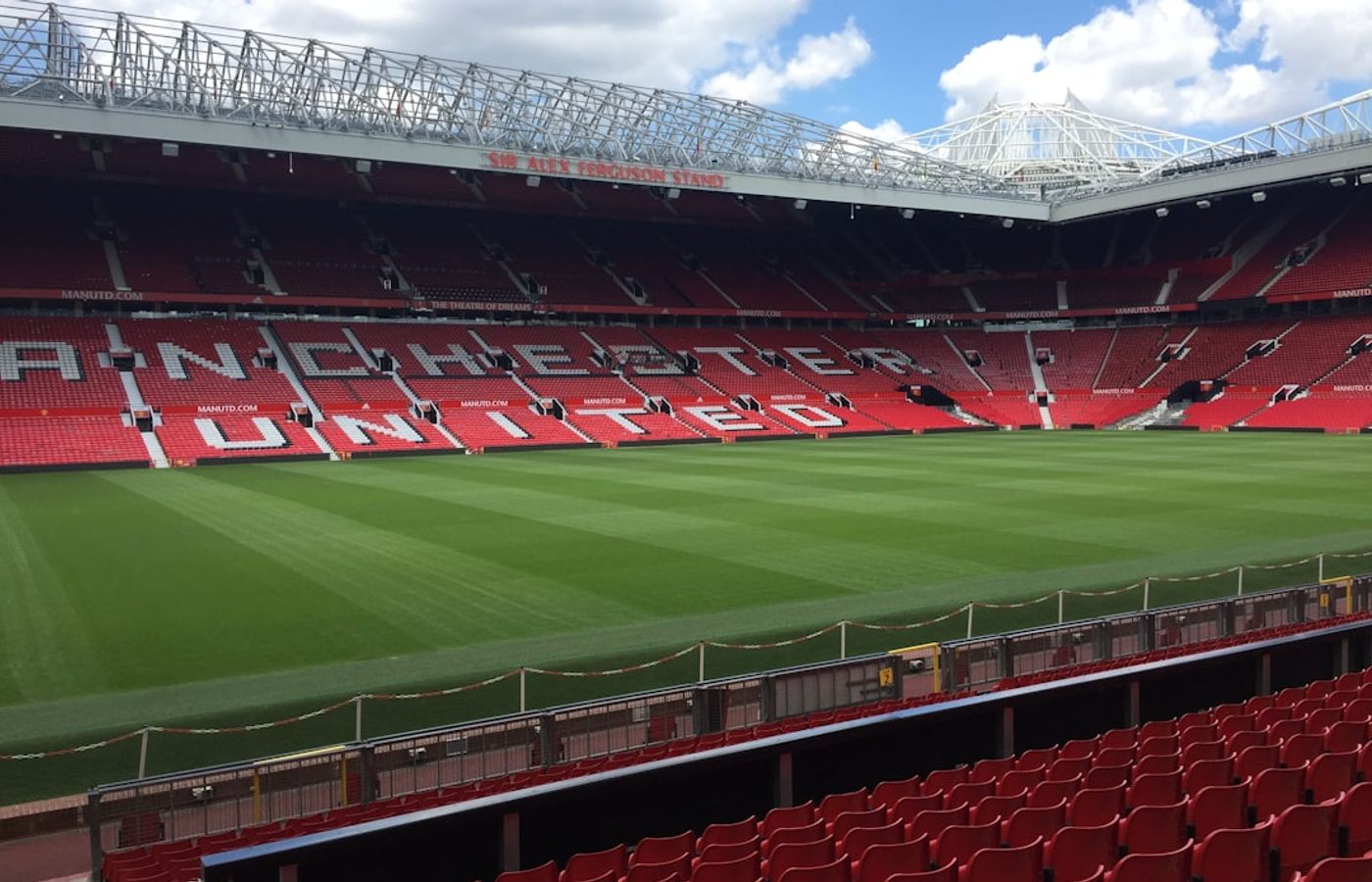

Manchester carries two of the most recognised football clubs in the world, and both run stadium tours that are worth doing even if you follow neither. Old Trafford holds 74,000 and has been Manchester United's ground since 1910; the tour walks you through the players' tunnel, the dressing rooms and the museum, which covers the Munich air disaster of 1958 with genuine restraint. Tickets sit around GBP 28 for adults. The Etihad Stadium tour, at roughly GBP 30, is the more modern experience, taking in the tunnel club and the pitchside seats built for Manchester City after the 2002 Commonwealth Games conversion.
Both tours must be booked ahead, and neither runs on match days - that is the single most common trip-planning mistake visitors make in Manchester. Each takes 70 to 90 minutes. Doing both in one day is possible on the tram, since the two grounds sit at opposite ends of the Metrolink network, but it makes for a long afternoon.
Pro Tip: Check the fixture list before you book anything else in Manchester. Home games close the tours entirely and fill every tram heading that way from about three hours before kick-off.
4John Rylands Research Institute and Library - Neo-Gothic Reading Room on Deansgate
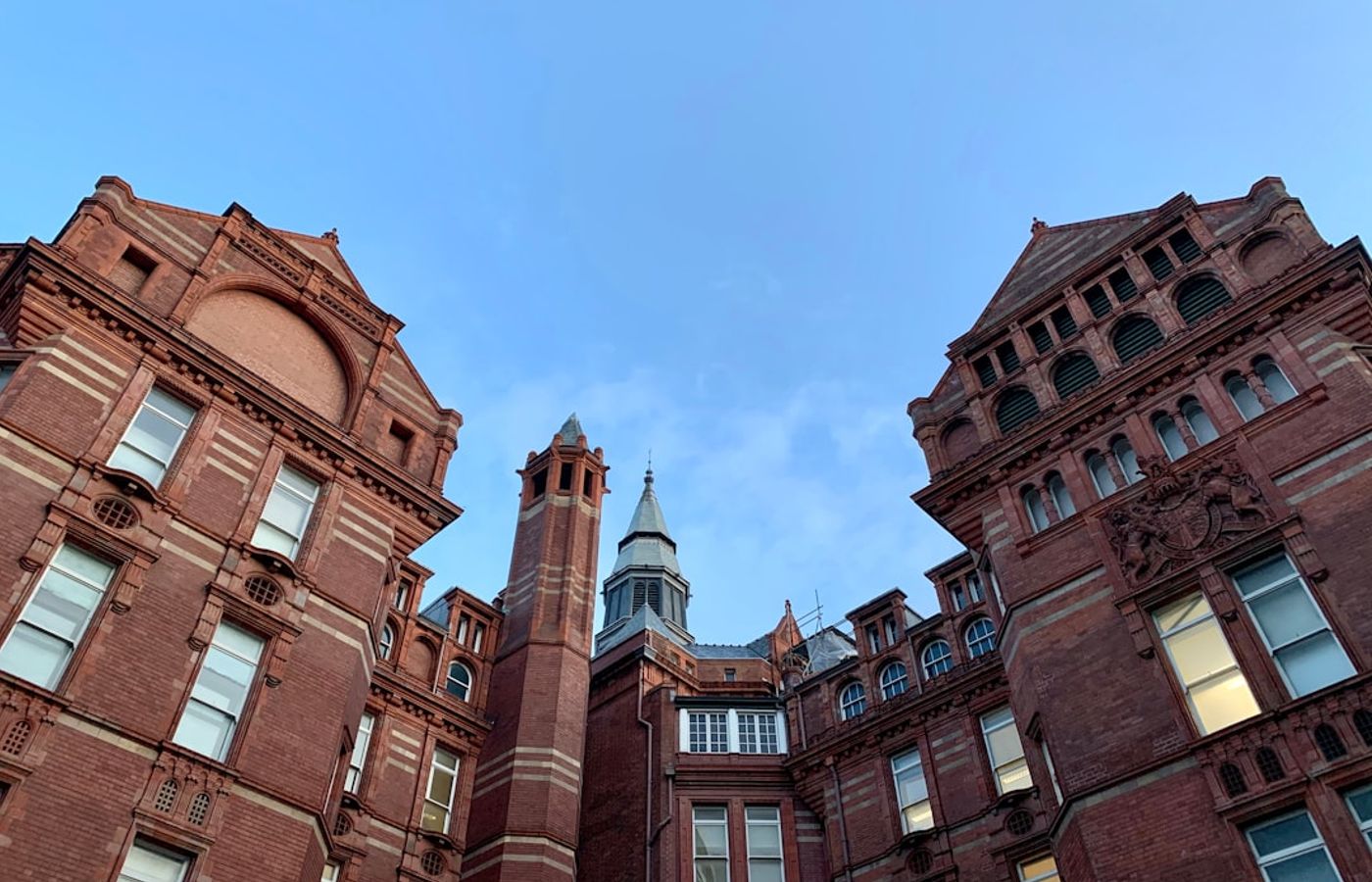
Enriqueta Rylands commissioned the John Rylands Research Institute and Library in memory of her husband, and Basil Champneys spent a decade building it. It opened to readers on 1 January 1900. The Historic Reading Room is the reason to come: a neo-Gothic hall of red Cumbrian sandstone with stained glass, carved stone screens and lamps that were fitted for electricity before most of Manchester had any. The collection holds the St John Fragment, the oldest known piece of the New Testament, dated to the first half of the second century.
Entry is free and the building is part of the University of Manchester Library, so it stays a working research institution rather than a museum piece. Rotating exhibitions occupy the ground floor gallery. Forty-five minutes covers it comfortably. The building closes on some Mondays, which catches people out.
Pro Tip: Go up the stone spiral staircase to the far end of the Reading Room and look back towards the entrance. That is the view worth the trip, and almost everyone photographs it from the wrong direction.
5Manchester Art Gallery - Pre-Raphaelites and a Free Afternoon
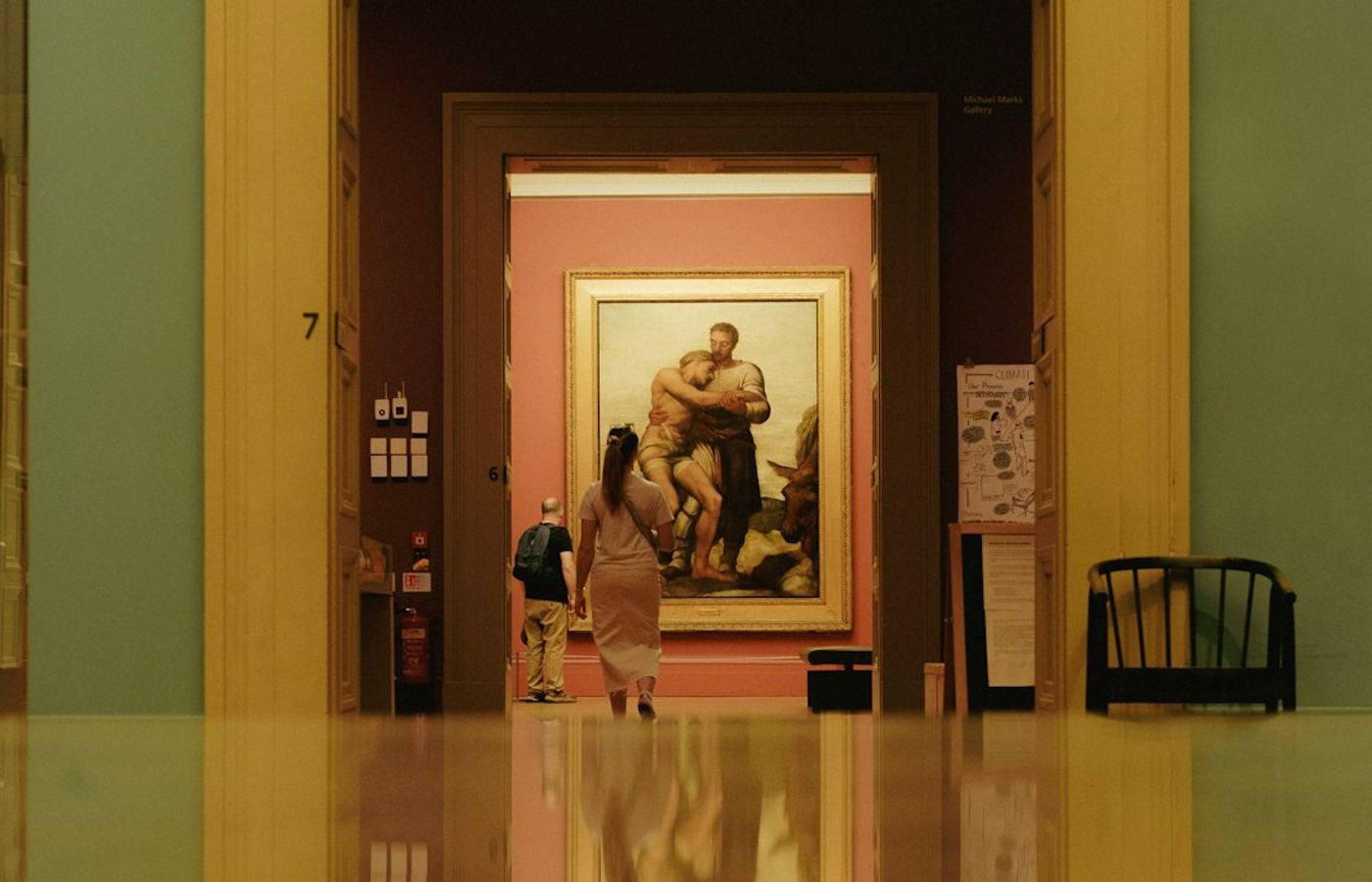
Manchester Art Gallery has been free to enter since 1882, when the city took it over from the Royal Manchester Institution. The Pre-Raphaelite holdings are the strongest outside London, with Ford Madox Brown's Work and Holman Hunt's The Hireling Shepherd among them. Two Charles Barry buildings on Mosley Street connect to a glass-and-steel wing added in 2002, and the gallery runs its contemporary programme in that newer space. The craft and design collection upstairs, heavy on ceramics and Manchester-made textiles, gets skipped by most visitors and rewards the ones who do not.
Ninety minutes is enough for the highlights, longer if a touring exhibition is on. The gallery opens late on some evenings and the cafe on the second floor is one of the better quiet spots in the city centre. Rainy days here are the busiest, so aim for a dry morning.
Pro Tip: Take the lift to the top floor and work downwards. The crowds enter at ground level and drift up, so descending puts you a room ahead of them the whole way.
6Castlefield and the Roman Fort - Where Manchester Actually Began
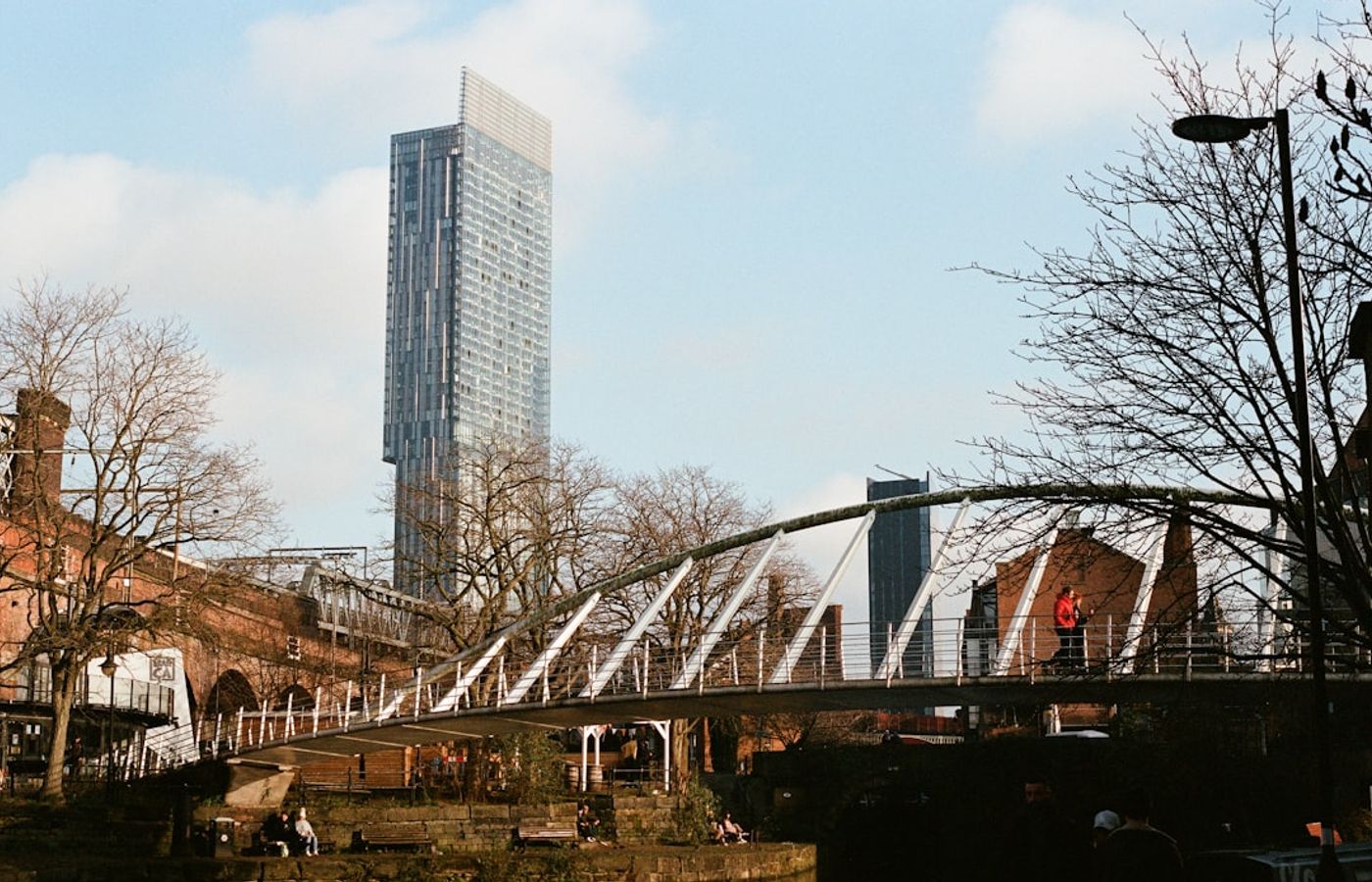
The Romans built the fort of Mamucium here around AD 79, and the reconstructed north gate on Duke Street marks roughly where it stood. Castlefield became Britain's first Urban Heritage Park in 1982, and the layering is the point: Roman foundations, the terminus of the Bridgewater Canal from 1764, and Victorian railway viaducts stacked overhead on cast iron legs. Narrowboats still work the canal basin. The whole area sits below street level, which makes it noticeably quieter than the rest of the city centre.
Castlefield Viaduct, a National Trust sky garden built on a disused 1892 railway deck, opened in 2022 and needs a free timed ticket. The canal towpaths are free and open all hours. Give the area an hour, more if you stop at one of the basin-side pubs.
Pro Tip: Walk the towpath east from the basin and you reach the Science and Industry Museum entrance in under ten minutes without crossing a single road. It is the best link between two stops on this list.
7People's History Museum - The National Museum of Democracy
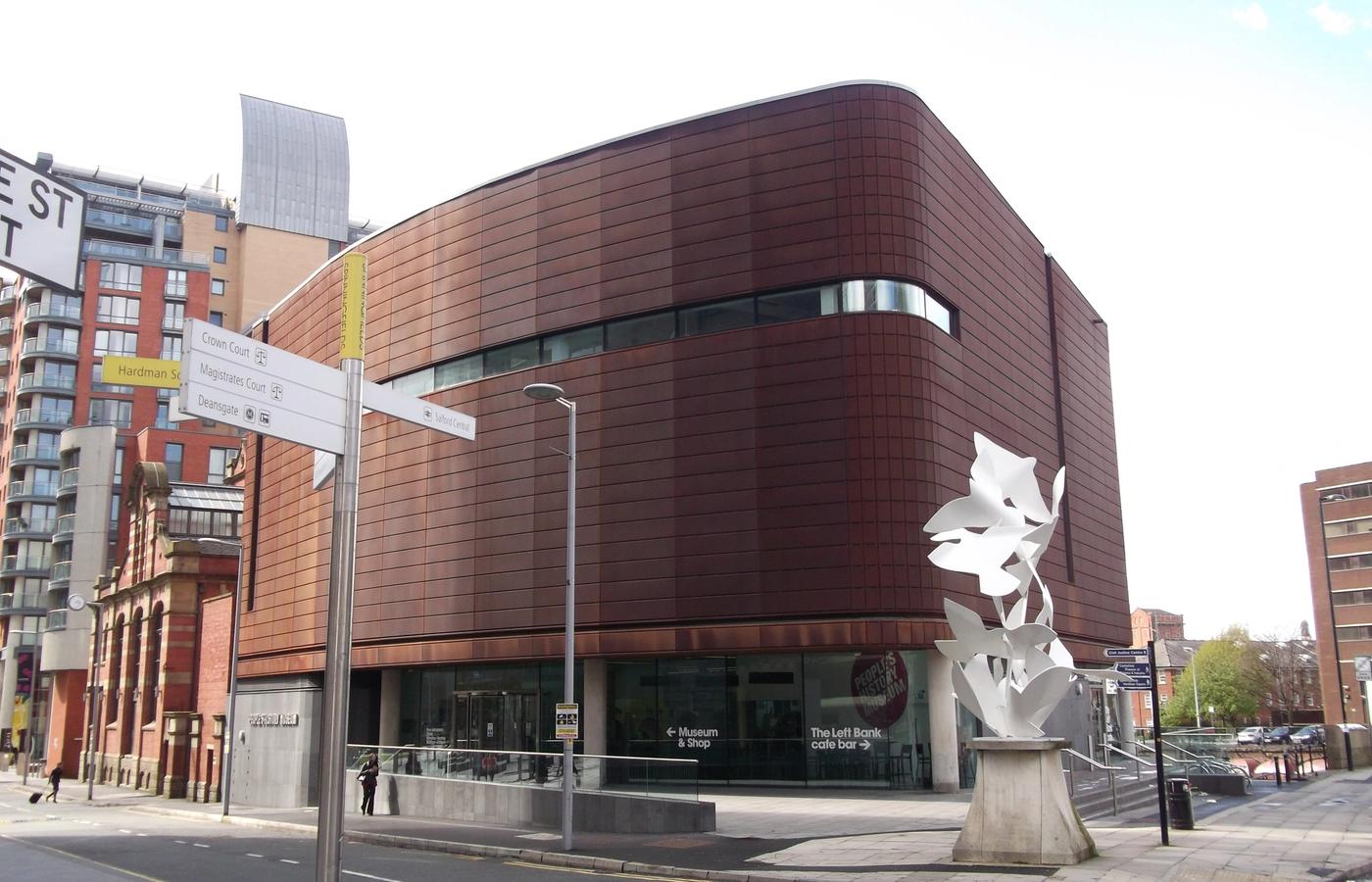
The People's History Museum tells the story of British working life and political organising, and it holds the largest collection of trade union and political banners in the world - more than 400 of them, some dating to the 1820s. Entry is free, with a suggested donation of GBP 5. The two main galleries cover 1819 onwards, starting with the Peterloo Massacre, which happened about ten minutes' walk from the front door. The Conservation Studio has a viewing window where you can watch textile conservators working on banners in real time.
Ninety minutes covers both floors. The building is a converted Edwardian hydraulic pumping station on the Irwell, which is worth noticing from the outside before you go in. It closes on Mondays and Tuesdays outside school holidays, so check before you walk over.
Pro Tip: Combine this with the Peterloo Memorial outside Manchester Central on Windmill Street. Seeing the banners first and the memorial second makes far more sense of both than doing it the other way round.
8Salford Quays, MediaCity and the Lowry - Waterfront Manchester
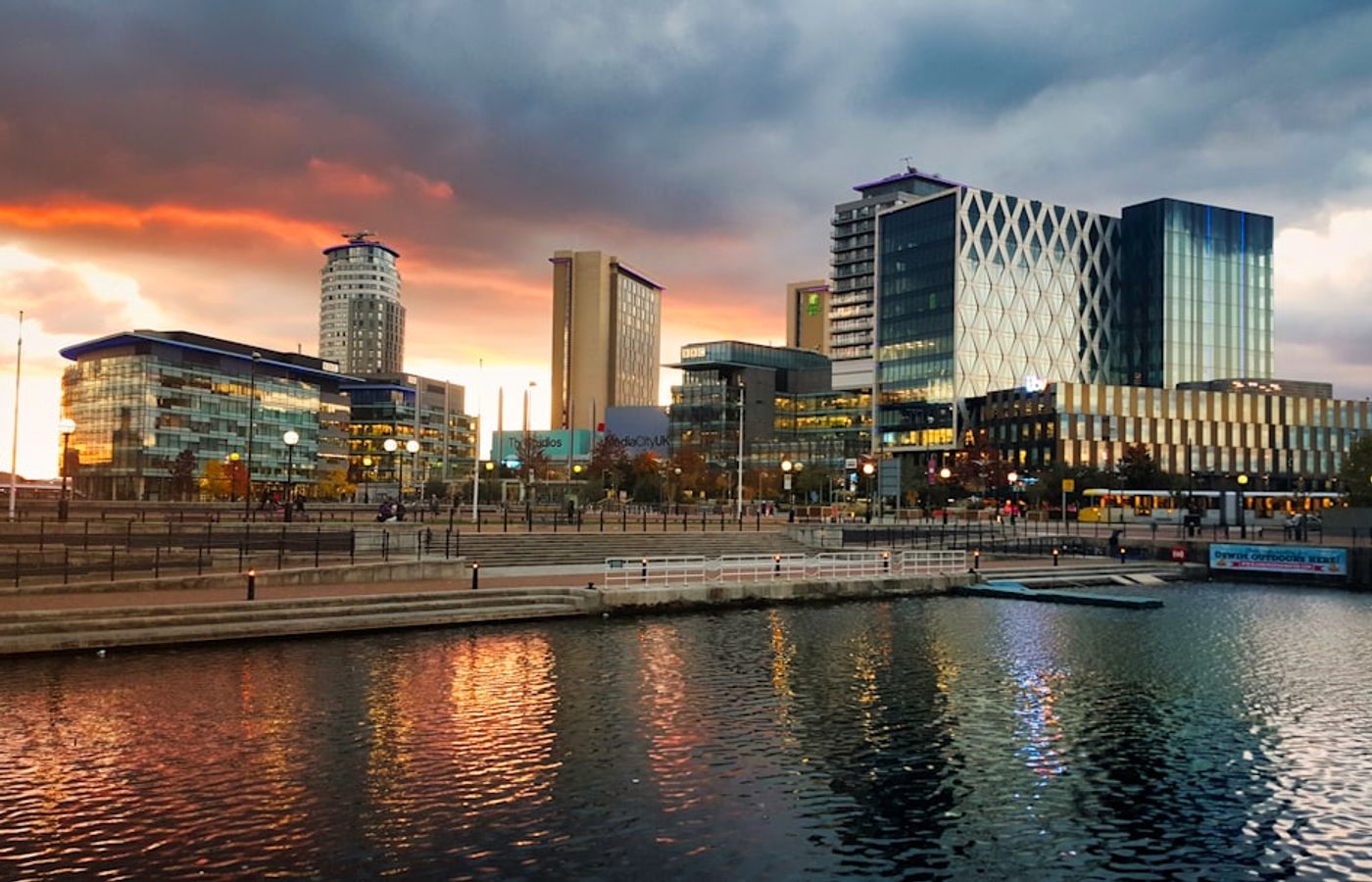
Manchester Docks handled ocean freight until 1982 and then closed. What replaced them is Salford Quays, and the transformation is more convincing than most waterfront regeneration schemes. The Lowry, opened in 2000 on Pier 8, holds the world's largest collection of L. S. Lowry's work - over 400 paintings and drawings - and admission to the galleries is free. Two theatres share the building. Across the ship canal, the Imperial War Museum North sits in a Daniel Libeskind building designed as three shards of a shattered globe, also free to enter.
MediaCity, home to several BBC and ITV departments since 2011, fills the space between them with studios, plazas and waterside food. Half a day is right for the area. The Detroit Swing Bridge links the Lowry to the Imperial War Museum North in about four minutes on foot.
Pro Tip: Ride the tram out and walk part of the way back along the ship canal towards Pomona. It takes about 40 minutes and gives you the industrial edge of Salford that the plazas hide.
9Manchester Cathedral and Chetham's Library - The Medieval Corner
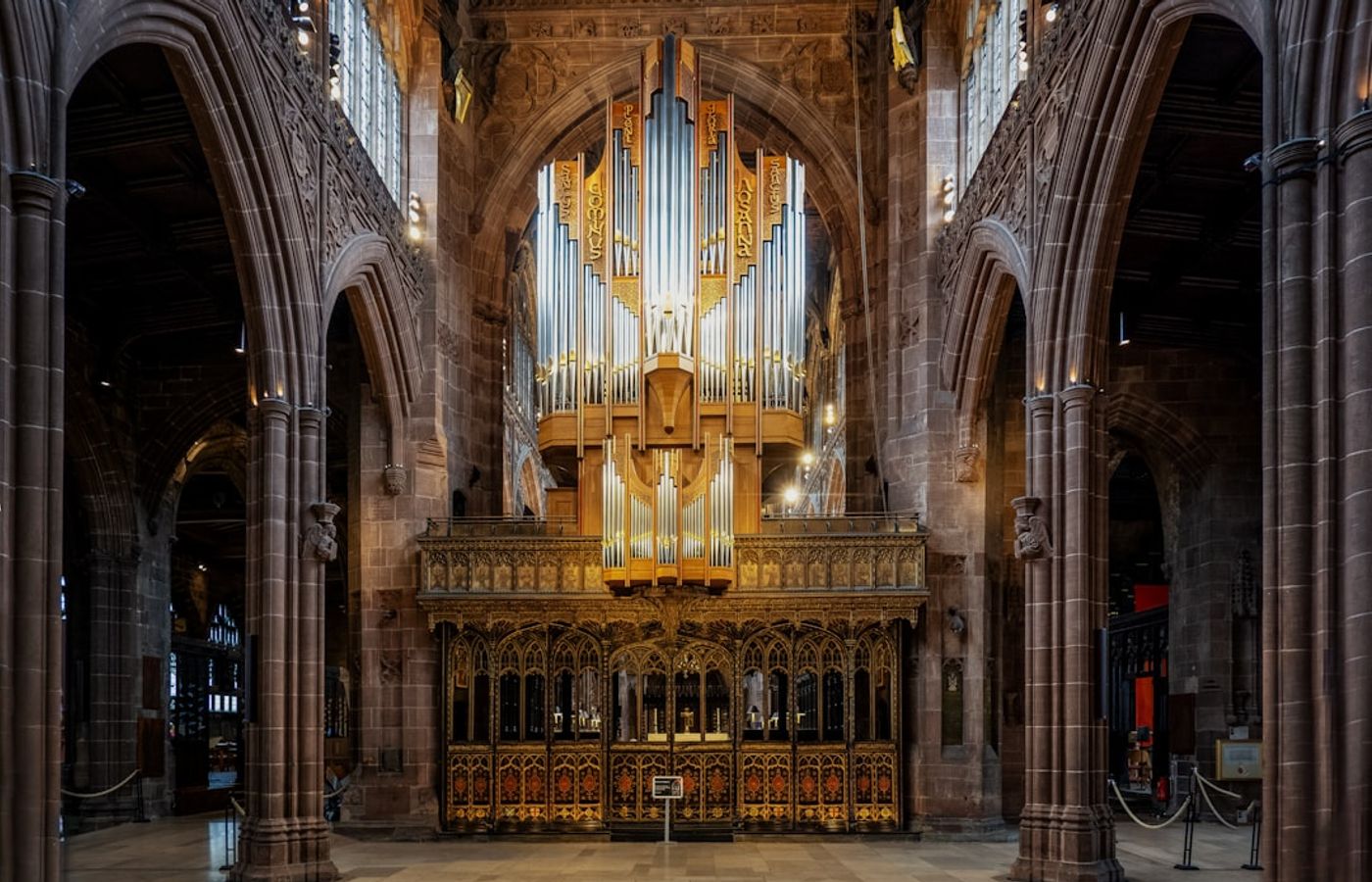
Manchester Cathedral dates from 1421 and carries the widest medieval nave in England. The misericords in the quire, carved between 1505 and 1510, are the finest set in the north of the country - look for the backgammon players and the fox preaching to geese. German bombs in 1940 destroyed the medieval glass, and the replacement windows by Antony Hollaway, installed between 1973 and 1995, are unapologetically modern. Entry is free. Two minutes away on Long Millgate, Chetham's Library has been open to readers since 1653, which makes it the oldest free public library in the English-speaking world.
Marx and Engels worked at a window alcove in Chetham's during the summer of 1845, and the desk is still there. Library visits run as guided tours and need to be reserved; expect around GBP 8. Together the two sites take about two hours.
Pro Tip: Book the Chetham's Library tour for late morning and eat afterwards at the Corn Exchange, four minutes south. Tour slots are limited and the library is closed at weekends during term time.
10Ancoats - Manchester's Best Eating and Drinking District
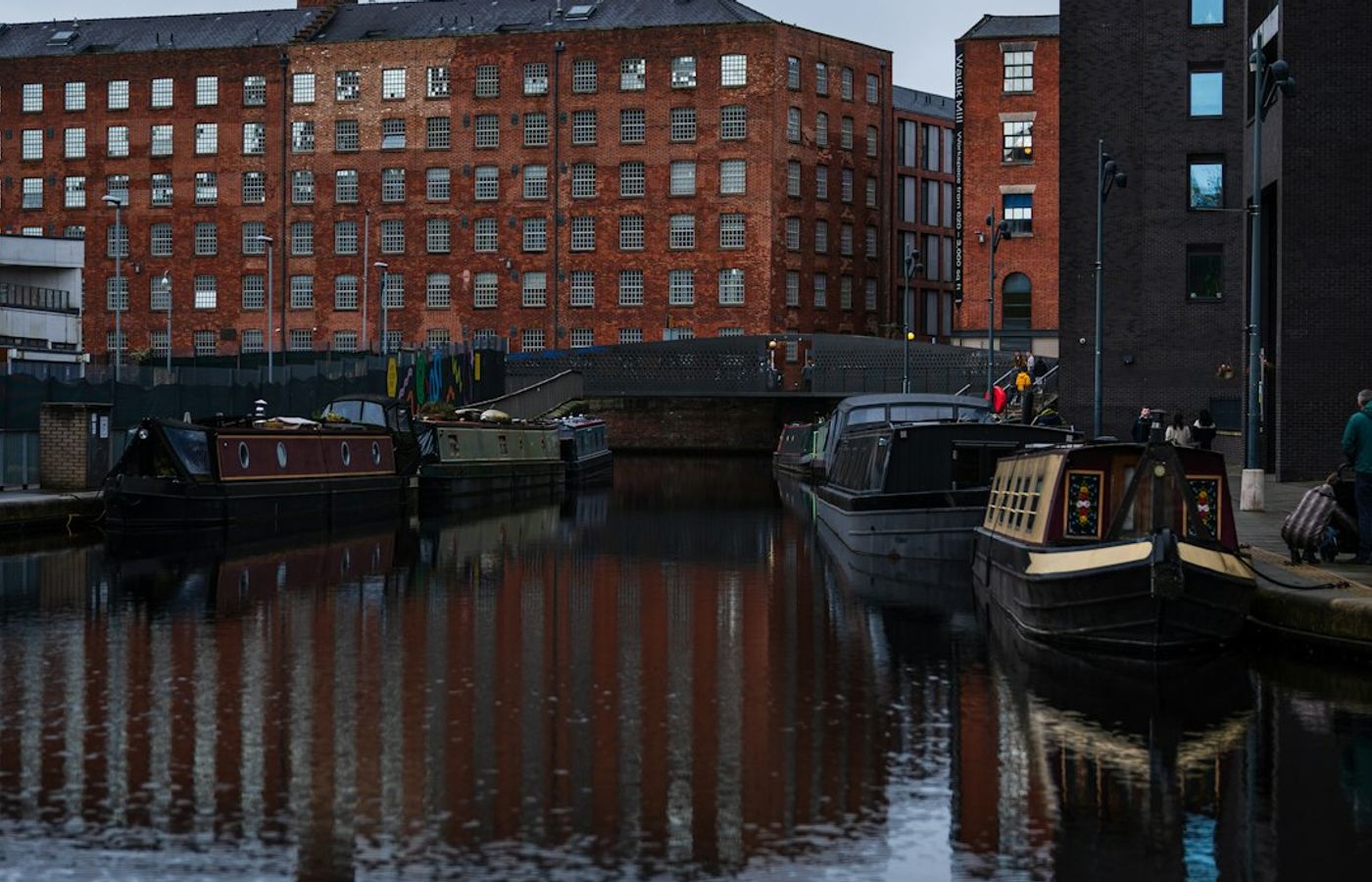
Ancoats was the first industrial suburb in the world, built around steam-powered cotton mills in the 1790s, and for most of the twentieth century it was derelict. The mills came back as flats after 2000 and the ground floors filled with restaurants. Cutting Room Square is the centre of it, with the Hallmark Chapel on one side and terrace seating spilling across the paving in summer. This is where Manchester eats now - wood-fired pizza, small plates, natural wine, a bakery queue that starts before nine.
Prices are city-centre normal rather than cheap: expect GBP 15 to GBP 20 for lunch and GBP 40 upwards for dinner with a drink. Weekend evenings need a reservation almost everywhere. Walk five minutes east and you reach New Islington Marina, which is quiet and largely residential.
Pro Tip: Book Ancoats for a Tuesday or Wednesday evening. The same kitchens run the same menus, tables open up at short notice, and you can usually walk in somewhere on Blossom Street without a booking.

CEO and co-founder
Tomas is the co-founder and director of trip1, an European company specializing in reservation services. He launched the company in 2025 with a focus on building scalable, efficient operations.
10 Best Things to Do in Manchester, England - FAQ
No. Ten stops across Manchester city centre, Salford Quays and two football stadiums is roughly 12 hours of walking and tram-hopping, and stadium tours alone run 70 to 90 minutes. Two full days is realistic: day one for the Northern Quarter, Castlefield and the central museums, day two for Salford Quays and a stadium tour. Three days lets you eat properly in Ancoats.
Group them geographically rather than following the list order. Start at Manchester Cathedral and Chetham's Library, walk south through the Northern Quarter, then cut west to the John Rylands Research Institute and Library on Deansgate. Manchester Art Gallery and the People's History Museum sit within ten minutes of each other. Save Castlefield and the Science and Industry Museum for one afternoon, Salford Quays for a separate half day, and book stadium tours around whatever slot you can get.
Only the stadium tours genuinely require booking ahead. Old Trafford and the Etihad Stadium both sell timed slots that fill weeks out in summer, and neither runs tours on match days. Chetham's Library asks visitors to reserve a guided slot, and the Lowry theatre needs tickets for performances. Everything else on this list, including the Science and Industry Museum, Manchester Art Gallery and the People's History Museum, accepts walk-ins.
Budget roughly GBP 70 to GBP 90 per adult for the whole list. Six of the ten cost nothing to enter. The real spending goes on stadium tours, which run about GBP 28 at Old Trafford and GBP 30 at the Etihad Stadium, plus two days of Bee Network travel at the contactless daily cap. Add food in Ancoats and the total climbs, though a weekday lunch there rarely tops GBP 20.
Yes, every stop on this list sits within a short walk of a Bee Network tram stop or bus route. The Metrolink covers Salford Quays, MediaCity, Old Trafford and the Etihad Campus directly. Central sights like Manchester Art Gallery and the Northern Quarter are walkable from St Peter's Square or Shudehill. Tap in and out with the same contactless card and the daily fare cap stops you paying more than a day ticket.
Several strong options did not make the ten. The Whitworth art gallery and Manchester Museum sit together on Oxford Road, about 25 minutes south of the centre by bus, and both are free. Heaton Park is one of Europe's largest municipal parks and reachable by tram. The Victoria Baths, Elizabeth Gaskell's House and the Hallé at the Bridgewater Hall are worth a look on a longer trip.