

Guides · Hallstatt
10 Best Things to Do in Hallstatt

CEO and co-founder
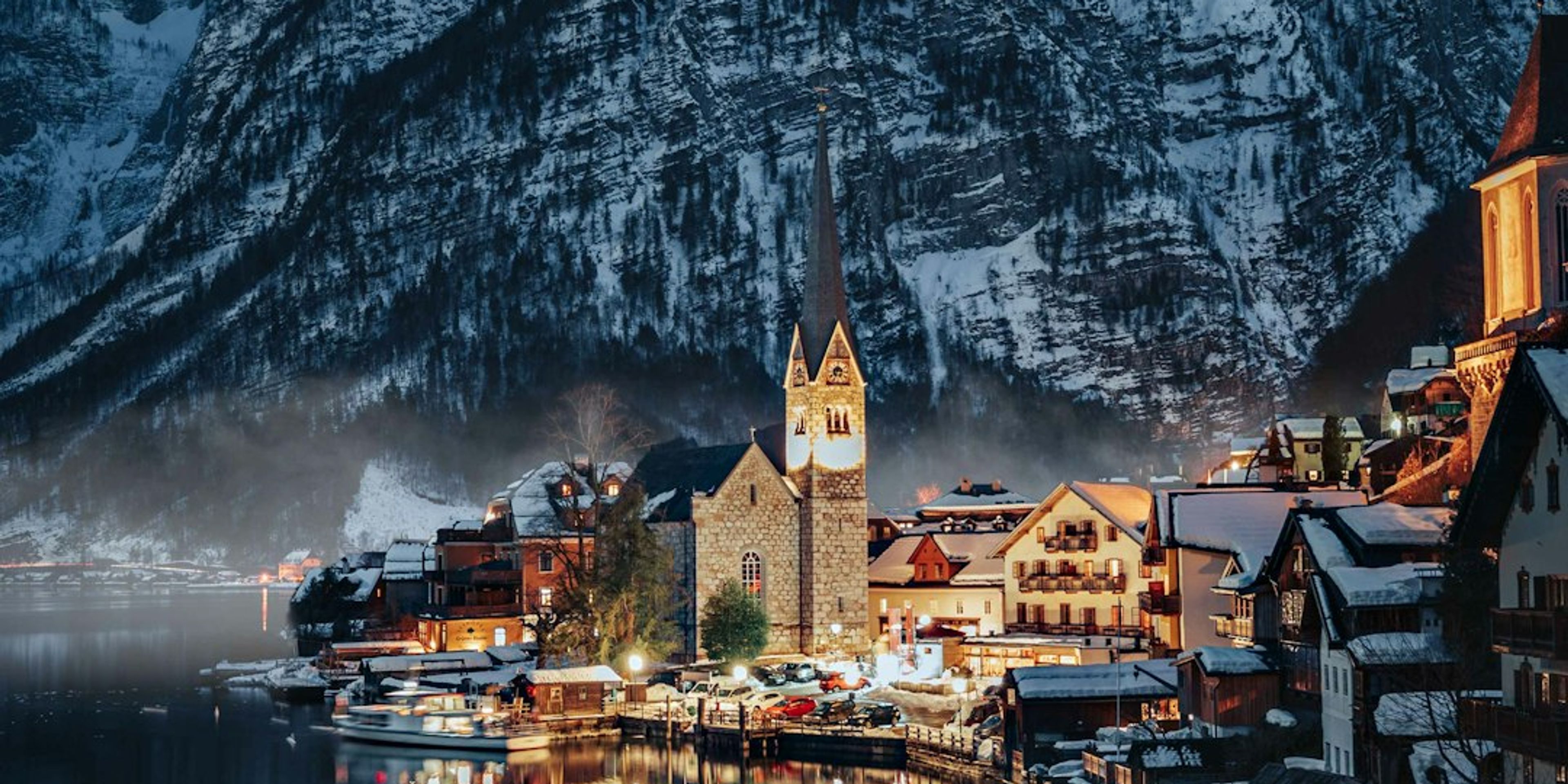
Hallstatt is a lakeside village of roughly 780 residents in Upper Austria's Salzkammergut region, wedged between the western shore of Lake Hallstatt (Hallstätter See) and the near-vertical slopes of the Dachstein massif. The best things to do in Hallstatt in 2026 span more than seven millennia of continuous salt mining, alpine viewpoints above 2,000 metres, an ice cave carved into limestone, and pastel wooden houses built onto ledges so narrow that the main road was blasted through the cliff in 1890. Since 1997 the entire area has been protected as the UNESCO Cultural Landscape of Hallstatt-Dachstein/Salzkammergut, a designation that covers both the village and the surrounding peaks, glaciers, and pastures.
This guide walks through ten attractions in a logical order for a one- or two-day visit: the market square and lake shore first, then the Salzwelten funicular and Skywalk, the salt mine tour, the Beinhaus behind the parish church, and finally the Dachstein plateau day trips to the Ice Cave, Five Fingers platform, and Gosausee. Every entry lists opening months, ticket ranges in euro, and the practical detail most visitors miss - such as the fact that private cars cannot enter the village centre between 10:00 and 17:00 from May through October. Staying over is what separates a good visit from a coach-park one, because the village empties after five and fills again at ten; the hotels in Hallstatt in the village itself are the ones that buy you those hours. The Dachstein day trips are entirely weather-dependent and the cable cars close in cloud, so check Hallstatt weather before committing a day to the plateau. Most visitors arrive from Salzburg, which is the obvious base if the village is full.
1Hallstatt Village Market Square (Marktplatz)
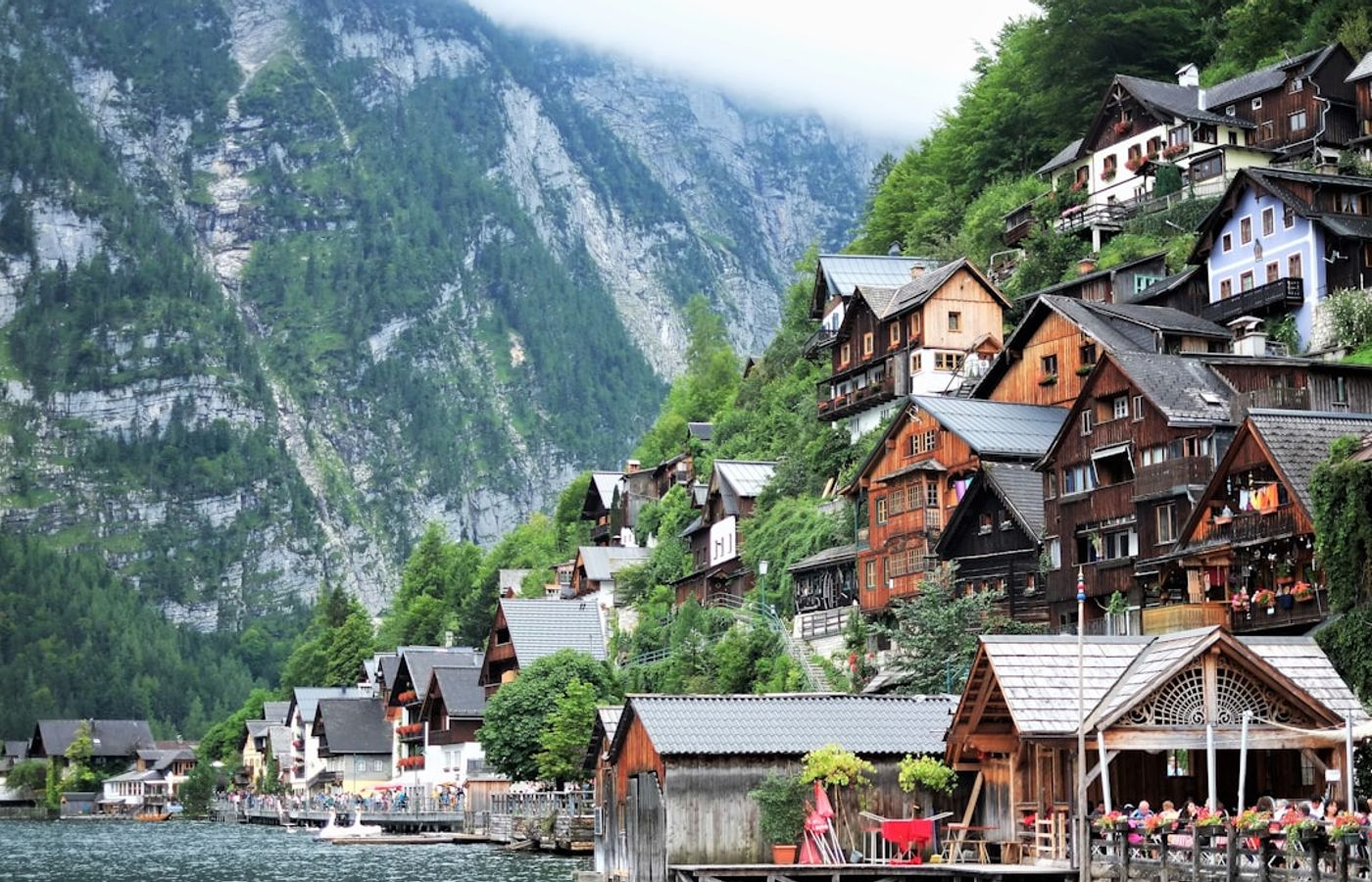

Marktplatz is the small triangular square at the centre of Hallstatt, ringed by 16th-century burgher houses painted in ochre, cream, and pale pink. The Trinity Column in the middle dates from 1744 and was erected after a plague outbreak. Because the village is built on a scree cone with almost no flat ground, this is the only open public space large enough to hold a market, and it doubles as the meeting point for guided walking tours. The southern side leads directly to the classic postcard viewpoint on Seestrasse, where the Lutheran church spire lines up with the reflection on the lake. Cafes and a handful of family-run shops selling salt, ceramics, and loden wool open onto the square from roughly 09:00 to 18:00. Marktplatz is closed to vehicles year-round, and photography is best in the first two hours after sunrise before day-trip coaches arrive from Salzburg.
Pro Tip: Approach Marktplatz from the northern lakeside path rather than the P1 car park - the angle from the boat landing gives you the full row of gabled houses reflected in the water without the crowd of tripods on the southern viewpoint.
2Hallstatt Skywalk Viewpoint
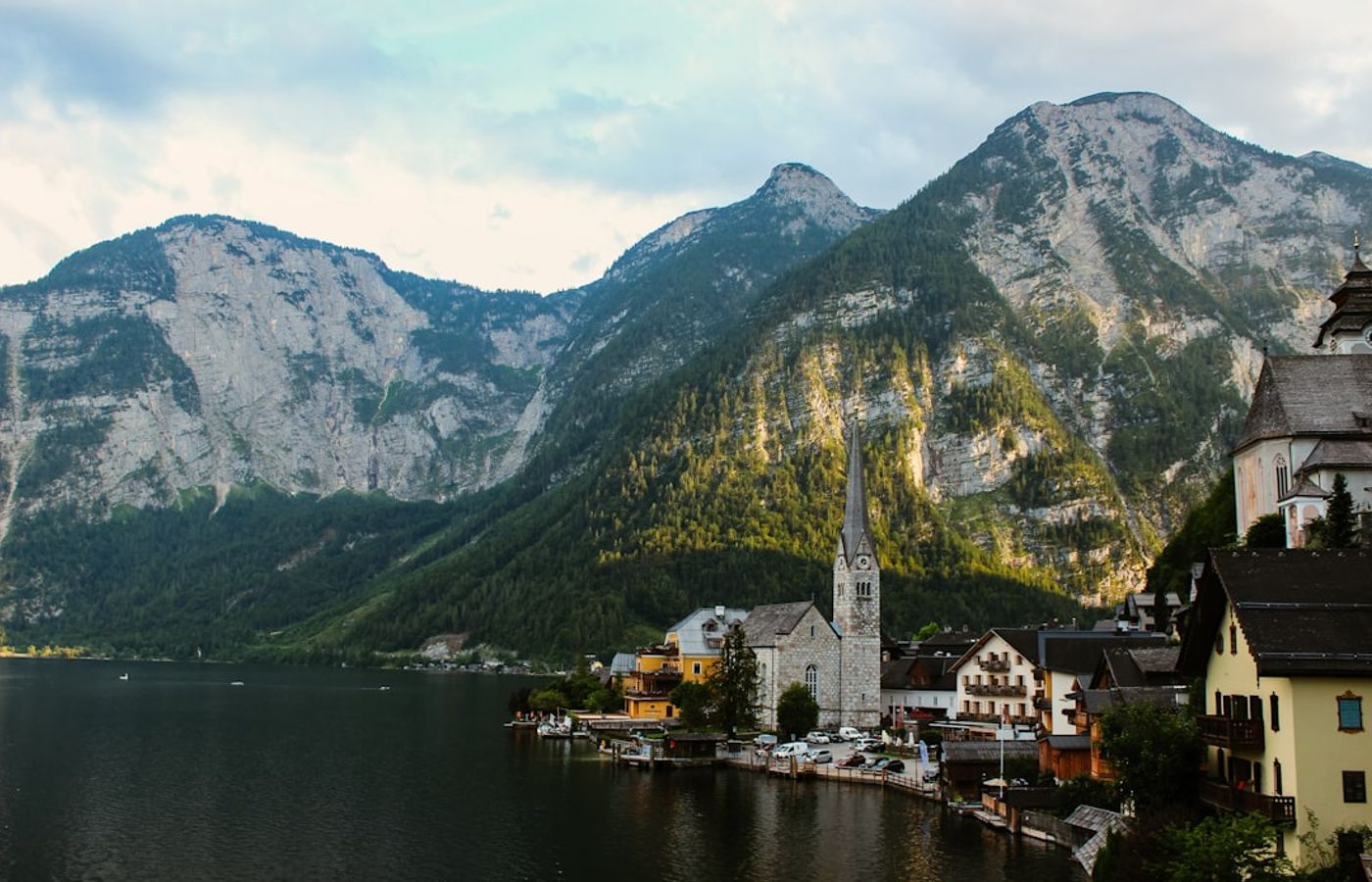

The Hallstatt Skywalk is a cantilevered steel platform that projects 12 metres out from the mountainside at an elevation of 360 metres above the lake, giving an unobstructed vertical view down onto the village roofs and the length of Lake Hallstatt (Hallstätter See) toward Obertraun. It sits directly above the Rudolfsturm restaurant, on the same terrace as the entrance to the salt mine. Reaching the platform takes about three minutes on the Salzbergbahn funicular from the lower station near the P2 car park, or roughly 45 minutes on foot via the marked path through the salt-mining archaeological zone. The Skywalk itself is free to visit; only the funicular ride (round trip approximately EUR 22 for adults in 2026) or a combined salt-mine ticket is charged. Operating months are late April through early November, with the last uphill funicular typically at 16:30.
Pro Tip: Buy the funicular-plus-salt-mine combination ticket online in advance - it saves roughly 15 percent and, more importantly, gives you a fixed entry slot for the mine, which routinely sells out for the same day by mid-morning in summer.

3Salzwelten Hallstatt Salt Mine
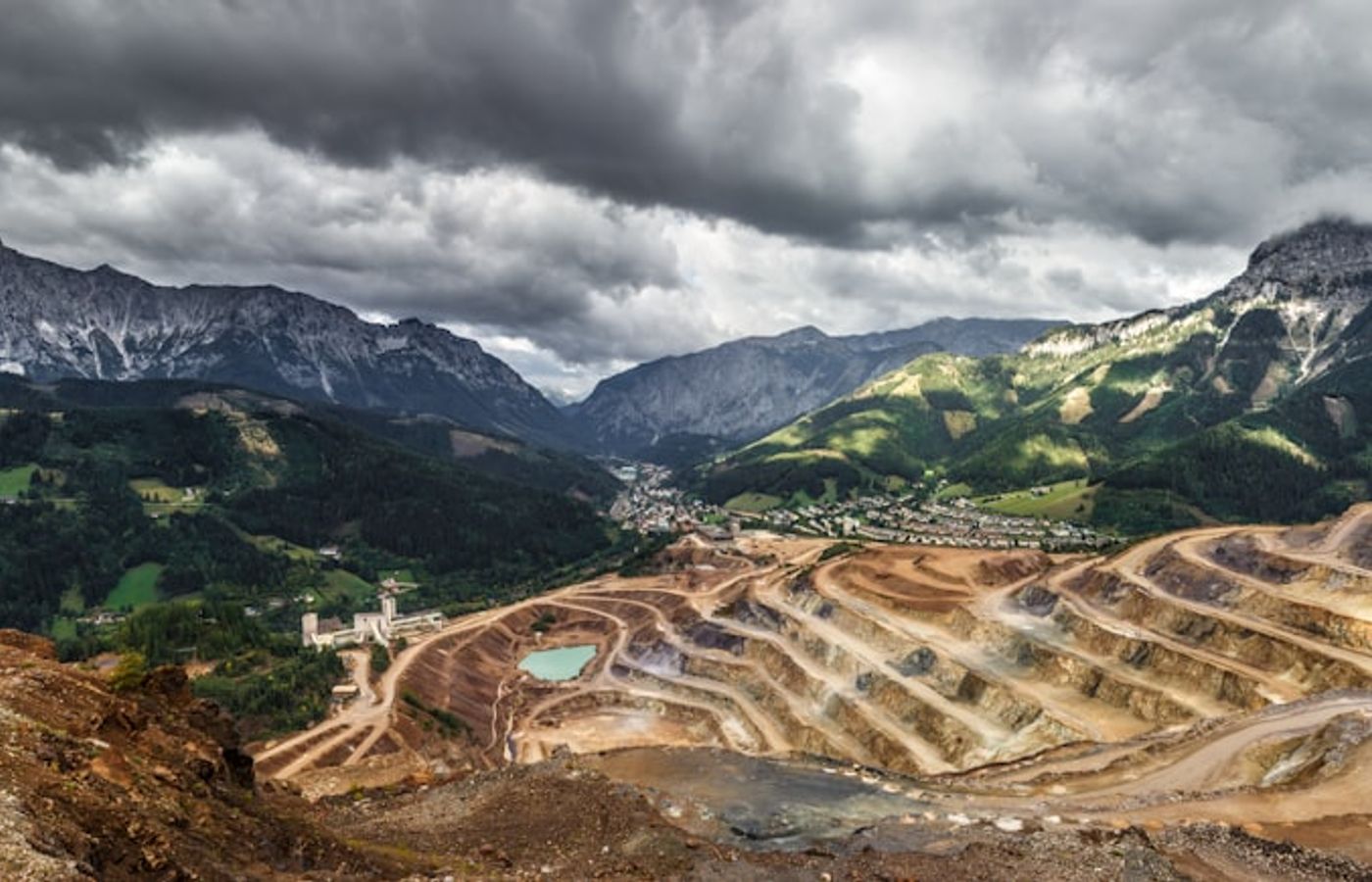

Salzwelten Hallstatt is the world's oldest known salt mine, with archaeological evidence of extraction going back roughly 7,000 years to the Neolithic period. The guided tour lasts about 90 minutes and covers roughly 1.5 kilometres of tunnels, most of which date from the medieval and early-modern periods, with two long wooden slides used to descend between levels. Highlights inside the mine include the preserved body of the "Man in the Salt" - a prehistoric miner discovered in 1734 - a subterranean salt lake illuminated with coloured light, and a small cinema carved into the rock that screens a film on Bronze Age mining techniques. Adult tickets in 2026 are approximately EUR 40, funicular included, and the mine operates from late April to early November with the last tour usually starting at 14:30. Temperature inside is a constant 8 degrees Celsius, so a jacket is required regardless of the weather outside.
Pro Tip: The oldest wooden staircase in Europe, dated to 1344 BC by dendrochronology, is displayed behind glass roughly halfway through the tour - ask the guide to slow down at that point, because the standard commentary passes over it in under a minute.
4Lake Hallstatt Boat Trip
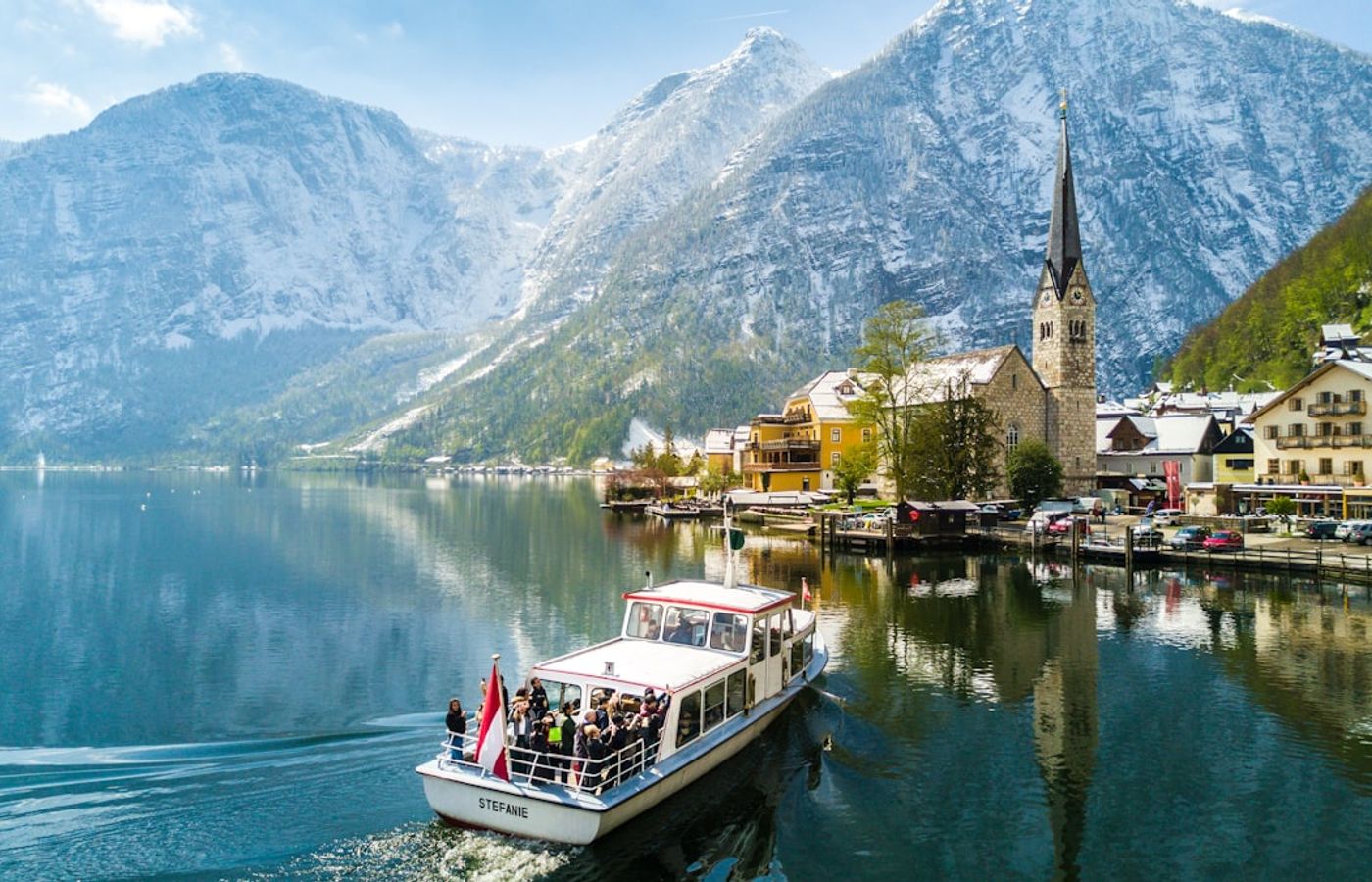
Lake Hallstatt (Hallstätter See) is 8.55 square kilometres in area and reaches a depth of 125 metres, fed by the Traun River and surrounded by limestone peaks that rise almost 2,000 metres directly from the water. Hemetsberger, the local family-run operator, runs the historic wooden Fahrgastschiff "Stefanie" on scheduled 50-minute round trips from the Hallstatt Lahn dock, calling at Obertraun and returning past the village from the water - the only angle from which you can see the full three-tier stack of houses, church, and cliff. Fares in 2026 are approximately EUR 16 for the standard tour, with departures roughly every 90 minutes between mid-May and mid-October. A more traditional option is to rent a Fuhr, the flat-bottomed wooden rowing boat used historically to move salt across the lake, from the boat house on Seestrasse for about EUR 20 per hour.
Pro Tip: Take the first scheduled crossing of the day, usually at 10:15, and disembark at Obertraun rather than returning - you can then continue directly to the Dachstein cable-car valley station on foot in 20 minutes, combining two attractions on one ticket.
5Beinhaus at St. Michael's Chapel
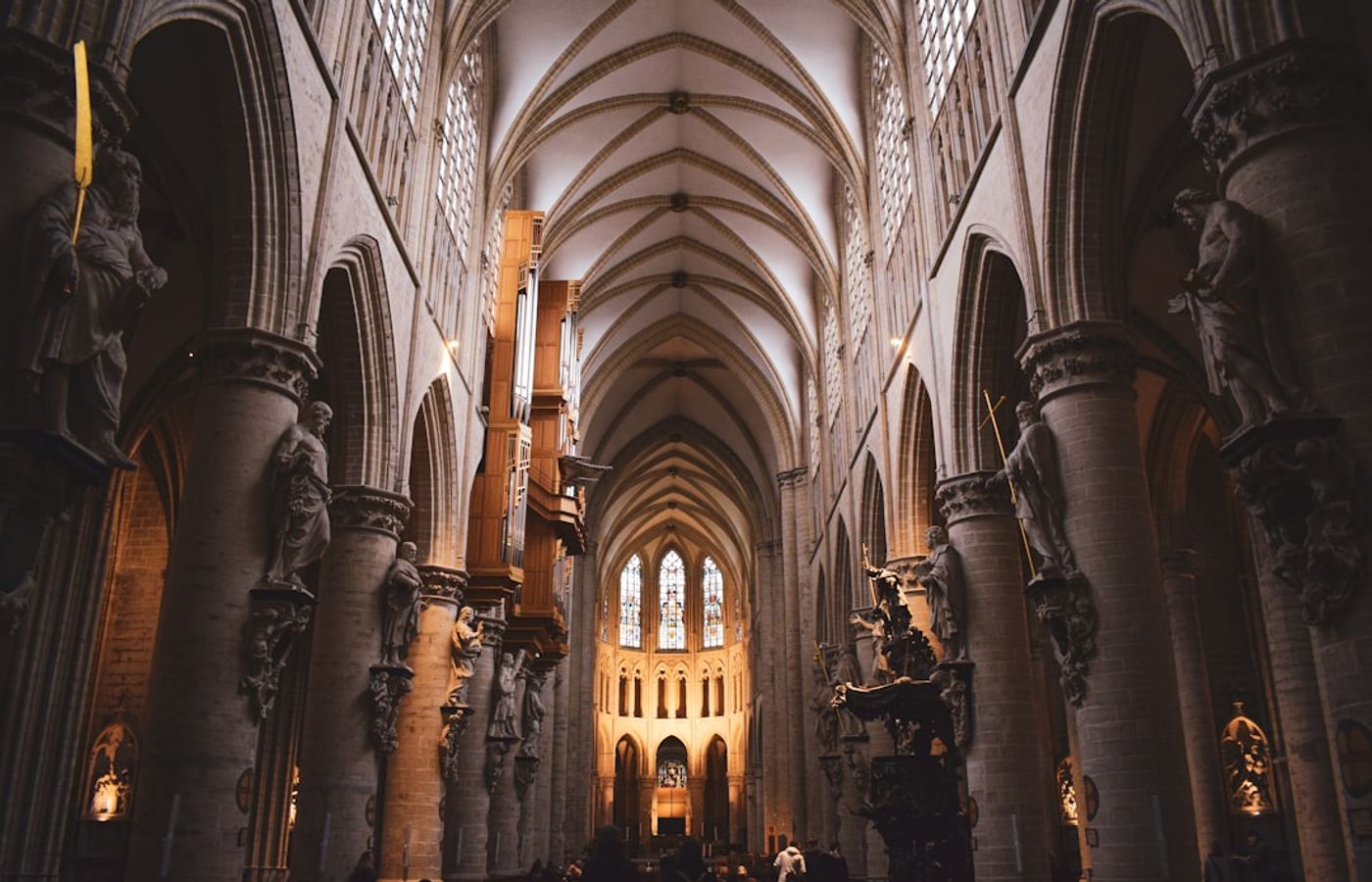
The Beinhaus, or Charnel House, is a small stone ossuary attached to the Catholic parish Church of Maria am Berg, above the Marktplatz. Because the village cemetery has no room to expand - the mountain rises immediately behind it - remains have historically been exhumed after 10 to 15 years and stored in the ossuary. The Beinhaus contains more than 1,200 skulls, of which 610 are painted with names, dates, and decorative motifs of ivy, oak leaves, and roses corresponding to the deceased's family or profession. The practice began around 1720 and continued until 1995, when the last skull was added at the request of the deceased. Entry is EUR 2, and the chapel is open daily from 10:00 to 18:00 between May and October, with reduced hours in winter. The space is genuinely small, holding no more than about eight visitors at a time.
Pro Tip: Look for the skull painted with a serpent and dated 1862 - it belonged to a village woman and is one of the few examples where the motif clearly departs from the standard floral vocabulary, indicating something specific about her life that the parish register still records.
6Dachstein Ice Cave (Rieseneishöhle)
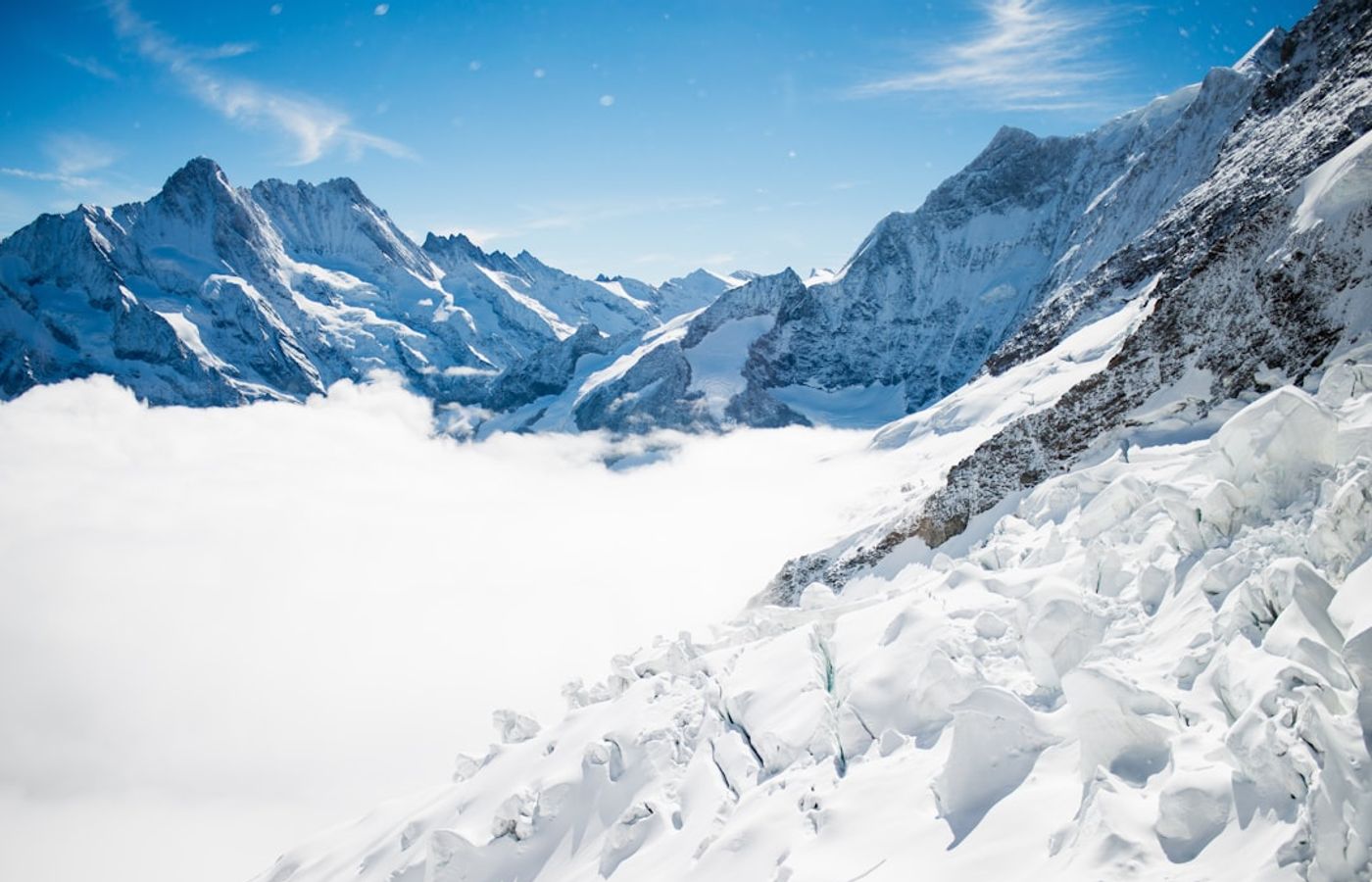
The Dachstein Ice Cave, known in German as Rieseneishöhle or "Giant Ice Cave," lies inside the Dachstein massif above Obertraun, on the opposite side of the lake from Hallstatt village. It is one of the largest ice caves in the Alps, with formations that include a 20-metre ice wall known as the "Great Ice Chapel" and columns that shift measurably from year to year because the ice is still forming. Reaching the cave requires a 10-minute ride on Section 1 of the Dachstein Krippenstein cable car to Schoenbergalm at 1,350 metres, then a 15-minute walk uphill. The guided tour lasts about 50 minutes and covers 800 metres of illuminated passage; interior temperature stays just below freezing. Combined cable-car and cave tickets in 2026 are approximately EUR 42. The cave operates from early May to late October.
Pro Tip: Book the German-language tour rather than the English one if you can follow along with a printed translation sheet - the German tours run about twice as often, so you avoid the 90-minute wait that builds up at the English departures between 11:00 and 14:00.
7Five Fingers Viewing Platform on Krippenstein
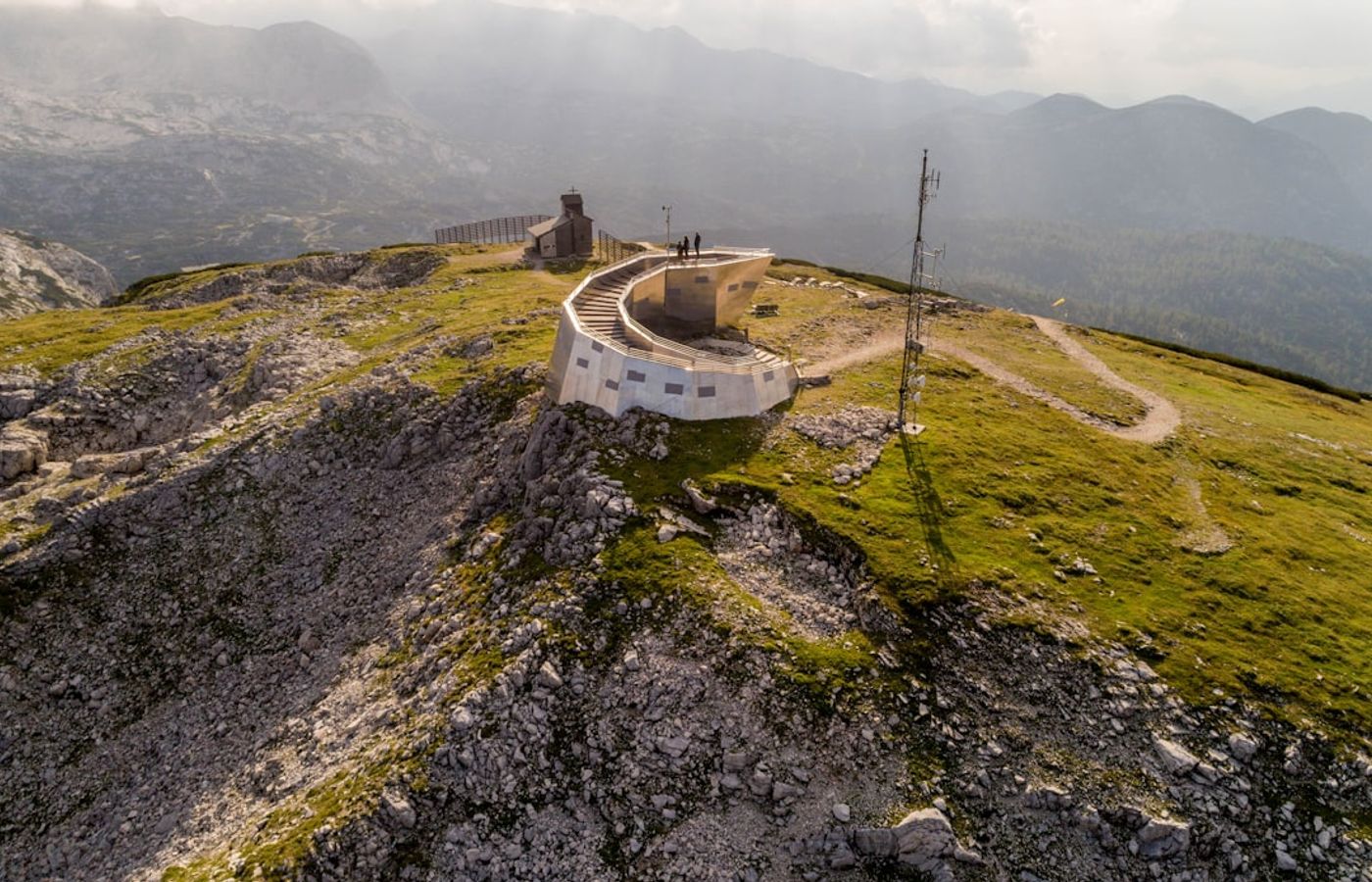
The Five Fingers is a steel viewing platform shaped like an open hand, cantilevered off the cliff edge of Mount Krippenstein at 2,109 metres. Each of the five "fingers" has a different feature: one is glass-floored, one holds a picture frame that lines up with the peak of the Dachstein glacier, one has a hole cut through the walking surface to look straight down 400 metres, and the outer two are simply railed observation extensions. The platform is reached by riding all three sections of the Dachstein Krippenstein cable car from Obertraun (about 20 minutes total) then walking 15 minutes on a marked gravel path. There is no separate entry fee once you have the cable-car ticket, which is approximately EUR 45 for the full round trip in 2026. The Five Fingers is accessible from mid-May to late October, weather permitting, and closes in high wind.
Pro Tip: Continue another 20 minutes past the Five Fingers to the Welterbespirale platform - almost no one on the day-trip circuit walks that far, and the 360-degree view of the Gosaukamm and Hallstatt lake is genuinely better than from the more famous platform.
8Hallstatt Museum (World Heritage Museum)
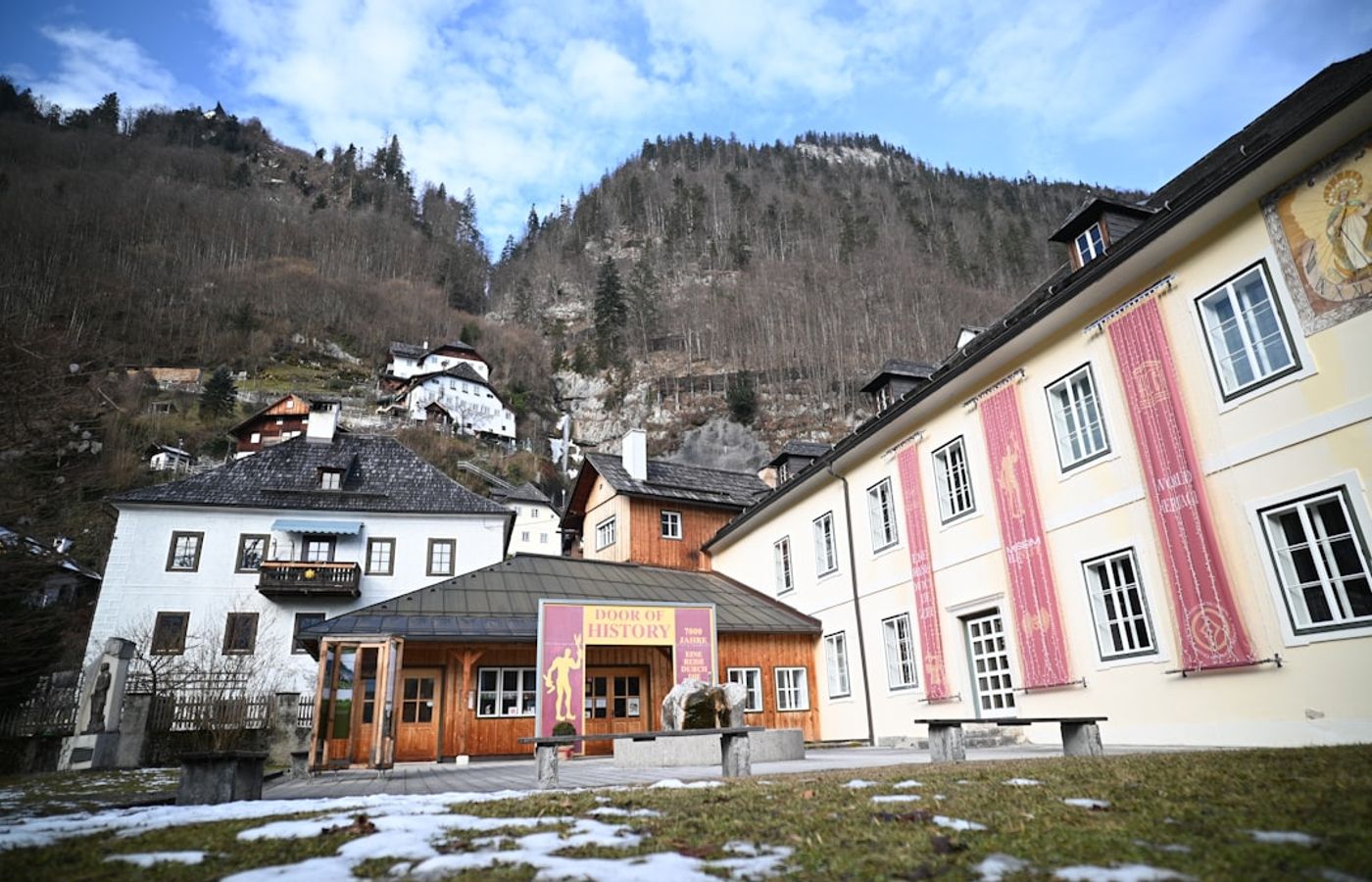
The Hallstatt Museum, formally the Welterbemuseum Hallstatt, presents the archaeological record of the region across 25 rooms on Seestrasse, directly opposite the Lahn boat dock. The permanent exhibition covers the Hallstatt Culture, an Iron Age civilisation dated roughly 800 to 400 BC that gave its name to an entire European archaeological period because so many defining artefacts were first excavated at the site above the village between 1846 and 1863. Displays include bronze swords, amber jewellery, textile fragments preserved in salt, and a full reconstruction of a prehistoric miner's leather backpack. Adult admission in 2026 is approximately EUR 12, and the museum is open daily from 10:00 to 18:00 from May to September, with shorter winter hours. Allow 90 minutes to two hours; the labels are in German and English throughout.
Pro Tip: Do the museum before the salt mine, not after - the context on Iron Age extraction methods, the wooden staircase, and the "Man in the Salt" makes the mine tour meaningful rather than a corridor of coloured lights.
9Waldbachstrub Waterfall in the Echerntal Valley
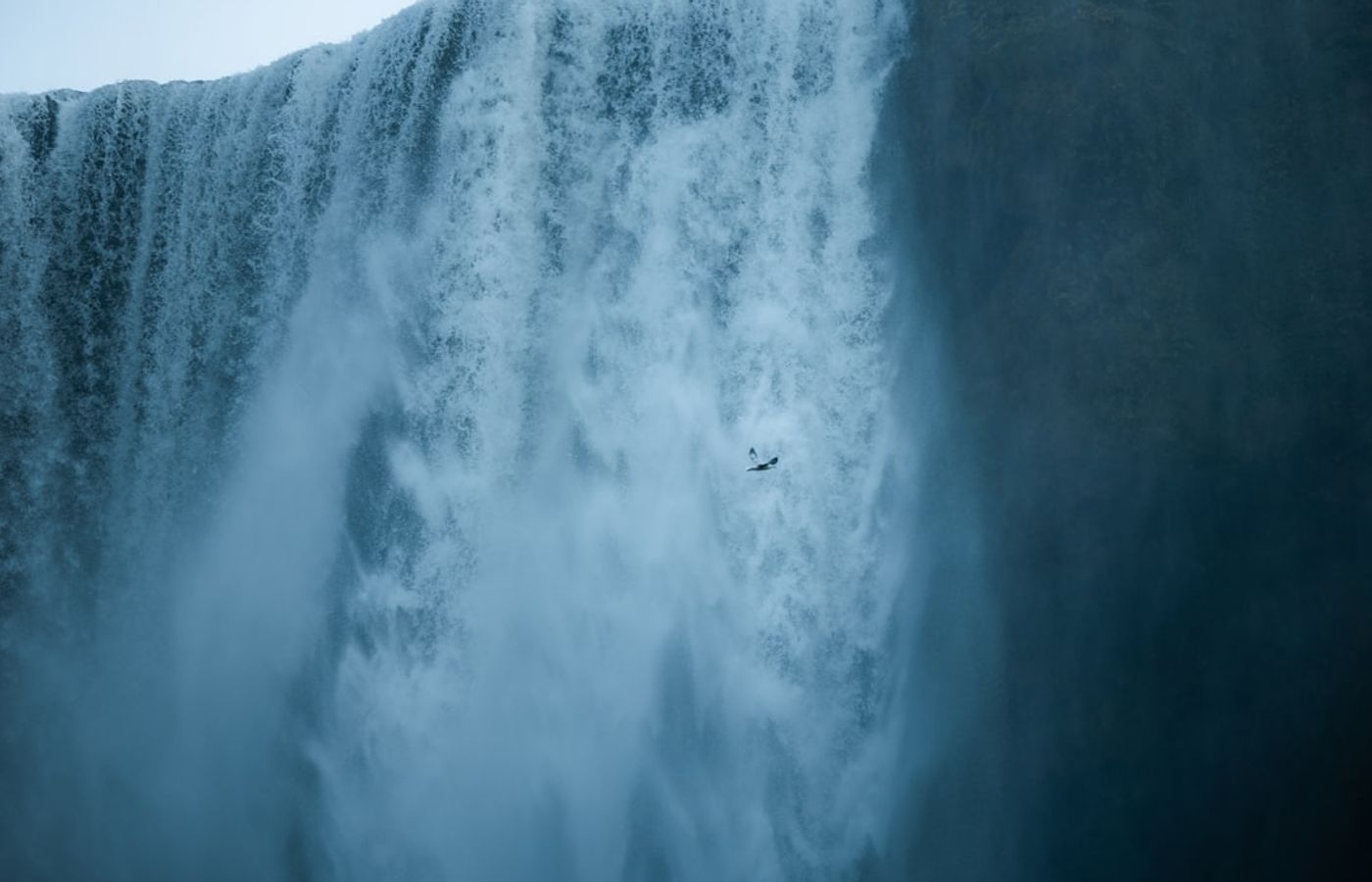
Waldbachstrub is a three-tier waterfall at the head of the Echerntal, the wooded glacial valley that runs west from Hallstatt into the Dachstein foothills. The falls drop roughly 90 metres across three cascades fed by meltwater from the Hallstaetter Glacier above. The walk from the village to the base of the falls is about 5 kilometres one way, on a mostly flat forest track that passes the Gletschergarten - a small open-air geology exhibit showing potholes carved by the last ice age - and several timber shelters used by hikers in poor weather. There is no entry fee and no gate. The trail is open year-round, but the upper cascades run at full volume only from May to July during the spring melt; by September the flow is a fraction of that. Allow three to four hours for the round trip on foot, or use an e-bike rental from the village to cut it in half.
Pro Tip: Continue 20 minutes past the falls to the Simony Denkmal, a stone memorial to the 19th-century Dachstein cartographer Friedrich Simony - the flat rock beside it is where local hikers stop for lunch, and it holds one of the best views of the glacier from the valley floor.
10Gosausee Lake Day Trip
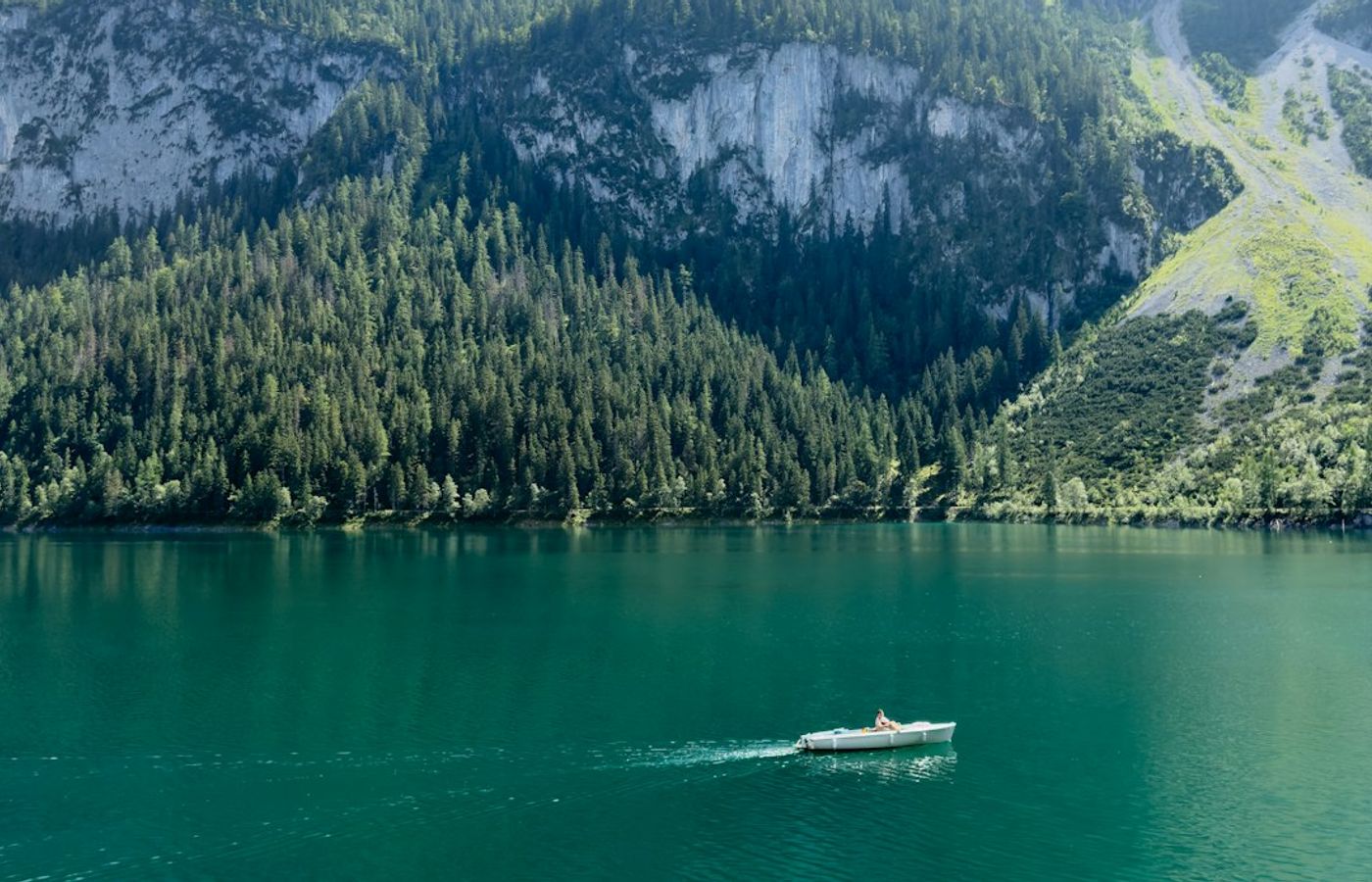
Gosausee, sometimes called Vorderer Gosausee to distinguish it from the higher Hinterer Gosausee, is a 74-hectare lake at 933 metres elevation in the neighbouring Gosau valley, roughly 30 kilometres west of Hallstatt by road. Its main attraction is the reflection: on windless mornings the entire south face of the Dachstein glacier, at 2,995 metres, mirrors on the water surface with almost no distortion, giving what is widely considered the single most photographed alpine scene in Austria. A flat 4-kilometre walking loop circles the lake in about an hour, and a cable car from the northern shore climbs to Zwieselalm at 1,600 metres for a panoramic view down onto both Gosau lakes. Reaching Gosausee without a car means taking Postbus line 543 from Hallstatt Lahn, which runs roughly every two hours and takes 55 minutes. Entry is free; parking is EUR 6 per day.
Pro Tip: Arrive before 09:00 - by mid-morning the valley wind picks up and the reflection is gone, and the only shot people get after that is the same photograph with ripples across it.

CEO and co-founder
Tomas is the co-founder and director of trip1, an European company specializing in reservation services. He launched the company in 2025 with a focus on building scalable, efficient operations.
Climate averages · 1991–2020
When is the best time to visit Hallstatt?
The best time to visit Hallstatt is between May and October, the most comfortable stretch of the year on these averages.
Best time · May–OctoberRainfall
- Jan-2°
- Feb-1°
- Mar4°
- Apr8°
- May12°
- Jun16°
- Jul17°
- Aug17°
- Sep13°
- Oct9°
- Nov3°
- Dec-2°
More of Austria
10 Best Things to Do in Hallstatt, Austria - FAQ
Late May through mid-June and September are the most balanced months: the Salzwelten mine, Dachstein Ice Cave, Five Fingers, and lake boats are all running, daytime temperatures sit between 18 and 24 degrees Celsius, and day-trip coach numbers drop by roughly 40 percent compared with July and August. Winter from December to February brings snow-dusted rooftops and Christmas markets on Marktplatz, but the ice cave, Skywalk funicular, and most lake services close from early November until late April.
One full day is enough for the village itself - Marktplatz, the Beinhaus, the Hallstatt Museum, the salt mine and Skywalk, and a short boat trip on the lake. Two days lets you add either the Dachstein plateau (Ice Cave and Five Fingers) from Obertraun or the Gosausee day trip. Three days covers all three plus the Waldbachstrub walk in the Echerntal. Anything beyond three nights is only worth it if you plan to hike the Dachstein Rundwanderweg or ski at Krippenstein in winter.
The most straightforward route is the ÖBB train from Salzburg or Vienna to Attnang-Puchheim, then the local Salzkammergutbahn to Hallstatt station. The station sits directly on the eastern shore of the lake; from there a small passenger ferry meets every train and crosses to the village in about 10 minutes for approximately EUR 4. Driving from Salzburg takes about 90 minutes, but private cars are not permitted in the village centre between 10:00 and 17:00 from May to October - you must use the P1 or P2 car parks on the southern edge.
No. In fact, a car is a mild disadvantage in high season because village access is restricted and the two edge car parks (P1 and P2) fill by 10:00 on most summer days. The Postbus network reaches Obertraun for the Dachstein cable car, Gosausee, and Bad Ischl on hourly or two-hourly schedules, and the passenger ferry from the train station is timed to arrivals. A car only makes sense if you are combining Hallstatt with more remote parts of the Salzkammergut such as Altaussee or the Wolfgangsee.
Between roughly 10:00 and 16:00 from May through September the village receives about 10,000 day visitors, which is more than 12 times the resident population, and Seestrasse becomes genuinely difficult to walk. Staying overnight is the single best decision you can make: the coaches leave by 17:30, and from 18:00 until 09:00 the next morning the village empties out. If you can only do a day trip, arrive on the first train or drive of the morning and see the Beinhaus, Marktplatz, and salt mine before 11:00.
Yes, with two caveats. The salt mine tour has a minimum age of four, and children must be able to sit unaided on the wooden slides between levels; the Skywalk and Five Fingers have solid railings but glass floor panels that some younger children find frightening. The Dachstein Ice Cave requires walking about 800 metres on wet stone at just below freezing, which is manageable from around age six. The lake boat, Waldbachstrub walk, and Gosausee loop are all suitable for prams and small children without difficulty.
Austria uses the euro (EUR). Card payment is accepted at the salt mine, cable car ticket offices, the museum, restaurants on Marktplatz, and the passenger ferry. Smaller items such as the Beinhaus entry, some Postbus tickets, and the boat rental on Seestrasse are cash-only or cash-preferred. An ATM is available at the post office on Seestrasse, roughly 100 metres north of Marktplatz.

Related travel guides
5 Best Ski Slopes Near Innsbruck
Best ski slopes near Innsbruck for 2026/27: the Nordkette Karrinne, two Olympic downhills, the Stubai Glacier Daunhill and Kühtai, with ski bus lines.
5 Best Hikes Near Salzburg
The best hikes near Salzburg you can reach without a car: 5 day hikes with exact bus lines, journey times, frequencies and 2026 prices.