Guides · Budapest
12 Top Things to Do in Budapest
By Tomas Achmedovas · CEO and co-founder

CEO and co-founder
This guide covers the 12 top things to do in Budapest - the attractions that deserve priority whether you are spending a long weekend or a full week in the Hungarian capital. Each entry includes the exact address, nearest metro or tram stop, walking distance from the city centre, and a practical Pro Tip based on local knowledge.
The list spans both banks of the Danube. On the Buda side, Castle Hill packs three major sights - Buda Castle, Fisherman's Bastion, and Matthias Church - into a single walkable loop. Cross the Széchenyi Chain Bridge to the Pest side for the Parliament Building, St. Stephen's Basilica, and the Great Market Hall, all within a 15-minute walk of each other. Further out, Heroes' Square and Széchenyi Thermal Bath sit side by side in City Park, while Margaret Island occupies the middle of the river between the two halves.
We have ordered the best things to do in Budapest to help you plan efficient routes - Buda sights grouped together, central Pest in a single loop, and City Park as a half-day outing. The ruin bars of the Jewish Quarter make a natural evening stop after any daytime itinerary.
Check dates for Budapest
See what is available on your dates.
1Hungarian Parliament Building - Budapest's Most Iconic Landmark
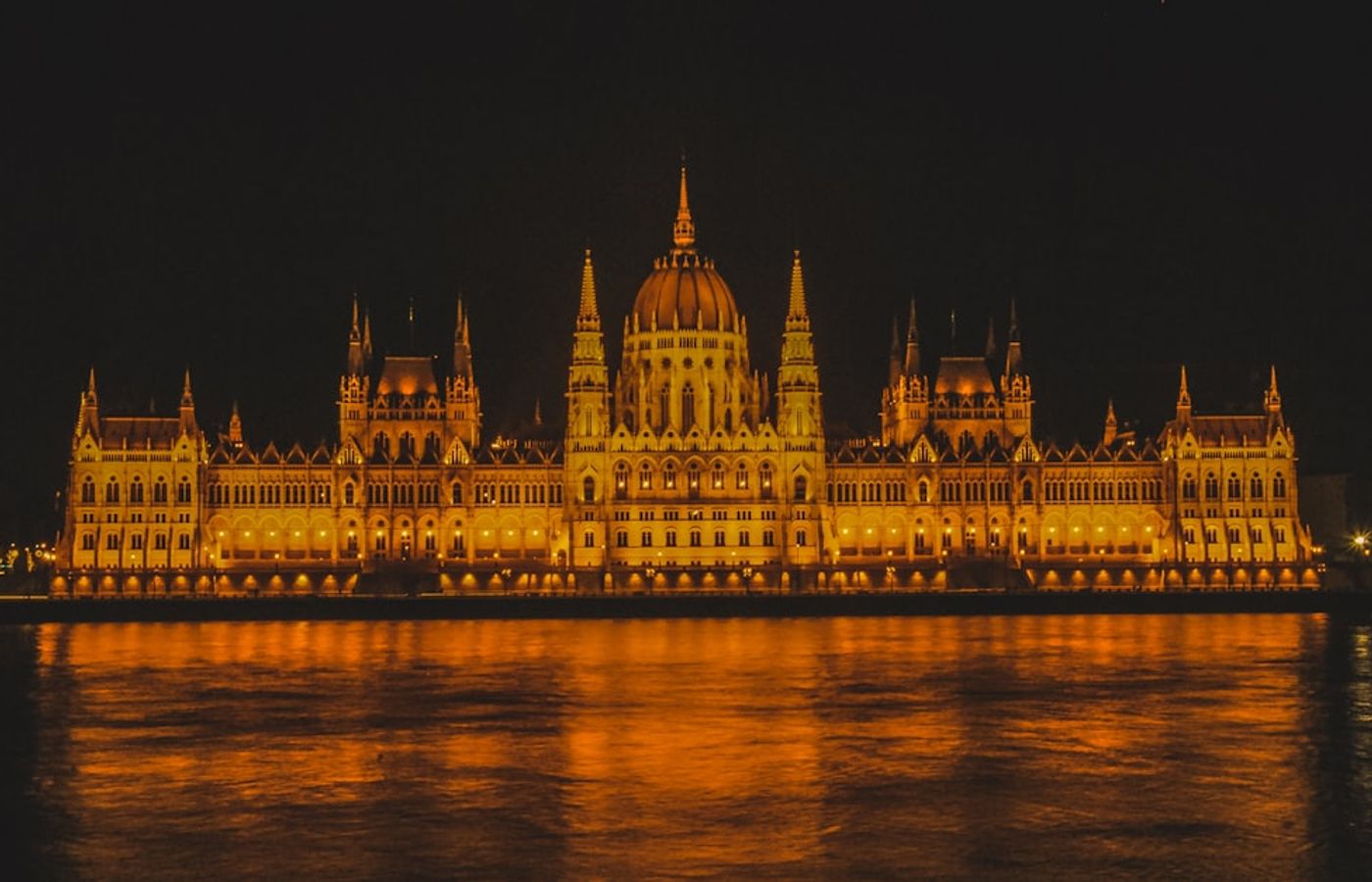

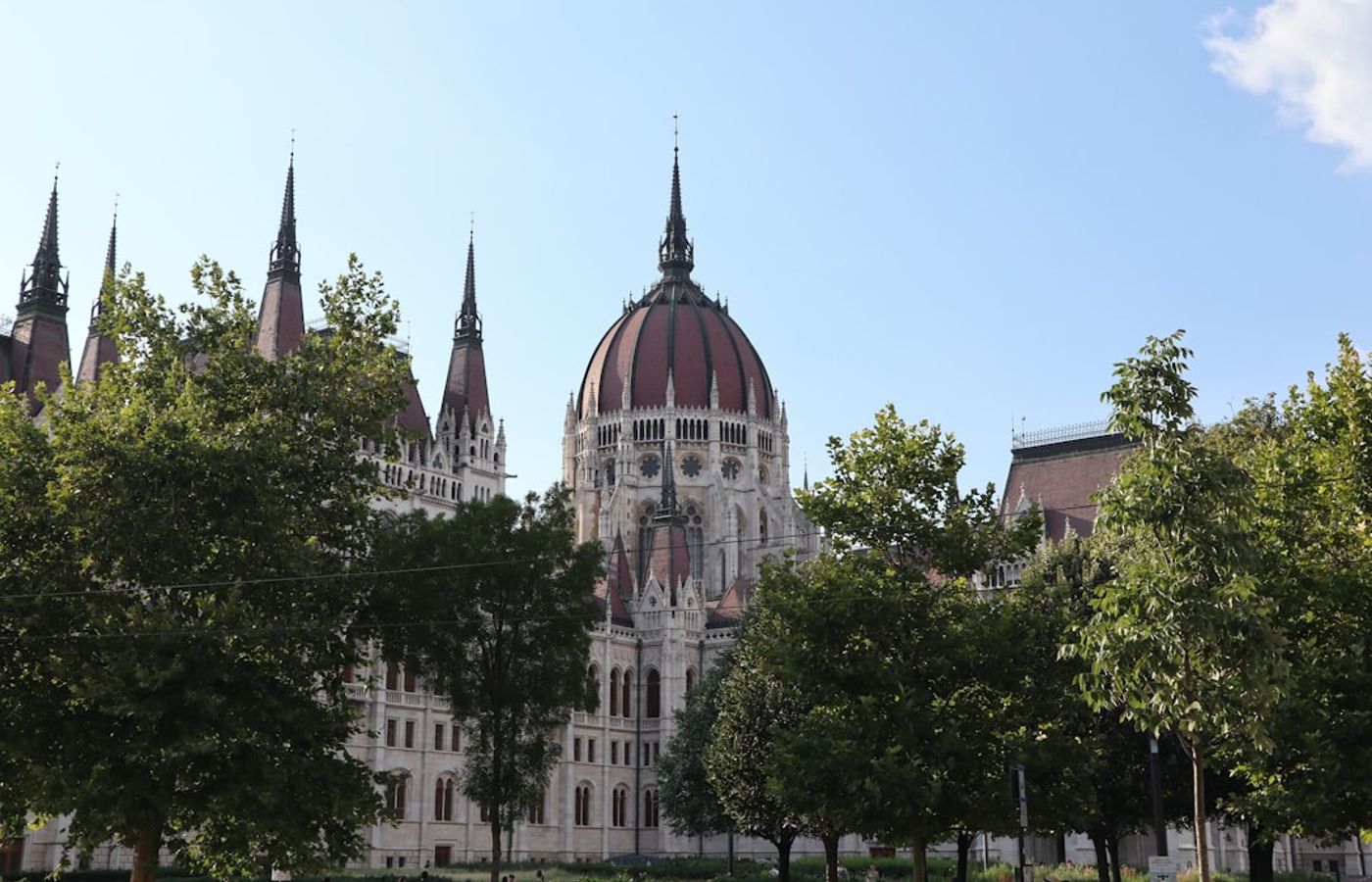
The Hungarian Parliament Building (Országház) dominates the Pest bank of the Danube and ranks as the most photographed structure in all of Hungary. Completed in 1902 in a neo-Gothic style inspired by London's Palace of Westminster, the building stretches 268 metres along the riverfront and contains 691 rooms. The interior is equally striking - 40 kg of gold leaf covers the ceilings, and the main staircase alone took eight years to construct.
Guided tours of the Budapest Parliament Building (available in English) run throughout the day and last approximately 45 minutes. The route passes through the ornate central hall where the Holy Crown of Hungary is displayed under permanent guard. EU citizens receive a discount on the standard ticket price of around 6,000 HUF (€16). Non-EU visitors pay the full rate. Photography is permitted inside, though tripods are not allowed.
2Buda Castle - The Historic Heart of the Castle District
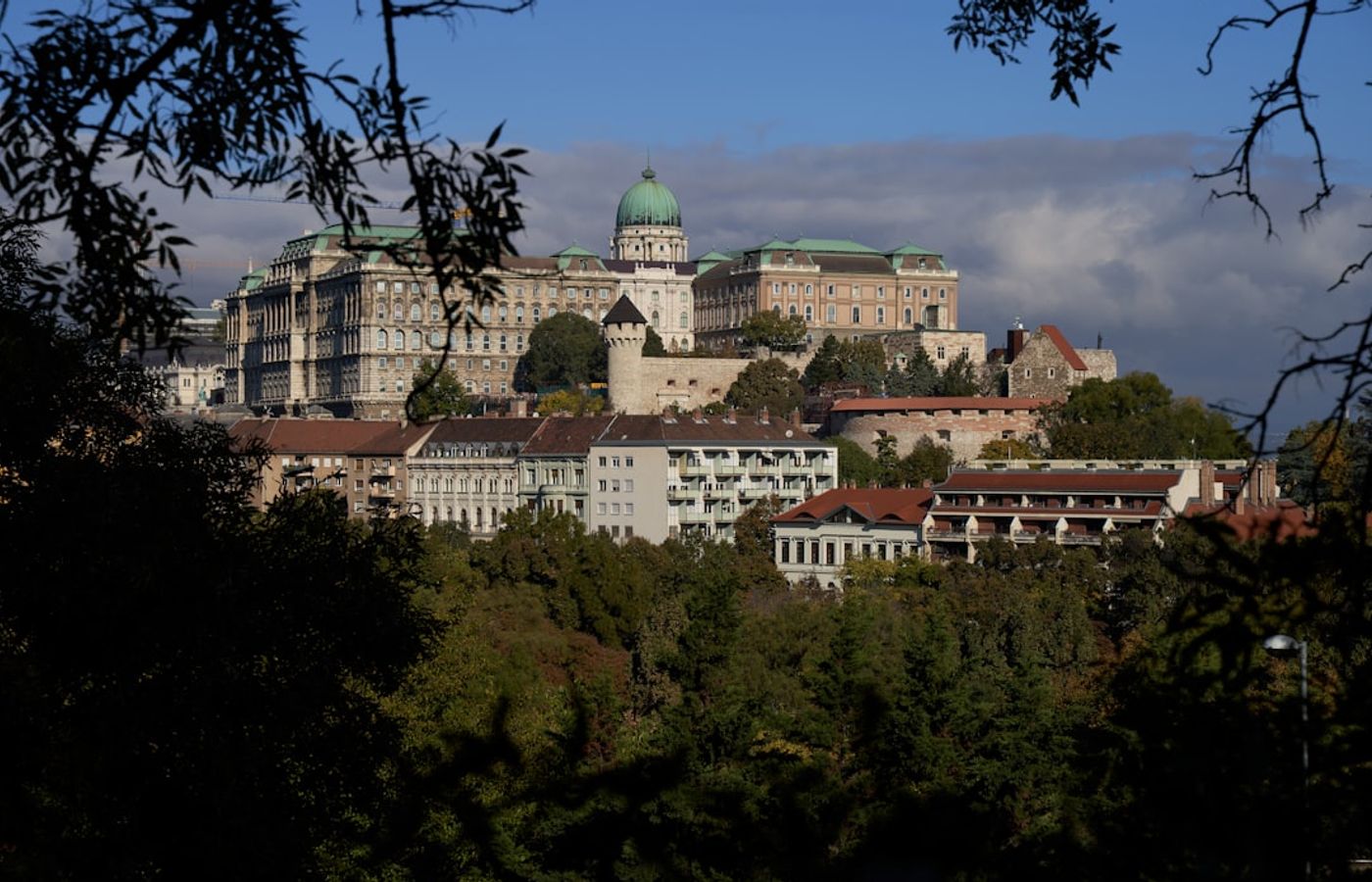

Buda Castle (Budavári Palota) crowns Castle Hill on the western bank of the Danube and has served as a royal residence since the 13th century. The current Baroque palace, rebuilt after near-total destruction in World War II, houses the Hungarian National Gallery and the Budapest History Museum. The castle complex also includes landscaped gardens, the Savoyai Terrace with panoramic views across to Parliament, and medieval-era wine cellars beneath the southern courtyard.
The Buda Castle District extends well beyond the palace itself. Cobblestone streets lined with pastel-coloured houses, small museums, and quiet cafes fill the surrounding plateau. The funicular (Budavári Sikló) connects Clark Ádám tér at the Buda end of the Chain Bridge to the castle entrance, though walking up takes only 10-15 minutes via the stepped path. Bus 16 from Deák Ferenc tér also stops directly at the castle gates.
3Fisherman's Bastion - The Best Panoramic Viewpoint in Budapest
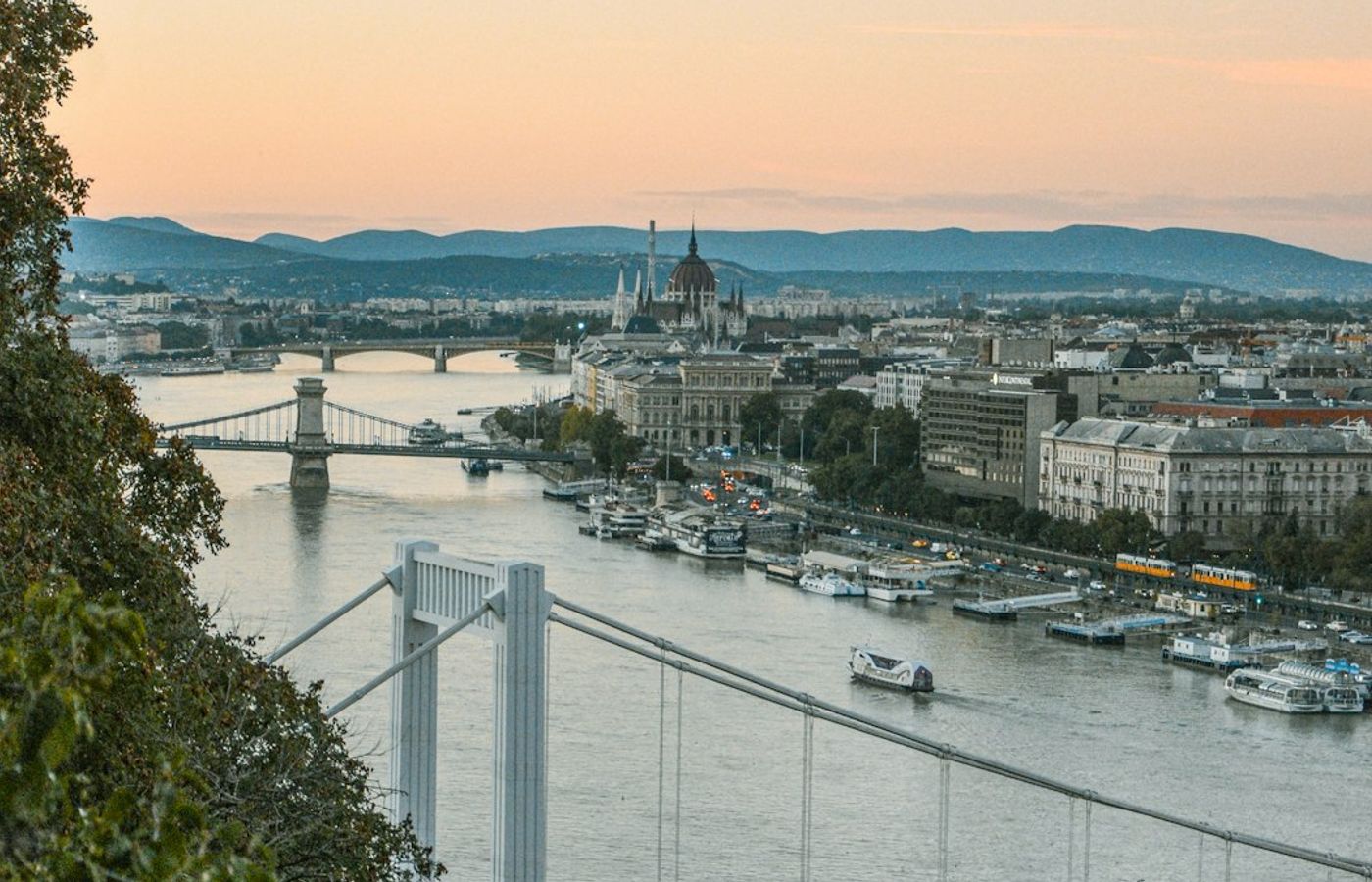

Fisherman's Bastion (Halászbástya) is a neo-Romanesque terrace on Castle Hill, built between 1895 and 1902 as a decorative viewing platform rather than a defensive structure. Its seven turrets represent the seven Magyar tribes that settled the Carpathian Basin in 895. From the upper terrace, you get an unobstructed view of the Parliament Building, Margaret Island, and the Danube curving through the city below.
The lower terraces are free to access year-round. The upper terrace charges a small entry fee (around 1,200 HUF / €3) from mid-March to mid-October, but reverts to free access outside those months. Fisherman's Bastion sits directly behind Matthias Church, so the two form a natural pair - allow about 30-45 minutes for the bastion alone, longer if you linger for photos.
Check dates for Budapest
See what is available on your dates.
4Széchenyi Chain Bridge - Budapest's Most Famous River Crossing
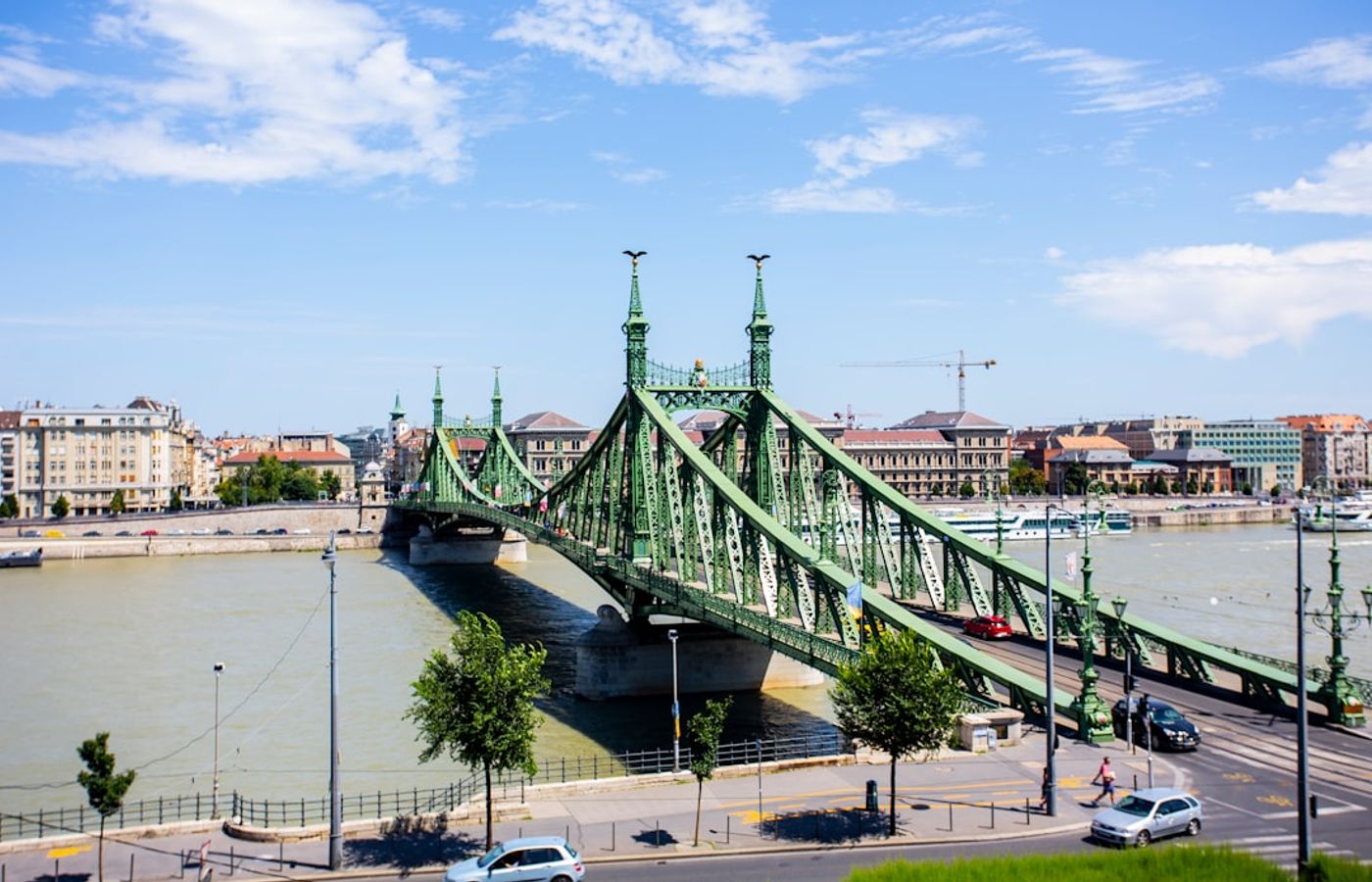
The Széchenyi Chain Bridge (Széchenyi Lánchíd) was the first permanent bridge connecting Buda and Pest when it opened in 1849. Designed by English engineer William Tierney Clark and built by Scottish engineer Adam Clark, the suspension bridge spans 375 metres across the Danube. The stone lions guarding each end were sculpted by János Marschalkó and have become symbols of the city.
A full reconstruction completed in 2023 restored the Chain Bridge to its 19th-century appearance while upgrading the structural steel underneath. The chain bridge walk across takes about 10 minutes and connects Clark Ádám tér (Buda) with Széchenyi István tér (Pest). The bridge is illuminated every evening, and walking across after dark is one of the best free experiences in Budapest.
5St. Stephen's Basilica - The Tallest Building in Budapest
St. Stephen's Basilica (Szent István-bazilika) took 54 years to build, from 1851 to 1905, and stands 96 metres tall - tied with the Parliament Building as the tallest structure in Budapest. The neoclassical church is named after Hungary's first king, Stephen I, and his mummified right hand (the Holy Right) is displayed in a reliquary chapel inside the nave.
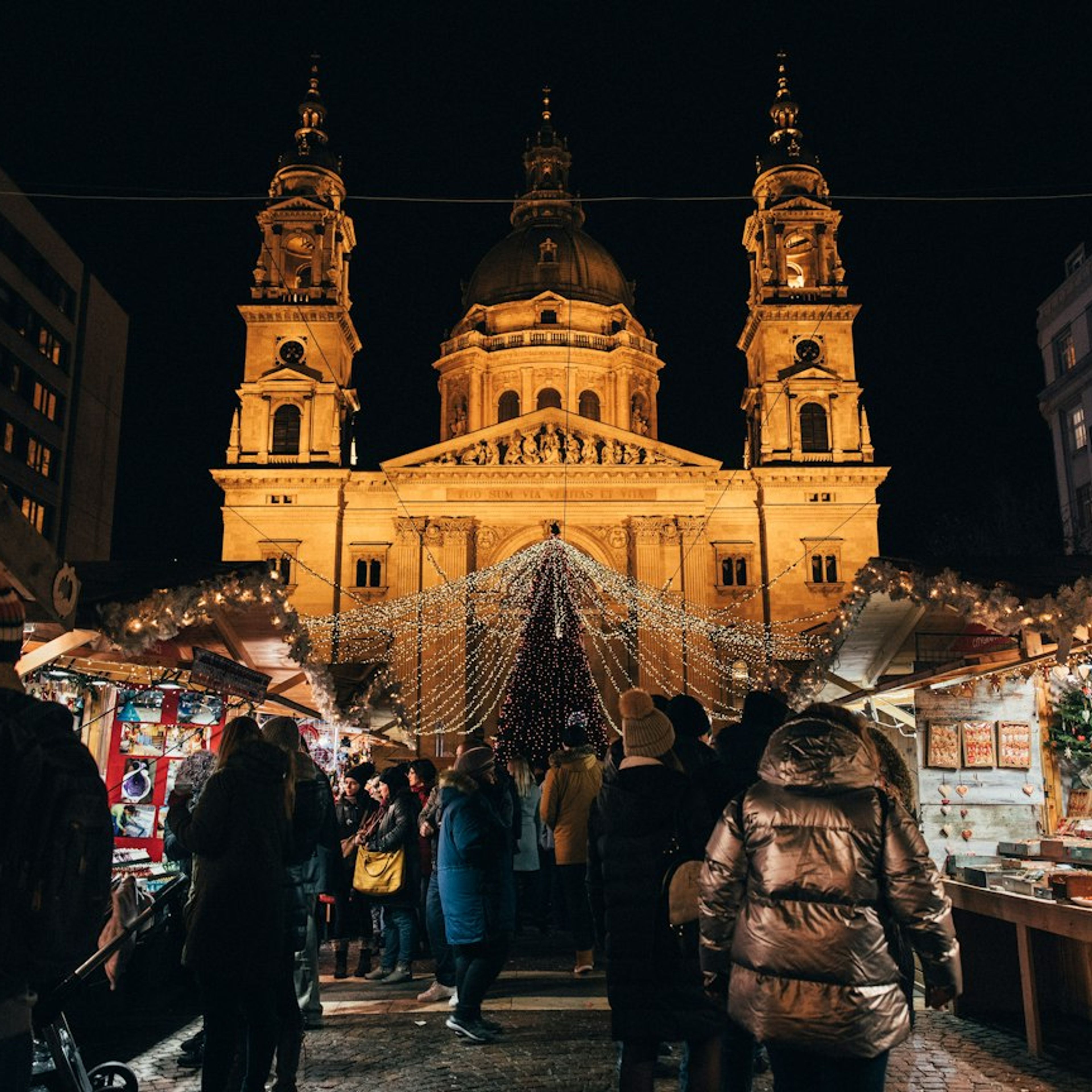
Entry to the basilica is free (a small donation of 200 HUF is suggested). The main draw beyond the ornate interior is the panoramic viewing deck reached by elevator or 364 stairs. The 360-degree city view from the dome is the best vantage point in Pest. The surrounding square, Szent István tér, hosts a popular Christmas market from late November through December that ranks among the top things to do in Budapest during winter.
6Széchenyi Thermal Bath - The Largest Medicinal Bath in Europe
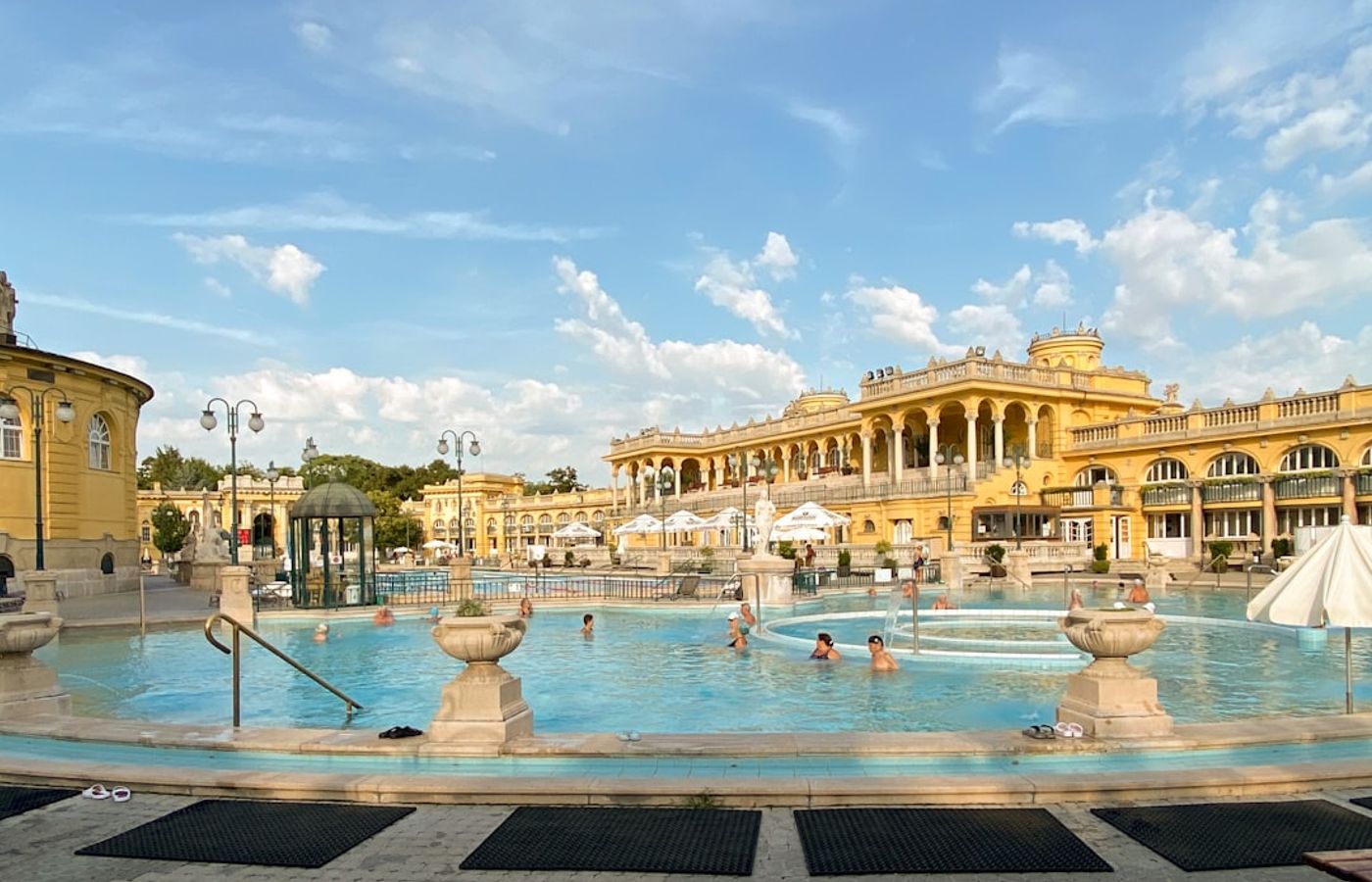
Széchenyi Thermal Bath (Széchenyi Gyógyfürdő) in City Park is one of the largest public bathing complexes in Europe, fed by two thermal springs reaching the surface at 74°C and 77°C. Built in 1913 in neo-Baroque style, the complex has 18 pools (3 outdoor, 15 indoor), saunas, and steam rooms. The outdoor pools stay warm year-round - swimming in 38°C water while snow falls around you is a distinctly Budapest experience.
A day pass with a locker runs approximately 9,000 HUF (€24). The complex gets busy on weekends, particularly the outdoor pools. Weekday mornings draw mostly locals doing their regular thermal routine, creating a quieter and more authentic atmosphere than the weekend tourist rush.
7Great Market Hall - Budapest's Largest and Oldest Indoor Market
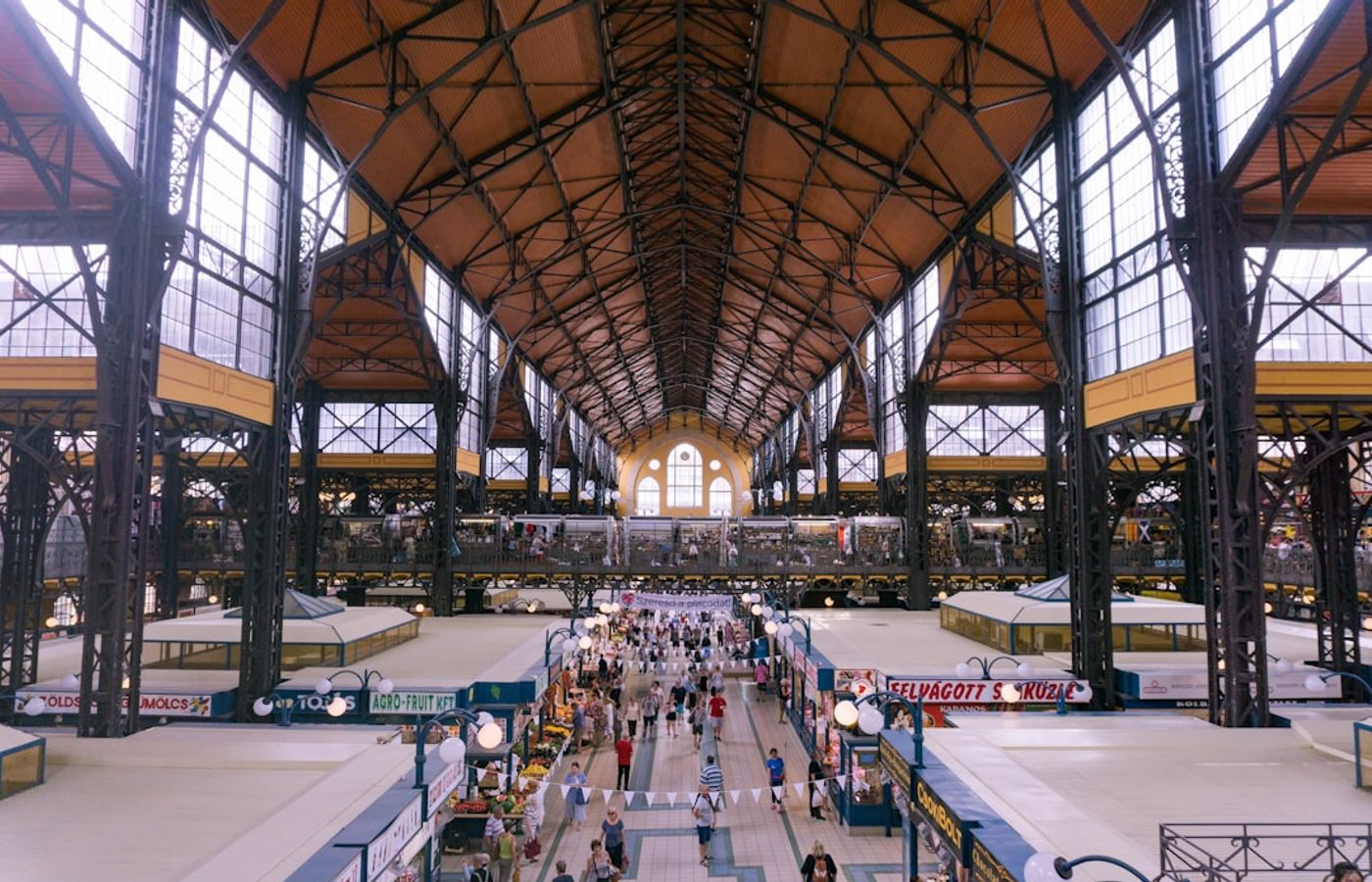
The Great Market Hall (Nagyvásárcsarnok, also called Central Market Hall) opened in 1897 and remains the city's largest indoor market. The ground floor sells fresh produce, Hungarian paprika, salami, foie gras, and pickled vegetables from local vendors. The upper level has food stalls serving lángos (deep-fried dough with sour cream and cheese), goulash soup, and other Hungarian dishes at prices lower than most nearby restaurants - making it a prime stop on any Budapest food tour exploring Hungarian cuisine.
The building itself is worth seeing for its Zsolnay ceramic tile roof and iron-truss structure designed by Samu Pecz. The market sits at the Pest end of Liberty Bridge (Szabadság híd), which connects to the Gellért Bath side of Buda. It is closed on Sundays and shuts early on Saturdays (around 3:00 PM), so plan your visit for a weekday morning when stock is freshest.
8Matthias Church - Gothic Masterpiece on Castle Hill
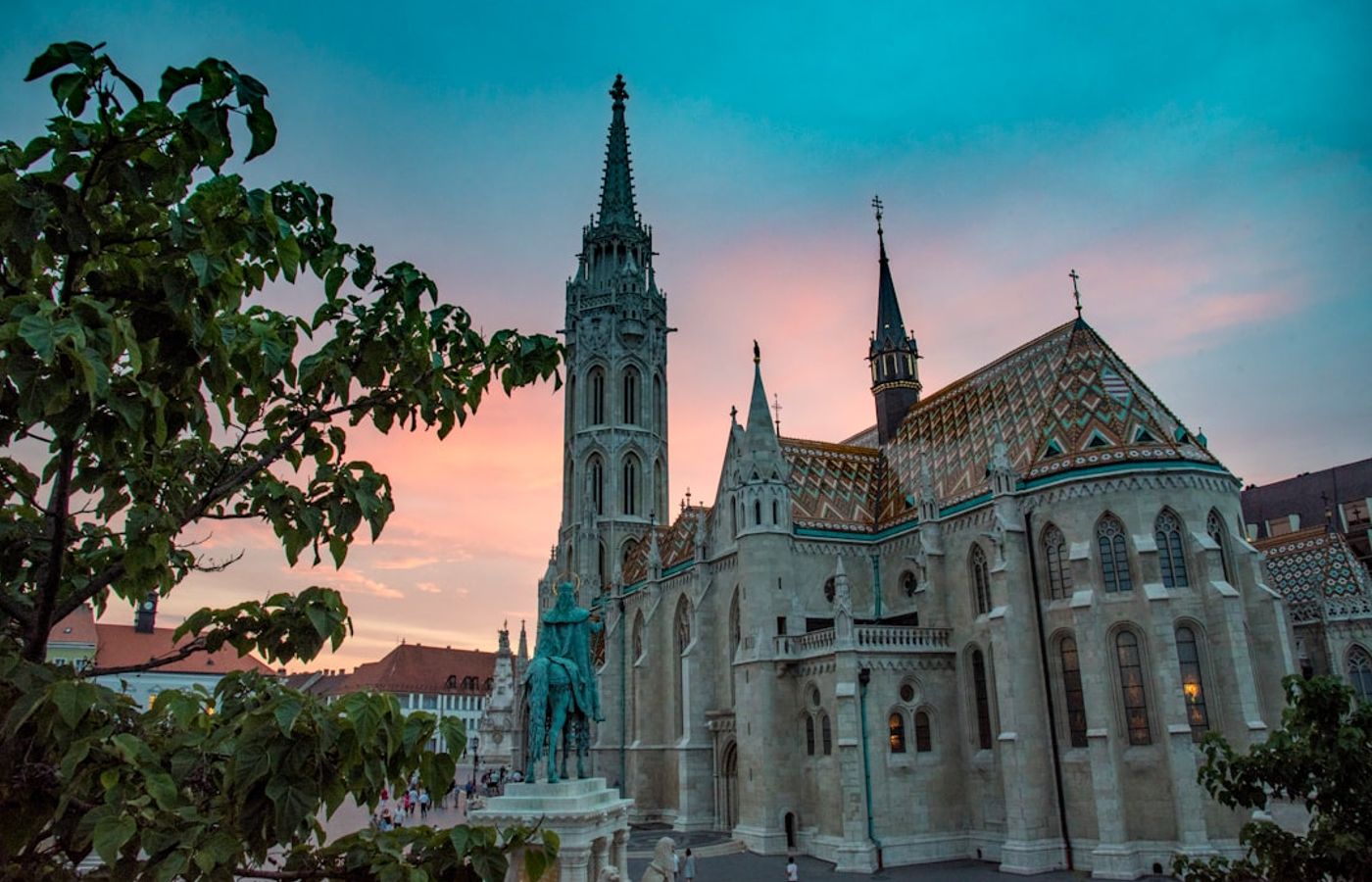
Matthias Church (Mátyás-templom), officially the Church of Our Lady, has stood on Castle Hill since the 13th century. The current neo-Gothic exterior dates from a major restoration by architect Frigyes Schulek in the late 1800s, but the interior walls are covered in elaborate painted patterns inspired by medieval Hungarian motifs. The diamond-patterned Zsolnay ceramic roof tiles make the church instantly recognisable from across the river.
King Matthias Corvinus married twice inside this church - hence the popular name. The upper gallery houses a small ecclesiastical museum with royal regalia and religious art. Entry costs around 2,500 HUF (€7). Combined with Fisherman's Bastion next door, a visit to both takes about 90 minutes total.
9Heroes' Square - Hungary's Grand Historical Monument
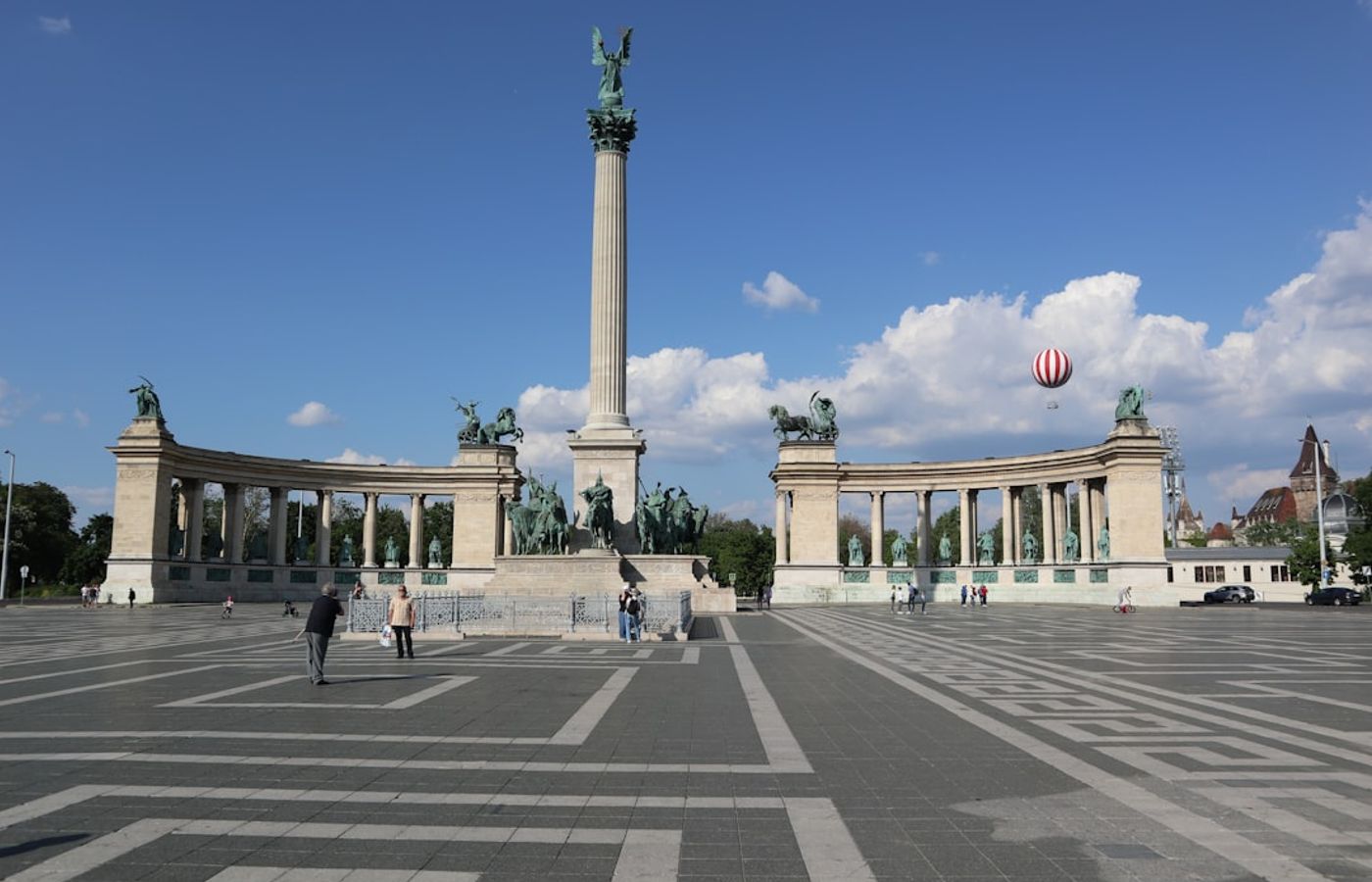
Heroes' Square (Hősök tere) anchors the far end of Andrássy Avenue and marks the entrance to City Park (Városliget). The central Millennium Monument, erected in 1896 for Hungary's 1,000th anniversary, features a 36-metre column topped by the Archangel Gabriel, flanked by colonnades with statues of 14 significant figures from Hungarian history.
The square is a UNESCO World Heritage Site as part of the Andrássy Avenue ensemble. Two major museums flank the space: the Museum of Fine Arts (Szépművészeti Múzeum) on the left and the Műcsarnok (Hall of Art) on the right. The square itself is open and free to visit at any hour, and it connects directly to Széchenyi Thermal Bath via a short walk through City Park.
10Dohány Street Synagogue - The Largest Synagogue in Europe
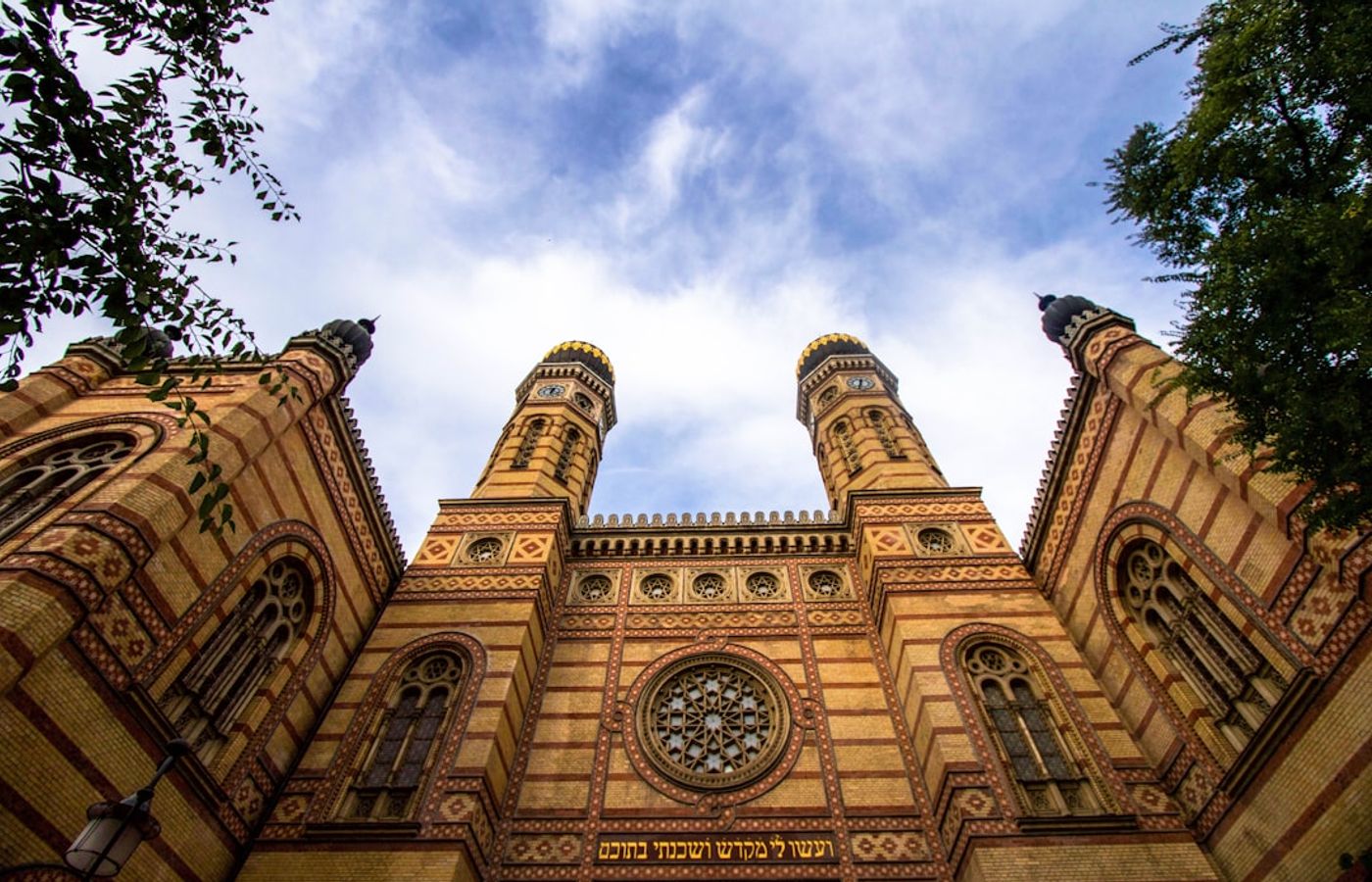
The Dohány Street Synagogue (Dohány utcai Zsinagóga) is the largest synagogue in Europe and the second largest in the world after Temple Emanu-El in New York. Built between 1854 and 1859 in a Moorish Revival style by Viennese architect Ludwig Förster, it seats 2,964 people. The twin onion-domed towers and ornate facade make it one of the most distinctive buildings in Pest.
The complex includes the synagogue itself, the Jewish Museum, a memorial garden with the Raoul Wallenberg Memorial Park, and the Tree of Life - a weeping willow sculpture in metal, each leaf engraved with the name of a Hungarian Holocaust victim. Guided tours run throughout the day and last about an hour, covering the history of Jewish life in Budapest from medieval times to the present.
11Margaret Island - Budapest's Green Escape in the Danube
Margaret Island (Margit-sziget) is a 2.5 km-long park island in the middle of the Danube, connected to both banks by Margaret Bridge at the south end and Árpád Bridge at the north. The island is largely car-free and serves as Budapest's main recreational green space, with a running track, the Palatinus open-air swimming complex, Japanese and rose gardens, a small petting zoo, and the ruins of a 13th-century Dominican convent.
Rent a bicycle or a four-person pedal cart (bringóhintó) near the southern entrance to cover the full island comfortably. The musical fountain near the Margaret Bridge end puts on choreographed water shows set to classical music during the warmer months - performances run every hour from late morning to evening.
12Szimpla Kert and the Ruin Bars - Budapest's Signature Nightlife
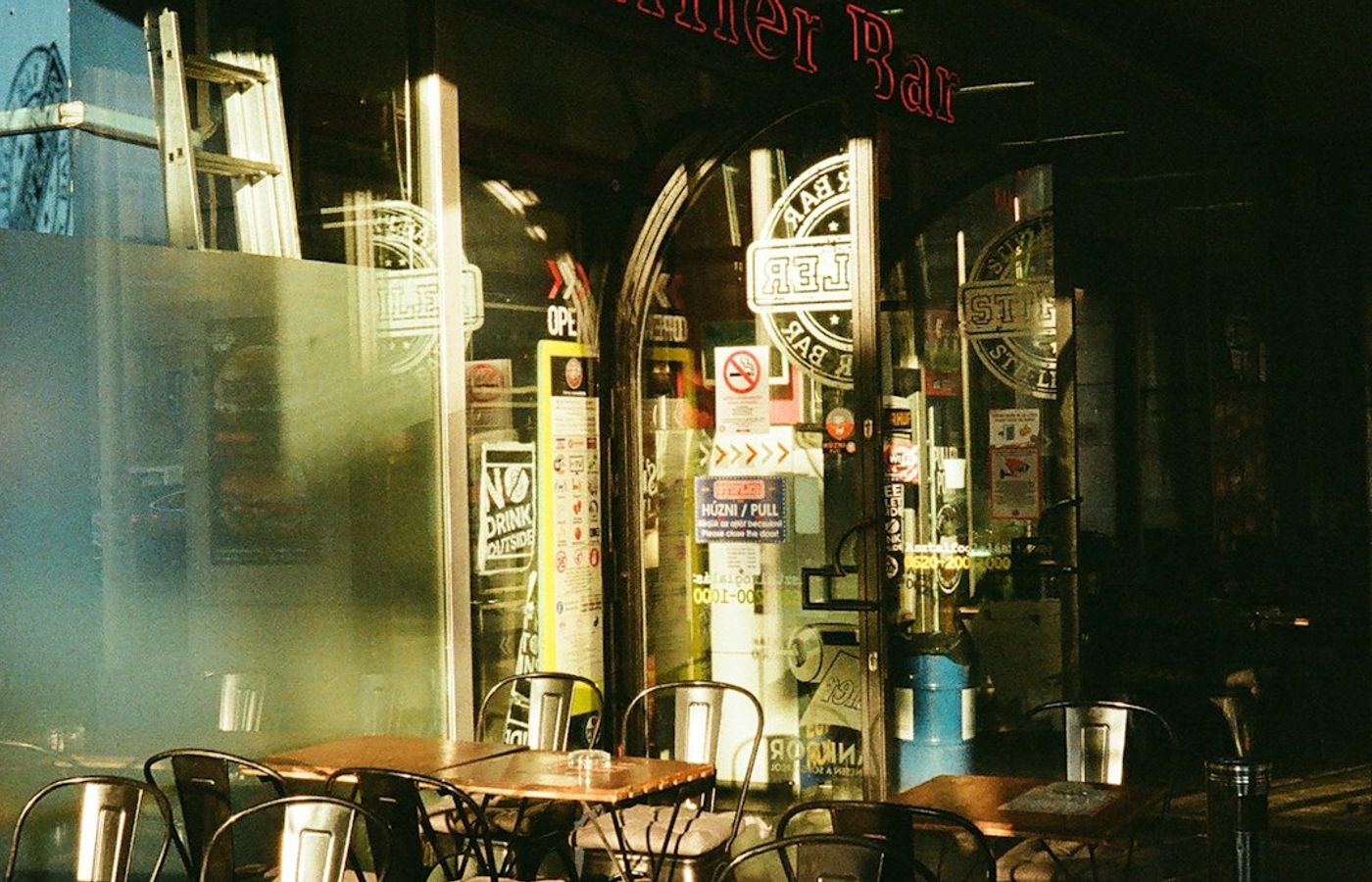
Szimpla Kert, opened in 2002 in an abandoned building on Kazinczy utca in the Jewish Quarter, launched the ruin bar phenomenon that has since become synonymous with Budapest nightlife. The concept - converting derelict buildings into eclectic bars filled with salvaged furniture, bathtubs, and old cars - has spread across District VII, with Instant-Fogas, Anker't, and Ellátó Kert among the most popular offshoots.
Szimpla Kert itself sprawls across multiple levels and rooms, each with different music and decor. On Sunday mornings, the ground floor transforms into a farmers' market with local produce, honey, and street food. Entry is free most nights, with drinks priced lower than in the city's conventional bars - a craft beer runs about 1,200-1,800 HUF (€3-5).
Take this guide with you
Get every place in this guide, with addresses and map links, in your inbox — easy to open on your phone during the trip.
One email to the address on your account. No newsletter.

CEO and co-founder
Tomas is the co-founder and director of trip1, an European company specializing in reservation services. He launched the company in 2025 with a focus on building scalable, efficient operations.
12 Top Things to Do in Budapest - FAQ
A Parliament tour, Castle Hill with Buda Castle, Matthias Church and Fisherman's Bastion, and the Chain Bridge at sunset. Add a soak at Szechenyi Thermal Bath, lunch upstairs at the Great Market Hall and an evening at Szimpla Kert, the best-known ruin bar. In winter, the Vorosmarty Square Christmas market opens on 13 November 2026, with a second market at St. Stephen's Basilica.
Yes, for the main sights. Spend day one on Castle Hill, with Buda Castle, Matthias Church and Fisherman's Bastion, then walk down to the Chain Bridge. Use day two for Pest: Parliament, St. Stephen's Basilica, the Great Market Hall and the Dohany Street Synagogue. Give day three to Heroes' Square, Szechenyi Thermal Bath and Margaret Island, ending at the ruin bars.
Mid-range, with the big tickets the main cost. The Parliament tour costs 14,000 HUF for non-EEA visitors, including the UK, and a Szechenyi day ticket with a locker is 13,200 HUF Monday to Thursday. The Chain Bridge, Heroes' Square, Margaret Island and the lower terraces of Fisherman's Bastion are free, and a Great Market Hall lunch is cheaper than nearby restaurants.
Do book the Parliament tour a few days ahead on the official site, and bring flip-flops and a towel to the baths. Do pay in forints (HUF), not euros. Don't plan the Great Market Hall for a Sunday, when it is closed, or a Saturday afternoon. Don't take the funicular if the queue is long: the path up Castle Hill takes 10 to 15 minutes.
Both, for different things. Buda, on the west bank, is hilly and quieter, with Castle Hill's cobbled streets, Buda Castle, Matthias Church and Fisherman's Bastion. Pest, on the flat east bank, holds Parliament, St. Stephen's Basilica, the Great Market Hall, Heroes' Square, Szechenyi Thermal Bath and the ruin bars. Most visitors stay in Pest and cross the Chain Bridge to Buda.
A 2026 daily ticket with a locker costs 13,200 HUF Monday to Thursday and 14,800 HUF Friday to Sunday, and a private cabin adds 1,000 HUF. The complex in City Park has 18 pools, with outdoor pools at around 38C all year. Go on a weekday morning before 10am for the calmest visit, and bring your own flip-flops and towel.