Guides · Florence
Florence in October: Truffles, Chestnuts and New Olive Oil

CEO and co-founder
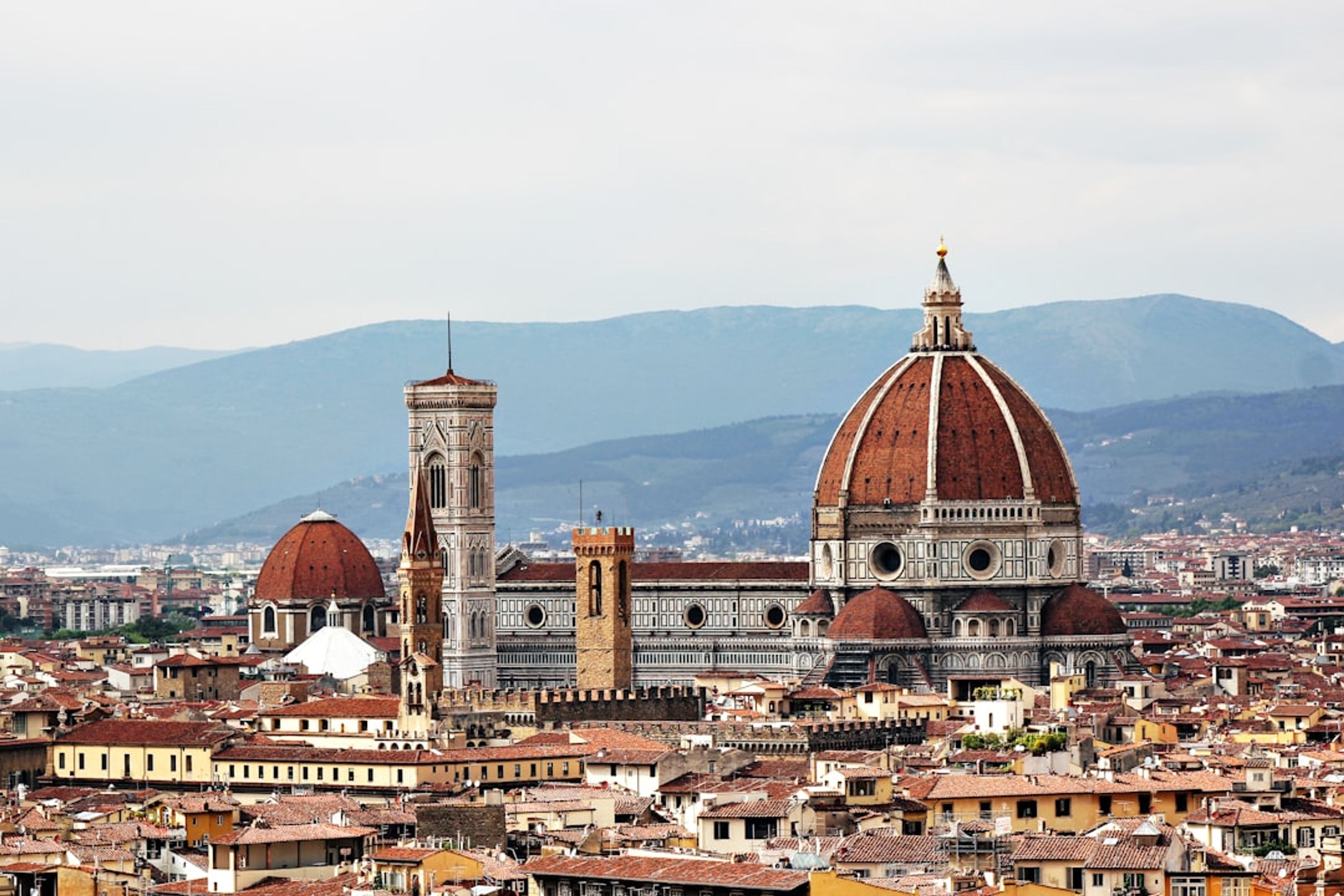
Florence in October is the month when the city stops eating like a summer resort and starts eating like Tuscany. White truffle season in the San Miniato hills opened on 10 September, chestnut villages in the Mugello hold their sagre every Sunday, and the first olive presses around Fiesole start turning at the end of the month. This guide picks six places that show Florence in autumn at its most seasonal: three harvest trips into the countryside (truffles, chestnuts and new olive oil), two October events you can reach by bus or on foot, and the Boboli Gardens for autumn colour.
Every entry has an exact street address, the nearest station or bus line, how far it sits from the centre, 2026 dates where they are confirmed, and a Pro Tip. On Florence weather in October, expect average highs around 21°C in the first week sliding towards 17°C by the end, lows of about 11°C, and roughly 100 mm of rain spread over 9 to 12 wet days. Clocks go back on Sunday 25 October 2026, after which sunset falls around 17:10 and garden closing times drop by an hour.
The three day trips work best as fixed dates on a calendar. Marradi only runs its chestnut festival on Sundays (4, 11, 18 and 25 October 2026), Balconevisi near San Miniato holds its truffle and mushroom sagra on 17 and 18 October, and the big San Miniato truffle festival itself falls on the last three weekends of November, which is why this guide covers Florence in fall rather than October alone. Fattoria di Maiano, the Mercato di Sant'Ambrogio and the Boboli Gardens slot into any weekday, and Impruneta's Fiera di San Luca fills the week leading up to St Luke's Day on Sunday 18 October.
1San Miniato - White Truffle Country and the San Miniato Truffle Festival
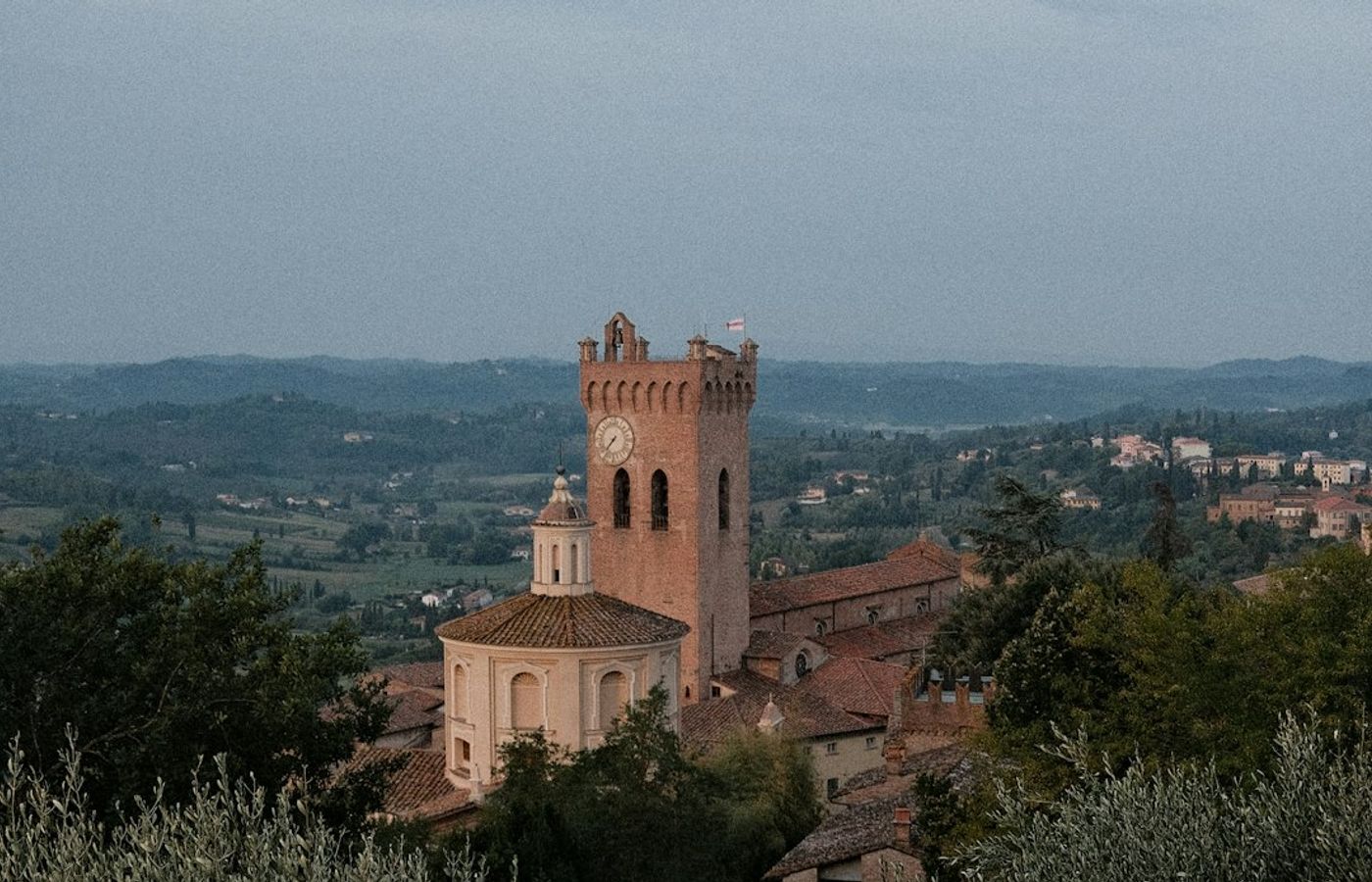

San Miniato is a hilltop town halfway between Florence and Pisa, and the clay hills around it are one of the few places in Tuscany where Tuber magnatum pico, the white truffle, grows wild. It cannot be cultivated, which is why the search season, opening each year on 10 September, sets the rhythm of the whole area until the end of December. The town's claim to fame is a 2.52 kg white truffle found on 26 October 1954 by the hunter Arturo Gallerini, still listed as the largest ever recorded; a wrought-iron monument to Gallerini and his dog Paris stands in town, and the small MUTART truffle museum sits on Via IV Novembre. In 2021 truffle hunting and extraction in Italy was added to UNESCO's list of Intangible Cultural Heritage.
The headline event is the 55th Mostra Mercato Nazionale del Tartufo Bianco, the San Miniato truffle festival, on the weekends of 14-15, 21-22 and 28-29 November 2026. Producers take over Piazza del Duomo alongside local wine, olive oil, cheese and cured meats, and stalls normally trade from 10:00 to 20:00 on Saturdays and Sundays. Private cars cannot reach the old town during the festival, so the shuttle from San Miniato Basso is compulsory.
Visiting Florence in October rather than November? The village sagre come first. Balconevisi holds its 48th Sagra del Tartufo Bianco e del Fungo on 17 and 18 October 2026, with truffle and porcini dinners on both evenings, lunch on Sunday, and a Mangialonga food walk through the hills on the 18th. Corazzano's truffle fair usually takes the first weekend of October.
Pro Tip: Book the Balconevisi dinners or a Sunday lunch at a San Miniato trattoria before you travel, and ask for the price of shaved truffle per gram before the waiter starts shaving. White truffle is priced by weight and a generous hand can double the bill.
2Marradi Sagra delle Castagne - Four October Sundays of Mugello Chestnuts
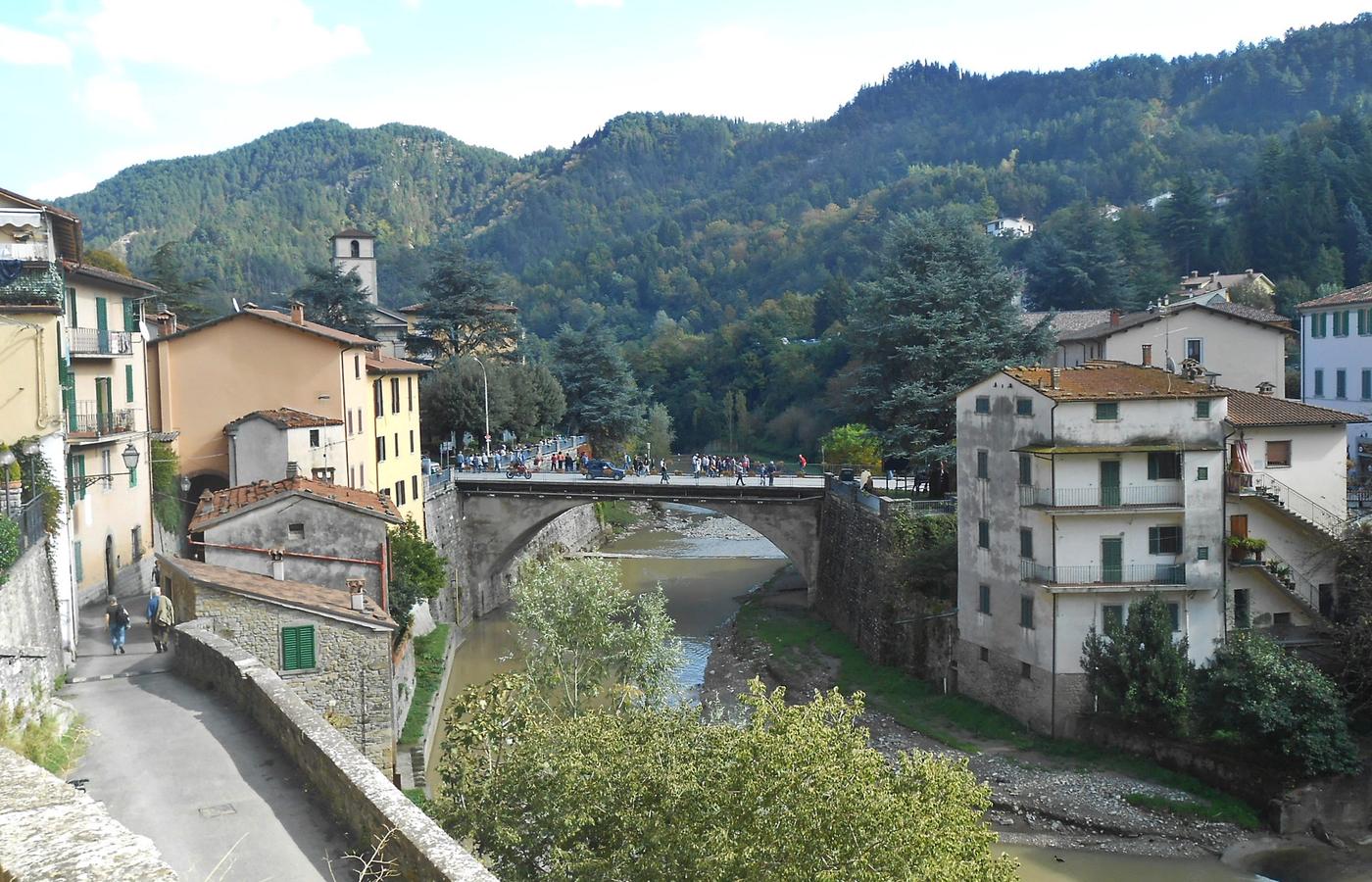

Marradi is a small Apennine town in the Alto Mugello, and every Sunday in October it turns its streets into the Sagra delle Castagne, also billed as the Mostra Mercato del Marron Buono. The 2026 edition is the 63rd, and it falls on Sundays 4, 11, 18 and 25 October. The star is the Marron Buono di Marradi, a large, sweet chestnut that sits under the Marrone del Mugello IGP label, and the stalls sell it roasted in paper cones, boiled, candied, and baked into torta di marroni, the dense chestnut cake the town treats as its signature. Mushrooms, honey, chestnut flour and woodland produce fill the rest of the market.
Getting there by rail is part of the day out. The Faentina line climbs from Florence through the Mugello and over the Apennines towards Faenza, and the stretch past Marradi fully reopened in January 2026 after flood damage in March 2025. On festival Sundays the regional trains fill up fast, and Fondazione FS sometimes adds historic trains with 1930s Centoporte carriages that must be booked ahead. Palazzuolo sul Senio, about 12 km away, runs its own chestnut festival on the same Sundays if Marradi feels too crowded.
For Florence in fall, Marradi is the most straightforward sagra to reach without a car, and it shows a side of the Mugello most visitors never see.
Pro Tip: Take a morning train that arrives before 11:00, eat lunch at the festival stands before the 13:00 rush, and buy a vacuum-packed bag of dried marroni or chestnut flour to carry home. The Pro Loco posts the final programme and any special train times three to four weeks before the first Sunday.

3Fattoria di Maiano - Watch New Olive Oil Leave the Press in Fiesole
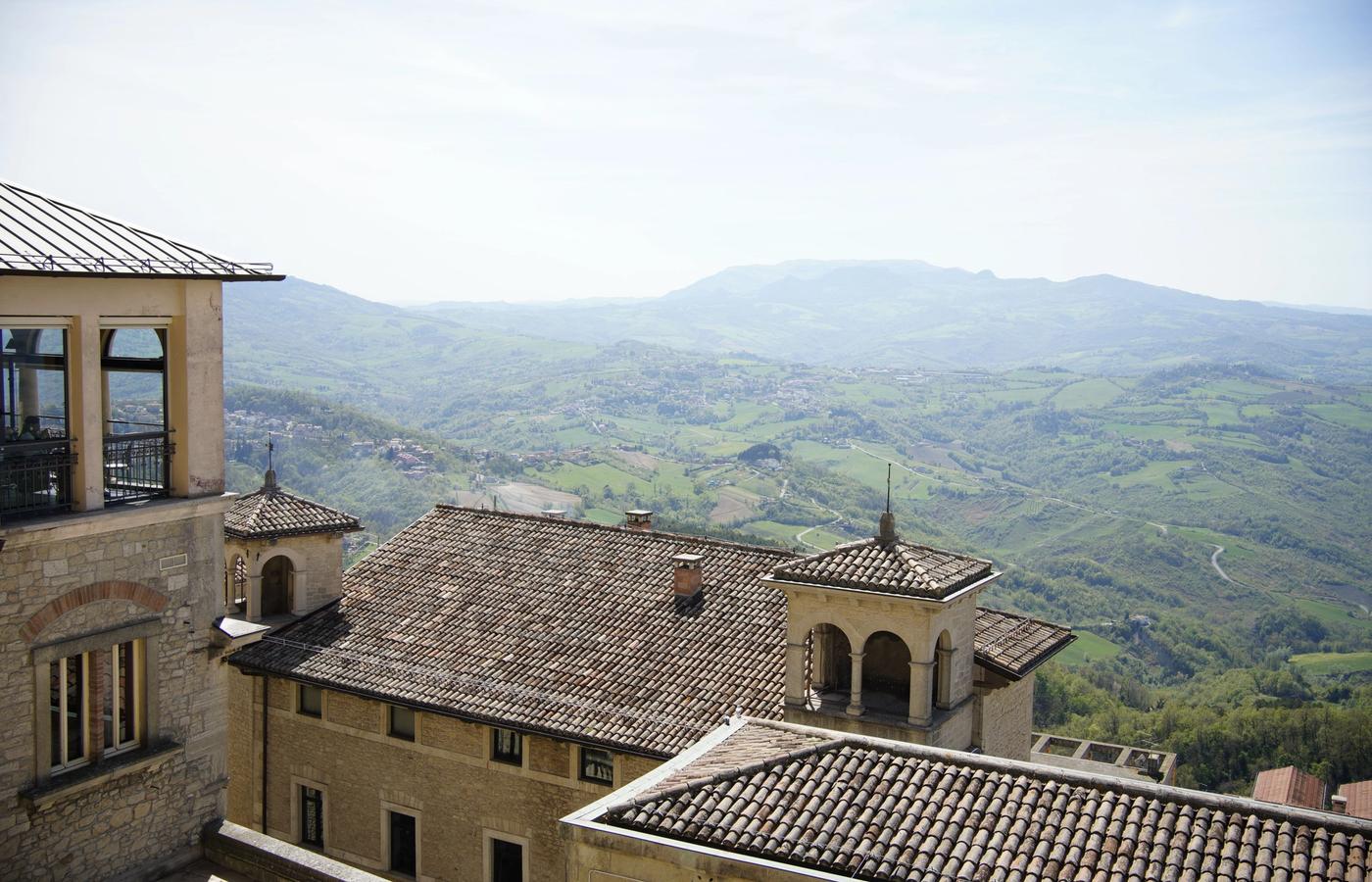
Fattoria di Maiano is a working estate in the hills between Florence and Fiesole whose buildings date back to the 1400s, and it is the easiest place near the city to see olio nuovo, new olive oil, being made. The farm is one of the producers of Laudemio, a premium Tuscan extra virgin oil made by a small consortium of estates, and its own mill (frantoio) presses frantoio and moraiolo olives within hours of picking. Above the estate rises Monte Ceceri, the 415-metre hill of grey pietra serena quarries where Leonardo da Vinci is said to have tested his flying machine in 1506.
In Tuscany the olive harvest begins in late October and runs through November and into December, and the fresh oil comes out bright green with a peppery kick at the back of the throat. During the harvest, generally October and November, Fattoria di Maiano runs olive mill tours that you arrange directly with the farm: a walk through the olive grove, a look at the press in action, and a tasting of new oil on bread. A longer farm package adds olive picking and a day ticket to the estate's Botanic Garden.
The farm restaurant, Lo Spaccio, serves seasonal Tuscan dishes on a terrace facing the olive groves and sells bottles of oil to take away. Tuscans have a saying for this time of year, olio nuovo, vino vecchio: new oil, old wine.
Pro Tip: Contact the farm about a week ahead and ask which days the mill is actually pressing, since the start of the harvest moves with the weather. Late October and the first half of November give the best chance of seeing the press running rather than standing idle.
4Mercato di Sant'Ambrogio - Florence's Autumn Pantry
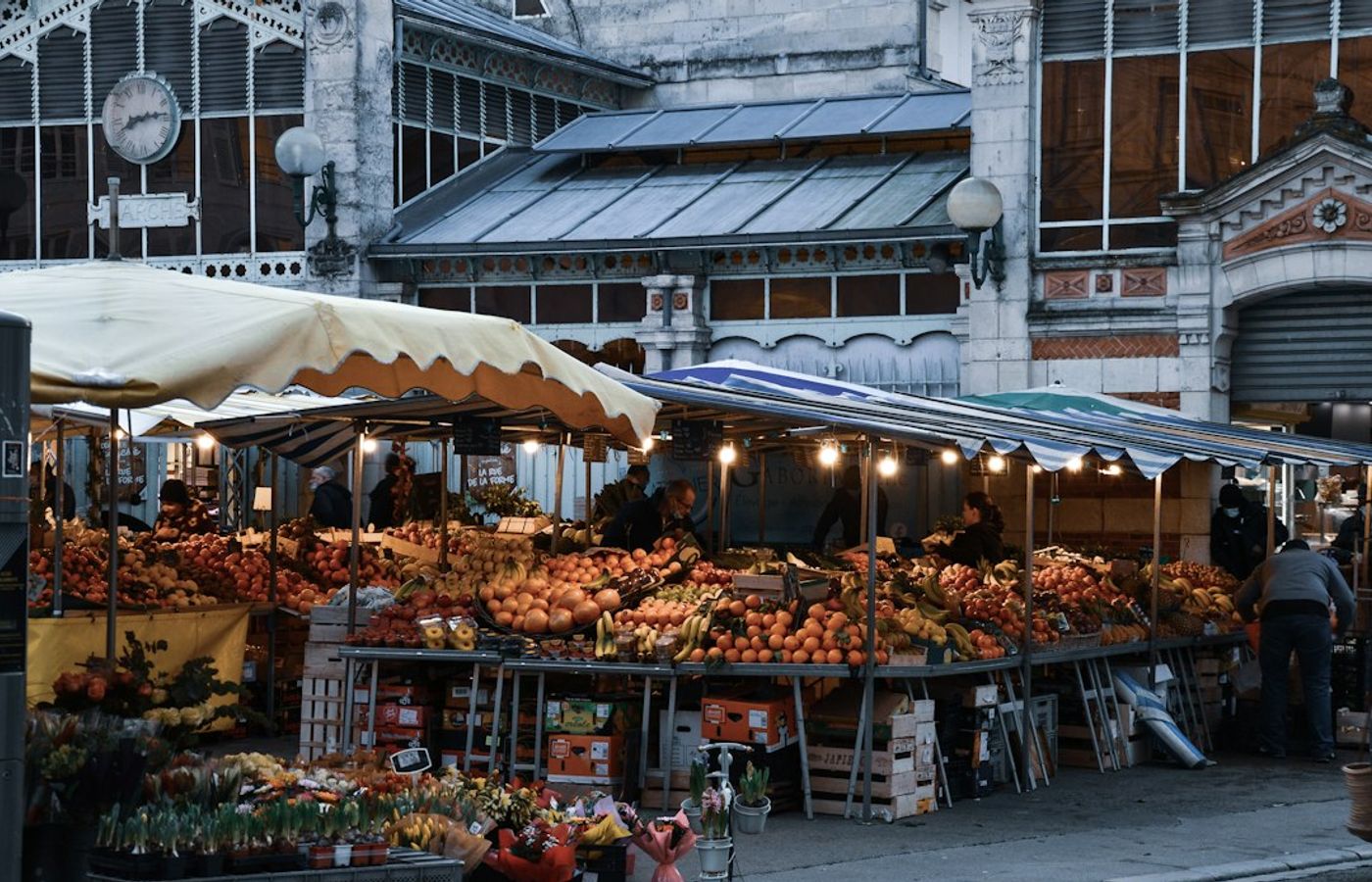
The Mercato di Sant'Ambrogio is where Florentines do their daily shopping, and in October and November it is the quickest way to see what Florence in autumn actually tastes like. The iron-and-glass hall holds butchers, cheese counters and a tripperia, while the outdoor stalls around Piazza Lorenzo Ghiberti sell fruit and vegetables from farms outside the city. It opens in the mornings from Monday to Saturday and is winding down by early afternoon, so it rewards an early start.
Autumn changes the stalls almost week by week. Porcini mushrooms arrive in crates from the Apennines, followed by chestnuts, squash, quince, pomegranates and black grapes. The grapes go straight into schiacciata con l'uva, a sticky flatbread baked with wine grapes, sugar and sometimes fennel seed, which Florentine bakeries only make during the September and October harvest. Later in the season you will see castagnaccio, a flat chestnut-flour cake with rosemary, pine nuts and raisins, and the first bottles of olio nuovo with hand-written signs.
Compared with the Mercato Centrale near San Lorenzo, Sant'Ambrogio is smaller, cheaper and far more local. It suits anyone staying in an apartment who wants to cook, and it is a good last stop to buy dried porcini, chestnut flour or a tin of new oil before flying home.
Pro Tip: Arrive by 09:00 on a Tuesday to Friday, when the produce is freshest and the aisles are calm, then walk ten minutes to Santa Croce and pick up a slice of schiacciata con l'uva from the first bakery you pass. Once October ends, it disappears until the next harvest.
5Fiera di San Luca in Impruneta - One of Europe's Oldest Livestock Fairs
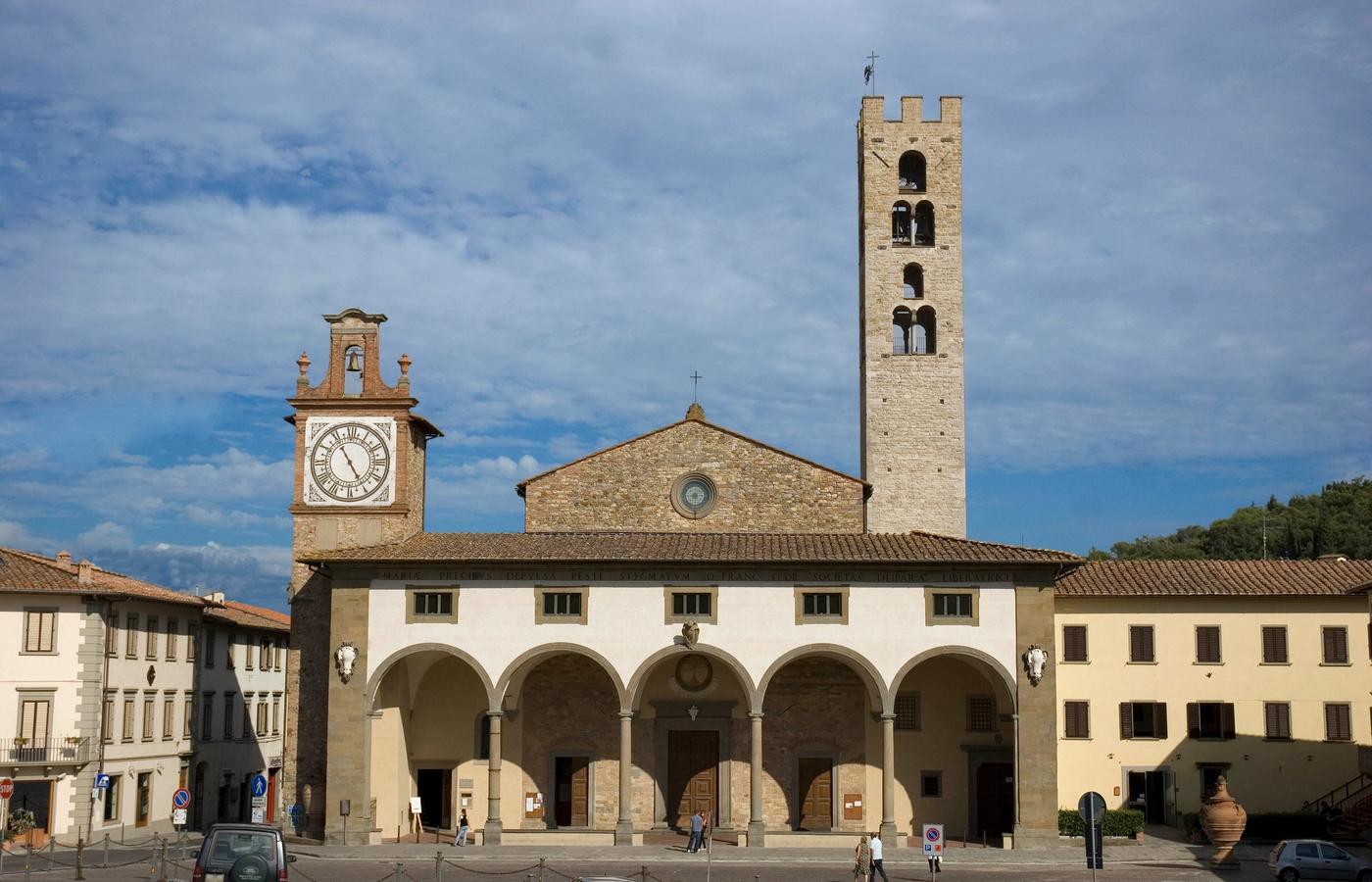
Impruneta is a hill town just south of Florence, best known for its terracotta (cotto dell'Impruneta, the clay used for roof tiles across Tuscany) and for the Fiera di San Luca, one of the oldest livestock fairs in Europe. The fair fills the week around the feast of St Luke the Evangelist, the town's patron saint, on 18 October, which in 2026 falls on a Sunday, so the event runs through the days leading up to it. The first written record is an edict by Alessandro Marzi Medici, Archbishop of Florence from 1605 to 1630, issued to regulate a fair that was clearly already well established. Jacques Callot engraved it in 1620 with more than 1,100 tiny figures, and the print is now in the Bibliothèque nationale de France in Paris.
Today the livestock show still anchors the programme, alongside food and wine stalls, craft and terracotta markets, art exhibitions and a fireworks night. The market spreads through the streets around Piazza Buondelmonti and the Basilica di Santa Maria all'Impruneta, the church that gave the town its long pilgrimage tradition.
Impruneta also holds a grape festival on the last Sunday of September, so if you arrive in Florence Italy in October you have just missed it, but the San Luca fair is the better introduction to the town anyway: more local, less staged, and easy to combine with lunch in the Chianti hills.
Pro Tip: Check the Comune di Impruneta website for the final 2026 programme, since listings vary between a 10 and 11 October start. Go on the weekday livestock day for the most traditional atmosphere, and buy a small terracotta piece from one of the town's kilns rather than a market stall.
6Boboli Gardens - The Best Place to See Florence in Fall Colour
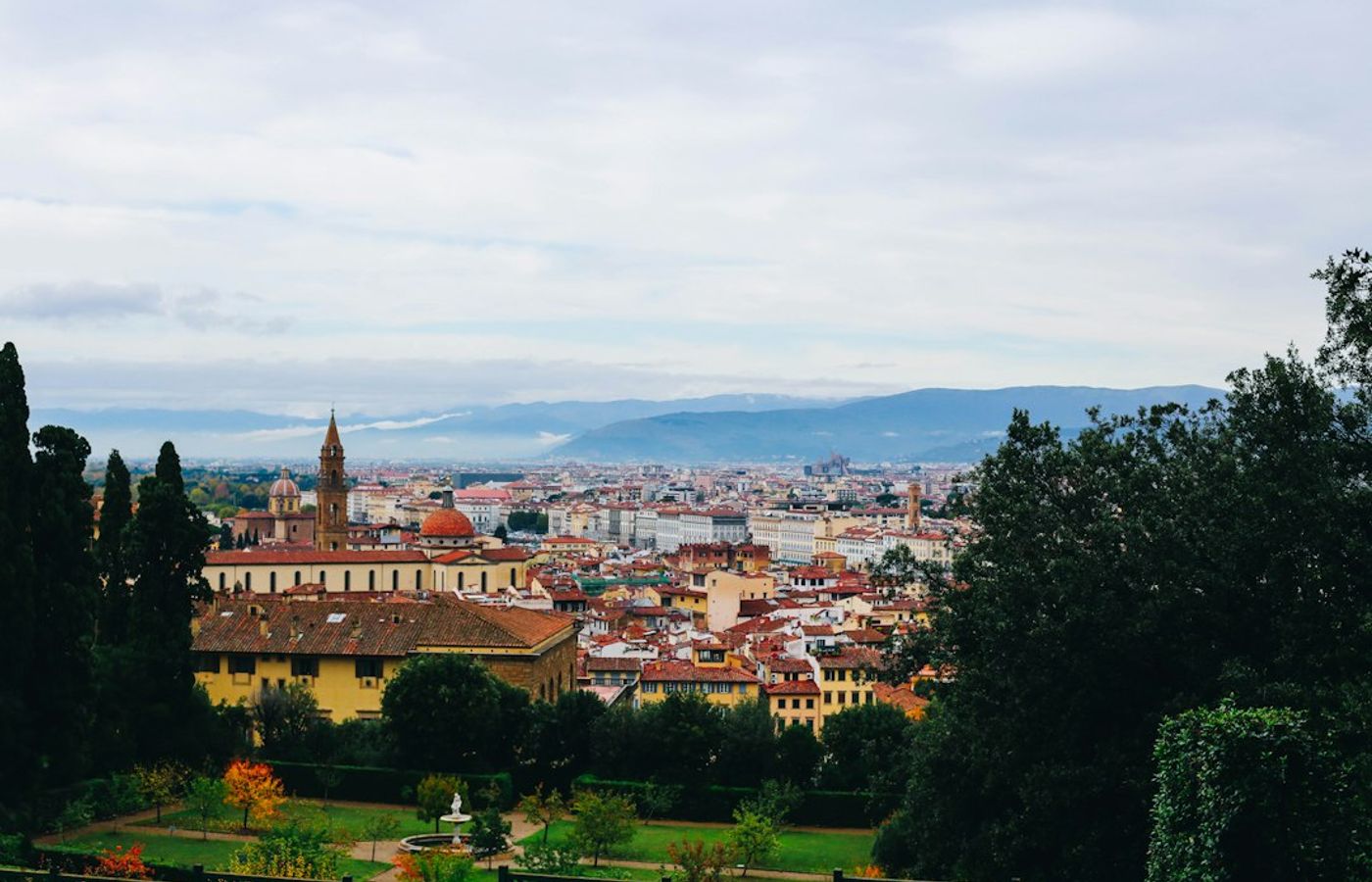
The Boboli Gardens were laid out by the Medici behind Palazzo Pitti from the mid-1500s, and they set the pattern for the formal Italian garden copied across European courts. They cover a steep hillside between the palace and Forte di Belvedere, and in late October and November the holm oaks, cypresses and box hedges are joined by chestnut, maple and plane trees turning yellow and copper, which makes this the most reliable city-centre spot for Florence in fall colour. The gardens form part of the UNESCO-listed Medici Villas and Gardens in Tuscany.
Opening hours shift in the middle of the month. Until Saturday 24 October 2026 the gardens are open from 08:15 to 18:30; after the clocks go back on Sunday 25 October they close at 17:30, with last entry an hour before closing. They are shut on the first and last Monday of each month, which in October 2026 means 5 and 26 October. A single Boboli Gardens ticket costs around €10 on the day and a few euros more booked in advance, and entry is free on the first Sunday of the month from October to March, so Sunday 4 October 2026 will be busy.
Besides the Pitti entrance, you can get in through the Annalena gate on Via Romana, Porta Romana, and the Forte di Belvedere gate at the top, which lets you walk the garden downhill rather than up.
Pro Tip: Enter at 08:15 on a weekday, walk straight up to the Kaffeehaus terrace and the Giardino del Cavaliere for the view over the Oltrarno rooftops, and be out before the tour groups arrive around 10:30. After 25 October, aim for the last hour of light, when the low sun hits the Viottolone cypress avenue.
Get hotel deals for Florence
Price drops, new stays and local tips for Florence, straight to your inbox.
No spam, unsubscribe anytime.

CEO and co-founder
Tomas is the co-founder and director of trip1, an European company specializing in reservation services. He launched the company in 2025 with a focus on building scalable, efficient operations.
Florence in October: Truffles, Chestnuts and New Olive Oil - FAQ
No. San Miniato, Marradi and Impruneta each need their own half day or full day, and Marradi's chestnut festival only runs on Sundays. A realistic plan spreads the six over three to four days: one day for the Mercato di Sant'Ambrogio and the Boboli Gardens in the city, one Sunday for Marradi, and a further day each for San Miniato and Fattoria di Maiano or Impruneta.
Build the order around fixed dates. Put Marradi on a Sunday (4, 11, 18 or 25 October 2026), Balconevisi on 17 or 18 October, and Impruneta in the week before 18 October. Fill the gaps with Sant'Ambrogio on a weekday morning, the Boboli Gardens in the afternoon, and Fattoria di Maiano late in the month once the olive mill starts pressing.
The Fattoria di Maiano olive mill tour must be booked with the farm, and the Balconevisi truffle dinners usually need a reservation. Boboli Gardens tickets can be bought on the day, but booking ahead avoids queues at Palazzo Pitti. Marradi, Impruneta and the San Miniato truffle festival are free to enter, though historic trains to Marradi require booking.
Entry itself is cheap: around €10 for the Boboli Gardens, a paid olive mill tour at Fattoria di Maiano, and free entry to the markets and festivals. Transport adds a few regional train and bus fares from Florence. Food is the real variable, especially white truffle, which is priced by the gram and can turn a simple plate of pasta into the biggest expense of the trip.
No, the main San Miniato truffle festival runs in November. The 55th Mostra Mercato Nazionale del Tartufo Bianco takes place on 14-15, 21-22 and 28-29 November 2026. In October, the truffle is celebrated at village sagre around San Miniato, including Balconevisi on 17 and 18 October and Corazzano, usually on the first weekend of the month.
Florence weather in October is mild but increasingly wet. Average highs start around 21°C and fall towards 17°C by the end of the month, with lows of about 11°C and roughly 100 mm of rain over 9 to 12 days. Pack layers and a rain jacket, and plan countryside trips for the drier early weeks where you can.
This guide focuses on seasonal food and autumn colour, so it skips the big museums. October is a good month for the Uffizi, Accademia and Palazzo Vecchio, with smaller crowds after mid-month. Wine lovers should add a Chianti Classico cellar visit in Greve or Panzano, and Piazzale Michelangelo is worth an evening walk for sunset over the Arno.