

Guides · Seville
Seville in October: Weather, Crowds and Prices

CEO and co-founder
Seville weather in October is the reason so many travellers wait until autumn: the 40°C afternoons of summer are gone, terraces fill again after dark, and orange trees shade streets that are finally comfortable to walk at midday. This guide covers 5 places worth planning around in Seville in October 2026, from the Bienal de Flamenco finale and two palaces most visitors miss, Casa de Pilatos and Palacio de las Dueñas, to day trips to Roman Itálica and Córdoba, each with the exact address, the best way to get there and a Pro Tip.
Expect daytime highs of about 27°C in the first week, easing to around 23°C by the end of the month, with lows of 13 to 16°C. Around 60 mm of rain falls over five or six days, usually as short storms. Clocks go back on Sunday 25 October 2026, moving sunset from about 19:25 to about 18:25. Crowds are steady rather than heavy, and hotel prices sit well below the peaks of Holy Week and the April Fair.
Two dates matter this year. The 24th Bienal de Flamenco closes on Saturday 3 October, and Monday 12 October, Spain's national day, creates a long weekend that fills the city with domestic visitors. Book flamenco shows and the Córdoba train ahead for those weekends. The list starts in the city with flamenco and the two palaces, then heads out to Itálica and Córdoba, both far more comfortable now than in summer.
1Flamenco in Seville - The Bienal Finale and Nights in Triana
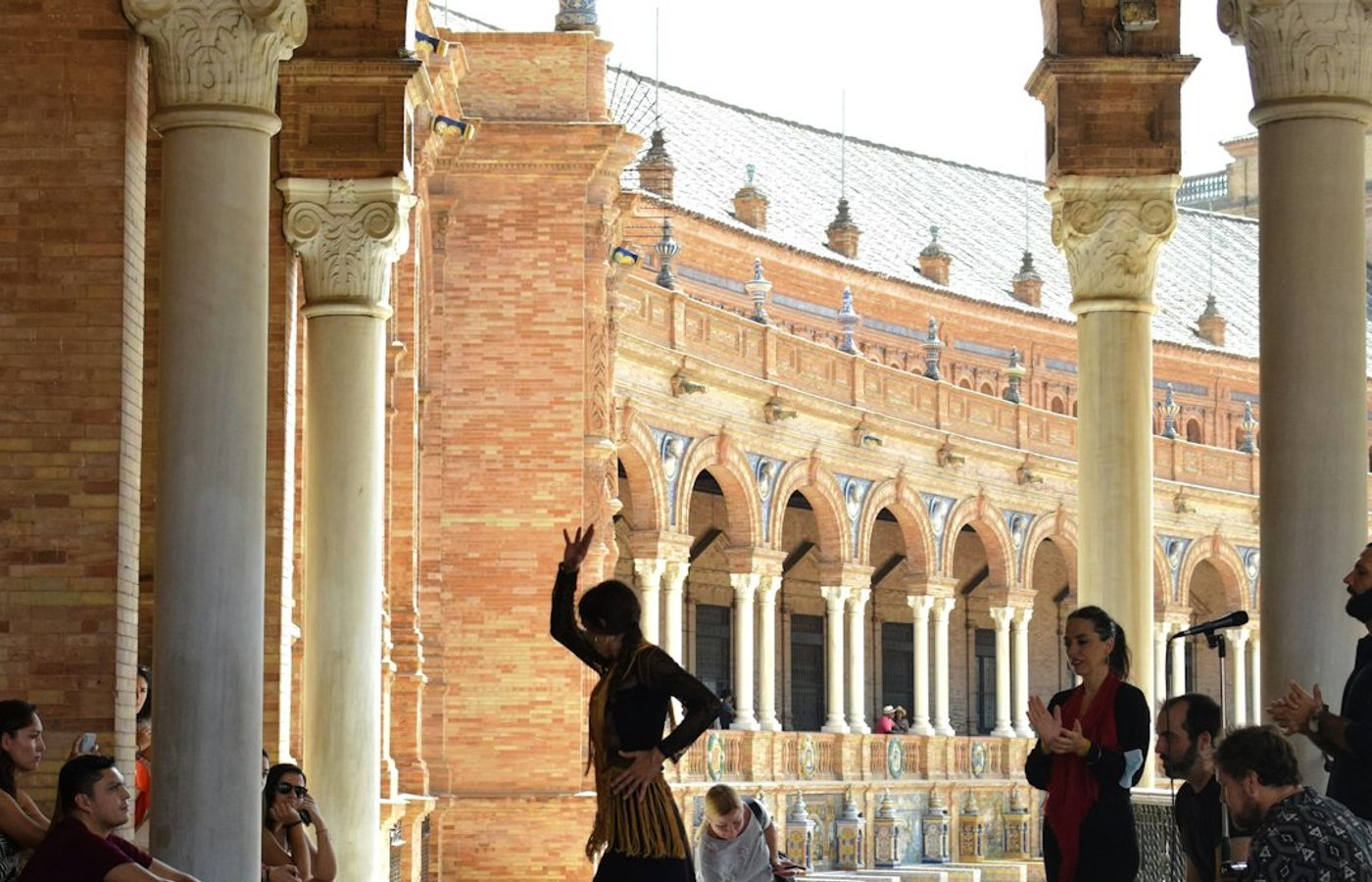

Seville is the heart of flamenco, and in 2026 the city hosts the 24th Bienal de Flamenco from 9 September to 3 October, with 72 performances and 22 world premieres across 11 venues. This edition celebrates the centenary of the Ópera Flamenca era, and it marks the reopening of the Teatro Lope de Vega, a 1929 theatre beside Parque de María Luisa, as a main venue after years of restoration. The closing night on Saturday 3 October features Carmen Linares.
For the rest of October, flamenco carries on nightly. Professional tablaos in Santa Cruz and the centre offer polished one-hour shows, while the peñas, members' clubs that often open to visitors, give a rawer and more local experience. Triana, across the river, is historically the neighbourhood of flamenco singers and potters.
The Museo del Baile Flamenco in the centre adds background on the art form and runs its own evening shows.
Pro Tip: If you arrive in the first days of October, check the Bienal website for returned tickets to the final shows. Otherwise, book a small tablao for a late show, around 21:00 or later, and sit close to the stage.
2Casa de Pilatos - Tiles, Courtyards and Seville's Overlooked Palace
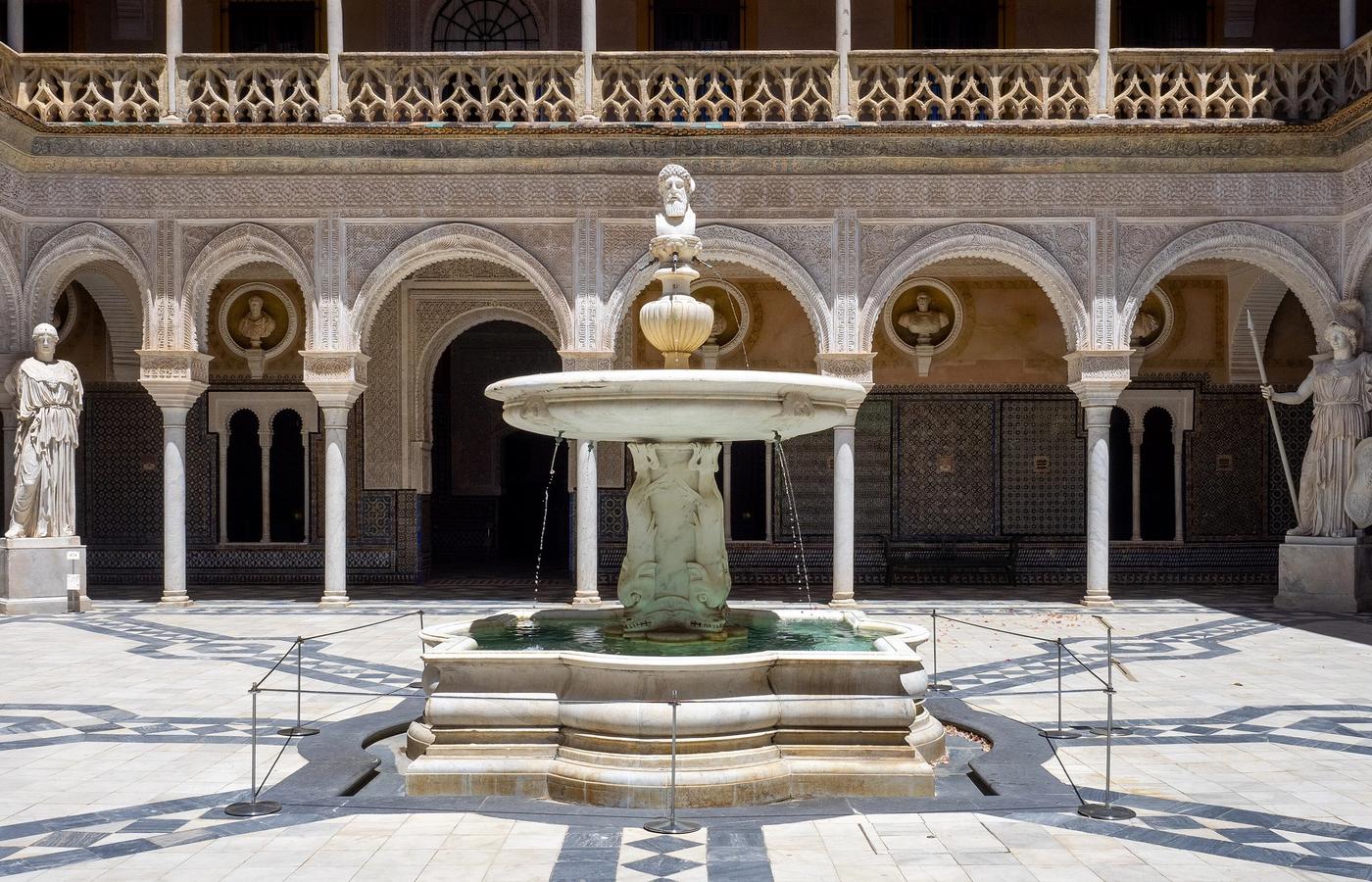

Casa de Pilatos is the best palace in Seville that most first-time visitors skip. Begun in the late 15th century by the Enríquez de Ribera family and still owned by their descendants, the Dukes of Medinaceli, it blends Mudéjar plasterwork, Gothic balustrades and Italian Renaissance marble around a grand central courtyard. Its name comes from a popular legend that it copied Pontius Pilate's house in Jerusalem, which the family's heir visited in 1519.
The palace holds one of the finest collections of 16th-century azulejo tilework in Spain, with geometric tiles covering walls, staircases and arcades. Roman statues and busts line the courtyard, and two walled gardens of palms, fountains and climbing plants are pleasant to linger in on mild October afternoons. The upper floor, with painted ceilings and the family's art collection, is shown on short guided tours.
Expect a fraction of the crowds you would meet at the city's headline monuments, even on October weekends.
Pro Tip: Buy the ticket that includes the upper-floor tour - the ground floor alone misses the best ceilings. Go in the late afternoon, when low sun lights up the tiles in the main courtyard.

3Palacio de las Dueñas - The Duchess of Alba's Home and Gardens
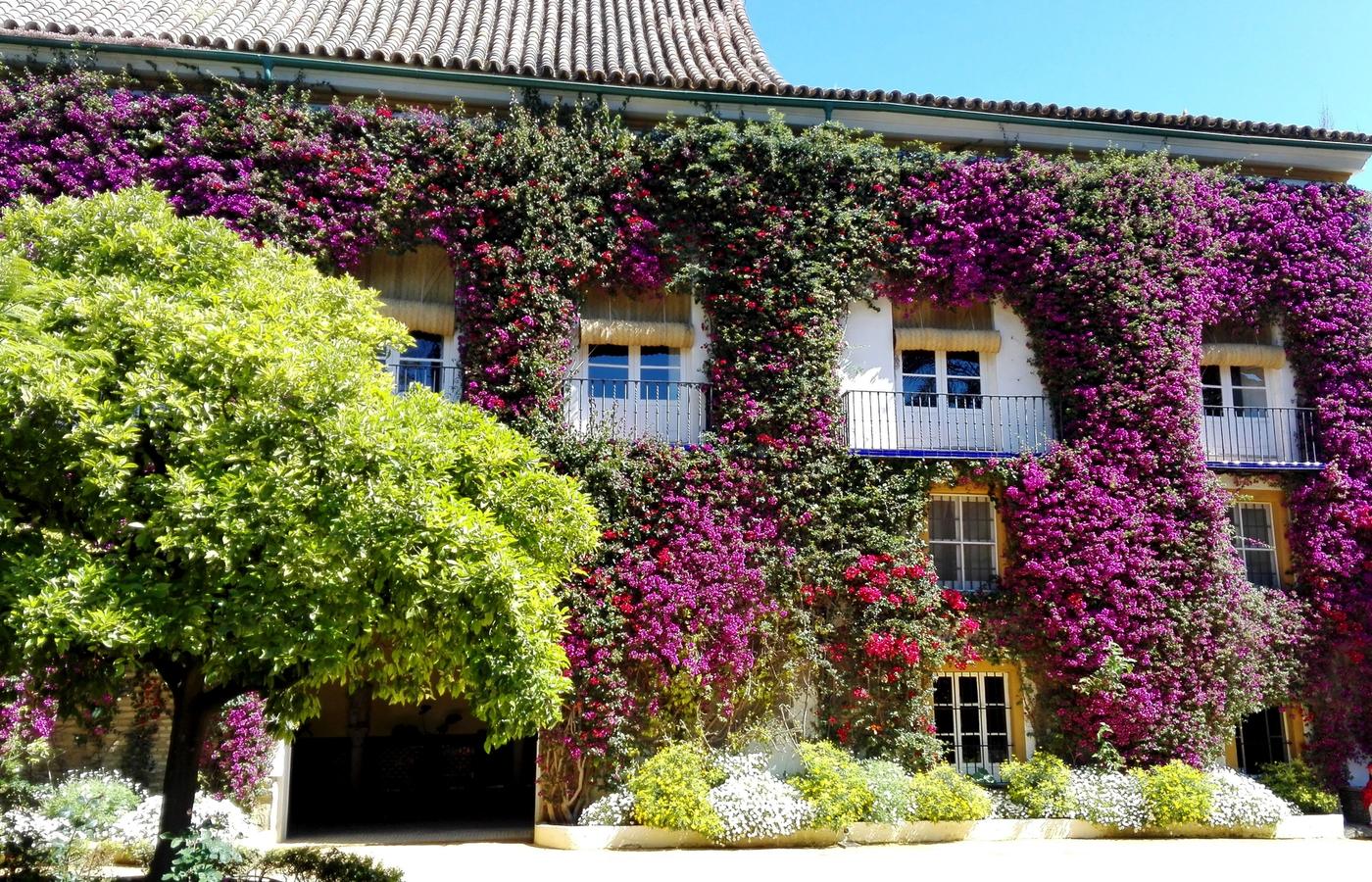

Palacio de las Dueñas is the Seville home of the House of Alba, one of Spain's most famous aristocratic families, and it has only been open to the public since 2016. Built in the late 15th century in a mix of Gothic, Mudéjar and Renaissance styles, it is laid out around patios planted with orange and lemon trees, bougainvillea and palms. The poet Antonio Machado was born here in 1875, when his father rented rooms in the palace.
Inside, the rooms are kept much as the 18th Duchess of Alba, Cayetana, left them before her death here in 2014: family portraits, flamenco dresses, bullfighting posters, religious art and a small chapel. The mix of grand heirlooms and personal clutter makes it feel lived-in rather than curated, which is the real appeal. October is the best time for the gardens, when the summer glare has gone and the citrus trees are full of green fruit.
An audio guide is included with entry, and a visit takes around an hour.
Pro Tip: Visit first thing in the morning, then walk 8 minutes south to Plaza de la Encarnación for coffee. The palace is close enough to Casa de Pilatos to see both in one half-day.
4Itálica - Roman Ruins Without the Summer Heat
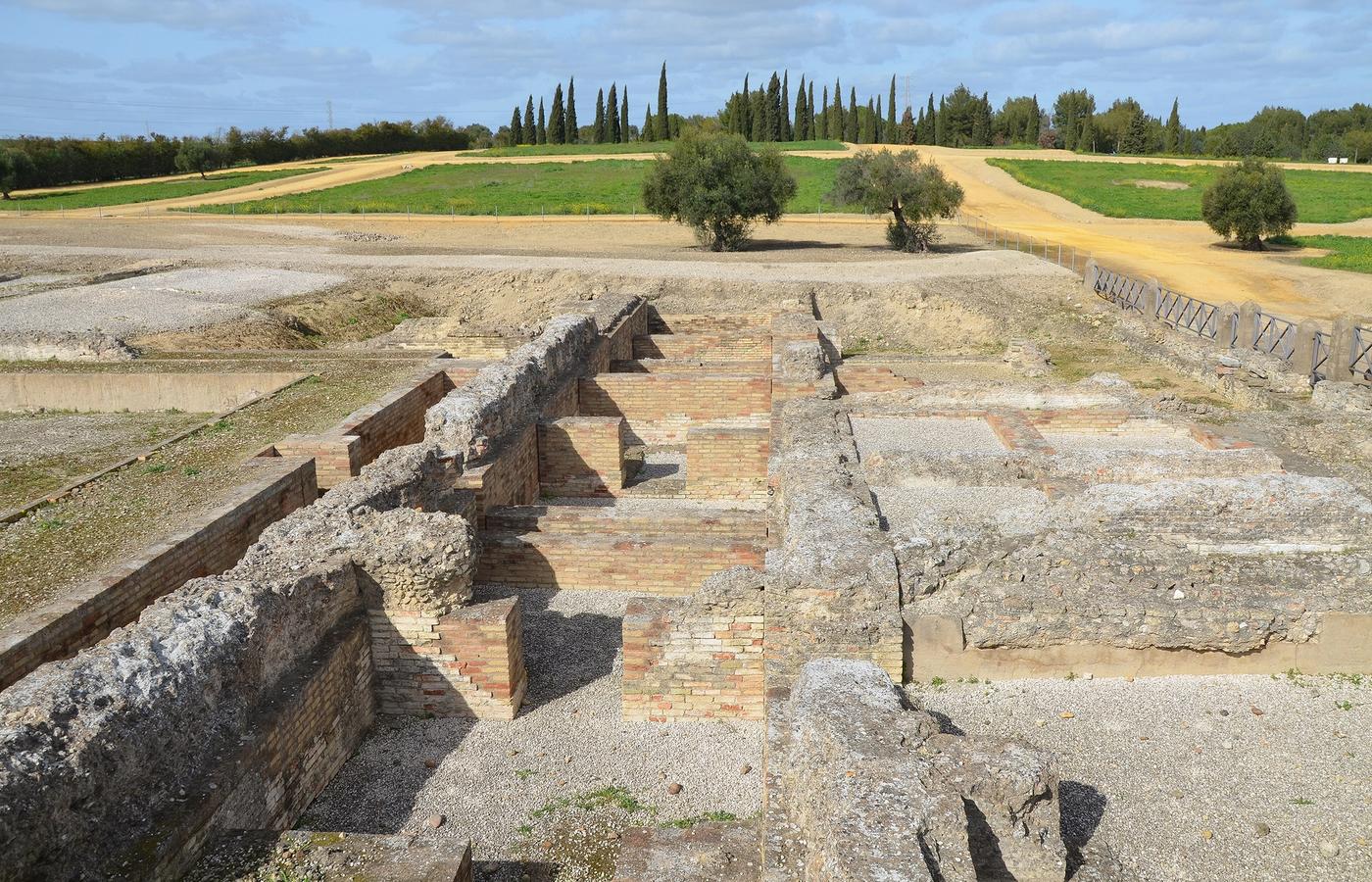
Itálica, founded in 206 BC, was the first Roman city in Spain and the birthplace of the emperors Trajan and probably Hadrian. Its amphitheatre, which held around 25,000 spectators, was one of the largest in the Roman Empire, and it doubled as the Dragonpit in the final season of Game of Thrones. Wide Roman streets lead past villas with well-preserved floor mosaics, including the House of the Birds.
The site is large and exposed with little shade, which makes it hard going in summer and ideal in October. Entry is inexpensive, and free for EU citizens with ID. Allow at least two hours, and bring water and a hat. The site is closed on Mondays.
The monastery of San Isidoro del Campo, just along the road in Santiponce, is worth adding if time allows.
Pro Tip: Catch a morning M-170 bus, see the amphitheatre first, then walk the grid of streets to the mosaics, and be back in Seville for a late lunch.
5Córdoba Day Trip - The Mezquita in Cooler Weather
Córdoba is the best day trip from Seville, and October is the right month for it: the city regularly records some of the highest summer temperatures in Spain, but by autumn afternoons settle in the mid-20s. High-speed trains from Sevilla-Santa Justa reach Córdoba in about 45 minutes, which leaves a full day for the historic centre.
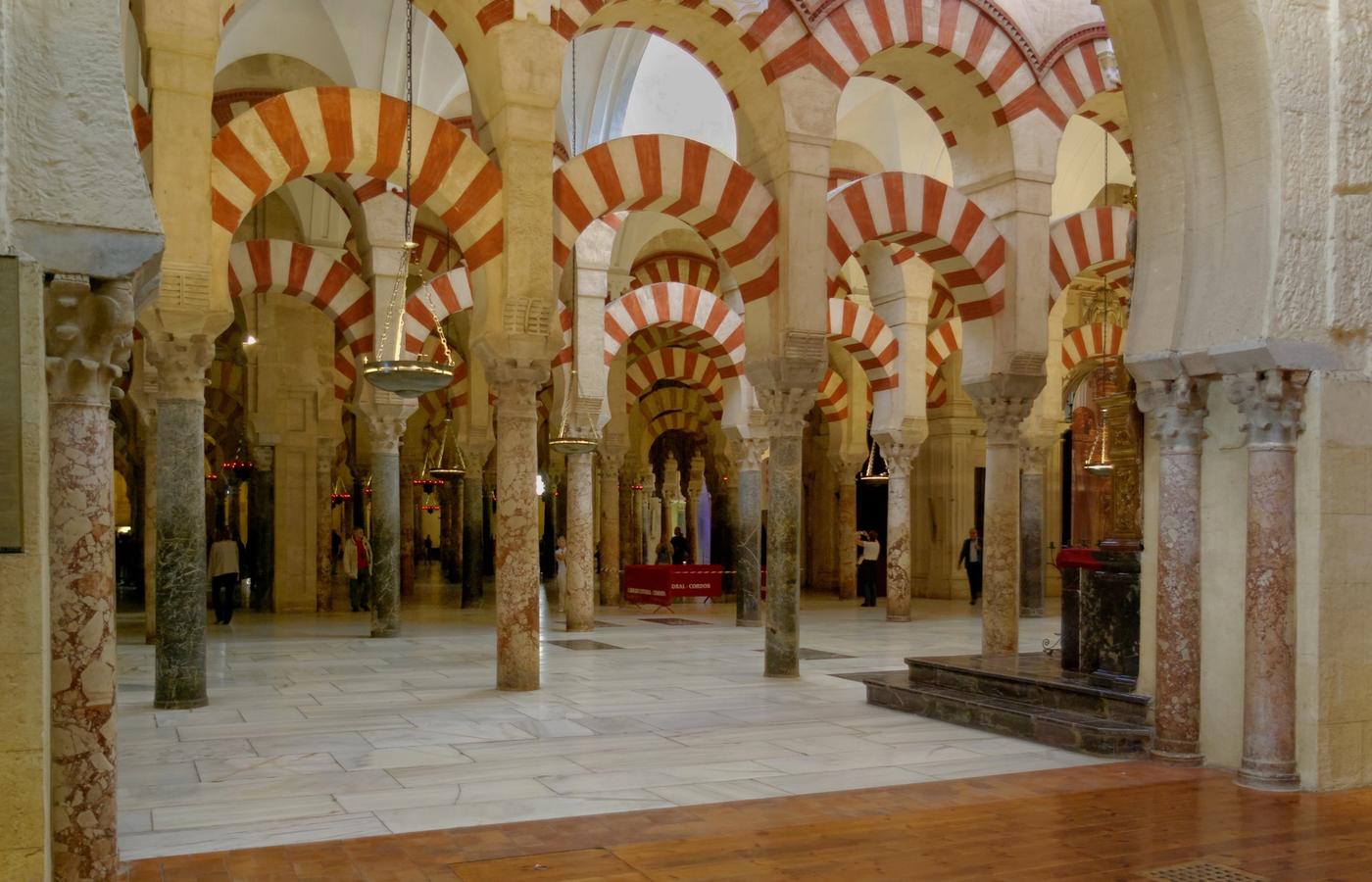
The centrepiece is the Mezquita-Catedral, a mosque begun in the late 8th century and later converted into a cathedral, with a forest of red-and-white striped arches spreading across its prayer hall and a Renaissance cathedral built into the middle. From there, the Roman Bridge crosses the Guadalquivir to the Calahorra Tower, and the Alcázar de los Reyes Cristianos has terraced gardens of pools and cypresses. The whitewashed lanes of the Judería, the old Jewish quarter, tie it all together.
Book the Mezquita-Catedral online for a timed slot, and note that tourist visits are limited during Sunday morning services.
Pro Tip: Take an early train and book the first Mezquita slot of the day, when the prayer hall is quietest. Cross the Roman Bridge for the view back to the Mezquita at sunset before catching an evening train to Seville.
Get hotel deals for Seville
Price drops, new stays and local tips for Seville, straight to your inbox.
No spam, unsubscribe anytime.

CEO and co-founder
Tomas is the co-founder and director of trip1, an European company specializing in reservation services. He launched the company in 2025 with a focus on building scalable, efficient operations.
Seville in October: Weather, Crowds and Prices - FAQ
Seville weather in October is warm and mostly sunny. Highs start around 27°C and fall to about 23°C by the end of the month, with lows of 13 to 16°C. Expect around 60 mm of rain over five or six days, usually as short autumn storms. It is far more comfortable than summer, when afternoons regularly pass 40°C.
Yes, it is one of the best months. The summer heat has broken, terraces are full again in the evenings, and prices are lower than during Holy Week and the April Fair. October is busy but not overwhelming, so booking flamenco shows, popular sights and trains ahead is still wise, especially on weekends.
October is a mid-priced month. Rates are well below the peaks of Holy Week and the April Fair, but higher than in the hottest weeks of July and August, when many visitors stay away. Expect higher prices around the Bienal de Flamenco finale on 3 October and the 12 October national holiday weekend.
No. Itálica is a half-day trip and Córdoba needs a full day. A realistic plan spreads the five over three days: Casa de Pilatos and Palacio de las Dueñas on day one with flamenco at night, Itálica on day two, and Córdoba on day three.
Flamenco shows in tablaos and Bienal performances need booking, and the Mezquita-Catedral in Córdoba is best booked online for a timed slot. Casa de Pilatos, Palacio de las Dueñas and Itálica can usually be bought on the day outside holiday weekends, and Córdoba train fares are cheapest booked early.
Only at the very start of the month. The 24th Bienal de Flamenco runs from 9 September to 3 October 2026 and closes with Carmen Linares on Saturday 3 October. After that, flamenco continues nightly in Seville's tablaos and in the peñas, the members' clubs, of Triana and the city centre.
This guide skips Seville's headline sights, including the Real Alcázar, the Cathedral and Plaza de España, which are worth seeing year-round. The Museo de Bellas Artes suits a rainy afternoon, and Cádiz or the sherry bodegas of Jerez make easy day trips in October's milder weather.