Guides · Stockholm
10 Best Things to Do in Stockholm
By Tomas Achmedovas · CEO and co-founder

CEO and co-founder
This guide covers the 10 best things to do in Stockholm - the sights, museums, and neighbourhoods that deserve priority whether you have a weekend or a full week in the Swedish capital. Each entry includes the exact address, nearest metro or tram stop, walking distance from the city centre, and a practical Pro Tip based on real visitor patterns.
Stockholm's top attractions cluster conveniently across a few islands. Gamla Stan, the Royal Palace (Kungliga Slottet), and Storkyrkan Cathedral sit together on Stadsholmen, making them an efficient morning loop. Three of the city's best museums - Vasa Museum (Vasamuseet), ABBA The Museum, and Skansen - share Djurgården island and fill a full day. Stockholm City Hall (Stadshuset) occupies the Kungsholmen waterfront near T-Centralen, the main transport hub. Fotografiska and Södermalm anchor the southern end of the centre. The Stockholm Archipelago rounds out the list as the ultimate day trip from the city.
We have ordered the attractions to help you plan efficient routes, starting with the most unmissable sight and grouping geographically connected entries together. Prices are listed in Swedish Krona (SEK) with euro equivalents, and all transport references use the SL (Storstockholms Lokaltrafik) network that covers metro, bus, tram, and ferry lines across the city.
Check dates for Stockholm
See what is available on your dates.
1Gamla Stan - Stockholm's Medieval Old Town
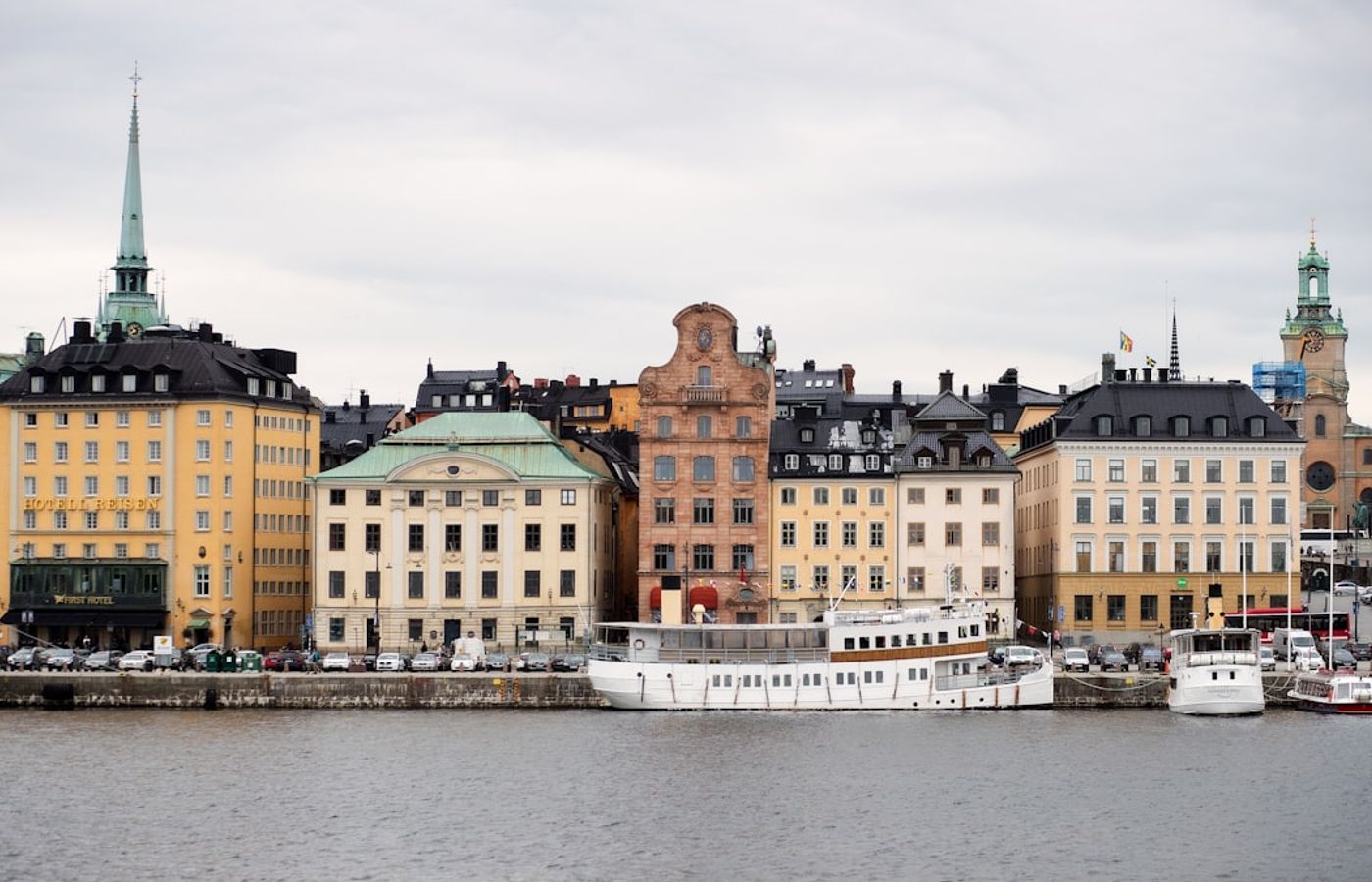

Gamla Stan is where Stockholm began in 1252, and the medieval street grid has barely changed since. This compact island - Stadsholmen - packs centuries of history into a few square blocks: narrow cobblestone alleys, merchant houses painted in ochre and rust, and Stortorget, the oldest square in the city where the infamous Stockholm Bloodbath of 1520 took place. For most visitors, Gamla Stan things to do top the list for good reason - no other neighbourhood in Stockholm concentrates so much history in such a walkable space.
Västerlånggatan is the main commercial street, lined with souvenir shops and cafes, but the real character lies in the side alleys. Mårten Trotzigs Gränd, at just 90 cm wide, is the narrowest lane in Stockholm. Prästgatan and Kindstugatan run parallel to Västerlånggatan and offer a quieter, more atmospheric walk. Keep an eye out for the cannonball embedded in a wall on Österlånggatan - legend dates it to the 16th century.
2Vasa Museum (Vasamuseet) - A 17th-Century Warship Preserved in Full
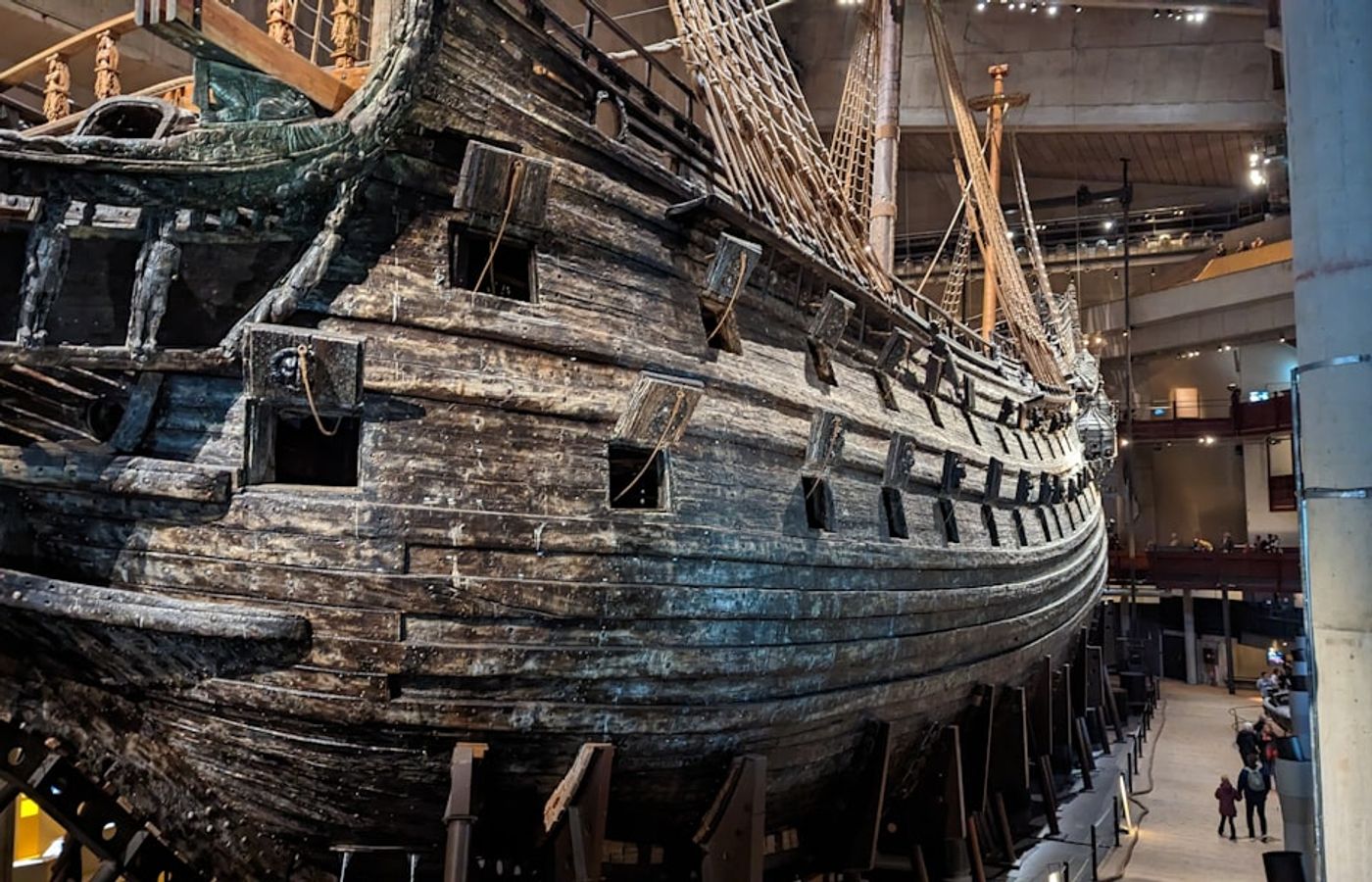

The Vasa Museum on Djurgården island houses the only almost fully intact 17th-century ship ever salvaged. The warship Vasa sank 1,300 metres into her maiden voyage on 10 August 1628, watched by a crowd of thousands in Stockholm harbour. She sat on the seabed for 333 years before a complex salvage operation raised her in 1961. Today, over 98% of the ship is original oak timber, and the 700+ carved sculptures decorating the hull are among the finest examples of baroque woodwork in existence.
The museum wraps around the ship on multiple levels, so you can study the hull from the waterline to the top deck. Eleven permanent exhibitions cover the building of the ship, why she sank (too narrow for her height, insufficient ballast), the 30 skeletons found on board, and the painstaking chemical preservation that keeps the timber stable. Vasa Museum draws roughly 1.5 million visitors per year, making it the most visited museum in Scandinavia.
3ABBA The Museum - Interactive Pop Music on Djurgården
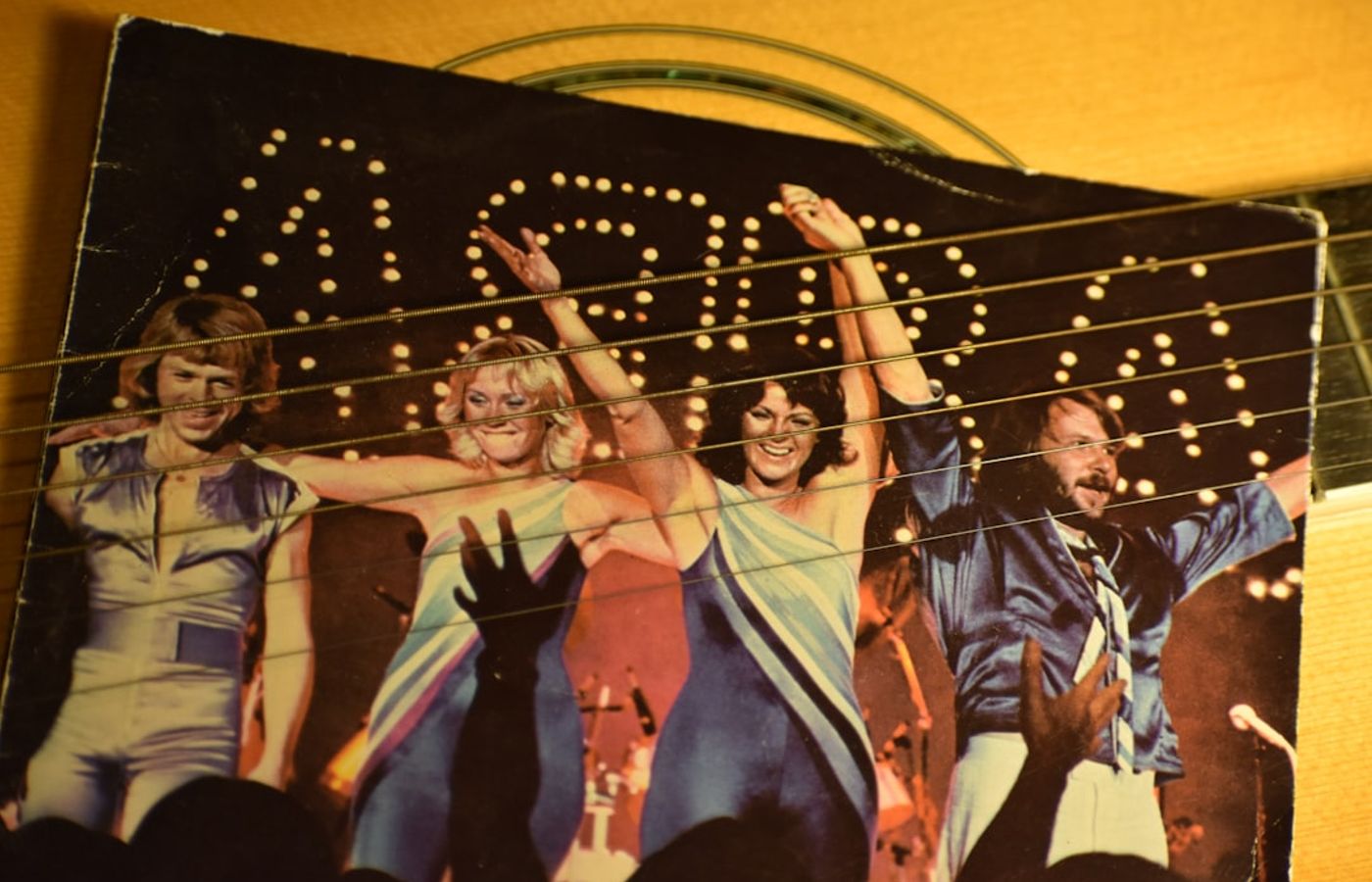

ABBA The Museum on Djurgården island goes well beyond static costumes and gold records. The exhibition is built around interactive experiences - you can sing along in a virtual recording booth, dance on a replica stage alongside holograms of the band, and mix your own version of an ABBA track. Original stage costumes, handwritten lyrics, and personal memorabilia from all four members make it a genuine music museum, not just a novelty attraction.
The exhibition follows ABBA's trajectory from the 1974 Eurovision win with Waterloo through to global pop dominance and their 2021 reunion album Voyage. A section dedicated to the ABBA Voyage virtual concert in London connects the story to the present. The museum is smaller than you might expect - most visitors spend 1.5-2 hours - but the interactivity makes it absorbing even for people who are not diehard fans. Book timed tickets online, especially in summer, as daily capacity is limited.
Check dates for Stockholm
See what is available on your dates.
4Royal Palace (Kungliga Slottet) - Baroque Residence of the Swedish Monarchy
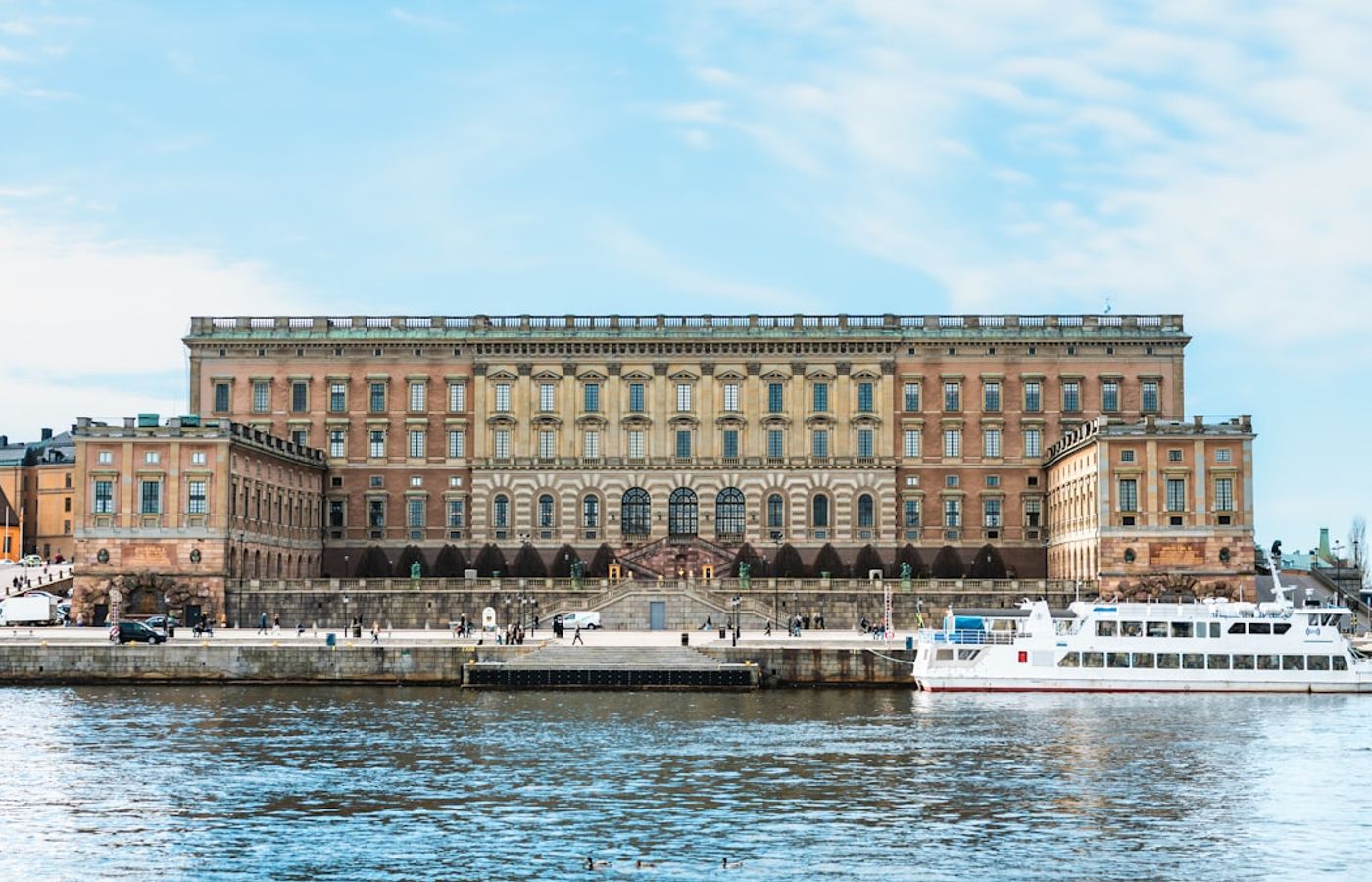
Kungliga Slottet, the Royal Palace on the northern edge of Gamla Stan, is one of Europe's largest royal palaces with over 600 rooms. The current baroque structure was designed by Nicodemus Tessin the Younger and completed in 1760, replacing the medieval Tre Kronor castle that burned down in 1697. The Swedish Royal Family uses the palace for official functions but lives at Drottningholm Palace, so much of the interior is open to visitors.
A single ticket covers the Royal Apartments (ornate state rooms and the Bernadotte Gallery), the Treasury (crown jewels and regalia including Karl XI's crown from 1650), and the Tre Kronor Museum in the palace foundations, which displays archaeological remains of the medieval fortress. The Changing of the Guard takes place in the outer courtyard daily at 12:15 (Sundays and holidays at 13:15) and draws a crowd - arrive 15-20 minutes early for a good view.
5Skansen - The World's First Open-Air Museum
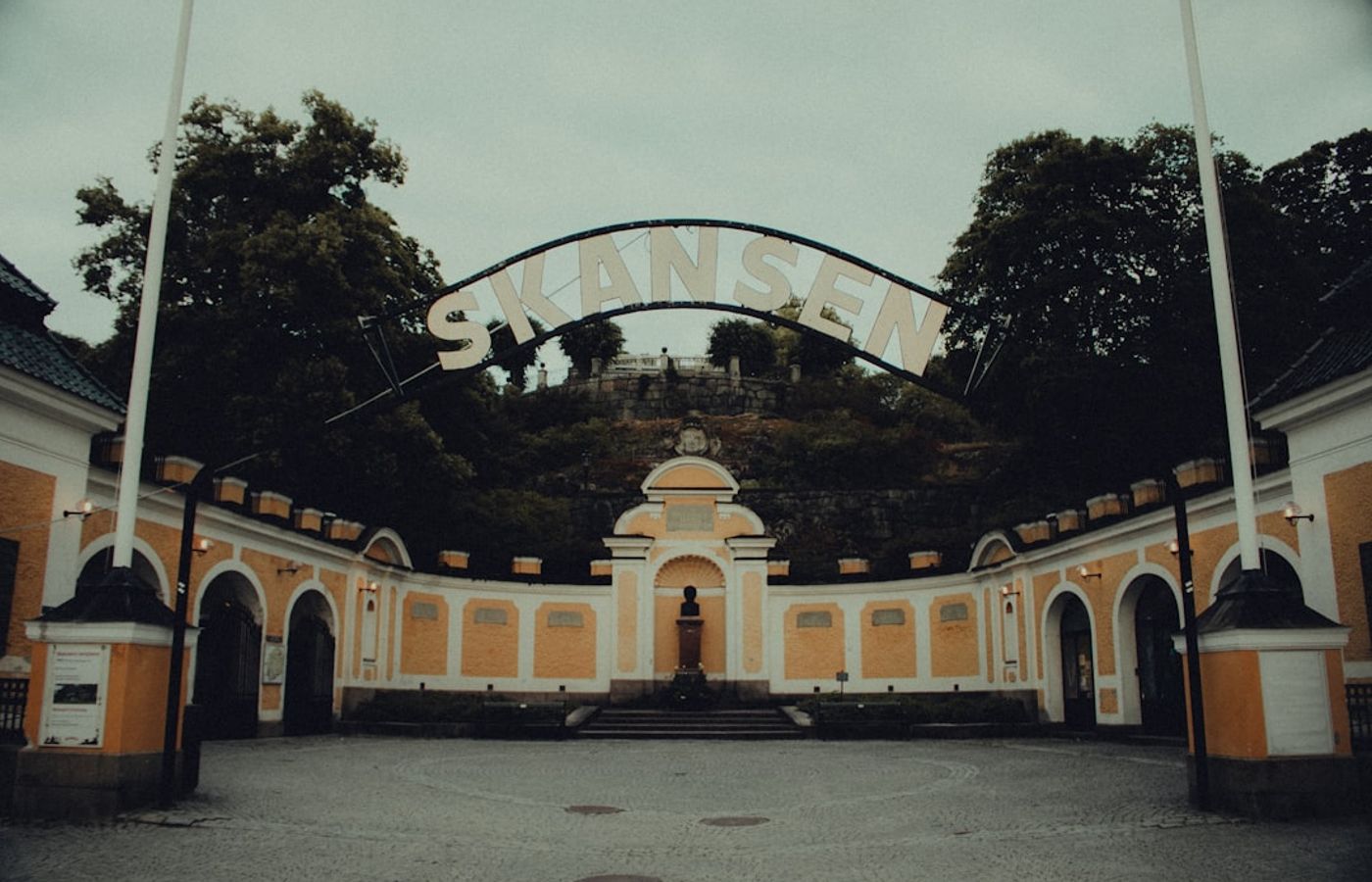
Skansen occupies a hillside on Djurgården and has been running since 1891, when founder Artur Hazelius transported over 150 historic buildings from across Sweden to preserve a vanishing way of life. The site covers 30 hectares and functions as both a living museum and a zoo featuring Nordic animals - brown bears, wolves, lynx, wolverines, elk, and reindeer roam enclosures set into the landscape. Staff in period costume demonstrate traditional crafts including glassblowing, bread-baking, and leather-tanning in the original workshops.
The buildings span five centuries and represent every Swedish region - a Sami camp from Lapland, a 1720s wooden church from Seglora, farmsteads from Dalarna, and an entire urban quarter recreating 19th-century Stockholm. Skansen also serves as one of the city's main event venues: Midsummer celebrations in June, the Christmas Market (Julmarknad) in December, and Allsång på Skansen - Sweden's biggest communal sing-along broadcast on national television every Tuesday in summer.
6Stockholm City Hall (Stadshuset) - Home of the Nobel Prize Banquet
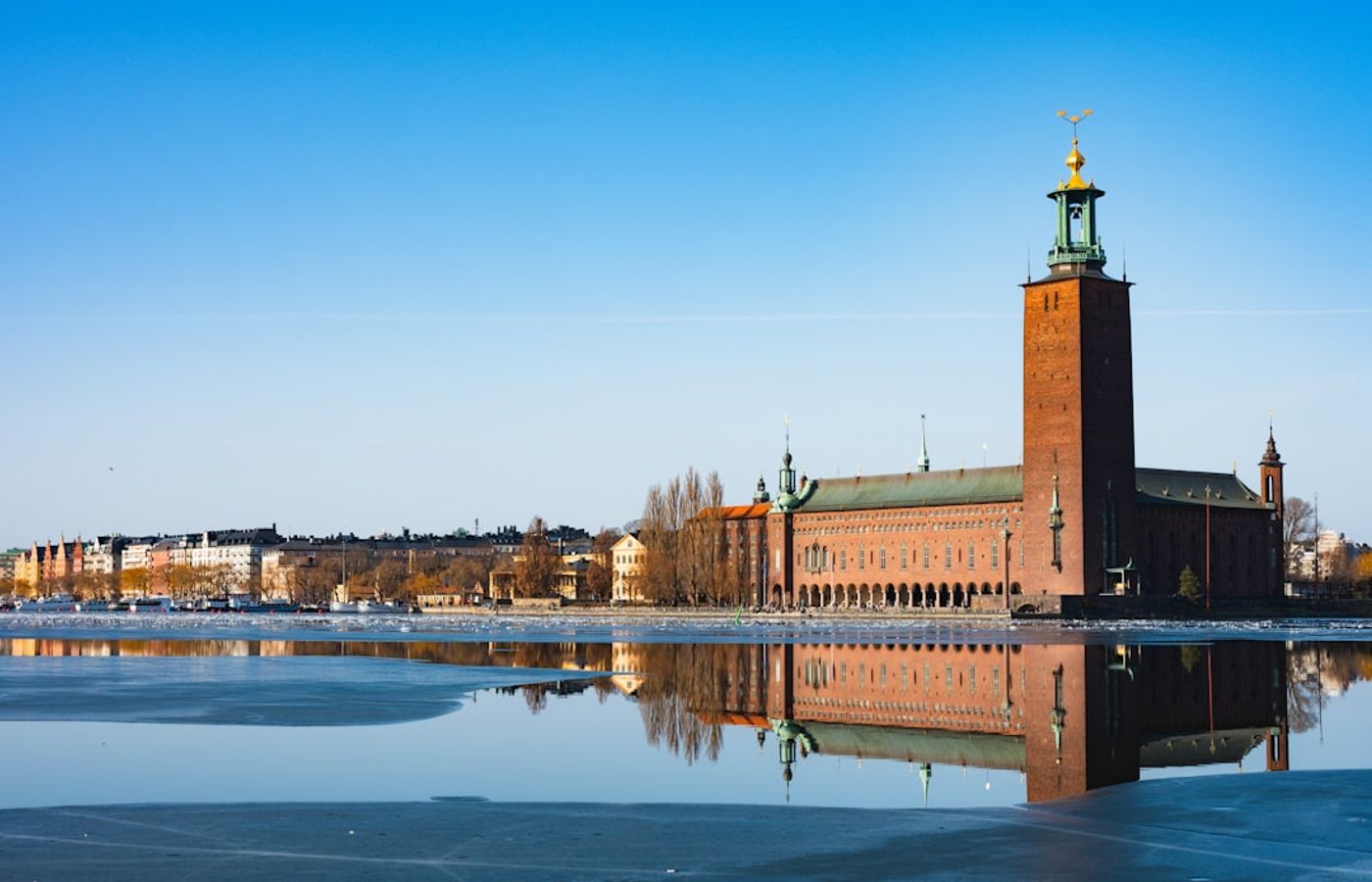
Stadshuset, Stockholm City Hall, stands on the Kungsholmen waterfront and is best known as the venue for the annual Nobel Prize banquet held every 10 December. Architect Ragnar Östberg designed the building in a national romantic style, and it took 12 years to complete (1911-1923). The exterior is 8 million handmade red bricks and a copper-topped tower crowned with the Tre Kronor (Three Crowns), the symbol of Sweden, glinting 106 metres above the water.
Interior access is by guided tour only - they run in English roughly every 30 minutes and last about 45 minutes. The Blue Hall (which is actually red - Östberg changed his mind about painting the brick but the name stuck) hosts the Nobel banquet for 1,300 guests each year. Upstairs, the Golden Hall is covered in over 18 million gold mosaic tiles depicting Swedish history, the seasons, and religious iconography. The mosaic work took 12 artisans over two years to complete.
7Fotografiska - Contemporary Photography with Harbour Views
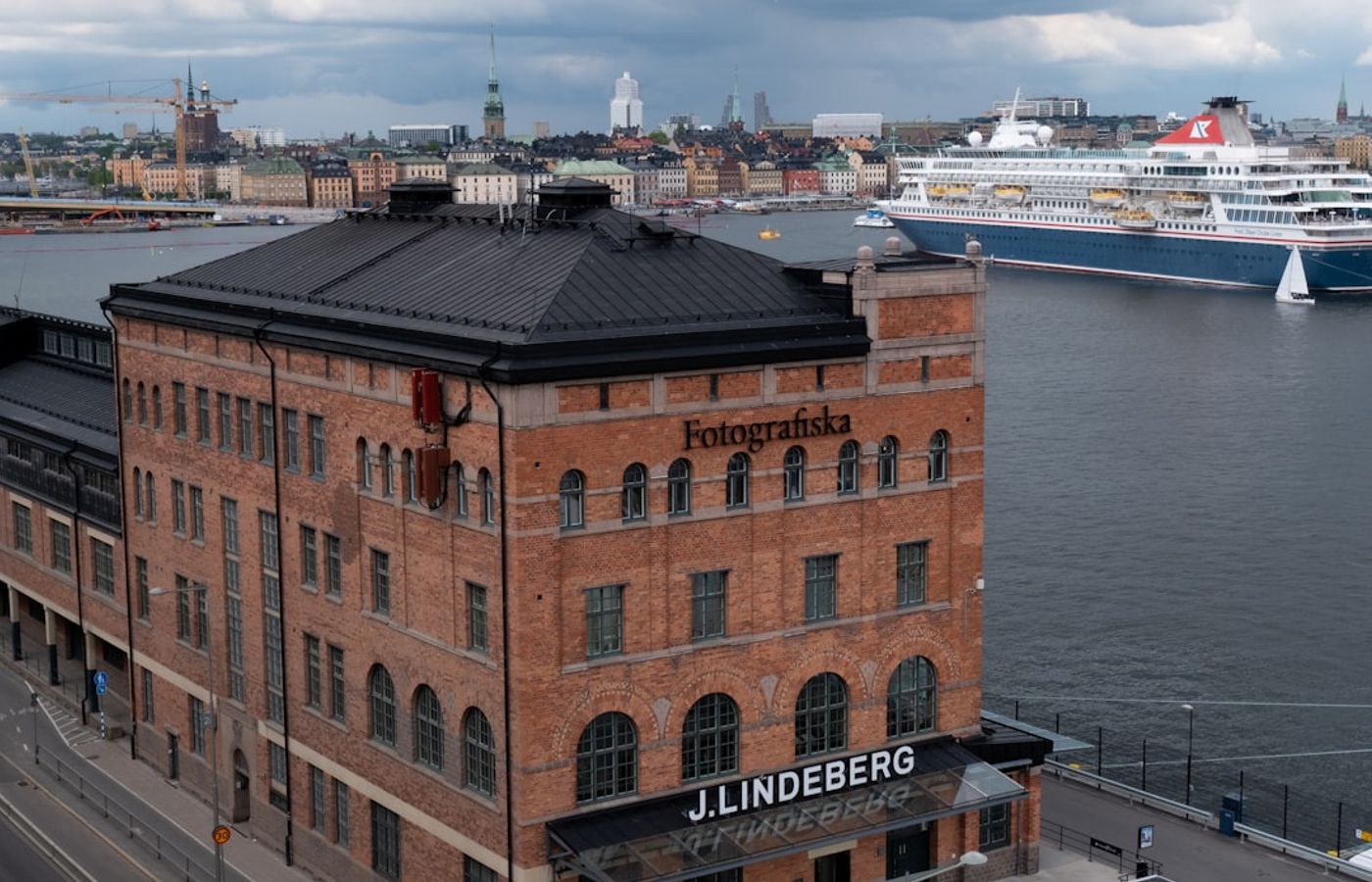
Fotografiska occupies a converted 1906 Art Nouveau customs house on Stadsgårdshamnen, the harbour waterfront between Slussen and Södermalm. The museum hosts three to four major photography exhibitions at any given time, rotating roughly every quarter. Past shows have featured Annie Leibovitz, David LaChapelle, and Helmut Newton alongside emerging Swedish photographers. The exhibition space spans 2,500 square metres across four floors, and the curatorial standard is consistently high.
Beyond the exhibitions, Fotografiska's top-floor restaurant and bar has become a destination in its own right. The panoramic window overlooks Stockholm harbour, Djurgården island, and the Gröna Lund amusement park skyline. The restaurant focuses on plant-based Swedish cuisine and serves until late. The ground-floor shop stocks a strong selection of photography books, prints, and Scandinavian design objects.
8Södermalm - Panoramic Views and Creative Culture
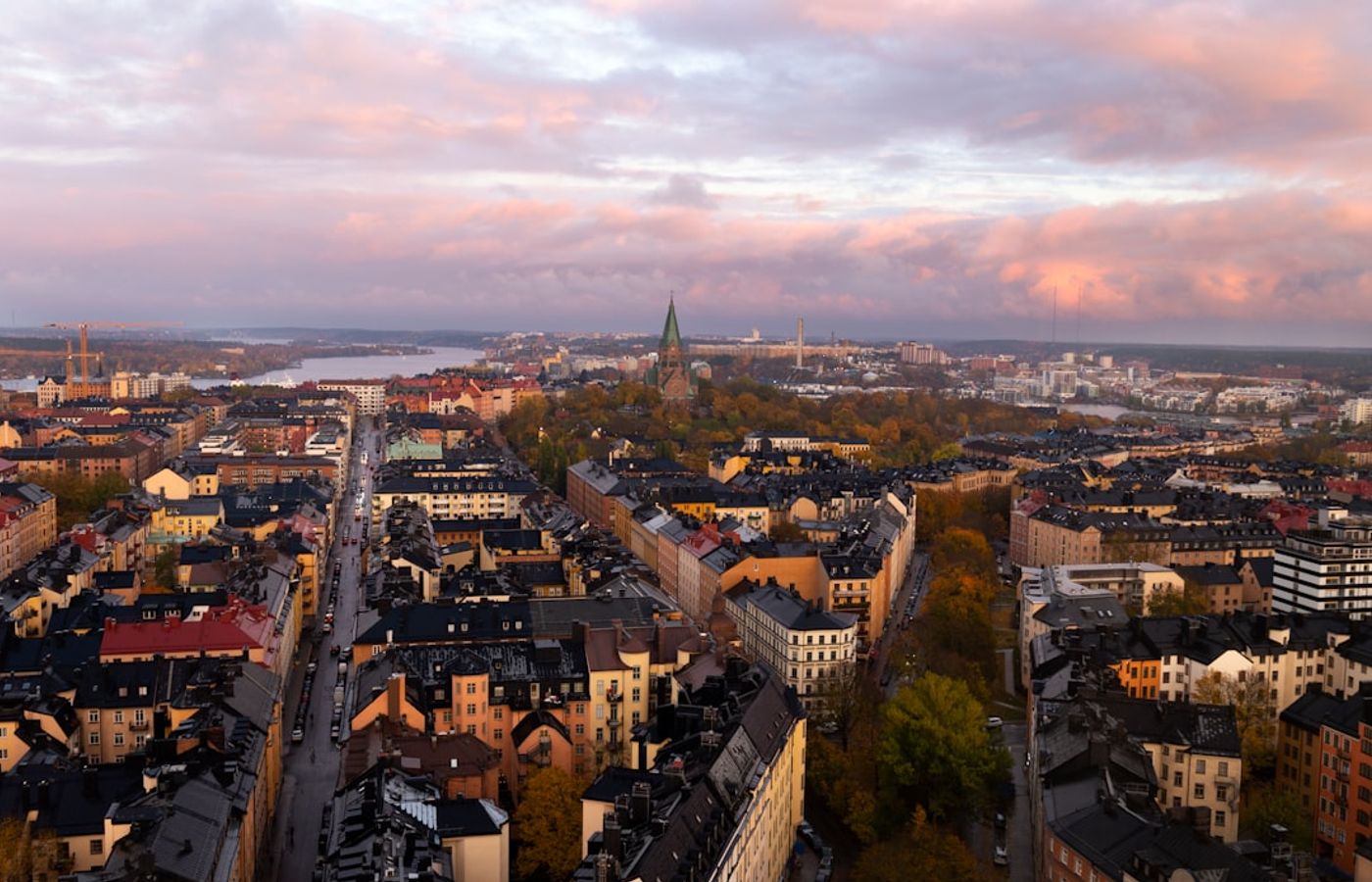
Södermalm is Stockholm's largest island and the neighbourhood with the strongest independent character. The northern cliffs along Söder Mälarstrand offer some of the finest panoramic views in the city - Monteliusvägen, a 500-metre clifftop walking path, looks directly across the water to Gamla Stan, Stockholm City Hall (Stadshuset), and Riddarholmen church. Fjällgatan, on the eastern side, provides an equally dramatic outlook across the harbour to Djurgården. Both are free and accessible at any hour.
Away from the viewpoints, Södermalm functions as Stockholm's creative district. SoFo (South of Folkungagatan) concentrates independent boutiques, vintage shops, record stores, and cafes - it is the area most Stockholmers would recommend for a lazy afternoon of browsing. Götgatan is the main commercial artery, but the streets east and west of it have more personality. Nytorget square is the de facto living room of the neighbourhood, surrounded by cafe terraces that fill up from morning to evening in warmer months.
9Storkyrkan (Stockholm Cathedral) - Gothic Heart of Gamla Stan
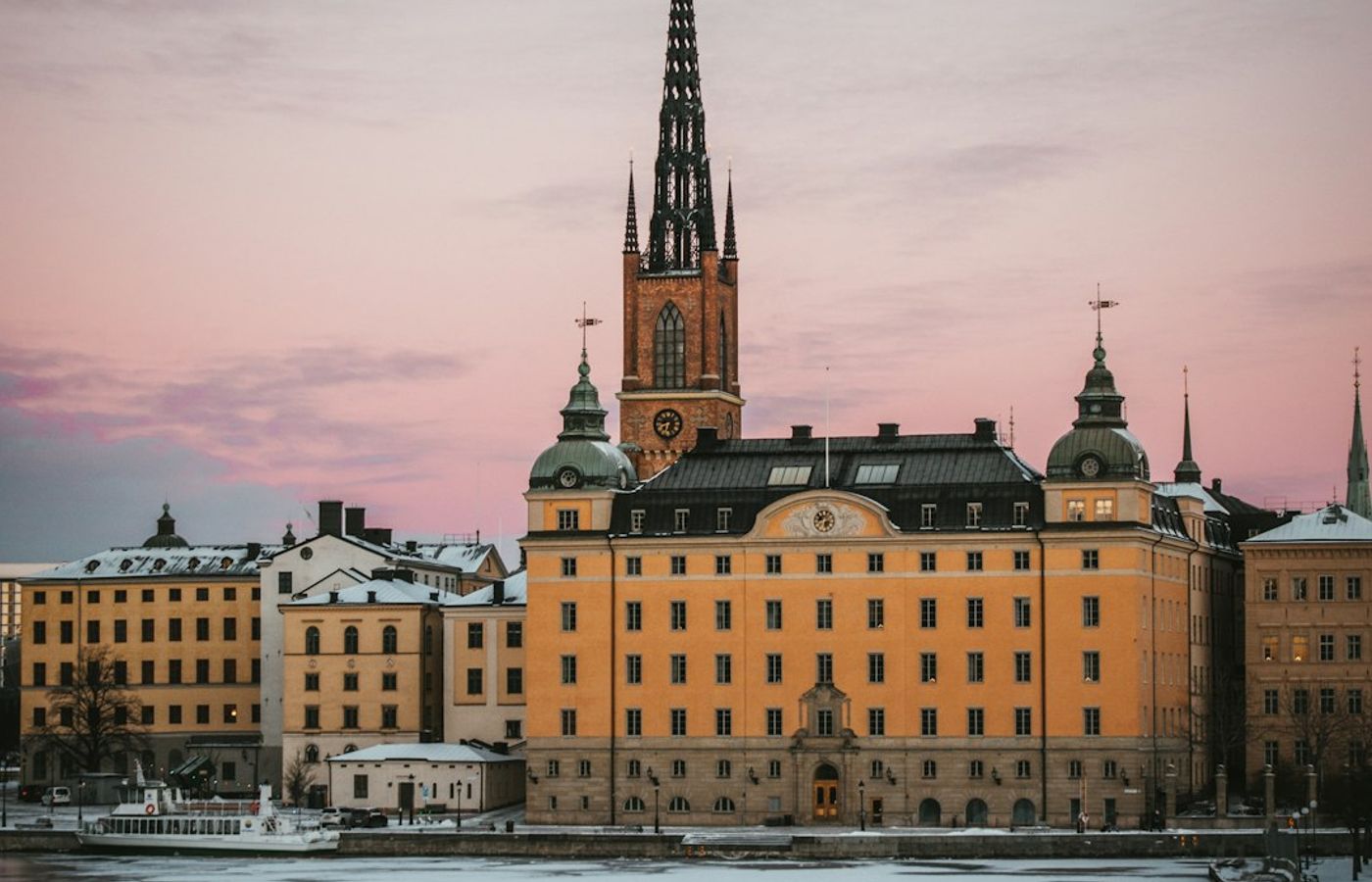
Storkyrkan, Stockholm's Cathedral, stands on the highest point of Gamla Stan just steps from the Royal Palace. The church dates back to 1279, making it the oldest church in Stockholm's old town. The exterior is baroque - remodelled in the 1740s to match the Royal Palace next door - but step inside and the original medieval brick vaulting reveals the building's 13th-century origins. Swedish monarchs were crowned here for centuries, and royal weddings still take place in the nave.
The artistic centrepiece is the wooden sculpture of Saint George and the Dragon, carved by Bernt Notke in 1489. Commissioned to commemorate the Swedish victory at the Battle of Brunkeberg in 1471, it stands over 3 metres tall and retains much of its original painted colour - a rare survival for a medieval work of this scale. The Vädersolstavlan (Sun Dog Painting), displayed near the entrance, is the oldest known depiction of Stockholm, painted in 1535 and showing the city skyline with an unusual atmospheric phenomenon above it.
10Stockholm Archipelago - 30,000 Islands on Your Doorstep

The Stockholm Archipelago stretches roughly 80 km east from the city centre into the Baltic Sea, comprising around 30,000 islands, skerries, and rocks. It is the largest archipelago in Sweden and one of the most accessible in Europe - ferries from central Stockholm reach the inner islands in under an hour. Waxholmsbolaget operates the main public ferry routes, with departures from Strandvägen (Nybroplan) and Strömkajen. A day trip to Vaxholm, the unofficial capital of the archipelago, takes about 75 minutes each way and includes a well-preserved 16th-century fortress in the harbour.
For beaches and nature, Grinda (2 hours from the city) offers swimming, kayaking, and walking trails across a car-free island. Sandhamn (2.5 hours) sits at the outer edge of the archipelago and has a sailing village atmosphere with a few restaurants and bakeries along the harbour. In summer, faster boats run direct services to popular islands and cut travel time significantly. The archipelago season runs roughly May to September, though some inner-island routes operate year-round.
Take this guide with you
Get every place in this guide, with addresses and map links, in your inbox — easy to open on your phone during the trip.
One email to the address on your account. No newsletter.

CEO and co-founder
Tomas is the co-founder and director of trip1, an European company specializing in reservation services. He launched the company in 2025 with a focus on building scalable, efficient operations.
10 Best Things to Do in Stockholm - FAQ
The Vasa Museum, a 17th-century warship salvaged in 1961 with over 98% of its original timber, comes first. Then walk Gamla Stan's medieval alleys and Stortorget, see the Royal Palace, and spend an afternoon at Skansen, the open-air museum on Djurgarden. Finish on the Monteliusvagen clifftop path on Sodermalm, a free walk with the best view of the old town.
Yes. Three days covers the main sights at a realistic pace of three or four a day. Spend one day on Gamla Stan, Storkyrkan and the Royal Palace plus a City Hall tour, one on Djurgarden for the Vasa Museum, ABBA The Museum and Skansen, and one on Fotografiska, Sodermalm and a ferry to Vaxholm in the archipelago, about 75 minutes each way.
Pair Gamla Stan with Djurgarden. Walk the old town alleys before 10:00, when tour groups arrive, and see the Royal Palace and Storkyrkan next door. After lunch, take tram 7 or the ferry to Djurgarden for the Vasa Museum, allowing about two hours. End at golden hour on the Monteliusvagen path on Sodermalm, looking back across the water to Gamla Stan.
Plenty for a small island. Stortorget, the oldest square in the city, the Royal Palace with its Treasury and Changing of the Guard, and Storkyrkan with its 1489 Saint George carving sit within a few minutes of each other. Look for Marten Trotzigs Grand, only 90 cm wide, and walk Prastgatan rather than busy Vasterlanggatan for a quieter route through the alleys.
Yes. It holds the only almost fully intact 17th-century ship ever salvaged: Vasa sank on her maiden voyage in 1628 and was raised 333 years later, with over 98% of her timber original. Allow 1.5 to 2 hours. The museum opens at 8:30 from June to August and at 10:00 the rest of the year, so arrive at opening to beat the crowds.
It is best to. Tickets are sold for timed slots and daily capacity is limited, so book online, especially in summer, when it gives the best price and your preferred time. The museum is cashless, so bring a card. Most visitors spend 1.5 to 2 hours on the interactive singing, dancing and mixing booths, which work best on a quieter weekday afternoon.