
Guides · Istanbul
Istanbul in October: Weather, Crowds and Prices

CEO and co-founder
Istanbul in October is the month the city becomes comfortable again. The August humidity has broken, the Bosphorus is still warm enough to sit beside at dusk, and the queues at Hagia Sophia shorten from mid-month. This guide covers 11 places and events worth planning around in 2026, each with the exact address, the nearest tram, metro or ferry, and a Pro Tip that assumes rain is possible and crowds are not the problem they were in July.
On the weather: daytime highs run about 22C in the first week and fall to roughly 17C by the end of the month, with overnight lows dropping from around 15C to 11C. Expect 60 to 80 mm of rain across 10 to 12 days, usually in short bursts rather than all-day drizzle, and increasing cloud through the month. The Bosphorus holds near 18C. Daylight averages about 11 hours.
One thing that separates Istanbul from every European city on this list: Turkiye abolished daylight saving in 2016 and stays on UTC+3 year-round, so there is no clock change in late October. Sunset moves gently from about 6.50pm on 1 October to 6.10pm on the 31st instead of jumping back an hour. One date fixes the calendar, Republic Day on 29 October. Everything else clusters in Sultanahmet, along the Golden Horn, or out on the water.
1Hagia Sophia - Fifteen Hundred Years Under One Dome
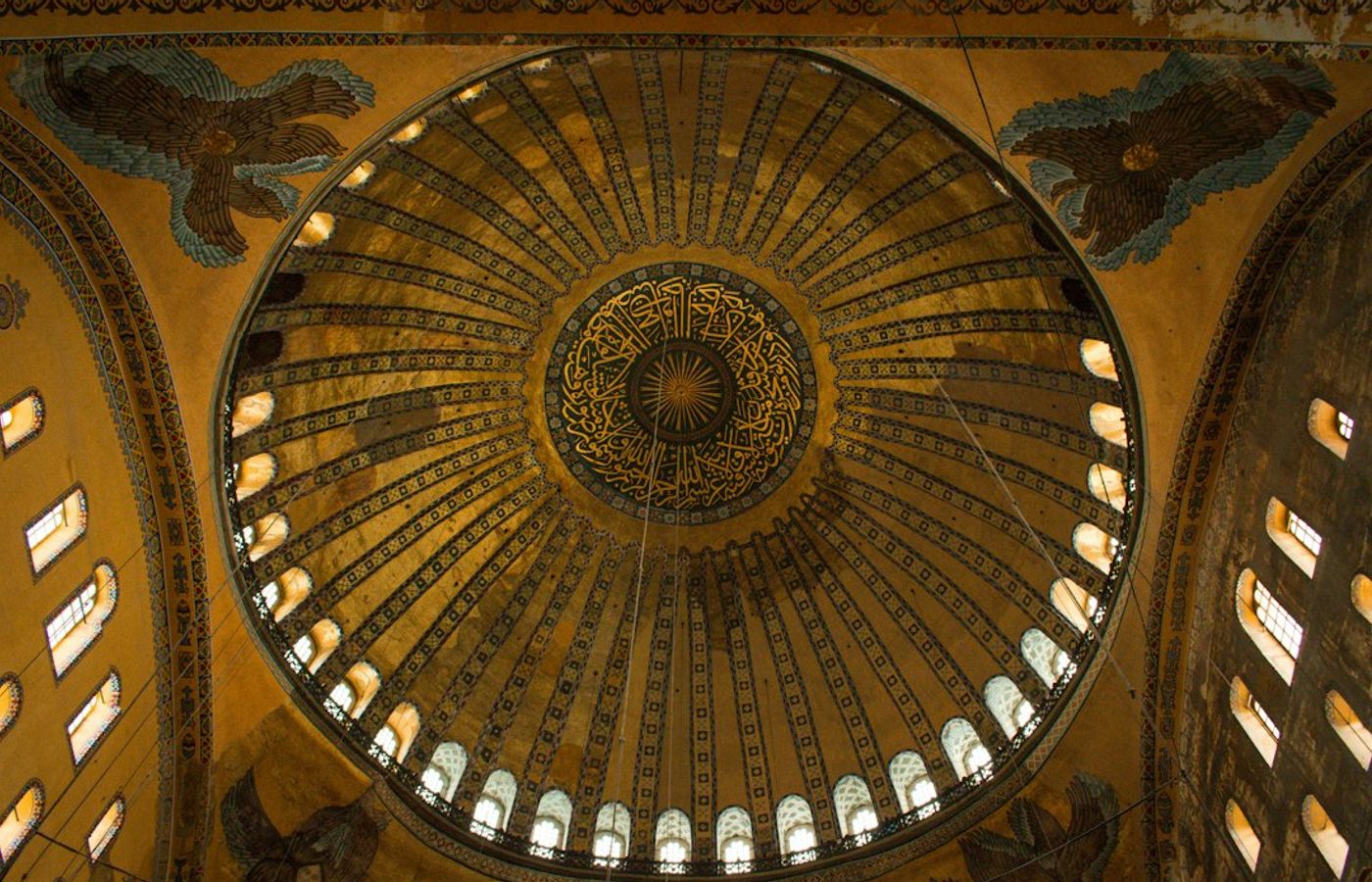

Hagia Sophia was completed in 537 as the cathedral of Constantinople, converted to a mosque in 1453, made a museum in 1935 and returned to use as a mosque in 2020. Its dome spans 31 metres and stood as the largest in the world for nearly a thousand years. The Byzantine gold mosaics survive in the upper gallery, and the layering of Christian and Islamic decoration in one room is the reason the building matters. Ticketing for the major state sites is handled through the national museums portal.
Arrangements have changed since it became a working mosque. The ground floor is a prayer space, foreign visitors pay for access to the upper gallery, and the building closes to tourists during the five daily prayers and for longer on Friday around midday. Shoulders and knees must be covered and women need a head covering, with scarves available at the door. October is when the queue drops from an hour to about fifteen minutes.
Pro Tip: Check the prayer timetable the night before and aim for the gap between the dawn and midday prayers, which in October is roughly 8am to 12.30pm. Avoid Friday mornings entirely. The mosaics in the upper gallery need daylight, so this is a morning visit rather than an afternoon one.
2A Bosphorus Cruise - Clear Air and Empty Decks
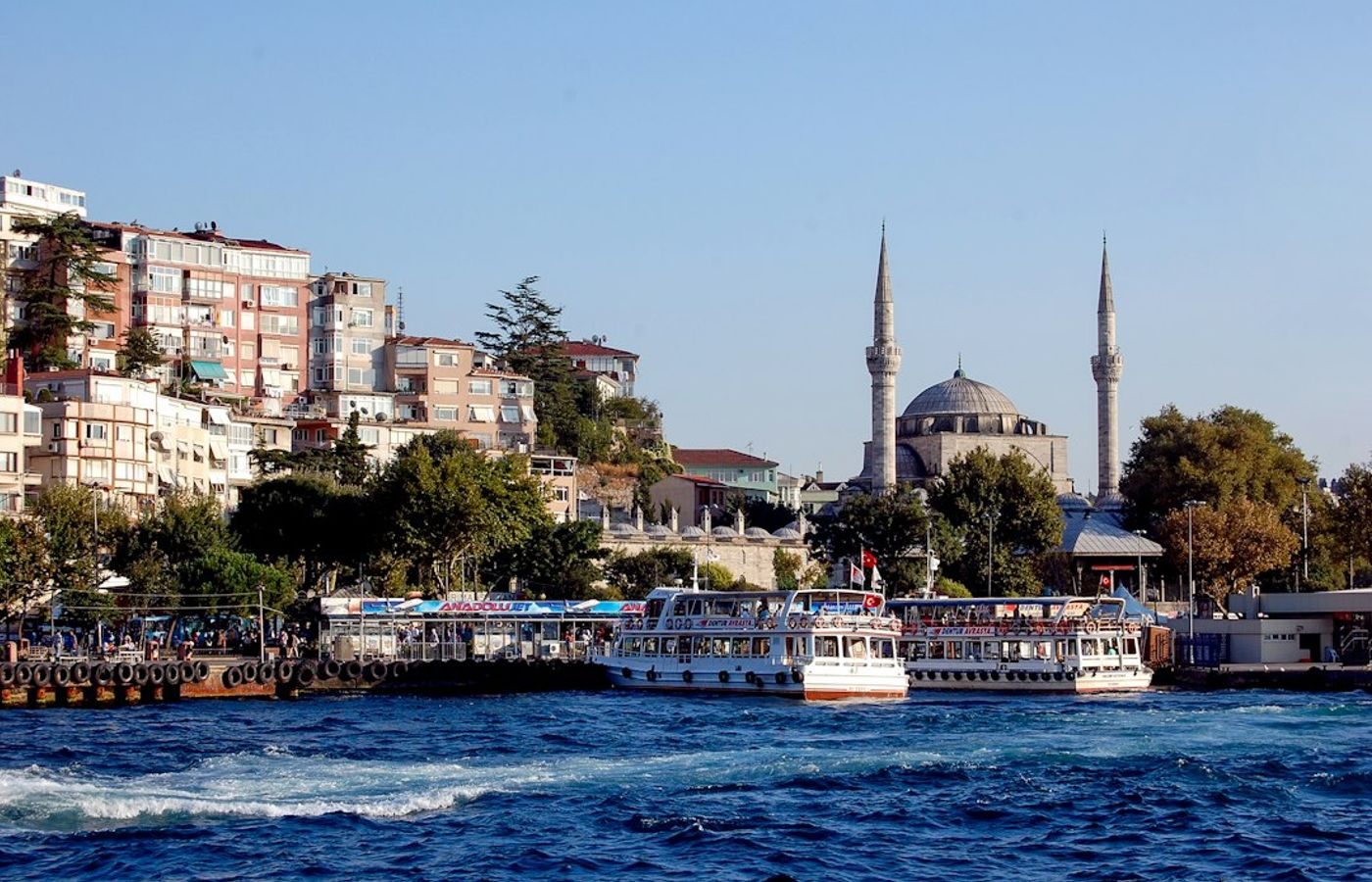

The Bosphorus is the strait dividing Europe from Asia, 31 kilometres from the Sea of Marmara to the Black Sea, and going out on it is the single best thing to do in Istanbul. The public Sehir Hatlari long Bosphorus cruise leaves Eminonu, runs up to Anadolu Kavagi near the Black Sea mouth and back, and takes most of a day. A shorter two-hour round trip covers the built-up stretch with the Ottoman waterfront mansions, the Rumeli Hisari fortress and the three bridges.
October is the right month for this. Summer haze has cleared so the hills on both banks are sharp, the water holds near 18C so the wind off it is bearable rather than biting, and the boats are not full. The public ferry costs a fraction of a private tour and runs the same route. Sit on the upper deck on the right heading north for the European shore, then swap coming back.
Pro Tip: Take the ordinary commuter ferry from Eminonu to Kadikoy instead if you are short on time. It costs the price of a bus fare on an Istanbulkart, takes 20 minutes, and gives you the same skyline of domes and minarets from the water that the tour boats charge properly for.

3The Grand Bazaar - Four Thousand Shops and a Dry Roof
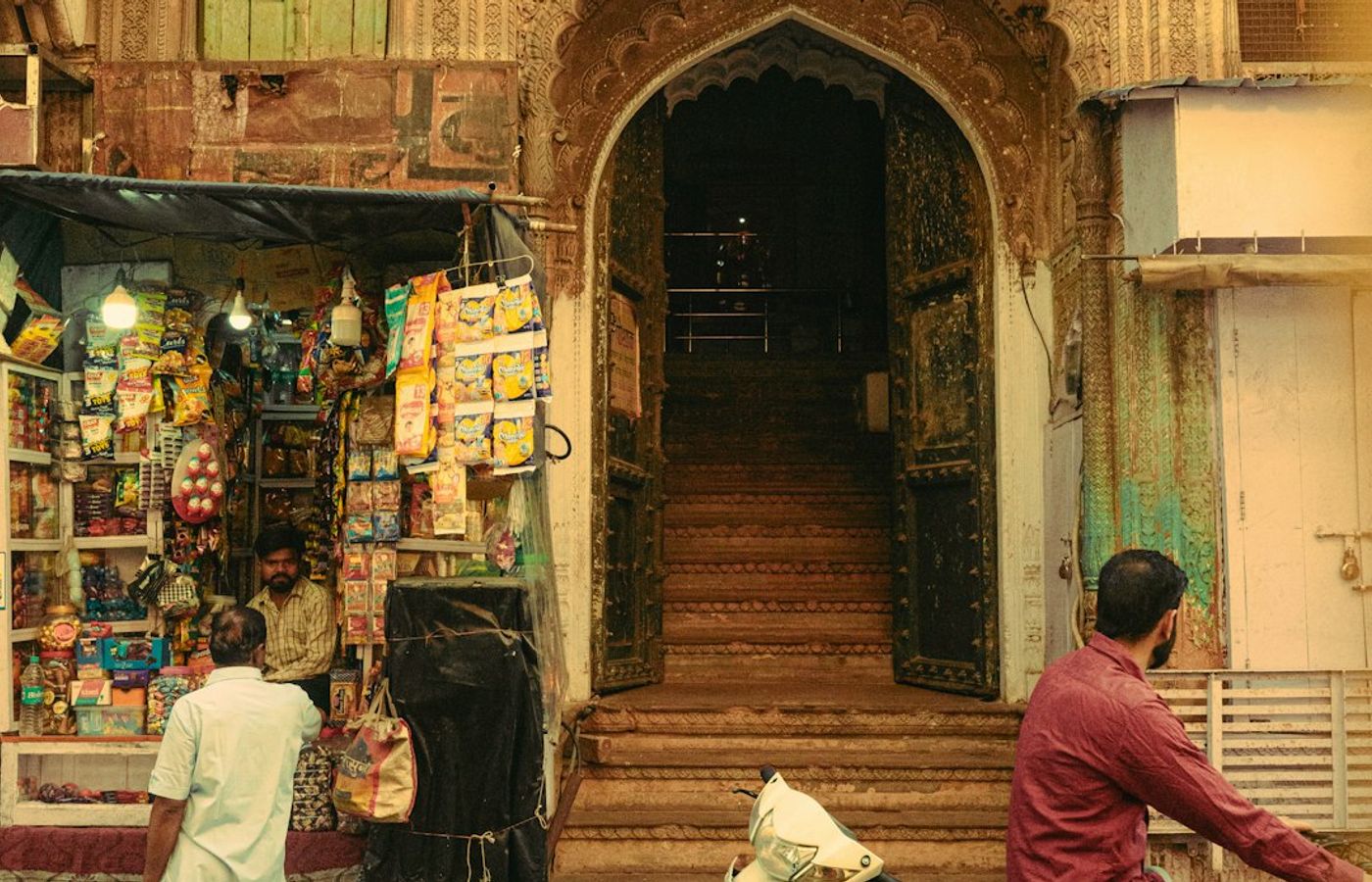

The Grand Bazaar has been trading since 1461, when Mehmed the Conqueror ordered the first covered hall built after taking the city. It now runs to around 4,000 shops along 61 covered streets under painted vaults, with 22 gates, and it is among the largest and oldest covered markets anywhere. Carpets, gold, ceramics, leather and lamps dominate, and the Ic Bedesten at the centre is the original core where the highest-value goods were locked up each night.
It closes on Sundays and public holidays and shuts around 7pm otherwise. Haggling is expected and the opening number is usually well above what the seller will accept. October matters here mostly because it is indoors and dry, which makes it the obvious plan when the rain arrives. Getting lost is unavoidable and mostly the point; the gates are numbered and signposted in English.
Pro Tip: Walk out of the western gates into the Beyazit book market and the streets around Mahmutpasa. That is where Istanbul actually shops, prices are a third of the bazaar's, and it is a five-minute walk from the tourist core.
4Republic Day - 29 October and Fireworks Over the Bosphorus
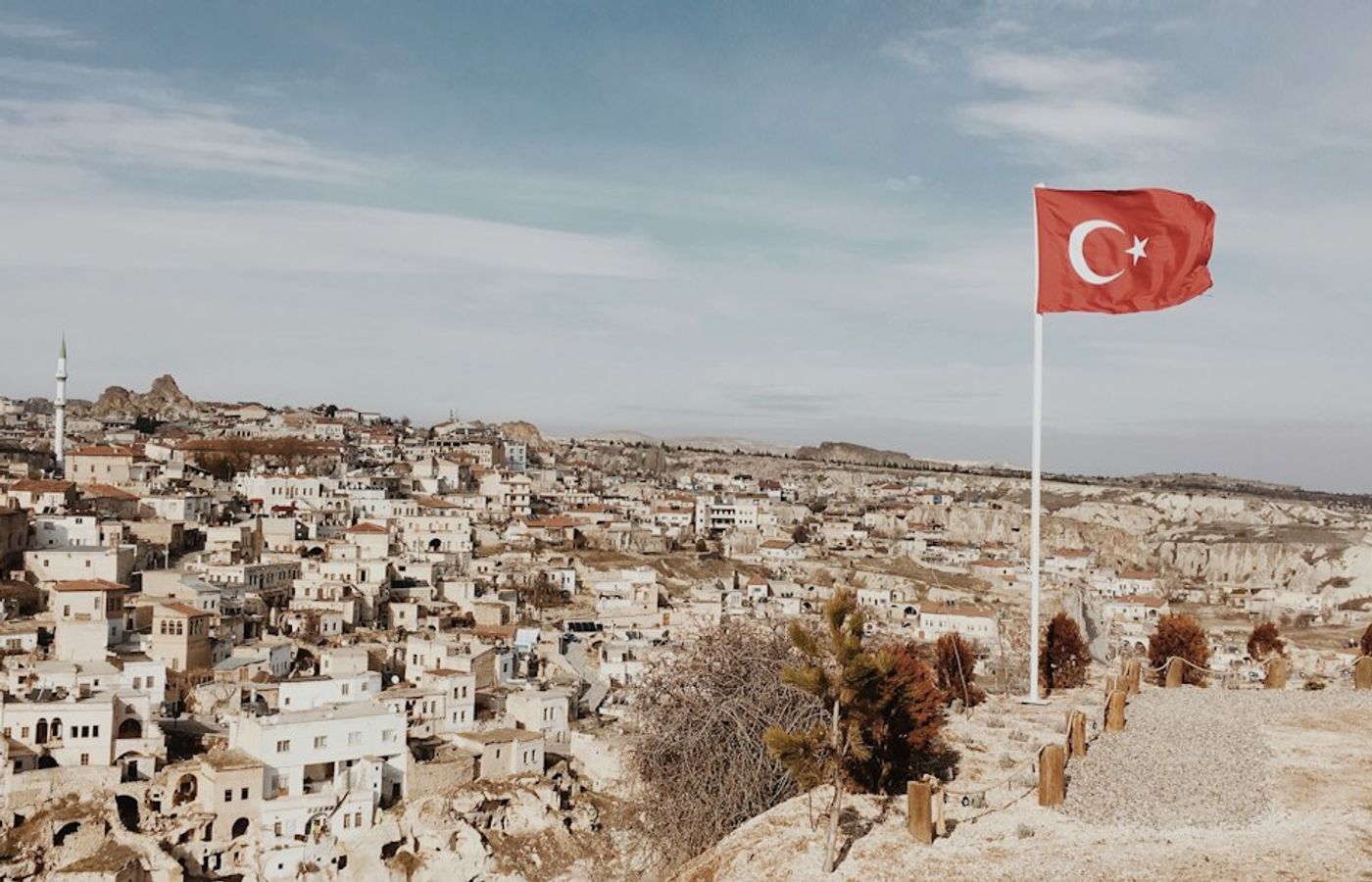
Republic Day falls on 29 October and marks the proclamation of the Turkish Republic in 1923, making 2026 the 103rd anniversary. It is the largest national holiday in the country. Taksim Square and the Bosphorus shoreline are the focus in Istanbul, with flags hung the length of Istiklal Caddesi, ceremonies at the Republic Monument, evening fireworks over the water and boat parades on the strait.
The eve of the holiday on 28 October is a half-day for many workers and the atmosphere builds through that afternoon. Practical consequences: government offices, banks and some museums close on the 29th, central roads shut for parades, and ferry timetables shift. Public transport is often free or discounted for the day. Crowds on Istiklal Caddesi in the evening are substantial.
Pro Tip: Watch the fireworks from the water rather than from Taksim. A regular commuter ferry crossing the Bosphorus around 8pm on the 29th puts you in the middle of the display for the price of a fare, while everyone else is shoulder to shoulder on the shoreline.
5Topkapi Palace - Four Courtyards and a Two-Sea View
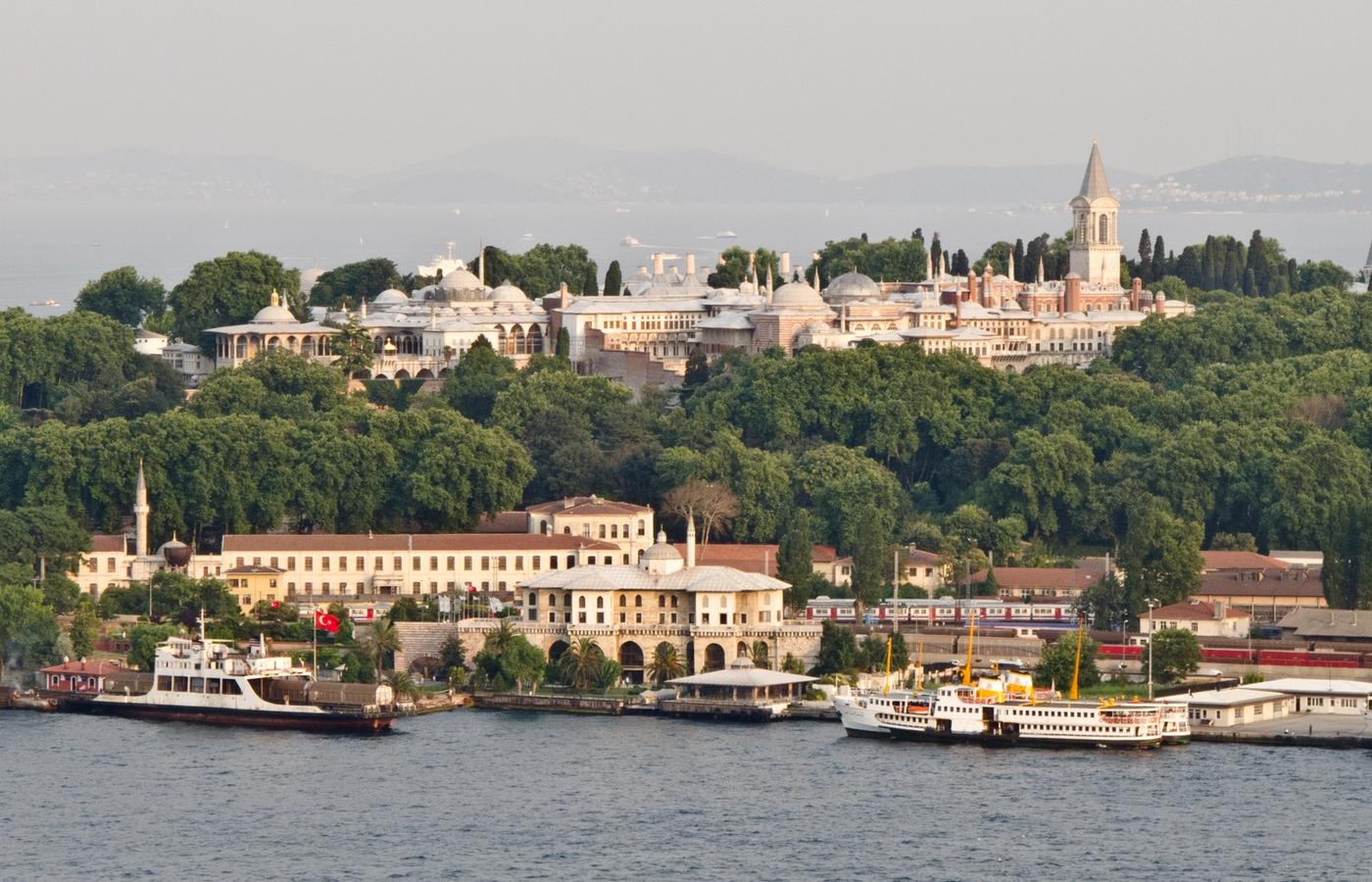
Topkapi Palace was the seat of the Ottoman sultans for roughly 400 years from the 1460s, and it is laid out as four successive courtyards rather than a single building, each one more restricted than the last. The Imperial Treasury holds the Topkapi Dagger and the Spoonmaker's Diamond, and the Sacred Relics rooms hold objects attributed to the Prophet Muhammad. The Harem is a separate ticket and is the part most worth adding.
Allow three hours minimum. The palace closes on Tuesdays. The fourth courtyard, on the point of the peninsula, is the reason to come in October: terraces and tulip gardens looking out over the Bosphorus and the Golden Horn at the same time, with the summer heat gone and the air clear enough to see the Asian shore properly.
Pro Tip: Book the first slot and go to the Treasury and the Harem first, before working back out through the courtyards. Everyone else moves in numerical order from the first courtyard, which means the Treasury queue is longest around 11am and shortest at opening.
6The Blue Mosque - Twenty Thousand Iznik Tiles
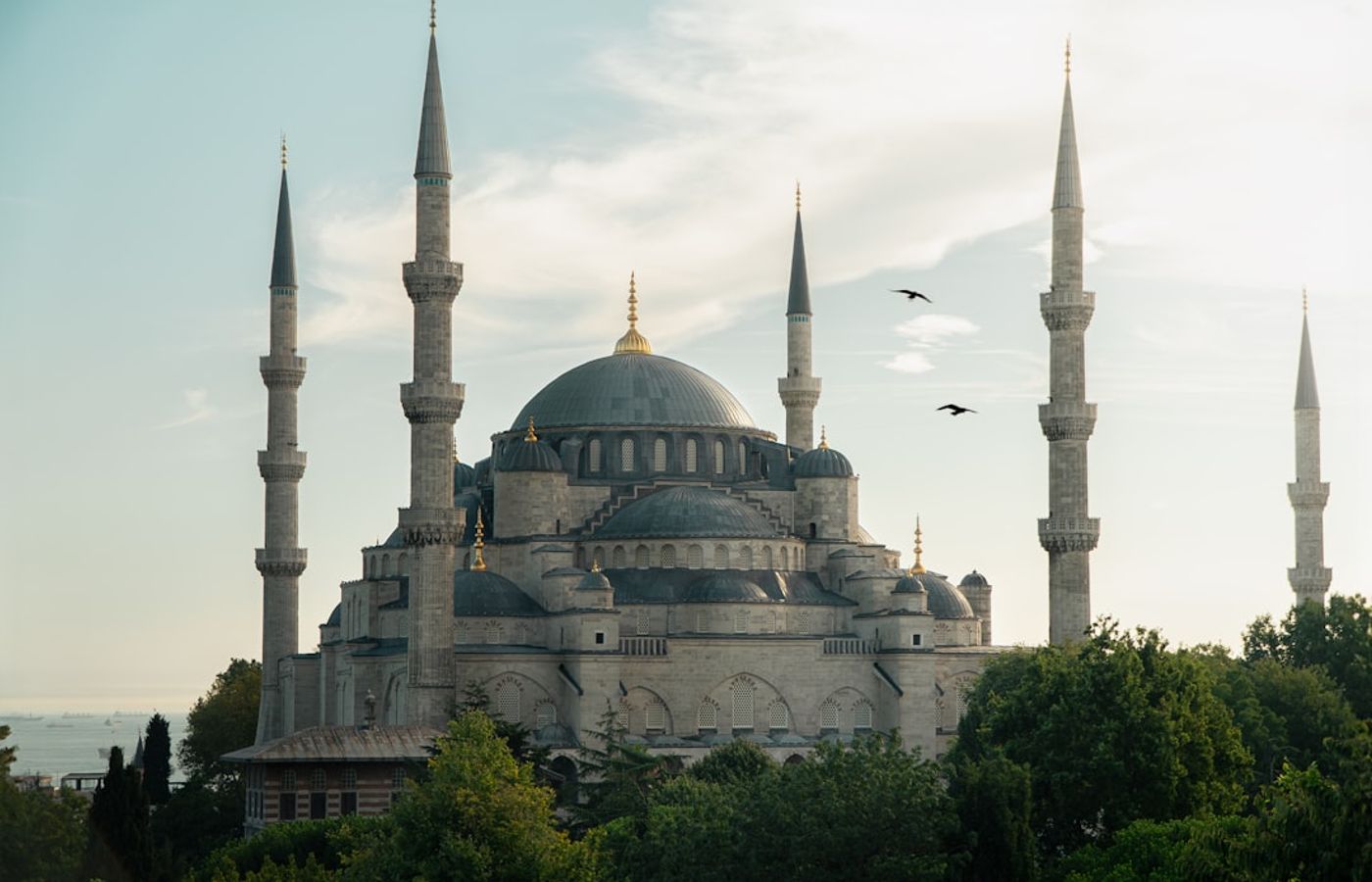
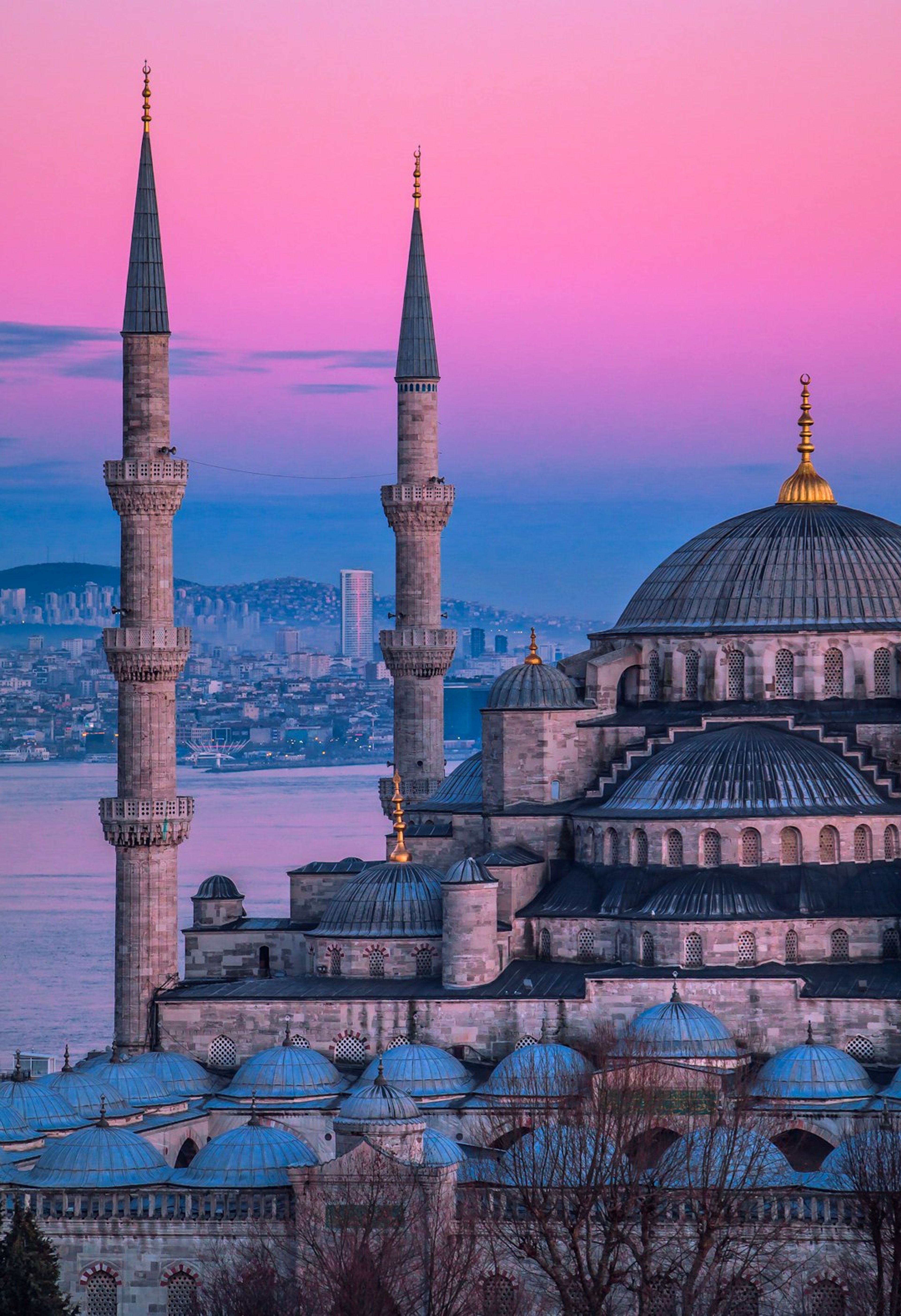
The Sultan Ahmed Mosque, universally called the Blue Mosque, was completed in 1617 and takes its nickname from the roughly 20,000 hand-painted Iznik tiles lining the upper interior, most of them in blue and white. It has six minarets, which caused a scandal at the time because it matched the Great Mosque of Mecca. It faces Hagia Sophia directly across a small park, and seeing the two within an hour of each other is the standard Istanbul morning.
Entry is free. It is an active mosque, so it closes to visitors during the five daily prayers and for around 90 minutes on Friday midday, and there is a separate tourist entrance on the southern side. Shoes come off, shoulders and knees are covered, and women need a head covering. The tiles need light, so grey October afternoons genuinely dull the interior.
Pro Tip: Come back to the park between the two mosques at sunset. Both buildings are floodlit, the crowd has thinned, and in October that happens around 6.30pm rather than late at night, so you can do it before dinner rather than instead of it.
7The Basilica Cistern - 336 Columns Under the City
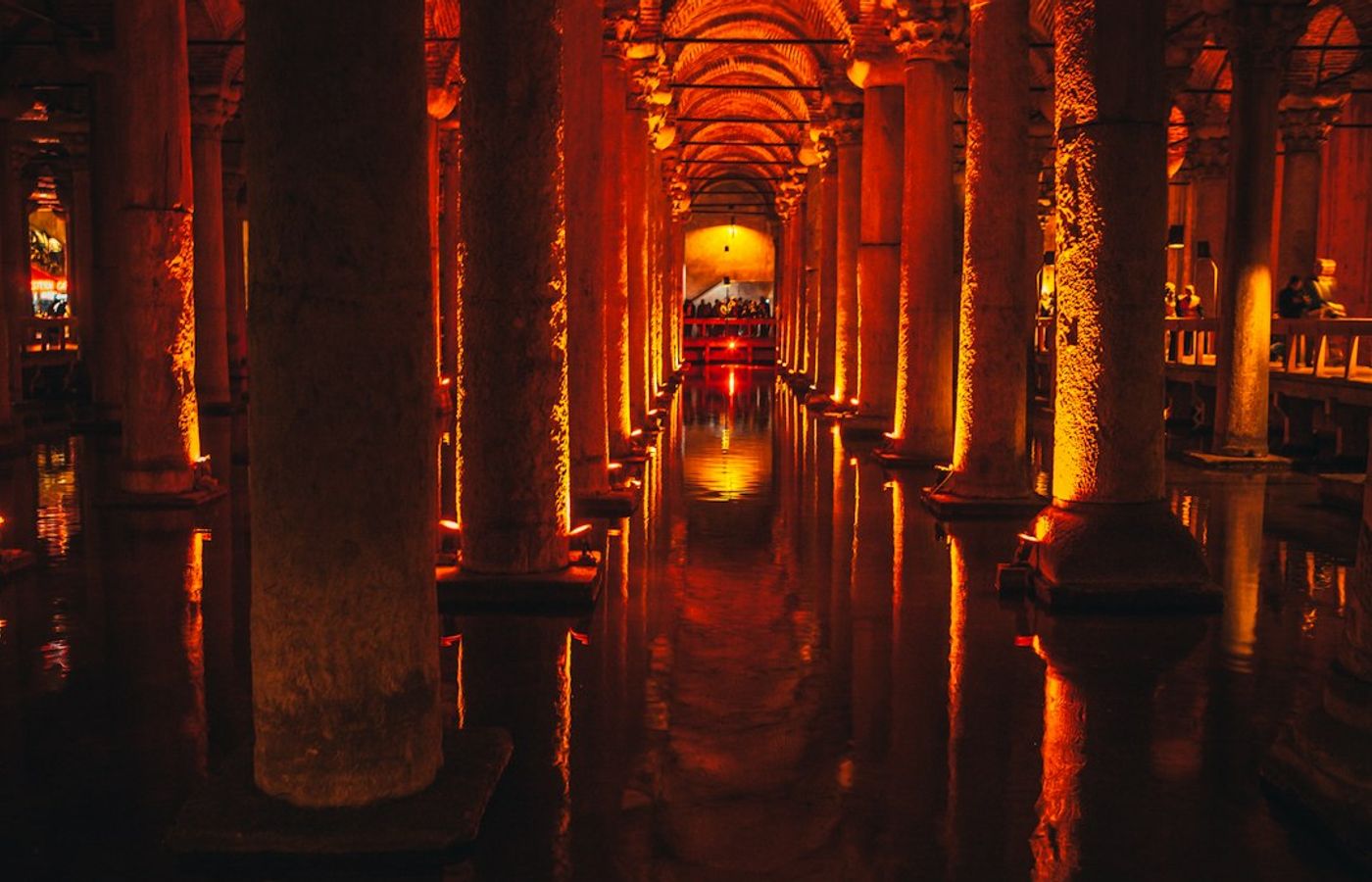
The Basilica Cistern was built under Justinian in 532 to store water for the Great Palace, and it is an underground chamber the size of a cathedral: 336 marble columns in twelve rows holding up a brick vault, standing in shallow water. Many of the columns were salvaged from older Roman buildings, which is why two of them rest on carved Medusa heads, one upside down and one on its side, with no surviving explanation for either.
A restoration completed a few years ago added raised walkways, lighting and sound installations, which divides opinion but makes the space easier to move through. It takes 45 minutes. Tickets are timed and evening slots cost more. This is the best wet-weather entry in Sultanahmet, being fully underground and a two-minute walk from Hagia Sophia.
Pro Tip: Keep this one in reserve rather than booking it for a fixed morning. October rain arrives in short heavy bursts, and having an underground site two minutes from wherever you are standing in Sultanahmet is worth more than a slot you booked for a day that turned out clear.
8The Spice Bazaar and Eminonu - Chestnut and Pomegranate Season
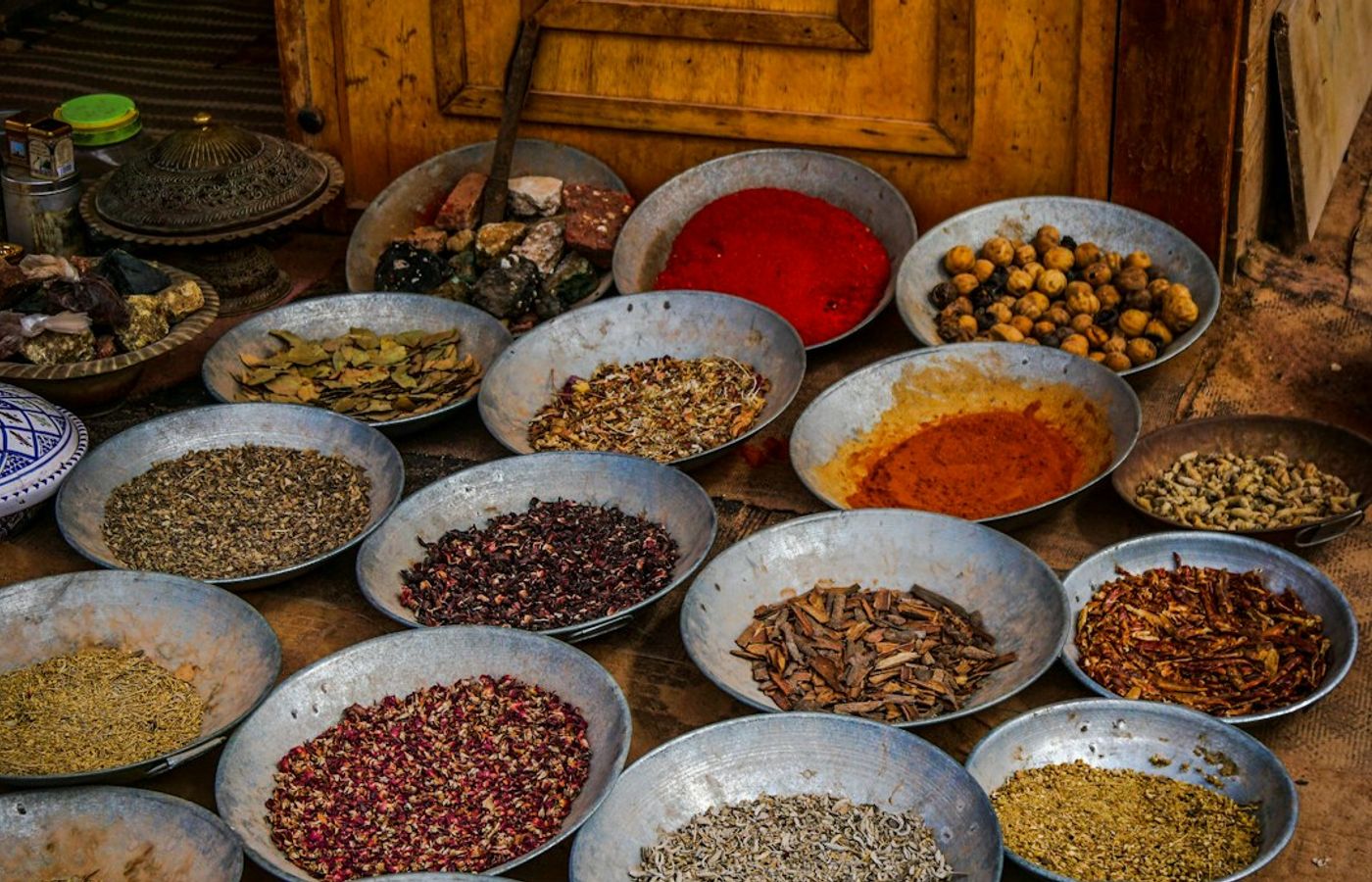
The Spice Bazaar was completed in 1664 as part of the New Mosque complex, funded by duties on goods from Cairo, which is why Turkish speakers still call it the Egyptian Bazaar. It is far smaller than the Grand Bazaar, an L-shaped hall of about 85 shops, and denser: saffron, sumac, dried fruit, Turkish delight, pistachios and tea piled in open sacks under vaulted brick.
October is harvest season and the streets outside are better than the hall itself. The lanes running west towards Rustem Pasa Mosque hold the fish market, the pickle sellers, the coffee grinders at Kurukahveci Mehmet Efendi and the cheese shops, all of them selling to Istanbul rather than to visitors. New-season walnuts, pomegranates, quince and chestnuts all arrive now, and roasted chestnut carts appear on the streets through the month.
Pro Tip: Buy nothing inside the hall. Walk out of the western end into the surrounding streets, where the same saffron and pistachios sell for a fraction of the price to local shoppers, then climb the stairs to Rustem Pasa Mosque, which has better Iznik tilework than the Blue Mosque and almost no visitors.
9Suleymaniye Mosque - Sinan's Best Room and a Free Terrace
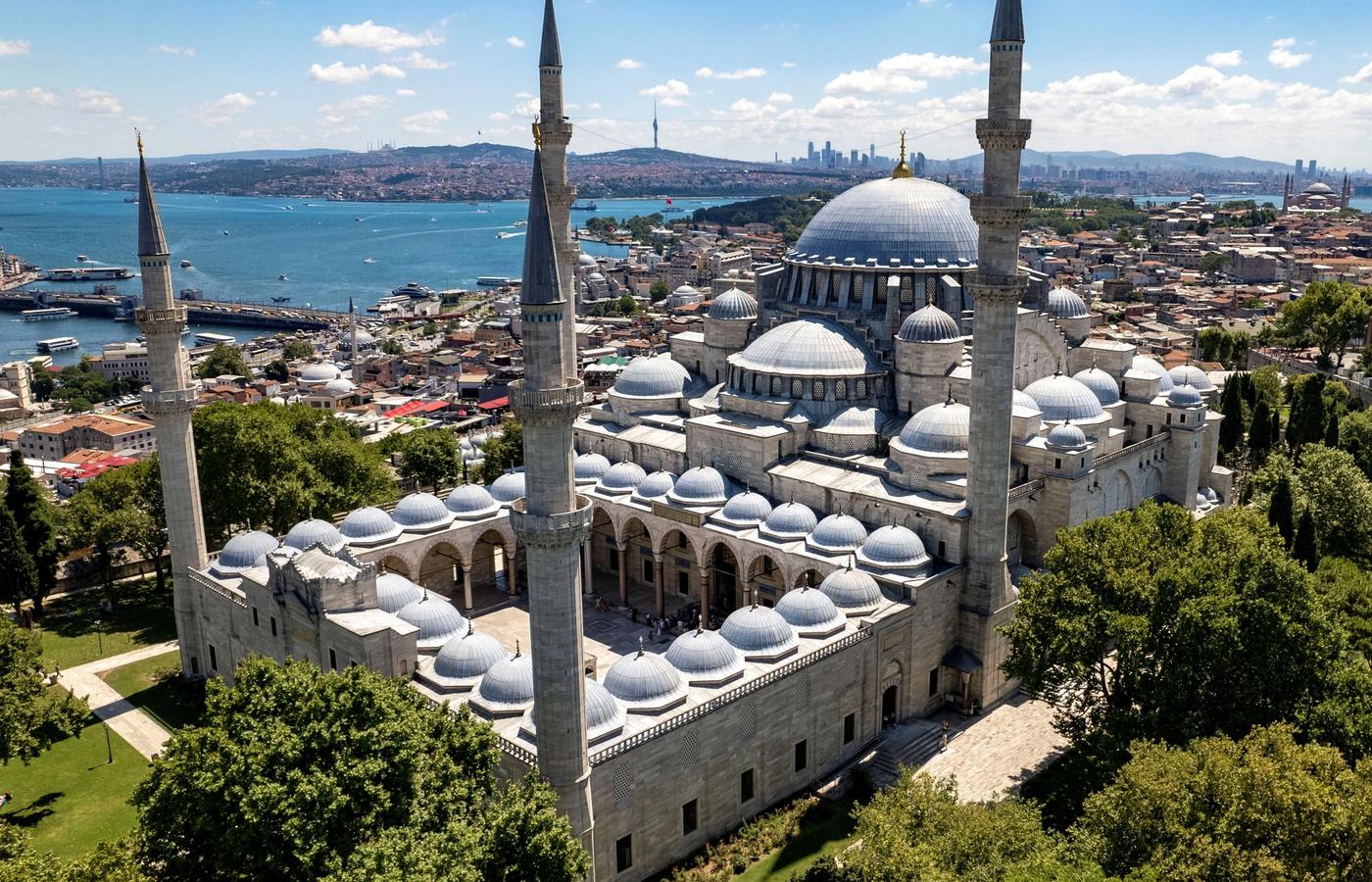
Suleymaniye Mosque was built between 1550 and 1557 by Mimar Sinan for Suleiman the Magnificent, and Sinan, the greatest Ottoman architect, is buried in a small tomb just outside its walls. It sits on the third hill of the old city and is the largest Ottoman mosque in Istanbul. The interior is deliberately plainer than the Blue Mosque, lit by 138 windows, and most people find it the better room of the two.
The terrace on the northern side is the real reason to climb up here. It looks straight down over the Golden Horn to Galata and the Bosphorus beyond, and it is free, open and usually almost empty. The tombs of Suleiman and his wife Hurrem Sultan are in the garden behind. Entry to the mosque is free, with the same dress rules and prayer-time closures as elsewhere.
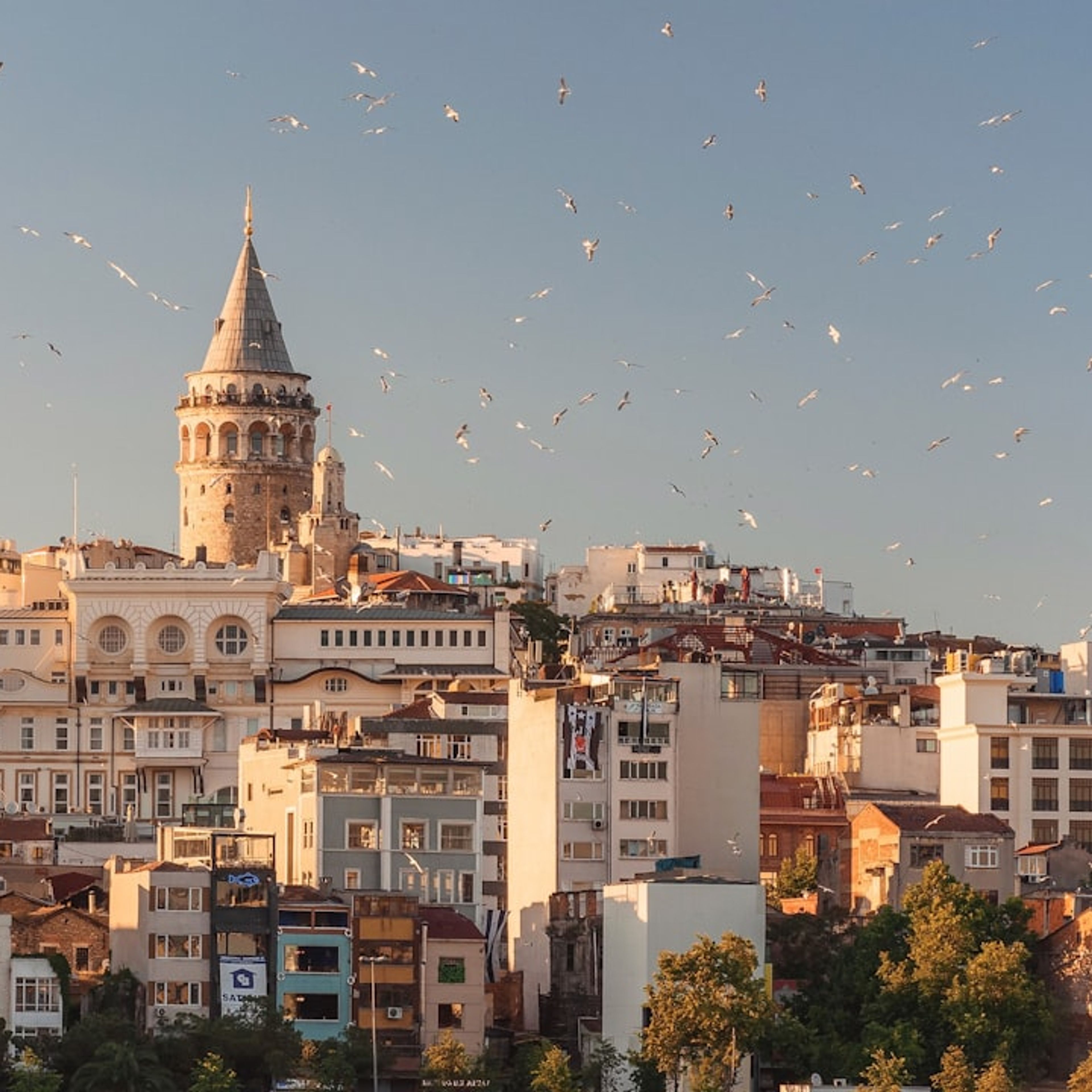
Pro Tip: Go an hour before sunset and stay on the north terrace. The low October sun lands directly on the Galata Tower across the water, and the call to prayer from Suleymaniye's minarets over that view is the best free thing in Istanbul.
10Buyukada and the Princes' Islands - Car-Free Pine Woods
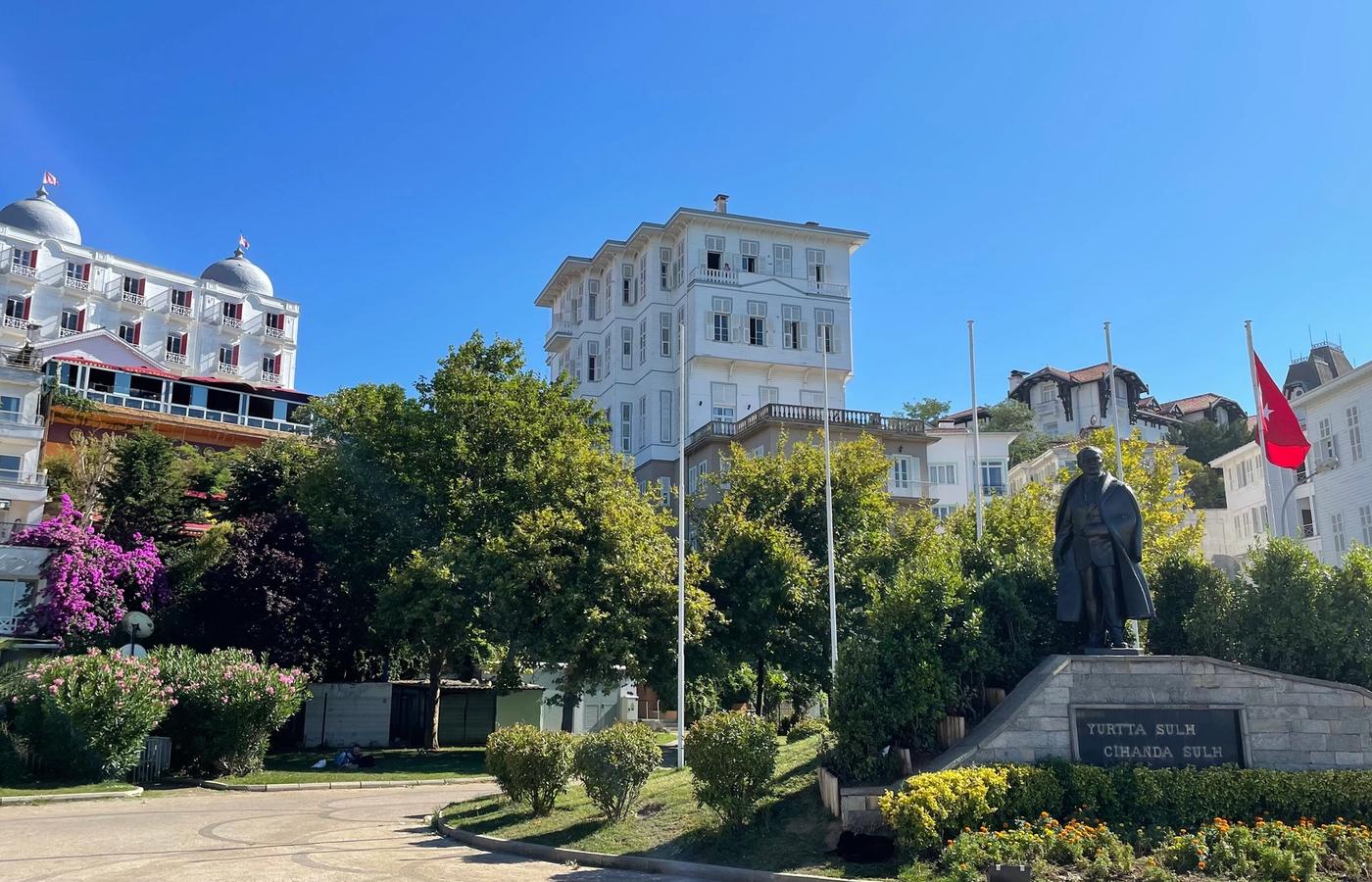
The Princes' Islands sit in the Sea of Marmara an hour or so southeast of the city, and Buyukada is the largest. Byzantine emperors exiled inconvenient royals here, which is where the name comes from, and Trotsky spent four years on the island from 1929. The draw now is the 19th-century wooden mansions, the pine woods and the almost total absence of cars: private motor vehicles are banned and transport is electric shuttles, bicycles and walking.
October is the best month to go. The summer day-tripper crowds that make the island unpleasant in August have gone, the pine woods are cool enough to walk in, and the ferry deck is comfortable. The climb to the Greek Orthodox monastery of Aya Yorgi at the southern summit takes about 40 minutes and gives a long view back over the Marmara. Ferries run from Kabatas and Eminonu.
Pro Tip: Check the return ferry timetable before you leave the terminal, not after. Autumn sailings are less frequent than summer ones, the last boat back is earlier than people assume, and missing it on a car-free island is an expensive mistake.
11Balat and Fener - Painted Houses on the Golden Horn
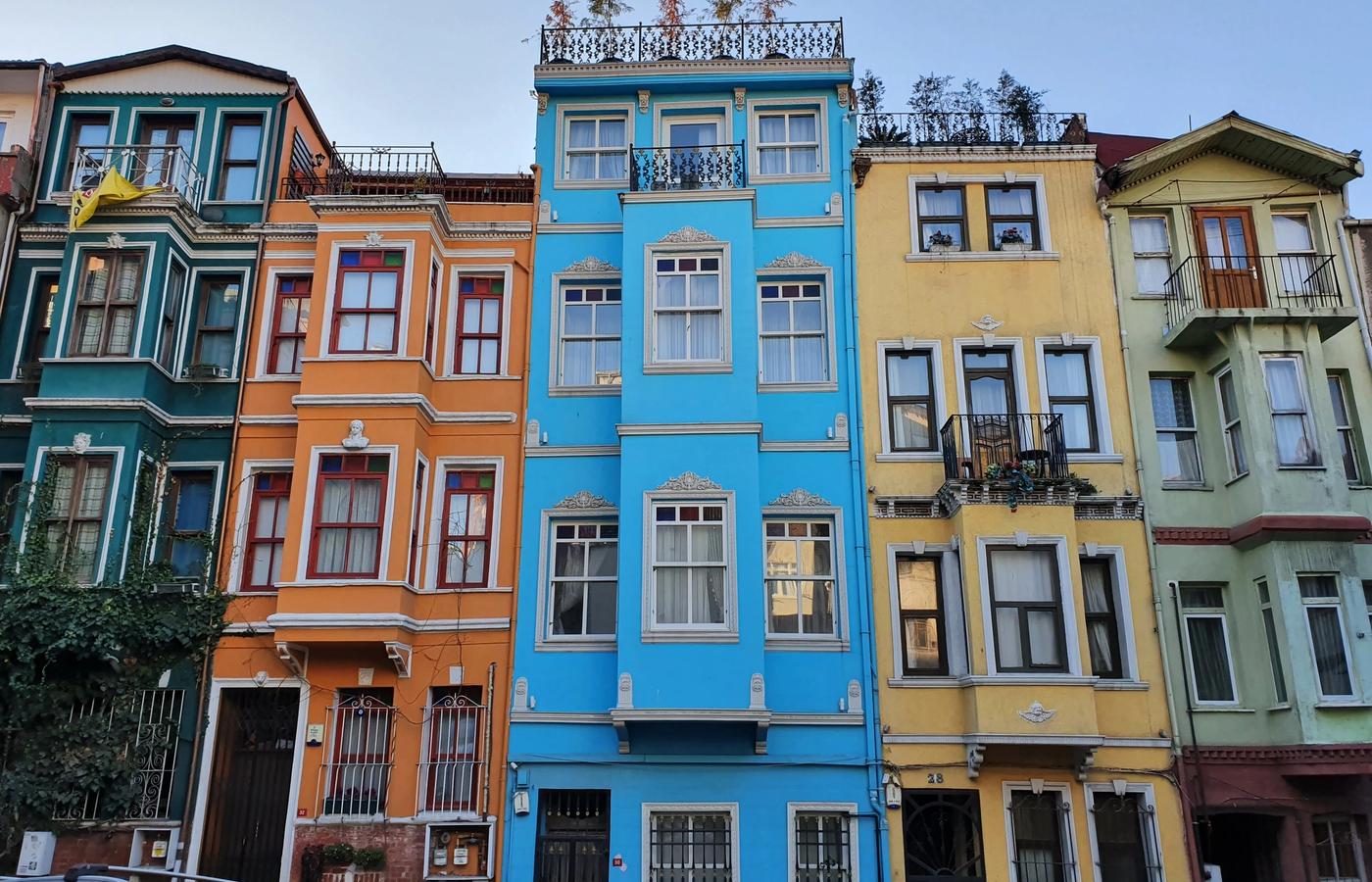
Balat and neighbouring Fener run along the Golden Horn northwest of the old city and were historically the Jewish and Greek quarters of Ottoman Istanbul. What survives is a hillside of narrow lanes and painted timber houses in ochre, red and blue, plus the Ahrida Synagogue dating to the 15th century, the iron-built Bulgarian St Stephen Church on the waterfront, and the red-brick Phanar Greek Orthodox College standing over the whole district.
This is a walking entry rather than a ticketed one and it takes a couple of hours. The lanes climb steeply from the shore, the cafes are small and largely local despite a recent wave of attention, and October light on the painted facades is better than the flat glare of summer. It is a residential neighbourhood, so the usual courtesies apply about photographing doorways and people.
Pro Tip: Arrive by ferry to Ayvansaray or Fener rather than by bus. You come in from the water with the whole hillside of coloured houses rising in front of you, which is the view that makes sense of the place, and the walk up from the shore sets the route for you.

CEO and co-founder
Tomas is the co-founder and director of trip1, an European company specializing in reservation services. He launched the company in 2025 with a focus on building scalable, efficient operations.
Istanbul in October: Weather, Crowds and Prices - FAQ
No. Four is realistic. Sultanahmet alone holds four of these within ten minutes of each other, but Topkapi Palace absorbs three hours on its own and the Princes' Islands need a full day once the ferry is counted. Four days covers the list comfortably, and Istanbul rewards a slower pace than most cities on this list.
Cluster by peninsula. Day one is Sultanahmet: Hagia Sophia, the Blue Mosque, the Basilica Cistern and Topkapi Palace, all within walking distance. Day two runs west along the Golden Horn: the Grand Bazaar, Suleymaniye Mosque, the Spice Bazaar and a Bosphorus cruise from Eminonu. Day three is Balat and Fener. Day four takes the ferry to Buyukada. If you are here on 29 October, Republic Day takes that evening.
Three. Topkapi Palace and the Basilica Cistern both use timed entry and both are worth booking, and the Harem at Topkapi is a separate ticket. Hagia Sophia now charges foreign visitors for the upper gallery and sells online slots. Mosques including the Blue Mosque and Suleymaniye are free to enter outside prayer times. The bazaars, Balat, the Bosphorus ferry and the Princes' Islands ferry all need nothing booked.
Ticket prices for foreign visitors at the major sites have risen sharply in recent years and are usually quoted in euros, so check current rates before budgeting rather than relying on older figures. Set against that, public transport on an Istanbulkart is very cheap, the public Bosphorus ferry costs a fraction of a tour boat, and five entries on this list are free. October is shoulder season, so accommodation is well below the summer peak.
It is the best month, on balance. Daytime highs run around 22C early in October and 17C by the end, the summer humidity has broken, and the crowds at Hagia Sophia and Topkapi thin noticeably from mid-month. The trade-off is rain, roughly 60 to 80 mm across 10 to 12 days, and increasing cloud. The Bosphorus sits near 18C, which is swimmable for the determined and pleasant to be on a boat above.
Yes, and the ferries count as public transport. The T1 tram links almost everything in Sultanahmet and along the Golden Horn, the M2 metro serves Taksim and Beyoglu, and an Istanbulkart works across trams, metro, buses and ferries. Buyukada is reached by ferry from Kabatas or Eminonu in 60 to 90 minutes. Balat is the awkward one, best reached by bus along the Golden Horn or by ferry to Ayvansaray.
The Asian side, which most visitors never cross to. Kadikoy's produce market and Moda's waterfront are where Istanbul eats and drinks without an audience, and the ferry across is worth taking for its own sake. The Chora Church, the Archaeological Museums and a hammam are also missing here, and a hammam in particular makes more sense in October than in August.