
Get up to €50 off your staySubscribe and get up to €50 off your next stay
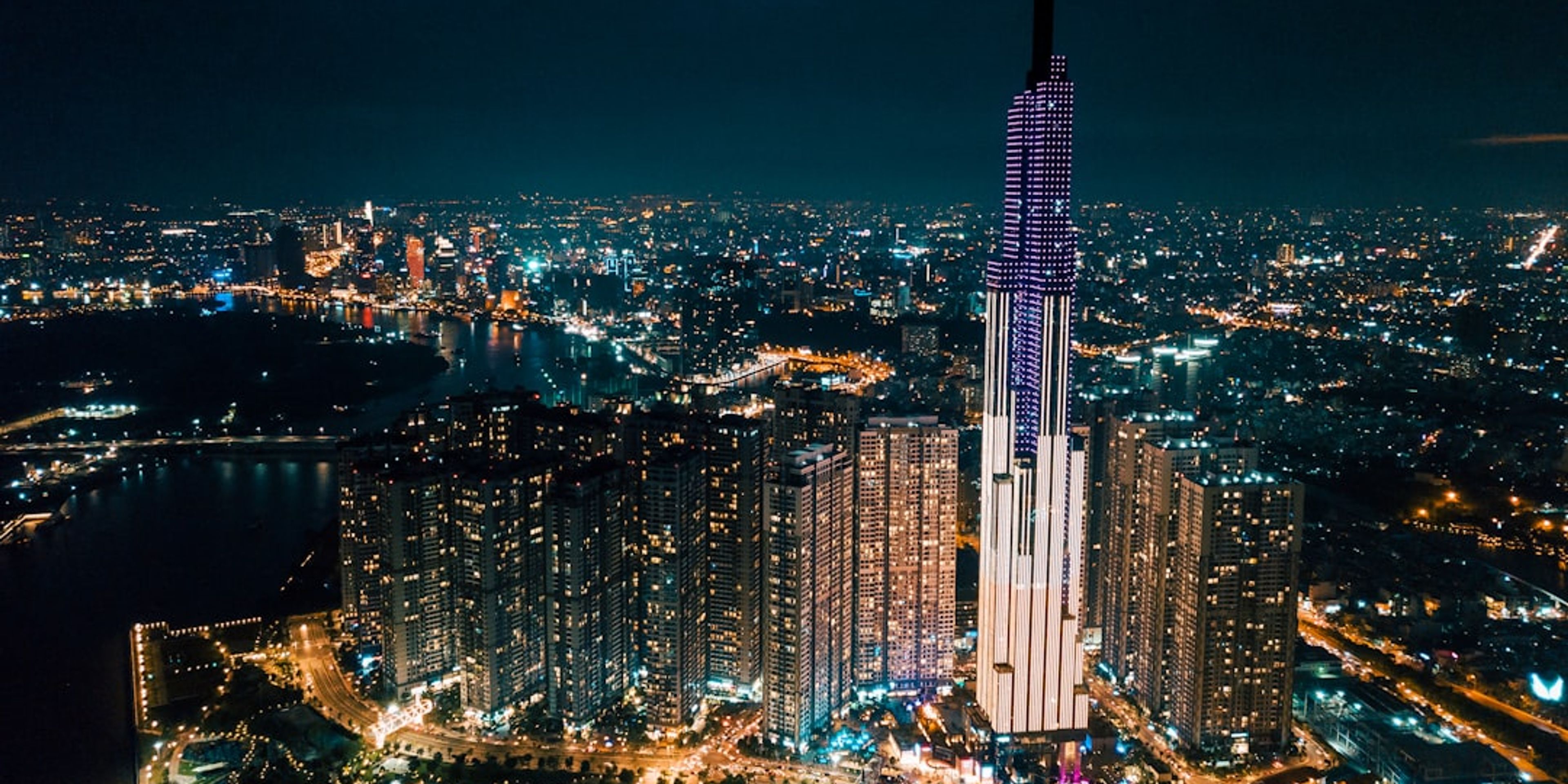
Browse and explore the best travel guides in Ho Chi Minh City.
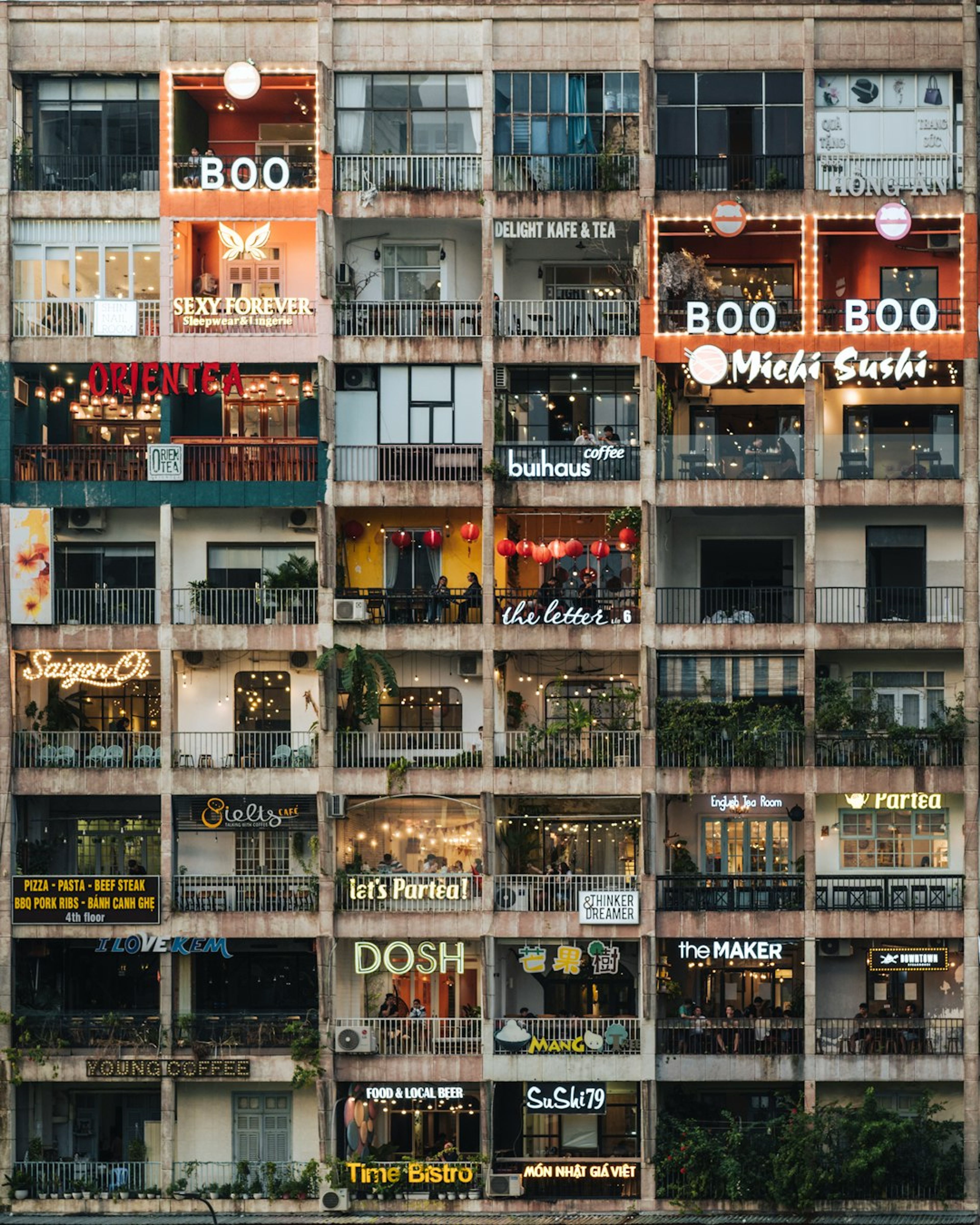
Ho Chi Minh City — still widely called Saigon — is Vietnam's largest city and its commercial engine, a place of nine million people and rather more motorbikes. The energy is the first thing visitors notice and the traffic is the second; crossing the road here is a skill acquired within a day or two.
District 1 holds the French colonial core — the Notre-Dame Cathedral, the Central Post Office, the Opera House — alongside the War Remnants Museum and the Reunification Palace, both essential for understanding the twentieth century here. Ben Thanh Market and the Cho Lon Chinatown district cover the commerce, while the street food, from banh mi to broken rice, is among the best in Southeast Asia.
The Cu Chi tunnels are a half-day trip northwest, and the waterways and floating markets of the Mekong Delta start about two hours south. A first metro line opened in 2024, though most short journeys are still made by Grab bike or taxi.
Country
Vietnam
Region
Southeast Vietnam, gateway to the Mekong Delta
Population
~9.5 million
Elevation
19 m above sea level
Time Zone
ICT (UTC+7)
Currency
Vietnamese Dong (VND)
Language
Vietnamese
Nearest Airport
SGN (Tan Son Nhat International), 7 km
Airport to City Centre
~30 min by taxi or Grab to District 1
Typical Cost Level
Budget
Transport Pass
Metro Line 1 card; most travellers rely on Grab
Spring (Mar-May)
26-35°C, the hottest months
Summer (Jun-Aug)
25-32°C, afternoon rains
Autumn (Sep-Nov)
25-32°C, wet season tailing off
Winter (Dec-Feb)
22-32°C, dry and the best time to visit

Get the latest deals, new destinations, and travel tips delivered straight to your inbox.
No spam, unsubscribe anytime.
Entry rules, stay length and passport validity by nationality.
December to March is the dry season and the best time to visit. Temperatures stay warm year-round, so the real variable is rain. May to November brings heavy afternoon downpours that usually clear within an hour.
Book a Grab or take a metered taxi from a reputable company — the journey takes about 30 minutes. The airport is only 7 km from the centre but traffic is heavy at peak times. Bus 109 is the budget option and runs to the Ben Thanh area.
The Grab app is the default for both cars and motorbike rides, and it is cheap. Metro Line 1 opened in 2024 and covers part of the eastern corridor. District 1 is walkable in parts, though heat and traffic make longer walks tiring.
Three days is a good length. Two cover the central sights, museums and food, and the third allows for the Cu Chi tunnels or an overnight into the Mekong Delta. The city is often the start or end of a longer Vietnam route.
Walk slowly and steadily without stopping, and the scooters will flow around you. The mistake visitors make is hesitating or running back, which makes riders unable to predict your path. Crossing alongside a local for the first few attempts helps.
Ho Chi Minh City is safe in terms of violent crime, but bag and phone snatching from passing motorbikes is a genuine problem. Do not use your phone at the kerbside, wear bags across your body on the inside of the pavement, and be alert around Bui Vien and Ben Thanh.
On trip1, you can book hotels across Ho Chi Minh City and pay with over 120 cryptocurrencies including Bitcoin, Ethereum, and USDC. trip1 covers 3 million+ hotels in 190+ countries, making it easy to find and book accommodation with crypto.