Guides · Ho Chi Minh City
10 Top Places to Visit in Ho Chi Minh City

CEO and co-founder
This guide covers 10 top places to visit in Ho Chi Minh City, Vietnam, ordered so you can group them into efficient days instead of crossing the city twice. Every entry gives the exact street address, the nearest Metro Line 1 station or a realistic Grab estimate from District 1, the distance from the centre, and a Pro Tip with concrete numbers: opening times, ticket prices in Vietnamese dong, and the hours when queues are shortest.
Eight of the ten sit inside the city, and most of those cluster in District 1. The War Remnants Museum, Independence Palace, Notre-Dame Cathedral Basilica of Saigon, the Central Post Office, Ben Thanh Market, Bitexco Financial Tower and Nguyen Hue walking street all fall within roughly two kilometres of each other, which makes a single walking day workable. The Jade Emperor Pagoda sits a little further north in Da Kao Ward. Cho Lon and Binh Tay Market lie about six kilometres west in District 6 - close enough for a short taxi ride, far enough to deserve a half day of their own.
Two entries take you out of Ho Chi Minh City entirely. The Cu Chi Tunnels are around 60 km northwest, and the Mekong Delta is 70 km southwest towards My Tho. Both are full-day commitments and neither is reachable on the city network. Two sites on this list, the War Remnants Museum and the Cu Chi Tunnels, deal directly with the Vietnam War, and those entries are written plainly rather than as attractions. Prices throughout appear in Vietnamese dong with an approximate euro figure, current for 2026.
1War Remnants Museum - The Vietnam War Told from the Vietnamese Side
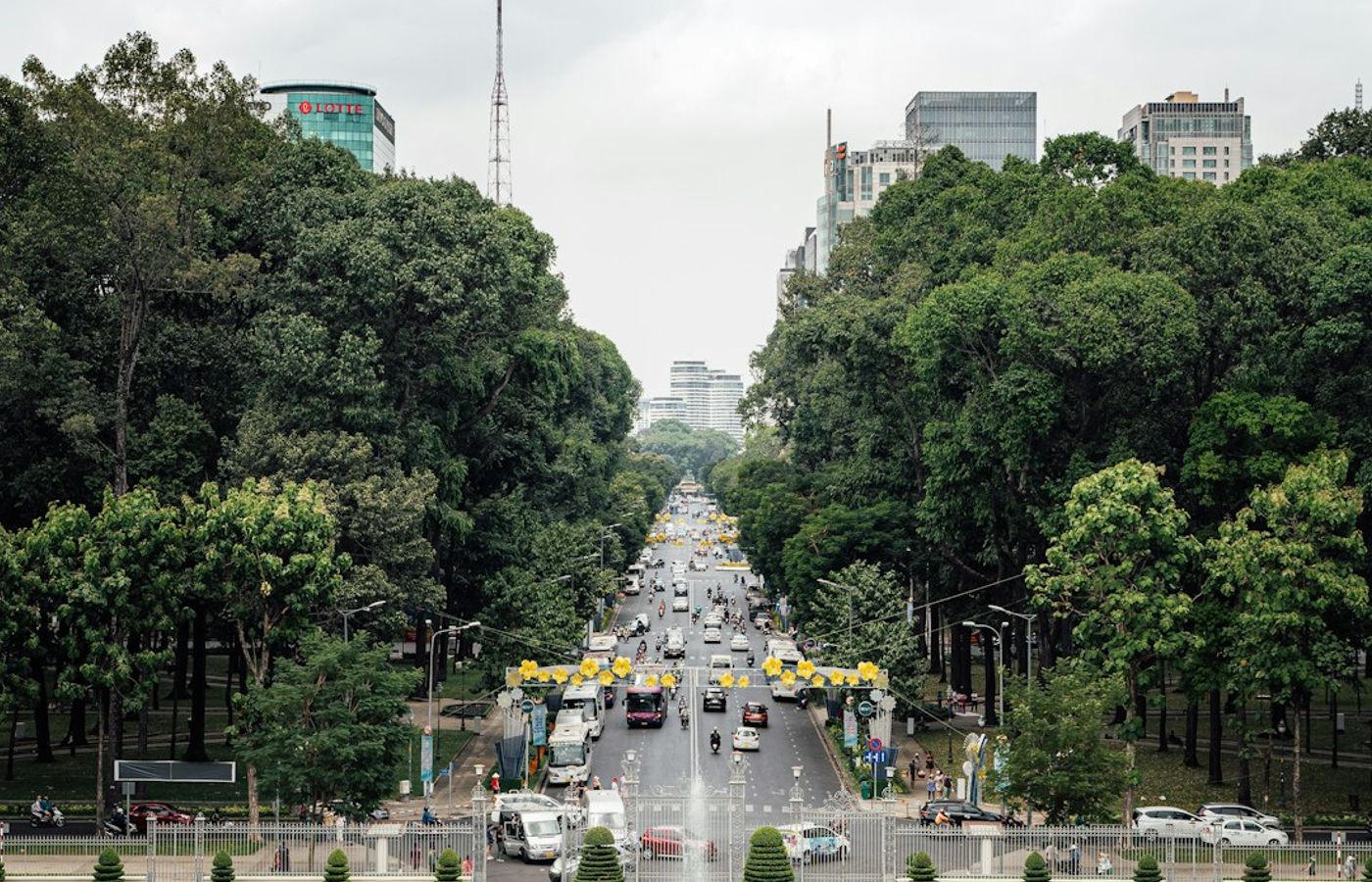

The War Remnants Museum documents the Vietnam War and the First Indochina War through photography, military hardware and archival material, presented from the Vietnamese perspective. It opened in 1975 and now holds more than 20,000 documents and artefacts. The outdoor courtyard displays captured American aircraft, tanks and artillery, including a UH-1 helicopter and an F-5A fighter. Inside, three floors are arranged by theme: historical background, war crimes, the effects of Agent Orange and other chemical defoliants, and the international anti-war movement.
The Requiem exhibition, assembled from the work of 134 photographers killed during the conflict, is the section most visitors remember. The rooms covering Agent Orange contain graphic medical photographs, and the museum does not soften them. Entry costs 40,000 VND (roughly 1.40 EUR) and the doors open from 7:30 to 17:30 daily. Allow at least two hours. Signage throughout is in Vietnamese and English.
Pro Tip: Arrive at 7:30 when the doors open. Tour groups start filling the ground floor from about 9:00 and the narrow Requiem corridors become hard to move through. If the Cu Chi Tunnels are also on your itinerary, do the museum first - the context makes the tunnel site far easier to follow.
2Cu Chi Tunnels - The Underground Network Northwest of the City
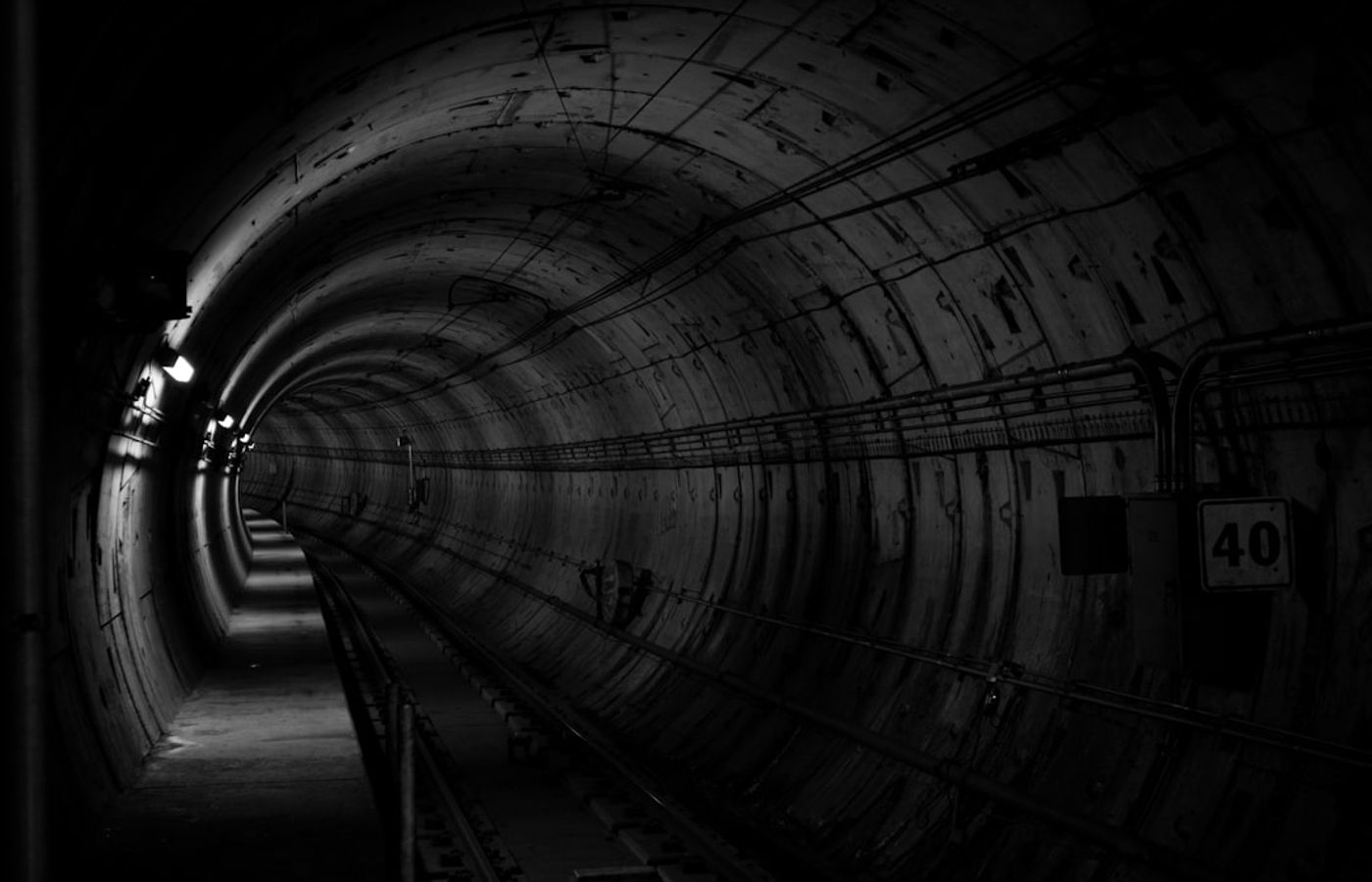

The Cu Chi Tunnels are a network of underground passages dug by Viet Cong fighters between the 1940s and the end of the Vietnam War. At their fullest extent the system ran for around 250 km, linking living quarters, field hospitals, kitchens, weapons workshops and command posts. Two sections are open to visitors. Ben Dinh, the closer of the two, receives most of the group traffic; Ben Duoc, some 15 km further on, is larger, quieter and visited more by Vietnamese families.
Guides demonstrate the camouflaged trapdoors and the bamboo traps used across the district, and one preserved stretch of tunnel has been widened so visitors can crawl through 20 to 100 metres of it. The passages are hot, unlit in places and genuinely tight. Entry to either site costs 125,000 VND (about 4.50 EUR). A firing range operates within the complex and charges separately per round, so the sound of gunfire carries across the grounds for most of the day.
Pro Tip: Book a morning departure and choose Ben Duoc if your schedule allows. Ben Dinh takes most of the coach tours before 11:00, while Ben Duoc stays quiet and its tunnel sections have been altered less. Wear clothes you do not mind staining with red clay, and skip the crawl if you are claustrophobic - there is no side exit once you are inside.

3Independence Palace (Reunification Palace) - Where the War Ended in April 1975
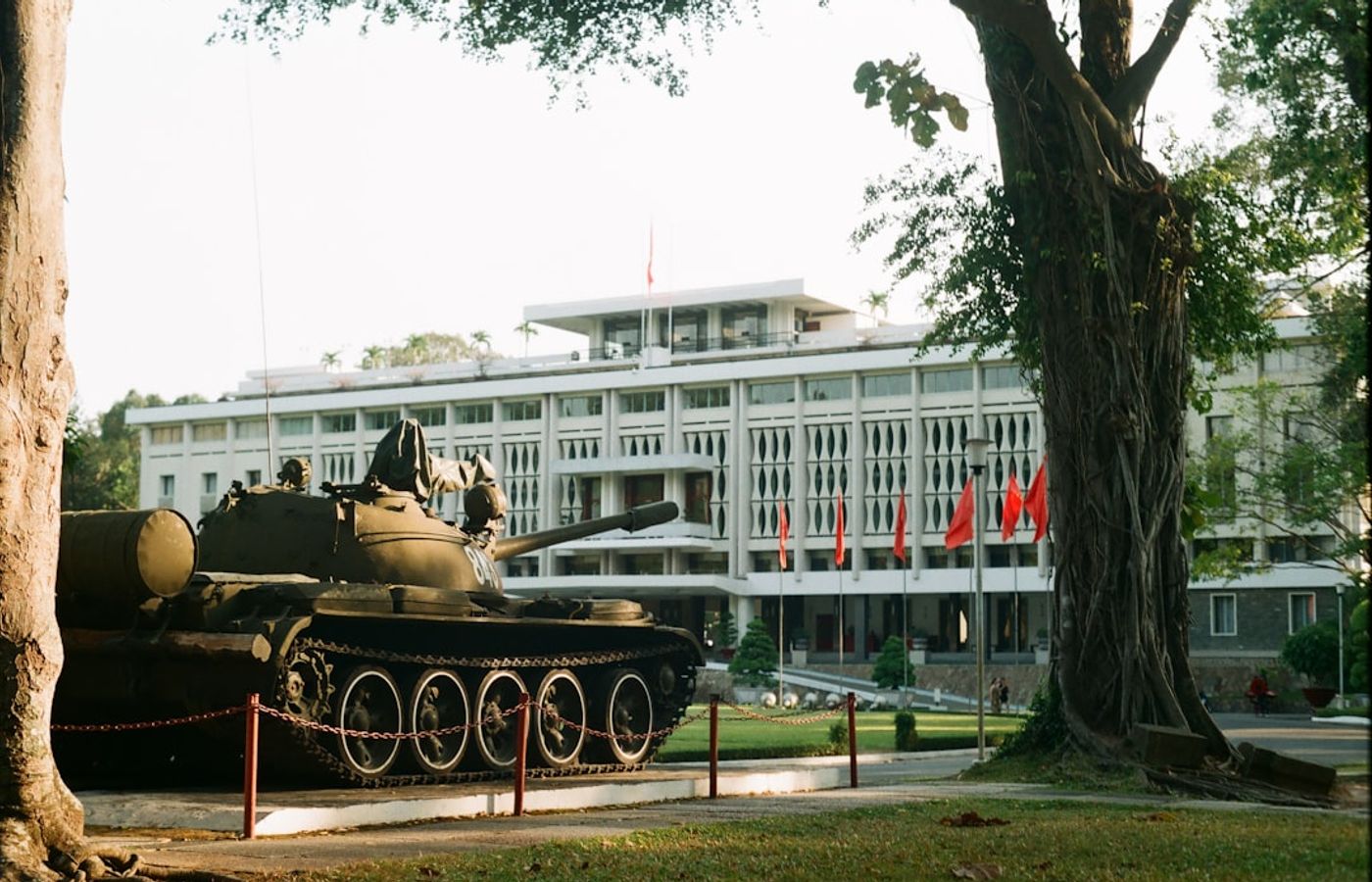
The Independence Palace, also called the Reunification Palace, served as the home and workplace of the president of South Vietnam. Architect Ngo Viet Thu designed the current building, completed in 1966 on the site of the earlier Norodom Palace. On 30 April 1975 a North Vietnamese tank crashed through the front gates, ending the war. Two tanks now stand on the lawn, and the interior has been kept largely as it was that morning.
What survives is a detailed record of 1960s state architecture: banquet halls, the cabinet room, the presidential quarters and a rooftop helipad with the helicopter still parked on it. The basement holds the command bunker, radio room and telecommunications equipment used in the final years of the conflict. Adult tickets cost 65,000 VND (about 2.40 EUR), and the site opens from 8:00 to 15:30 with a midday break. An English audio guide is available at the entrance.
Pro Tip: Go straight down to the basement before touring the upper floors. Groups almost always work from the top down, so the bunker and map rooms stay empty for the first hour after the 8:00 opening. A combined ticket adding the exhibition on the palace's own history costs about 15,000 VND more.
4Notre-Dame Cathedral Basilica of Saigon and the Central Post Office - The Colonial Pair on Cong xa Paris
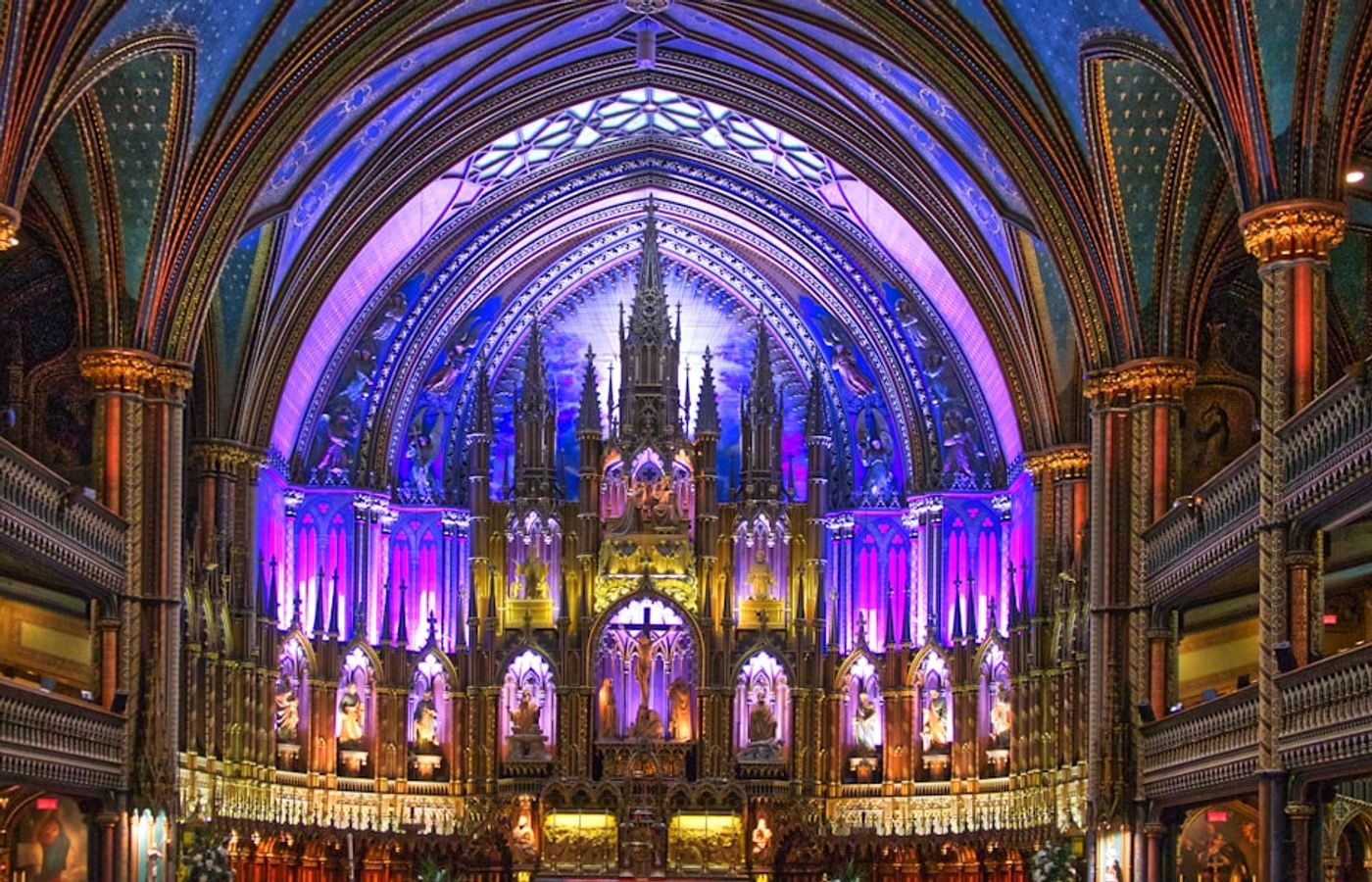
Notre-Dame Cathedral Basilica of Saigon and the Central Post Office face each other across one small square, which is why they share a single entry here. The cathedral was built between 1877 and 1880 using bricks shipped from Marseille, and its twin bell towers reach 58 metres. A major restoration began in 2017 and has run well past its original schedule, so scaffolding still covers much of the exterior and access to the interior is restricted.
The Central Post Office opposite is fully open and still operates as a working post office. Its barrel-vaulted hall dates from the 1890s, with wrought-iron arches, original wooden telephone booths along the side walls and two painted maps of Saigon and southern Vietnam from 1892. Entry is free. You can post a letter at the counters at the far end, and the stamp desk sells current Vietnamese issues at face value.
Pro Tip: Come between 7:00 and 8:30. The square is small, the light is better before the sun clears the post office roof, and the coaches that park along Cong xa Paris start arriving around 9:00. Check the notice board at the west gate first - the cathedral restoration means the interior may be shut on the day you turn up.
5Ben Thanh Market - The Central Market and Metro Line 1 Terminus
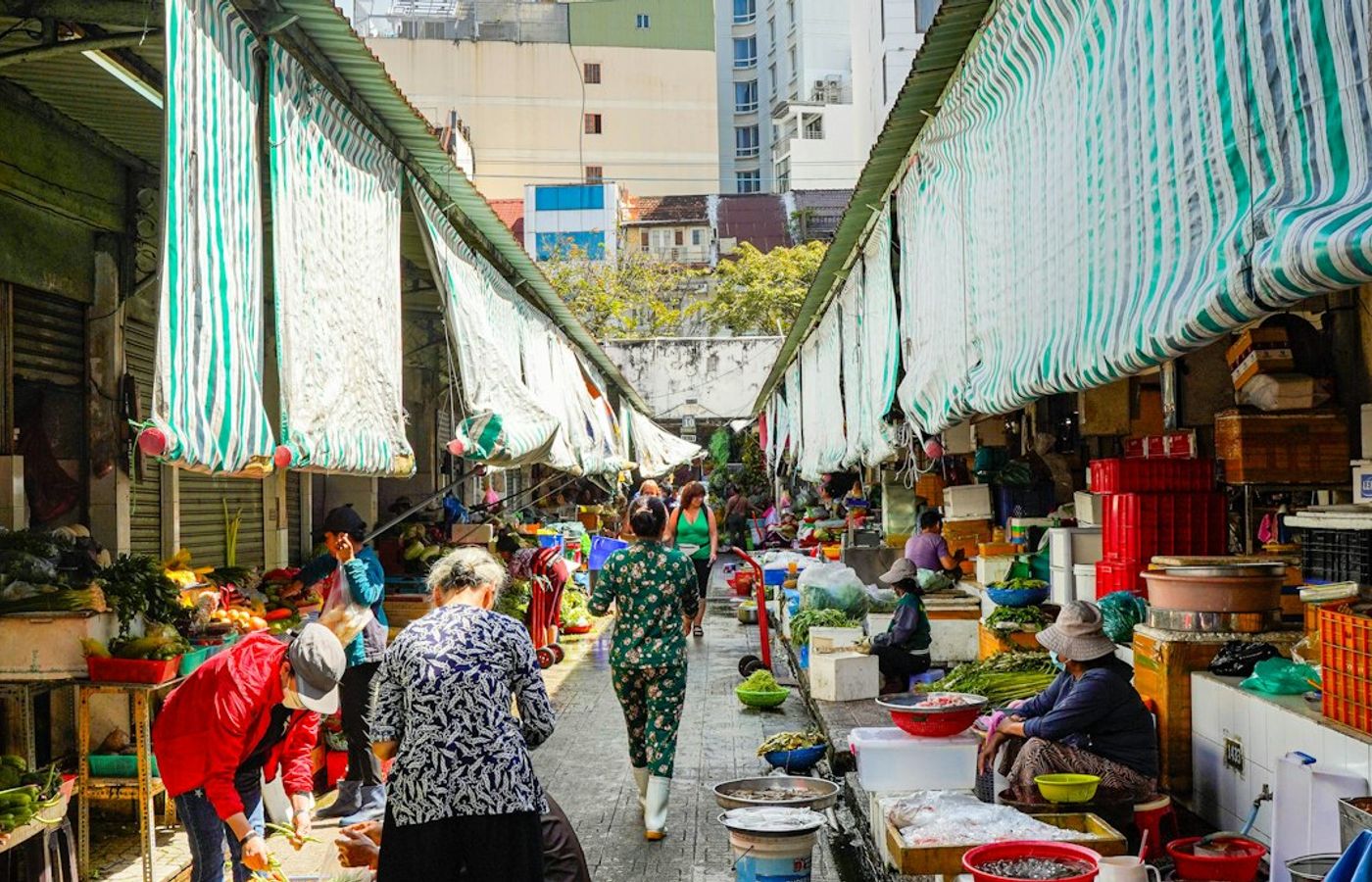
Ben Thanh Market has occupied its present building since 1914, and the clock tower above the south gate is the landmark most people use to orient themselves in central Ho Chi Minh City. Inside, roughly 1,500 stalls are grouped by trade: fabric and tailoring in one quarter, dried goods and coffee in another, souvenirs near the entrances, and a food court through the middle. Doors open around 6:00 and the main hall closes at 18:00.
Prices inside are not fixed. Opening quotes on souvenirs usually run two to three times what a local would pay, and bargaining down to 40 or 50 percent of the first figure is normal. The food stalls are much better value than the merchandise: a bowl of bun rieu or banh canh costs 50,000 to 80,000 VND (about 1.80 to 2.90 EUR). A night market takes over the surrounding streets after 19:00.
Pro Tip: Eat inside, shop outside. The food court stalls near the east gate serve the same dishes as the tourist restaurants across the road for about half the price, while near-identical souvenirs go for less on Le Cong Kieu Street. Since Metro Line 1 opened, Ben Thanh station makes this the simplest place to begin or end a sightseeing day.
6Bitexco Financial Tower Saigon Skydeck - The 49th-Floor View over the Saigon River
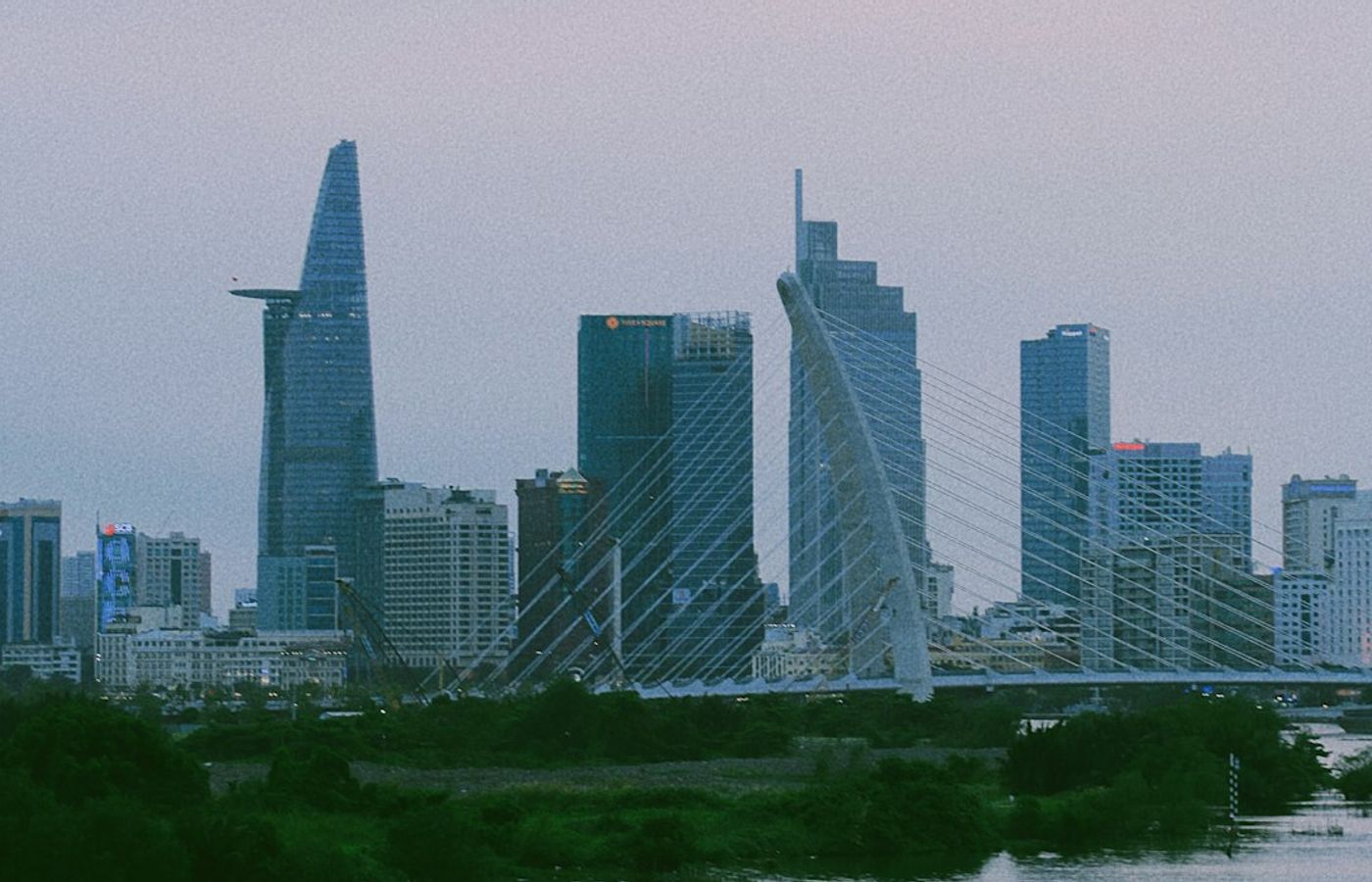
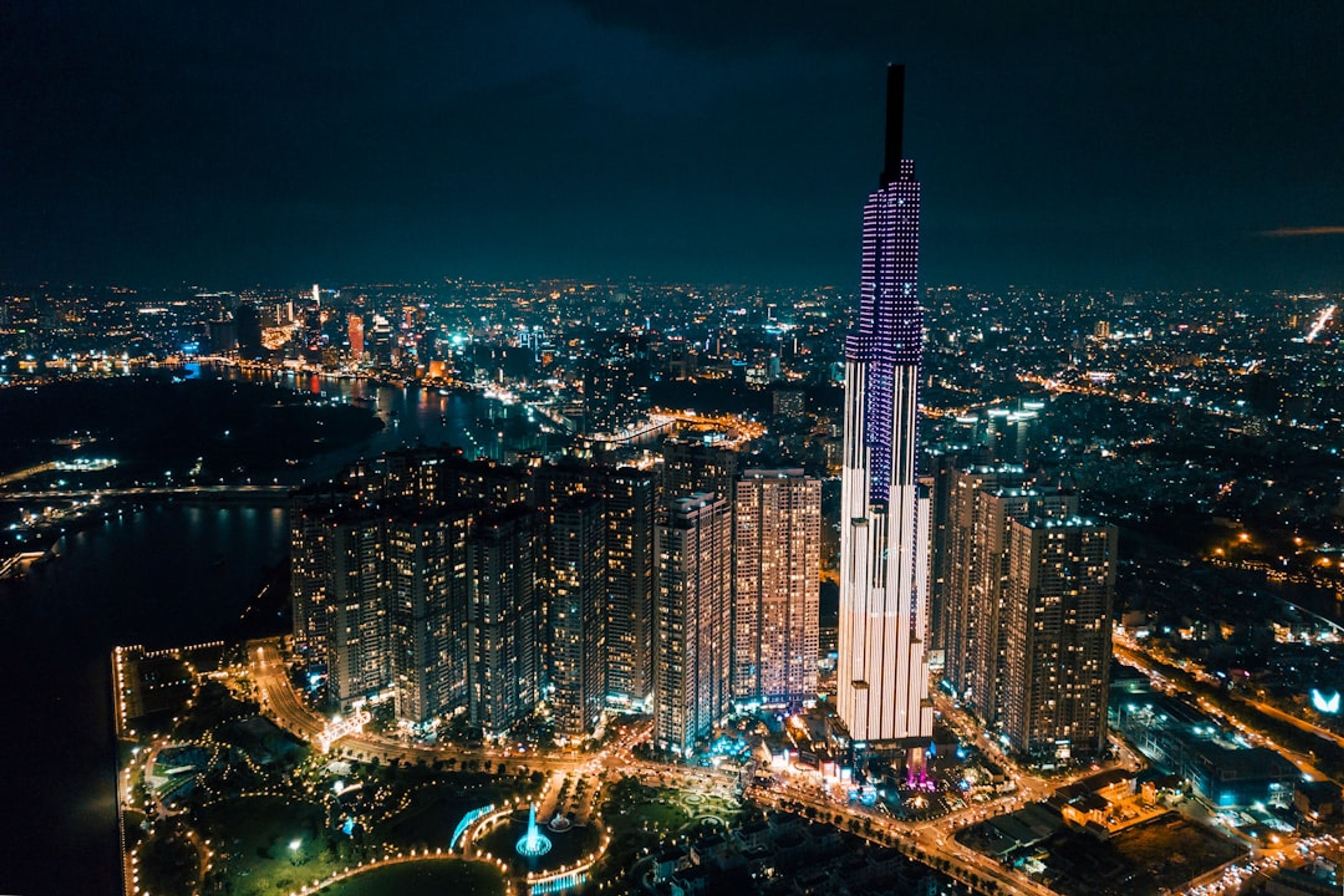
Bitexco Financial Tower rises 262 metres over District 1 and held the title of Vietnam's tallest building from 2010 until Landmark 81 overtook it in 2018. Carlos Zapata designed the lotus-bud profile, and the helipad jutting out of the 52nd floor is the detail everyone photographs from street level. The Saigon Skydeck fills the 49th floor: a full-circle enclosed observation level with floor-to-ceiling glass on all sides.
From up there you look across the Saigon River, the Thu Thiem tunnel, District 4 and the Landmark 81 tower to the northeast. Standard admission runs 240,000 VND (about 8.60 EUR) for adults and 160,000 VND for children, with the deck open from 9:30 to 21:30. Cafes on the 50th and 51st floors let you skip the ticket if you order there instead, though minimum spends apply and the windows are noticeably smaller.
Pro Tip: Go up at 17:30. One ticket then buys you the city in daylight, the sunset over District 5 to the west, and the lit skyline afterwards. Book online the same morning to skip the ground-floor queue, and stand on the river side of the deck for the clearest sight lines.
7Cho Lon and Binh Tay Market - The Chinese Quarter in Districts 5 and 6
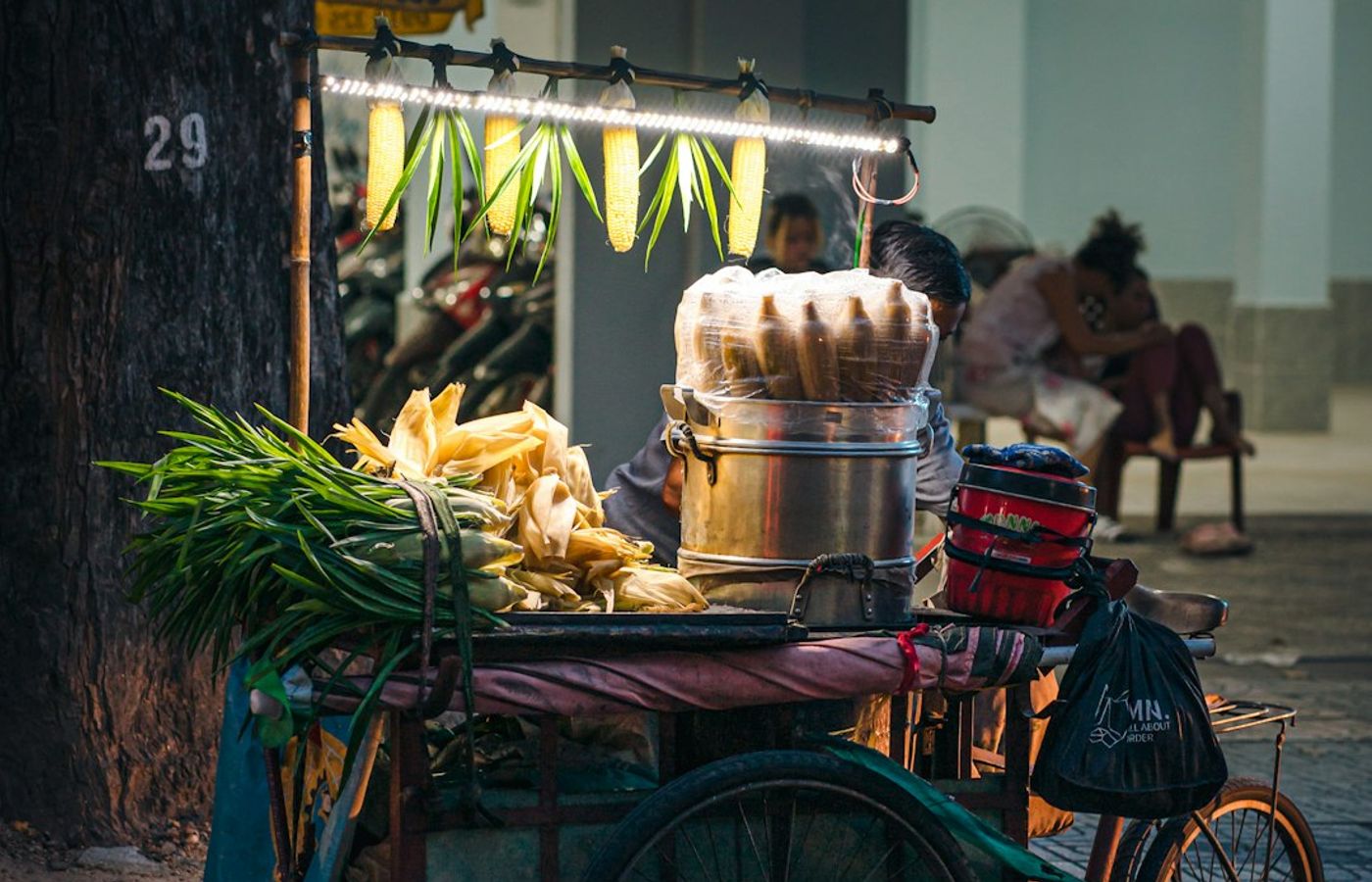
Cho Lon is the Chinese quarter of Ho Chi Minh City, spread across Districts 5 and 6, and it has been a distinct settlement since the late eighteenth century when Hoa merchants relocated here from Bien Hoa. Binh Tay Market anchors it. The building went up in 1928, funded by the businessman Quach Dam, and reopened in 2018 after a four-year restoration that returned the yellow facade and central courtyard to their original condition.
Trade here is mostly wholesale, so goods sit stacked in bulk and the buyers are shopkeepers rather than tourists. Within a fifteen-minute walk you also have Thien Hau Temple on Nguyen Trai Street, Quan Am Pagoda, and the herbal medicine street along Hai Thuong Lan Ong. Entry to the market and the temples costs nothing. Spiral incense coils hang from the temple ceilings and burn for weeks at a time.
Pro Tip: Start at Binh Tay Market at 7:00 while the wholesale trade is still running, then walk east along Hai Thuong Lan Ong Street to Thien Hau Temple. Time it for the first or fifteenth day of the lunar month if your dates allow - the temples fill with families making offerings and the whole quarter smells of sandalwood.
8Jade Emperor Pagoda - A Taoist Temple from 1909 in Da Kao Ward
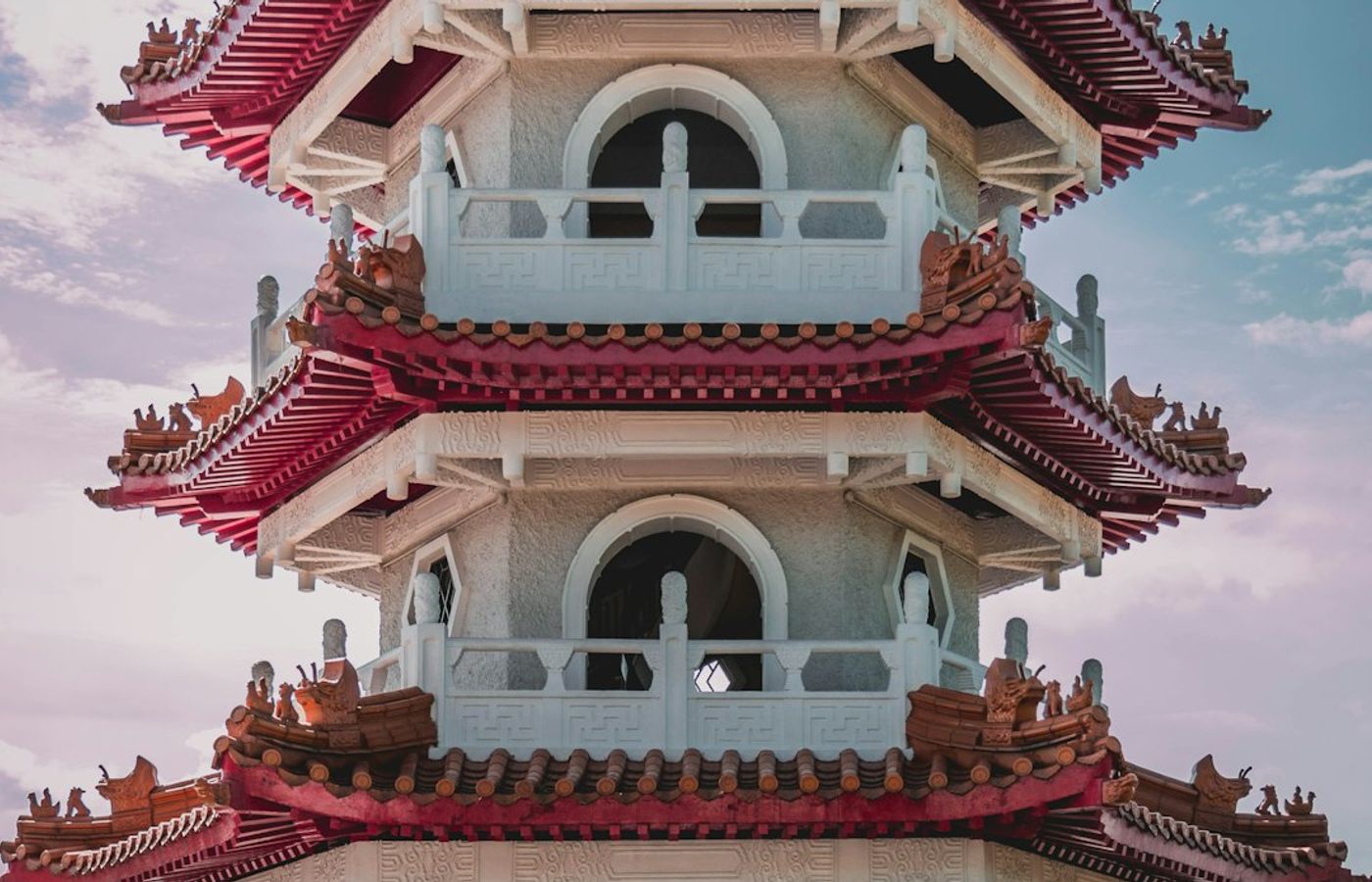
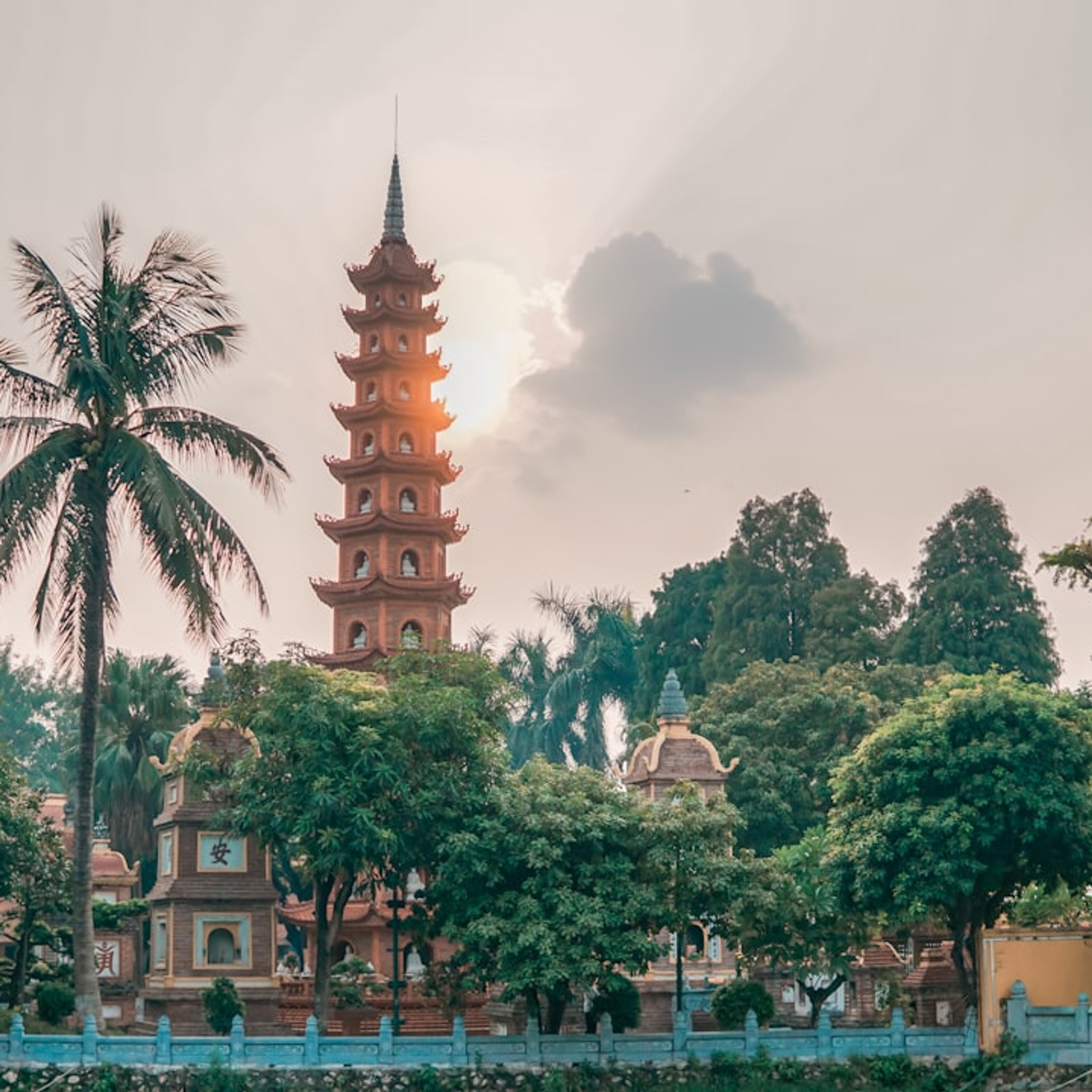
The Jade Emperor Pagoda, known in Vietnamese as Chua Ngoc Hoang or Phuoc Hai Tu, was built by the Cantonese community in 1909 and remains the most atmospheric temple in Ho Chi Minh City. Incense smoke fills the main hall almost permanently. The Jade Emperor presides over the central altar flanked by his guardians, and carved wooden panels along the side walls depict the ten courts of hell in considerable detail.
A side room holds statues of the twelve women who, in local belief, oversee childbirth, and couples come to leave offerings there. The pond in the front courtyard holds several hundred turtles released by worshippers. Entry is free and the temple opens from 7:00 to 18:00, staying open later on the first and fifteenth days of each lunar month. Barack Obama visited in 2016, which sharply raised the site's profile among foreign visitors.
Pro Tip: Bring a mask or scarf if smoke bothers you - the main hall is thick with it and ventilation is minimal. Photography is fine in the courtyard but not at the altars. Ignore the sellers offering turtles and birds outside the gate; the animals are recaptured and resold the same week.
9Nguyen Hue Walking Street and the Cafe Apartments - The Pedestrian Boulevard and Its Vertical Cafe Block
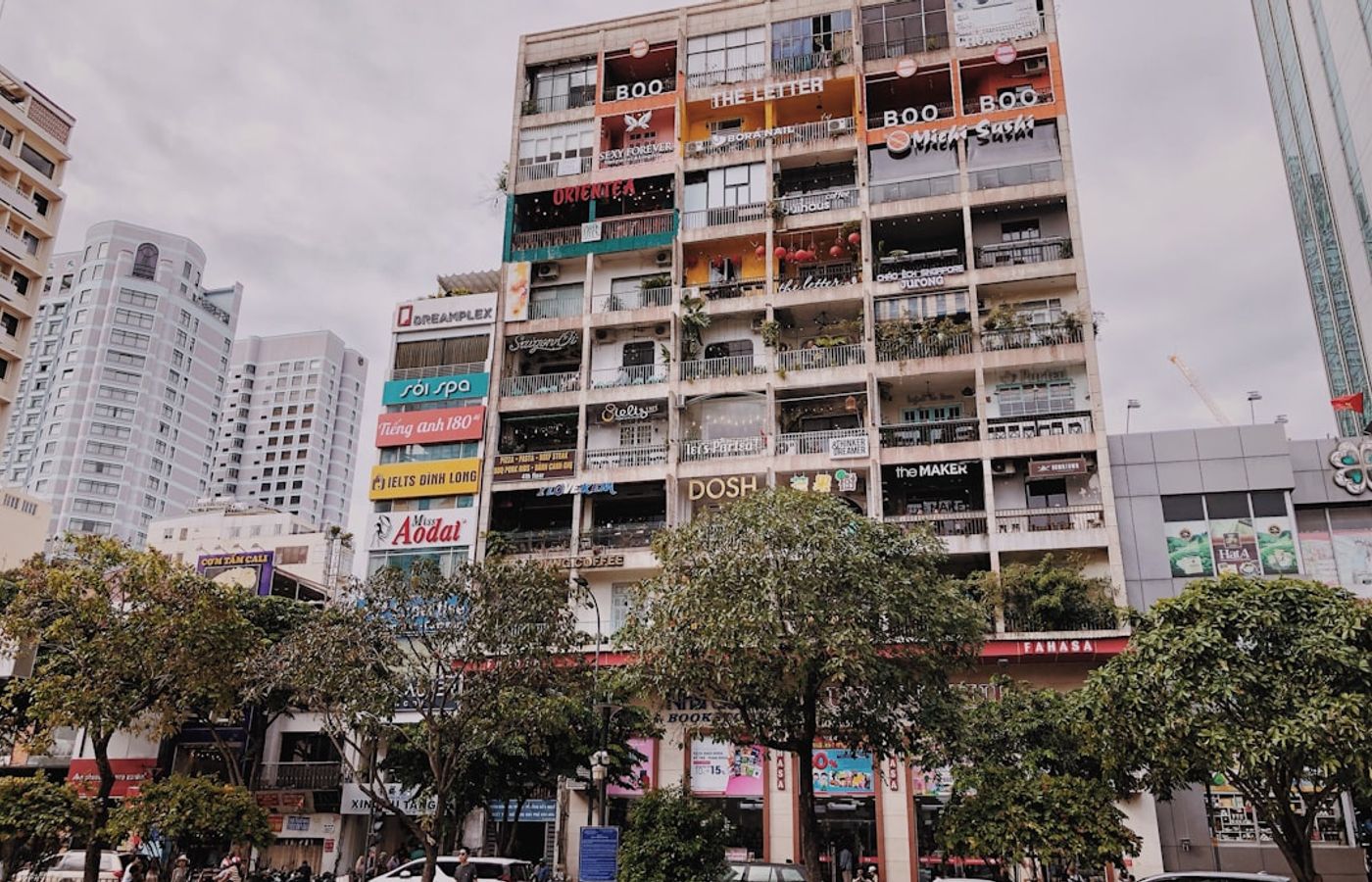
Nguyen Hue was a canal until 1887 and became a pedestrian boulevard in 2015. The 670-metre strip runs from the People's Committee building down to the Saigon River and closes to traffic from Saturday evening through Sunday night. Skateboarders, street performers and families take it over after dark. The Ho Chi Minh statue at the northern end and the restored Municipal Opera House one block east both sit on the same short walk.
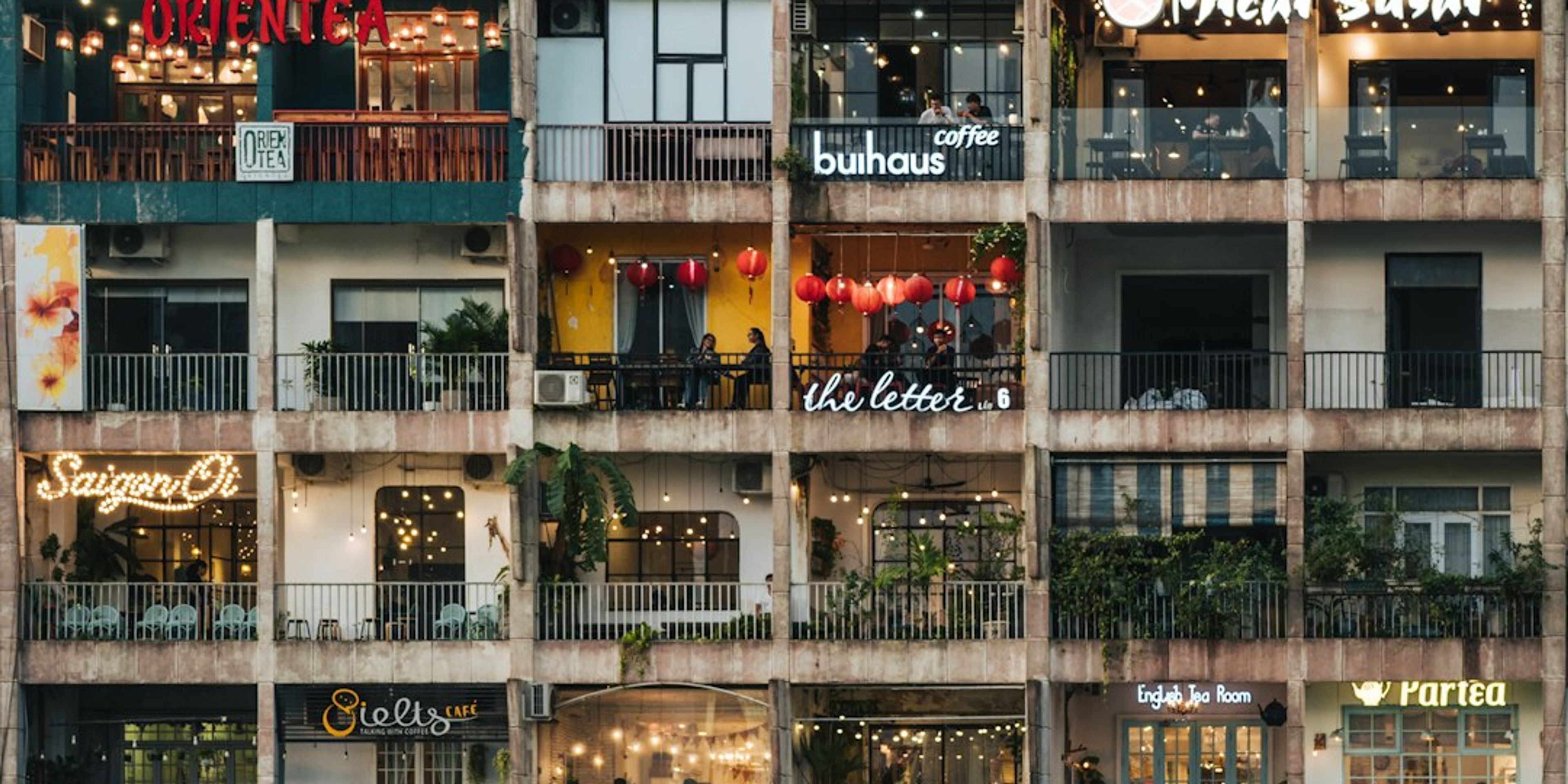
The Cafe Apartments at number 42 is a nine-storey residential block from the 1960s in which nearly every unit has become a cafe, bar, bookshop or boutique. Around forty businesses trade inside. The lift costs 3,000 VND per person per trip, or the stairs cost nothing. Balcony tables on floors four to seven look straight down the boulevard, and a coffee runs 45,000 to 90,000 VND (about 1.60 to 3.20 EUR).
Pro Tip: Take the stairs to the ninth floor and work downwards, stopping wherever a balcony table is free. The lift queue at 42 Nguyen Hue can run twenty minutes on a Saturday evening. For the boulevard itself, arrive after 19:00 on a Saturday once the road has closed and the fountains are lit.
10Mekong Delta Day Trip - Rivers, Islands and Floating Markets South of the City
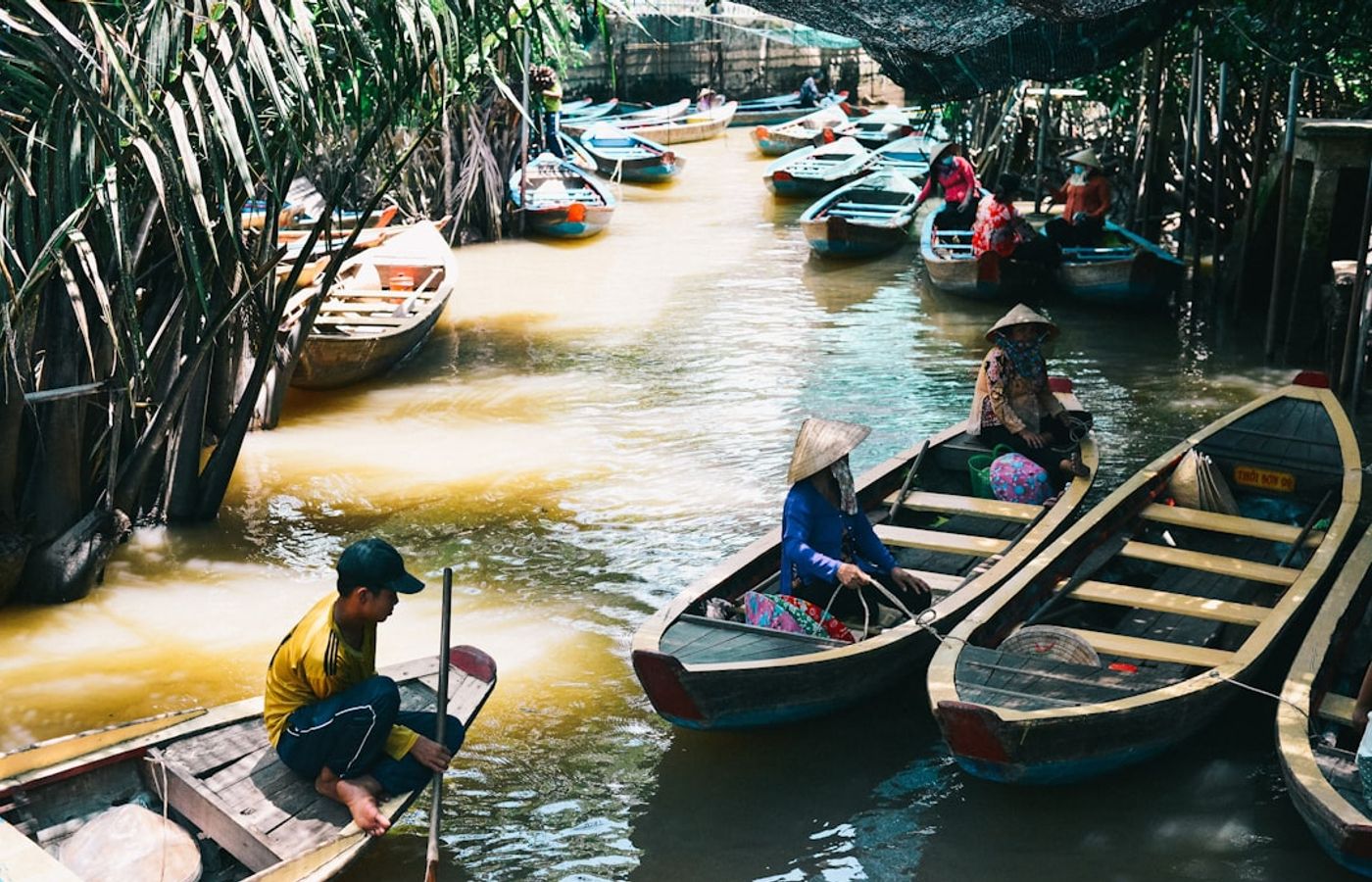
The Mekong Delta is the closest full-day trip out of Ho Chi Minh City and the one that changes the scenery most completely. My Tho in Tien Giang province is the usual gateway, two hours by road. A standard day runs a boat out to the four river islands - Unicorn, Turtle, Phoenix and Dragon - with stops at a coconut candy workshop, a bee farm, and a sampan paddle through the narrow canals at Thoi Son.
Group day tours departing District 1 cost roughly 500,000 to 900,000 VND (about 18 to 32 EUR), including road transport, the boat and lunch. Cai Be floating market, further west in Vinh Long province, makes a longer day and stays quieter than Cai Rang at Can Tho, which really needs two days to reach properly. Choose a small-group operator: the large coach tours compress four stops into six hours.
Pro Tip: Ask how many passengers share the boat before you book. Above fifteen and the sampan section turns into a queue. If you can spare two days, go to Can Tho instead and reach Cai Rang floating market by 5:30, when the wholesale boats are trading rather than posing.

CEO and co-founder
Tomas is the co-founder and director of trip1, an European company specializing in reservation services. He launched the company in 2025 with a focus on building scalable, efficient operations.
10 Top Places to Visit in Ho Chi Minh City, Vietnam - FAQ
No. These ten places spread across District 1, District 6 and two trips outside the city, so three to four days is the realistic minimum. The Cu Chi Tunnels and the Mekong Delta each take a full day on their own, which leaves the eight city sites for the remaining days.
Group them by geography rather than by ranking. Day one covers District 1 on foot: Independence Palace, the War Remnants Museum, Notre-Dame Cathedral Basilica of Saigon with the Central Post Office, Ben Thanh Market, then Nguyen Hue walking street and the Bitexco Financial Tower Saigon Skydeck at sunset. Day two takes the Cu Chi Tunnels. Day three splits between Cho Lon and the Jade Emperor Pagoda, and day four goes to the Mekong Delta.
Only the two out-of-town trips genuinely need booking ahead. Cu Chi Tunnels tours and Mekong Delta day tours fill up in the December to March peak season, so reserve two or three days in advance. The city sites all sell tickets at the gate, though the Bitexco Financial Tower Saigon Skydeck is cheaper booked online the same morning.
Entry fees alone come to about 470,000 VND (roughly 17 EUR) per adult. That covers the War Remnants Museum at 40,000 VND, Independence Palace at 65,000 VND, the Cu Chi Tunnels at 125,000 VND and the Saigon Skydeck at 240,000 VND. Ben Thanh Market, Binh Tay Market, the Jade Emperor Pagoda, the Central Post Office and Nguyen Hue walking street cost nothing. Add 500,000 to 900,000 VND (about 18 to 32 EUR) for a Mekong Delta day tour, plus transport.
Partly. Metro Line 1 opened in December 2024 and serves Ben Thanh Market, Nguyen Hue walking street and the Bitexco Financial Tower directly, with Ba Son station the closest stop to the Jade Emperor Pagoda. Cho Lon and Binh Tay Market need bus 01 or a Grab ride, while the Cu Chi Tunnels and the Mekong Delta sit well beyond the city transport network.
Several places narrowly missed the list. Landmark 81 in Binh Thanh District has a higher observation deck than Bitexco, the Fine Arts Museum on Pho Duc Chinh Street occupies a 1930s mansion worth entering for the building alone, and the Saigon Central Mosque on Dong Du Street sits two minutes from Nguyen Hue. For food, the Ho Thi Ky flower and food market in District 10 after 18:00 draws far more locals than visitors.