

Guides · Sydney
15 Top Things to Do in Sydney, Australia
By Tomas Achmedovas · CEO and co-founder

CEO and co-founder
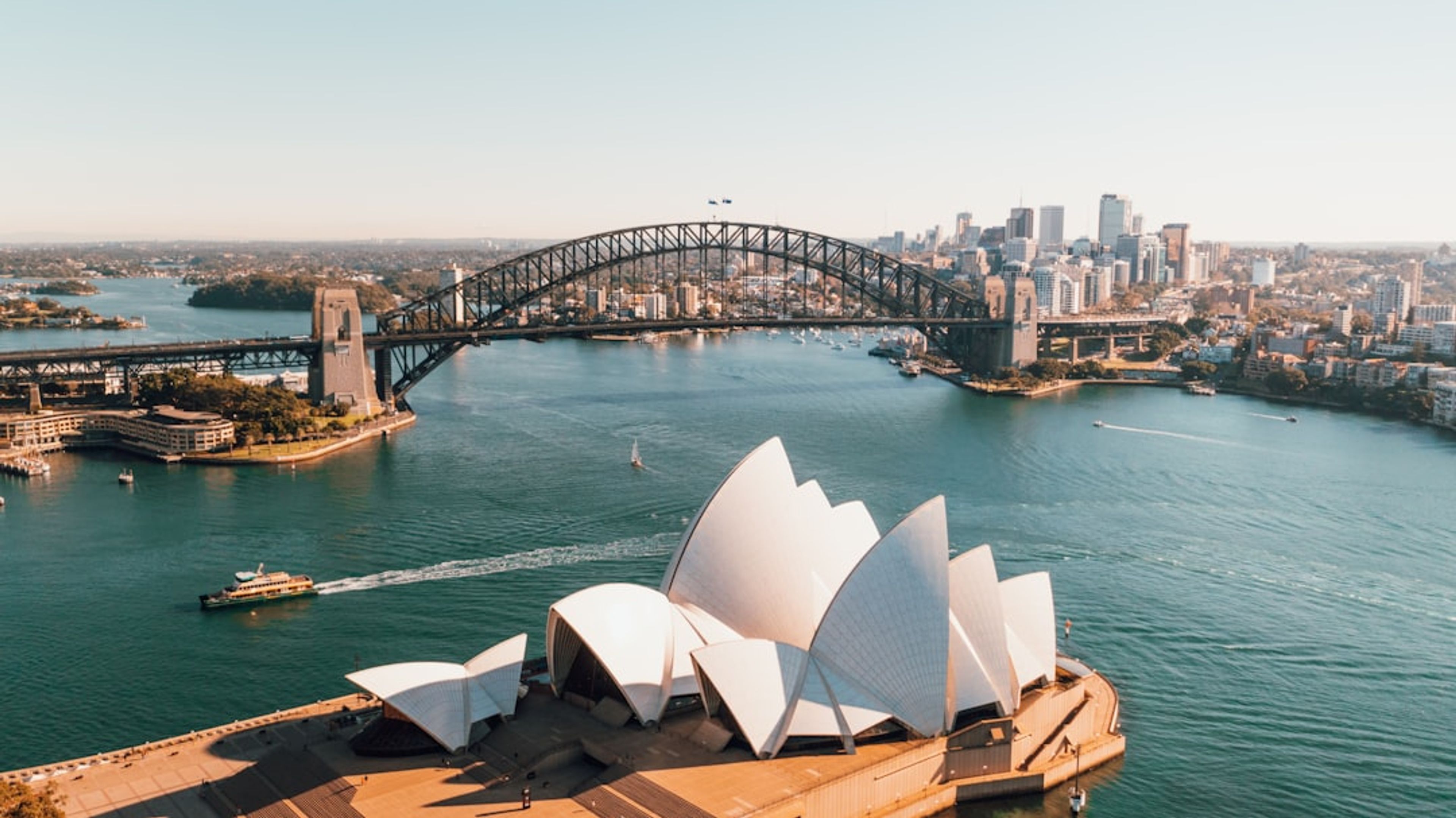
Sydney is one of those cities where the things to do in Sydney actually live up to the hype. The harbour alone would justify a trip - the white sails of the Sydney Opera House framing one side, the steel arch of Sydney Harbour Bridge anchoring the other, ferries criss-crossing water that turns gold at sunset. But this guide goes well beyond the postcard shots. These 15 attractions span harbour-front landmarks, ocean beaches, a national park, one of Australia's best day trips, and a neighbourhood food crawl that most visitors miss entirely.
Each entry below includes the exact street address, nearest train or bus stop, distance from the CBD, and a Pro Tip drawn from local knowledge rather than tourist brochures. The list is ordered to help you build efficient sightseeing days: harbour sights first (Opera House, Bridge, The Rocks, Circular Quay, Royal Botanic Garden), then the eastern beaches (Bondi, Bondi to Coogee walk), Darling Harbour, inner-city culture (Newtown, Art Gallery), wildlife (Taronga Zoo), and finally the Blue Mountains for a day trip that leaves from Central Station.
Whether you have two days or a full week in 2026, this guide gives you a practical framework. Grab an Opal Card, lace up comfortable shoes, and start at the top of the list.
Check dates for Sydney
See what is available on your dates.
1Sydney Opera House - Australia's Most Iconic Building


The Sydney Opera House is a UNESCO World Heritage Site and one of the most recognisable buildings on Earth. Designed by Danish architect Jorn Utzon and completed in 1973, the building's sail-shaped roof shells contain multiple performance venues - the Concert Hall (2,679 seats), the Joan Sutherland Theatre (1,507 seats), and several smaller spaces hosting over 1,500 performances each year. Even if you skip the interior, walking the forecourt and circling Bennelong Point to view the building from every angle takes a satisfying 30 minutes.
Guided tours run daily from AUD 43 per adult and take you inside the main halls, backstage areas, and onto the lower podium level. The 1-hour architecture tour is the most popular, but the backstage tour at 7am offers a quieter, deeper look. The Opera Bar on the eastern side is one of the best spots in Sydney for a drink with harbour views - open daily until late.
2Sydney Harbour Bridge - The Coathanger Walk and Climb


Sydney Harbour Bridge opened in 1932 and remains the world's largest steel arch bridge, spanning 503 metres across the harbour from Dawes Point to Milsons Point. Walking across is free - the pedestrian pathway runs along the eastern side, starting from stairs near Cumberland Street in The Rocks and ending at Milsons Point on the North Shore. The walk takes about 20 minutes each way and delivers some of the finest free views in Sydney, with the Opera House, Circular Quay, and harbour islands spread below you.
For the full experience, BridgeClimb Sydney offers guided climbs to the summit arch, 134 metres above the water. The original Summit Climb takes 3.5 hours and costs from AUD 198. Sunrise and twilight climbs are the most popular time slots. The Pylon Lookout on the southeast pylon is a cheaper alternative at AUD 19, with a small museum inside covering the bridge's construction history.
3The Rocks - Sydney's Oldest Neighbourhood


The Rocks is where European settlement of Australia began in 1788. Today this compact neighbourhood at the base of the Harbour Bridge is a mix of sandstone colonial buildings, narrow laneways, and weekend markets. The Rocks Discovery Museum (free entry) tells the area's story from Indigenous Gadigal people through convict settlement to modern times. Suez Canal, Nurses Walk, and Argyle Cut are the most atmospheric laneways to explore on foot.
The Rocks Markets run every Saturday and Sunday from 10am to 5pm, filling George Street and Playfair Street with over 200 stalls selling jewellery, art, clothing, and street food. Friday night markets operate seasonally. The neighbourhood is also home to some of Sydney's oldest pubs - the Lord Nelson Brewery Hotel (1841) and the Fortune of War (1828) are both worth a pint.
Check dates for Sydney
See what is available on your dates.
4Bondi Beach - Sydney's Most Famous Stretch of Sand

Bondi Beach is a 1-kilometre crescent of golden sand backed by a promenade, skate park, and the Bondi Icebergs ocean pool. The beach faces southeast and catches consistent swells, making it popular with surfers - the southern end has the best breaks, while the northern end is calmer for swimming. Volunteer lifeguards from the Bondi Surf Bathers Life Saving Club (founded 1907) patrol year-round. Always swim between the red and yellow flags.
The dining scene along Campbell Parade and Hall Street has improved enormously - morning coffee at Gertrude and Alice, lunch at Icebergs Dining Room overlooking the ocean pool, and fish and chips from the Bondi Surf Seafoods kiosk are all reliable choices. The Bondi Farmers Market runs every Saturday morning from 9am to 1pm at Bondi Beach Public School, selling produce from NSW farms.
5Bondi to Coogee Coastal Walk - Six Beaches in Six Kilometres

The Bondi to Coogee coastal walk is a 6-kilometre clifftop trail connecting six beaches: Bondi, Tamarama, Bronte, Clovelly, Gordons Bay, and Coogee. The path is paved, well-signed, and takes about 2 hours at a leisurely pace with stops. It runs along sandstone cliffs with ocean views the entire way, passing through the Waverley Cemetery (established 1877, with graves overlooking the Pacific) and several rock pools ideal for swimming.
Each beach along the route has a different character. Tamarama is small and popular with surfers. Bronte has a large grassy park for picnics and a tidal rock pool. Clovelly is a narrow inlet perfect for snorkelling. Gordons Bay has an underwater nature trail. Coogee has a wide beach and the Wylie's Baths ocean pool. The walk is free and open 24 hours, though the clifftop sections are unlit at night.
6Royal Botanic Garden Sydney - 30 Hectares of Harbour-Front Green Space

The Royal Botanic Garden Sydney occupies 30 hectares of prime harbourside land between the Opera House and the Art Gallery of NSW. Established in 1816, it is the oldest scientific institution in Australia and home to over 8,900 plant species. The garden is free to enter and open daily from 7am until sunset. Highlights include the Calyx (a dedicated exhibition space), the Fernery, the Herb Garden, and Mrs Macquaries Point at the eastern tip - the single best viewpoint in Sydney for photographing the Opera House and Harbour Bridge together.
The garden is also a habitat for Sydney's famous colony of grey-headed flying foxes (fruit bats), which roost in the palm trees near the Cadi Jam Ora - First Encounters Garden. Aboriginal heritage tours led by Indigenous guides run on select mornings and cover the traditional uses of native plants by the Gadigal people. The garden cafe near the main entrance serves good coffee and light meals.
7Darling Harbour - Waterfront Entertainment Precinct

Darling Harbour is a large waterfront precinct on the western edge of the CBD, home to the SEA LIFE Sydney Aquarium, WILD LIFE Sydney Zoo, Madame Tussauds, the Australian National Maritime Museum, and the Chinese Garden of Friendship. The precinct underwent a major redevelopment (completed 2019) that added a new convention centre, parklands, and a pedestrian spine connecting Chinatown to Barangaroo along the waterfront.
SEA LIFE Aquarium is the main draw, with over 13,000 animals including dugongs, sharks, and a penguin colony. Adult tickets start at AUD 38 online. The free Saturday night fireworks at 8:30pm (running seasonally) light up the harbour - grab a spot at Tumbalong Park for the best view. The Darling Harbour waterfront is also packed with restaurants, though the quality varies wildly. Stick to the smaller places in the adjacent Chinatown for better value.
8Manly Beach and Ferry - The Best Harbour Crossing in Sydney

The 30-minute Manly Ferry from Circular Quay to Manly Wharf is one of Sydney's best-value experiences. The F1 ferry route passes under the Harbour Bridge, past the Opera House, through the Heads at the harbour entrance, and deposits you at Manly Wharf. From the wharf, a short walk through the Corso pedestrian mall brings you to Manly Beach - a 1.5-kilometre stretch of surf beach on the ocean side of the peninsula.
Manly itself has a relaxed surf-town atmosphere quite different from the rest of Sydney. The Manly to Spit Bridge walk (10 km, 3-4 hours) is one of the best bushwalks in the Sydney area, passing through Sydney Harbour National Park with harbour views, Aboriginal shell middens, and secluded swimming coves. The Shelly Beach walk (1 km south of Manly Beach) leads to excellent snorkelling.
9Taronga Zoo - Wildlife With a Harbour View

Taronga Zoo sits on a hillside overlooking Sydney Harbour and houses over 4,000 animals from 350 species. The zoo opened in 1916 and is known for its Australian native section - koalas, platypuses, echidnas, and kangaroos in an open walk-through enclosure. The Sky Safari cable car (included with admission) runs from the wharf entrance to the top of the hill, offering views across the harbour to the Opera House and CBD skyline.
Adult admission is AUD 51 online (AUD 57 at the gate). The zoo runs keeper talks and feeding sessions throughout the day - the seal show and the bird show at the amphitheatre with the harbour as a backdrop are highlights. Allow 3-4 hours for a thorough visit. The fastest way to reach Taronga Zoo is the F2 ferry from Circular Quay, which takes 12 minutes.
10Art Gallery of New South Wales - Free World-Class Art

The Art Gallery of New South Wales (AGNSW) is one of Australia's leading art museums, with a permanent collection spanning European, Asian, and Australian art from the colonial period to the present. General admission is free. The gallery sits in The Domain parkland, a 10-minute walk from the Royal Botanic Garden and 15 minutes from Circular Quay. The new Sydney Modern building, opened in December 2022, doubled the gallery's exhibition space with a striking cantilevered design overlooking Woolloomooloo Bay.
The Yiribana Gallery houses one of the most significant collections of Aboriginal and Torres Strait Islander art in the world. The gallery also hosts regular free talks, film screenings, and after-hours events on Wednesday evenings. Blockbuster exhibitions (ticketed separately) have featured artists like Matisse, Archibald Prize winners, and Japanese anime.
11Newtown - Sydney's Alternative Food and Culture Hub

Newtown is Sydney's most eclectic inner-city suburb, centred on King Street - a 2-kilometre strip of Thai restaurants, vintage shops, independent bookstores, craft beer bars, and street art. The neighbourhood has been the heart of Sydney's alternative scene since the 1980s, and today it draws a mix of university students, artists, and food lovers. Thai Town on King Street has some of the best Thai food in Australia - Spice I Am and Thai Pothong are local institutions.
Beyond Thai, you will find Ethiopian, Vietnamese, Middle Eastern, and modern Australian restaurants all within a few blocks. The Enmore Theatre (opened 1908) and the Newtown Social Club host live music most nights. Camperdown Memorial Rest Park, next to Newtown station, is a popular spot for locals with dogs and a Saturday morning coffee crowd.
12Watsons Bay - Harbour Village With Cliff Views

Watsons Bay is a small harbourside village on the South Head peninsula, about 11 km northeast of the CBD. The main attraction is the South Head Heritage Trail, a coastal walk that runs from Camp Cove Beach along sandstone cliffs to the Hornby Lighthouse at the tip of South Head. The views across the harbour entrance are extraordinary - you can see the Harbour Bridge, Opera House, and North Head simultaneously. The Gap, a dramatic cliff face, is also along this route.
Camp Cove Beach is a small, sheltered harbour beach popular for swimming and kayaking. After the walk, the Watsons Bay area has a handful of restaurants - the beer garden at the Watsons Bay Boutique Hotel is a local favourite for fish and chips with harbour views. The F4 ferry from Circular Quay to Watsons Bay takes about 25 minutes and is one of the most scenic ferry routes in Sydney.
13Barangaroo Reserve - Harbour Parkland on Reclaimed Land

Barangaroo Reserve is a 6-hectare headland park built on a former container terminal at the northwestern tip of the CBD. Opened in 2015, it was designed to recreate the natural sandstone shoreline that existed before European settlement. The park uses over 10,000 sandstone blocks quarried from the original site and is planted entirely with native species. It connects to Barangaroo South, a waterfront dining and commercial precinct with restaurants, bars, and the Cutaway gallery space (a converted underground sandstone chamber).
The park offers harbour views, Aboriginal cultural interpretation signs, and a foreshore walking path that links to The Rocks and Darling Harbour. The Stargazer Lawn at the park's highest point is the best spot for watching harbour sunset. Admission is free and the park is open 24 hours.
14Circular Quay and the Harbour Foreshore - Sydney's Transport Hub With Views

Circular Quay is the transport and sightseeing hub of Sydney, sitting in the curved inlet between the Opera House and the Harbour Bridge. Ferries depart from here to Manly, Taronga Zoo, Watsons Bay, and Parramatta. The train station sits directly behind the wharves, making it the most connected point in the city. The quay's foreshore promenade is lined with buskers, restaurants, and the Museum of Contemporary Art Australia (MCA) at the western end - the MCA has free permanent exhibitions and an excellent rooftop cafe.
Walking the full semicircular foreshore from the Opera House to the MCA takes about 15 minutes and is the quintessential Sydney experience. First Fleet Park, in the middle of the quay, has interpretive panels about the arrival of the First Fleet in 1788. Customs House (free entry) at the southern end has a scale model of the Sydney CBD built into the floor and a public library upstairs.
15Blue Mountains - World Heritage Day Trip From Sydney

The [Blue Mountains](https://en.wikipedia.org/wiki/Blue_Mountains_(New_South_Wales)) are a UNESCO World Heritage-listed region of eucalyptus-covered sandstone plateaus, deep valleys, and waterfalls beginning about 80 km west of Sydney. The main visitor hub is Katoomba, reachable by train from Central Station in about 2 hours on the T1 Blue Mountains Line. The Three Sisters - a trio of sandstone pillars at Echo Point - is the most photographed viewpoint, and a walking track descends from the lookout into the Jamison Valley.
Scenic World in Katoomba operates the Scenic Railway (the steepest incline railway in the world at 52 degrees), the Scenic Skyway (a glass-floor cable car across the valley), and the Scenic Cableway. An unlimited rides pass costs AUD 50 for adults. For serious hikers, the Grand Canyon Track (3.5 km loop, 2-3 hours) and the National Pass (3.5 km, steep stairs) are the standout trails. Leura, the next town east of Katoomba, has a charming main street with cafes, galleries, and antique shops.
Take this guide with you
Get every place in this guide, with addresses and map links, in your inbox — easy to open on your phone during the trip.
One email to the address on your account. No newsletter.

CEO and co-founder
Tomas is the co-founder and director of trip1, an European company specializing in reservation services. He launched the company in 2025 with a focus on building scalable, efficient operations.
15 Top Things to Do in Sydney - FAQ
The Sydney Opera House and a walk across the Harbour Bridge, best seen together from Mrs Macquaries Point in the Royal Botanic Garden. Then the Bondi to Coogee coastal walk, 6 km past six beaches, and the F1 Manly Ferry from Circular Quay. With an extra day, take the train to Katoomba for the Three Sisters in the Blue Mountains.
Yes, for the highlights. Day one covers the harbour: the Opera House, the Harbour Bridge, The Rocks, Circular Quay and the Royal Botanic Garden. Day two takes Bondi Beach and the Bondi to Coogee walk, with Darling Harbour or Newtown in the evening. Day three goes to Manly by ferry or Taronga Zoo. Add a fourth day for the Blue Mountains.
December to February for summer and the beaches, remembering the seasons are the reverse of the US. That window includes New Year's Eve, when free fireworks light the harbour at 9pm and midnight on 31 December 2026, seen from public vantage points around the foreshore. For milder weather and smaller crowds, aim for March to May or September to November.
Yes, and it is free. The pedestrian path runs along the eastern side, from stairs near Cumberland Street in The Rocks to Milsons Point, about 20 minutes each way, with the Opera House below you. Take the train one stop back to Circular Quay. BridgeClimb runs guided climbs to the summit, 134 metres above the water, in about 3.5 hours.
Yes. Trains on the Blue Mountains Line reach Katoomba from Central Station in about two hours. The Three Sisters at Echo Point is the classic view, Scenic World runs a steep railway, a cable car and a glass-floored skyway, and the Grand Canyon Track is a 3.5 km loop. Catch the earliest train to arrive before the tour buses.
Yes, it is one of Sydney's best-value trips. The F1 ferry from Circular Quay takes about 30 minutes, passing the Opera House and the harbour entrance at the Heads, for a standard Opal ferry fare. Take the regular F1 rather than the fast ferry for the views. From Manly Wharf, walk the Corso to Manly Beach or follow the Shelly Beach path to snorkel.