

Guides · Paris
10 Best Restaurants in Paris

CEO and co-founder
This guide covers the 10 best restaurants in Paris as they stand in 2026, and every address on it was checked against the restaurant's own website or current published coverage before it made the cut. It is deliberately not ten three-star temples. You get two serious gastronomic rooms, four bistrots and néo-bistrots, one Art Deco brasserie trading since 1927, a bouillon where two courses cost about the same as a cinema ticket, a Belleville wine bistrot that local chefs guard, and one Levantine kitchen that shows what Paris eating looks like beyond French cuisine.
Each entry gives you the cuisine, the dish to order, a rough price per head in euros, the arrondissement, the exact street address with postcode, the nearest Métro station with line numbers and walk time, and whether you need to book. That last point matters more in Paris than almost anywhere: several of these rooms release tables on a fixed day at a fixed hour, weeks out, and two take no reservations at all. Where a chef has changed, a kitchen has moved or a menu has been rewritten, it is flagged in the text.
The order runs from the néo-bistrot benchmark down to the cheapest bowl rather than by star count, so read the whole list before you book anything. Geography matters more than ranking when you plan: Septime, Bistrot Paul Bert and Le Chateaubriand sit within a 15-minute walk of one another in the 11th, Arpège and Chez L'Ami Jean are both in the 7th near Invalides, and Bouillon Chartier and Shabour are three Métro stops apart on the Right Bank. Read the Pro Tip on each entry before you pick up the phone, because a few of these places take bookings only by telephone and the cheapest one takes none.
1Septime - The Néo-Bistrot That Set the Template for Modern Paris

Septime is the room that rewrote what a Paris restaurant could look like: bare wood tables, steel-framed windows, staff in aprons rather than jackets, and a kitchen that reads more like a grower's notebook than a menu. There is no a la carte. Lunch is a five-course carte blanche menu at €85 and dinner a seven-course version at €135, with wine pairings at €60 and €75 respectively, drawn from a list that leans hard into natural growers. Cuisine: modern French. The signature is the carte blanche itself, which is the point - you eat what came in that morning. It holds one Michelin star in the 2026 guide and 14.5/20 from Gault&Millau, which for a place this unbuttoned still catches people out.
The catch is access. Septime releases tables online every day at 10am for the following three weeks, and the good slots go within minutes of opening. It serves Monday to Friday only, 12:15pm to 2pm and 7:30pm to 11pm, so a weekend break in Paris will not get you in at all.
Pro Tip: Set an alarm for 9:58am Paris time exactly 21 days before the date you want, and try lunch rather than dinner. The €85 five-course menu comes from the same brigade for €50 less, and midweek lunch slots survive a few minutes longer than dinner ones.
2Arpège - Alain Passard's Three-Star Room, Now Almost Entirely Vegetable
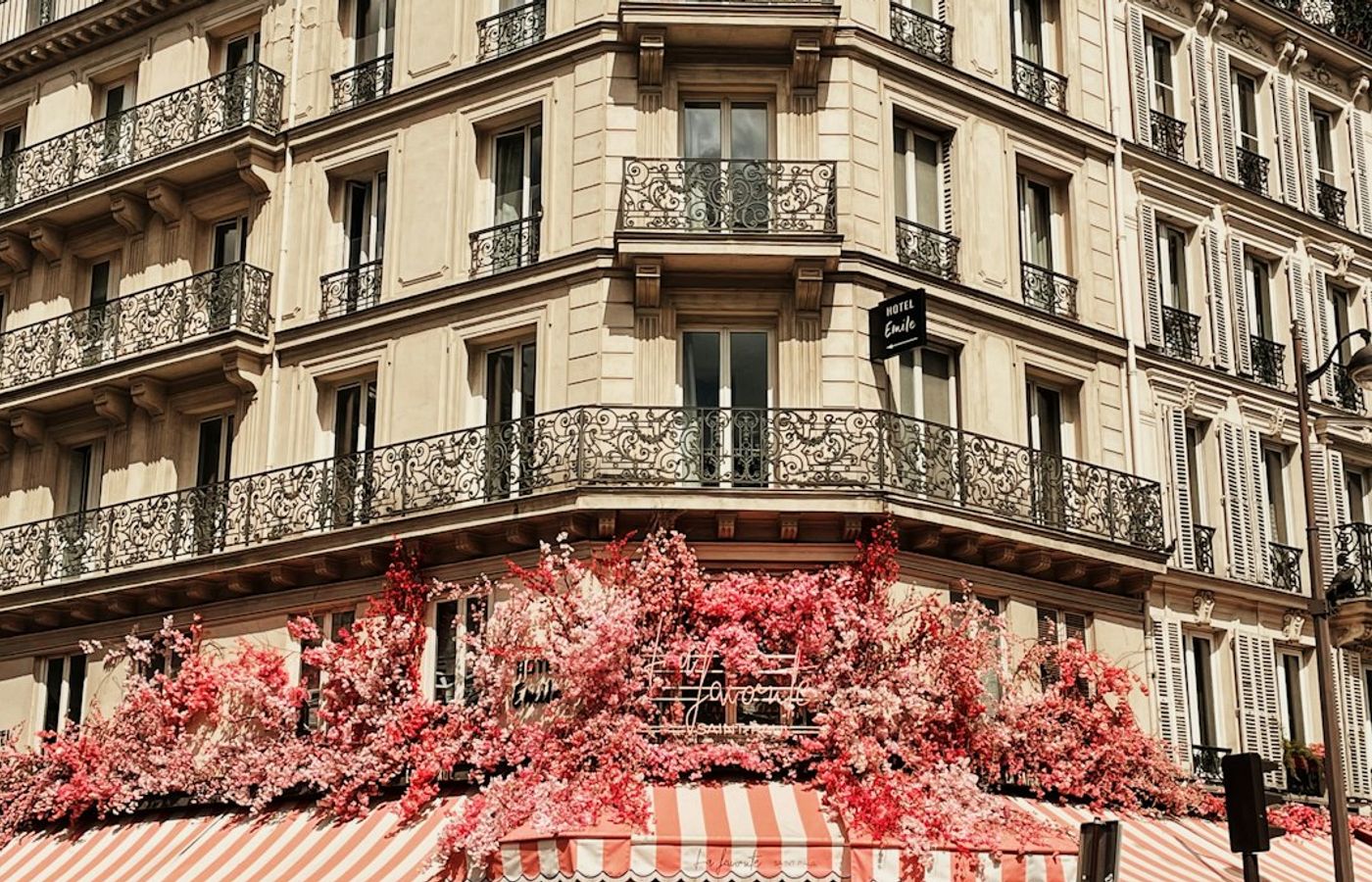

Alain Passard has cooked vegetables at three-star level since 2001, when he took red meat off the menu and startled the whole profession. In July 2025 he went further and made Arpège essentially plant-based, so the tasting menus now run on vegetables, fruit, herbs, flowers and honey grown in his own gardens at Fillé-sur-Sarthe. The kitchen kept all three Michelin stars in the 2026 guide. Cuisine: French cuisine légumière. The signature is the tarte bouquet de roses, apple and quince sliced paper-thin and stood on edge in overlapping petals, alongside the hot-cold egg with maple syrup and sherry vinegar that has been served here for decades.
Price per head is the honest problem: €420 to €540 for food alone, before a wine list that starts around where most Paris dinners finish. The dining room seats fewer than 30 among pear wood panelling and Lalique glass, and the atmosphere is quiet, formal and closely watched by the service team. Arpège opens Monday to Friday for lunch and dinner, and you should treat a booking as something to arrange six weeks out.
Pro Tip: Lunch is the cheaper way in, and the midday tasting menu comes from the same gardens and the same brigade as dinner. Book directly with the restaurant rather than through any third party, and mention when you reserve if you want the tarte bouquet de roses, because it has to be started before service begins.

3Table - Bruno Verjus - Two Stars, One Menu, No Compromise
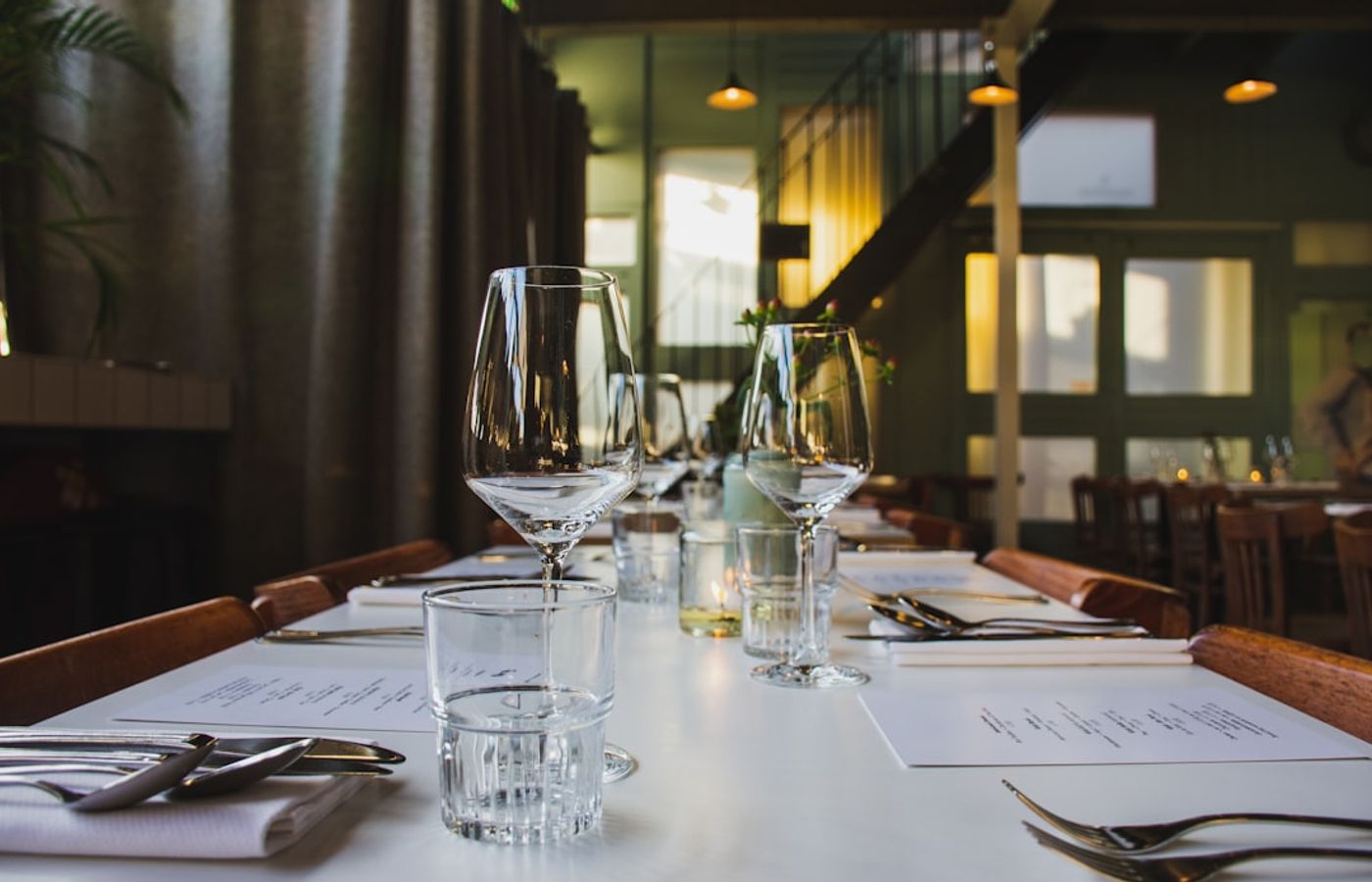

Bruno Verjus wrote about food for years before he cooked it professionally, opening Table in the 12th in his fifties and collecting two Michelin stars for a kitchen built almost entirely around sourcing. There is one menu, Couleur du Jour, decided on the morning of service: 10 to 14 courses over a minimum of two and a half hours at €480 per person, food only. Wine pairings add €300, champagne pairings €400 and a rare tea flight €200. Cuisine: contemporary French, produce-led to the point of obsession. Shellfish, sea urchin, raw dairy and vegetables are bought by Verjus himself and then handled as little as each dish will tolerate.
Guests sit at a long counter facing the open kitchen, which makes Table one of the least formal two-star rooms in the city and also one of the noisiest. Bookings open up to three months ahead and require a €200 non-refundable deposit per person. It serves Tuesday to Friday only, first seating at midday and 7:30pm, and closes for the first three weeks of August.
Pro Tip: Ask for counter seats near the fish station rather than a table at the back, and come at lunch on a Tuesday if you want Verjus himself talking you through what he bought that morning. Get the deposit terms in writing before you pay, because the €200 per head does not come back if you cancel.
4Le Chateaubriand - The Néo-Bistrot That Started It All
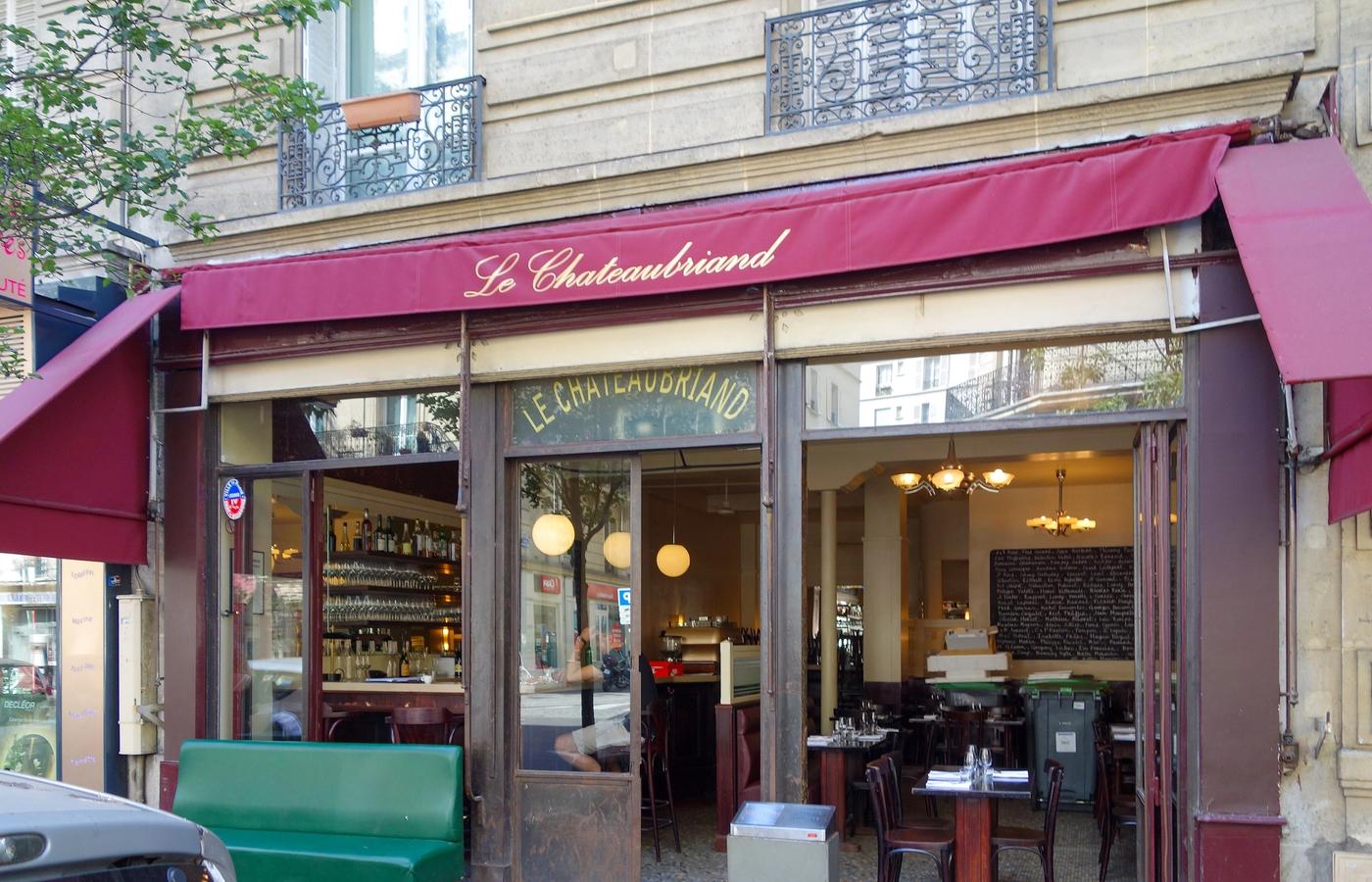
Inaki Aizpitarte opened Le Chateaubriand in 2006 and effectively invented the Paris néo-bistrot: a 1930s room with tiled floors, a zinc bar, a blackboard and paper napkins, serving a no-choice tasting menu that is rewritten daily. Budget around €100 a head for the set menu before wine, which by 2026 standards is unusually reasonable for cooking this exploratory. Cuisine: modern French with Basque and Nordic instincts. The signature here is a method rather than a plate - raw or barely cooked fish with something sharp and something bitter, then a meat course that arrives looking plain and does not taste it, then a dessert that argues with the rest of the meal.
Service runs Wednesday to Saturday for dinner, with lunch added on Friday, and the room is dark on Sunday and Monday. Reservations go roughly two weeks out, but Le Chateaubriand keeps a later second seating for walk-ins, which makes it the only genuinely spontaneous meal at this level anywhere in the 11th. The downside is the pace: two services a night means the first sitting is moved along briskly.
Pro Tip: Turn up at about 9:30pm without a booking and ask for the second service, which is first-come. If the wait is long, the same team runs Le Dauphin two doors along at 131 Avenue Parmentier, where you can eat small plates at the marble bar until a table frees up next door.
5Bistrot Paul Bert - The Classic Paris Bistrot, Unreconstructed
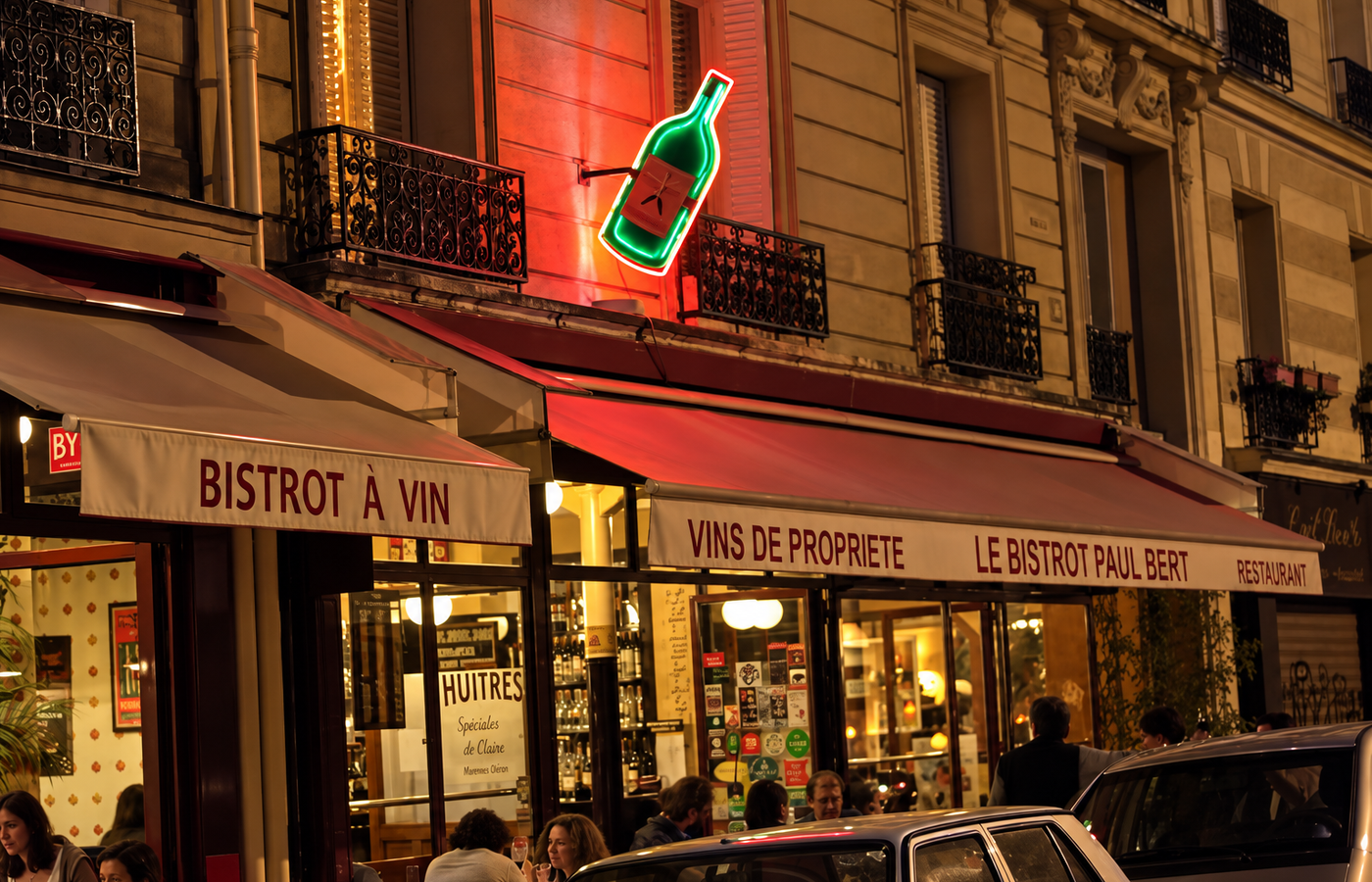
If you want the postcard version - nicotine-yellow walls, mirrors chalked with the day's specials, tables close enough to follow the next conversation - Bistrot Paul Bert still delivers it without irony. Bertrand Auboyneau has run the place for about two decades on Rue Paul Bert, a street that now carries three of his addresses. Cuisine: traditional French bistrot. The signature is steak au poivre with a proper mound of hand-cut frites, though the sole meunière from Le Guilvinec at €54 and the île flottante are what regulars actually order. Three courses land around €55 to €65 a head before wine, with plates such as beef tongue in hot sauce at €24 and crème caramel at €8.
Gault&Millau scores it 12/20 and calls it one of the capital's best-known bistros, which doubles as the warning: dinner service is heavily international, the room is tight and the tempo is brisk. It opens Tuesday to Saturday, 12pm to 2pm and 7pm to 11:30pm, and booking is by telephone only on +33 1 43 72 24 01. There is no online reservation system and no walk-in queue worth joining.
Pro Tip: Book lunch rather than dinner and ask for a table in the front room near the bar, because the back is quieter but you lose the whole point of the place. Order dessert at the same time as your main course, since the île flottante and the Paris-Brest both run out on busy nights.
6Chez L'Ami Jean - Basque Cooking and the Best Rice Pudding in Paris
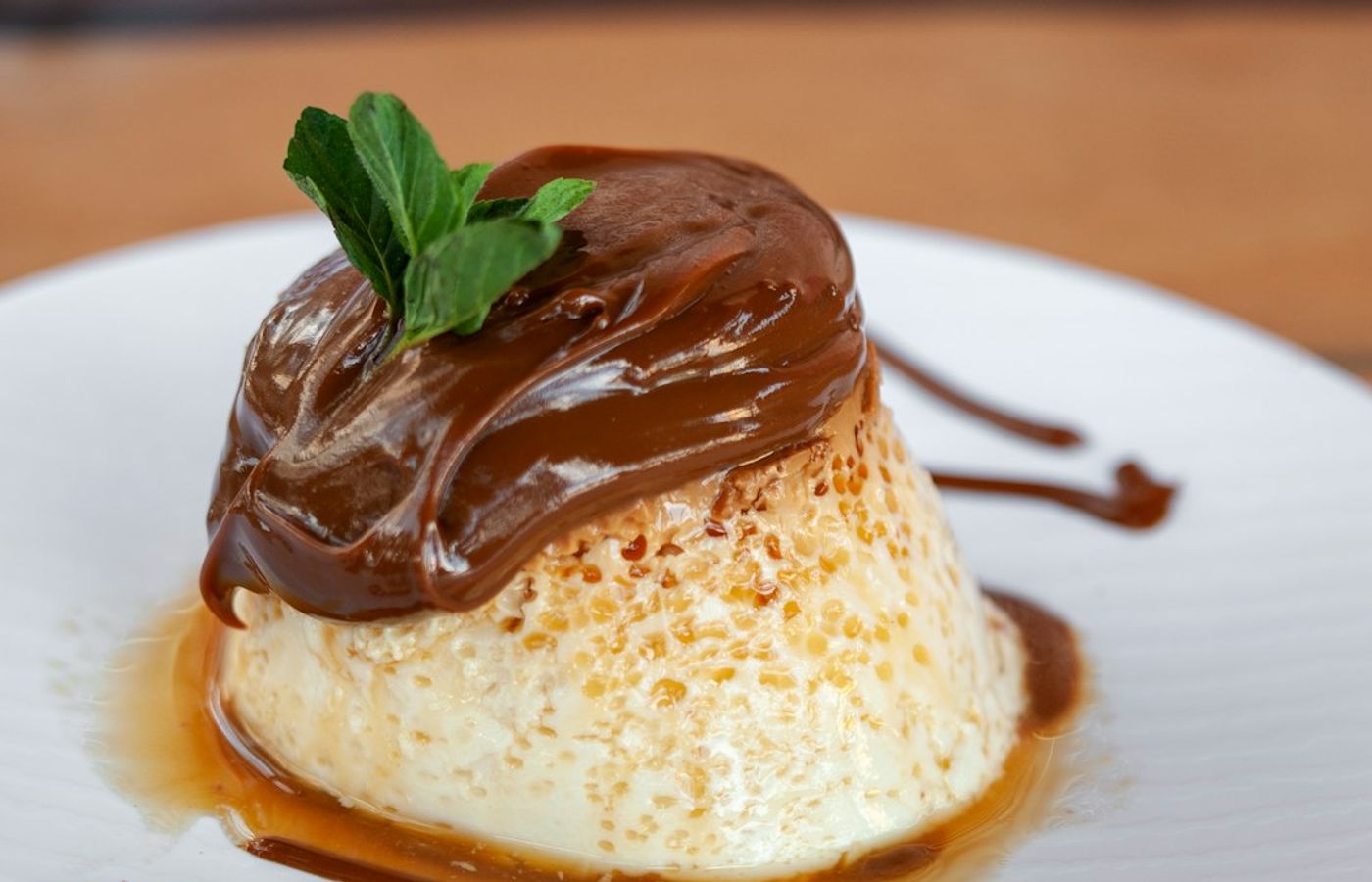
Stéphane Jégo has cooked Basque and Béarnaise food at Chez L'Ami Jean since 2002, in a room hung with rugby memorabilia and packed so tightly that dinner becomes a communal event whether you wanted one or not. Cuisine: south-west French with a Basque accent. The signature is the riz au lait at €15, a mixing bowl of rice pudding brought to the table with praline, salted caramel and whipped cream, built for sharing and rarely finished. The terrine, the ttoro fish stew and the haddock with celery and meat jus are why Paris chefs eat here on their own nights off. Individual plates run roughly €10 to €42, so three courses come in around €65 to €80 a head before wine, which arrives in pitchers from a natural list.
Gault&Millau rates it 13/20 with two toques. It serves Tuesday to Saturday, 12pm to 2pm and 7pm to 11:30pm. Two honest warnings: the noise is genuinely difficult if you came to talk, and Rue Malar sits close enough to the Eiffel Tower that the surrounding streets are full of far worse restaurants charging considerably more.
Pro Tip: Reserve two to three weeks ahead and take the 7pm sitting rather than the 9:30pm one, when the kitchen has run out of several plates. Share one starter between two people, because Jégo's portions are built for rugby players and you need to reach the rice pudding with room left.
7Shabour - Levantine Cooking and the Best Argument Against Eating Only French in Paris
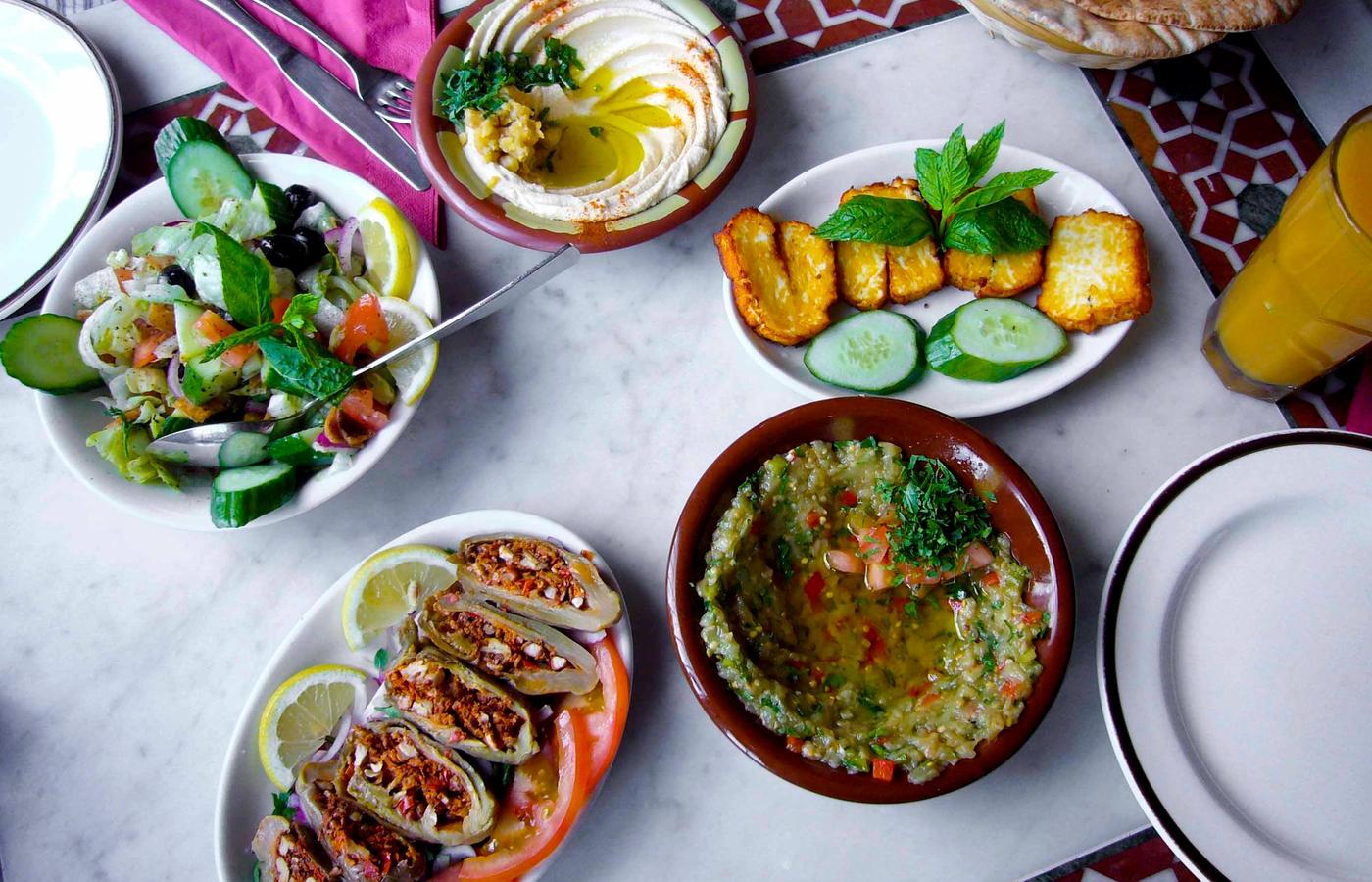
Paris eats far more than French food, and Shabour is the clearest evidence on this list. Assaf Granit's kitchen occupies a low, dark room on Rue Saint-Sauveur in the 2nd, with almost every seat at a counter wrapped around the cooks, who shout, sing and hand the plates over the pass themselves. Cuisine: Levantine, built on Jerusalem technique and French produce. There are two tasting menus: Le Petit Voyage at €81 and Le Voyage Shabour at €152. The signature is the langoustine and lobster with pandan, though the seared foie gras with chicken liver and vinegary carrots and the chocolate mousse with olive oil and Dead Sea salt get talked about just as much.
Gault&Millau scores it 14.5/20 and notes, correctly, that this is not the place for a candlelit dinner - the volume is part of the design, and so is being served by someone leaning across a hot pass. Dinner runs Monday to Thursday from 7pm, with lunch added on Friday and Saturday, and the room is closed on Sunday. Book three to four weeks ahead, because there are not many seats.
Pro Tip: Ask when you book for the corner of the counter closest to the grill, where you see the most cooking. Take the €81 Petit Voyage on a first visit rather than the €152 menu; it covers the same repertoire, and you can add a dessert separately if you are still hungry.
8La Coupole - The Art Deco Brasserie Institution of Montparnasse
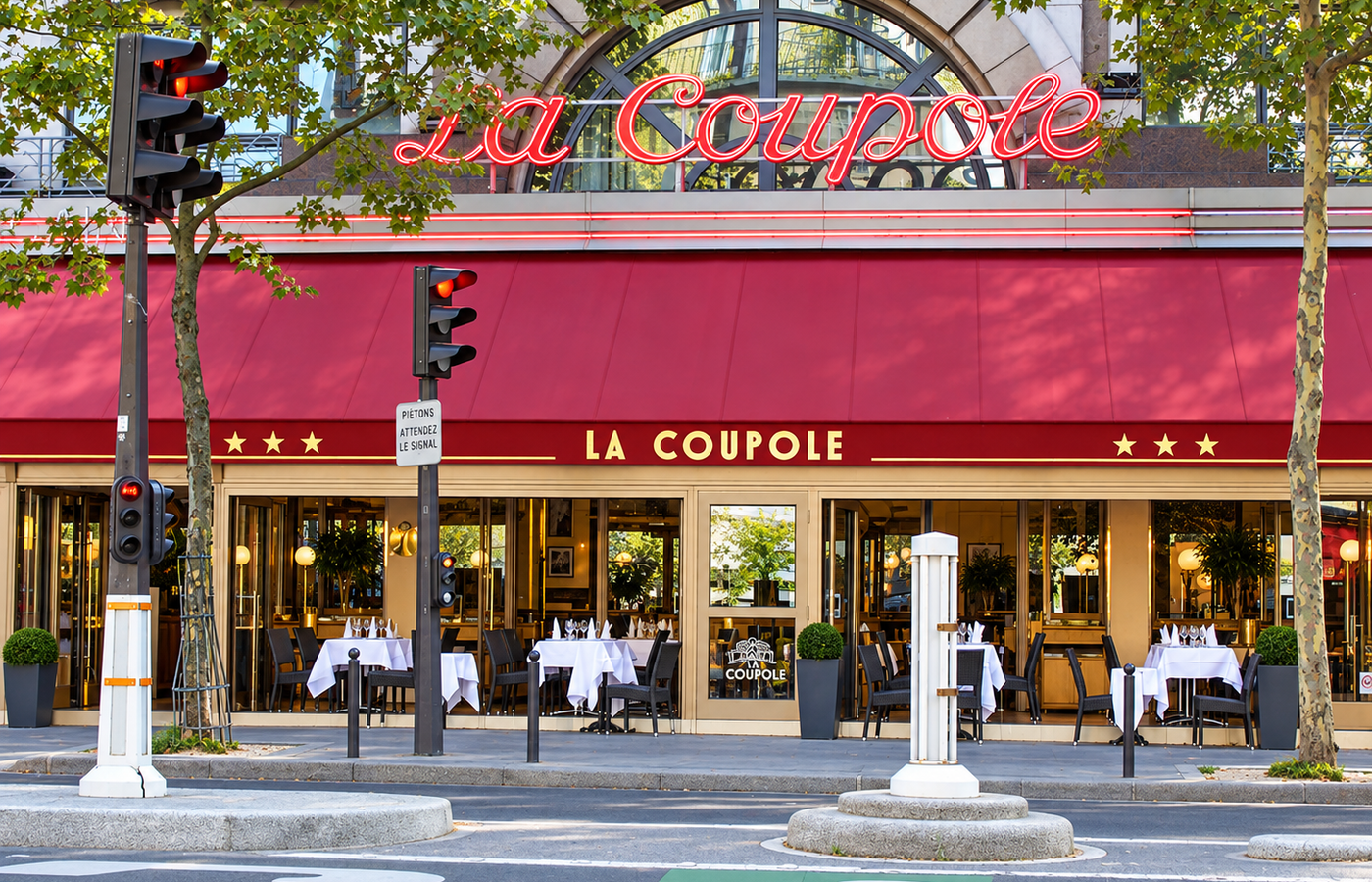
La Coupole opened on 20 December 1927 and is the brasserie every other Paris brasserie gets measured against: a vast Art Deco hall on Boulevard du Montparnasse whose painted pillars and décor are registered as historic heritage, and where Picasso, Giacometti, Joséphine Baker, Jean Cocteau, Sartre, Simone de Beauvoir and Hemingway all ran up tabs. Cuisine: classic French brasserie. The signature is the Indian lamb curry, on the menu since 1927 and still wheeled through the room, alongside seafood platters, choucroute, beef tartare and roast calf's liver.
Service is continuous from 8am to midnight Tuesday to Saturday and to 11pm on Monday and Sunday, which makes La Coupole one of very few genuinely useful late or early options in this guide. Budget €60 to €80 a head before wine, and more if you order a plateau de fruits de mer. Be clear-eyed about it: this is a large, professionally run operation and the cooking is dependable rather than thrilling. You come for the room, and the room is worth it.
Pro Tip: Book a booth along the wall rather than a centre table, and go at around 3pm on a weekday when the lunch rush has cleared. You get the hall almost to yourself and the lamb curry is still being served, because service never stops between meals.
9Le Baratin - The Belleville Wine Bistrot That Paris Chefs Eat At
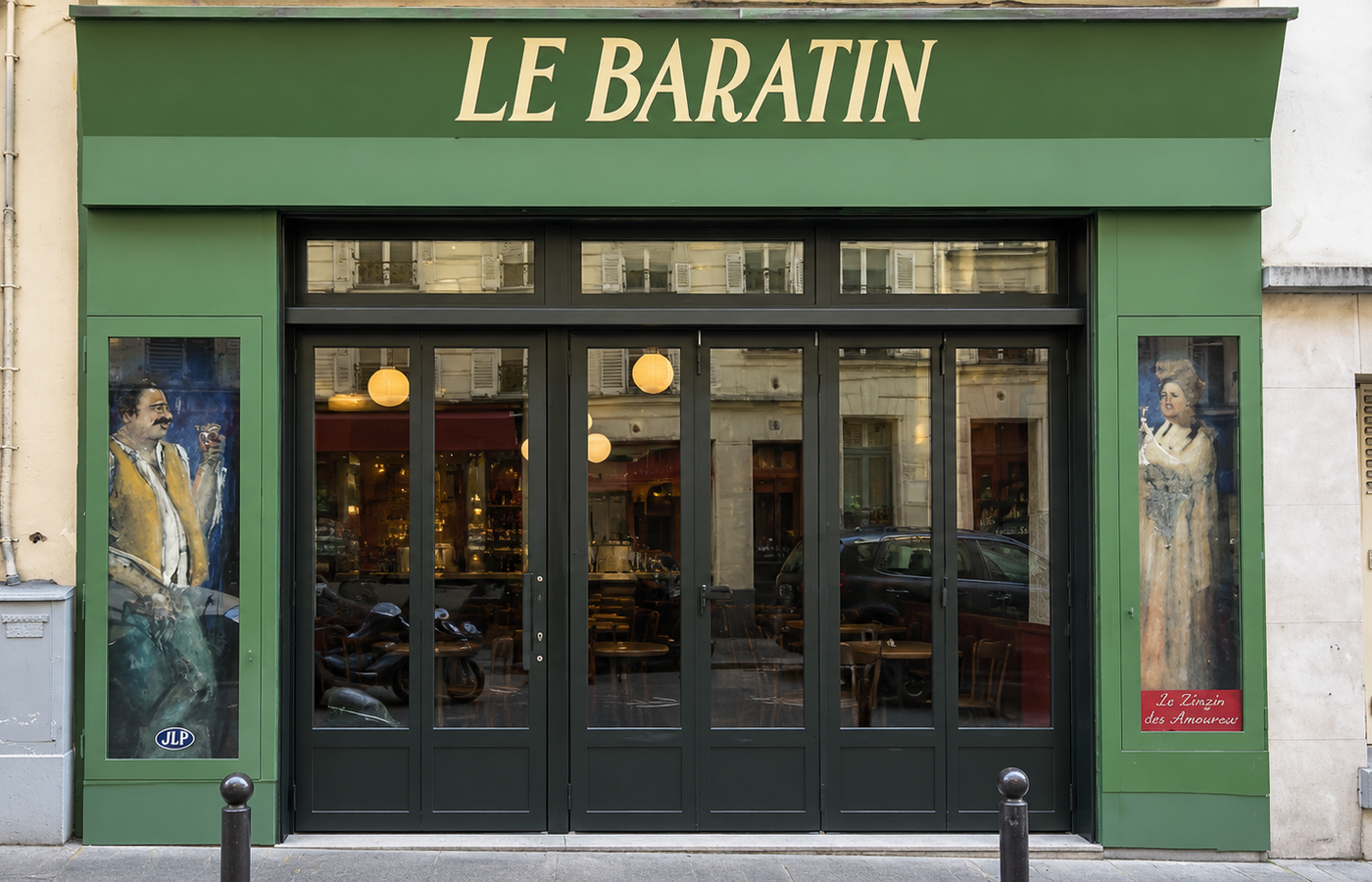
Raquel Carena has cooked at Le Baratin on the Belleville hill since 1987 and the room has barely changed: a mahogany bar, worn banquettes, a chalkboard menu in French only, and a list of natural bottles assembled by Philippe Pinoteau. Cuisine: French bistrot cooking with an offal bias and an Argentine hand. The signature dishes are the ones most kitchens will not attempt - veal kidneys in a coffee sauce, calf's ruffle with capers, salt cod with cod tripe ragout, Challans pigeon finished with sherry vinegar.
This is the great-value neighbourhood entry on the list. The lunch menu runs about €20 and dinner a la carte lands between €38 and €56 a head before wine. It opens Tuesday to Saturday, with lunch daily except Saturday from 12pm to 2:30pm and dinner from 7:30pm to 10:30pm, and closes Sunday and Monday. Two caveats worth knowing. Nothing is translated and the specials change every day, so bring patience. And retirement rumours circulate about Carena most years without coming true, so ring before you plan an evening around it.
Pro Tip: Telephone on the day for lunch, because the €20 midday menu is the best-value serious meal in this guide and lunch tables free up far more often than the 8pm sitting. Walk down from Métro Pyrénées rather than up from Belleville, since the hill is steeper than it looks on a map.
10Bouillon Chartier Grands Boulevards - A Monument Historique Where Two Courses Cost About €25
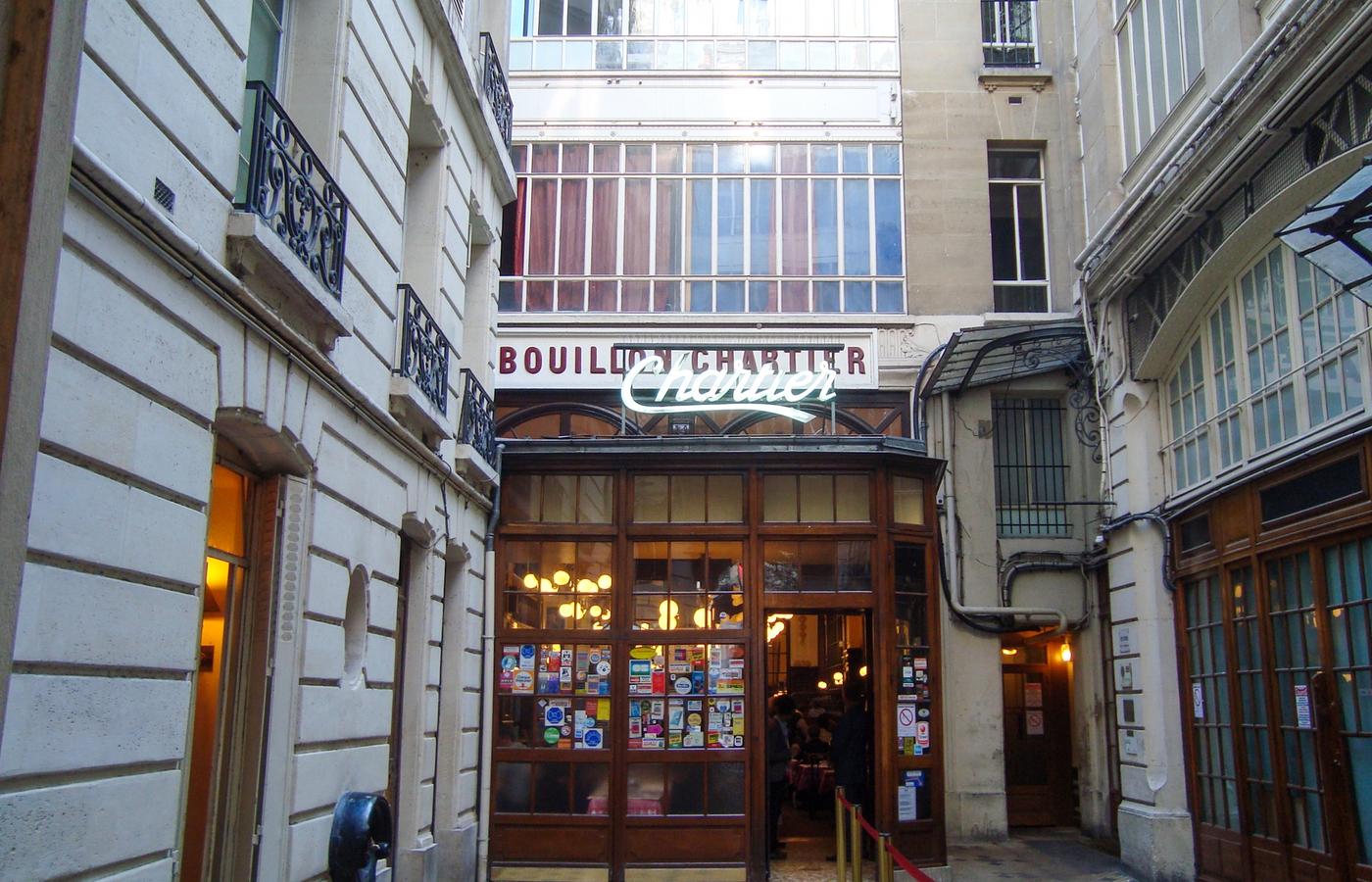
Bouillon Chartier has fed Paris from 7 Rue du Faubourg Montmartre since 1896, when brothers Frédéric and Camille Chartier opened it, and the Belle Époque dining room has been classified a monument historique since 1989. The ceiling sits on iron columns like a railway concourse, a mezzanine runs around the room, and the waiters still wear black waistcoats with a row of pockets over white aprons. Cuisine: French bouillon cooking, meaning the plain, well-simmered repertoire the format was built for. Signatures are oeuf mayonnaise, poireaux vinaigrette, escargots and the house cup of whipped cream.
Most plates sit around €10, so two courses and a glass of wine come to roughly €25 a head - the cheapest real meal in this guide by a wide margin. It opens every day of the year from 11:30am to midnight with continuous service and takes no reservations at all. Expect a pavement queue, expect to share a long table with strangers, and expect your bill added up in pen on the paper tablecloth. The cooking is simple and the room is full of visitors, and neither of those is a secret. The same group runs a Montparnasse site at 59 Boulevard du Montparnasse and a Gare de l'Est site at 5 Rue du 8 Mai 1945, both of which queue less.
Pro Tip: Arrive at 11:30am when the doors open, or after 9:30pm, and you walk straight in. Between 12:30pm and 2pm and again from 7pm the queue runs 30 to 45 minutes. If the Grands Boulevards line looks hopeless, take Métro line 8 four stops to Gare de l'Est, where the same menu is served with a fraction of the wait.

CEO and co-founder
Tomas is the co-founder and director of trip1, an European company specializing in reservation services. He launched the company in 2025 with a focus on building scalable, efficient operations.
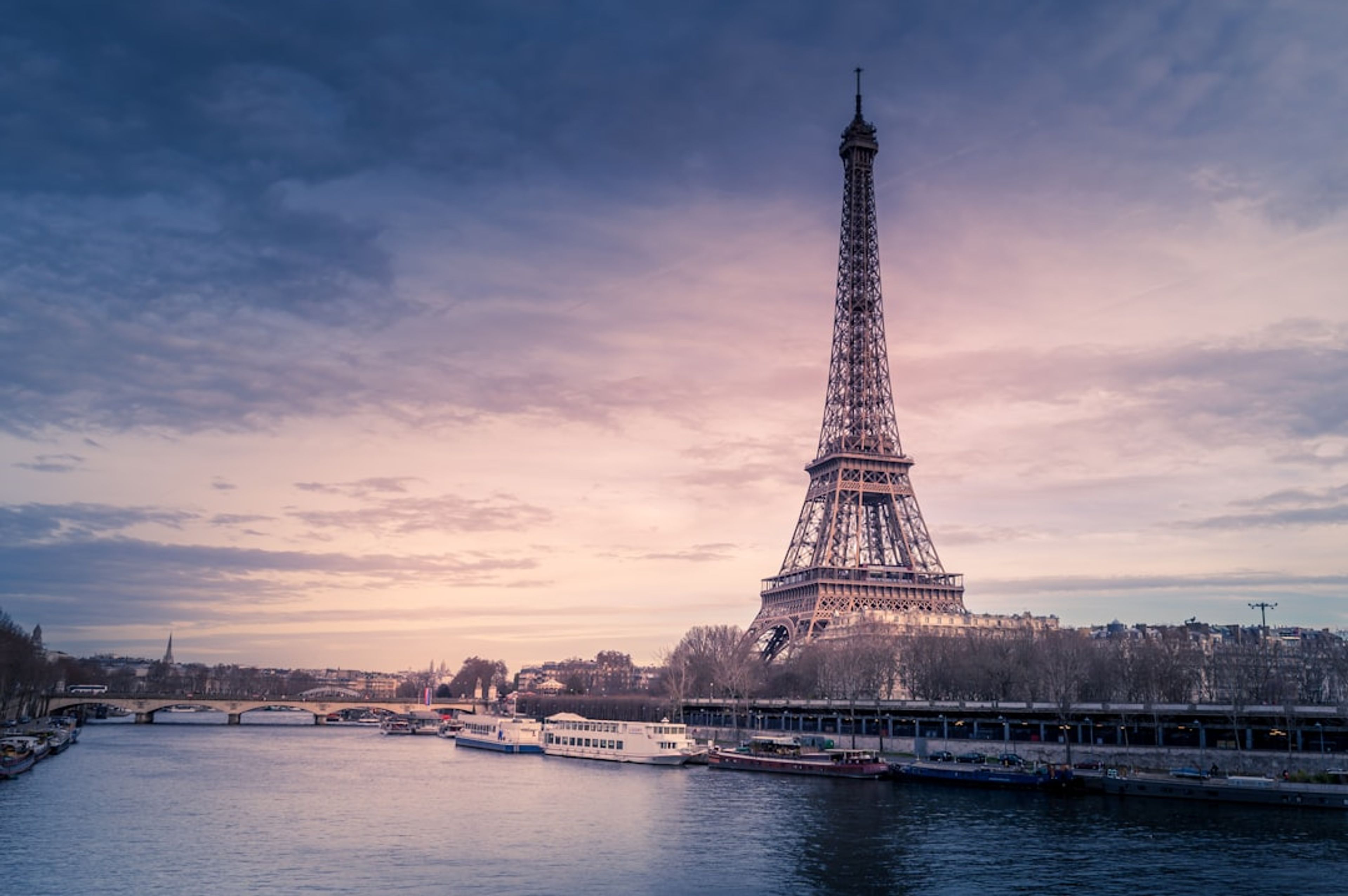
Climate averages · 1991–2020
When is the best time to visit Paris?
The best time to visit Paris is between May and October, the most comfortable stretch of the year on these averages.
Best time · May–OctoberRainfall
- Jan5°
- Feb6°
- Mar9°
- Apr12°
- May16°
- Jun19°
- Jul21°
- Aug21°
- Sep17°
- Oct13°
- Nov9°
- Dec6°
More of France
10 Best Restaurants in Paris - FAQ
Not comfortably on a short trip. Ten meals means at least five days if you want one significant lunch and one significant dinner a day, and several of these rooms serve on weekdays only. Septime, Table - Bruno Verjus, Arpège, Le Chateaubriand and Le Baratin all close for part of the week, so a Saturday-to-Monday city break realistically reaches three or four of them. Bouillon Chartier is the only entry open 365 days a year.
Work by arrondissement and by opening day, not by ranking. Start in the 11th, where Septime, Bistrot Paul Bert and Le Chateaubriand sit within a 15-minute walk of one another, and add Table - Bruno Verjus in the 12th on the same Métro line 8 axis. Put Arpège and Chez L'Ami Jean on a separate day in the 7th. Keep Bouillon Chartier, Shabour and La Coupole for evenings when a booking falls through, and save Le Baratin in the 20th for a weekday lunch.
Seven of the ten need a reservation and three of those need it weeks out. Septime releases tables online every day at 10am for the following three weeks and sells out within minutes. Table - Bruno Verjus books up to three months ahead and holds a €200 non-refundable deposit per person. Arpège should be booked around six weeks ahead. Bistrot Paul Bert takes bookings by telephone only, on +33 1 43 72 24 01. Bouillon Chartier takes no reservations at all, and Le Chateaubriand keeps a late second service for walk-ins.
Roughly €1,300 to €1,600 per person for all ten, food only. Arpège at €420 to €540 and Table - Bruno Verjus at €480 account for most of that between them. The other eight come to about €500 a head in total: Shabour from €81, Septime €85 at lunch, Le Chateaubriand around €100, Chez L'Ami Jean €65 to €80, La Coupole €60 to €80, Bistrot Paul Bert €55 to €65, Le Baratin €20 at lunch and Bouillon Chartier about €25. Wine pairings at the two gastronomic rooms would add €300 to €780 on top.
Yes, and each one was checked before this guide was published in September 2026. Verification came from every restaurant's own website where one exists, cross-checked against current 2026 opening hours, menu prices and listings from Gault&Millau, Le Fooding and the Michelin Guide's Paris selection. Two changes are worth flagging: Arpège dropped meat and fish almost entirely in July 2025 and is now a plant-based three-star kitchen, and Raquel Carena's retirement from Le Baratin gets rumoured most years without happening, so telephone before you travel across the city for it.
Arpège is the strongest option in Paris at this level, because the entire menu has been plant-based since July 2025. Septime and Shabour will both build a vegetarian menu when you flag it at the time of booking, and Table - Bruno Verjus works enough vegetables into the daily menu to adapt with notice. The traditional rooms are harder: Bistrot Paul Bert, Chez L'Ami Jean and Le Baratin are built on meat, offal and fish, and Bouillon Chartier's meat-free choices amount to a handful of starters. Always state dietary needs when you reserve, never on arrival.
Three categories, deliberately. Hotel dining rooms are excluded from this guide entirely, which leaves out several of the city's three-star kitchens. Second, the newer one-star and Bib Gourmand néo-bistrots in the 3rd, 10th and 19th arrondissements are worth your time and were cut only for space, Datil on Rue des Gravilliers among them. Third, Paris's Asian eating, from the Vietnamese canteens around Belleville to the udon counters near Rue Sainte-Anne, deserves a guide of its own rather than one token entry here.

Related travel guides
5 Best Things to Do in Paris During Art Basel Paris
The best things to do in Paris during Art Basel Paris: five museums and galleries near the Grand Palais, with dates, prices and metro stops.
15 Top Things to Do in Paris, France
Discover the top things to do in Paris in 2026 - from the Eiffel Tower and Louvre to Montmartre, the Champs-Élysées, and Versailles day trips.