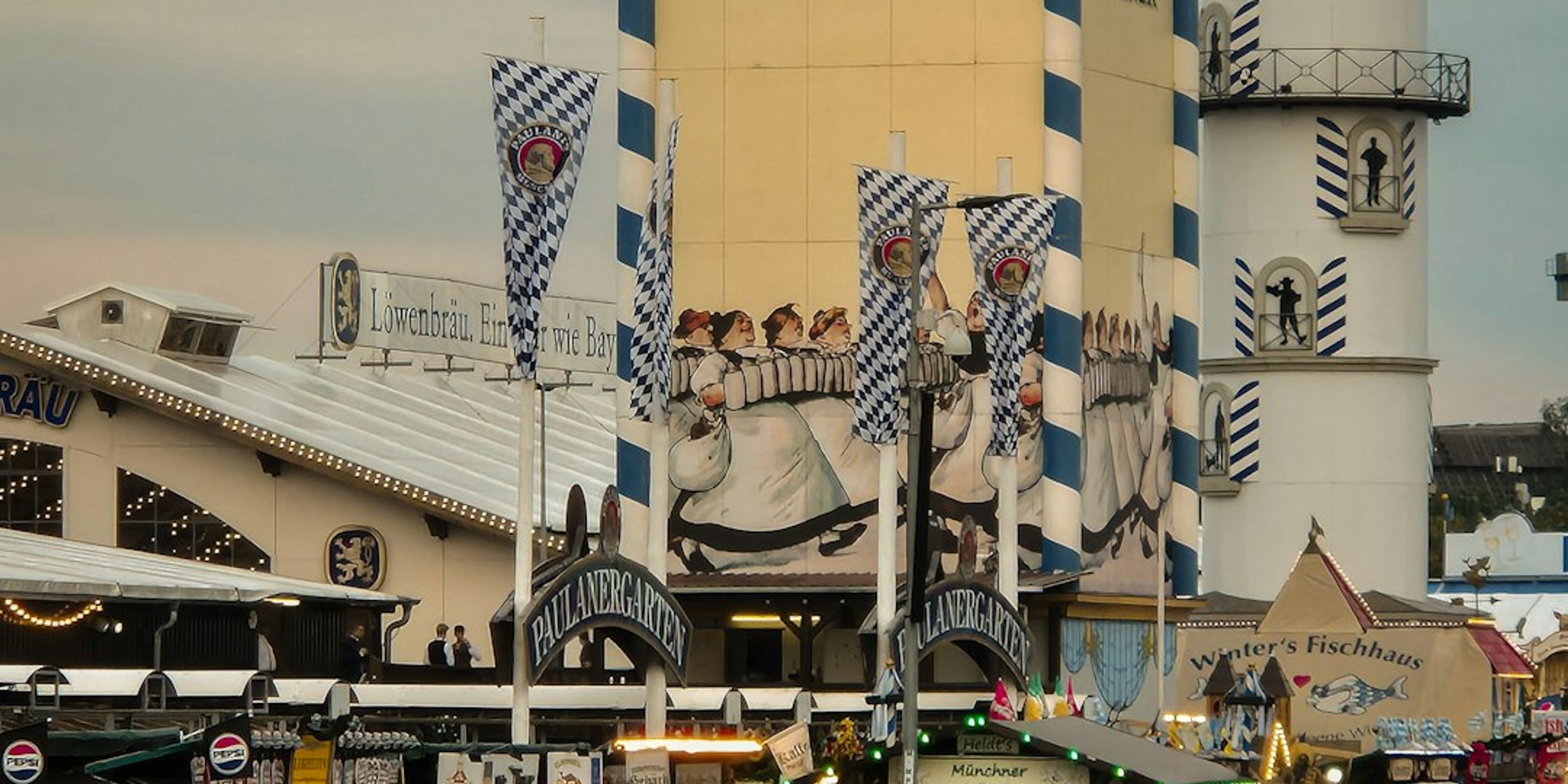

Guides · Munich
5 Best Things to Do in Munich During Oktoberfest

CEO and co-founder
Oktoberfest 2026 runs from Saturday 19 September to Sunday 4 October at the Theresienwiese, 80336 München, with the dates confirmed on oktoberfest.de, and for those sixteen days the city rearranges itself around one field. The 2025 Wiesn drew 6.5 million people through the gates. A Maß inside the tents costs EUR 14.80 to 15.90 in 2026, against EUR 8.80 at the Königlicher Hirschgarten across town. The best things to do in Munich during Oktoberfest, then, are the ones the festival empties out rather than the ones it fills.
This guide ranks five of them by exactly that measure, quietest first. Nymphenburg Palace opens the list because it genuinely gets calmer during the Wiesn. The Hofbräuhaus am Platzl closes it because it is the single worst place to be in Munich on a late-September evening, and the entry says so rather than pretending otherwise. In between sit the Englischer Garten with the Eisbach wave, the Viktualienmarkt, and Marienplatz with the Rathaus-Glockenspiel.
Every entry carries an exact address, the nearest transit, and a specific hour to turn up: 09:00 at Nymphenburg Palace for the 10:00 fountains, before 10:00 at the Viktualienmarkt, the 11:00 weekday Glockenspiel chime rather than the 17:00 one, and 11:00 to 13:00 at the Hofbräuhaus. For routing, pair the first two on a northwest-to-north day using tram 17 and the U3/U6, and cover the last three on a single Altstadt morning, since the Viktualienmarkt, Marienplatz and Platzl all sit within about 600 m of each other.
1Nymphenburg Palace - The Quietest Escape From the Wiesn
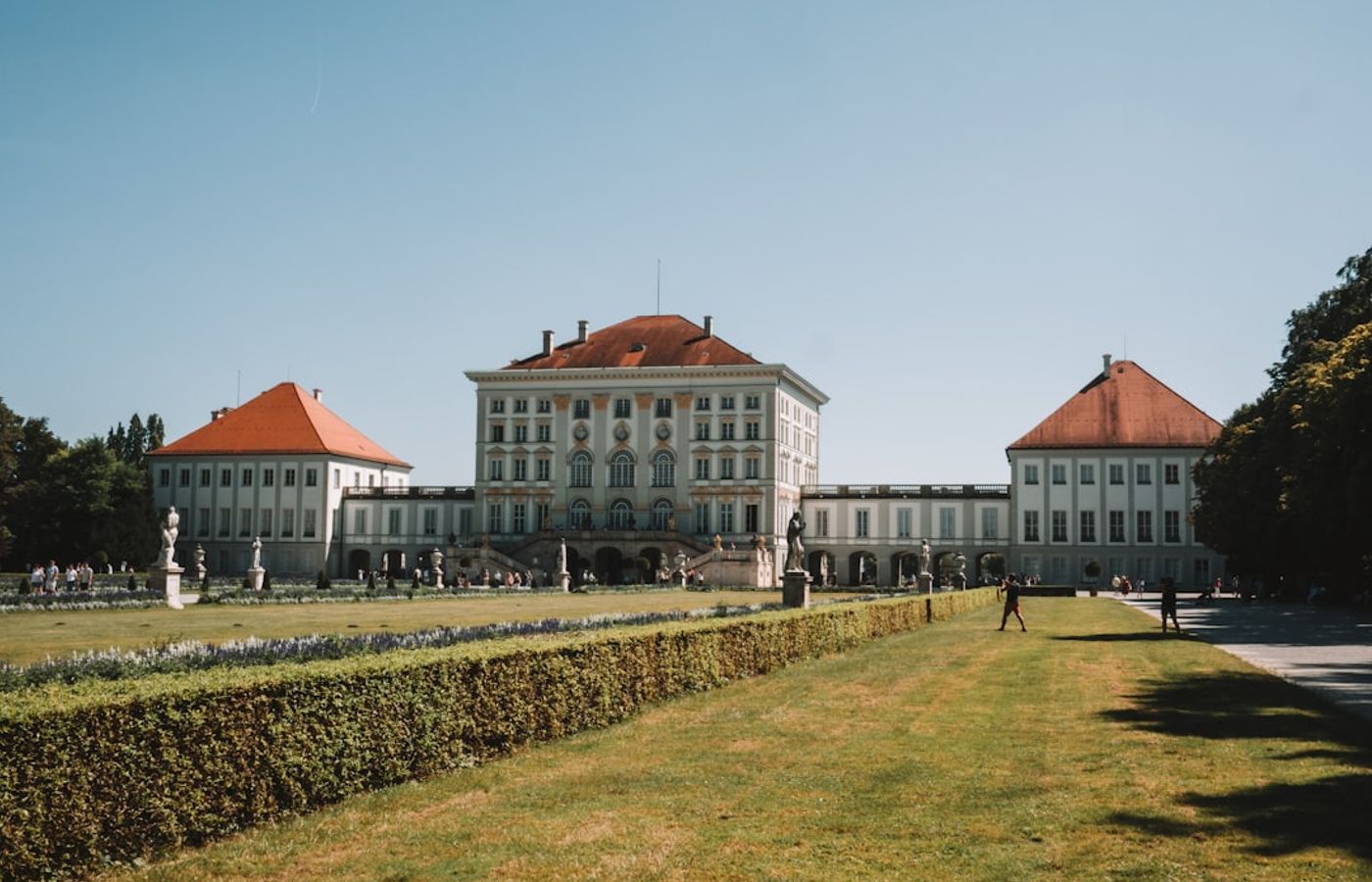

Nymphenburg Palace sits roughly 6 km northwest of the Theresienwiese, on the far diagonal of the city from the Wiesn, and shares no transit line with it. That geography is the whole argument. Oktoberfest pulls day-trippers off Munich's museum circuit for sixteen days, so the palace and its park run calmer in late September than they do in July. The main season covers 15 April to 15 October, which takes in all of Oktoberfest. Palace, museums and park palaces open daily 09:00-18:00 with last entry at 17:30; park gates open at 06:00 and close at 21:30 in September, 20:00 in October.
The high-season combination ticket is EUR 20 and covers the palace, the Marstallmuseum with its porcelain collection, and the park palaces. Taken separately, the palace alone is EUR 10, the Marstallmuseum EUR 8 and the park palaces EUR 6. Under-18s enter free and the park itself costs nothing. Timed slots apply to the palace interior, and the audio guide adds EUR 3.50. Two things to know for 2026: the Lacquer Cabinet is closed for restoration through the autumn, and two of the park fountains are out of service. The working fountains run from Easter to mid-October, 10:00-12:00 and 14:00-16:00.
Pro Tip: Arrive at 09:00 when the ticket desk opens, walk the park while it is still empty, and be back at the parterre for 10:00 when the fountains start. Tram 17 to Schloss Nymphenburg leaves you at the canal end of the approach, which is the view worth walking in on.
2Englischer Garten and the Eisbach Wave - 375 Hectares That Absorb the Crowd

Size is what makes the Englischer Garten work during Oktoberfest. At 375 hectares it simply absorbs people, and 200 m off the main paths in late September the Wiesn might as well be happening in a different city. The park is free and never closes. Its one crowded pocket is the Chinesischer Turm beer garden, which does fill up as a tent alternative during the festival, so route around it rather than through it if quiet is the point.
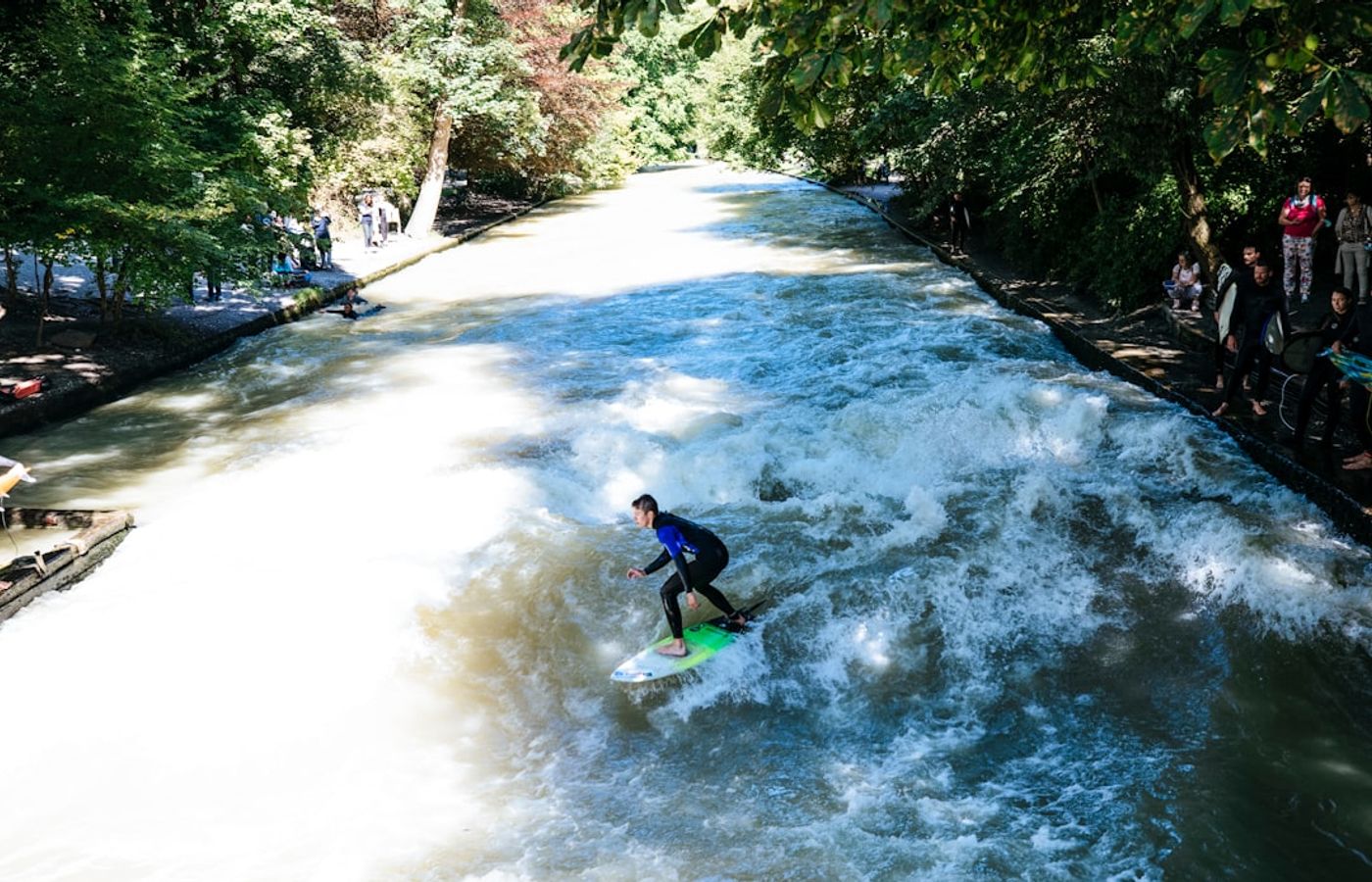
The Eisbach wave forms in the Eisbach channel at the southern edge of the park, on Prinzregentenstraße beside the Haus der Kunst. Watching from the bridge is free, unrestricted and unaffected by anything else described here. Surfing access is a separate question and needs stating carefully. The wave was closed after a fatal night-time accident in April 2025, disappeared that October during riverbed maintenance before reforming naturally, and reopened on 9 May 2026. The city's own sources have not caught up with each other: munich.travel lists it as open, while muenchen.de still states that surfing is not permitted. Access has been on and off since 2025, so anyone planning to surf should check Munich's current status first rather than trust a guide. Where surfing is allowed, the rules are 05:30-22:00 with no night riding, a self-releasing leash, an accompanying person, experienced surfers only, and a helmet recommended.
Pro Tip: Stand on the Prinzregentenstraße bridge before 09:00 on a weekday and the railing is yours; the three-deep crowd is an afternoon thing. From there it is 10 to 15 minutes on foot back to U4/U5 Lehel.

3Viktualienmarkt - The Only Beer Garden in Munich That Changes Brewery
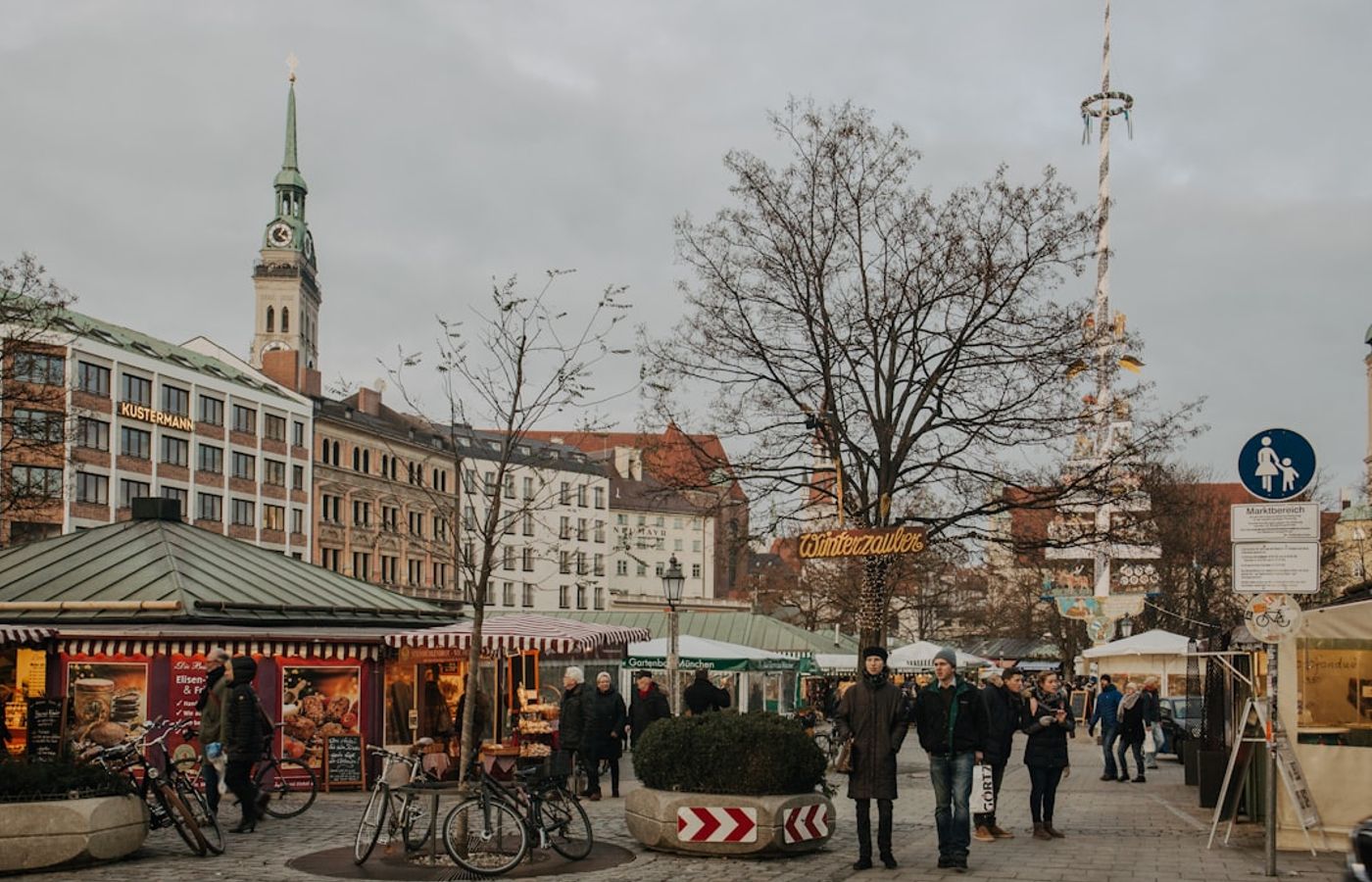

The Viktualienmarkt is a working produce market rather than a display of one, open Monday to Friday 08:00-20:00 and Saturday 08:00-15:00, closed on Sunday, with individual stallholders keeping their own hours inside those windows. Entry is free. Being 400 m from Marienplatz, it does get busier during Oktoberfest, but nowhere near as badly as the square itself, and the spillover is an afternoon and evening problem rather than a morning one.
The beer garden at the centre of the market is the reason to make the trip, and the reason is structural rather than sentimental. It rotates through all six of Munich's major breweries - Augustiner, Hacker-Pschorr, Löwenbräu, Hofbräu, Paulaner and Spaten - changing roughly every five to six weeks. The market stands on city-owned ground, so no single brewery is permitted to be favoured, and the rotation is how the city enforces that. Every other beer garden in Munich is tied to one brewery permanently. This is the only place where which beer you drink is a function of the calendar. During Oktoberfest, when each of those six breweries is locked into its own tent on the Theresienwiese, that neutrality is a genuinely different experience. Bavarian Brotzeit rules apply here too: you may bring your own cold food, but drinks must be bought on site.
Pro Tip: Get there before 10:00 on a weekday, when the market is doing its actual job, the stalls are fully stocked and the Wiesn crowd has not surfaced. Check which brewery is currently pouring before you sit down, since it changes every five to six weeks.
4Marienplatz and the Rathaus-Glockenspiel - Take the 11:00 or the 21:00, Never the 17:00
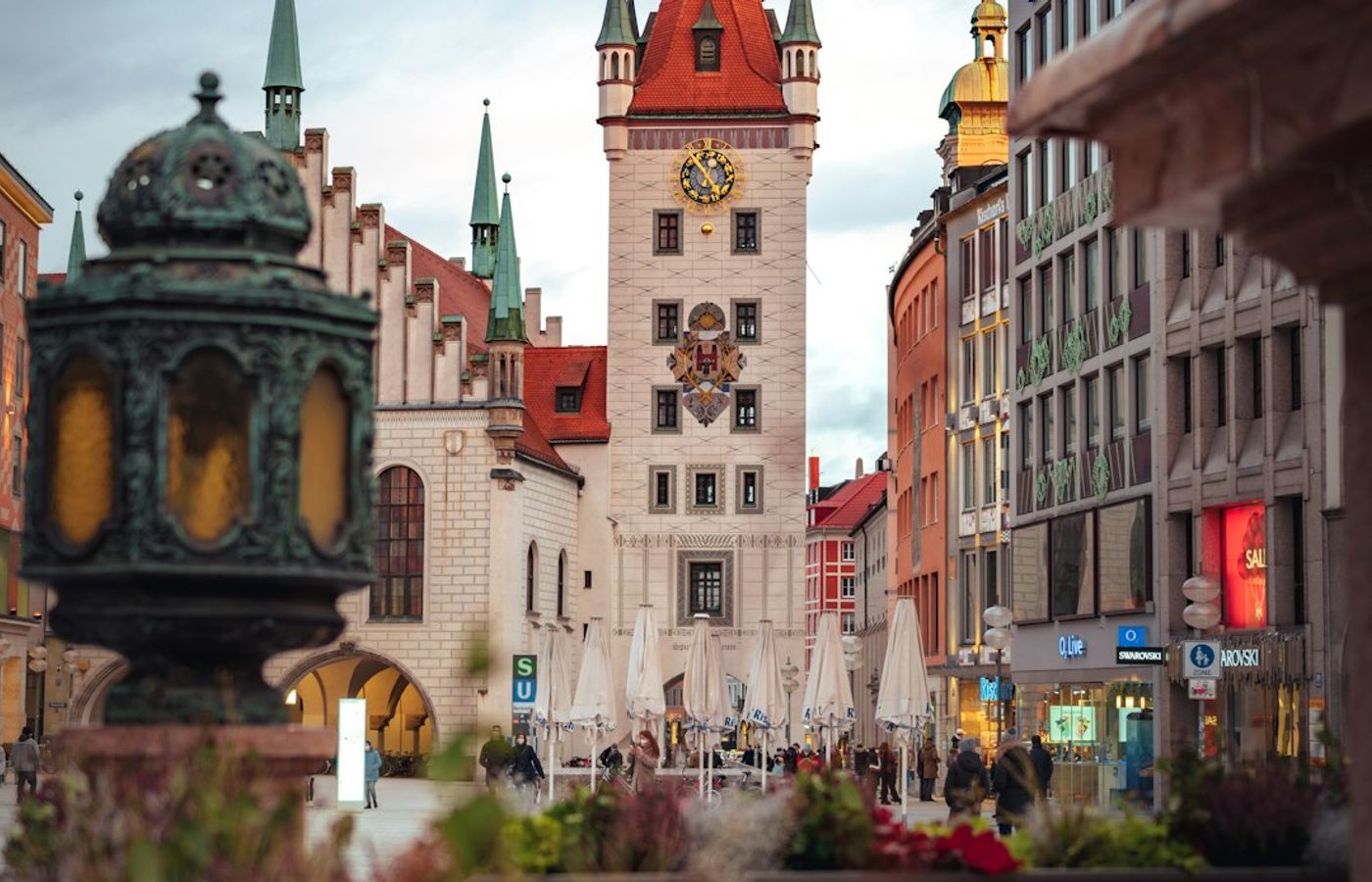
Marienplatz is the busiest square in Munich in an ordinary week, and during Oktoberfest it becomes the staging ground for the whole festival. This is where groups in Tracht meet before heading to the Theresienwiese and where they come back through afterwards. Going is still right; the hour just matters more here than anywhere else on this list.
The Rathaus-Glockenspiel in the tower of the Neues Rathaus chimes at 11:00 and 12:00 every day of the year, adds a 17:00 performance from March to October, and runs a separate evening show at 21:00 with the night watchman and the angel figures. It has 43 bells, is solar-powered, and works through six music cylinders that rotate across the year. The city does not publish an official duration, though performances commonly run somewhere around 12 to 15 minutes. It stays silent all day on Good Friday. Watching costs nothing.
The 17:00 chime is the one to skip during the Wiesn, since it lands squarely inside the Oktoberfest window with the square at its fullest. Take the 11:00 chime on a weekday morning instead, or the 21:00 evening show, which muenchen.de notes is quieter and less widely known.
Pro Tip: Be in the square by 10:50 for the 11:00 weekday chime; by 10:58 in late September the clear sightlines to the tower have gone. If an evening is all you have, take 21:00 over 17:00 every single time during the festival.
5Hofbräuhaus am Platzl - Worth It at 11:00, Unbearable at 20:00
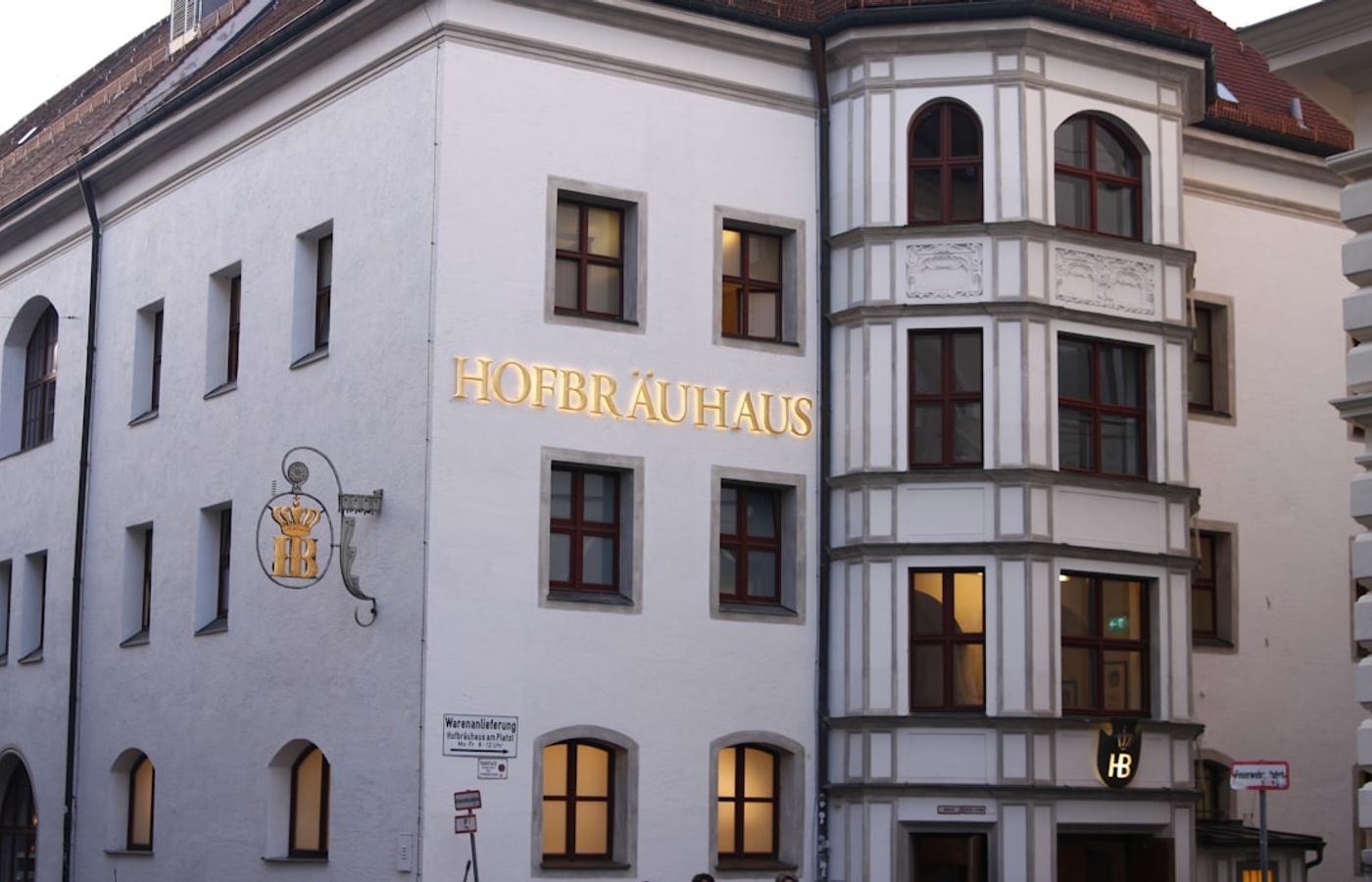
Put it plainly: the Hofbräuhaus am Platzl during Oktoberfest is the worst-timed visit in Munich. It is the default overflow venue for everyone turned away at a Wiesn tent door once capacity is reached, and that arrives on top of the tourist traffic the place carries every day of the year. Between 18:00 and midnight in late September the halls are a crush, service slows to a crawl, and much of the room is full of people who wanted to be somewhere else. A guide that recommends it for a September evening without saying so is not being useful.
It is still worth going at the right hour. The house at Platzl 9 opens daily 11:00-24:00, the kitchen runs to 22:00 with last orders at 23:30, and there is no admission charge. No Oktoberfest-specific hours have been published for 2026, so the standard schedule applies through the festival. Marienplatz and Isartor are both a five-minute walk away, which is precisely why the evening overflow finds it so easily. Go between 11:00 and 13:00 on a weekday. The Wiesn tents open in the morning and pull the crowd west across the city, which leaves the Hofbräuhaus in the one daily window where it behaves like a beer hall instead of a holding pen.
Pro Tip: Weekday, 11:00 to 13:00, and take a table rather than hovering by the door. Avoid 18:00 to midnight completely between 19 September and 4 October 2026, which is when the entire Wiesn overflow arrives at once.

CEO and co-founder
Tomas is the co-founder and director of trip1, an European company specializing in reservation services. He launched the company in 2025 with a focus on building scalable, efficient operations.
5 Best Things to Do in Munich During Oktoberfest - Beyond the Wiesn - FAQ
Yes, but the timing windows fight each other. Nymphenburg Palace wants 09:00-11:00 and the Hofbräuhaus am Platzl wants 11:00-13:00, and the tram 17 ride back into the city takes long enough that you cannot have both on the same morning. Split the five across two days if you can: Nymphenburg Palace and the Englischer Garten on one, the three Altstadt stops on the other.
Take them in the order the guide lists them, which also works geographically. Day one runs northwest to north: Nymphenburg Palace at 09:00, then the Englischer Garten and the Eisbach wave. Day two stays in the Altstadt: the Viktualienmarkt before 10:00, the 11:00 Glockenspiel chime at Marienplatz, and the Hofbräuhaus am Platzl straight afterwards.
Only Nymphenburg Palace. The palace interior runs on timed entry slots, so reserve one rather than turning up at the door, especially for a 09:00 arrival during Oktoberfest. Marienplatz, the Rathaus-Glockenspiel, the Viktualienmarkt, the Englischer Garten, the Eisbach wave and admission to the Hofbräuhaus am Platzl are all free and need no booking.
About EUR 20 in admissions. That is the high-season combination ticket at Nymphenburg Palace, valid 1 April to 15 October 2026, covering the palace, the Marstallmuseum with its porcelain collection and the park palaces. Palace only is EUR 10, the Marstallmuseum EUR 8, the park palaces EUR 6, and under-18s go free. The audio guide adds EUR 3.50. The park and the other four entries cost nothing to enter.
Check the city's current status before you plan around it, because Munich's own sources disagree. The Eisbachwelle reopened on 9 May 2026 after a closure that followed a fatal night-time accident in April 2025, and munich.travel lists it as open, while muenchen.de still states that surfing is not permitted. Watching from the Prinzregentenstraße bridge is free and unaffected either way.
Yes, and none of them sits on the crowded Wiesn lines. Nymphenburg Palace takes tram 17 or bus 51, the Eisbach wave is a 10 to 15 minute walk from U4/U5 Lehel or U3/U6 Odeonsplatz, and the Viktualienmarkt, Marienplatz and the Hofbräuhaus all hang off Marienplatz station. U4/U5 Theresienwiese is the one to avoid, since it serves the festival grounds directly and queues at the escalators on Wiesn evenings.
Munich's big beer gardens, above all the Königlicher Hirschgarten, where a Maß costs EUR 8.80 against EUR 14.80 to 15.90 inside the Wiesn tents. It sits in the same northwest corner of the city as Nymphenburg Palace, which makes the two a natural pairing on one day. The Chinesischer Turm garden inside the Englischer Garten is the one to think twice about, because it fills up as a tent substitute.