

Guides · Riga
10 Best Things to Do in Riga

CEO and co-founder
This guide ranks the 10 best things to do in Riga, Latvia - the sights that earn a spot on your itinerary whether you have two days or a full week. Each attraction below includes the exact street address with postal code, the nearest tram or bus stop with walking time, and a Pro Tip based on when queues are shortest and light is best. Riga is the largest city in the Baltics and its centre carries an unusual density of world-class architecture: a UNESCO-listed medieval old town (Vecriga) and the largest ensemble of Art Nouveau buildings in Europe, all within a 25-minute walk of each other.
The list is ordered for efficient walking. Attractions 1 through 6 sit inside Vecriga and can be covered in one long day. Attractions 7 through 9 cluster north of the Old Town in the Boulevard Ring and the Art Nouveau District. The final entry is a full-day trip to Jurmala beach or Sigulda in Gauja National Park. Every city entry is reachable on foot or on the Rigas satiksme tram, trolleybus and bus network.
Prices, opening hours and transit info reflect the 2026 season. If you plan to visit three or more paid museums, the Riga Pass at 25 EUR for 24 hours pays for itself. Euros are used everywhere and card payment is accepted at almost every venue.
1Riga Old Town (Vecriga) and Dome Square - The UNESCO Medieval Heart
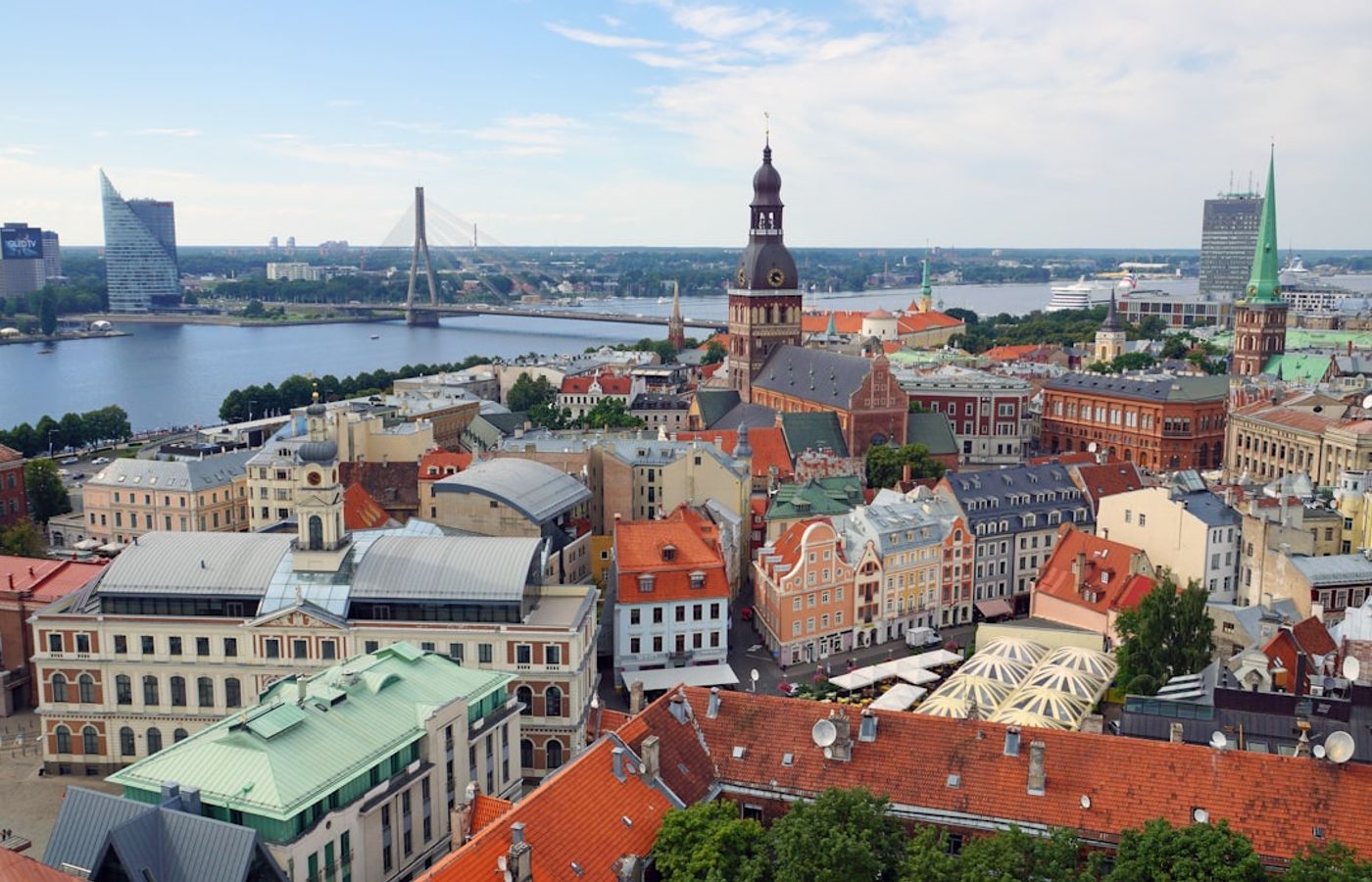

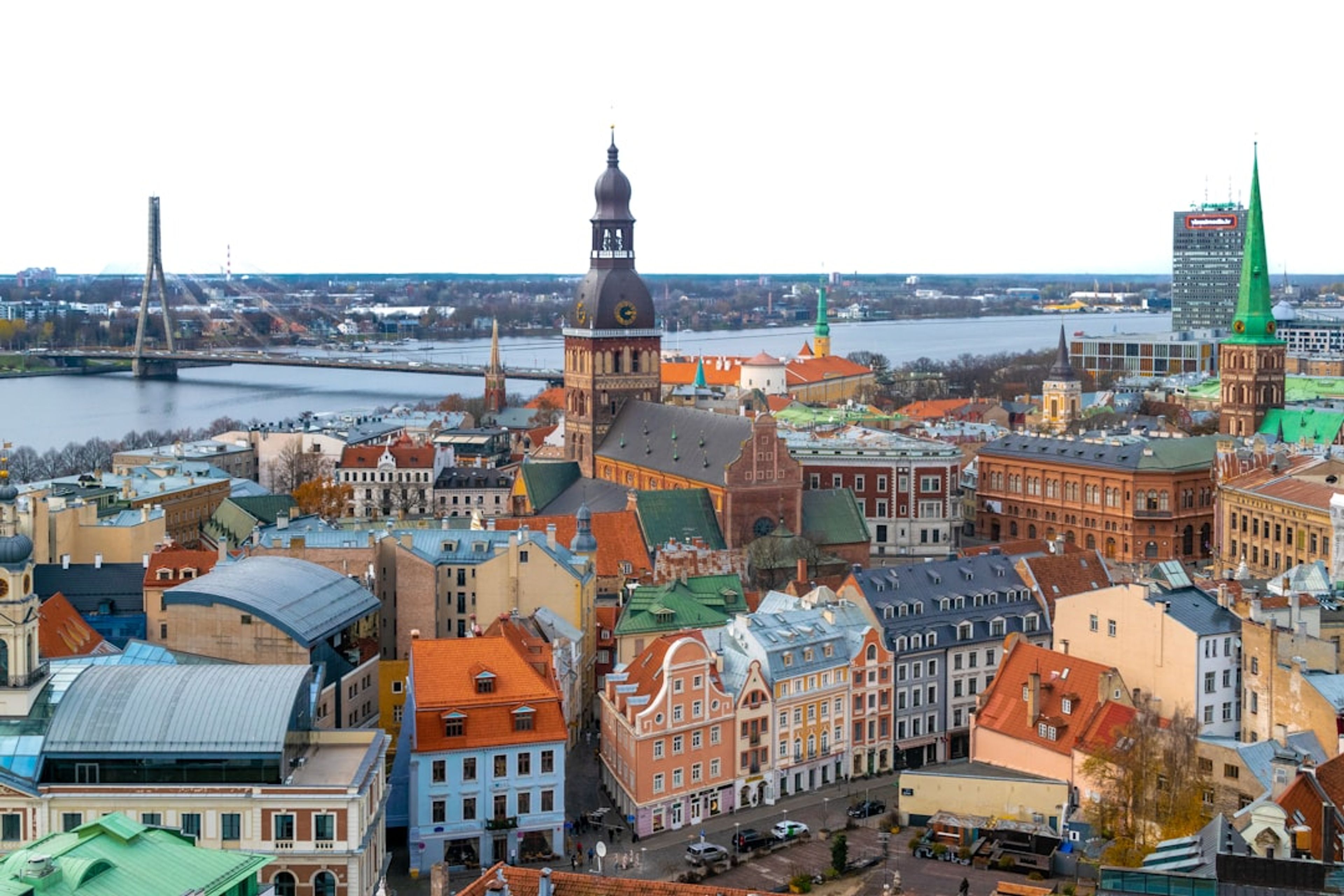
Leading every list of things to do in Riga, Vecriga (Old Town) is a UNESCO World Heritage Site and one of the finest medieval and early-modern city centres in Northern Europe. Founded in 1201 by Bishop Albert of Riga, the Old Town grew as the wealthiest Hanseatic port on the eastern Baltic. Its winding lanes still follow the medieval street plan and hold a working mixture of Gothic, Renaissance and Art Nouveau buildings - the UNESCO listing covers both Vecriga and the 19th-century Boulevard Ring around it.
Anchor your day at Dome Square (Doma laukums), the largest open plaza in the Old Town, dominated by Riga Cathedral (see next entry). From here you are within a 5-minute walk of the House of the Black Heads, St Peter's Church spire, the Three Brothers, the Swedish Gate and the surviving medieval city wall along Tornu street. Cafe terraces cover the square in summer; in December it hosts one of Riga's Christmas markets - Riga claims the first-ever decorated Christmas tree in 1510.
Pro Tip: Enter Vecriga from the north through the Powder Tower and Livu Square rather than from the tourist-heavy Kalku iela. Weekday mornings before 10:00 are almost silent on Skarnu iela - the best window for photos of the cathedral square.
2Riga Cathedral (Rigas Doms) - The Largest Medieval Church in the Baltics
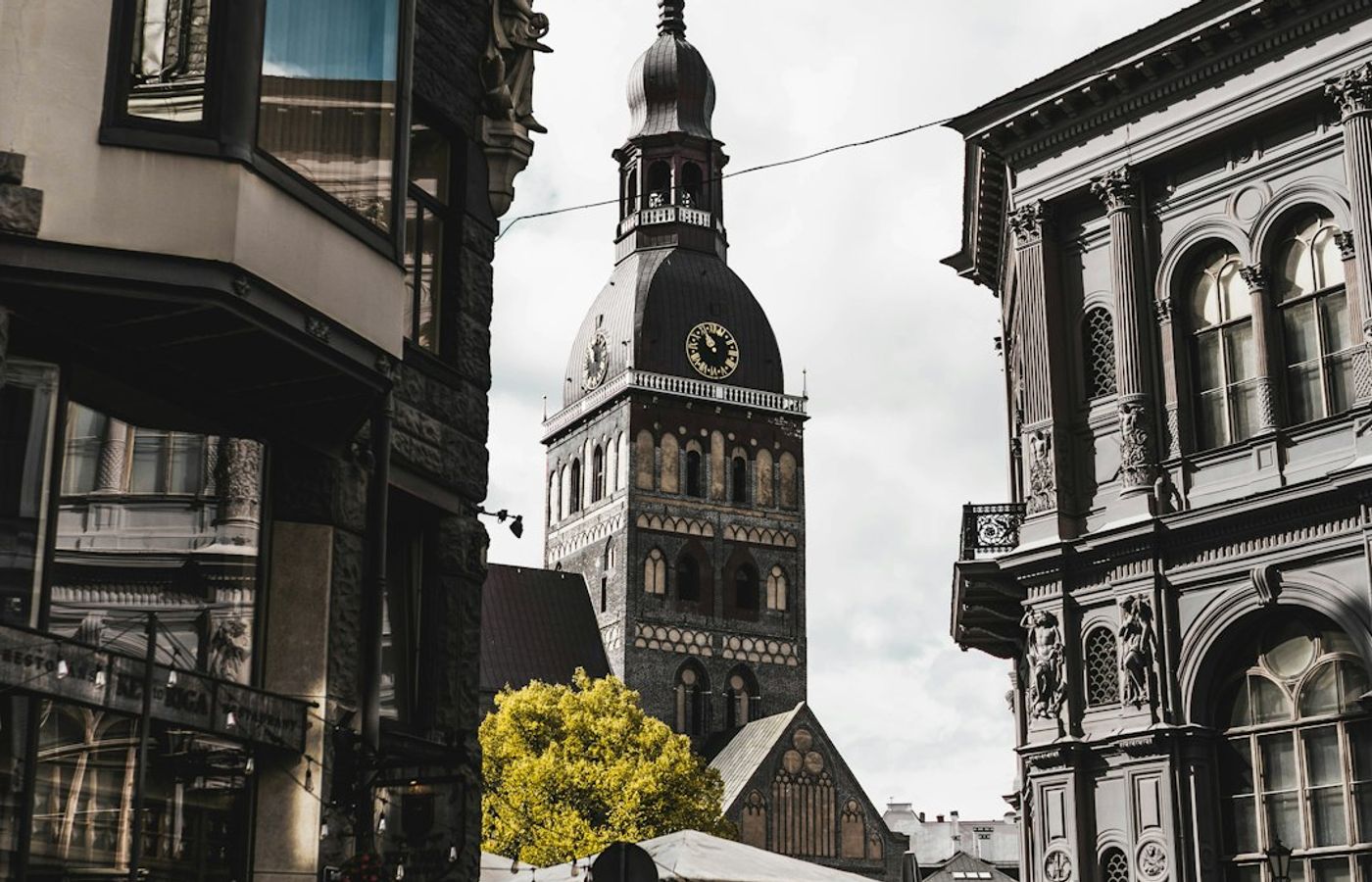

Riga Cathedral (Rigas Doms) dominates Dome Square and is the largest medieval church in the Baltic states. Construction started in 1211 under Bishop Albert of Riga and continued for three centuries, producing a mixed Romanesque-Gothic exterior with a Baroque tower cap added in 1776. The building has served as Riga's Evangelical Lutheran cathedral since the 1520s Reformation and remains an active parish. The floor sits 85 centimetres below street level because the surrounding city has risen through eight centuries of paving.
The single unmissable feature inside is the Walcker organ - installed in 1884 with 6,718 pipes across four keyboards, it was the largest in the world at completion and remains among the ten largest historical organs. Free organ recitals run Wednesday and Saturday at 12:00, and full evening concerts run several times per week. Adult admission to the cathedral is 3 EUR. The adjoining cloister (a 13th-century Romanesque arcade) is included and often overlooked - one of the oldest surviving structures in the country.
Pro Tip: Time your visit to the free 12:00 Wednesday or Saturday organ recital - it is a 20-minute programme and one of the great acoustic experiences in Riga. Arrive by 11:45 to grab a nave seat.

3House of the Black Heads - The Reconstructed Gothic Guild Hall
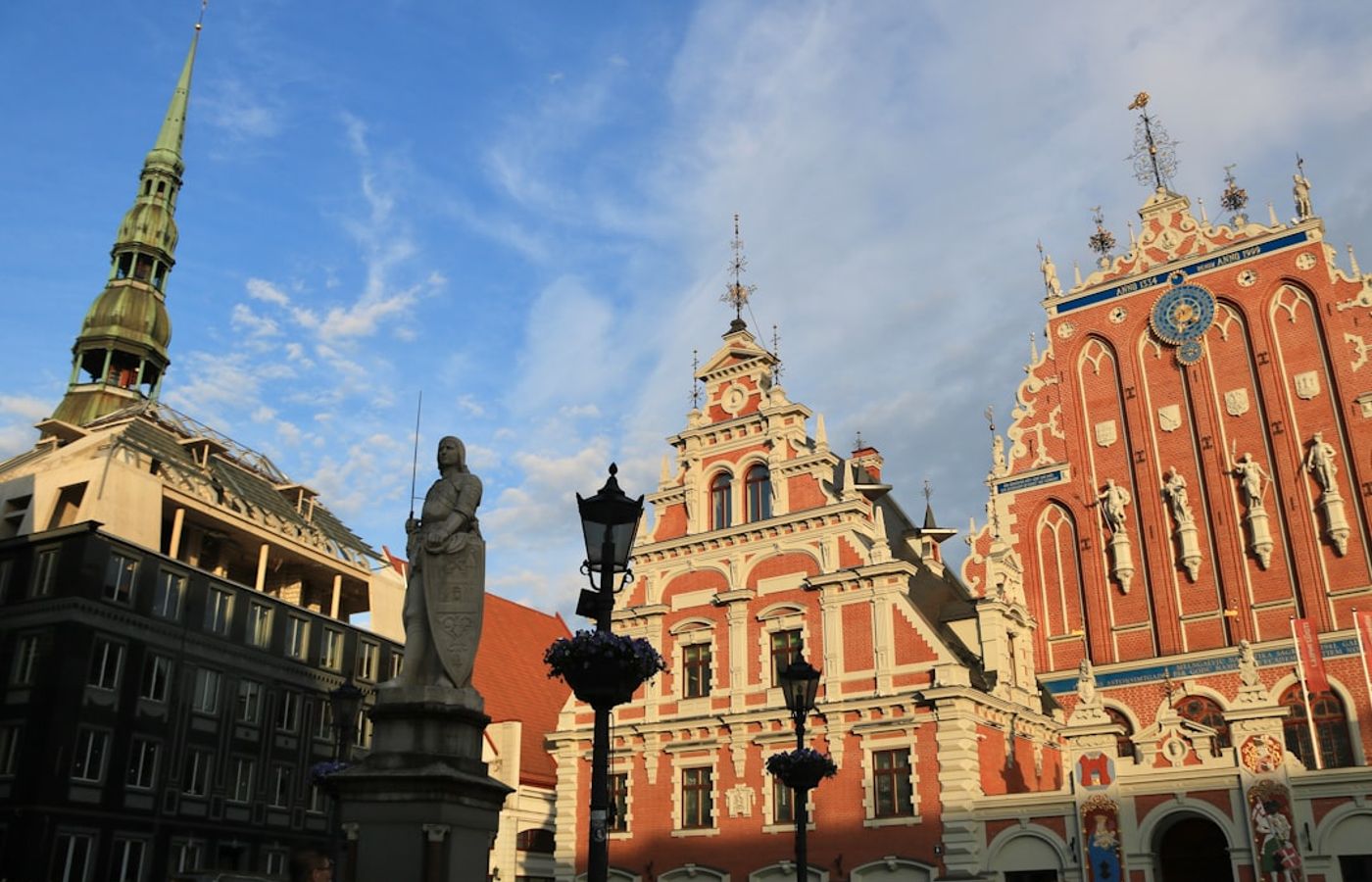
The House of the Black Heads (Melngalvju nams) is the most photographed building in Riga - a step-gabled brick facade covered in astronomical clocks, coats of arms, sandstone reliefs and pale stone dressings. The original building was a Great Guild extension from 1334 and later served as the assembly hall of the Brotherhood of Blackheads, an association of unmarried German merchants and shipowners. It was destroyed by German artillery in 1941 and the Soviet authorities demolished the ruins in 1948. The current building is a faithful reconstruction completed for Riga's 800th anniversary in 2001.
Inside, a museum of the merchant brotherhood covers the ground and cellar floors (6 EUR entry) with the restored Grand Hall, silver plate collection and merchant portraits. The building doubles as the presidential state reception venue - the President of Latvia moved offices here in 2012 during renovations at Riga Castle. The exterior at Town Hall Square (Ratslaukums) can be viewed freely at any time and is best floodlit after dark.
Pro Tip: Photograph the facade from the far corner of Ratslaukums near the Roland statue - you get the full step-gable profile with the reconstructed Town Hall behind. The interior is worth it only if you enjoy merchant history; the exterior is the real draw.
4St Peter's Church - The 123-Metre Spire Over Vecriga
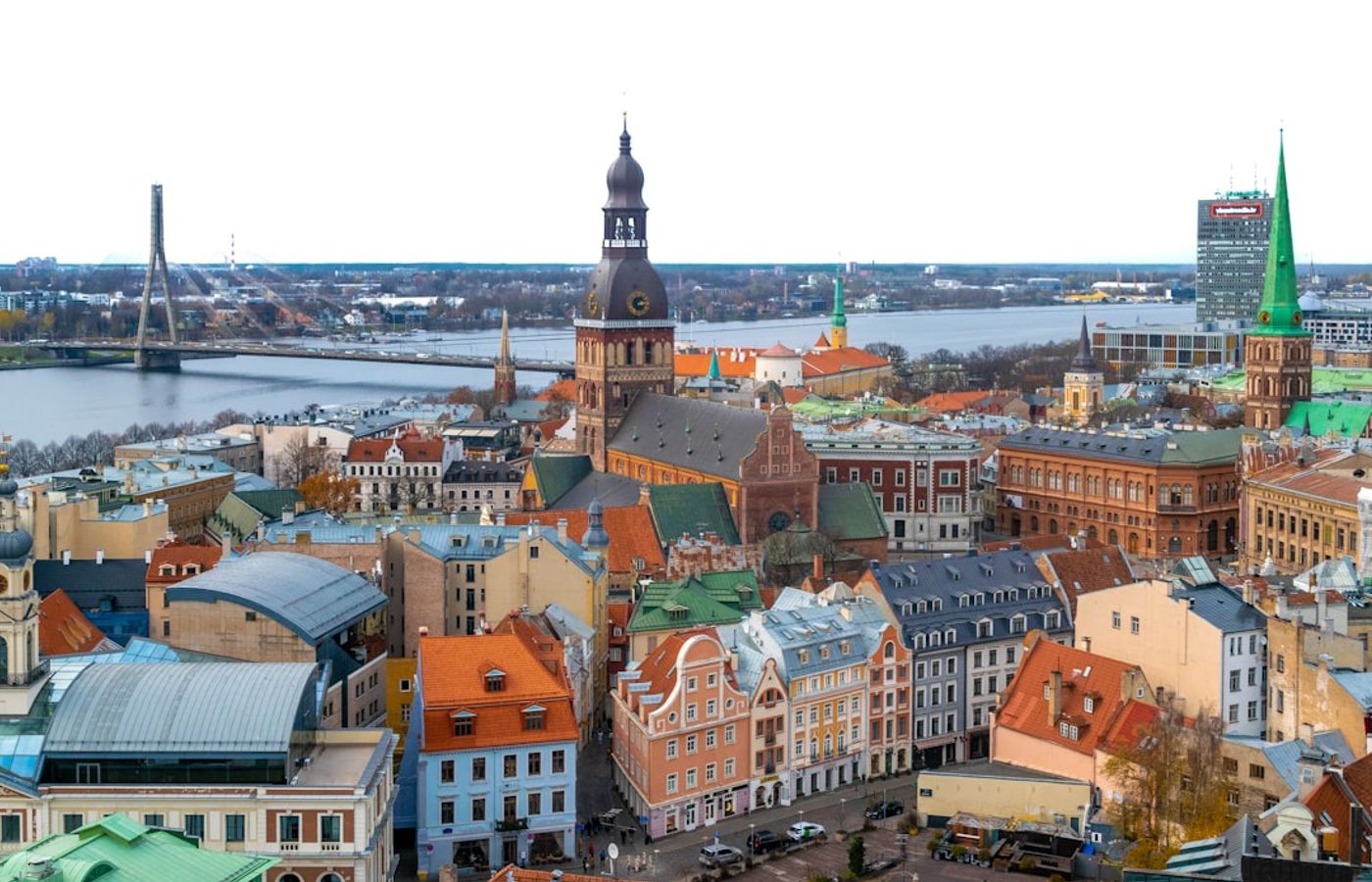
St Peter's Church (Sveta Petera baznica) is Vecriga's tallest building and its most useful landmark - the 123-metre wooden spire is visible from anywhere in the city and orients every walk through the Old Town. First mentioned in 1209, the church took its current three-nave Gothic form by 1409 and was topped by a wooden spire in 1491 - at various points the tallest wooden structure in the world. The current spire is a 1970s post-war reconstruction using a reinforced-concrete frame under the traditional copper cladding.
The main visitor draw is the lift to the observation deck at 72 metres - the highest publicly accessible viewpoint over Vecriga. From up there you see the full spread of the Old Town roofs, the Daugava river, the Zeppelin hangars of Central Market and the towers of the Academy of Sciences. Entry is 9 EUR in 2026 including the lift both ways. The church interior below is free and holds the tomb of Bremen native architect Rupert Bindenschu who completed the Baroque west facade in 1690.
Pro Tip: Go up before noon - afternoon light backlights the Vecriga view and turns the roofs flat. The lift closes 30 minutes before the church itself so aim for a 17:00 last ascent in summer.
5Three Brothers - The Oldest Residential Buildings in Riga
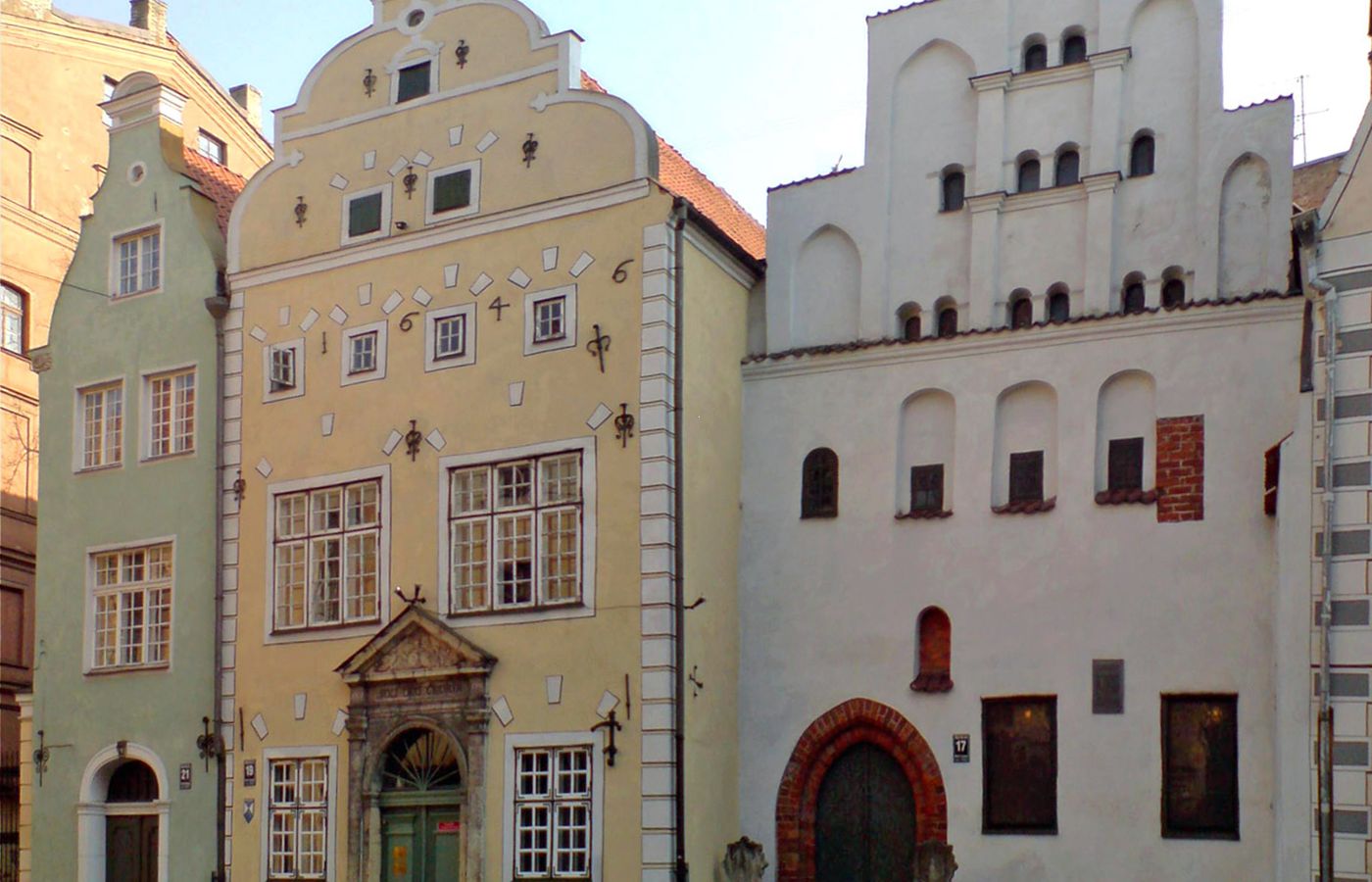
The Three Brothers (Tris brali) at Maza Pils iela 17, 19 and 21 form the oldest surviving residential complex in Riga and one of the oldest in the Baltics. Number 17 (the White Brother) dates to the late 15th century and is the oldest stone dwelling house in the city - a late Gothic merchant's house with a stepped gable and small rectangular windows. Number 19 (the Middle Brother) dates to 1646, a Dutch Mannerist facade with sandstone masks and portals. Number 21 (the Green Brother) is a narrow 17th-century tenement built to squeeze into a taxed plot.
Number 19 today houses the Latvian Museum of Architecture with free entry Monday to Friday - a small collection covering the reconstruction of Riga's medieval quarter after the Second World War. The three facades together are a five-minute stop but essential context for how a wealthy Hanseatic merchant house looked before the Baroque and Art Nouveau overlays that dominate the rest of the city. The street setting on the quiet cobbled Maza Pils is the point.
Pro Tip: Combine the Three Brothers with a short walk to St Jacob's Cathedral and the Swedish Gate on Torna iela - the whole northern Vecriga loop takes 45 minutes and hits the quietest medieval streets in Riga.
6Freedom Monument and Bastejkalna Park - The Symbol of Latvian Independence
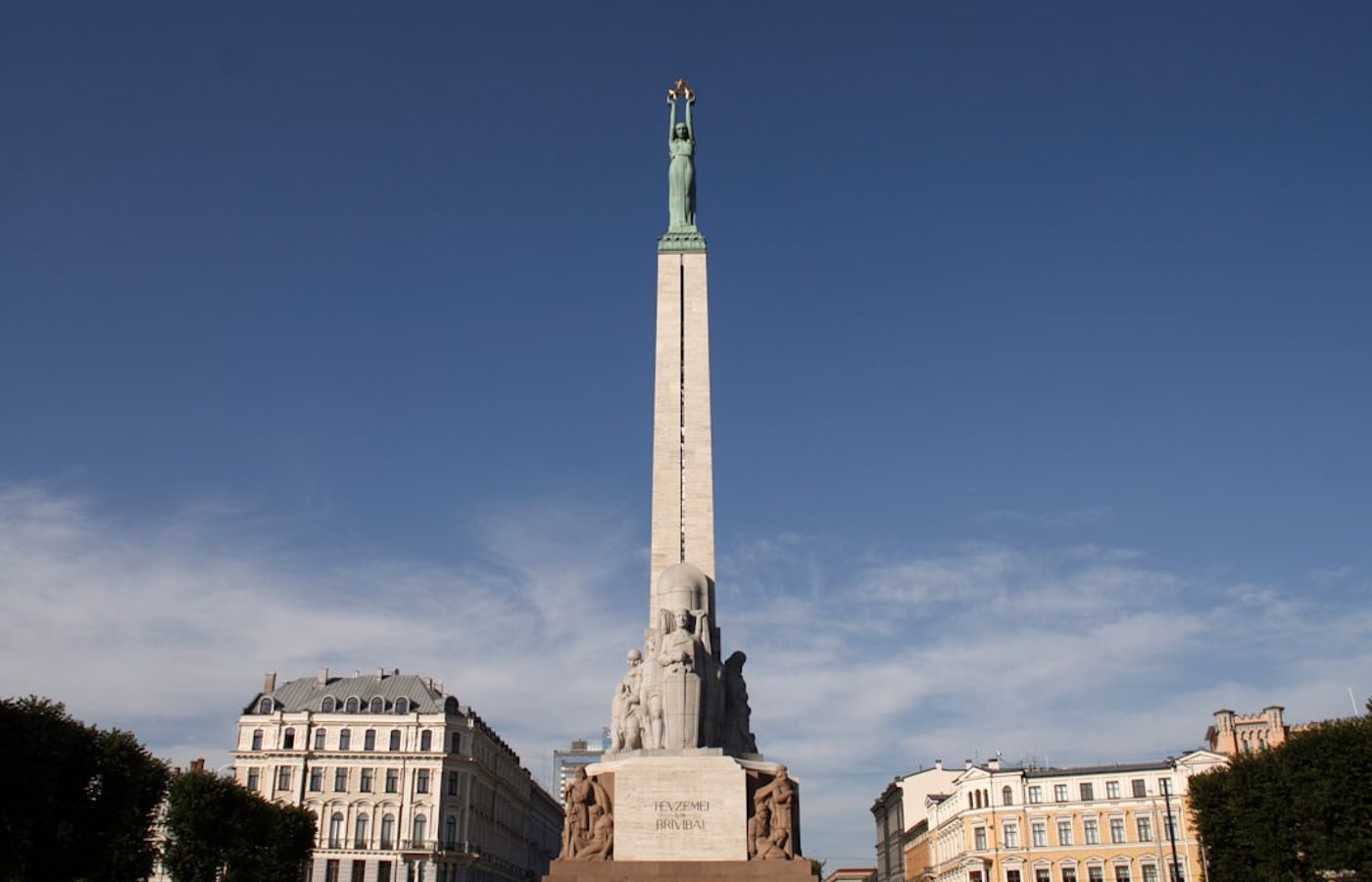
The Freedom Monument (Brivibas piemineklis) stands 42 metres tall on Brivibas bulvaris and is the most important national landmark in Latvia. Designed by sculptor Karlis Zale and unveiled in 1935, the monument commemorates soldiers killed in the Latvian War of Independence (1918-1920). The bronze figure of Liberty at the top holds three gilded stars representing the three historical regions of Latvia - Vidzeme, Latgale and Kurzeme. The Soviet regime allowed it to remain but banned public gatherings; today it is the site of every major state ceremony.
Immediately behind the monument, Bastejkalna Park stretches along the old defensive moat that once separated Vecriga from the outer city. The park was landscaped in the 1860s after the medieval walls were demolished and offers a shaded 20-minute walk with the canal, wooden footbridges, the Laima Clock and the Freedom Monument itself. Ceremonial guards stand at the monument daily from 09:00 to 18:00 with a changing of the guard every hour on the hour.
Pro Tip: Catch the changing of the guard at the top of any hour - the small ceremony takes 4 minutes and gathers a modest crowd. Never place flowers or candles at the monument casually - it is a national war memorial with strict etiquette.
7Art Nouveau District (Alberta iela) - The Largest Jugendstil Ensemble in Europe
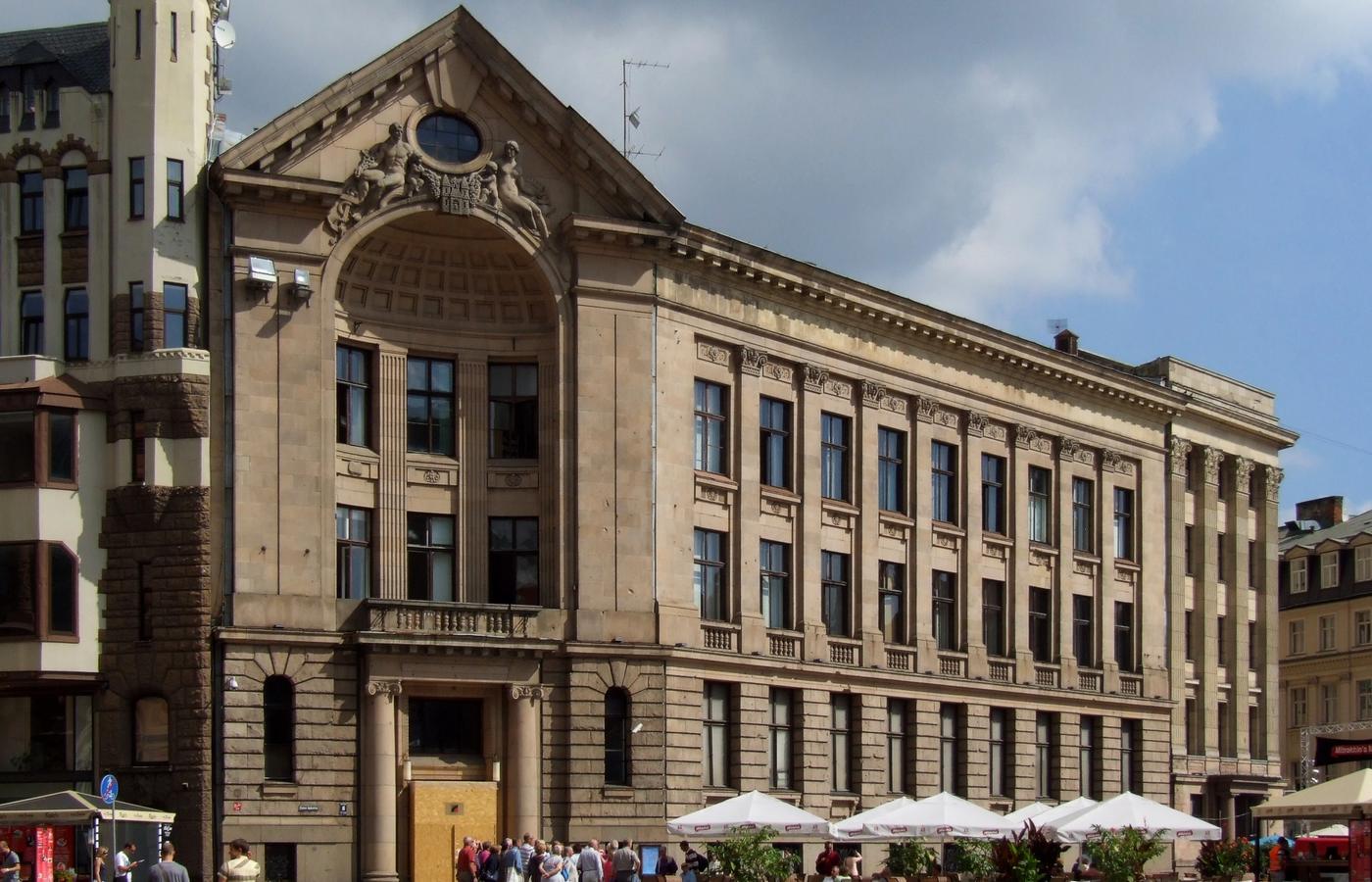
Roughly one-third of central Riga's buildings are Art Nouveau (Jugendstil), the highest concentration of any city in Europe and part of the reason the whole centre carries UNESCO listing. The two densest streets are Alberta iela and Elizabetes iela, both a short walk from the Freedom Monument. Most were built between 1901 and 1913 during a construction boom fuelled by Riga's role as the busiest port of the Russian Empire. Architect Mikhail Eisenstein (father of filmmaker Sergei) designed the finest and most eccentric facades - blue-and-white ceramic panels, screaming stone faces, sphinxes and peacocks packed above the windows.
The exteriors are free to walk any time. To go inside, visit the Riga Art Nouveau Museum at Alberta iela 12 - a preserved 1903 apartment of Latvian architect Konstantins Peksens with original stucco, stained glass, tiled stove and a spiral staircase. Entry is 9 EUR in 2026. Allow at least an hour to walk Alberta, then loop through Elizabetes and Strelnieku streets - a 90-minute self-guided walk covers every landmark facade.
Pro Tip: Walk Alberta iela in the morning when eastern light lifts the ornament off the pale plaster. Look up - most Riga guidebook photos are shot craning up from the pavement. The Peksens spiral staircase inside no. 12 is the best interior shot.
8Latvian National Museum of Art - The Country's Finest Baltic Collection
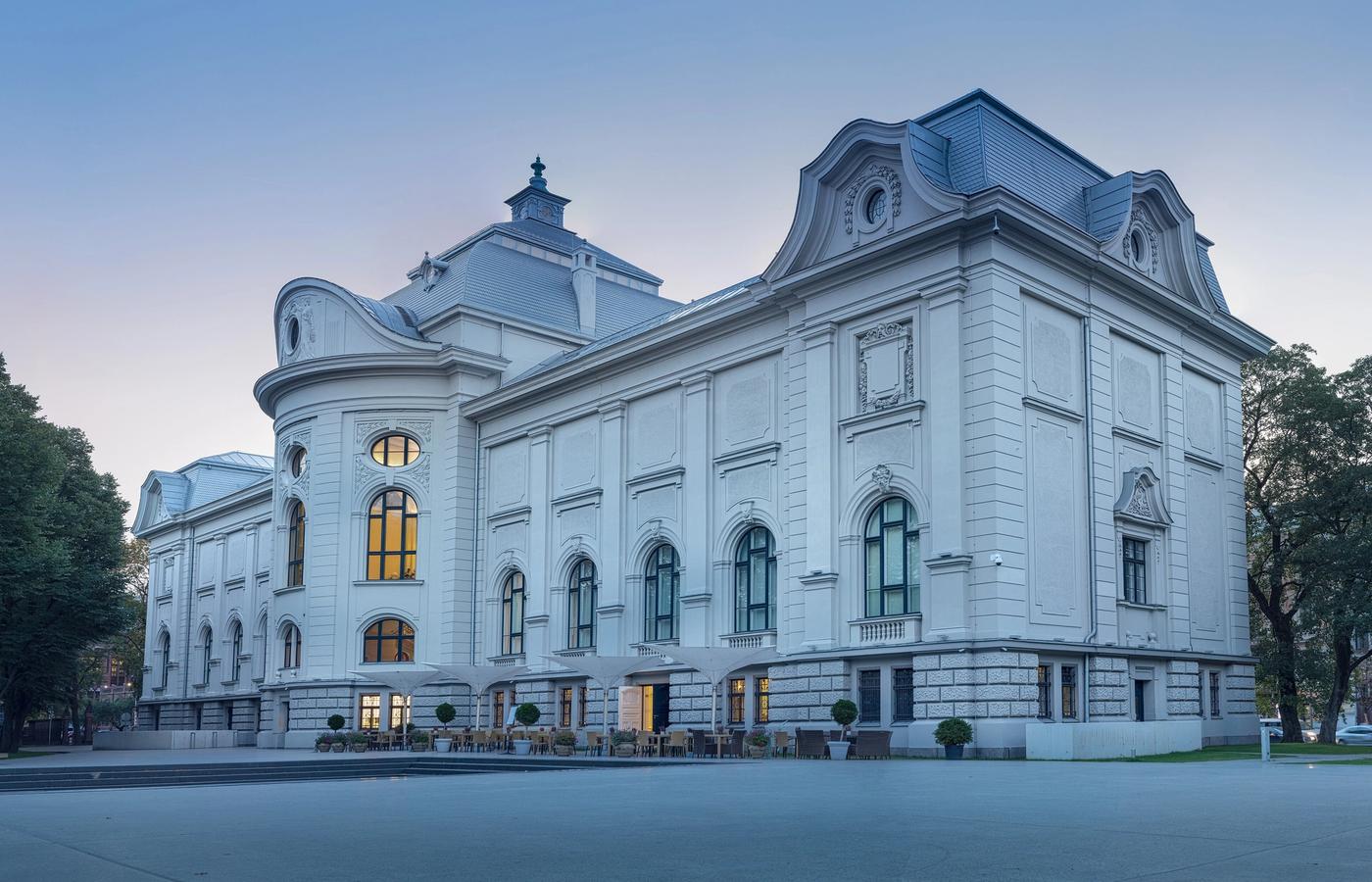
The Latvian National Museum of Art (Latvijas Nacionalais makslas muzejs) holds the largest collection of national art in the Baltics, with over 52,000 works from the mid-18th century onward. The building itself is a Baltic neoclassical landmark - completed in 1905 by German architect Wilhelm Neumann and one of the earliest purpose-built museum buildings in the Russian Empire. A 2016 renovation added a top-floor exhibition hall with a glass ceiling and doubled the display space.
The permanent collection is arranged chronologically - Baltic-German portrait painting on the first floor, the 19th-century Latvian national awakening (Janis Rozentals, Vilhelms Purvitis) on the second, and 20th-century modernism through Soviet non-conformism on the third. Adult entry is 6 EUR in 2026, temporary exhibitions 3 EUR extra. The building sits inside Esplanade Park, a green square that also includes the Nativity Cathedral and is a five-minute walk from the Art Nouveau District.
Pro Tip: Pair the museum with a walk through the Art Nouveau District - both are inside a 10-minute radius. Thursday nights the museum stays open until 20:00 with reduced 4 EUR entry.
9Riga Central Market - The Zeppelin Hangar Food Halls
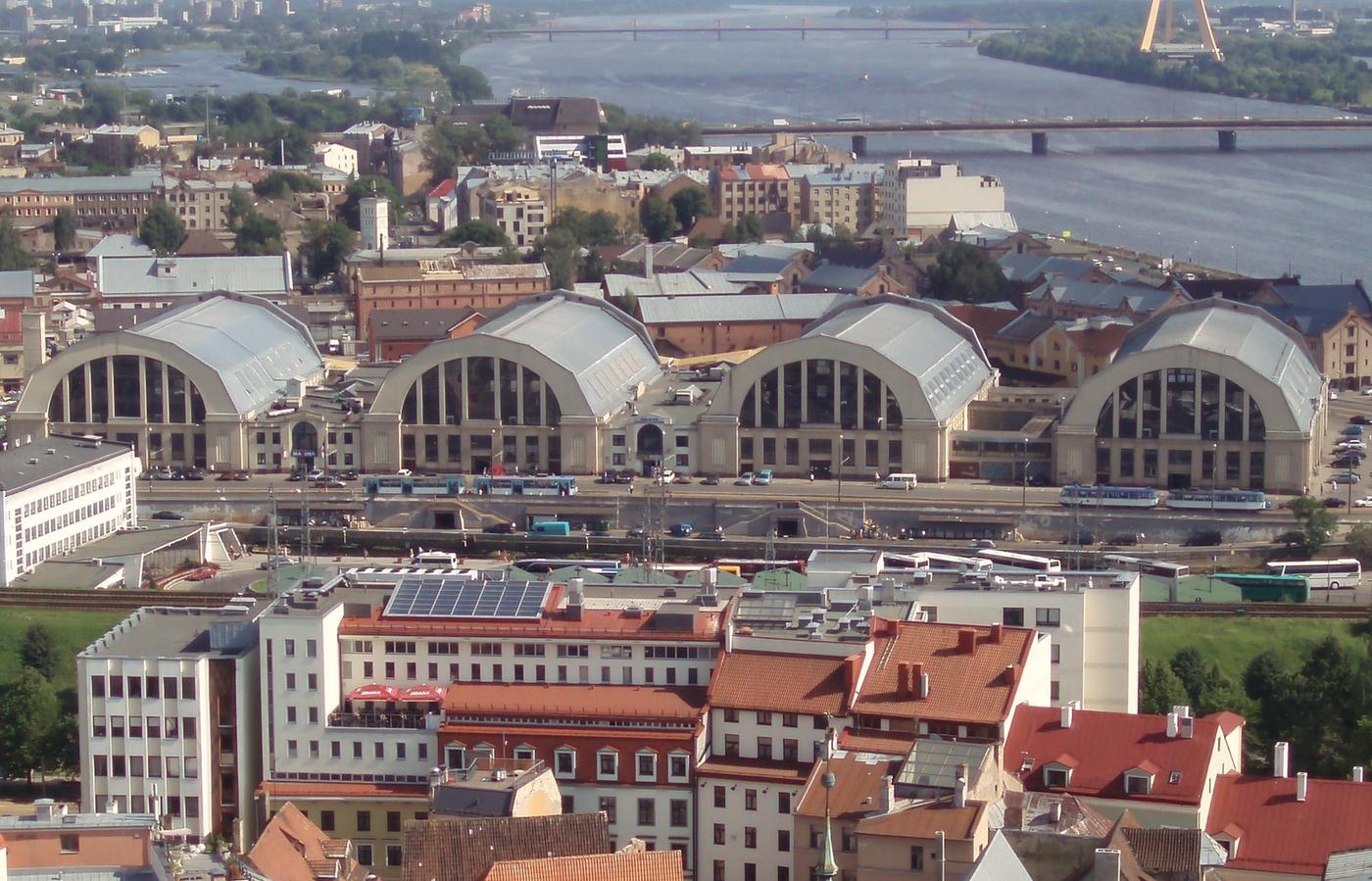
Riga Central Market (Rigas Centraltirgus) is the largest market in Europe by covered area (72,300 square metres) and one of the more unusual pieces of adaptive reuse in the region. Five vast pavilions were converted between 1924 and 1930 from surplus German Zeppelin airship hangars originally built at Vainode airbase in Kurzeme. The vaulted metal-and-glass halls are 20 metres high and each pavilion specialises: meat, dairy, fish, vegetables and gastronomy. The market forms part of the UNESCO World Heritage listing alongside Vecriga.
The market is a working food market first, tourist stop second - roughly 80,000 to 100,000 shoppers pass through daily. Best stops: smoked Baltic sprat and eel in the fish hall, Latvian rye bread and Jani cheese in the dairy pavilion, and the outdoor stalls along the Daugava for seasonal berries (June cranberries, July blueberries, September plums). The gastronomy pavilion added in 2018 holds around 20 small kitchens where you can eat cheaply from 4 EUR. Open daily 07:00 to 18:00; some pavilions close at 17:00 Sunday.
Pro Tip: Visit before 10:00 for the freshest fish counter and shortest lines. The best cured salmon in Riga is at the second counter inside the fish hall; ask for it sliced paper-thin (planae skeles).
10Jurmala or Sigulda Day Trip - The Beach or the Forest
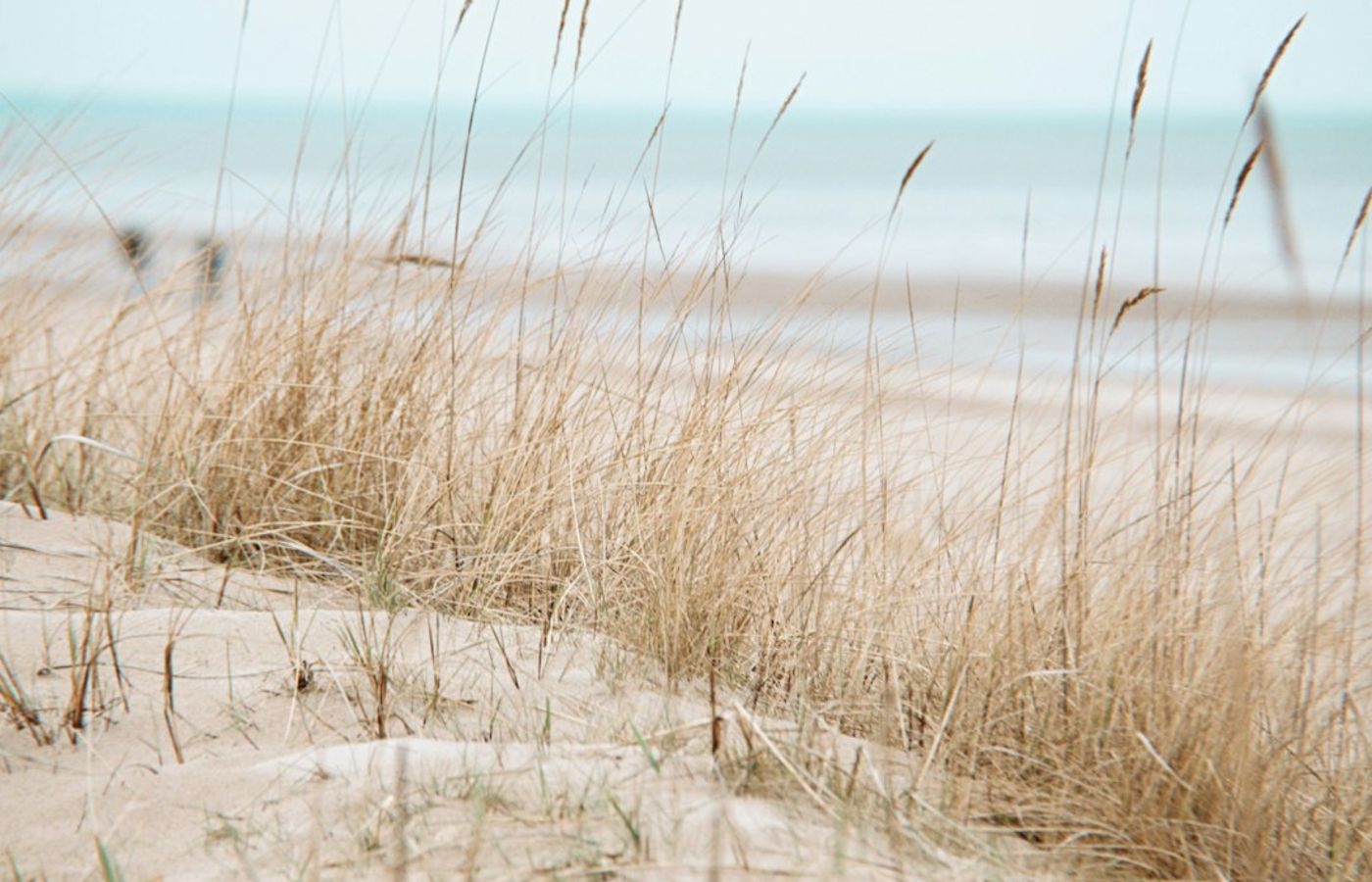
Two very different day trips both leave from Riga Central Station on the electric suburban train and both make an easy escape from the city. Jurmala is Latvia's classic seaside resort - a 25 km stretch of white sand and pine forest on the Gulf of Riga, backed by a stock of Latvian-Russian wooden dachas from the late 19th century. The Majori stop is the visitor centre; walk out on Jomas iela (the pedestrianised main street) then down to the beach. Free to visit, the sand is fine and shallow, and the water reaches swimmable temperatures in July and August.
Sigulda offers the opposite - a densely forested valley of the Gauja river with three medieval castles (Sigulda, Turaida, Krimulda), sandstone caves, a cable car across the valley and Latvia's oldest bobsleigh track. Turaida Castle museum reserve (Turaidas iela 10, LV-2150) is the main draw with a 42-metre red brick tower open for climbing and 26 hectares of open-air ethnography. Both trips take a full day; combining them is not sensible - pick one based on weather (beach if 25+ degrees, forest if cooler).
Pro Tip: For Jurmala buy the 3 EUR return train ticket at the Central Station ticket window, not from the driver - the on-train fare is doubled. For Sigulda rent a bike at the station (10 EUR/day) to reach all three castles without walking.
Get hotel deals for Riga
Price drops, new stays and local tips for Riga, straight to your inbox.
No spam, unsubscribe anytime.

CEO and co-founder
Tomas is the co-founder and director of trip1, an European company specializing in reservation services. He launched the company in 2025 with a focus on building scalable, efficient operations.
10 Best Things to Do in Riga, Latvia - FAQ
The UNESCO-listed Old Town, Vecriga: Dome Square, Riga Cathedral with its 1884 Walcker organ, the House of the Black Heads and the lift up St Peter's Church to a 72-metre viewing deck. Beyond the Old Town, walk the Art Nouveau facades of Alberta iela and Elizabetes iela, and visit the Central Market, built in five former Zeppelin hangars.
Yes. Riga is the largest city in the Baltics, and its UNESCO-listed medieval Old Town and the largest ensemble of Art Nouveau buildings in Europe sit within a 25-minute walk of each other. Add the Zeppelin-hangar Central Market, card payment almost everywhere and easy day trips by train to the beach at Jurmala or the castles of Sigulda.
Two to three days. The Old Town sights, Dome Square, Riga Cathedral, the House of the Black Heads, St Peter's Church and the Three Brothers, fill one full day. The Freedom Monument, the Art Nouveau District, the National Museum of Art and the Central Market fill a second. A third day allows a trip to Jurmala beach or Sigulda in Gauja National Park.
Art Nouveau and its medieval Old Town. Roughly a third of central Riga's buildings are Art Nouveau, the highest concentration in Europe, many designed by Mikhail Eisenstein. The Old Town, founded in 1201, grew rich as a Hanseatic port, and both areas are UNESCO-listed. Riga also claims the first decorated Christmas tree, in 1510.
Sightseeing in Riga is cheap. The city uses the euro, and entry fees are modest: the House of the Black Heads museum costs 6 euros, the National Museum of Art 6 euros and the St Peter's Church lift 9 euros. The Old Town streets, the Freedom Monument and the Art Nouveau facades are free, and the Central Market's food hall has meals from about 4 euros.
Yes. Alberta iela and Elizabetes iela hold the finest facades, built mostly between 1901 and 1913, with ceramic panels, screaming stone faces, sphinxes and peacocks. The streets are free, and a 90-minute self-guided loop through Alberta, Elizabetes and Strelnieku covers every landmark. Go in the morning for the best light, and see a preserved 1903 apartment at the Riga Art Nouveau Museum, Alberta iela 12.