
Guides · Lisbon
Lisbon in October: Weather, Crowds and Beach Days

CEO and co-founder
Lisbon in October is the month the city hands back to people who live in it. The August crowds at Jerónimos and on Tram 28 thin out, hotel rates ease from their summer peak, and the Atlantic is still warm enough for a swim at Carcavelos on a clear afternoon. This guide covers 10 places and events worth planning around in 2026, from two beach days on the Cascais train line to the EDP Lisbon Marathon and the Doclisboa film festival, each with the exact address, the nearest metro, tram or train, and a Pro Tip for a month when rain is possible but rarely lasts all day.
On Lisbon weather in October: daytime highs run about 23°C in the first week and ease to around 20°C by the end of the month, with overnight lows near 15°C. Expect roughly 60 to 100 mm of rain across about 10 days, usually as passing showers that arrive more often after mid-month. The sea off Carcavelos and Cascais holds around 18 to 19°C, similar to early June. Clocks go back on Sunday 25 October 2026, so sunset jumps from about 18:45 to about 17:45 overnight.
Three dates shape the Lisbon Portugal in October calendar. Republic Day on Monday 5 October gives Portugal a long weekend from Saturday 3 October, and the city fills with domestic visitors. The marathon takes over the riverfront on Saturday 10 and Sunday 11 October. Doclisboa runs from 15 to 25 October. Everything else works on any day, grouped here as the coast first, then Belém, Alfama and the Baixa, and finally the rainy-day options and Sintra.
1Carcavelos Beach - The Easiest Lisbon Beach Day in October
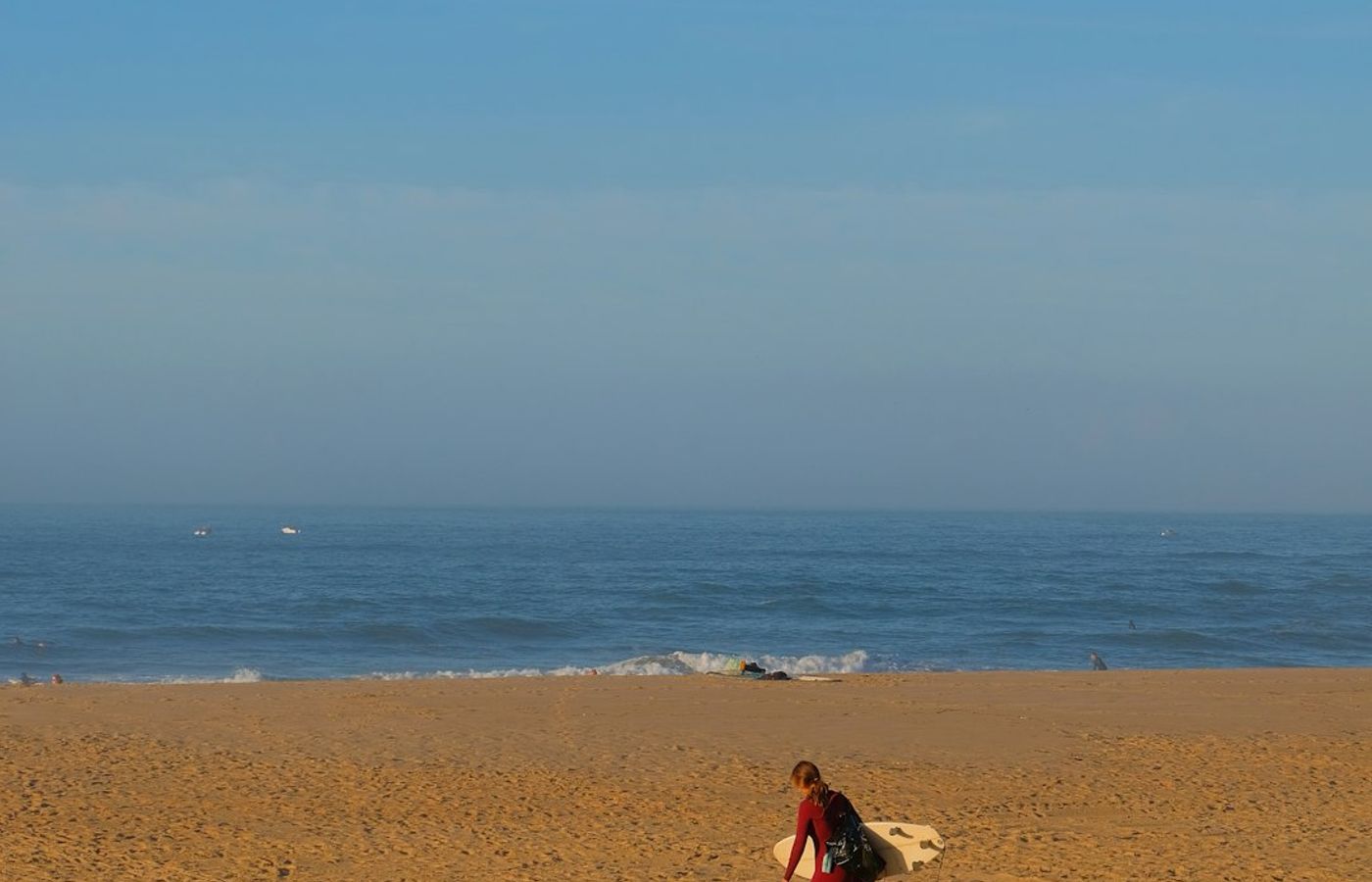

Carcavelos is the longest sandy beach on the Cascais line and the one most Lisboetas mean when they say they are going to the beach after work. It holds a Blue Flag in 2026, faces south-west into proper Atlantic swell, and has the 16th-century Fort of São Julião da Barra guarding its eastern end. In October the water sits around 18 to 19°C, the sand empties on weekdays, and the surf schools along the promenade keep running lessons for beginners because the autumn swell is more consistent than in summer.
The official bathing season in the Cascais municipality ran from 1 May to 30 September 2026, so beach concessions scale back and flags change once October starts. The council says it keeps lifeguard cover on its beaches outside the season, but check the flag at the lifeguard post before swimming, because rip currents build fast on bigger swell days. Beach bars along the promenade stay open when the weather is good, and the Avenida Marginal behind the beach is a flat walk or cycle towards Parede and São Pedro do Estoril.
Among Lisbon beaches, Carcavelos wins on access: trains from Cais do Sodré run every 20 minutes or so, and you can be in the water within 40 minutes of leaving the Baixa.
Pro Tip: Go on a weekday in the first half of October between 13:00 and 17:00, when the sea is warmest and the wind usually drops. Avoid Saturday 10 October, when the EDP Lisbon Marathon starts in Carcavelos at 08:00 and closes the Avenida Marginal for most of the morning.
2Cascais, Boca do Inferno and Guincho - Town Beaches and Wild Atlantic
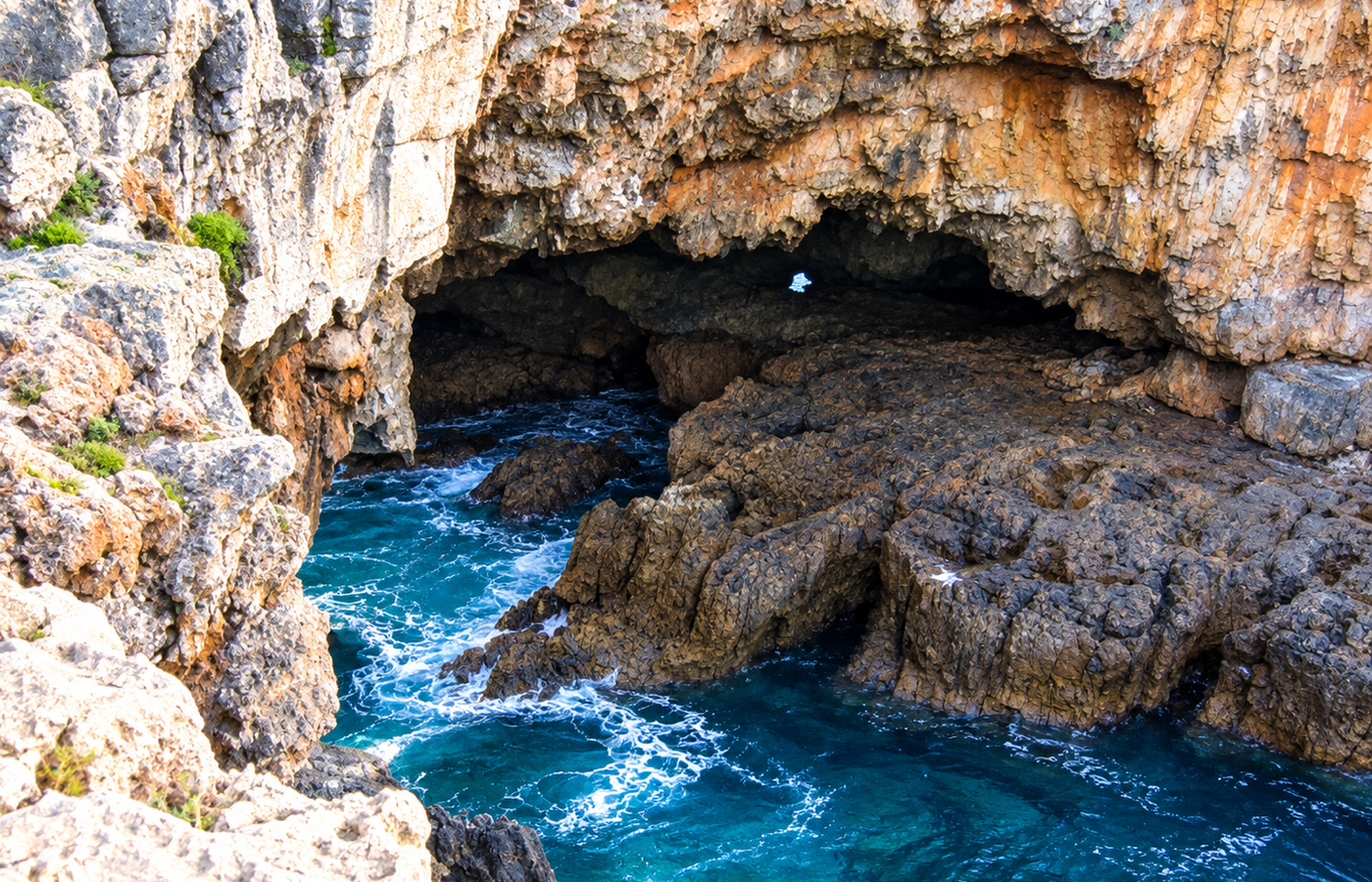

Cascais is the fishing town turned resort at the end of the train line, and it gives you three kinds of coast in one day. The small town beaches, Praia da Rainha, Praia da Conceição and Praia da Ribeira, sit right beside the station and are sheltered enough for a calm October swim. A 2 km walk west along the coast road brings you to Boca do Inferno, a collapsed sea cave where Atlantic waves slam into the cliffs, most dramatic on a rough day.
Beyond that the landscape changes completely. Praia do Guincho, backed by dunes and the Serra de Sintra, catches the full force of the northerly wind that makes it one of Europe's best-known windsurfing and kitesurfing spots. It is spectacular to watch and genuinely dangerous to swim, so treat it as a walk and a long seafood lunch rather than a swimming beach. The flat cycle path from Cascais to Guincho runs along the Estrada do Guincho with the ocean on your left.
Cascais also works as a half-day escape if the city feels crowded over the Republic Day weekend from 3 to 5 October, when Lisbon hotels and restaurants fill with domestic visitors.
Pro Tip: Walk from the station to Boca do Inferno in the late afternoon, then catch a bus or taxi to Guincho for sunset. Before 25 October the sun sets over the ocean at around 18:45; afterwards it drops to about 17:45, so shift your plans an hour earlier.

3Jerónimos Monastery and Belém - Shorter Queues on the Riverfront
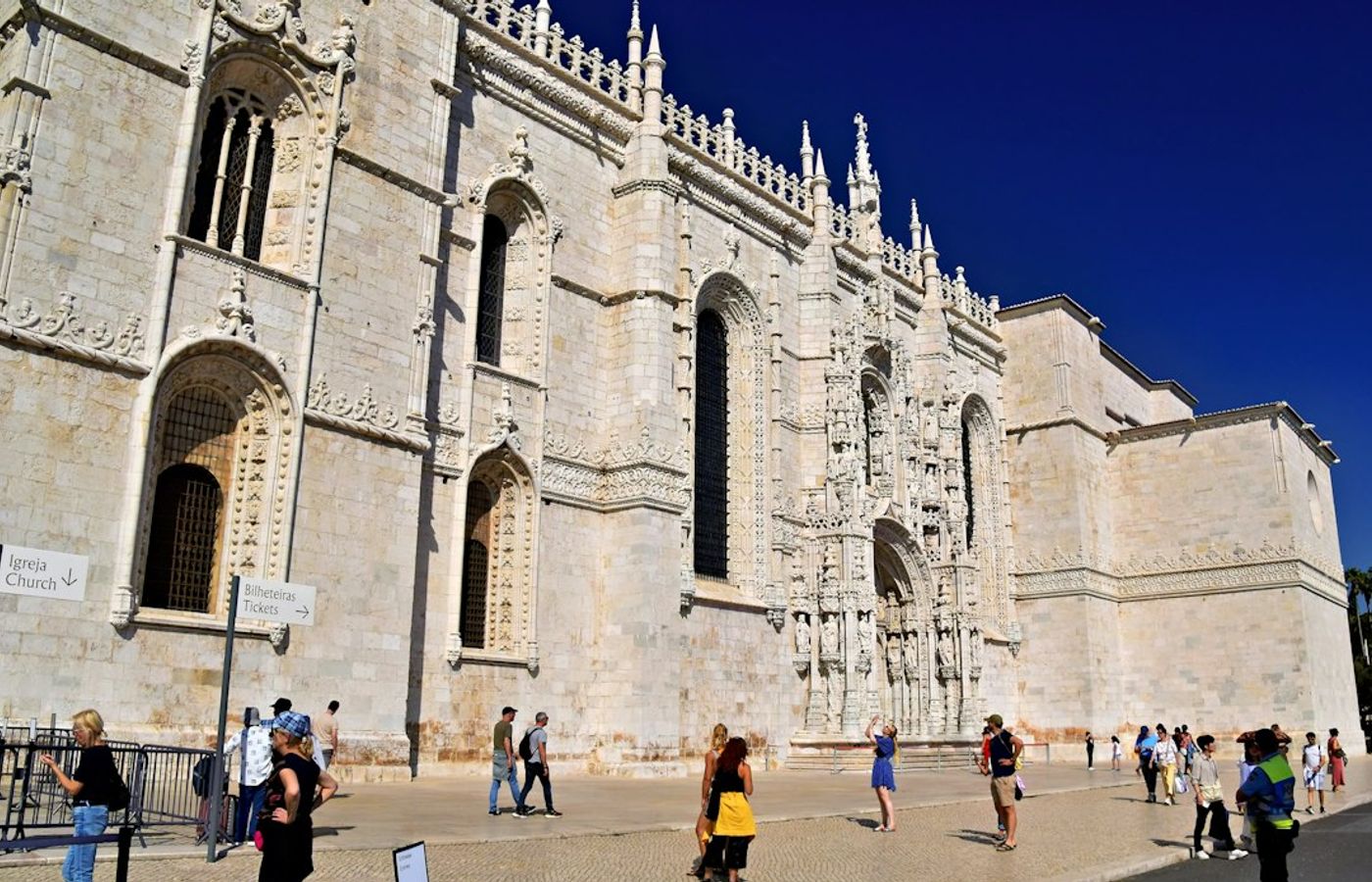

The Jerónimos Monastery is the finest example of Manueline architecture in Portugal, begun in 1501 and paid for largely with the profits of the spice trade that followed Vasco da Gama's voyage to India. Da Gama himself is buried in the church, and the two-storey cloister, carved with ropes, sea creatures and armillary spheres, is the part people remember. Together with the Belém Tower on the riverbank, the monastery was listed as a UNESCO World Heritage Site in 1983.
October makes a real difference here. In summer the queue for the cloister can stretch along the whole façade by mid-morning; by October it shortens noticeably on weekdays, though tour coaches still arrive in waves around 10:30 and 14:00. The monastery is closed on Mondays, including Republic Day on 5 October, so plan Belém for another day. Entry to the church is free, while the cloister needs a ticket, which you can book online to skip the ticket queue.
Belém rewards a full half day. Pastéis de Belém, on Rua de Belém since 1837, sells the city's most famous custard tarts a few doors away, and the riverside walk leads past the Monument to the Discoveries to the Belém Tower.
Pro Tip: Book the first cloister slot of the day and arrive ten minutes early, then eat your pastéis de nata afterwards, when the queue at Pastéis de Belém has usually moved inside to the seated rooms at the back.
4Alfama and Castelo de São Jorge - The Old City Without the Summer Crush

Alfama is the oldest neighbourhood in Lisbon, a knot of stairways and alleys that survived the 1755 earthquake largely because it sits on solid rock. Castelo de São Jorge crowns the hill above it, a Moorish fortress rebuilt after the Christian conquest of 1147, and its ramparts give one of the widest views over the Baixa, the Tagus and the 25 de Abril Bridge. In October the lanes below are quieter, washing still hangs across the streets, and fado houses along Rua de São João da Praça and around Largo do Chafariz de Dentro run nightly shows to smaller, less rushed audiences.
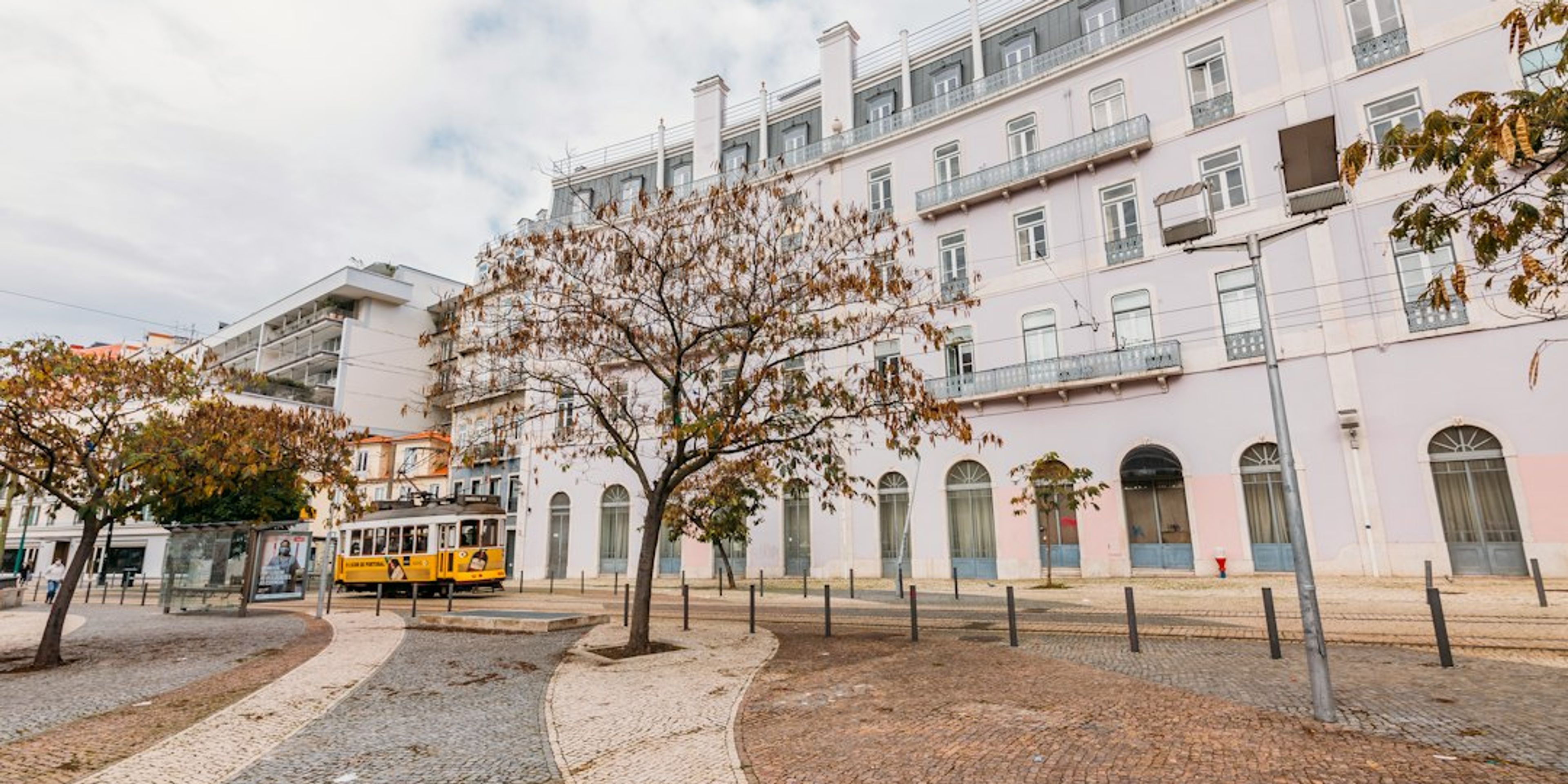
The famous Tram 28 rattles through Alfama on its way from Martim Moniz to Campo de Ourique. It is still packed in October, especially from 10:00 to 17:00, and the vintage Remodelado trams have little space. Treat it as a ride for an early morning or a transport link rather than a sightseeing tour, and watch your pockets on board.
The castle keeps longer hours through the end of October, so a late-afternoon visit is realistic before sunset. Allow at least 90 minutes for the ramparts, the archaeological site and the camera obscura in the Tower of Ulysses.
Pro Tip: Take bus 737 up to the castle in the afternoon, then walk down through Alfama at dusk via Largo das Portas do Sol and Miradouro de Santa Luzia, and book a table at a small fado house for 20:00. Showers pass quickly, but the stone stairs get slippery, so wear shoes with grip.
5Miradouro da Senhora do Monte - The Highest Sunset Over Lisbon
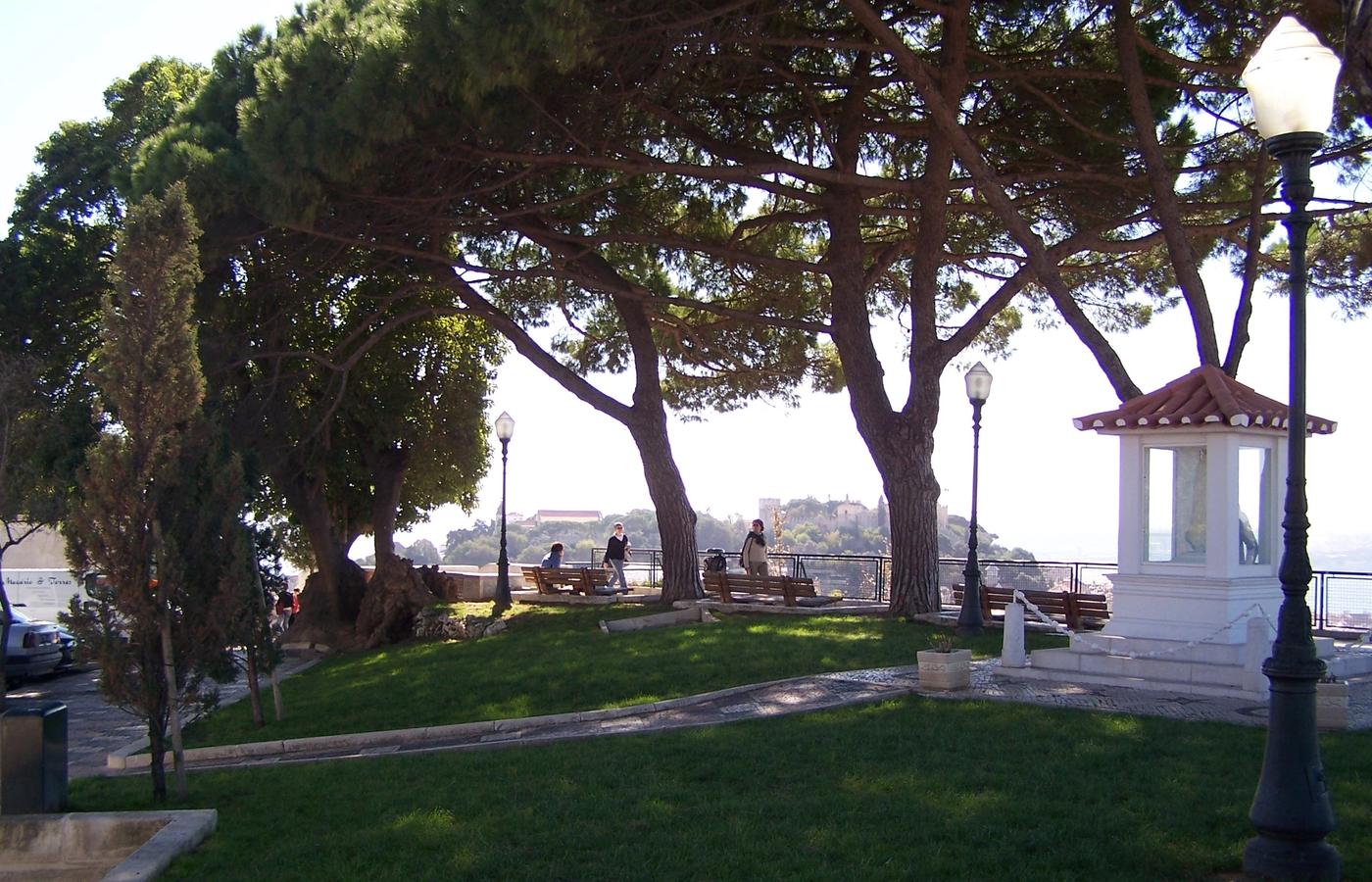
Lisbon is built across seven hills, and Miradouro da Senhora do Monte in Graça is the highest public viewpoint of them all. From the terrace beside a small chapel, pine trees frame a view that takes in Castelo de São Jorge head-on, the Baixa grid, the Tagus and the 25 de Abril Bridge to the south-west. Unlike Miradouro de Santa Catarina or São Pedro de Alcântara, there are no bars here, just benches and a low wall, which keeps it calmer than the more famous terraces.
October is the best month for it. The light is lower and warmer than in summer, the haze clears after showers, and sunset falls at a sensible hour: about 19:15 on 1 October, around 18:45 by the 24th, then roughly 17:45 once the clocks go back on Sunday 25 October. Evenings cool quickly on the hilltop once the sun drops, so bring a layer.
The viewpoint is free and open at all hours. If it is full, Miradouro da Graça, a few minutes' walk downhill beside the Igreja da Graça, has a kiosk café and a similar angle over the castle.
Pro Tip: Arrive 30 minutes before sunset to get a spot on the wall, then walk down through Graça to Largo da Graça for dinner. On a cloudy evening, check a sunset forecast first, since low cloud over the Tagus can hide the whole show.
6Praça do Comércio - Marathon Finish Line and the Republic Day Weekend

Praça do Comércio is the great riverfront square rebuilt after the 1755 earthquake on the site of the royal palace it destroyed, and it becomes the centre of two of Lisbon's biggest October events. The EDP Lisbon Marathon starts in Carcavelos at 08:00 on Saturday 10 October 2026, runs along the coast through Oeiras and Belém, and finishes under the Arco da Rua Augusta. On Sunday 11 October the Hyundai Half Marathon and the non-competitive EDP 8K start on the Vasco da Gama Bridge, with the half marathon finishing on the same square.
Spectating is free and easy. The final kilometres along the river through Cais do Sodré are the loudest stretch, and the marathon course has a six-hour limit so roads can reopen, meaning the riverside avenues are closed for most of Saturday morning. Plan taxis and airport transfers around it.
A week earlier, Monday 5 October is Republic Day, a national holiday marking the proclamation of the Portuguese Republic in 1910 from the balcony of Lisbon City Hall in Praça do Município, a three-minute walk west of the square. In 2026 it creates a long weekend from 3 to 5 October, and central Lisbon is busier than the rest of the month.
Pro Tip: Watch the marathon finish from the steps by the river on the western side of the square, then take the lift to the top of the Arco da Rua Augusta for the view over the finish area. Book hotels early if your dates touch 3 to 5 October or 10 to 11 October, when rates jump.
7Doclisboa at Culturgest - Ten Days of Documentary Cinema
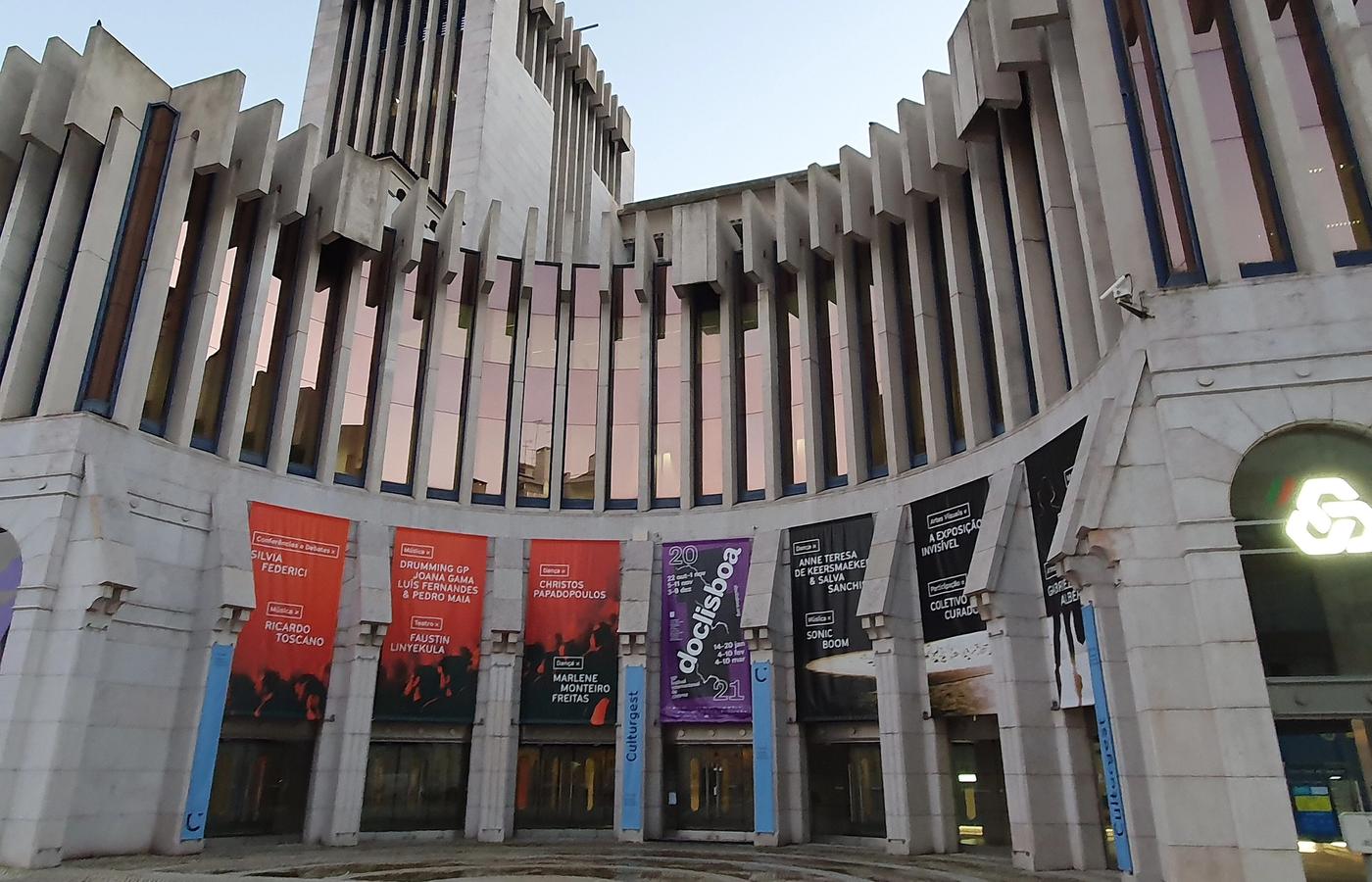
Doclisboa is Lisbon's international documentary film festival and one of the main documentary festivals in Europe. The 24th edition runs from 15 to 25 October 2026 with 198 films from 51 countries, including 34 world premieres and 32 Portuguese films. Culturgest is the main venue, with screenings also at the Cinemateca Portuguesa, Cinema Ideal and Cinema São Jorge on Avenida da Liberdade.
The 2026 programme opens with Edgar Pêra's Guerrilha no Asfalto, about the FP-25 armed group of 1980s Portugal, and includes a retrospective of the Filipino director Lino Brocka with the Cinemateca. Films are subtitled in Portuguese and English, which makes the festival unusually easy for visitors, and single tickets at Culturgest cost €5. Tickets went on sale online on 28 September, with a general festival pass also available.
For anyone visiting Lisbon in October with a rainy afternoon to fill, Doclisboa is the obvious answer: two or three screenings, a debate with the director, and dinner in Avenidas Novas afterwards.
Pro Tip: Browse the full programme on the Doclisboa website and book weekend evening screenings early, since the Culturgest auditorium sells out for Portuguese premieres. Weekday afternoon sessions at Cinema Ideal in Chiado are the easiest to get into at short notice.
8Calouste Gulbenkian Museum and Garden - The Best Rainy-Day Plan
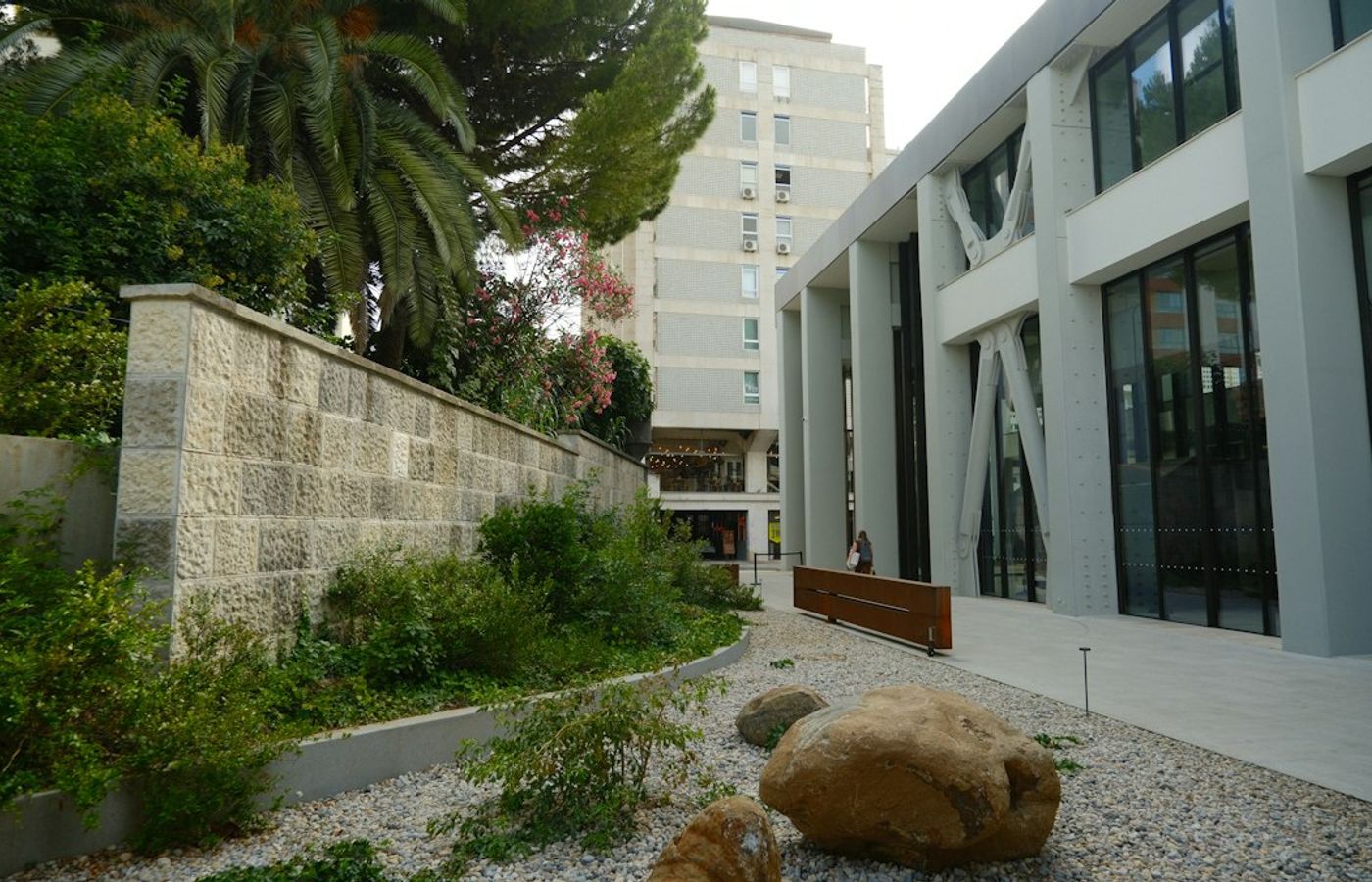
The Calouste Gulbenkian Foundation holds two museums and one of the best modern gardens in Lisbon on a single site. The Gulbenkian Museum displays the private collection of Calouste Gulbenkian, the Armenian oil magnate who spent his last years in Lisbon: Egyptian antiquities, Islamic ceramics, a room of René Lalique jewellery, and paintings by Rembrandt, Rubens and Turner. Across the garden, the Centro de Arte Moderna (CAM) reopened in 2024 after a redesign led by the Japanese architect Kengo Kuma and holds the largest collection of modern and contemporary Portuguese art in the country.
The garden, laid out in the 1960s, is free to walk and turns quietly autumnal in late October, with ducks on the pond and an open-air amphitheatre. When a heavy shower comes through, the two museums and the café make it easy to spend three or four hours without getting wet.
Plan around the closing day, since the museums shut on Tuesdays. Tickets are sold online and at the door, with a combined option for both collections.
Pro Tip: Check the forecast in the morning and keep the Gulbenkian as your backup for the wettest day. Start with the founder's collection, have lunch in the garden café, then walk through the garden to CAM for the afternoon.
9Oceanário de Lisboa - Parque das Nações When the Weather Turns
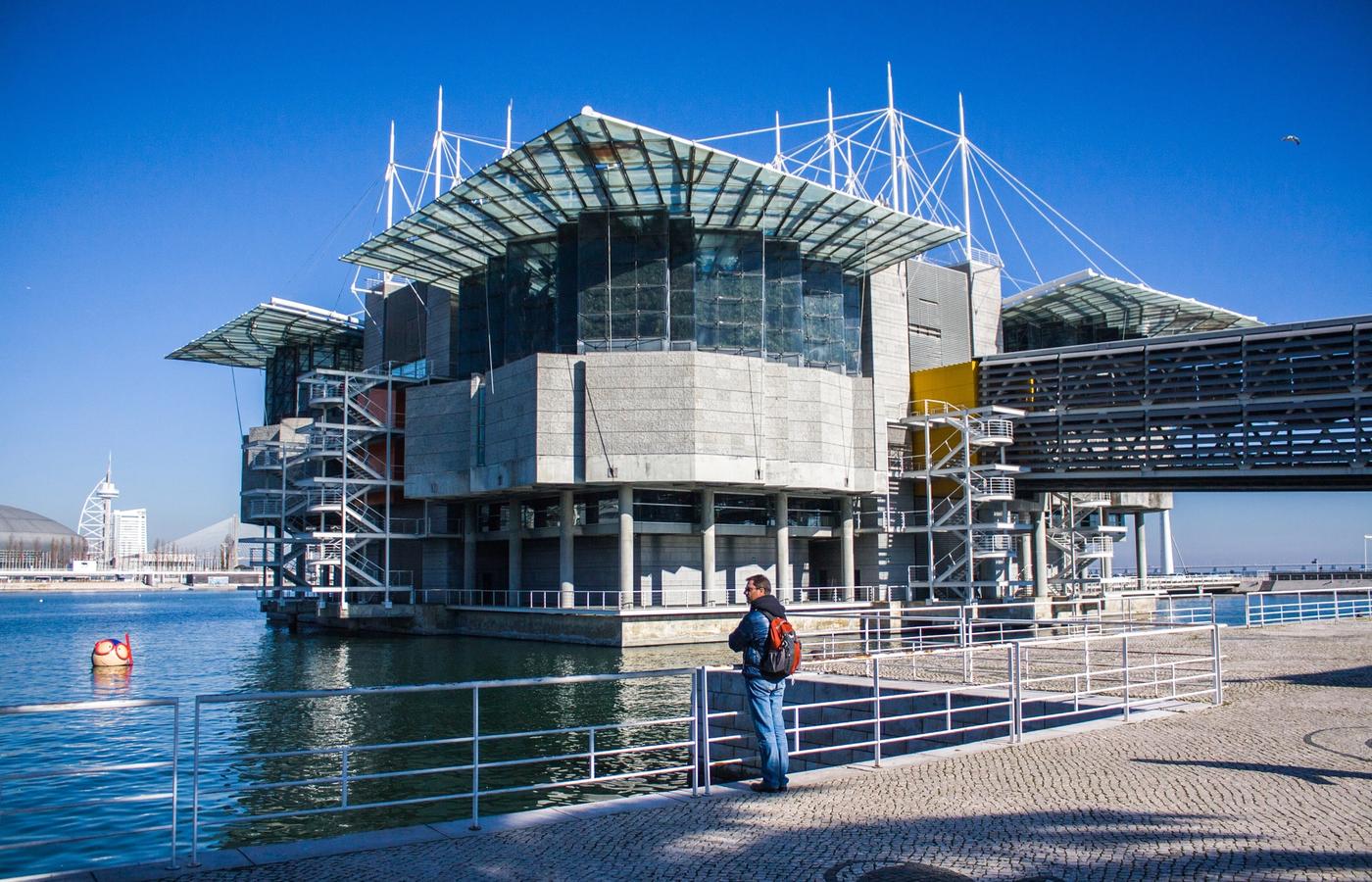
The Oceanário de Lisboa, built for Expo '98 and designed by the American architect Peter Chermayeff, is one of the largest indoor aquariums in Europe. Its central tank holds sharks, rays, shoals of fish and a giant ocean sunfish, and four surrounding habitats recreate the coastlines of the North Atlantic, Antarctic, temperate Pacific and tropical Indian Ocean, complete with puffins, penguins and sea otters. It is a strong choice for families and for any wet afternoon.
Parque das Nações around it was rebuilt from derelict docks for the 1998 World Expo and is now a riverside district of wide promenades. When the rain stops, walk the waterfront towards the Vasco da Gama Bridge, at more than 12 km one of the longest bridges in Europe, or ride the cable car that runs along the river's edge. Note that the half marathon and EDP 8K start on that bridge on Sunday 11 October, so the area is busy that morning.
Allow two hours for the aquarium itself. Tickets are sold online and at the door, and weekday afternoons in October are the quietest time to visit.
Pro Tip: Book online for a timed entry after 15:00 on a weekday, when school groups have left, then walk north along the river for sunset views of the Vasco da Gama Bridge before taking the metro back from Oriente.
10Sintra and Pena Palace - A Cooler Month for the Hills
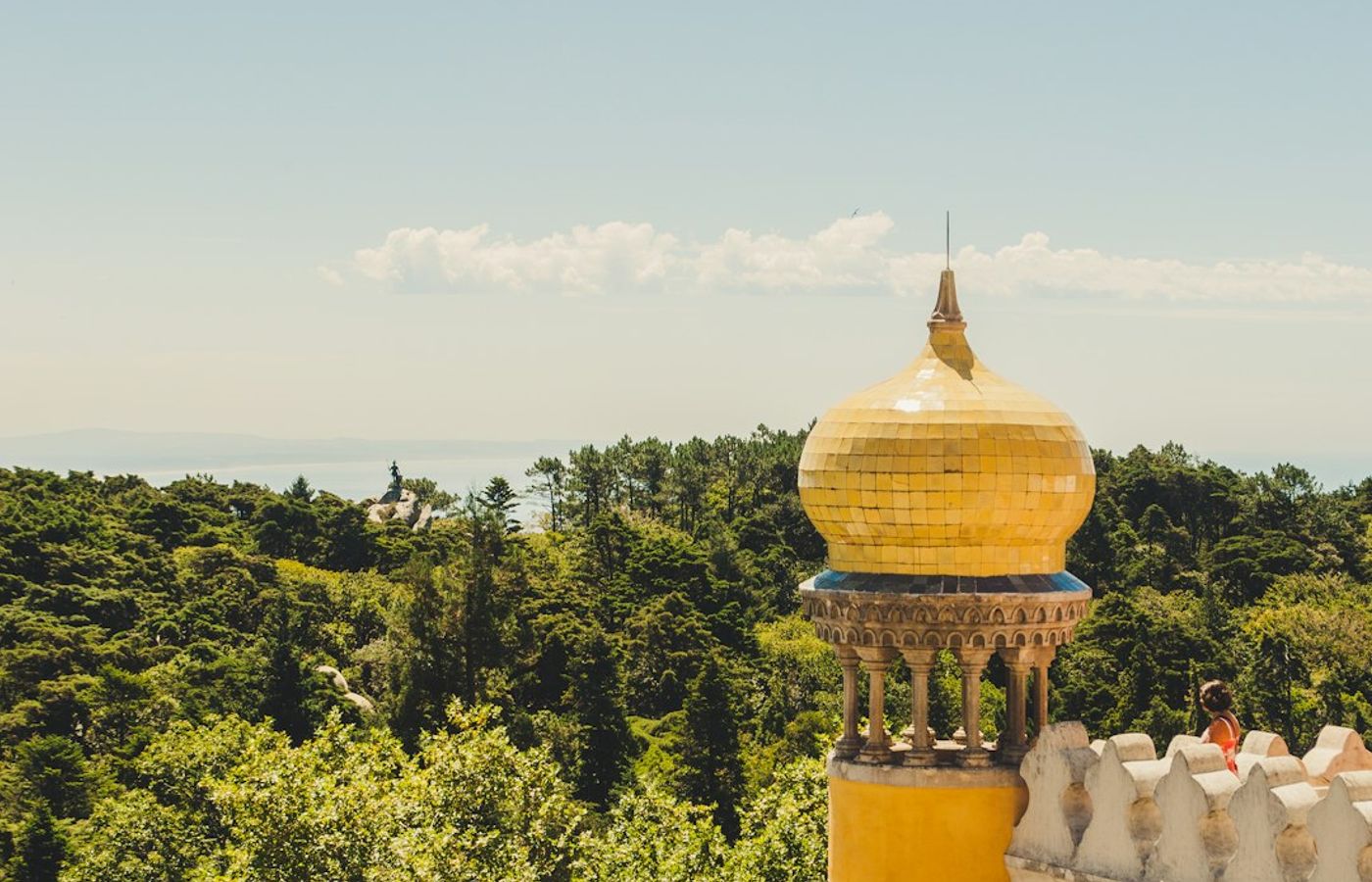
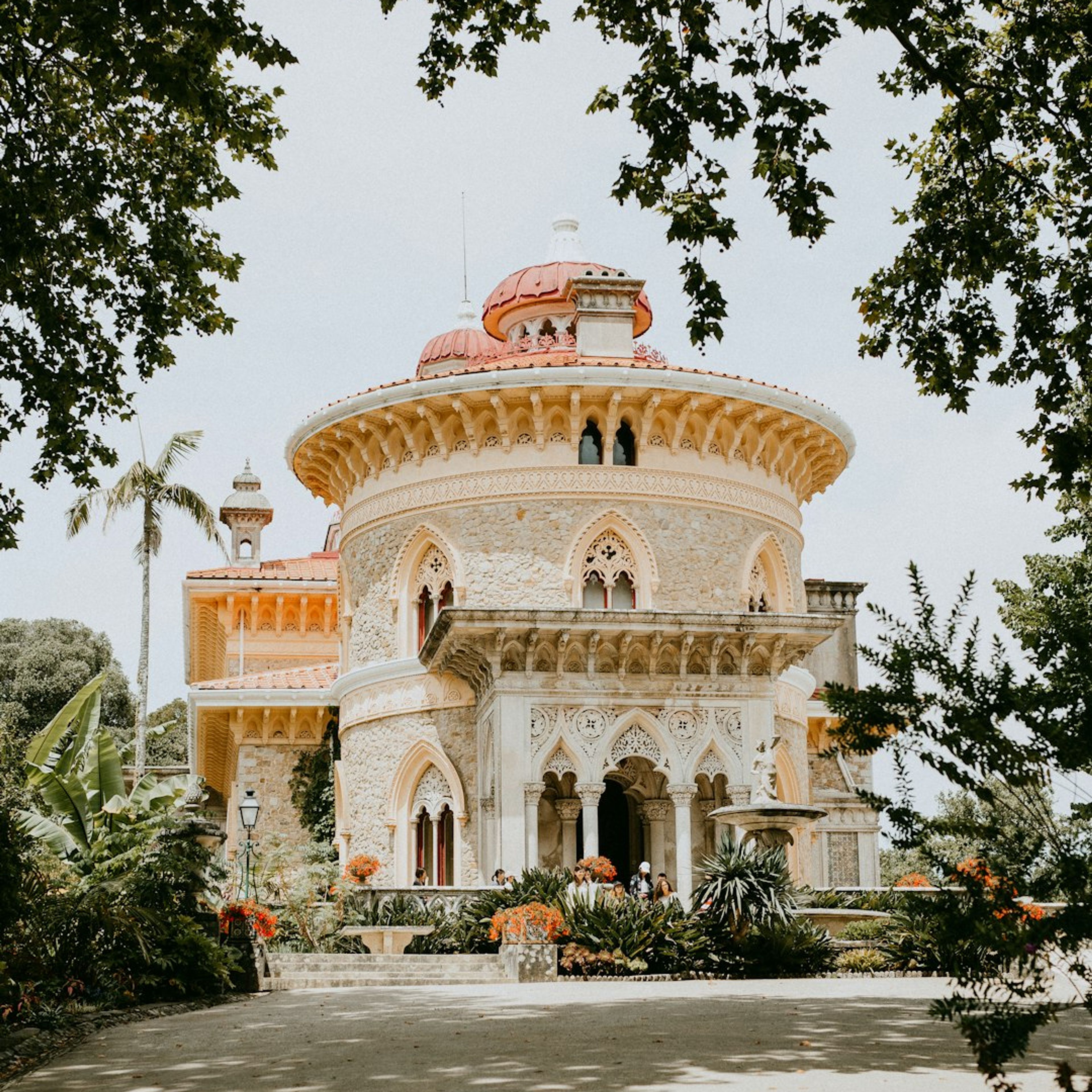
Sintra is the classic day trip from Lisbon, a UNESCO-listed cultural landscape of palaces and forest in the hills above the coast, and Pena Palace is its postcard. Built for King Ferdinand II in the mid-1800s on the ruins of a monastery, the palace mixes red and yellow towers, Moorish arches and Manueline carving on a granite peak. The rooms inside are preserved as they were when the royal family left in 1910, after the revolution that is still marked every Republic Day.
October suits Sintra better than summer. Uphill walks between the palaces are cooler, the forest paths in Pena Park are damp and green, and mist often wraps the towers in the morning. Crowds are lower, but the timed palace slots still sell out on weekends. According to the official Parques de Sintra guidance, the time on your ticket is the palace entry time, not the park gate, and the walk from the gate to the palace takes about 30 minutes.
At the box office, a park-and-palace ticket costs €20 for adults and a park-only ticket €12, with a discount for booking online. Summer hours run to the end of October, with the last palace entry at 18:00.
Pro Tip: Book an afternoon palace slot, which Parques de Sintra says is currently the quieter time of day, and spend the morning at the Moorish Castle or in the historic centre. Take the train back from Sintra before the evening rush, when bus 434 queues build.
Get hotel deals for Lisbon
Price drops, new stays and local tips for Lisbon, straight to your inbox.
No spam, unsubscribe anytime.

CEO and co-founder
Tomas is the co-founder and director of trip1, an European company specializing in reservation services. He launched the company in 2025 with a focus on building scalable, efficient operations.
Lisbon in October: Weather, Crowds and Beach Days - FAQ
No. Sintra takes a full day on its own, and the two beach entries on the Cascais line need at least an afternoon each. A realistic plan spreads the ten over four to five days: one day for Belém, one for Alfama, the castle and a sunset viewpoint, one for the coast, one for Sintra, and the Gulbenkian, Oceanário or Doclisboa on whichever day it rains.
Fix the dated events first. Watch the marathon at Praça do Comércio on Saturday 10 October, catch Doclisboa between 15 and 25 October, and avoid Belém on Mondays, including Republic Day on 5 October. Put beach days in the first half of the month, when the sea and air are warmest, and keep the Gulbenkian and Oceanário for rainy days.
Pena Palace in Sintra needs a timed palace ticket, and weekend slots sell out even in October. Booking ahead is also wise for the Jerónimos cloister, the Oceanário and Doclisboa weekend screenings. The beaches, Miradouro da Senhora do Monte, Praça do Comércio and the Gulbenkian garden are free and need no booking, and watching the marathon is free.
Yes, on sunny days, though the water is cool. The sea off Carcavelos and Cascais holds around 18 to 19°C, and air temperatures reach about 23°C early in the month. The Cascais bathing season officially ended on 30 September 2026, so check the flags and swim near a lifeguard post. Avoid swimming at Guincho, where wind and currents are strong.
Lisbon weather in October is mild with some showers. Daytime highs start around 23°C and fall to about 20°C by the end of the month, with lows near 15°C. Expect roughly 60 to 100 mm of rain over about 10 days, mostly in short bursts that become more frequent after mid-month. Pack layers, a light rain jacket and shoes with grip for the cobbles.
Several are free: the beaches, Miradouro da Senhora do Monte, Praça do Comércio, the Gulbenkian garden and the Jerónimos church. Paid entries include Pena Palace at €20 for park and palace at the box office, Doclisboa screenings at €5, the Jerónimos cloister, the Oceanário and the Gulbenkian museums. Trains to Carcavelos, Cascais and Sintra cost only a few euros each way.
This guide focuses on October-specific plans, so it skips some year-round sights. Worth adding are the Museu Nacional do Azulejo for Portuguese tile art, LX Factory for weekend markets, and a sunset ferry to Cacilhas across the Tagus. Surf fans can head to Peniche, about 90 minutes north, where a World Surf League contest is scheduled at Supertubos from 22 October to 1 November 2026.