


Guides · Izmir
10 Top Things to Do in Izmir

CEO and co-founder
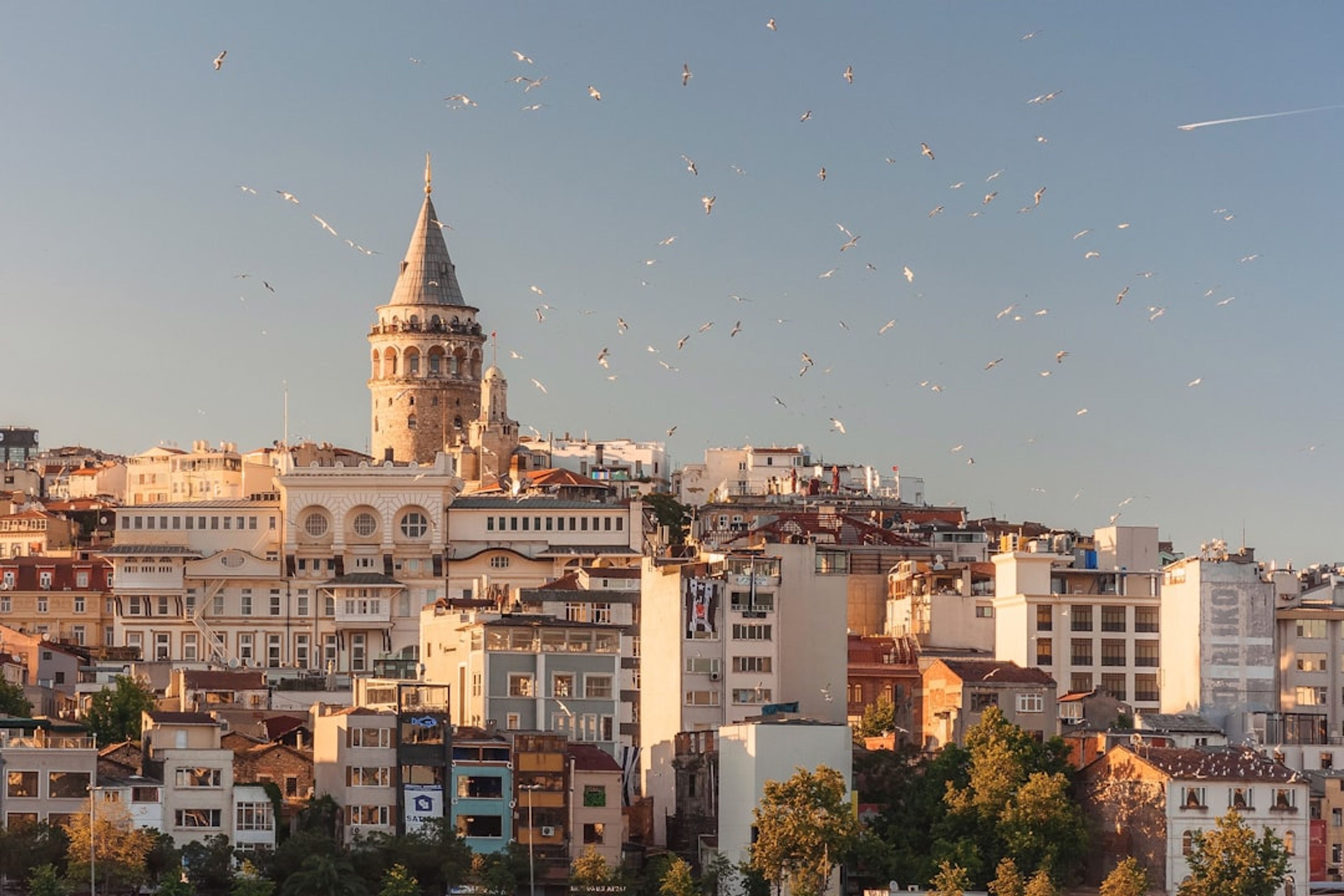
If you are looking for the best things to do in Izmir Turkey in 2026, you have picked the right stretch of the Aegean coast. Turkey's third-largest city curves around a wide blue bay, backed by pine-covered hills and layered with more than 8,500 years of history. Known in antiquity as Smyrna, Izmir today feels refreshingly relaxed compared with Istanbul: seaside promenades, palm-lined avenues, ferries chugging across the gulf and a bazaar that has been trading since Ottoman times.
The city rewards a slow pace. Mornings are for wandering the covered lanes of Kemeralti Bazaar and the Roman columns of the Agora of Smyrna. Afternoons belong to the Kordon (waterfront promenade), where locals cycle, fish and drink tea under the plane trees. In the evening you can ride a ferry to Karsiyaka, climb up to Kadifekale (Velvet Castle) for sunset over the bay, or push out on a day trip to ancient Ephesus, Sirince Village or the whitewashed lanes of Alacati.
This guide covers the ten most rewarding stops in Izmir and the wider Aegean, with 2026 opening hours, ticket prices in Turkish lira, transit directions from Konak Square and a Pro Tip for every entry.
1Kemeralti Bazaar - Izmir's Living Ottoman Marketplace
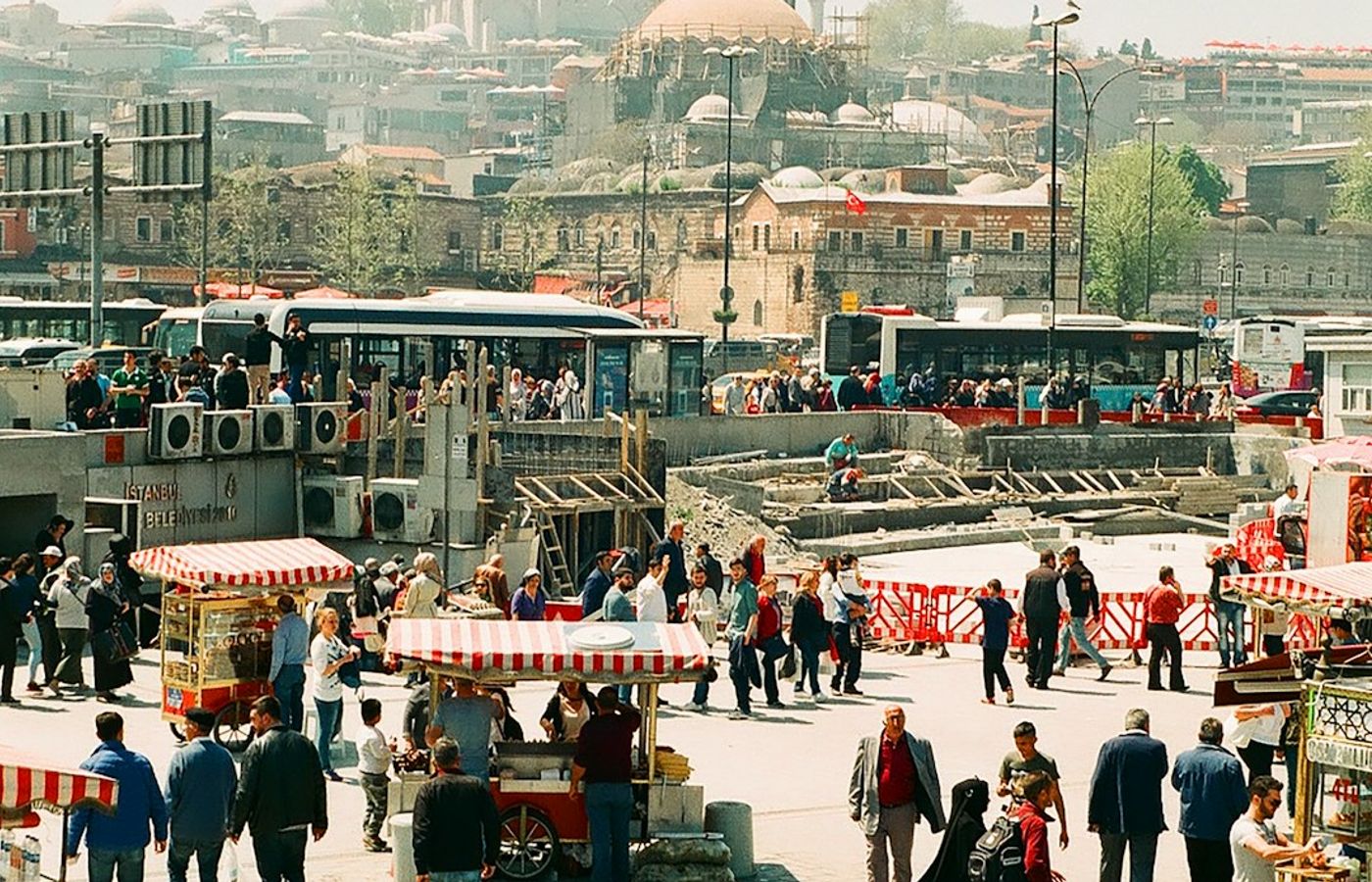

Kemeralti Bazaar is the beating commercial heart of Izmir old town and one of the oldest continually operating marketplaces in Turkey, with roots stretching back to the 17th century. The maze of narrow, tent-canopied lanes fans out east of Konak Square through the historic Namazgah and Basmane quarters, taking in more than a dozen restored hans (Ottoman caravanserais), spice shops, jewellers, coppersmiths, and cay (tea) courtyards where old traders still gather at midday. Highlights include the beautifully restored 18th-century Kizlaragasi Han, the 16th-century Hisar Mosque and the aromatic spice alley off Havra Sokak, the former Jewish quarter with several surviving synagogues.
Opening hours: shops generally trade from 09:00 to 19:00 Monday to Saturday, with many stalls closed on Sundays. Entry is free.
Pro Tip: Come hungry and start early. Grab a boyoz pastry and a glass of Turkish tea in Kizlaragasi Han before 10:00, when the alleys are still quiet enough to actually see the architecture.
2Kordon Waterfront and Konak Square - The Seafront Soul of the City
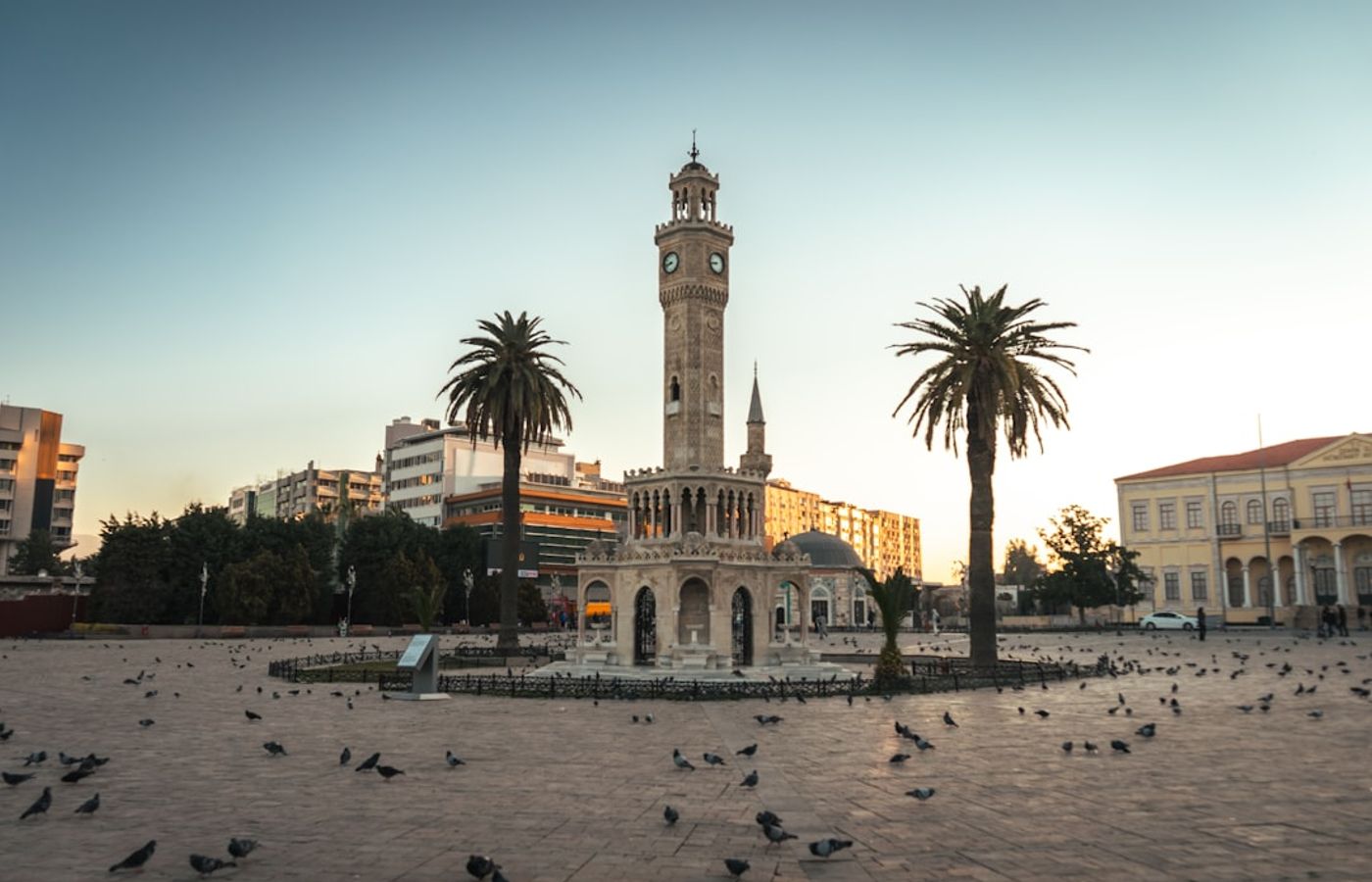

Konak Square is Izmir's civic living room and the anchor of the Kordon (waterfront promenade). The square is dominated by the ornate marble Izmir Clock Tower (Saat Kulesi), built in 1901 to mark the 25th anniversary of Sultan Abdulhamid II's reign and now the city's most photographed symbol. From here the Kordon runs roughly 3 km north along the bay through Pasaport and Alsancak, lined with palm trees, cycle lanes, cafes and fish restaurants. In the evening the whole promenade fills with joggers, buskers and families watching the sun drop behind Karsiyaka on the far shore.
Opening hours: open 24 hours. Entry is free. Bicycle rentals on the Kordon start around 60 TRY per hour in 2026.
Pro Tip: Grab a bag of sunflower seeds (cekirdek) from a street vendor around 17:30, walk to the Alsancak stretch of the Kordon and claim a patch of grass - Izmirians treat sunset here as a nightly ritual.

3Kadifekale (Velvet Castle) - Hilltop Fortress over Izmir Bay


Perched on the summit of Mount Pagos at 186 m, Kadifekale (Velvet Castle) is the oldest strand of Izmir's story. The original fortress was raised in the late 4th century BCE under Alexander the Great's general Lysimachus, when Smyrna was replanned as a Hellenistic city. Successive Roman, Byzantine and Ottoman rebuildings left the weathered stone walls, cisterns and watchtowers you see today. The real reason to make the climb, however, is the panoramic view: the whole crescent of Izmir Bay, the Kordon, Karsiyaka across the water and the distant Aegean unfolds beneath you.
Opening hours: the ramparts are open daily from roughly 08:00 to 20:00. Entry is free in 2026.
Pro Tip: Ride the number 33 bus up and walk down through the neighbourhoods of Ikicesmelik and Agora - it is a photogenic descent that connects the castle to the ruins below.
4Agora of Smyrna - Ancient Roman Marketplace
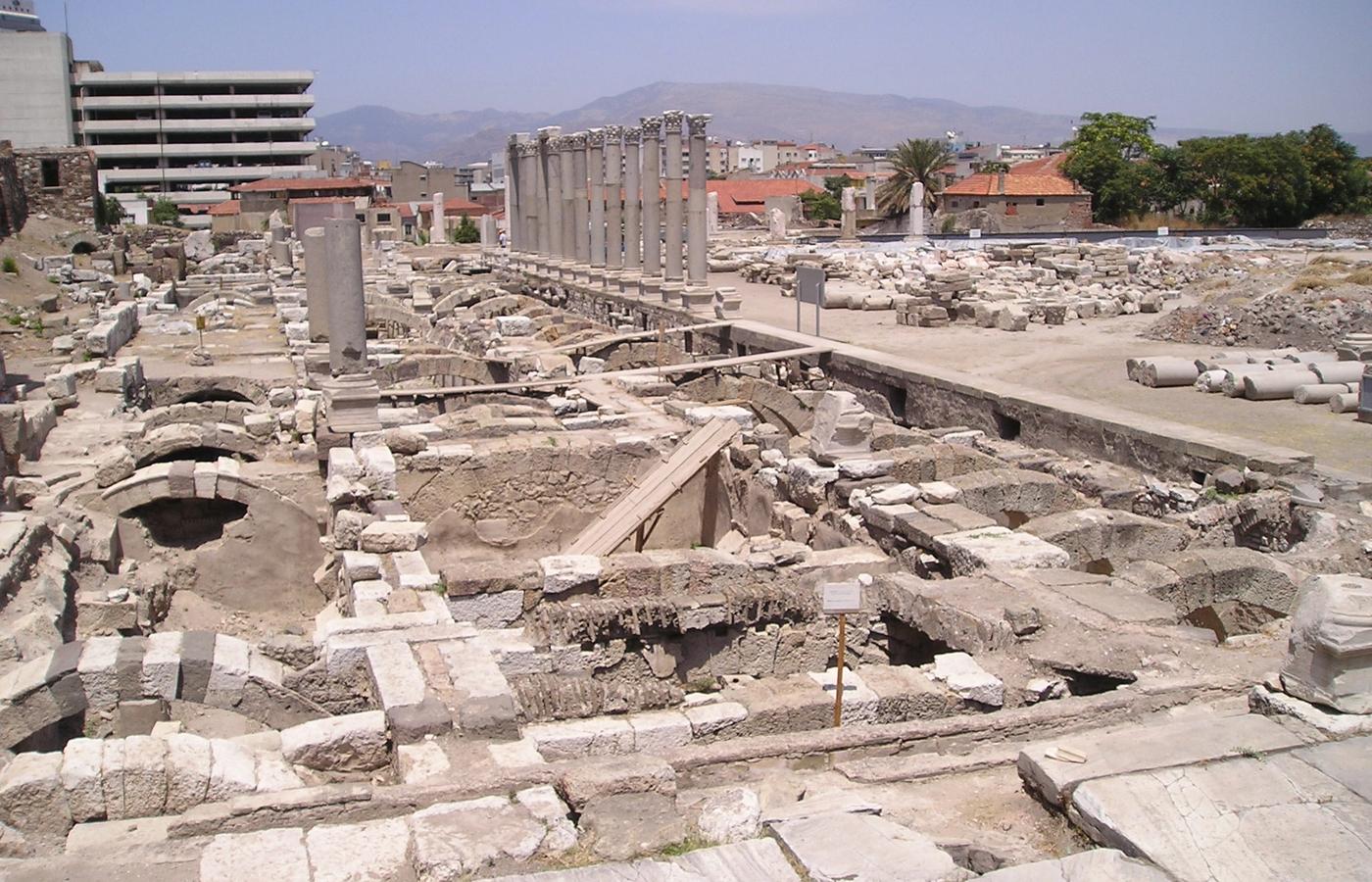
Sitting quietly amid modern apartment blocks between Kemeralti and Kadifekale, the Agora of Smyrna is one of the finest surviving Roman-era commercial squares in Turkey. Originally laid out in Hellenistic times and rebuilt in grand style by the emperor Marcus Aurelius after an earthquake in 178 CE, the site preserves rows of Corinthian columns, vaulted basement galleries and a monumental basilica. Look for the ancient Greek graffiti scratched into the vault walls - some of the oldest examples of ship, gladiator and love-note doodles anywhere in the ancient world, dating back nearly 2,000 years.
Opening hours: April to October 08:30 to 19:00 daily; November to March 08:30 to 17:30. Adult entry in 2026 is around 200 TRY; the Museum Pass Turkey is valid.
Pro Tip: Descend into the cool vaulted basement to escape the summer heat and study the graffiti panels with a torch - they are dimly lit and easy to miss.
5Alsancak Neighbourhood - Izmir's Bohemian Cafe Quarter

Alsancak is the most walkable and stylish district in Izmir, occupying the grid of streets between the Kordon and the historic Alsancak Train Station. The area was rebuilt after the Great Fire of Smyrna in 1922 and today it packs in independent bookshops, wine bars, third-wave coffee roasters, boutique hotels, and rows of restored 19th-century Levantine houses. Kibris Sehitleri Caddesi is the main pedestrian spine, while side lanes such as Gazi Kadinlar Sokak, 1453 Sokak and Dario Moreno Street pulse with live music from around 21:00. Free cultural anchors nearby include the Alsancak Train Station (1858) and the Ataturk Museum, housed in the seafront mansion where Mustafa Kemal Ataturk stayed on visits to Izmir.
Opening hours: streets always open; most cafes 08:00 to 24:00, bars until 02:00. Entry is free.
Pro Tip: Book a table at a meyhane (traditional tavern) on 1453 Sokak by 20:00 on Friday or Saturday - walk-ins after 21:00 have almost no chance of a seat.
6Karsiyaka and the Ferry Across Izmir Bay

Crossing to Karsiyaka on the Izdeniz ferry is arguably the single most Izmirian thing you can do. The bay is wide enough that the crossing feels like a proper sea voyage: seagulls trail the boat for chunks of gevrek (sesame bread ring), Kadifekale shrinks behind you and the pastel apartment blocks of the far shore slowly come into focus. Karsiyaka itself has a distinctly local, unfussed feel, with its own long Kordon promenade, the pedestrianised Karsiyaka Carsi shopping street and clusters of family-run mezzeci and meyhane restaurants. Sunday morning fish and produce markets around Bostanli are especially fun.
Opening hours: ferries run roughly 06:30 to 23:30 daily, every 15 to 30 minutes. The 2026 single fare with an Izmirim Kart is around 15 TRY.
Pro Tip: Time the return crossing for the golden hour - taking the ferry back from Karsiyaka to Konak with the sun dropping over the water is the classic Izmir postcard.
7Sirince Village - A Day Trip into the Aegean Hills

Tucked into the pine-forested hills above Selcuk, Sirince is a former Greek Orthodox village that was resettled by Turkish families after the 1923 population exchange. The steep cobbled lanes are lined with 19th-century whitewashed stone houses, most of which have quietly reinvented themselves as boutique guesthouses, olive-oil ateliers, herb shops and wine bars. Sirince is famous for its homemade fruit wines - blackberry, quince, pomegranate and mulberry - which you can taste for free at almost every cellar door. Two beautiful abandoned churches, Ayios Yannis and Ayios Dimitrios (both 19th century), sit at either end of the village.
Opening hours: village always open; shops and tasting rooms 09:00 to 19:00. Entry is free; wine flights typically 100 TRY.
Pro Tip: Arrive before 11:00 and combine Sirince with Ephesus - a single day covers both, and the village is far quieter before the tour-bus crowds arrive at midday.
8Ephesus and the House of the Virgin Mary - Ancient Wonder Day Trip
Ephesus is Turkey's most visited archaeological site and a UNESCO World Heritage listing since 2015. The city was founded as a Greek colony in the 10th century BCE and grew under Roman rule into a metropolis of roughly 250,000 people, second only to Rome itself. Walking the marble Curetes Street brings you past the Temple of Hadrian, the Terrace Houses with their vivid frescoes and mosaics, and the two-storey facade of the Library of Celsus (built 114-117 CE), one of the most photographed ruins on earth. Ten minutes uphill by taxi sits the House of the Virgin Mary (Meryemana), a small stone chapel believed by many Catholics and Muslims to be where Mary spent her final years.
Opening hours: April to October 08:00 to 19:00, November to March 08:30 to 17:00. 2026 adult entry to Ephesus is 1,000 TRY; Terrace Houses add 400 TRY; the House of the Virgin Mary is 400 TRY separately (not covered by Museum Pass).
Pro Tip: Enter through the Upper Gate and walk downhill to the Lower Gate - it saves your legs and finishes at the Library of Celsus, where the light is best for photos in the late afternoon.
9Cesme and Alacati - Aegean Beach and Windsurf Escape

The Cesme peninsula is Izmir's beach playground, a scrubby, wind-blown finger of land pointing at the Greek island of Chios. Cesme town centres on Cesme Castle, built in 1508 under Sultan Bayezid II and now home to a small archaeological museum; the marina below is lined with fish restaurants and yachts. Ilica Beach is famous for thermal springs that bubble up under the sea, keeping the shallow water pleasantly warm well into autumn. Ten minutes inland, Alacati is a former Greek village of blue-shuttered stone houses draped in bougainvillea, celebrated in Turkey for its Saturday farmers' market, boutique hotels and consistently strong afternoon winds that make it one of the top three windsurfing spots on the planet.
Opening hours: Cesme Castle daily 08:00 to 19:00 in summer, 08:30 to 17:30 in winter. 2026 castle entry is around 250 TRY; beaches are free.
Pro Tip: Base yourself in Alacati village, not the seafront - the cobbled centre is far more atmospheric, and beaches are only 10 minutes away by dolmus.
10Pergamon (Bergama) - Cliff-Top Acropolis Day Trip

Rising dramatically on a 335-metre hilltop above the town of Bergama, Pergamon was the capital of a powerful Hellenistic kingdom in the 3rd and 2nd centuries BCE and, later, one of the great cultural cities of the Roman Empire. The whole site was inscribed on the UNESCO World Heritage list in 2014. The Acropolis preserves the vertigo-inducing steep theatre (10,000 seats, cut into the hillside), the ruined Temple of Trajan, the base of the celebrated Altar of Zeus (its frieze is now in Berlin) and the Library of Pergamon, once second only to Alexandria. Down in the plain, the Asklepion healing sanctuary and the Red Basilica (a 2nd-century temple later used as a church) round out a full-day visit.
Opening hours: April to October 08:00 to 19:00; November to March 08:30 to 17:30. 2026 adult entry to the Acropolis is around 500 TRY; the Bergama Teleferik cable car costs roughly 250 TRY return.
Pro Tip: Take the cable car up and walk down through the middle city ruins to the Red Basilica - you get all three archaeological sites without doubling back.
Get hotel deals for Izmir
Price drops, new stays and local tips for Izmir, straight to your inbox.
No spam, unsubscribe anytime.

CEO and co-founder
Tomas is the co-founder and director of trip1, an European company specializing in reservation services. He launched the company in 2025 with a focus on building scalable, efficient operations.
10 Top Things to Do in Izmir, Turkey - FAQ
Its relaxed seafront and long history. Izmir, ancient Smyrna, is Turkey's third-largest city, curving around a wide bay with more than 8,500 years of history. It is known for the Kordon waterfront promenade, the 1901 Clock Tower on Konak Square, the Ottoman-era Kemeralti Bazaar, boyoz pastries for breakfast, and as the base for day trips to Ephesus, Sirince and the beaches of Cesme and Alacati.
Start early in Kemeralti Bazaar with a boyoz and tea in Kizlaragasi Han before 10am, then see the Roman columns of the Agora of Smyrna. Take bus 33 up to Kadifekale for the bay view and walk back down. Spend the late afternoon on the Kordon and in Alsancak, and take the ferry to Karsiyaka and back at golden hour.
In the city, Kemeralti Bazaar, the Agora of Smyrna with its ancient graffiti in the vaulted basement, the Clock Tower on Konak Square, sunset on the Kordon and the view from Kadifekale. Just beyond, Ephesus with the Library of Celsus is the big one, and it pairs well with the hill village of Sirince. Add Pergamon in Bergama, or a beach day at Cesme and Alacati.
Three to four days. Two days cover the city: one for Konak Square, Kemeralti Bazaar and the Agora of Smyrna, which sit close together, and one for Kadifekale, the Kordon, Alsancak and the ferry to Karsiyaka. Then add a day for Ephesus and Sirince, and another for Pergamon or the beaches of the Cesme peninsula and Alacati.
Yes. Kemeralti is a maze of canopied lanes east of Konak Square, with roots in the 17th century, more than a dozen restored Ottoman hans, spice shops, coppersmiths and tea courtyards. Look for the 18th-century Kizlaragasi Han and the 16th-century Hisar Mosque. Entry is free; most shops open 9am to 7pm, Monday to Saturday, and many stalls close on Sundays.
By train or on a tour. IZBAN commuter and regional trains run from central Izmir to Selcuk in about 1.5 hours, then a taxi or minibus covers the last 3 km to the site. Enter at the Upper Gate and walk downhill to the Library of Celsus. Arrive at Sirince before 11am, or after Ephesus, to fit both into one day.