Guides · Cologne
10 Best Things to Do in Cologne

CEO and co-founder
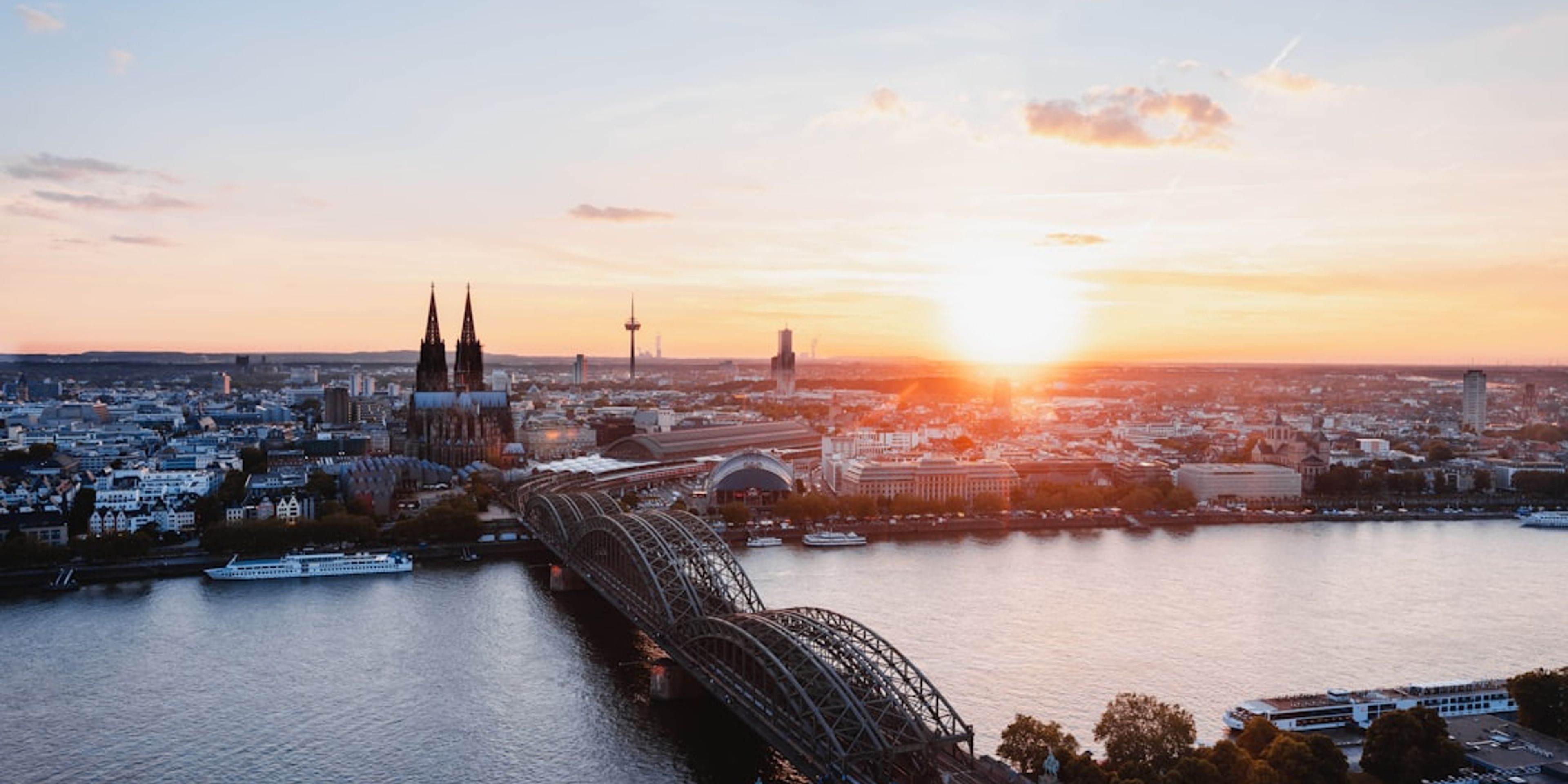
The best things to do in Cologne (Köln) in 2026 sit within a compact loop of the Altstadt, so you can knock out Gothic architecture, Roman ruins, world-class modern art and a proper Kölsch beer crawl without ever needing a taxi. Cologne is Germany's fourth-largest city and the beating cultural heart of the Rhineland, founded by the Romans in 50 AD as Colonia Claudia Ara Agrippinensium. Two thousand years later, it's still built around the same river, the same crossing points and, above all, the twin-spired cathedral that dominates every skyline photo you'll take.
This guide covers the ten sights that genuinely justify a first trip: the UNESCO-listed Kölner Dom, the love-lock covered Hohenzollern Bridge, the pastel gabled houses of the Fischmarkt, plus museums that punch far above the city's weight - Museum Ludwig for Picasso and Warhol, the Roman-Germanic Museum for the Dionysus mosaic, and Peter Zumthor's Kolumba for something quieter and stranger.
Everything below is reachable by KVB tram, the U-Bahn or on foot from Köln Hauptbahnhof. Distances are honest, addresses are the real ones you'll type into Google Maps, and I've flagged which sights need advance tickets in 2026 versus which you can just walk into. Bring comfortable shoes, a small daypack and an appetite - the Kölsch glasses are small on purpose, and you'll be drinking more than one. Anyone arriving from Berlin will notice the difference in scale immediately: this is a city you cross on foot in an afternoon rather than one you plan transit around, which is what makes a two-day visit work here and not there. The Rhine promenade and the beer gardens are the half of this list that rain ruins, so check Cologne weather before deciding which day goes outdoors. The hotels in Cologne inside the Ring put the cathedral, the old town and the river within a fifteen-minute walk.
1Cologne Cathedral (Kölner Dom)
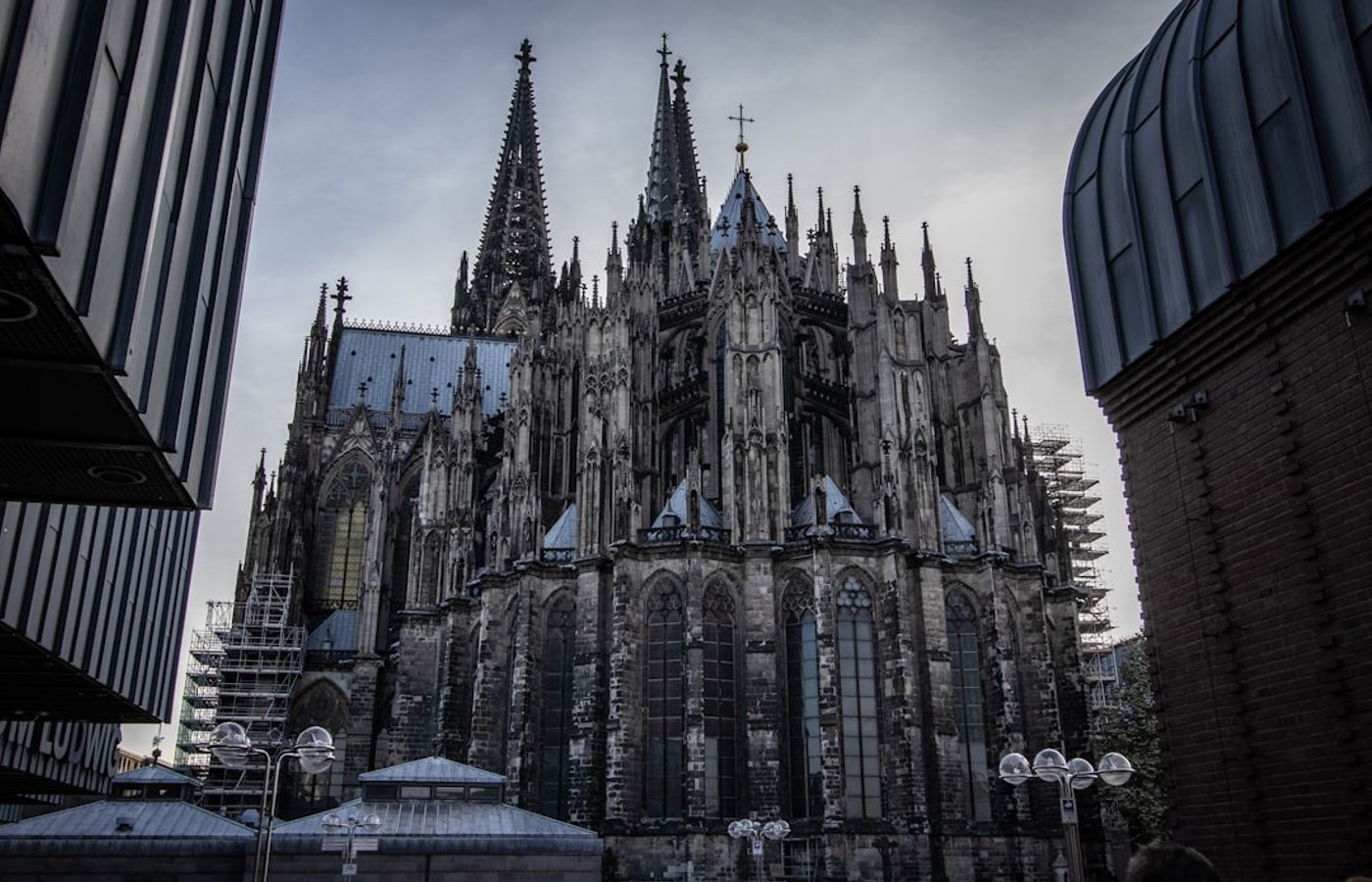

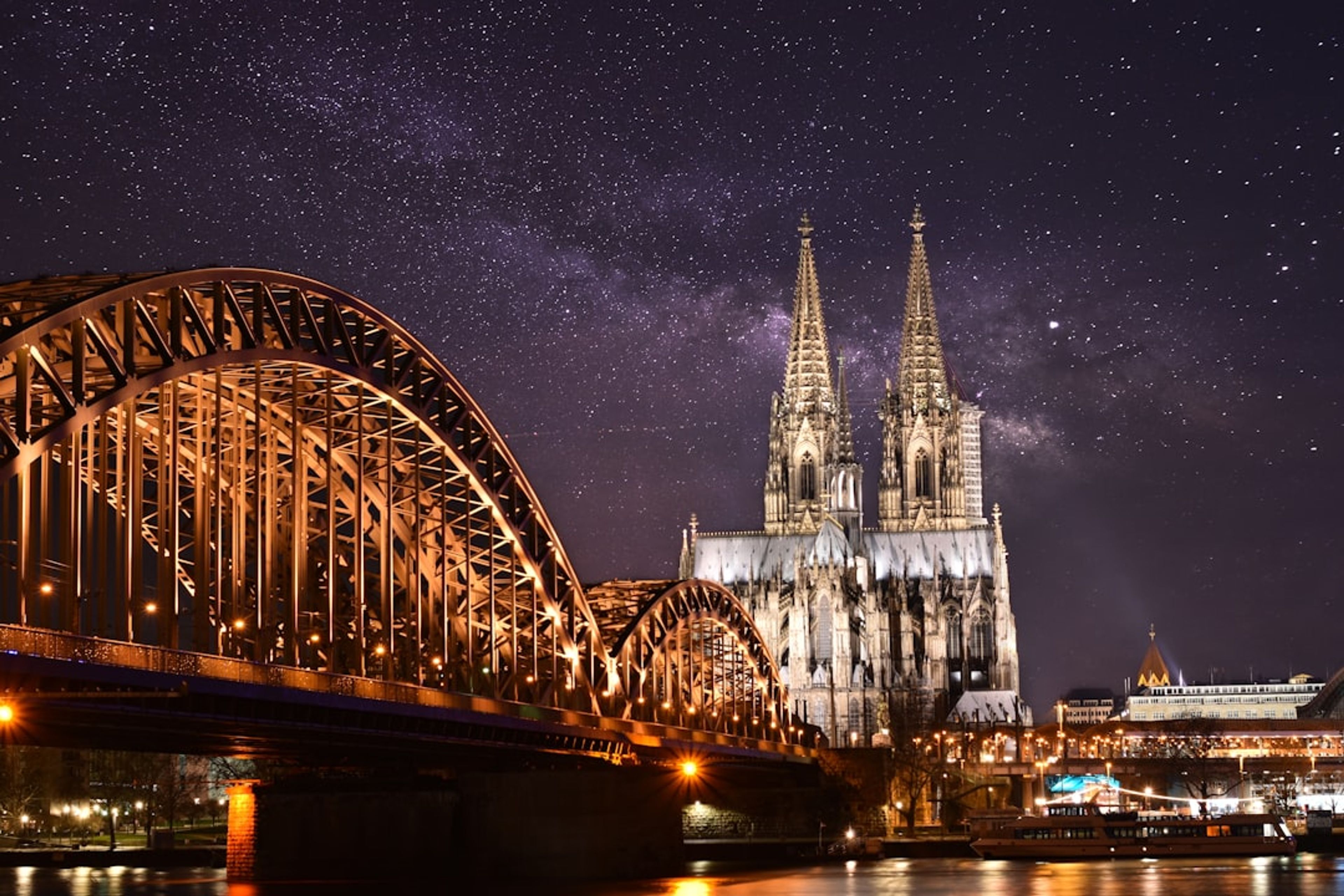
Cologne Cathedral (Kölner Dom) is the reason most first-time visitors come to Cologne in the first place, and it earns every superlative. Construction started in 1248, stopped for roughly 300 years, and finished in 1880 - which is why the twin spires still look identical despite the medieval crews long being dead. It was the tallest building in the world for four years before the Washington Monument overtook it, and it survived fourteen direct bomb hits in the Second World War when almost everything around it was flattened. The interior is free to enter and holds the gilded Shrine of the Three Kings, the largest reliquary in the Western world.
The real experience is climbing the 533 steps of the south tower to the 97-metre viewing platform. There is no lift, the staircase is a tight spiral, and you will be out of breath, but the payoff over the Rhine and the Hohenzollern Bridge is unbeatable.
Pro Tip: Buy the combined Domforum ticket for the tower plus the treasury for around EUR 9 and go up before 10:00 to beat the tour groups. The cathedral closes to sightseeing during Mass, so check the schedule at koelner-dom.de before you queue.
2Hohenzollern Bridge (Hohenzollernbrücke)
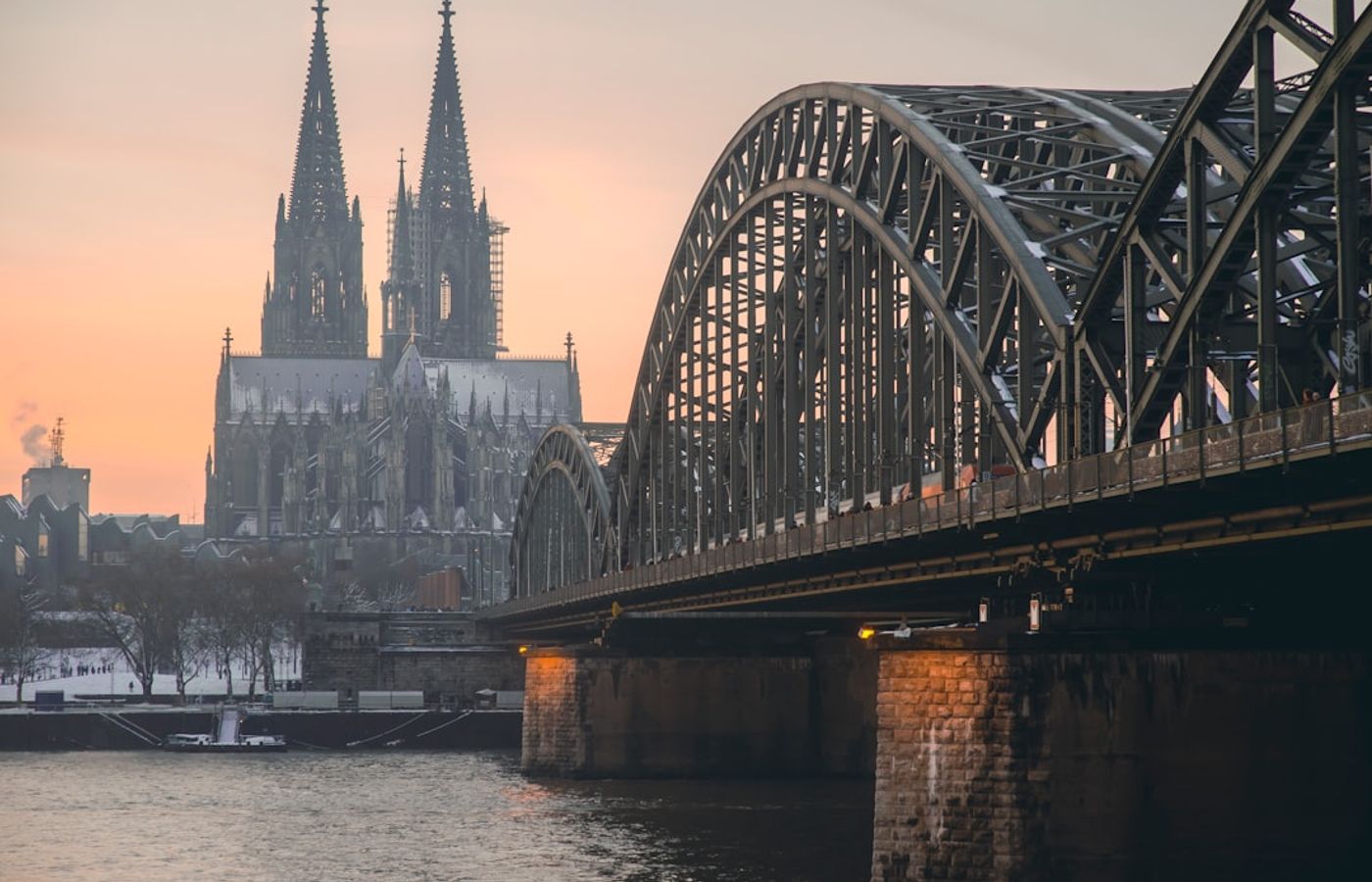
The Hohenzollern Bridge carries more than 1,200 trains a day across the Rhine and, since roughly 2008, has also carried several tonnes of love-locks clipped to its pedestrian railings by couples who then throw the keys into the water. The city has stopped trying to remove them - the weight is fine, engineers have checked, and the locks have become the single most photographed non-cathedral image of Cologne. Walk the full length from the cathedral side to Deutz and back, and you'll cross exactly where the Romans built their first Rhine crossing in the first century.
The view looking back at the Dom from the Deutz bank at sunset is the postcard shot. On the north side of the bridge you'll also spot the equestrian statues of four Prussian kaisers, added between 1867 and 1911.
Pro Tip: Cross to the Deutz side and walk 200 metres to the KölnTriangle observation deck (around EUR 5 in 2026) for a panorama that includes both the cathedral and the bridge in one frame - impossible from anywhere on the west bank.

3Old Town (Altstadt) and Fischmarkt
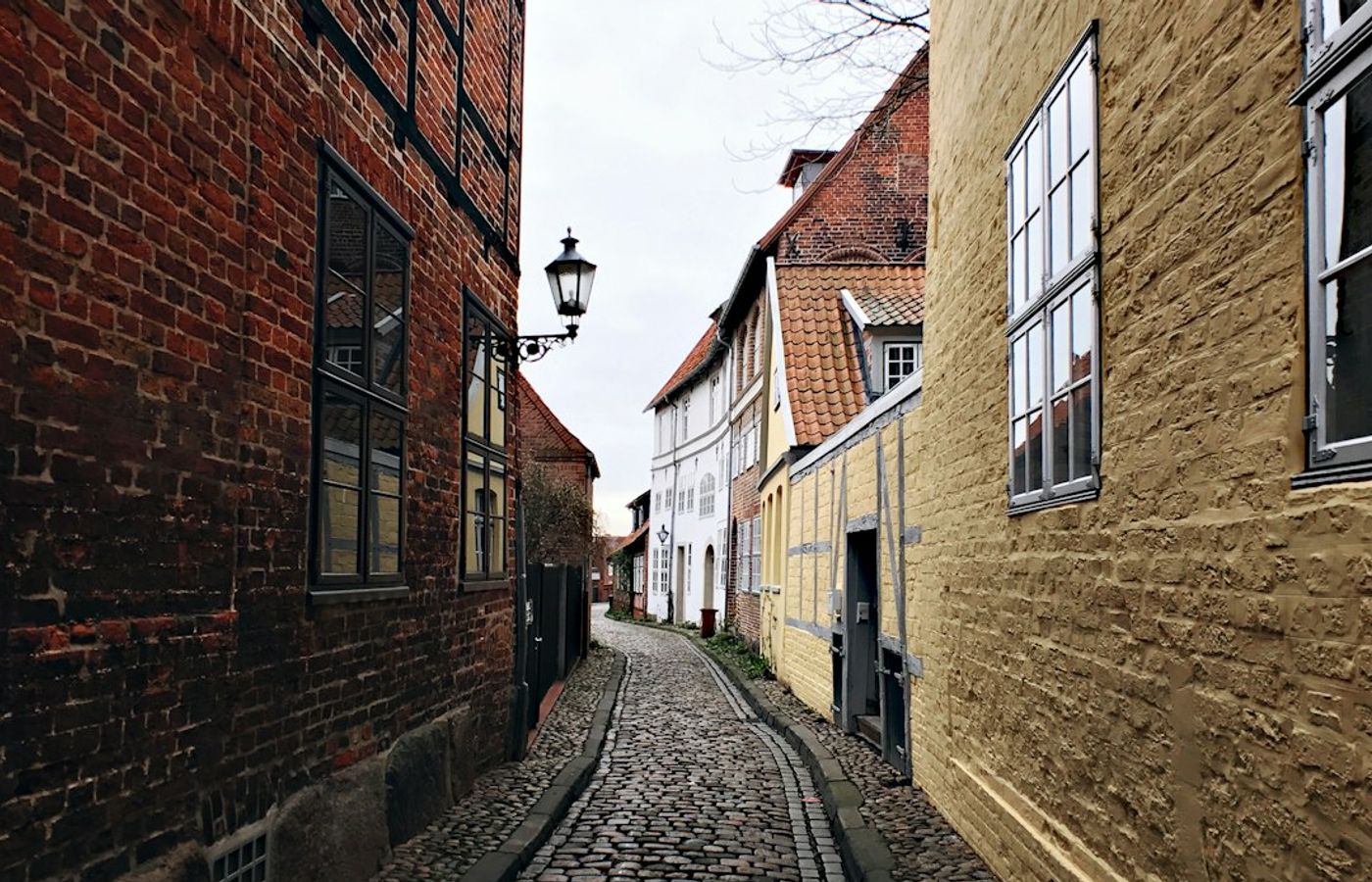
Cologne's Old Town (Altstadt) was 95% destroyed in the war, so what you see today is a careful reconstruction of the medieval merchants' quarter that ran along the Rhine. The Fischmarkt itself is the small triangular square just north of Groß St. Martin, ringed by narrow candy-coloured gabled houses in mustard, salmon, pistachio and pale blue. It looks exactly like the tourism board says it will, and yes, you should take the photo.
From the Fischmarkt you can walk the whole Altstadt loop in under an hour: past the Historical City Hall with its 15th-century tower, down the Alter Markt with its market stalls, and along the cobbled lanes toward Heumarkt. Most of what looks ancient was rebuilt after 1945 using original stones where possible.
Pro Tip: The Fischmarkt gets swamped between 11:00 and 15:00. Come at 08:30 for empty streets and soft light, or after 21:00 when the beer halls empty out onto the cobbles and the whole quarter feels lived-in rather than photographed.
4Cologne Chocolate Museum (Schokoladenmuseum Köln)
The Cologne Chocolate Museum (Schokoladenmuseum Köln) sits on its own peninsula in the Rhine, in a purpose-built glass and steel building that looks like a ship's prow. It was founded in 1993 by Hans Imhoff, the confectioner behind Stollwerck, and it works because it takes chocolate seriously - the history of cacao from the Aztecs to the industrial revolution, a working production line behind glass where you can watch real bars being made, and a three-metre chocolate fountain where staff dip wafers for every visitor.
Allow 90 minutes minimum. The upper floors cover the ethics of modern cocoa sourcing, which is more interesting than it sounds, and there's a tropical greenhouse with actual cacao trees.
Pro Tip: The riverside terrace café upstairs is where locals go for the view of the Rhine and Deutz beyond, not the museum-goers' café on the ground floor. Ticket entry is roughly EUR 15 for adults in 2026, and you'll want the audio guide - the on-wall text is fine but the audio interviews with cocoa farmers add the human layer.
5Rhine River Promenade (Rheinpromenade)
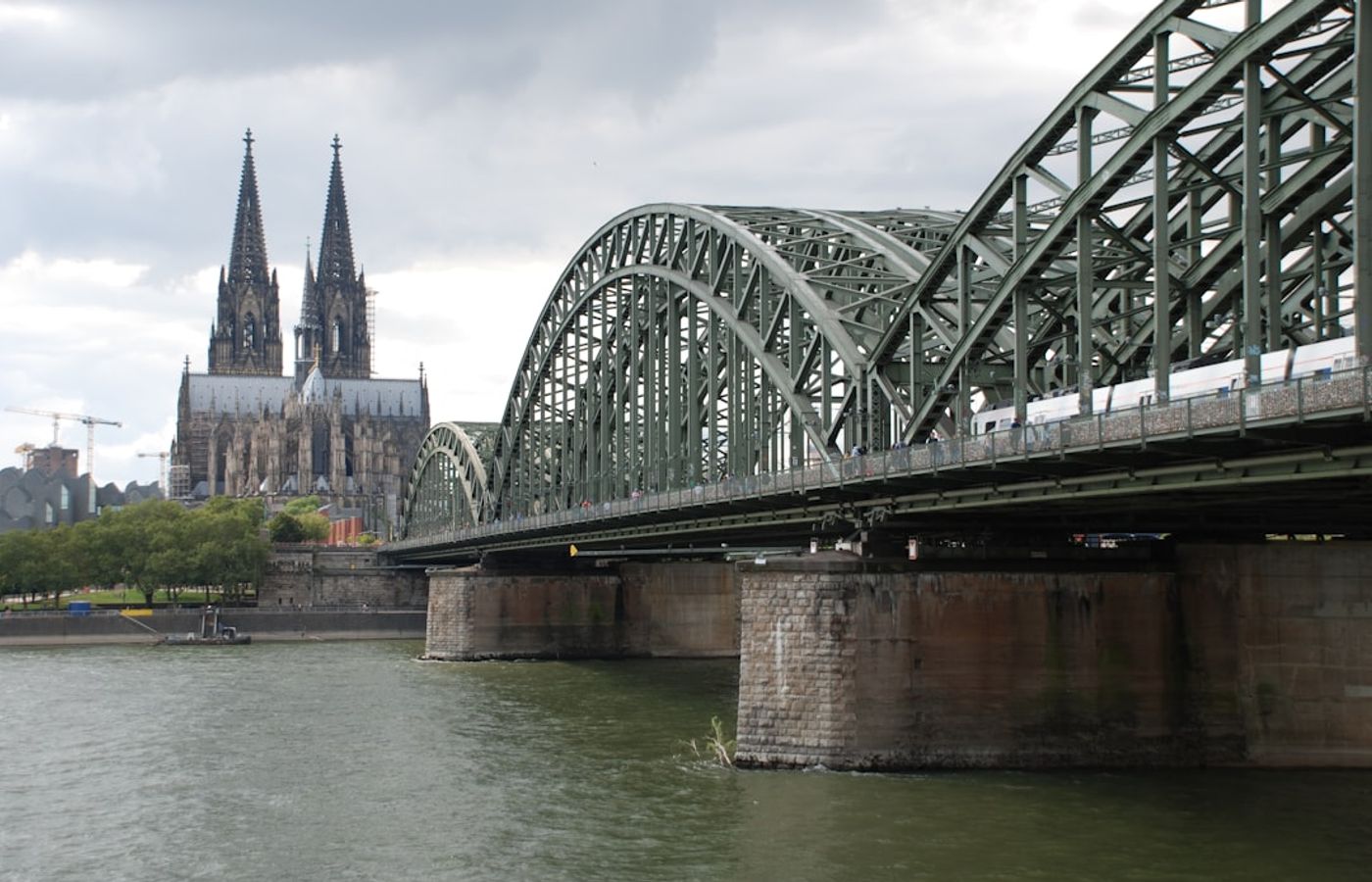
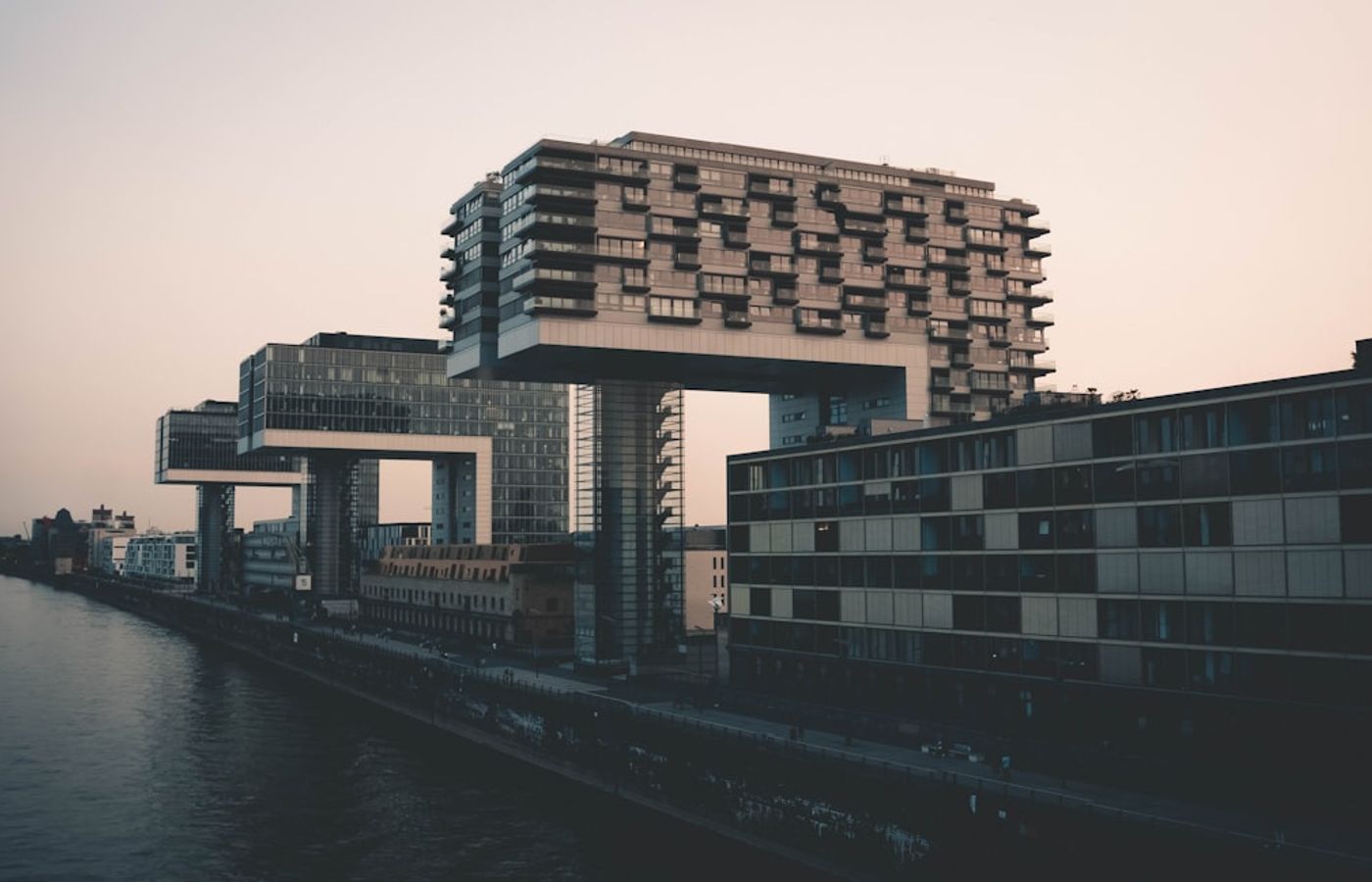
The Rhine promenade (Rheinpromenade) runs along the west bank for roughly four kilometres from the Zoobrücke in the north down past the Chocolate Museum to the Südbrücke. The most walkable stretch is the one-kilometre section between the Hohenzollern Bridge and the Deutzer Brücke, which passes directly behind the Fischmarkt, past river cruise moorings and the twin cranes of the Rheinauhafen redevelopment.
This is where Cologne actually relaxes. Locals cycle it, jog it, drink beer on the grass in summer and watch the container barges push upstream. In 2026 the promenade is fully pedestrianised on the central stretch after a 2023 traffic-calming project, so you no longer have to dodge cars.
Pro Tip: Start at the Malakoffturm (the old Prussian defensive tower next to the Chocolate Museum), walk north to the Hohenzollern Bridge, cross to Deutz, and walk back on the east bank. It's a two-hour loop, and the east bank has almost no tourists and the best view of the cathedral skyline.
6Museum Ludwig
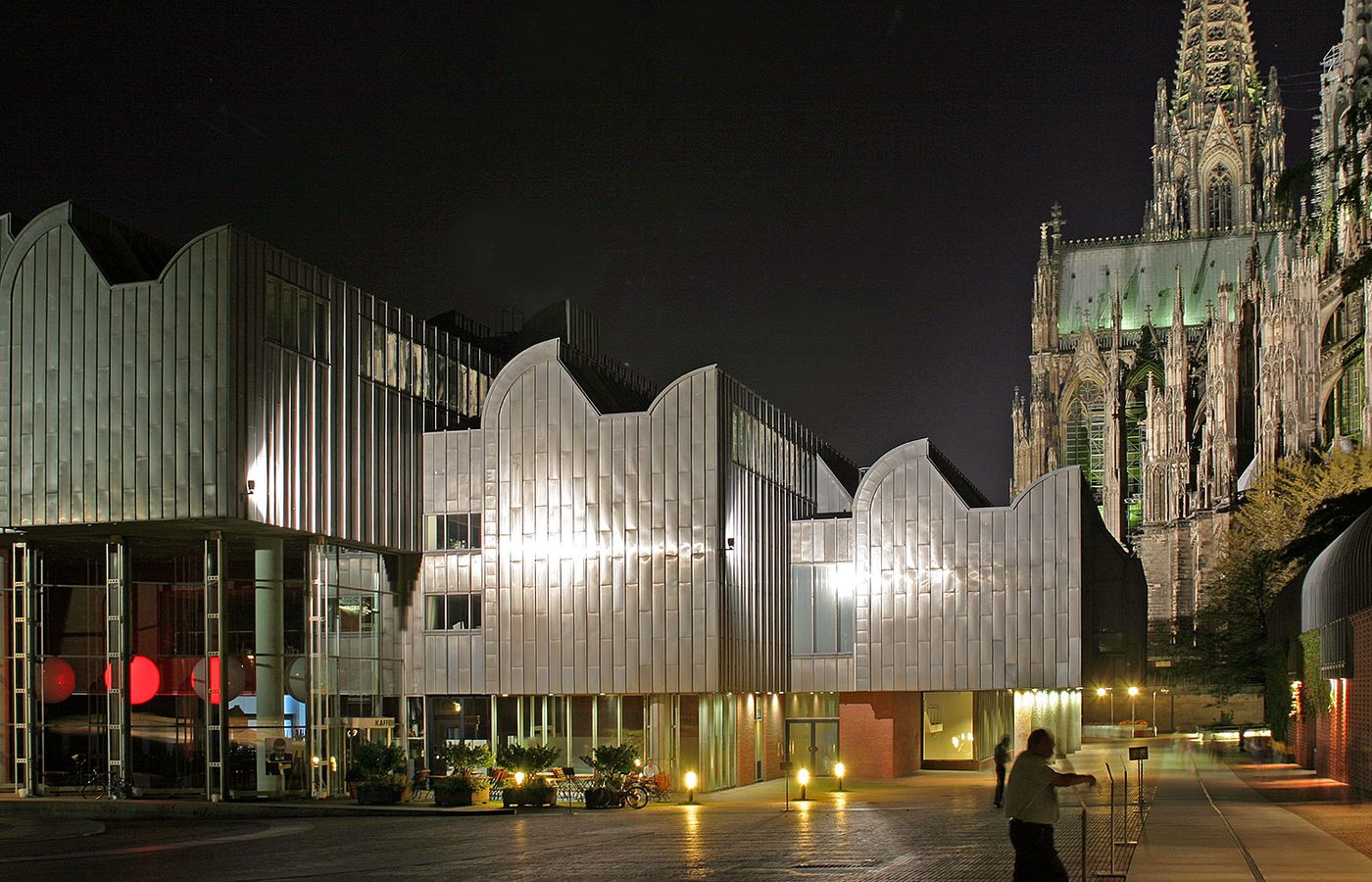
Museum Ludwig is one of Europe's most important collections of 20th-century art, and it sits directly behind the cathedral in a zigzag-roofed building that also houses the Philharmonie. The collection started with a 1976 gift from chocolate manufacturer Peter Ludwig and now holds the third-largest Picasso holding in the world, plus significant Warhol, Lichtenstein, Rauschenberg and one of the most complete Russian avant-garde collections outside Moscow.
The layout is chronological: German Expressionism on the lower floor, Pop Art in the middle, contemporary and photography at the top. The Warhol section alone justifies the ticket - Brillo Boxes, an original Marilyn, and one of his Elvis paintings.
Pro Tip: The Museum Ludwig closes on Mondays, which catches out roughly half of first-time visitors, and admission is around EUR 12 in 2026. The KölnTag on the first Thursday of every month gives half-price entry after 17:00. The ground-floor café is one of the few places within 500 metres of the cathedral where you can eat lunch without a tourist markup.
7Roman-Germanic Museum (Römisch-Germanisches Museum)
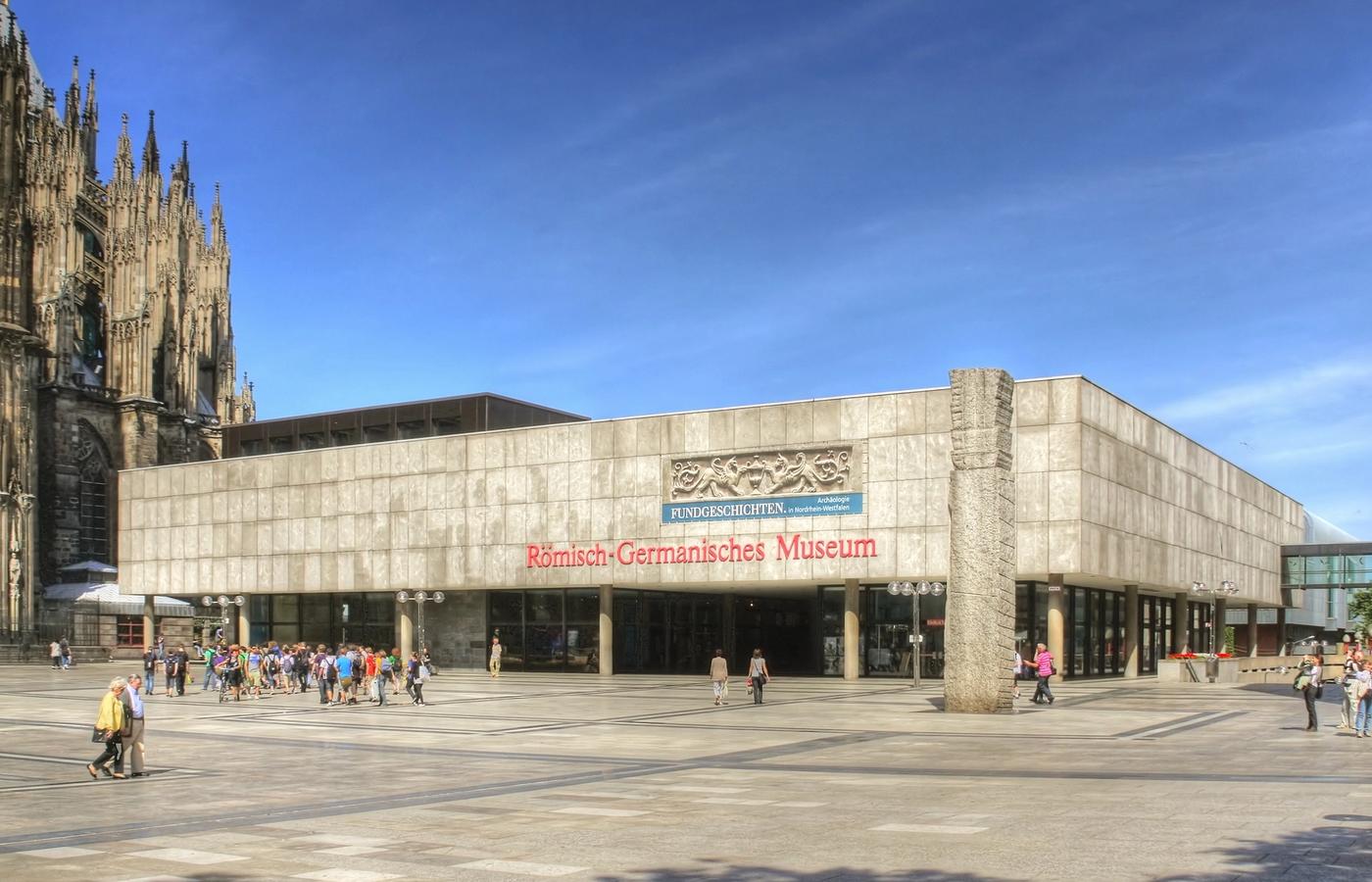
The Roman-Germanic Museum (Römisch-Germanisches Museum) holds the archaeology of Roman Cologne, which was one of the largest cities north of the Alps for four hundred years. The star piece is the Dionysus mosaic, a 70-square-metre floor uncovered in 1941 during an air-raid shelter dig, which once decorated the dining room of a wealthy Roman merchant. The mosaic remains in situ at the museum's main building at Roncalliplatz, which is closed for renovation through much of 2026 - during the works the core collection has moved to the Belgisches Haus on Cäcilienstraße.
Beyond the mosaic, you'll see the funerary monument of Poblicius (a 15-metre reconstructed Roman tomb), Roman glass considered among the finest in Europe, and gold jewellery from Frankish graves.
Pro Tip: Check the museum's status at roemisch-germanisches-museum.de before you go - the Dionysus mosaic itself stays visible through a glass panel at Roncalliplatz even during renovation, so you can see the highlight for free from outside. The temporary Belgisches Haus exhibition costs roughly EUR 6.
8Great St. Martin Church (Groß St. Martin)
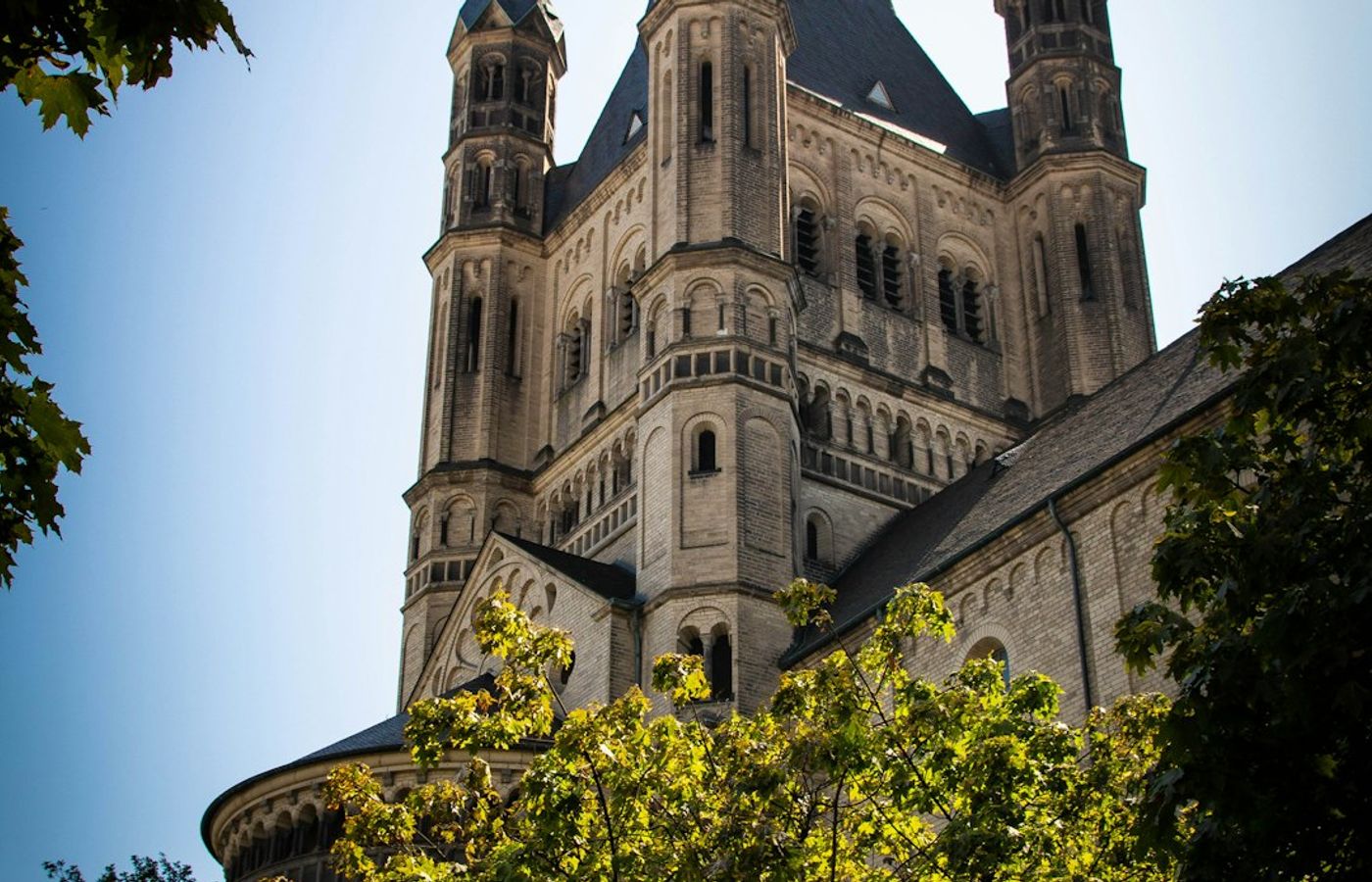
Great St. Martin Church (Groß St. Martin) is the second silhouette on the Cologne skyline - the squat Romanesque tower with four turrets that anchors every Rhine-side photo alongside the cathedral. The current church dates to the 12th century, sits on the foundations of a Roman warehouse from around 100 AD (you can see the excavations in the crypt), and was almost completely destroyed in 1945. Restoration wasn't finished until 1985, which means the interior feels stark and modern under a very old skin.
Entry is free. The crypt is what most visitors miss - a small admission gets you down to the Roman substructure, where you can see the harbour wall that used to face the Rhine before the river shifted.
Pro Tip: Groß St. Martin is one of Cologne's twelve preserved Romanesque churches, and if you have half a day spare it's worth walking the loop of the biggest four - St. Gereon, St. Andreas, St. Aposteln and this one. Groß St. Martin is the easiest starting point because it's in the middle of the Fischmarkt tourist route.
9Kolumba Art Museum
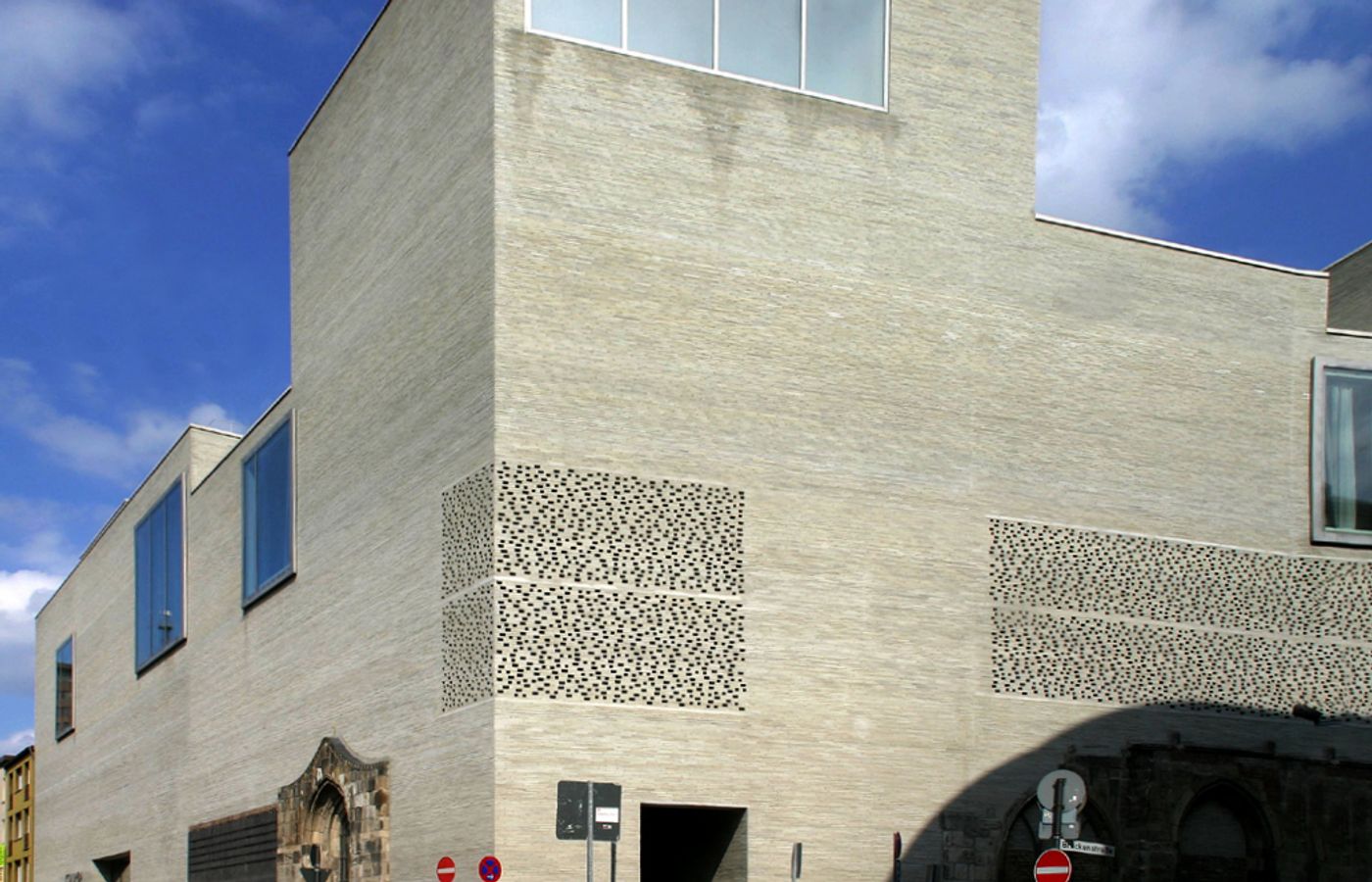
Kolumba is the art museum of the Archdiocese of Cologne, designed by Swiss architect Peter Zumthor and opened in 2007 on the ruins of St. Kolumba church, which was bombed in 1943. The building envelopes the medieval and Roman remains beneath it, letting Rhine breeze and daylight filter through a perforated brick screen wall. It's regularly on lists of the best small museums in Europe, and it's the antidote to Museum Ludwig if you want something quiet, slow and contemplative.
The collection ranges from medieval reliquaries to contemporary installations, hung with almost no labels - Kolumba wants you to look first and read later. Allow 90 minutes.
Pro Tip: The museum is closed Tuesdays, keeps very restricted hours (12:00 to 17:00 typically), and only takes a fixed number of visitors per hour. Book a slot online at kolumba.de before you go. Photography is banned inside, which is part of the point. Admission was around EUR 8 in 2026 and worth every cent for the architecture alone.
10Kölsch Brewery Experience - Brauhaus Sion or Früh am Dom
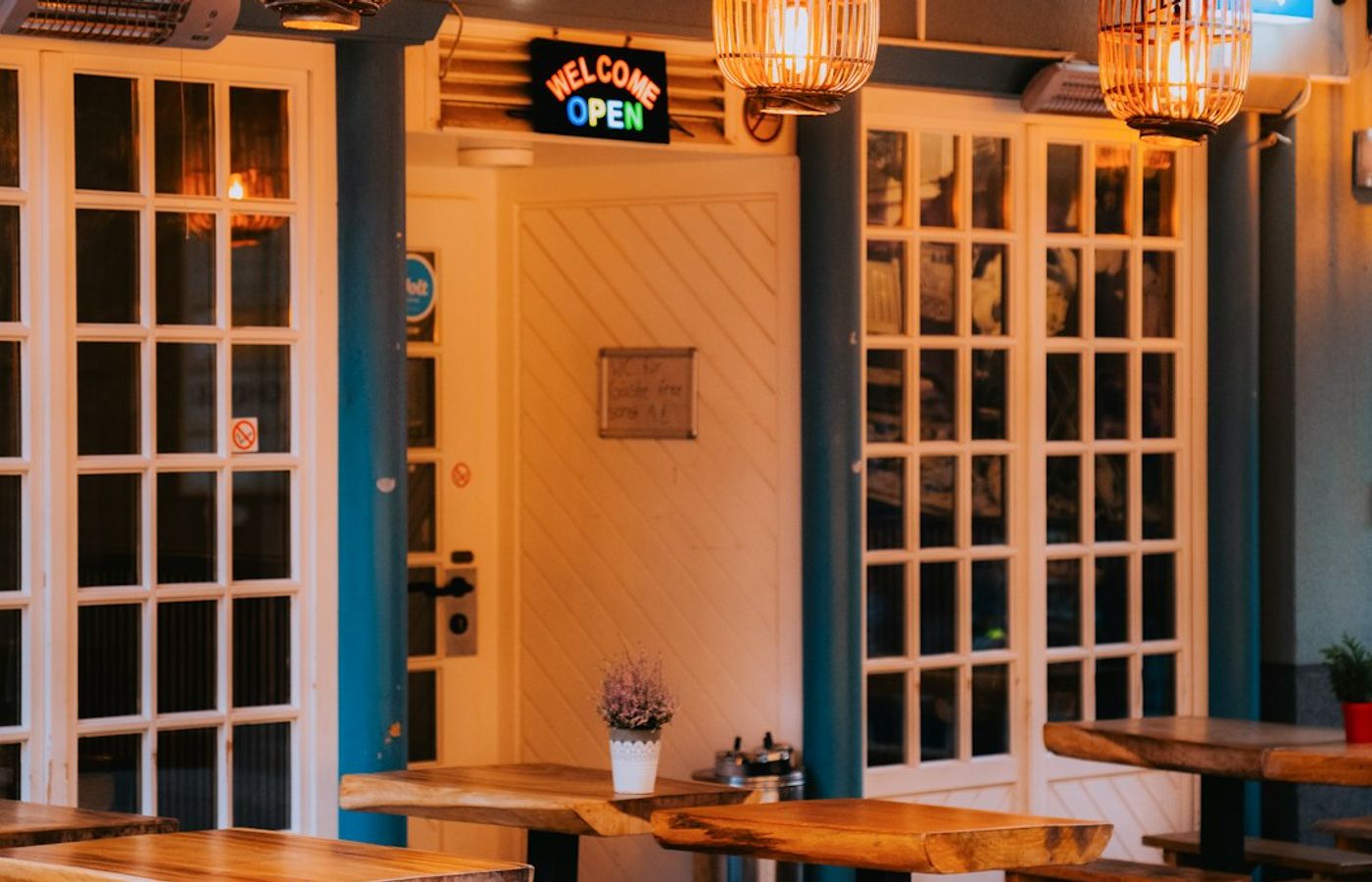
Kölsch is Cologne's local beer style - a bright, top-fermented lager served in a 0.2-litre straight glass called a Stange. There are legally only around two dozen breweries allowed to produce Kölsch under the 1986 Kölsch Konvention, and you'll do yourself a favour by trying at least three of them in the Altstadt. Früh am Dom (in a warren of vaulted rooms two minutes from the cathedral) and Brauhaus Sion (a five-minute walk south) are the two biggest historic beer halls. The waiters (Köbes) wear blue aprons, are professionally curt, and will keep bringing you fresh glasses without asking until you put a beer mat on top of your empty.
Both pubs serve traditional Rhenish food - Halve Hahn (a rye roll with Gouda), Himmel un Ääd (mashed potato with black pudding and apple), and Kölsche Kaviar (blood sausage with onion rings).
Pro Tip: A single Kölsch costs about EUR 2.20 in 2026, and each glass is small deliberately so it stays cold and fresh. Bar-hop between three houses in one evening - Früh, Sion and Peters Brauhaus - and you'll get a proper comparison. Don't tip more than 10%; the Köbes don't expect it and it's not the local custom.

CEO and co-founder
Tomas is the co-founder and director of trip1, an European company specializing in reservation services. He launched the company in 2025 with a focus on building scalable, efficient operations.
Climate averages · 1991–2020
When is the best time to visit Cologne?
The best time to visit Cologne is between May and October, the most comfortable stretch of the year on these averages.
Best time · May–OctoberRainfall
- Jan4°
- Feb5°
- Mar8°
- Apr12°
- May15°
- Jun18°
- Jul20°
- Aug20°
- Sep16°
- Oct12°
- Nov8°
- Dec5°
More of Germany
10 Best Things to Do in Cologne, Germany - FAQ
You can hit the exteriors of all ten in a long day if you start at 08:30 and skip the tower climb, but you will not enjoy it. A realistic full experience takes two days: day one for the cathedral, tower climb, Museum Ludwig, Roman-Germanic Museum, Groß St. Martin and an evening Kölsch crawl in the Altstadt; day two for the Chocolate Museum, Rhine promenade walk, Kolumba and Hohenzollern Bridge at sunset. Three days gives you time to add a river cruise or day trip to nearby Brühl.
Start at the Kölner Dom right when it opens at 06:00 (interior) or 09:00 (tower), then walk east across the Hohenzollern Bridge before crowds build. Come back and do Museum Ludwig, then loop south through the Altstadt and Fischmarkt to Groß St. Martin. Lunch in the Old Town. Afternoon: walk the Rhine promenade south to the Chocolate Museum. Day two: Kolumba first when it opens at 12:00, then the Roman-Germanic Museum, and finish with a Kölsch brewery evening at Früh or Sion.
Kolumba requires timed-entry booking online through kolumba.de - walk-ups are often turned away. The Kölner Dom tower climb sells out on peak summer weekends, so book same-day slots via the KölnTourismus website. Museum Ludwig and the Chocolate Museum accept walk-ups, but Museum Ludwig has queues on weekends and the first Thursday of each month (discounted KölnTag). The Roman-Germanic Museum, Groß St. Martin, Hohenzollern Bridge and Rhine promenade need no tickets. Brewery visits are always walk-in.
Free: Hohenzollern Bridge, Rhine promenade, Old Town/Fischmarkt, Groß St. Martin interior, Kölner Dom interior. Paid entries in 2026 approximate: Dom tower EUR 8, Museum Ludwig EUR 12, Chocolate Museum EUR 15, Roman-Germanic Museum EUR 6 (temporary location), Kolumba EUR 8. Total paid entries around EUR 49 per adult. Add EUR 20-30 for a Kölsch evening with food. A KölnCard (EUR 9-19 depending on duration) covers unlimited public transport plus museum discounts and is worth it for two days.
The Farina Fragrance Museum (birthplace of Eau de Cologne, 1709), the twelve Romanesque churches walking loop (St. Gereon and St. Aposteln are the standouts), the Belgian Quarter (Belgisches Viertel) for independent shops and coffee, a KD Rhine cruise upriver to Königswinter and the Drachenfels, and NS-Dokumentationszentrum in the former Gestapo prison for the wartime history the Altstadt reconstruction papers over. In summer, the Claudius-Therme baths in Rheinpark are a good post-museum reset.
Yes, if your knees can handle 533 uneven stone steps in a tight spiral with no stopping points and no lift. The view from 97 metres up looks straight down the Rhine and across the Hohenzollern Bridge - it's the single best panorama of central Cologne. Go before 10:00 or after 16:00 to avoid the worst congestion in the stairwell. Anyone with claustrophobia, mobility issues or a fear of heights should skip it and take the lift up the KölnTriangle in Deutz instead for a comparable view.
Yes. Cologne's KVB network of U-Bahn, S-Bahn, tram and bus lines covers every stop on this list within a 10-minute walk of a station. Köln Hauptbahnhof sits directly beside the cathedral, Museum Ludwig and the Hohenzollern Bridge. Rathaus and Heumarkt stations serve the Old Town, Fischmarkt and Groß St. Martin. Neumarkt reaches the Roman-Germanic Museum's temporary location. Bus 133 stops at the Chocolate Museum. A single ticket costs about EUR 3.30 in 2026, or use a 24-hour KölnCard for unlimited rides.
Related travel guides
10 Best Restaurants in Munich
The 10 best restaurants in Munich for 2026, from a three-star tasting menu to a Viktualienmarkt soup stall, with prices, closing days and booking advice.
5 Best Things to Do in Munich During Oktoberfest
Oktoberfest 2026 runs 19 September to 4 October. The best things to do in Munich during Oktoberfest away from the Wiesn, ranked quietest first.