

Guides · Tulum
11 Best Things to Do in Tulum

CEO and co-founder
There are more things to do in Tulum than laze on its famous beaches, and this guide ranks the 11 that best capture what makes this stretch of the Riviera Maya special - a rare mix of clifftop Maya ruins, powder-white sand, jungle cenotes and wild nature reserves. Each entry gives the exact location, how to get there, how far it is from Tulum town, and a practical Pro Tip so you can plan with confidence.
We have ordered the list to make routing easy. Tulum splits into three zones: the archaeological site and beaches on the coast, Tulum Pueblo (the town) inland along the highway, and the cenotes and day-trip sites scattered through the surrounding jungle. The coastal sights pair naturally for a first day, the cenotes cluster along the road north, and the big excursions to Cobá and Sian Ka'an each warrant a dedicated day.
Expect ancient history above a turquoise sea, freshwater sinkholes the Maya held sacred, a vast biosphere of mangroves and wildlife, and a beach-club scene that turns bohemian by day and lively by night. Whether you are here to swim, explore ruins, dive cenotes or simply slow down, these are the experiences worth building your trip around.
1Tulum Archaeological Zone - Maya Ruins Above the Caribbean
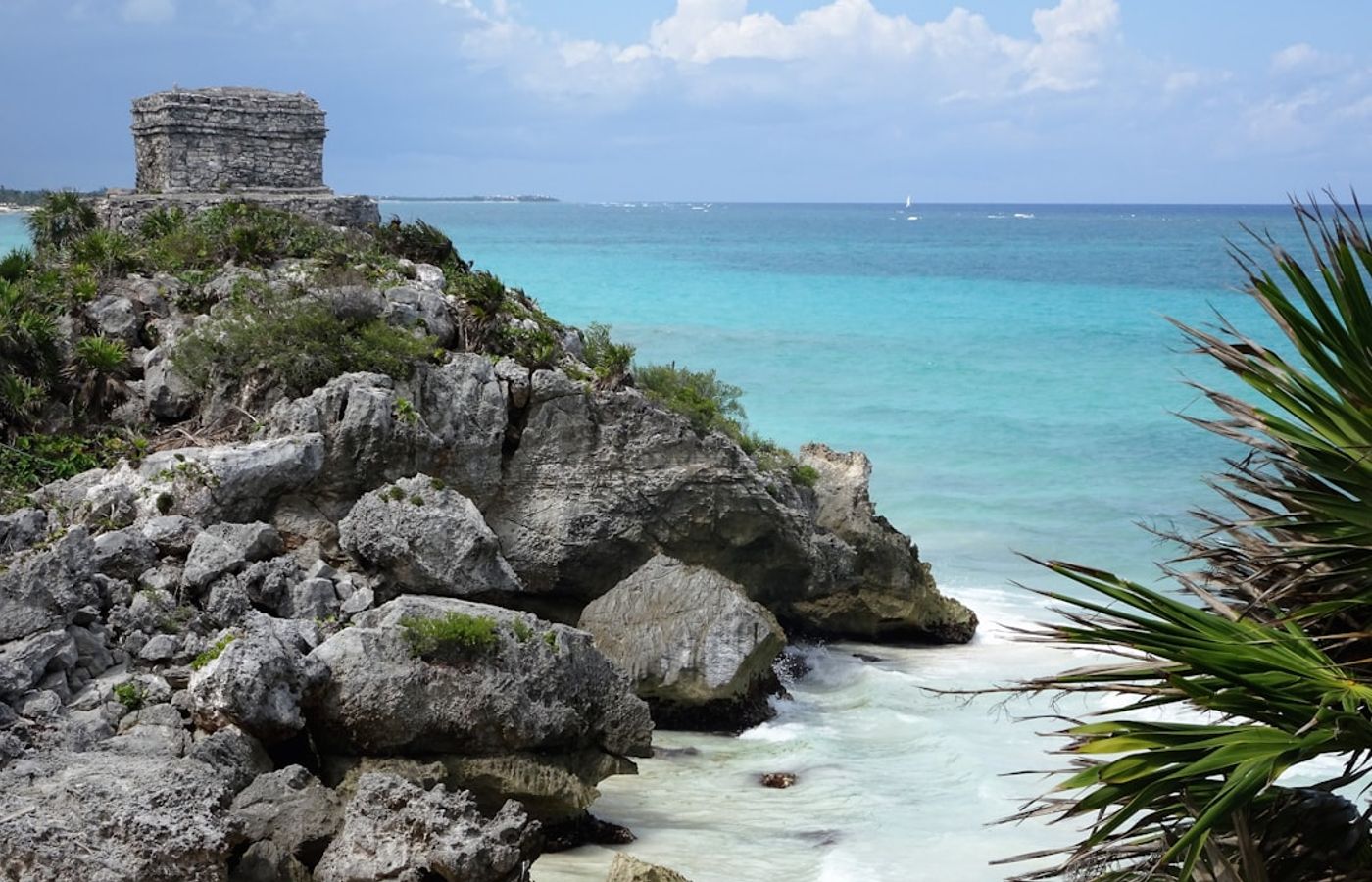

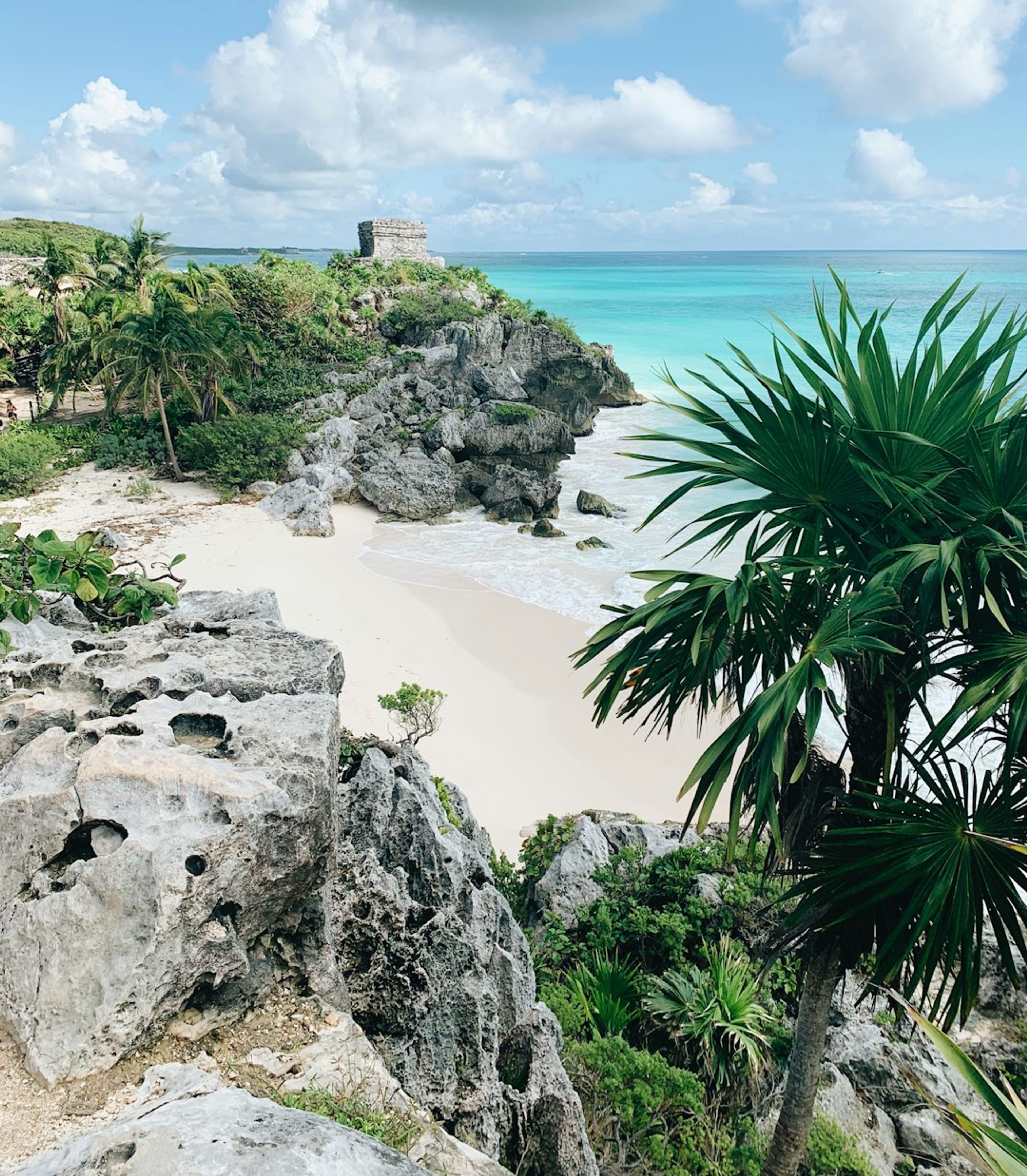
The Tulum Archaeological Zone is the reason many people come, and it does not disappoint - the only major Maya city built on the coast, its weathered temples perched on a limestone cliff above a turquoise cove. Once a walled port guarding Caribbean trade routes, its centrepiece is El Castillo, the clifftop temple framed by sea and sky in every photograph. A wooden staircase leads down to a small crescent beach below the ruins where you can swim, and resident iguanas sun themselves on the ancient stones.
Pro Tip: Arrive right at the 8am opening to beat the heat and tour buses, and bring swimwear so you can cool off at the little beach tucked beneath El Castillo.
2Playa Paraiso & Tulum Beach - The Caribbean at Its Best
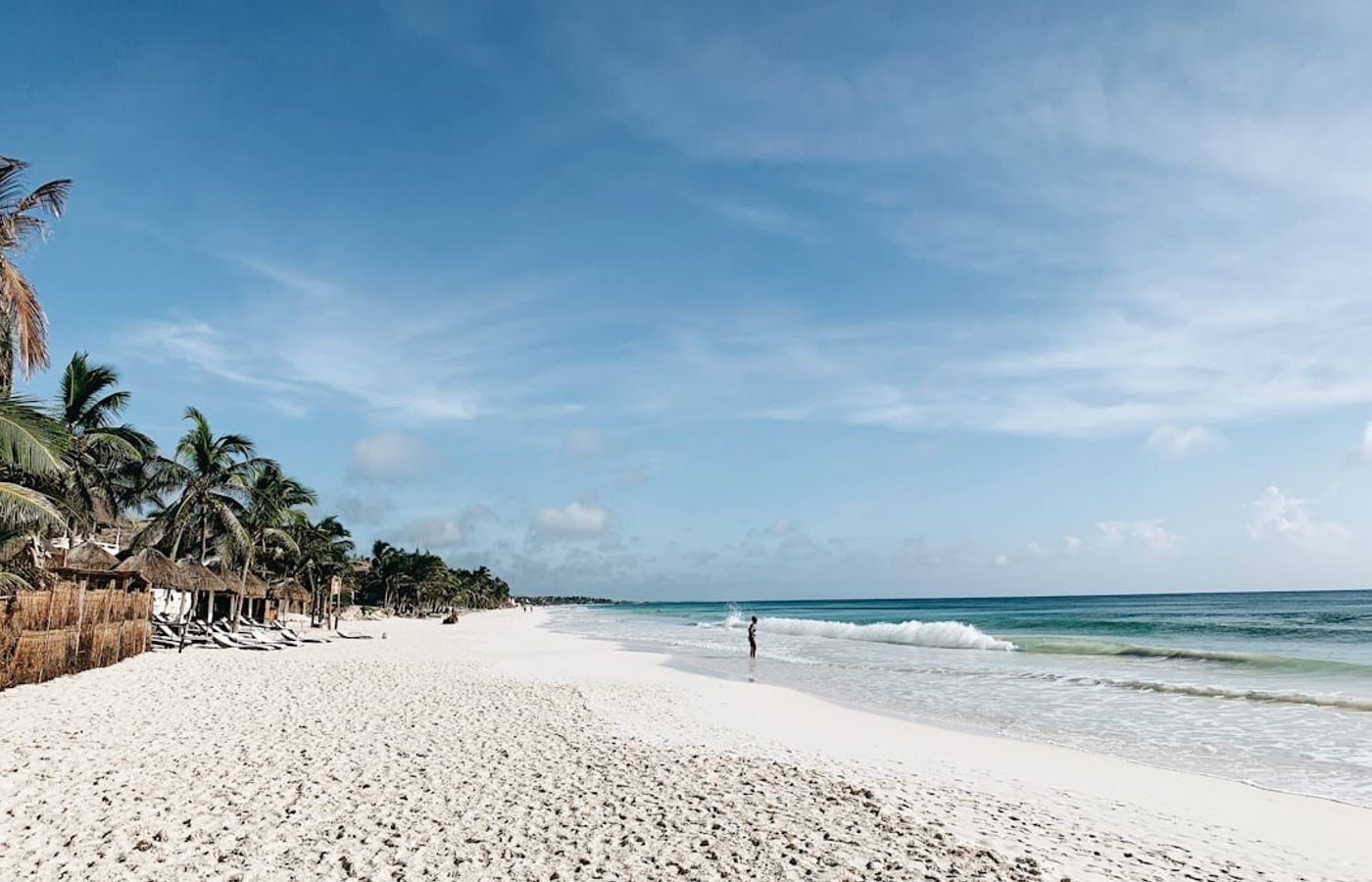

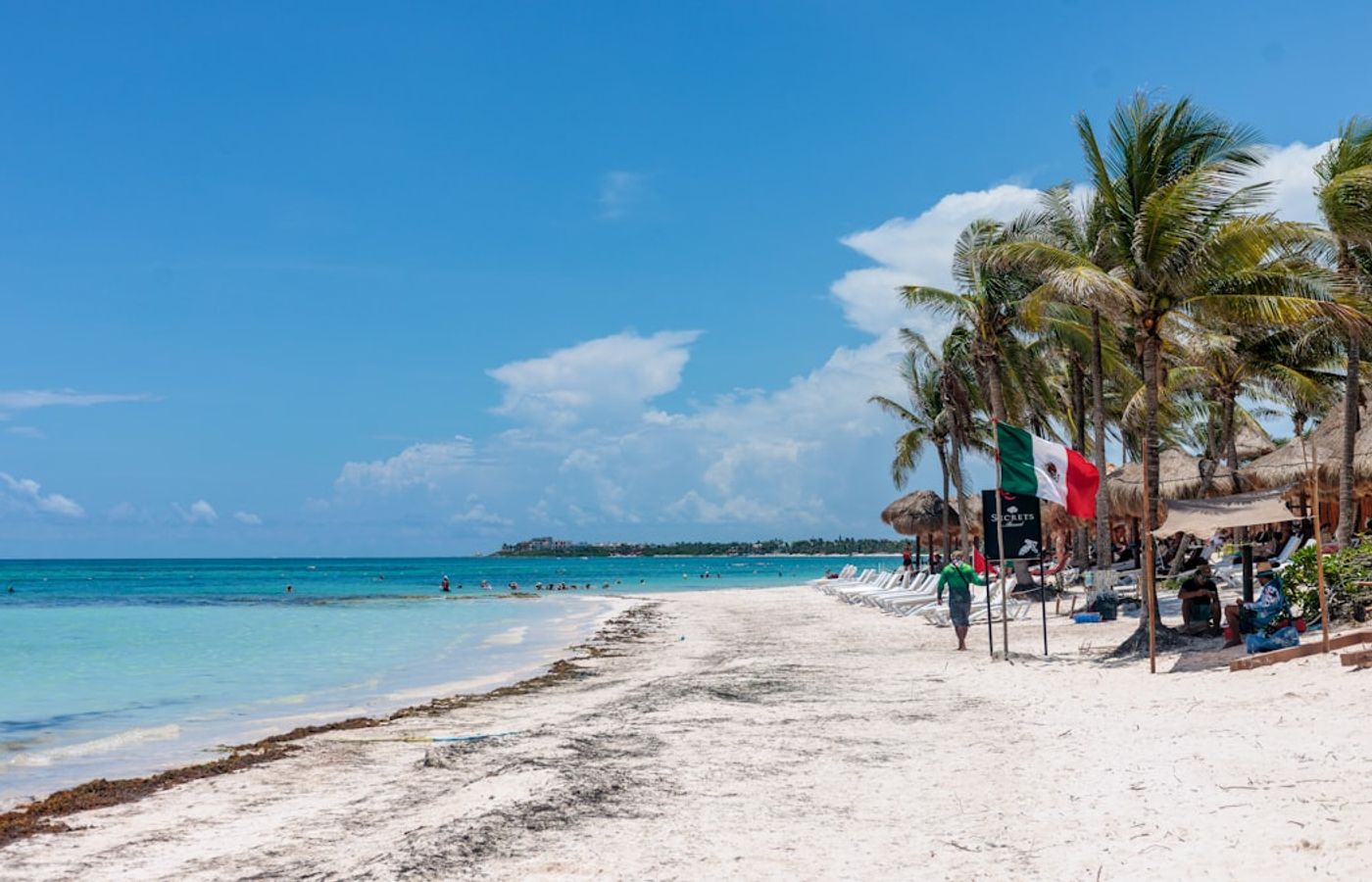
Just below the ruins, Playa Paraiso lives up to its name with soft white sand, shallow turquoise water and swaying palms - regularly ranked among the finest beaches in Mexico. It anchors the long coastal strip of Tulum Beach, a ribbon of sand backed by boho beach clubs, boutique hotels and seafood shacks. Public access points let day-trippers spread out a towel for free, while the beach clubs offer loungers, food and cocktails for a minimum spend.
Pro Tip: Come in the morning for the calmest water and clearest sand; seasonal sargassum seaweed is worst in summer afternoons, and beach clubs closest to the ruins tend to keep their sand cleared.

3Gran Cenote - Swim and Snorkel with Turtles
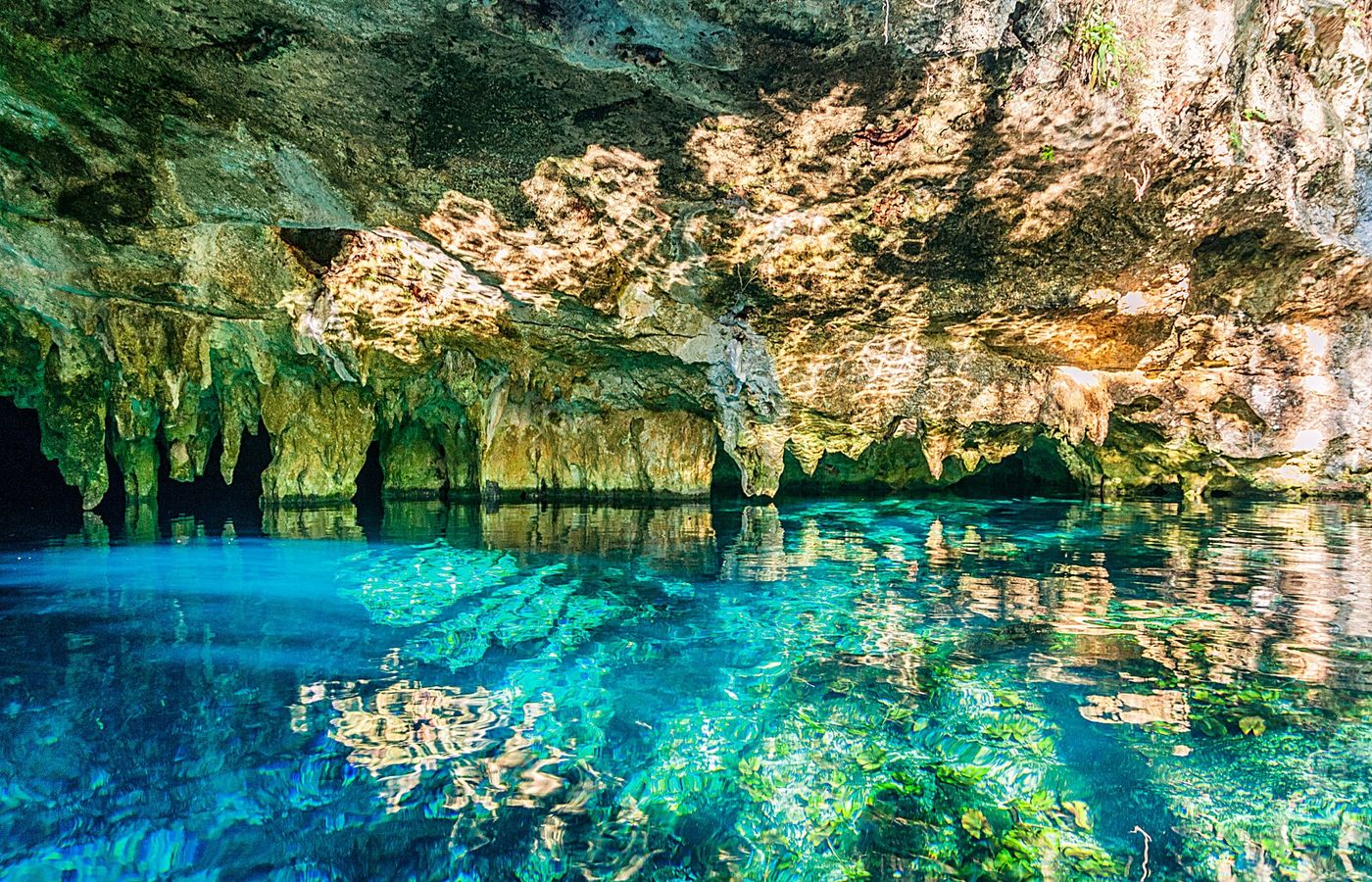

A short drive along the Cobá road, Gran Cenote is one of the most beautiful and accessible cenotes near Tulum - a half-open sinkhole of crystalline turquoise water linked by wooden walkways, with caverns hung with stalactites. Snorkellers glide over small freshwater turtles and shoals of fish, while the clear, cool water and shaded caverns make it a perfect midday escape. Facilities include lockers, showers and snorkel rental, so it suits first-timers well.
Pro Tip: Arrive at opening before tour groups fill the pools, and rinse off all sunscreen beforehand - it is required to protect the delicate cenote ecosystem and its resident turtles.
4Cenote Dos Ojos - World-Class Cavern Diving
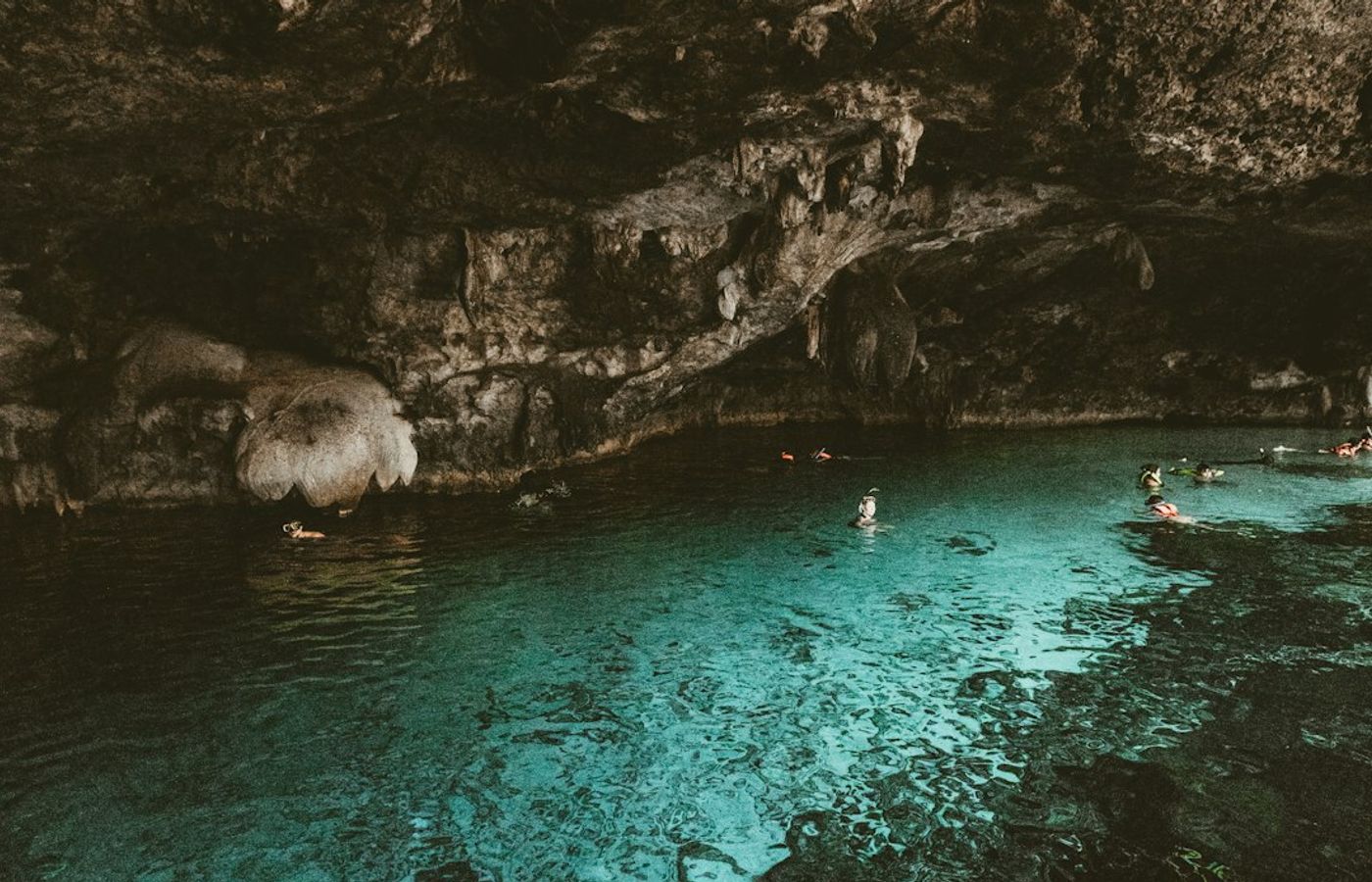
About 20 minutes north, Cenote Dos Ojos (Two Eyes) is one of the most famous cenotes on the Riviera Maya and part of one of the world's longest underwater cave systems. Its two connected sinkholes hold astonishingly clear water and dramatic cave formations, making it a bucket-list site for cavern divers and a superb snorkel for everyone else. Even non-divers can float through the illuminated caverns, watching light beams pierce the blue from the surface.
Pro Tip: If you are certified, book a guided cavern dive for the surreal Bat Cave and Barbie Line; snorkellers should bring a wetsuit or rashguard, as the freshwater is refreshingly cool year-round.
5Sian Ka'an Biosphere Reserve - UNESCO Wilderness
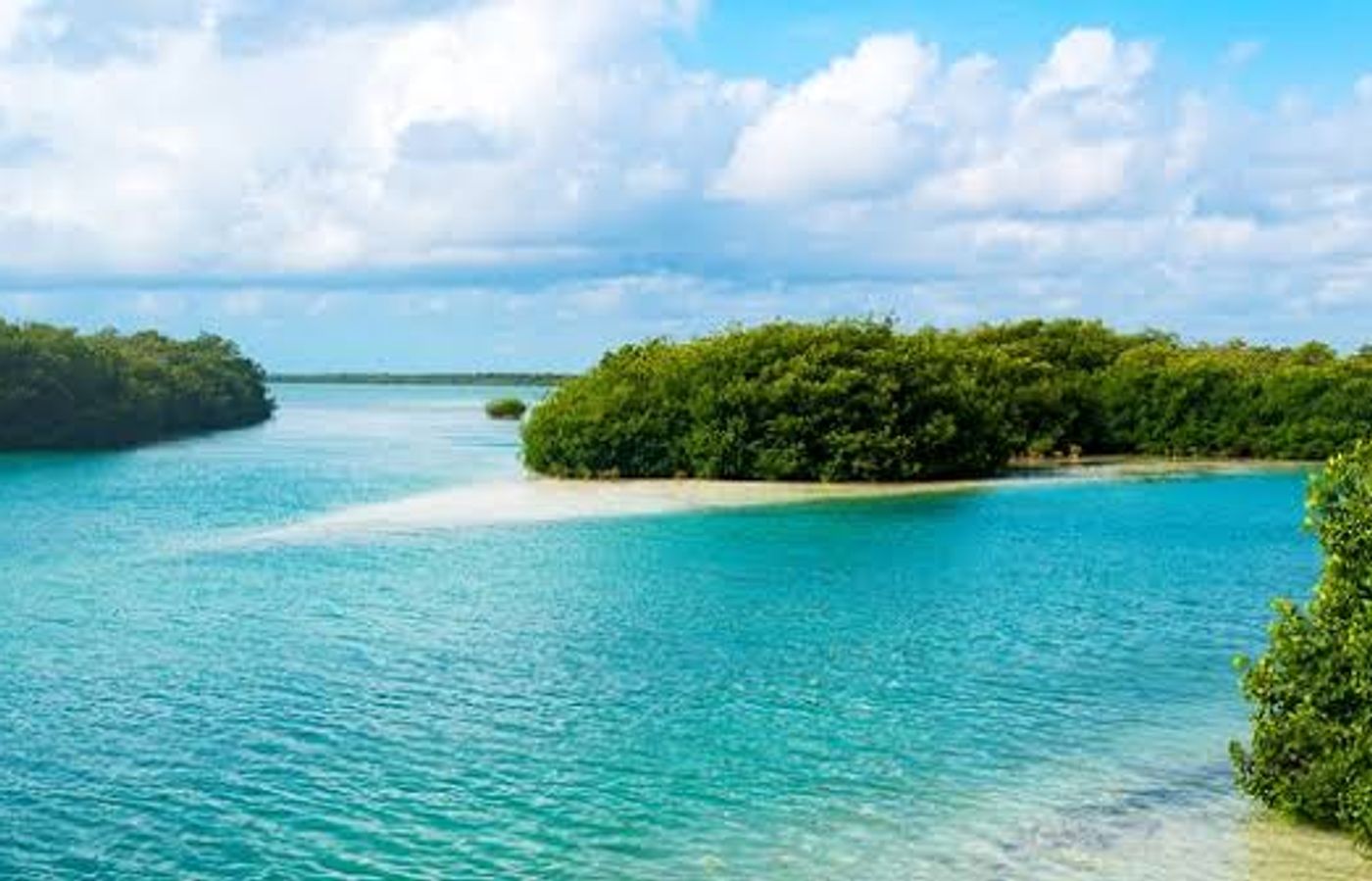
Stretching south of town, Sian Ka'an is a vast UNESCO World Heritage biosphere reserve of mangroves, lagoons, reefs and tropical forest - the largest protected area in the Mexican Caribbean. Guided tours take you by 4x4 and boat through channels where you can float down a natural mangrove current, spot dolphins, turtles, crocodiles and hundreds of bird species, and visit small Maya canals. It is the wild, untouched counterpoint to Tulum's polished beach strip.
Pro Tip: Book a small-group tour with a certified guide, as independent access is restricted; bring biodegradable sunscreen, binoculars and a dry bag for the boat and mangrove float.
6Cobá Ruins - Jungle Pyramids and Ancient Roads
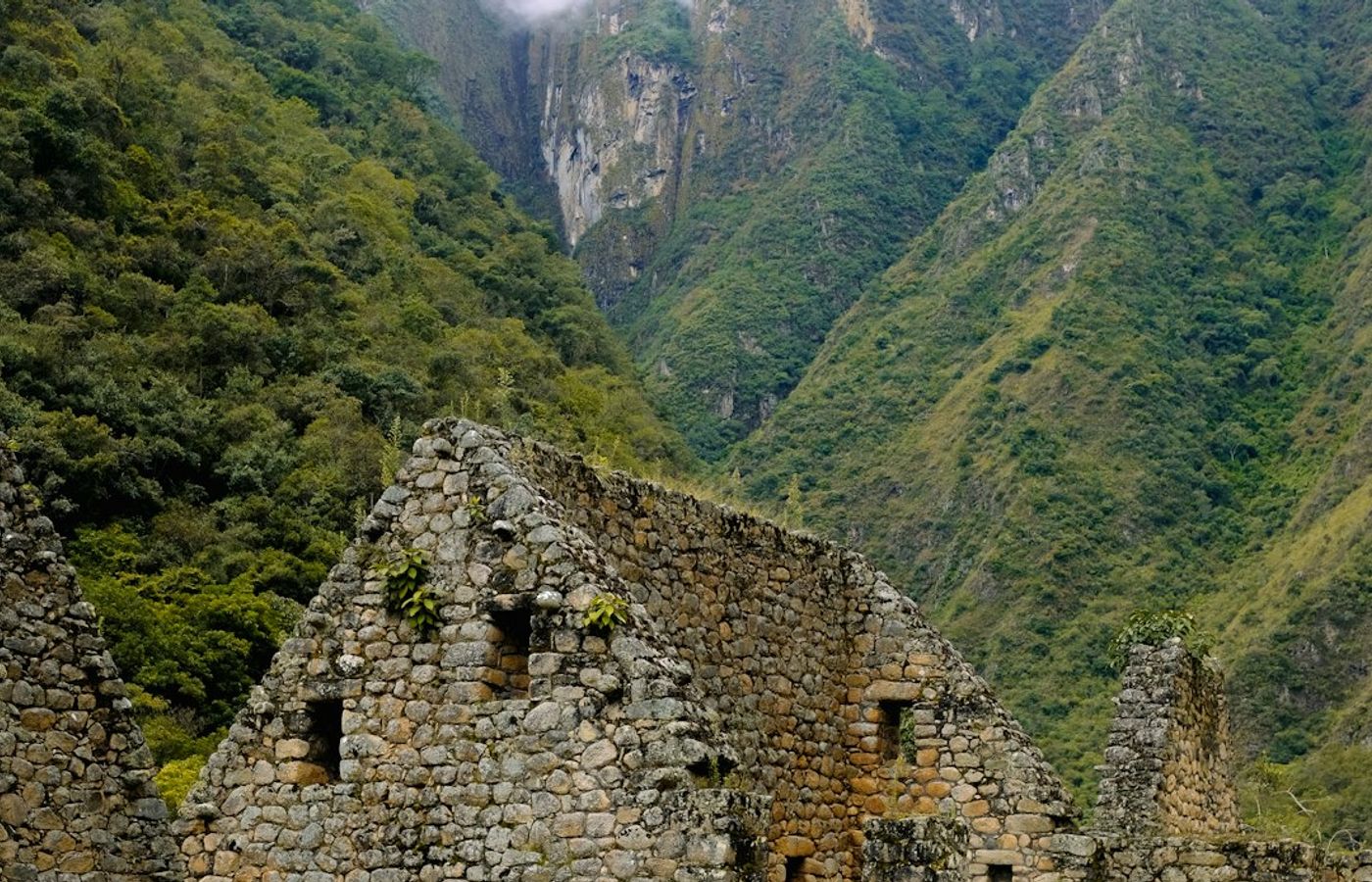
Around 45 minutes inland, Cobá is a sprawling Maya city half-swallowed by jungle, once home to tens of thousands and linked to distant sites by ancient white roads known as sacbeob. Far quieter than the coastal ruins, its structures are spread across the forest, so many visitors rent a bicycle or hire a pedal-taxi to reach the towering Nohoch Mul complex. Howler monkeys and tropical birds fill the canopy, giving Cobá an atmospheric, lost-city feel.
Pro Tip: Go early and rent a bike at the entrance to cover the shaded jungle paths comfortably; combine Cobá with a nearby cenote on the way back for a perfect full-day loop.
7Cenote Calavera - The Temple of Doom
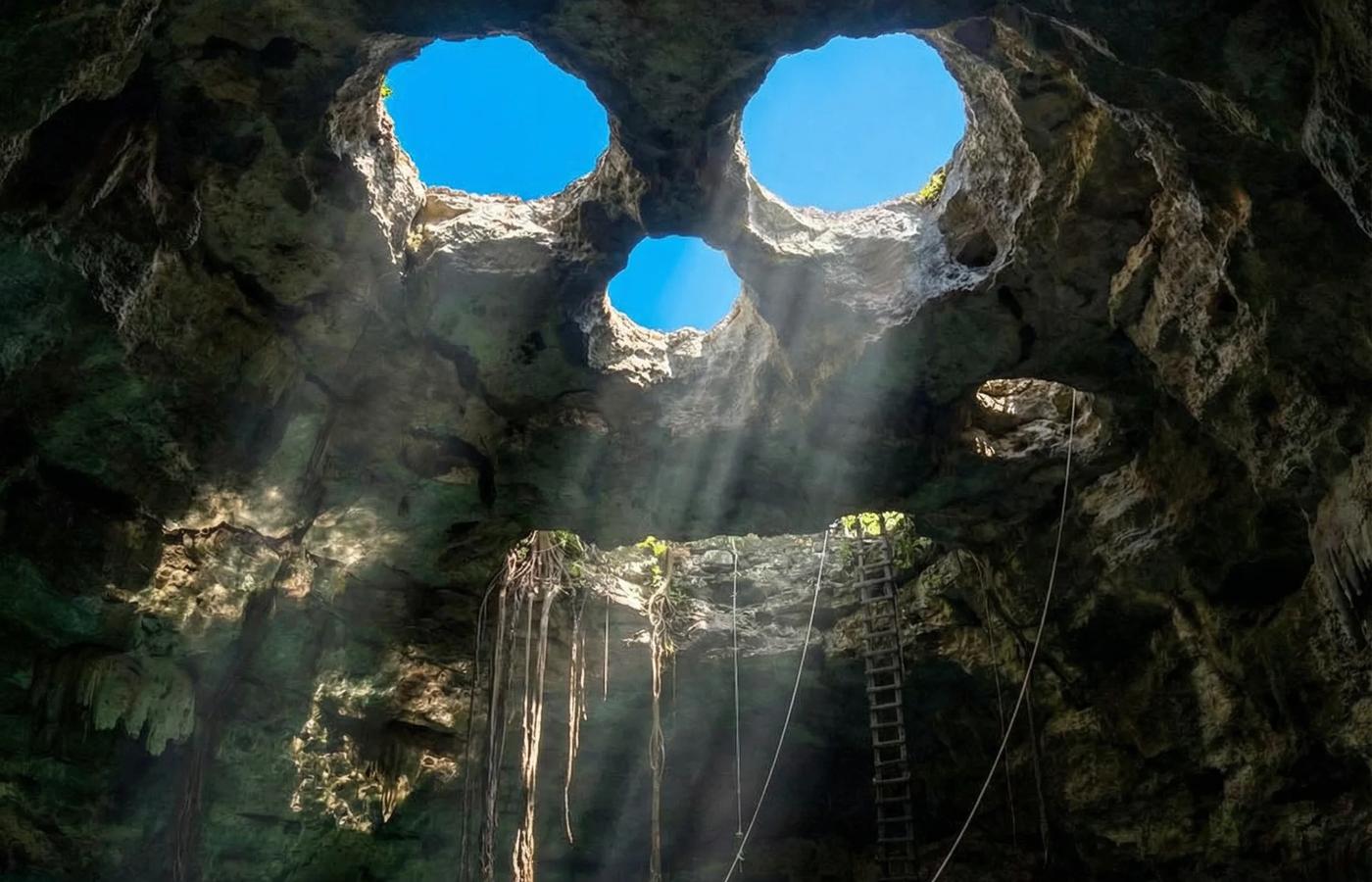
Close enough to reach by bike, Cenote Calavera - nicknamed the Temple of Doom - is a compact but atmospheric sinkhole named for the skull-like pattern its three openings form in the rock. A wooden ladder and a fun jump-in lead into a domed cavern of deep blue water, where light shafts pierce the gloom and divers descend into the cave system below. Smaller and more offbeat than the big-name cenotes, it rewards those looking for a moodier, more adventurous swim.
Pro Tip: Visit in late morning when sunbeams pour through the openings for the best photos, and take the leap from the main hole - it is deep and safe, and a Tulum rite of passage.
8Tulum Pueblo - The Town's Food and Culture
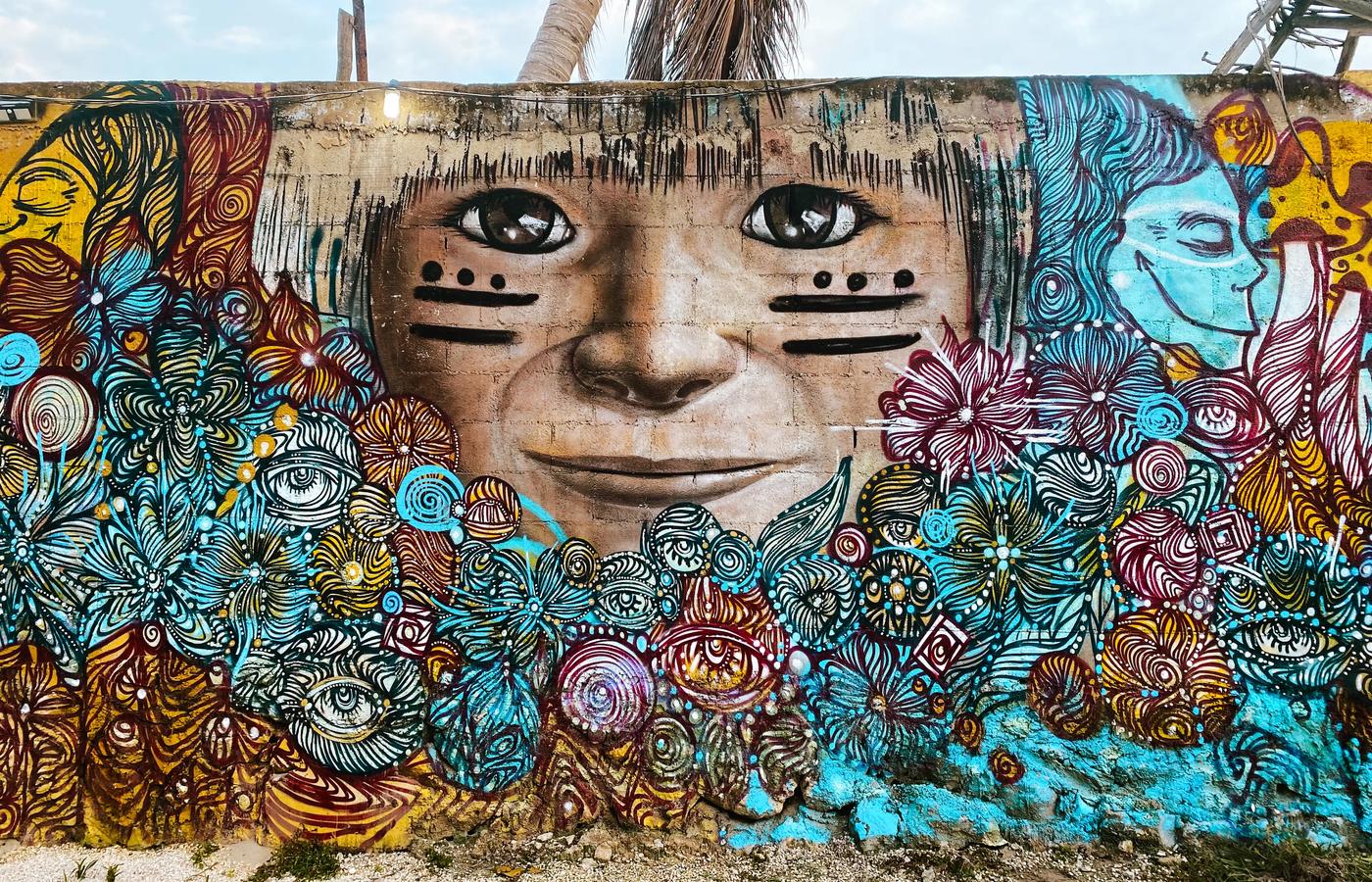
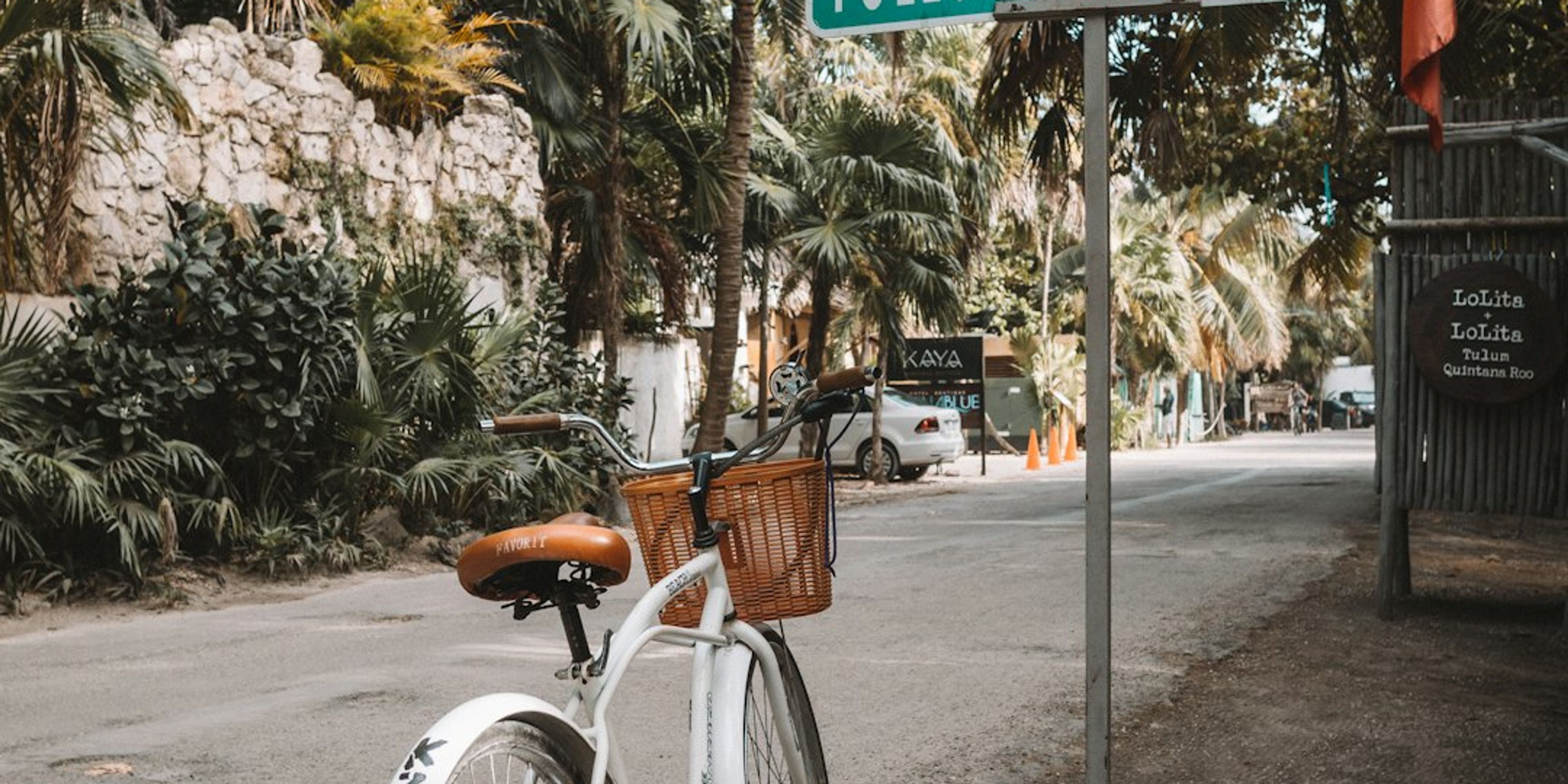
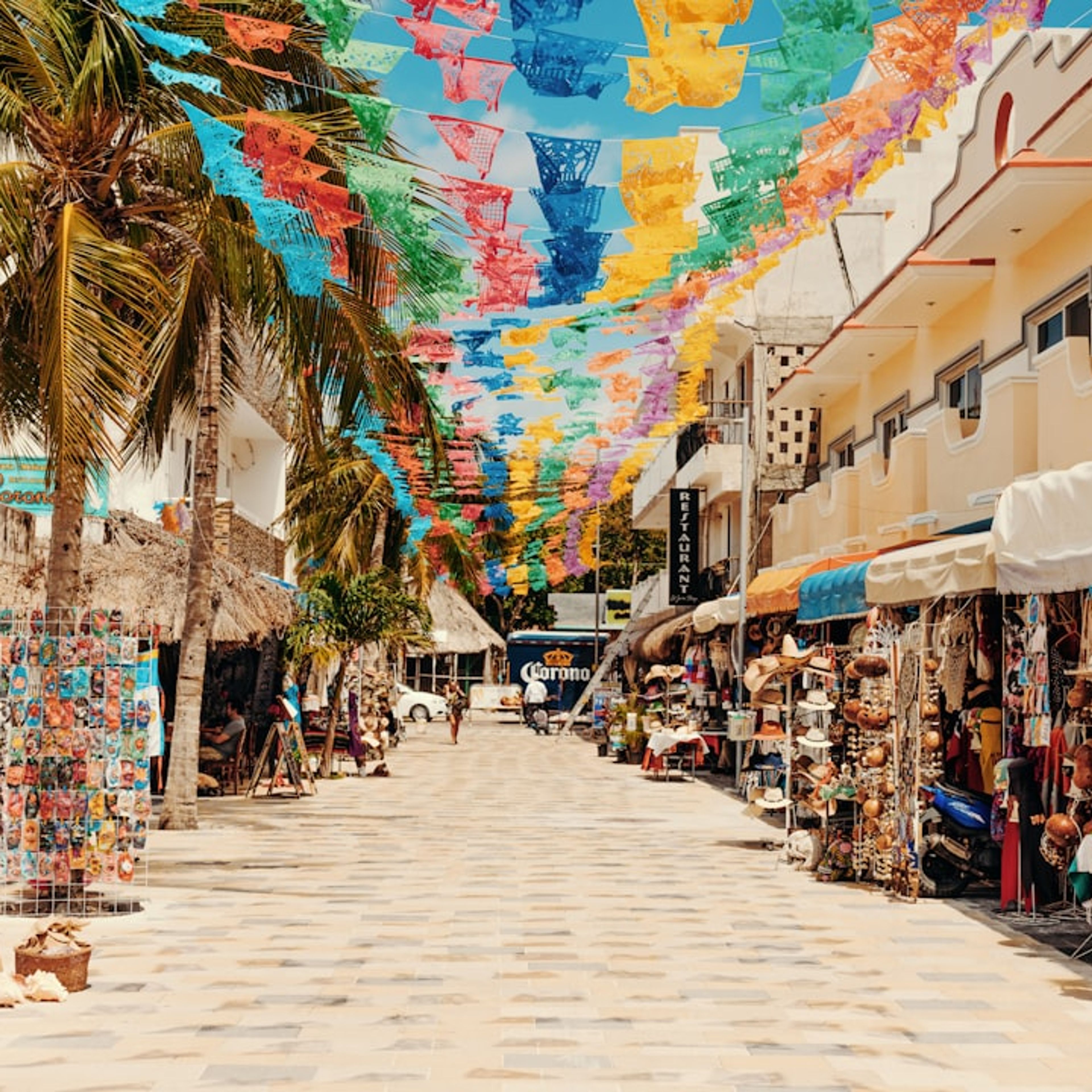
Away from the beach glamour, Tulum Pueblo is where you find the real town - and much better value. The main drag, Avenida Tulum, is lined with taquerias, street-food stalls, craft shops, mezcal bars and colourful murals. It is the place to eat cochinita pibil and fresh marquesitas alongside locals, stock up before a cenote trip, or catch an ADO bus onward. Livelier and more affordable than the beach zone, it shows Tulum's everyday side.
Pro Tip: Eat where the locals queue for the best-value tacos, carry cash in pesos for street stalls, and base yourself in the Pueblo if you want Tulum on a budget rather than beach-club prices.
9Tulum Beach Clubs & Nightlife
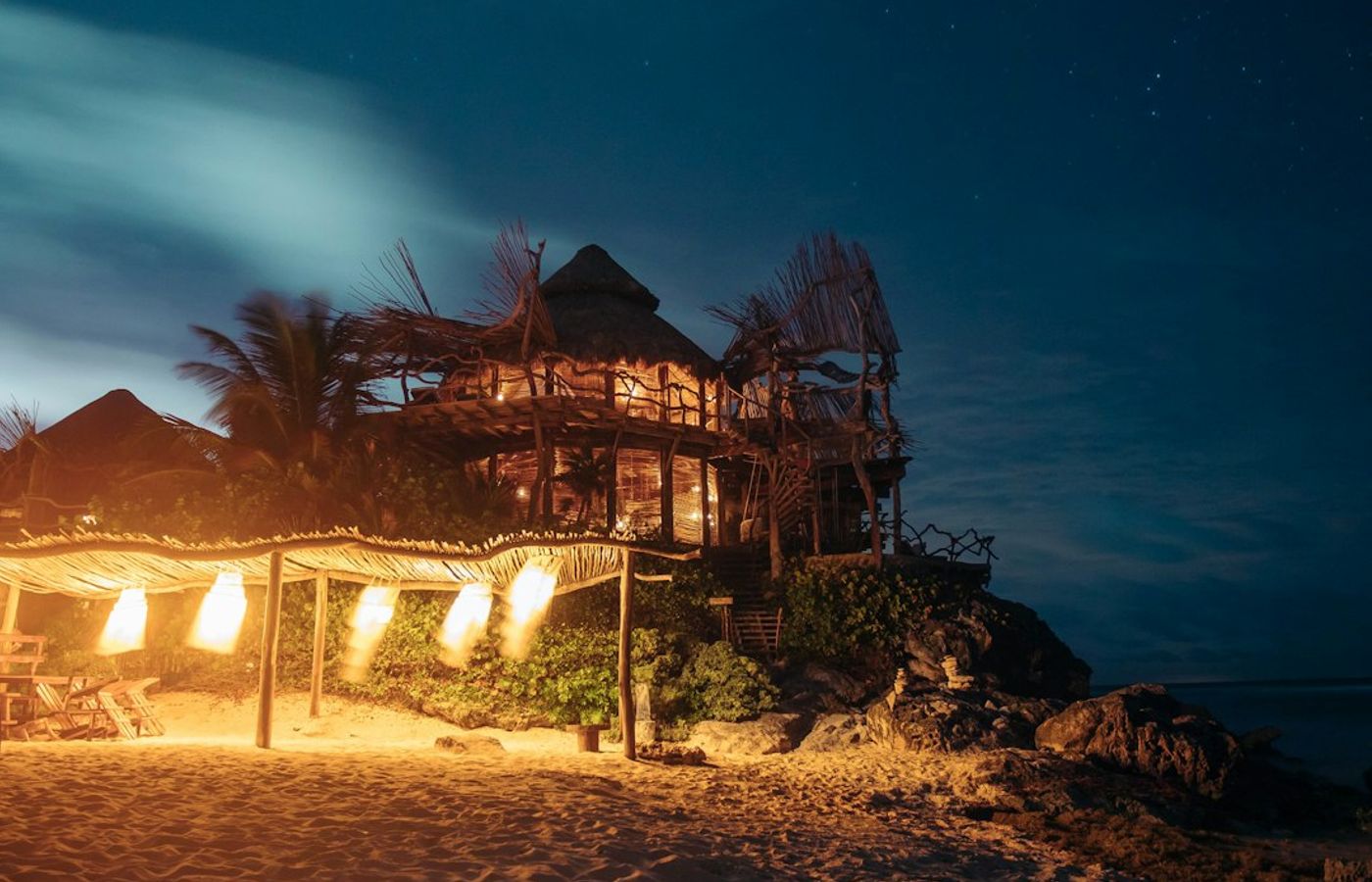
Tulum's beach road is famous for its beach clubs, where barefoot bohemian style meets Caribbean cool. By day, spots along the coastal strip offer loungers, swings and long lunches over turquoise water; by night, several become the heart of Tulum's party scene, with open-air dance floors, live DJs and full-moon events under the stars. It is a see-and-be-seen scene that ranges from laid-back sunset drinks to legendary late-night sessions.
Pro Tip: Most clubs charge a minimum spend rather than entry, so arrive for lunch to claim a lounger, and check event calendars in advance - Tulum's biggest parties sell tickets well ahead.
10Laguna Kaan Luum - The Hidden Lagoon
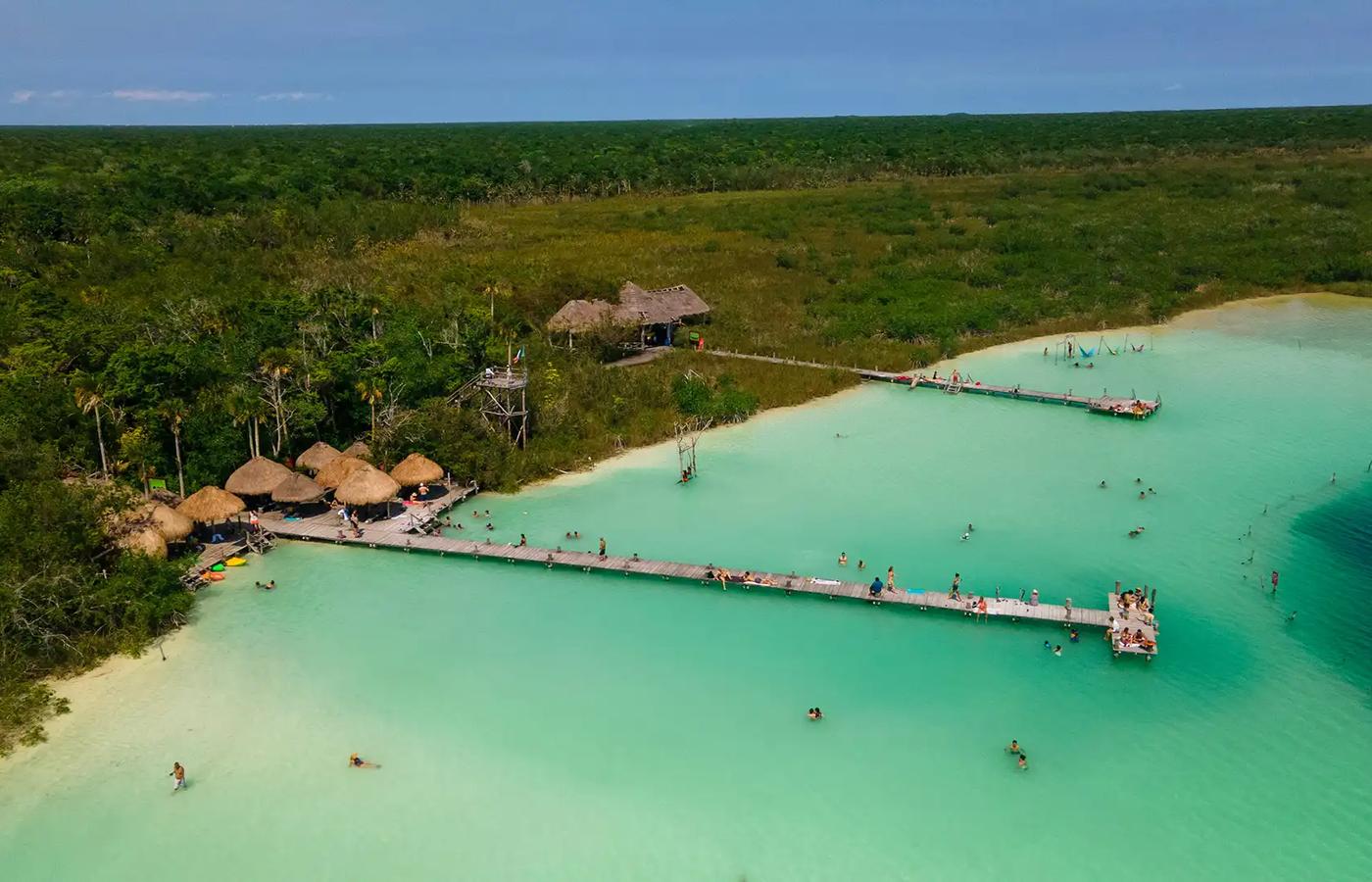
A short drive south, Laguna Kaan Luum is a stunning turquoise lagoon ringed by shallow, warm water with a deep cenote at its centre. A wooden pier stretches over the shallows for swimming and sunbathing, while the deep central sinkhole - restricted to divers - glows a darker blue against the pale ring. Less crowded than the coastal cenotes and framed by jungle, it makes a serene half-day escape with hammocks, kayaks and a viewing tower.
Pro Tip: Go on a weekday morning for the calmest, clearest water, climb the viewing tower for the classic two-tone photo, and respect the roped-off deep cenote unless you are diving with a guide.
11Playa Akumal - Snorkel with Sea Turtles
A 25-minute drive north, Akumal - Mayan for Place of the Turtles - is the best spot near Tulum to snorkel with wild green sea turtles. Its calm, reef-protected bay is a feeding ground where turtles graze on seagrass just offshore, alongside rays and colourful fish. Access is regulated to protect the animals, so most visitors join a short guided snorkel tour with a certified guide and life vest, keeping a respectful distance from the turtles.
Pro Tip: Go early for calm water and fewer swimmers, use a guided tour to enter the protected turtle zone legally, and wear only reef-safe sunscreen to protect the seagrass and reef.

CEO and co-founder
Tomas is the co-founder and director of trip1, an European company specializing in reservation services. He launched the company in 2025 with a focus on building scalable, efficient operations.
Climate averages · 1991–2020
When is the best time to visit Tulum?
Monthly temperatures, rainfall and sunshine — not a live forecast.
See Tulum weatherMore of Mexico
11 Best Things to Do in Tulum - FAQ
No - 11 places is far too much for one day. The Tulum ruins, a beach afternoon and one cenote make a comfortable single day, while Cobá and Sian Ka'an each deserve a day of their own. Plan on three to four days to cover this list without rushing.
Start early at the Tulum Archaeological Zone before the heat, then cool off at Playa Paraiso or a nearby cenote. Save Cobá and the Sian Ka'an Biosphere for separate full days, and leave Tulum Pueblo and the beach clubs for late afternoon and evening.
Most cenotes and ruins sell tickets at the gate, so advance booking is rarely needed. The main exception is the Sian Ka'an Biosphere Reserve, which is best visited on a guided tour booked ahead, as independent access is limited and boat trips fill up.
Budget roughly USD 150 to 250 per person across several days. Ruins run about USD 5 to 10, cenotes USD 10 to 25 each, and a Sian Ka'an tour is the big-ticket item at USD 100 or more. Beach clubs often charge a minimum spend rather than an entry fee.
Partly. Colectivos (shared vans) run along the main highway to the ruins, cenotes and Tulum Pueblo, and bicycles are ideal for the beach road. But Cobá, Sian Ka'an and the more remote cenotes are far easier with a rental car, a taxi or an organised tour.
This list focuses on Tulum's headline sights, but wellness fans should look into the town's yoga studios and temazcal ceremonies, while divers can explore the cenote cave systems on a certified dive. Akumal, just north, offers snorkelling with sea turtles.
Yes, Cobá remains one of the most rewarding ruins in the region. Set in dense jungle about 45 minutes from Tulum, it is quieter than the coastal sites and you can climb the tall Nohoch Mul pyramid area and rent a bike to reach the further structures along shaded paths.

Related travel guides

5 Best Things to Do in Mexico City During Day of the Dead
The 5 best things to do in Mexico City during Day of the Dead 2026, with confirmed dates, exact Metro lines and free entry to every event on the list.
11 Best Things to Do in Cancún
Discover the best things to do in Cancún in 2026 - Caribbean beaches, Maya ruins, cenotes, Isla Mujeres, nightlife and day trips to Chichén Itzá.