

Guides · Krakow
5 Best National Parks Near Krakow
By Tomas Achmedovas · CEO and co-founder

CEO and co-founder
The best national parks near Krakow start 26 km from the Main Market Square and run to the Slovak border. This guide covers five of them, ordered by how easily you get back to the city at the end of the day. Ojcowski Park Narodowy opens the list because a coach delivers you there in under 40 minutes. Tatrzański Park Narodowy follows as the busiest park in Poland, then Babiogórski Park Narodowy, Pieniński Park Narodowy and Magurski Park Narodowy, each further out than the last.
Every entry below gives the driving time and distance from Krakow, the bus or train connection with the operator named and the journey time, the entry fee in Polish zloty and euro, the address of the main visitor entrance with coordinates, and one signature trail with its length and walking time. Two of the five hold UNESCO biosphere reserve status, and those entries say so.
Treat these as separate days rather than a combined trip. Ojcowski Park Narodowy works as a half day if you catch an early bus from Nowy Kleparz. Tatrzański Park Narodowy and Babiogórski Park Narodowy each need a full day and an early start in summer. Pieniński Park Narodowy is better with a night in Krościenko nad Dunajcem, and Magurski Park Narodowy wants a car and two days.
Check dates for Krakow
See what is available on your dates.
1Ojcowski Park Narodowy - The Closest National Park to Krakow
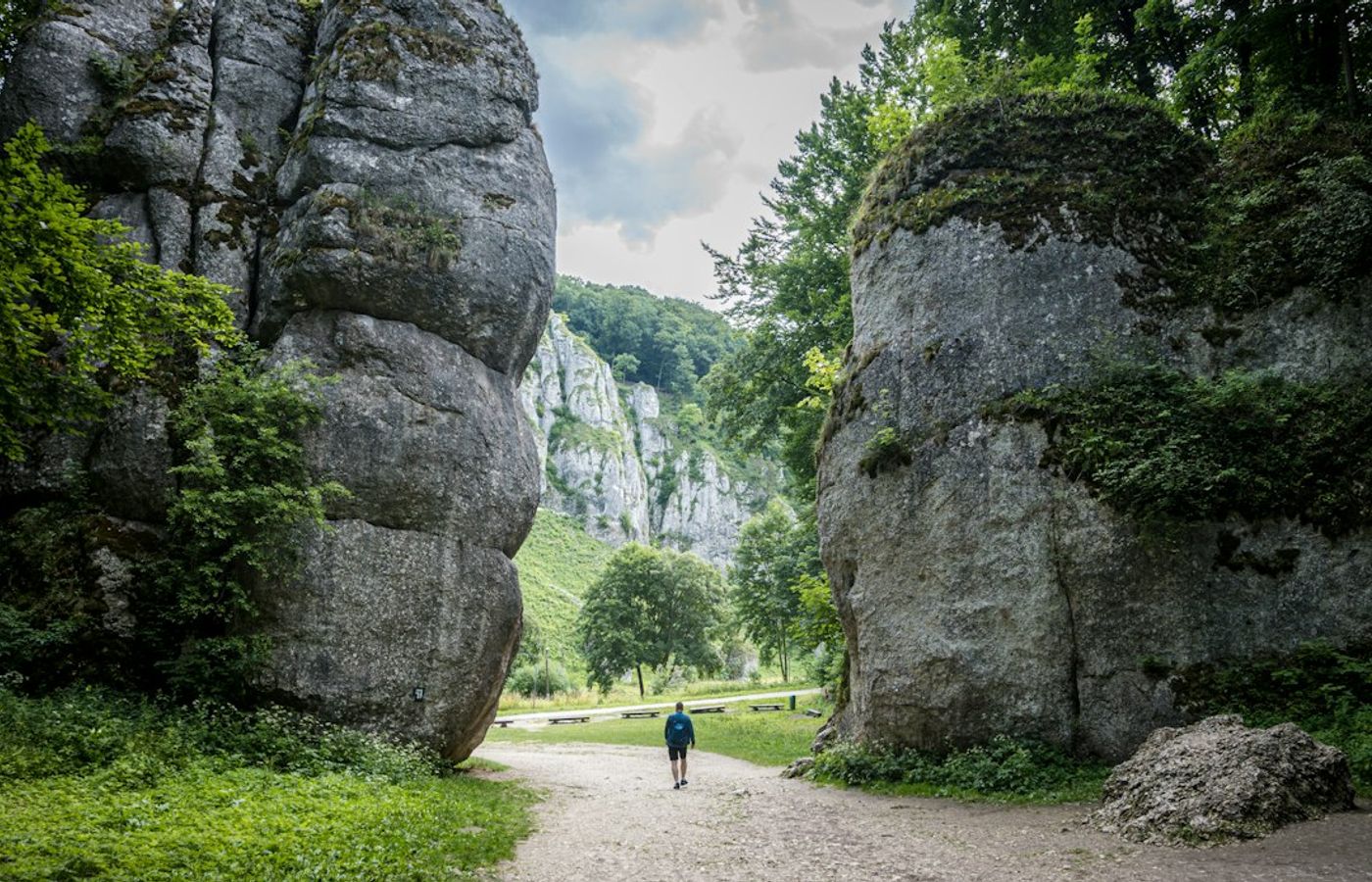

Poland's smallest national park protects 21.46 km² of limestone gorge north of Krakow, and the drive covers about 26 km in roughly 35 minutes. Unibus coaches leave from the Nowy Kleparz stop on ul. Kamienna and reach the Ojców car park in 35 to 40 minutes for 8 zł (around 1.85 EUR). Entry to Ojcowski Park Narodowy costs nothing; you pay only at individual sites. Jaskinia Łokietka, the 320 m cave named for King Władysław Łokietek, charges 30 zł (about 7 EUR) full price and 21 zł (4.85 EUR) reduced. Jaskinia Ciemna is 20 zł (4.60 EUR) and 14 zł (3.25 EUR).
The signature walk is the red Szlak Orlich Gniazd, the Trail of the Eagles' Nests, which runs 13.6 km through the park along the floor of Dolina Prądnika from Prądnik Korzkiewski to Sułoszowa. It passes the ruined Ojców Castle, the Chapel on the Water, the 25 m limestone stack called Maczuga Herkulesa, and ends at the Renaissance castle of Pieskowa Skała. The surface is hardened and close to flat, which leaves the 400-odd caves in the cliffs above to supply the drama.
2Tatrzański Park Narodowy - Poland's Highest Peaks and Busiest Trails
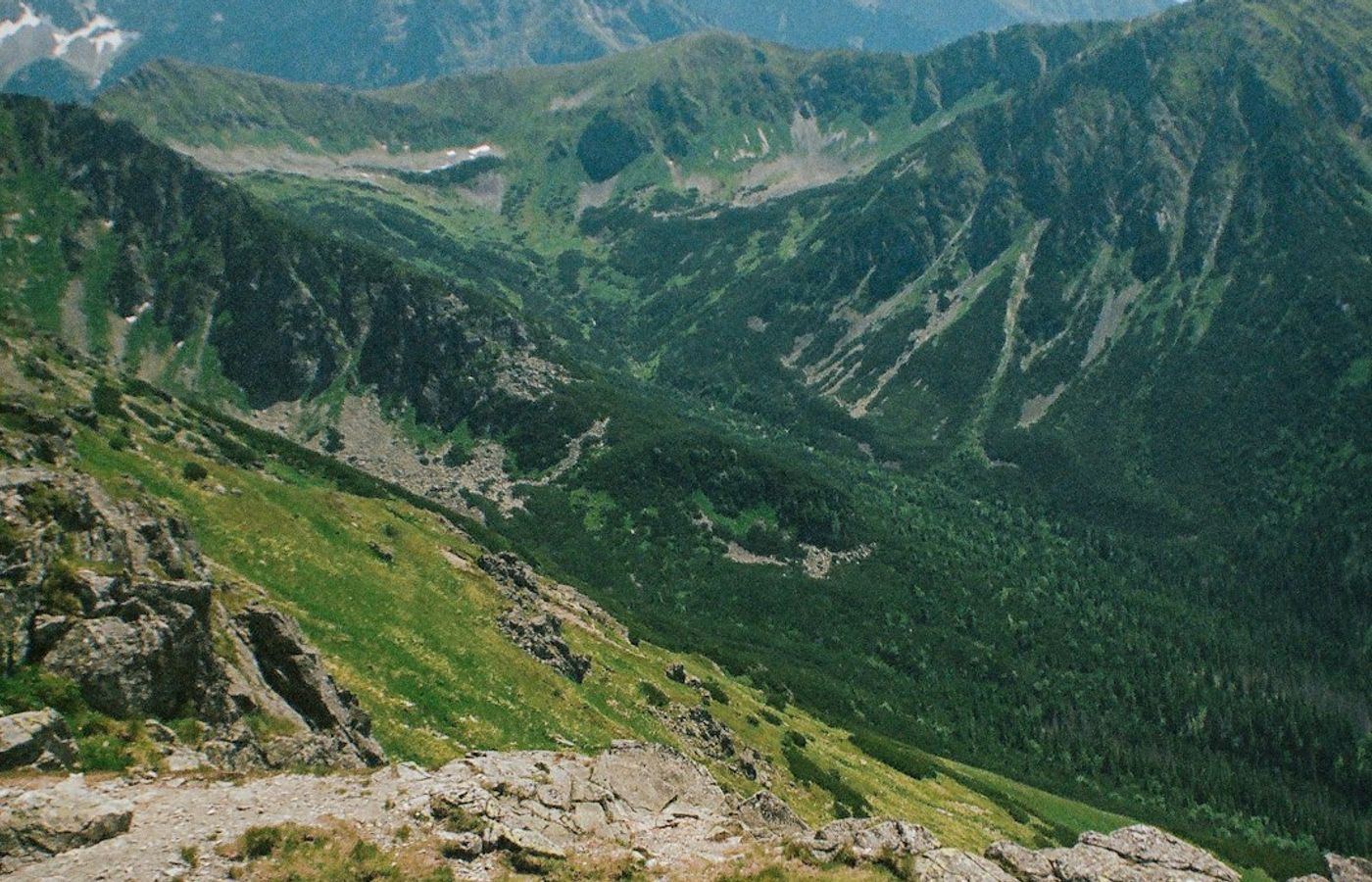

Around 100 km south of Krakow, Tatrzański Park Narodowy covers 211.64 km² of granite ridges and is the most visited national park in Poland, counting almost 833,000 people in a single July. Driving the DK47 Zakopianka takes 1 h 45 min to 2 h 15 min, and considerably longer on Sunday evenings. PKP Intercity runs from Kraków Główny to Zakopane in roughly 2 hours; coaches from the Krakow MDA bus station take 2 to 2.5 hours. Entry is 11 zł (about 2.55 EUR) full price and 5.50 zł (1.30 EUR) reduced, with a seven-day pass at 55 zł (12.70 EUR), sold at the gate on whichever trail you use.
The defining route is the Oswald Balzer Road from Palenica Białczańska to Morskie Oko. Tatrzański Park Narodowy lists it at 11.6 km including the 2.5 km shoreline circuit, rising from 990 m to the lake at 1,395 m on a 7% average gradient over asphalt and stone paving. Morskie Oko measures 860 by 560 m and reaches 50.8 m deep. In 1992 the Polish and Slovak Tatra parks were jointly declared a UNESCO transboundary biosphere reserve.
3Babiogórski Park Narodowy - A UNESCO Biosphere Reserve on the Slovak Border
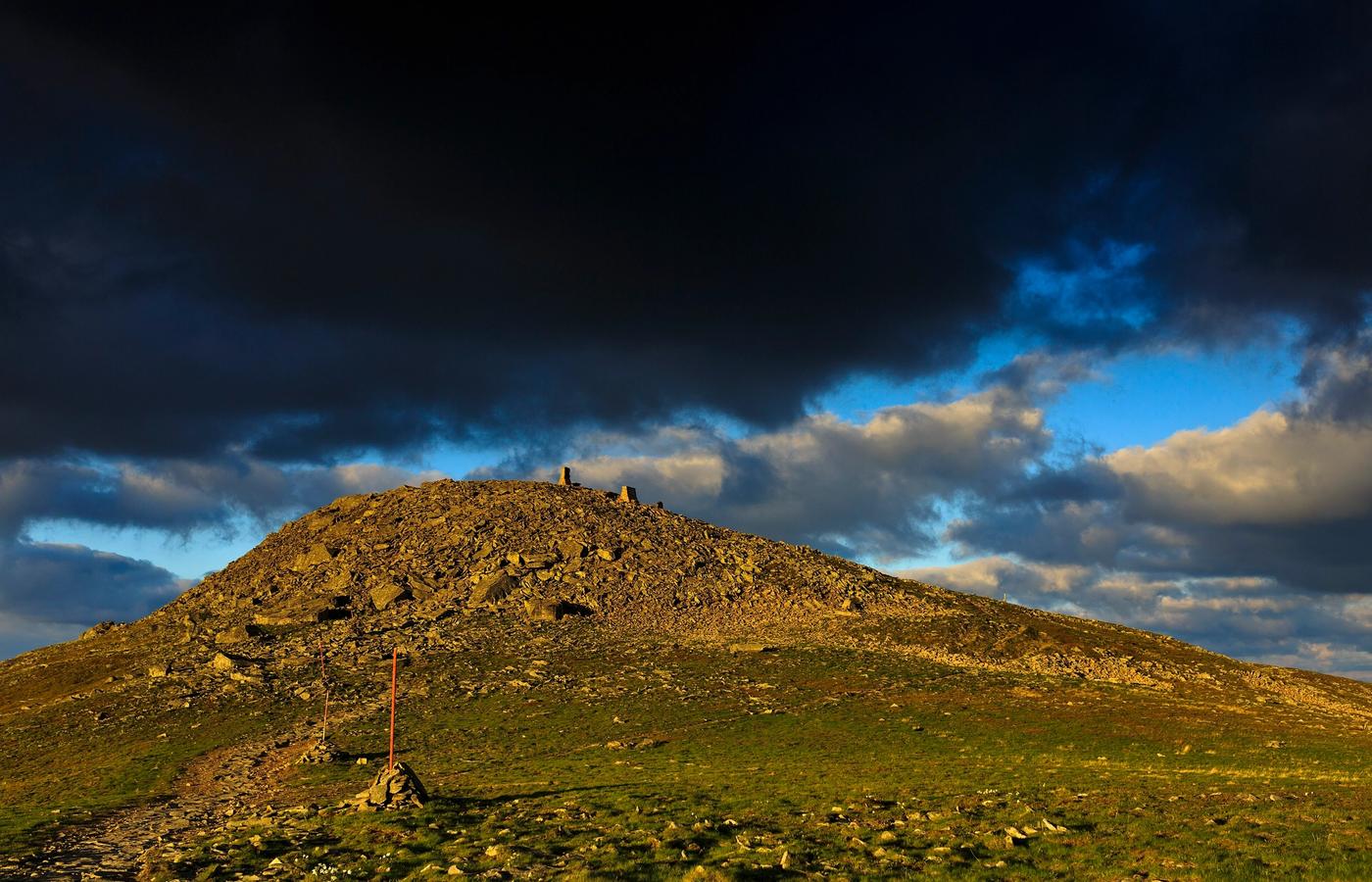

Babia Góra reaches 1,725 m and forms the second-highest massif in Poland, roughly 100 km south-west of Krakow. The drive along DK7 and DK28 through Sucha Beskidzka takes 1.5 to 2 hours. X-Bus coaches run direct from Krakow to Zawoja Markowa in about 2 h 10 min, with weekday departures that include 6:00, 7:20, 9:20, 12:00 and 14:00; the fallback is a PKP train to Sucha Beskidzka and a local bus onward. A ticket for Babiogórski Park Narodowy costs 10 zł (about 2.30 EUR) full price and 5 zł (1.15 EUR) reduced, and it applies on every trail and at every entrance.
UNESCO listed the massif as a Man and the Biosphere reserve in 1976 and extended it in 2001; the reserve now spans 11,829 hectares across four altitude belts, from beech forest through spruce and dwarf pine to alpine grassland on the summit dome. The shortest ascent is the red trail from Przełęcz Krowiarki at 1,012 m, climbing over Sokolica and Gówniak (1,644 m) to the Diablak summit in no more than 2.5 hours.
Check dates for Krakow
See what is available on your dates.
4Pieniński Park Narodowy - Limestone Crowns Above the Dunajec Gorge
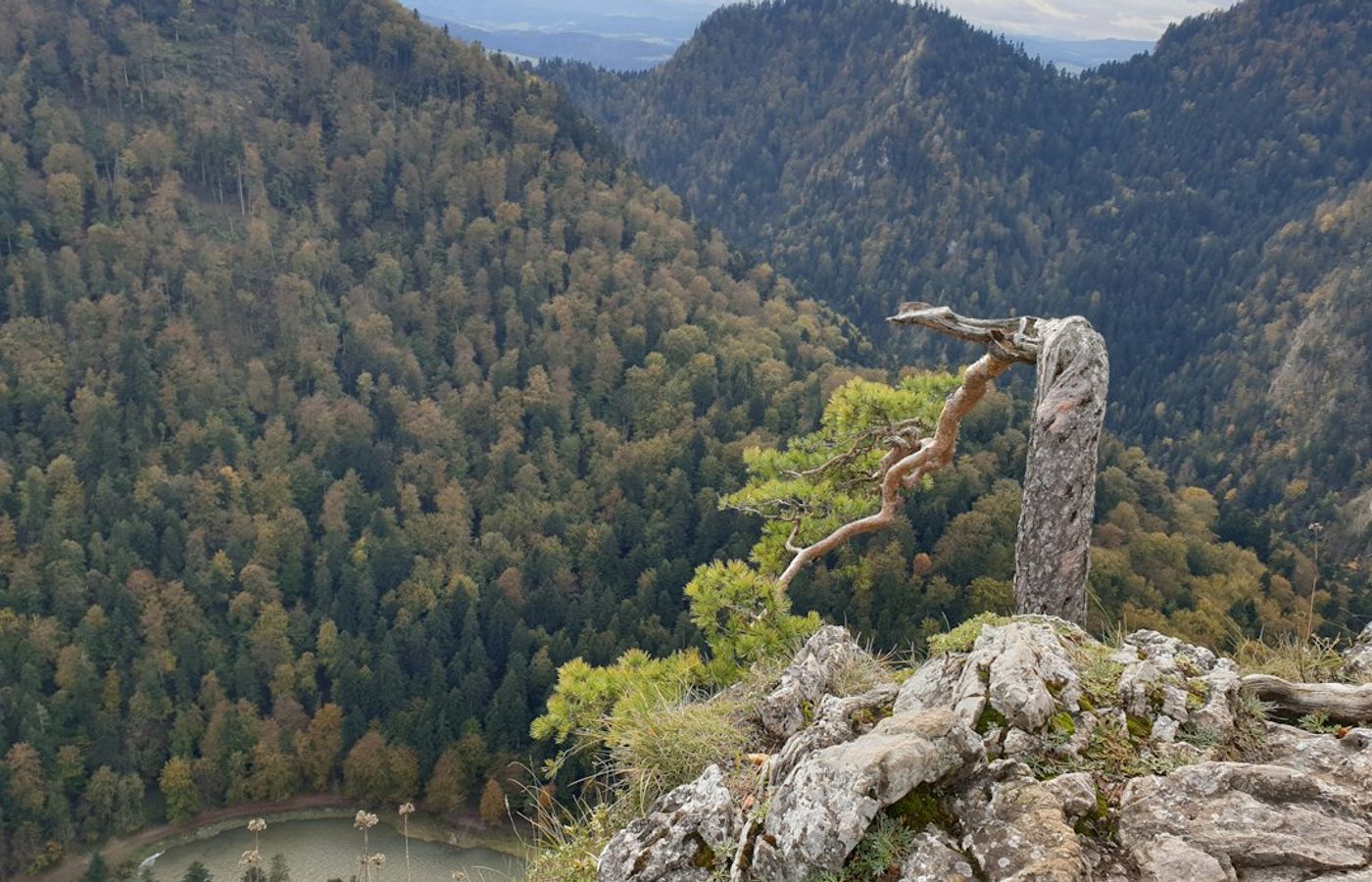
Poland's oldest national park, established on 23 May 1932, lies 74 km south-east of Krakow and takes about 2 hours to drive. FlixBus runs direct from the Krakow MDA bus station to Krościenko nad Dunajcem Rynek in 2 h 11 min. Minibus operators A-Langowski, Szwagropol and DIDI TRANS cover the same route in similar time, and A-Langowski posts nine or more weekday departures. Pieniński Park Narodowy charges no general admission. The only walking fee covers the summit platforms of Trzy Korony and Sokolica at 10 zł (about 2.30 EUR) full price and 5 zł (1.15 EUR) reduced, collected from 1 April to 15 November.
Okrąglica, highest of the Trzy Korony crowns at 982 m, carries a metal viewing platform above the Dunajec gorge, with the Tatras and the Slovak Spisz region laid out beyond. The loop from Sromowce Niżne through Wąwóz Szopczański runs 6.2 km with 790 m of ascent and takes roughly 3 h 20 min. Wooden raft trips through the gorge are the park's other draw and are ticketed separately.
5Magurski Park Narodowy - Empty Beech Forest in the Low Beskids
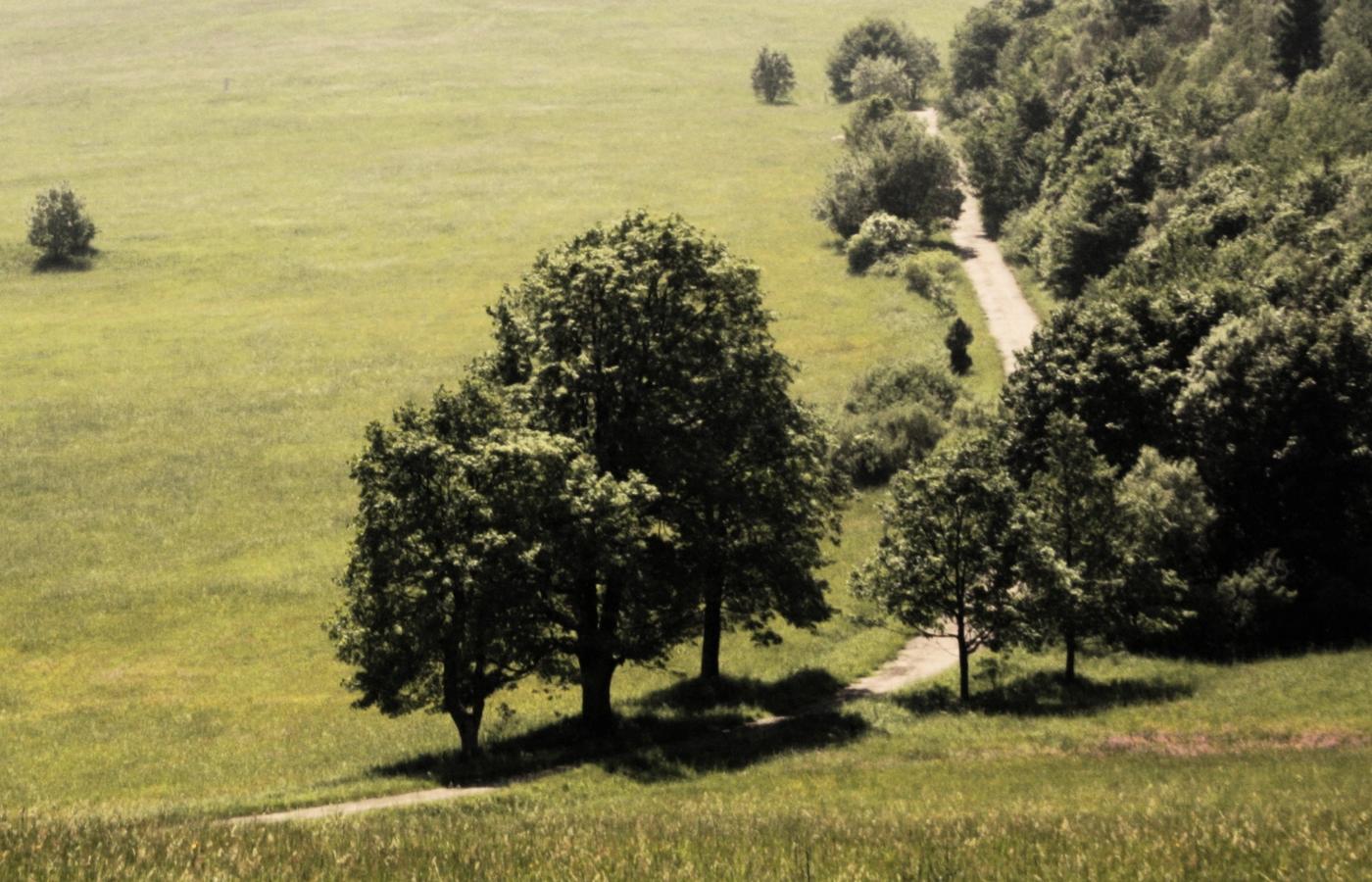
Magurski Park Narodowy is the entry on this list you will mostly have to yourself: 194.39 km² in the Beskid Niski along the Slovak border, roughly 95% of it forest. Krempna sits about 162 km south-east of Krakow and the drive takes around 2 h 40 min. Public transport is a commitment - SAN-BUS services reach the area via Jasło on a journey of roughly 4.5 hours, while PKP Intercity with changes at Rzeszów Główny and Jasło Niegłowice runs past 5 hours. Entry costs 10 zł (about 2.30 EUR) full price and 5 zł (1.15 EUR) reduced, collected from 1 May to 31 October, with a four-day pass at 30 zł (7 EUR).
Wątkowa, at 847 m, is the highest point. The signature walk is the 4 km Folusz nature trail, around 2 hours in either direction between 399 m and 570 m, linking the Magurski Waterfall to the Diabli Kamień rock outcrop across twelve interpretive stops. The park records 137 bird species and holds populations of brown bear, Eurasian lynx, wildcat and wolf.
Take this guide with you
Get every place in this guide, with addresses and map links, in your inbox — easy to open on your phone during the trip.
One email to the address on your account. No newsletter.

CEO and co-founder
Tomas is the co-founder and director of trip1, an European company specializing in reservation services. He launched the company in 2025 with a focus on building scalable, efficient operations.
5 Best National Parks Near Krakow - FAQ
Tatra National Park is the usual answer. It holds Poland's highest peaks and is the country's most visited national park, with almost 833,000 visitors in a single July, and its best-known walk leads to the Morskie Oko lake. For quieter alternatives near Krakow, Babia Góra and Pieniny are both strong choices, and Ojcowski is the easiest half day.
Yes. The Tatras are about 100 km south: PKP Intercity trains reach Zakopane in roughly 2 hours, and coaches from the MDA bus station take 2 to 2.5 hours. X-Bus runs direct to Zawoja Markowa for Babia Góra in about 2 h 10 min, and FlixBus reaches Krościenko nad Dunajcem for the Pieniny in just over 2 hours. Start early in summer.
Ojcowski National Park, about 26 km north of the city. Unibus coaches from the Nowy Kleparz stop reach Ojców in 35 to 40 minutes, and entry to the park is free; you only pay at sites such as the Łokietek Cave. The flat red Trail of the Eagles' Nests passes the Ojców Castle ruins and the Hercules' Club rock stack to Pieskowa Skała castle.
Take a train or coach to Zakopane (about 2 hours), then a minibus to Palenica Białczańska, the start of the road to the lake. Driving is possible, but parking there must be bought online in advance as a park e-ticket. The walk to Morskie Oko follows an asphalt road up to 1,395 metres. Park entry costs 11 zloty, so allow a full day.
Yes, with an early start. X-Bus coaches run from Krakow to Zawoja Markowa in about 2 h 10 min, and the shortest ascent is the red trail from Przełęcz Krowiarki at 1,012 metres, reaching the 1,725-metre Diablak summit in up to 2.5 hours. The park ticket is 10 zloty. Drivers should note that the Krowiarki car park fills by 08:00 on summer weekends.
Yes. Its highlight is the viewing platform on Okrąglica, the highest of the Trzy Korony peaks at 982 metres, looking down on the Dunajec gorge with the Tatras beyond. There is no general entry fee; the Trzy Korony and Sokolica platforms cost 10 zloty from 1 April to 15 November, on one ticket valid at both that day. Wooden raft trips are ticketed separately.