

Guides · Tokyo
Tokyo in October: Weather, Festivals and Autumn Leaf Day Trips

Marketing Manager
Tokyo in October is the city at its most comfortable. The heat and humidity of summer are gone, skies clear after the last typhoons, and autumn starts in the mountains north and west of the city. This guide covers 5 things to do in Tokyo in October beyond the classic sights in our main Tokyo guide: autumn leaves at Nikko, the red kochia hills of Hitachi Seaside Park, the Kawagoe Festival, the cosmos fields of Showa Kinen Park and the Tokyo International Film Festival. Each entry has the exact address, the nearest station and a Pro Tip.
On Tokyo weather in October: highs fall from about 25°C (77°F) at the start of the month to around 19°C (66°F) by the end, with lows of about 13 to 17°C. Early October can still bring typhoons and heavy rain, while the second half is usually dry and clear. Pack layers, as mornings are cool and the mountains around Nikko can be 10°C colder than the city.
Japan in October follows a clear calendar. The kochia at Hitachi peak in early to mid-October, the Kawagoe Festival takes place on 17 and 18 October, Nikko autumn leaves reach Lake Chuzenji in mid to late October, the cosmos at Showa Kinen Park last until late October, and the film festival opens on 26 October. Three entries are day trips from Tokyo, so check JR and Tobu rail passes before you buy single tickets.
1Nikko - Autumn Leaves at Lake Chuzenji and Irohazaka
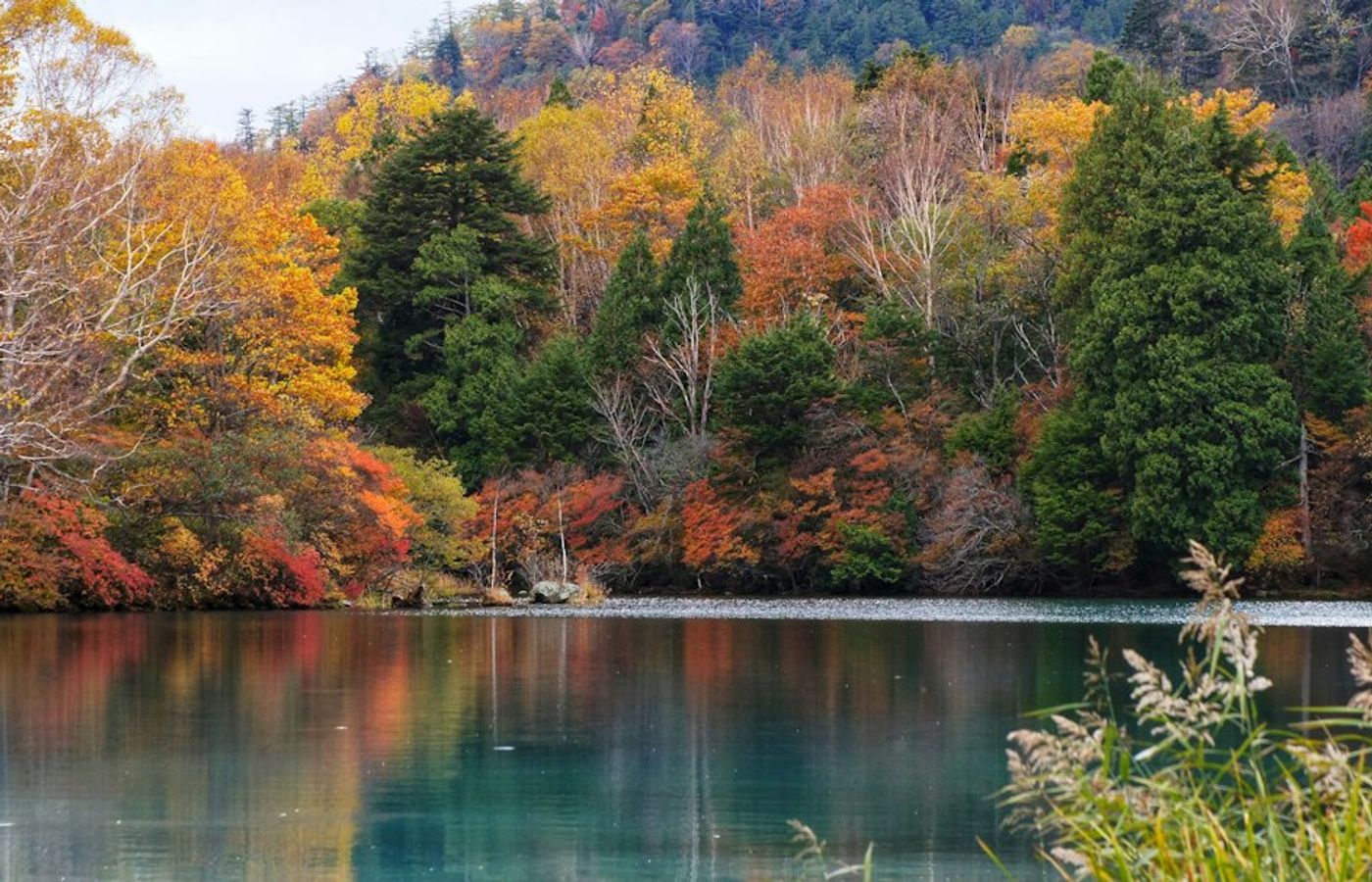

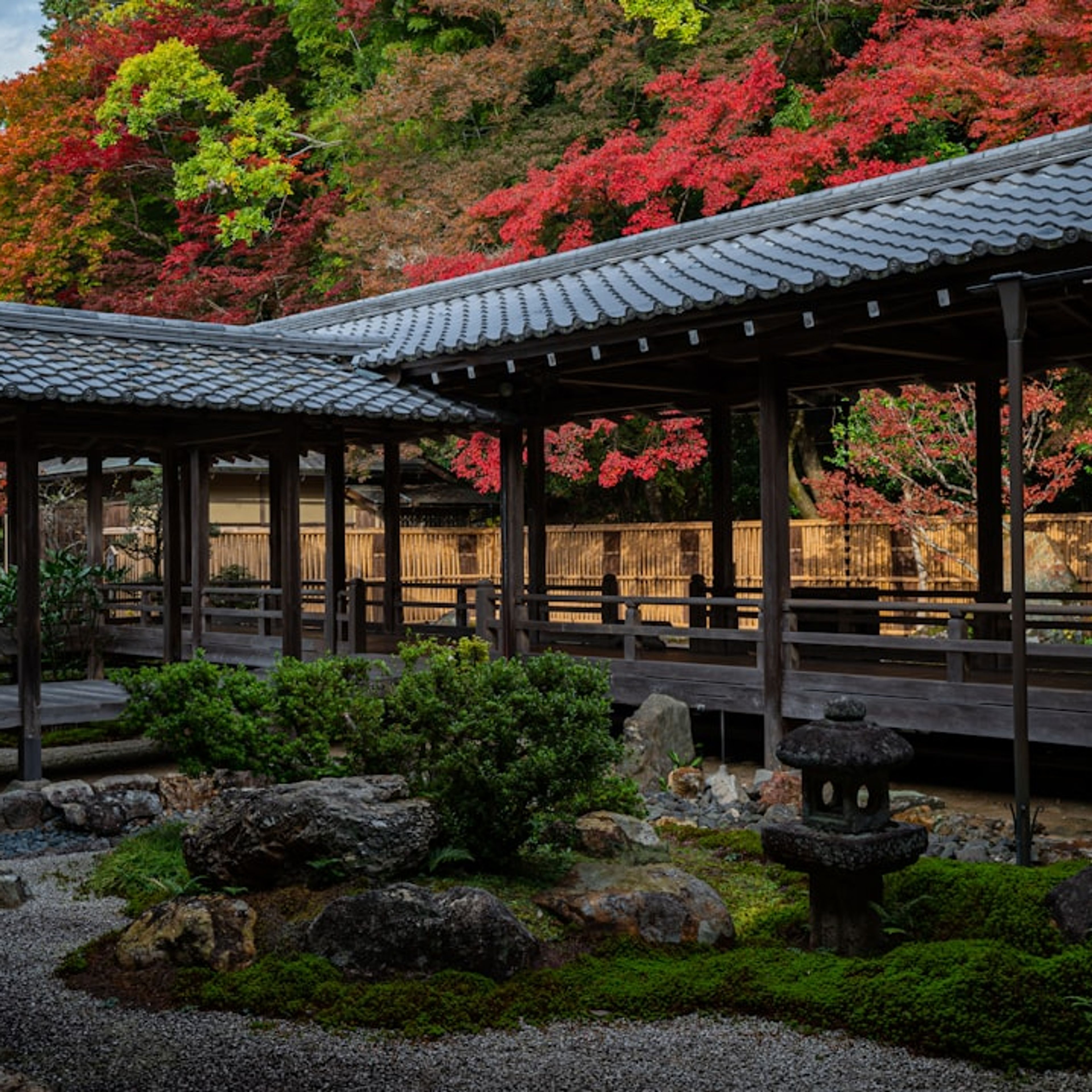
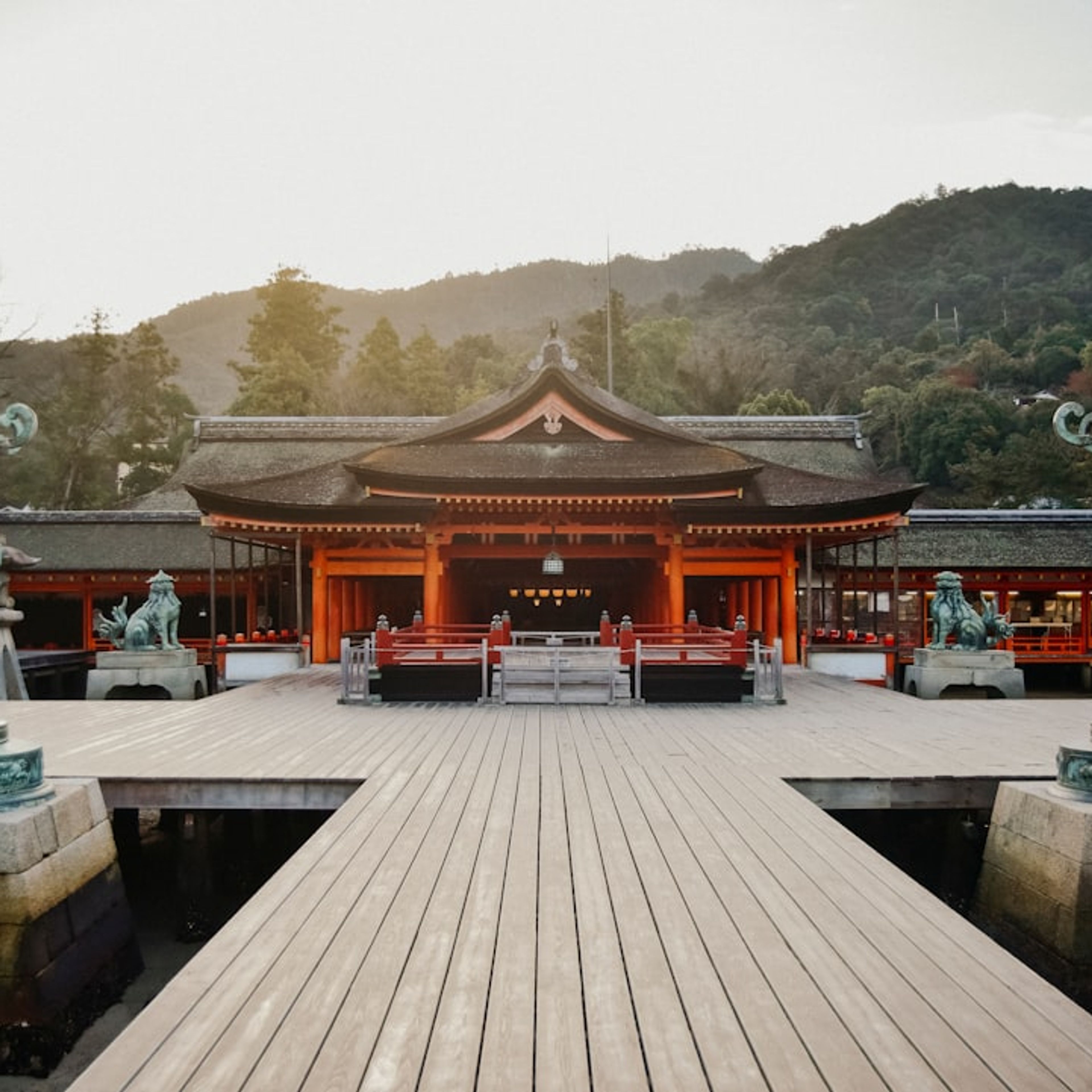
Nikko is the classic autumn leaf day trip from Tokyo, combining the UNESCO-listed Shrines and Temples of Nikko with mountain scenery. Toshogu Shrine, the lavishly carved mausoleum of shogun Tokugawa Ieyasu, rebuilt in its present form in 1636, stands among giant cedars in Nikko town, while the Irohazaka road climbs 48 hairpin bends to Lake Chuzenji at 1,269 m, where the leaves turn first.
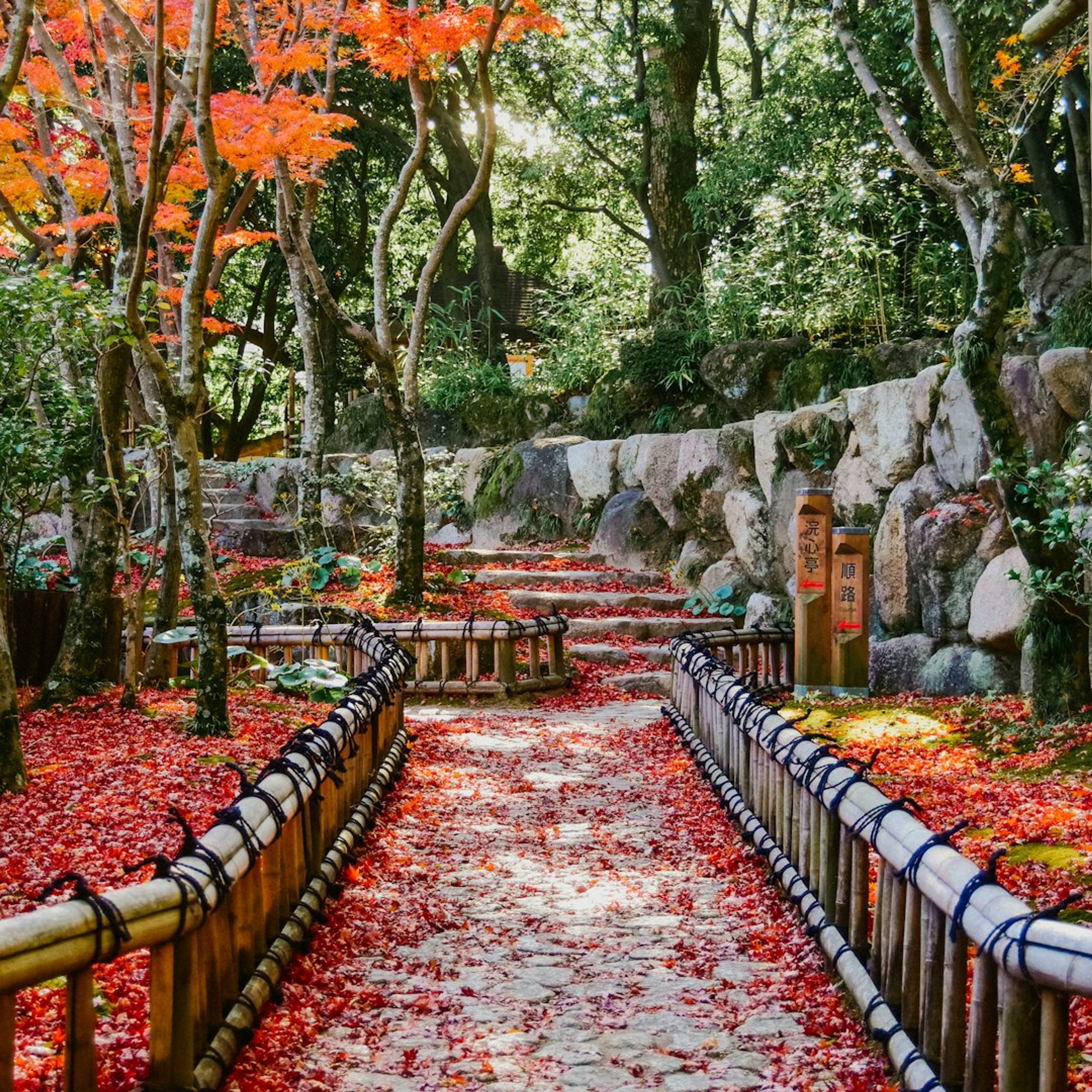
Colour starts at Senjogahara Marsh in early October, reaches Lake Chuzenji and the 97 m Kegon Falls in mid to late October, and arrives in Nikko town from late October into early November. Buses run from Tobu-Nikko Station up the Irohazaka road, but traffic on peak weekends can turn a 45-minute ride into two hours. Tobu Railway's Nikko passes cover trains and local buses.
Pro Tip: Visit on a weekday, catch the first bus up to Lake Chuzenji and work downhill to Toshogu in the afternoon. Bring a warm layer, as the lake is often 10°C colder than Tokyo.
2Hitachi Seaside Park - Hills of Crimson Kochia
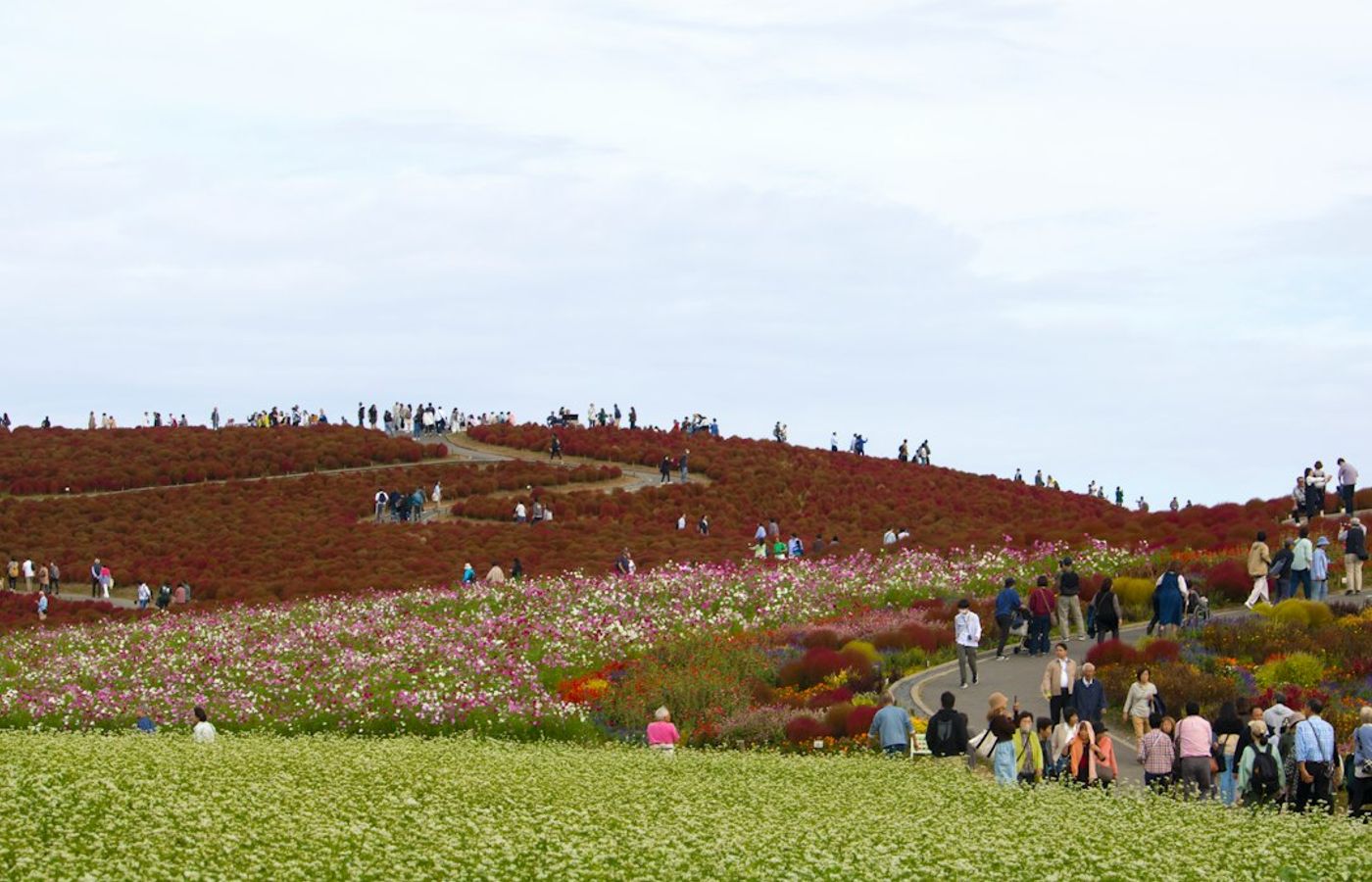

Hitachi Seaside Park is a 350-hectare national government park on the Pacific coast of Ibaraki, famous for flower displays that cover an entire hill. In October the star is kochia, a round, bushy summer cypress that turns from green to deep crimson, and some 30,000 plants cover Miharashi Hill, usually peaking from early to mid-October.
Cosmos bloom alongside the kochia in drifts of pink, white and yellow, and the hilltop looks out over the ocean. The park is large enough to justify a rental bicycle or the seaside train, and it also has an amusement area with a Ferris wheel. Entry costs a few hundred yen (around €3), and the park usually opens from 09:30 to 17:00 in October.
Pro Tip: Arrive at opening on a weekday and walk straight to Miharashi Hill before the tour coaches. Check the park's bloom updates online first, as the red deepens after a few cool nights.

3Kawagoe Festival - Edo-Style Floats in Little Edo
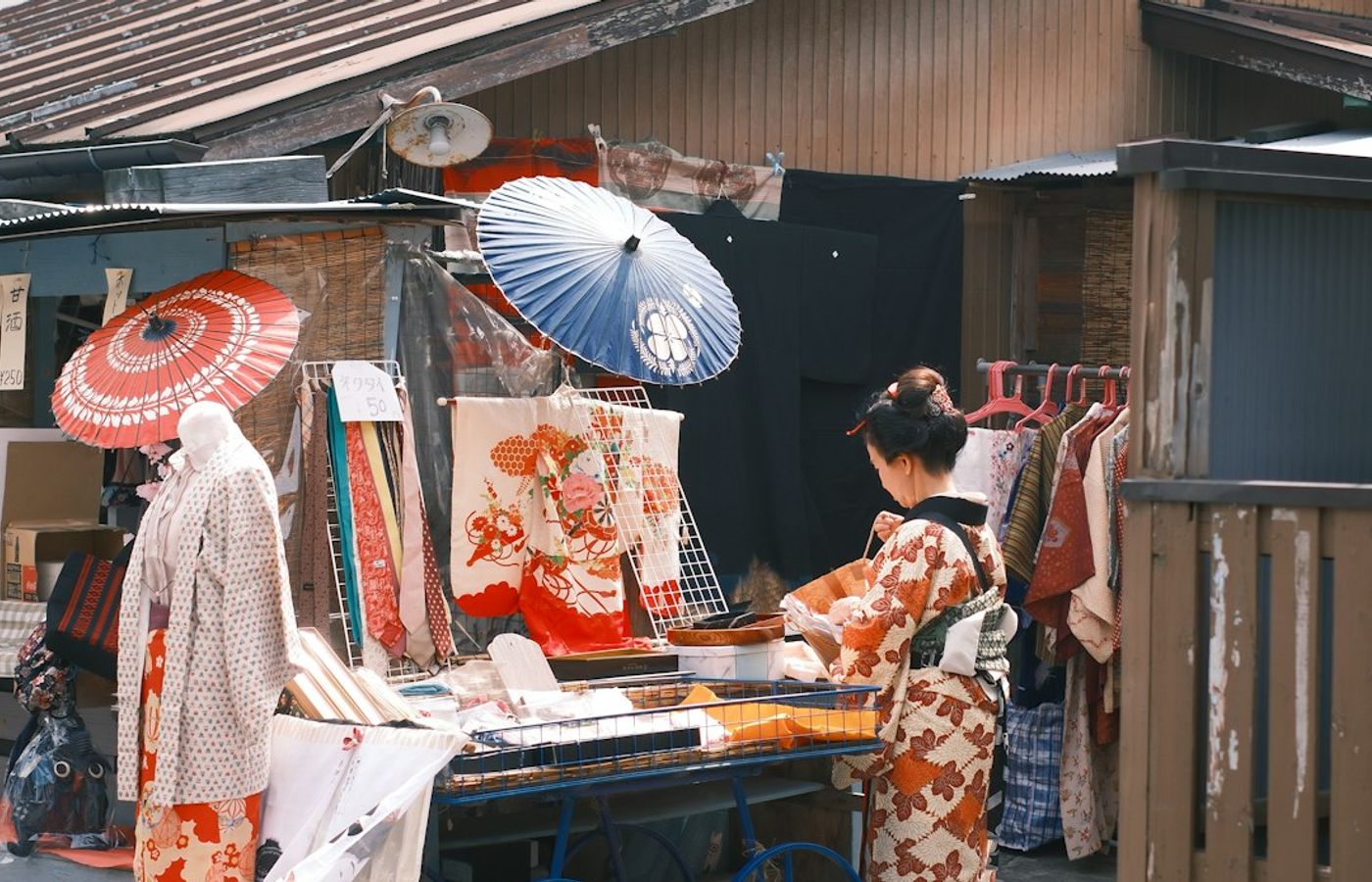

Kawagoe is known as Koedo, or Little Edo, for its streets of black-plastered kurazukuri warehouses that survive from the 19th century. On the third Saturday and Sunday of October, the Kawagoe Festival fills those streets with towering decorated floats, a Hikawa Shrine tradition dating back more than 370 years and inscribed by UNESCO as Intangible Cultural Heritage.
Around 30 floats, each topped with a large doll and carrying musicians and masked dancers, are pulled through town. The highlight comes after dark in the hikkawase, when floats meet at intersections and their crews compete with drums, flutes and dancing. The festival draws close to a million visitors over two days, so the old town is extremely crowded, especially on Saturday evening.
Pro Tip: Arrive by early afternoon on Saturday to walk the warehouse district before crowds peak, snack along Kashiya Yokocho (Candy Alley), and stay for the hikkawase after dark.
4Showa Kinen Park - Cosmos Fields in Western Tokyo
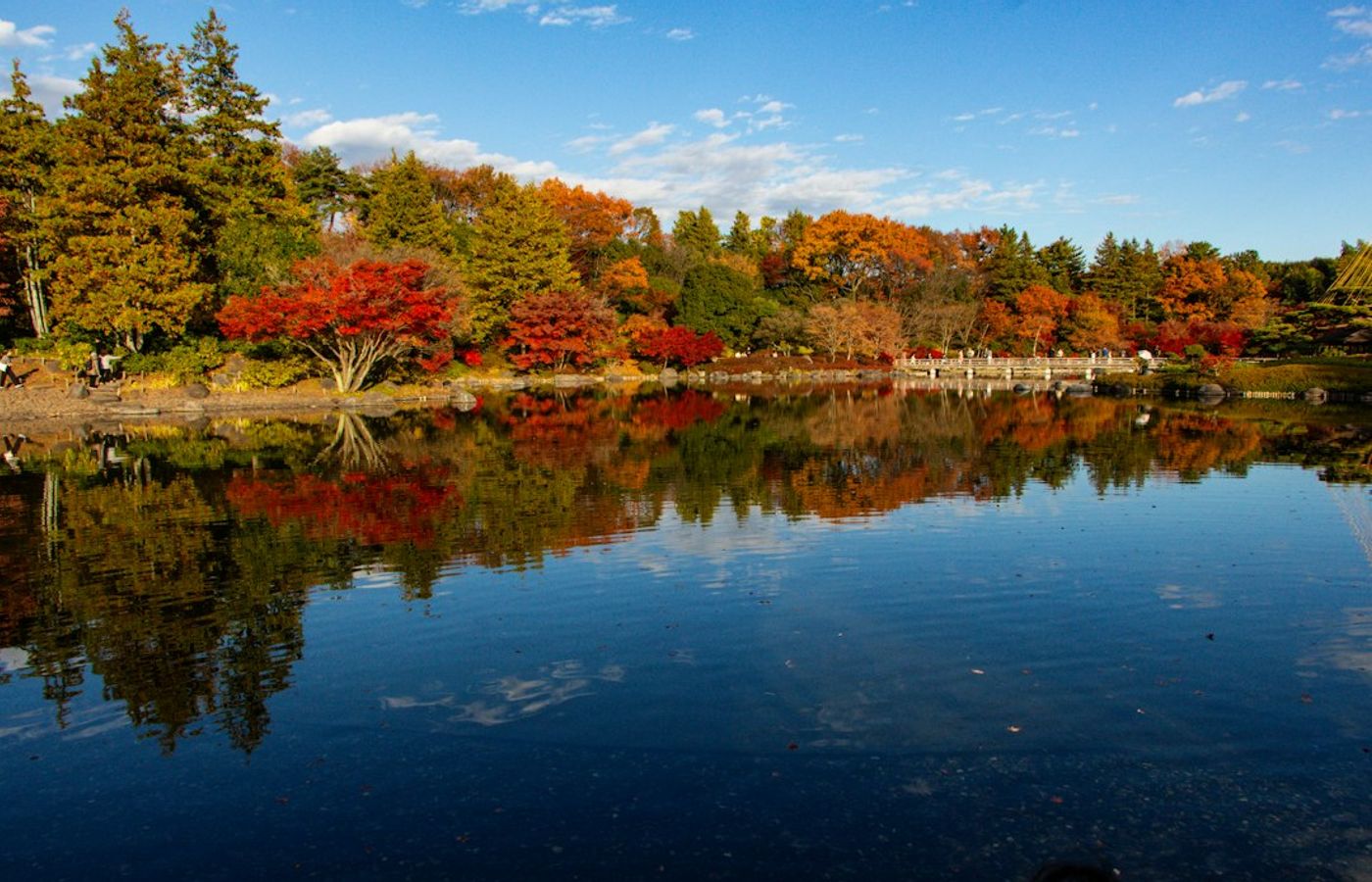
Showa Kinen Park is a national government park of about 165 hectares, built on a former airbase in Tachikawa to commemorate the reign of Emperor Showa. In October its fields of cosmos, the flower most associated with autumn in Japan, bloom in millions of pink, white and yellow stems, usually from late September to late October, with varieties planted to flower in waves.
The park also has a Japanese garden that turns red with maples later in the season, a huge central lawn and an avenue of ginkgo trees near the Tachikawa Gate that turns gold from late October into November. Bicycles can be hired to cover the distances, and entry costs a few hundred yen. It is an easy half-day trip, about 40 minutes from Shinjuku on the JR Chuo Line.
Pro Tip: Head for Hana no Oka hill first, where the largest cosmos fields grow, and come on a weekday morning, as October weekends draw big crowds of families and photographers.
5Tokyo International Film Festival - Ten Days of Cinema in Hibiya and Ginza
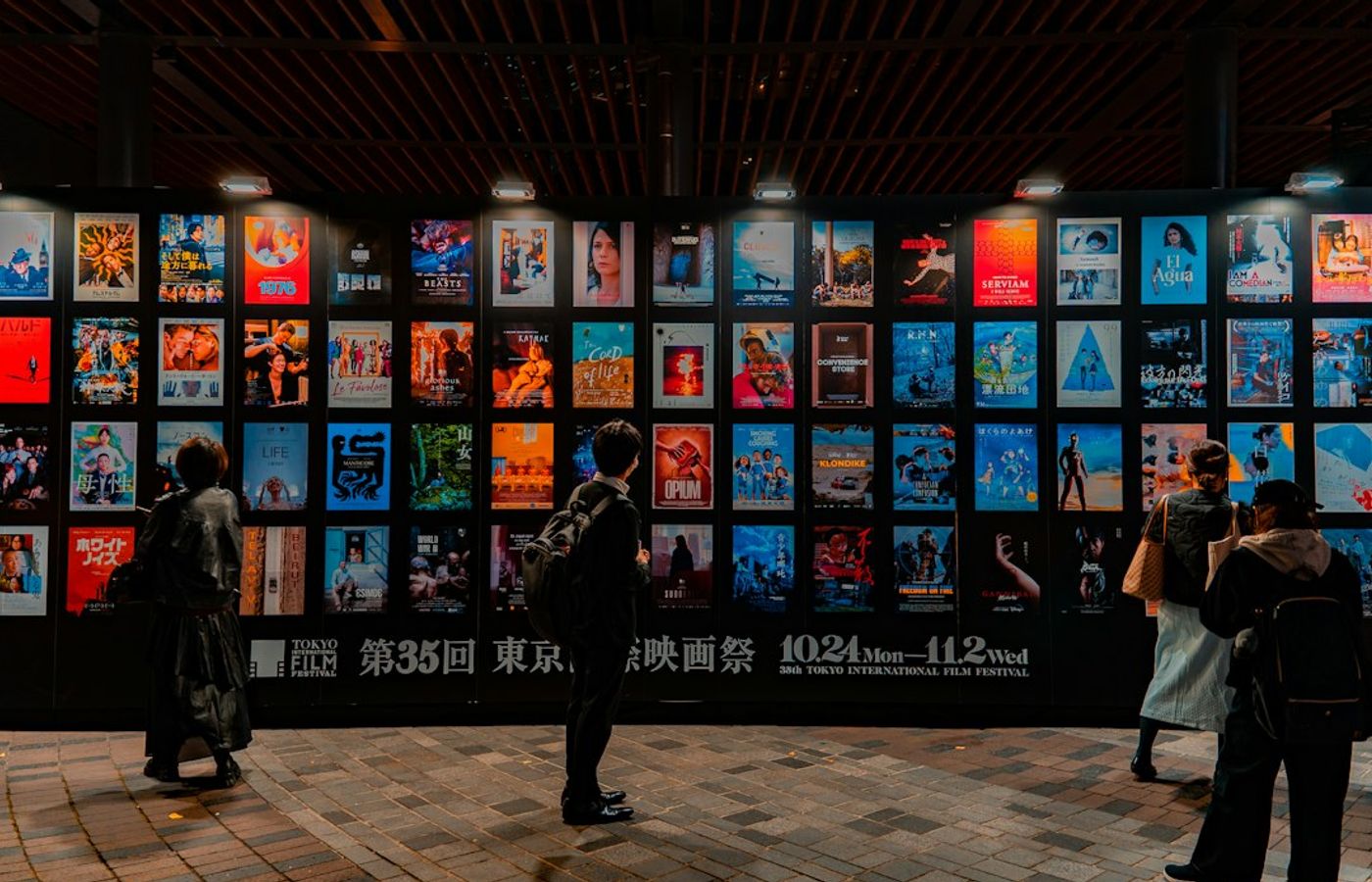
The Tokyo International Film Festival, first held in 1985, is Japan's only festival accredited by the International Federation of Film Producers Associations and one of the largest in Asia. It runs for about ten days from late October into early November, with screenings, premieres and red carpet events across the Hibiya, Yurakucho, Marunouchi and Ginza districts.
The programme combines an international competition with sections for Asian cinema, Japanese films and animation, and many screenings include Q&A sessions with directors. General ticket sales usually open in mid-October, and popular titles sell out quickly. Not every film has English subtitles, so check each film's page before buying.
Pro Tip: Book the moment general sales open and favour screenings with filmmaker Q&As. Between films, walk through Hibiya Park or graze the basement food halls of Ginza's department stores.
Get hotel deals for Tokyo
Price drops, new stays and local tips for Tokyo, straight to your inbox.
No spam, unsubscribe anytime.

Tokyo in October: Weather, Festivals and Autumn Leaf Day Trips - FAQ
October is one of the most pleasant months in Tokyo. Highs fall from about 25°C at the start of the month to around 19°C by the end, with lows of 13 to 17°C. Rainfall averages around 200 mm, much of it from late typhoons in the first half of the month, while the second half is usually dry, clear and comfortable for walking.
Colour moves downhill. Senjogahara Marsh peaks in early to mid-October, Lake Chuzenji and the Irohazaka road in mid to late October, and the shrine area in Nikko town from late October into early November. The Irohazaka switchbacks become badly congested on peak weekends, so go on a weekday and start early.
Yes, it is one of the best months. Summer heat and humidity are gone, autumn colour begins in the mountains and northern Japan, and festivals such as the Kawagoe Festival fill the calendar. Typhoons are the main risk early in the month, and domestic travellers make popular sights busy on weekends, so plan day trips for weekdays.
Not in one day; plan on four. Nikko and Hitachi Seaside Park are full-day trips in different directions, Kawagoe is a half day on the festival weekend of 17 and 18 October, Showa Kinen Park suits a morning in western Tokyo, and the Tokyo International Film Festival fills evenings in central Tokyo from 26 October.
Tokyo International Film Festival tickets usually go on general sale in mid-October and popular screenings sell out, so book early. Hitachi Seaside Park and Showa Kinen Park charge modest gate fees of a few hundred yen, the Kawagoe Festival is free, and Nikko's shrines sell tickets on site. Reserve limited express seats to Nikko and Hitachi on weekends.
Tokyo in October is also a good time for the classic sights in our main Tokyo guide, such as Senso-ji, Meiji Shrine, Shibuya and Ueno Park. Other options in Tokyo in October include the Kanda Used Book Festival in Jimbocho from late October, Halloween crowds in central Tokyo, and autumn leaves at Mount Takao and Hakone, which usually peak in November.