
Guides · Venice
5 Best Things to Do in Venice During the Venice Carnival

CEO and co-founder
Work out the best things to do in Venice during the Venice Carnival and you end up with a list that mostly avoids Piazza San Marco. As of August 2026 the organisers have not published the 2027 programme, so only the closing date is certain. Easter Sunday 2027 falls on 28 March, which fixes Ash Wednesday at 10 February and Martedì Grasso, Carnival's last day, at Tuesday 9 February 2027. Recent editions open around seventeen days before that, and the 2026 Carnival ran from 31 January to 17 February, so plan for a 2027 start in the last days of January. The modern Carnival pulls roughly three million people into a historic centre with fewer than 50,000 residents.
The five picks below run as one line down the city, ordered north to south, quietest first, ending above the crowd rather than in it: the Venetian Ghetto in Cannaregio, Palazzo Mocenigo in Santa Croce, the Ca' Macana mask atelier in Dorsoduro, Ca' Rezzonico four minutes further along the same canal, and the campanile of San Giorgio Maggiore across the water.
Every entry below carries the exact address with postal code, the vaporetto line and stop, and a specific hour to turn up. Pair them geographically. Ca' Macana and Ca' Rezzonico sit about 300 metres apart and work as one Dorsoduro morning, while the Ghetto and Palazzo Mocenigo join up by walking south along the Cannaregio Canal towards San Stae. Watch the official Carnevale di Venezia site for the programme when it lands, because the water parade date moves every year.
1The Venetian Ghetto - Where Cannaregio Stays Venetian While San Marco Fills Up
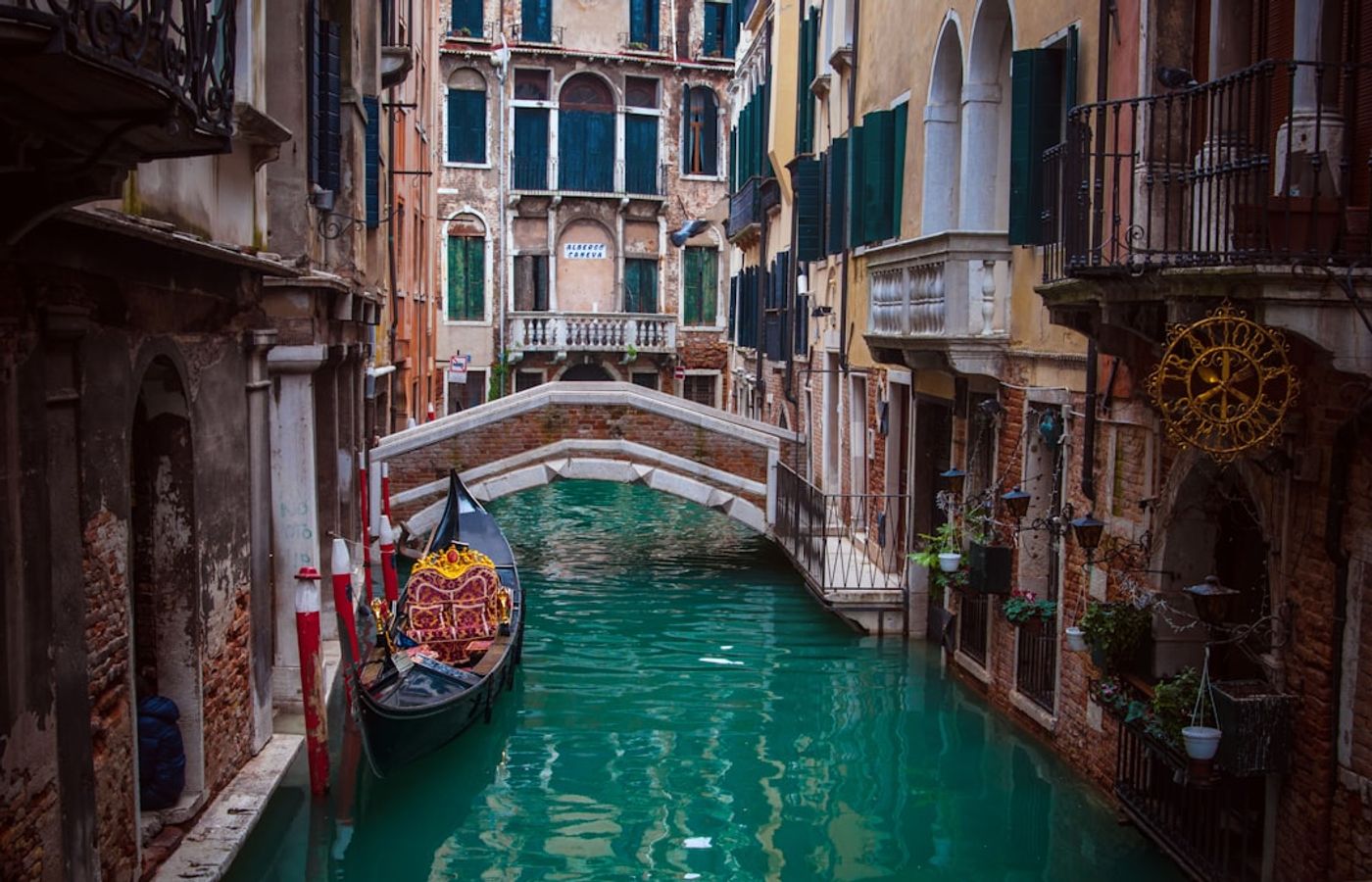

The Venetian Republic confined the city's Jewish population to this island on 29 March 1516, and the word ghetto went into every European language from here. A census in 1555 counted 923 Jews living on it. The site could not spread sideways, so it went upwards: the houses around Campo di Ghetto Nuovo run to six and seven low-ceilinged floors, unusually tall for Venice. Five synagogues were built above shop and living level and are close to invisible from the square unless you know which run of windows to read.
Carnival barely reaches this far north. Cannaregio's contribution to the programme is the opening weekend's Festa Veneziana sull'acqua, a rowed parade of decorated boats along the Rio di Cannaregio about 600 metres south of the campo, and for those two evenings the Fondamenta di Cannaregio is genuinely full. Outside them the district behaves like somewhere people live. Bars serve residents, the campo empties by mid-afternoon, and nobody is selling you a plastic mask.
The price of that quiet is that some of it is shut. The Museo Ebraico is running from a temporary location while its Campo di Ghetto Nuovo building is restored, it opens 10:00 to 17:30 on Monday to Wednesday, Friday and Sunday and 11:00 to 18:30 on Thursday, and it closes on Saturdays and Jewish holidays with no exceptions for Carnival. Walking the campo and reading the Holocaust memorial reliefs on its north wall costs nothing at any hour.
Pro Tip: Watch the Festa Veneziana sull'acqua from Ponte dei Tre Archi at the western end of the Rio di Cannaregio, not from Ponte delle Guglie. Guglie is where the vaporetto crowd stops; Tre Archi is 400 metres further along and the boats pass just as close.
2Palazzo Mocenigo - See the Costumes Before You Rent One
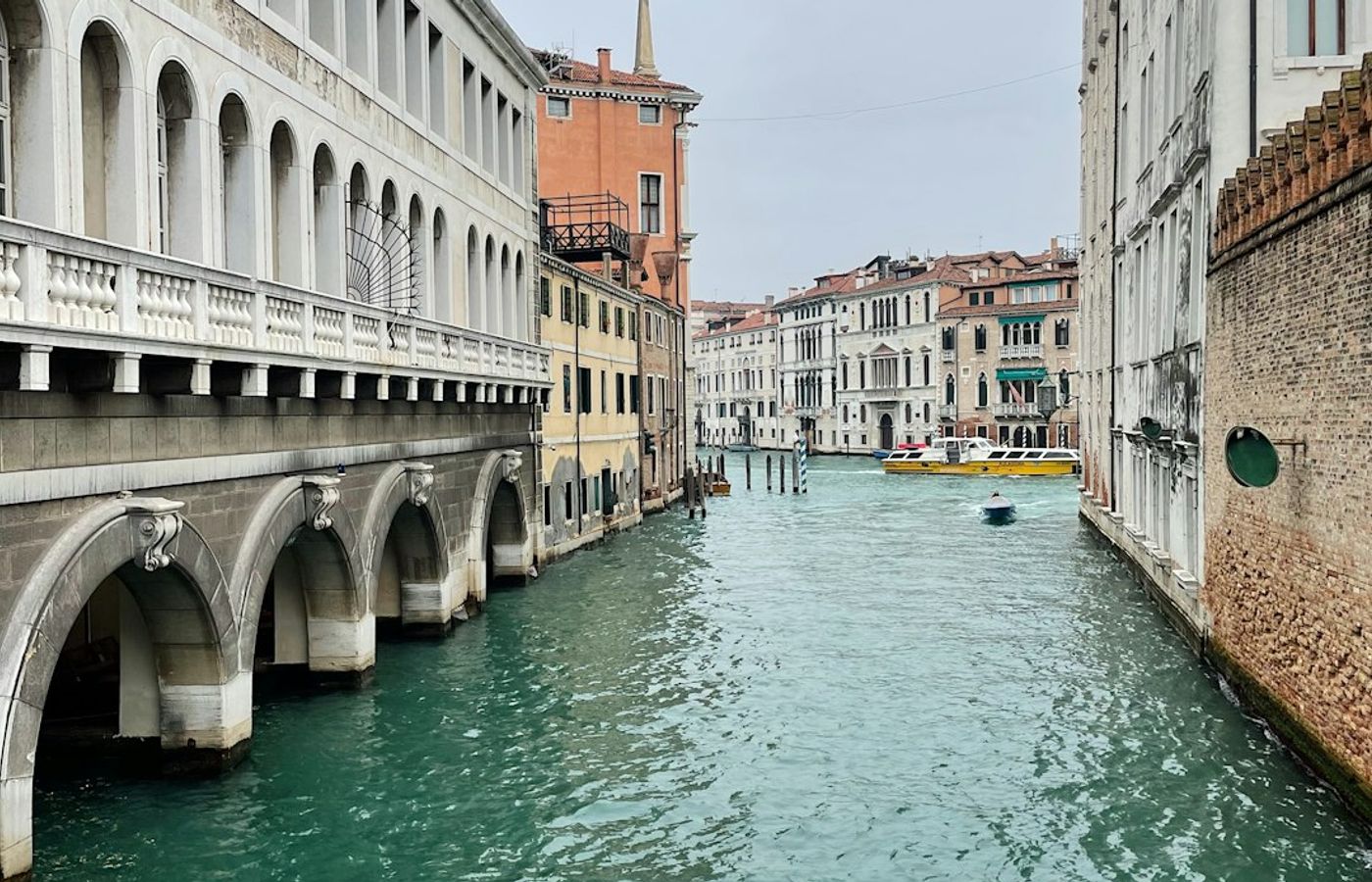
The Mocenigo family held this palace into the twentieth century. It opened to the public in 1985 after restoration, and a 2013 reworking put twenty rooms of the first noble floor on show, under ceilings frescoed in 1787 by Jacopo Guarana and Giambattista Canal. The study centre attached to it holds more than 13,000 costume figurines from the eighteenth and nineteenth centuries, drawn from the Correr, Guggenheim, Cini and Grassi collections.
For anyone planning a costume this is the reference material. Mannequins wear real seventeenth and eighteenth century Venetian garments in the rooms those garments were made for, and a further sequence covers Venice's trade in perfume, down to the raw ingredients and the glass the scent was sold in. Going here before you hire anything tends to save money, because half an hour with the originals makes plain how far a rented polyester tricorn sits from the thing it copies. Full period costume hire from a Venetian atelier runs to several hundred euros a day and the serious workshops take bookings months ahead of Martedì Grasso.
Venezia Unica, the city's official ticketing portal, lists admission at 15 euros full and 7.50 euros reduced. Published timetables disagree: some give 10:00 to 17:00 daily, others 10:00 to 18:00 with Monday closed, so confirm the day before rather than crossing the city on faith. Last admission is an hour before closing. Carnival makes almost no difference to the numbers inside. San Stae is one stop up the Grand Canal from Rialto and most of the costumed traffic never gets off the boat.
Pro Tip: Take the line 1 vaporetto north to San Stae before 11:00 and do this first. Southbound line 1 boats towards Rialto after midday during Carnival regularly fill up and leave people standing on the pontoon for two or three sailings.

3Ca' Macana - Buy the Mask Here, Not From a Bridge Stall
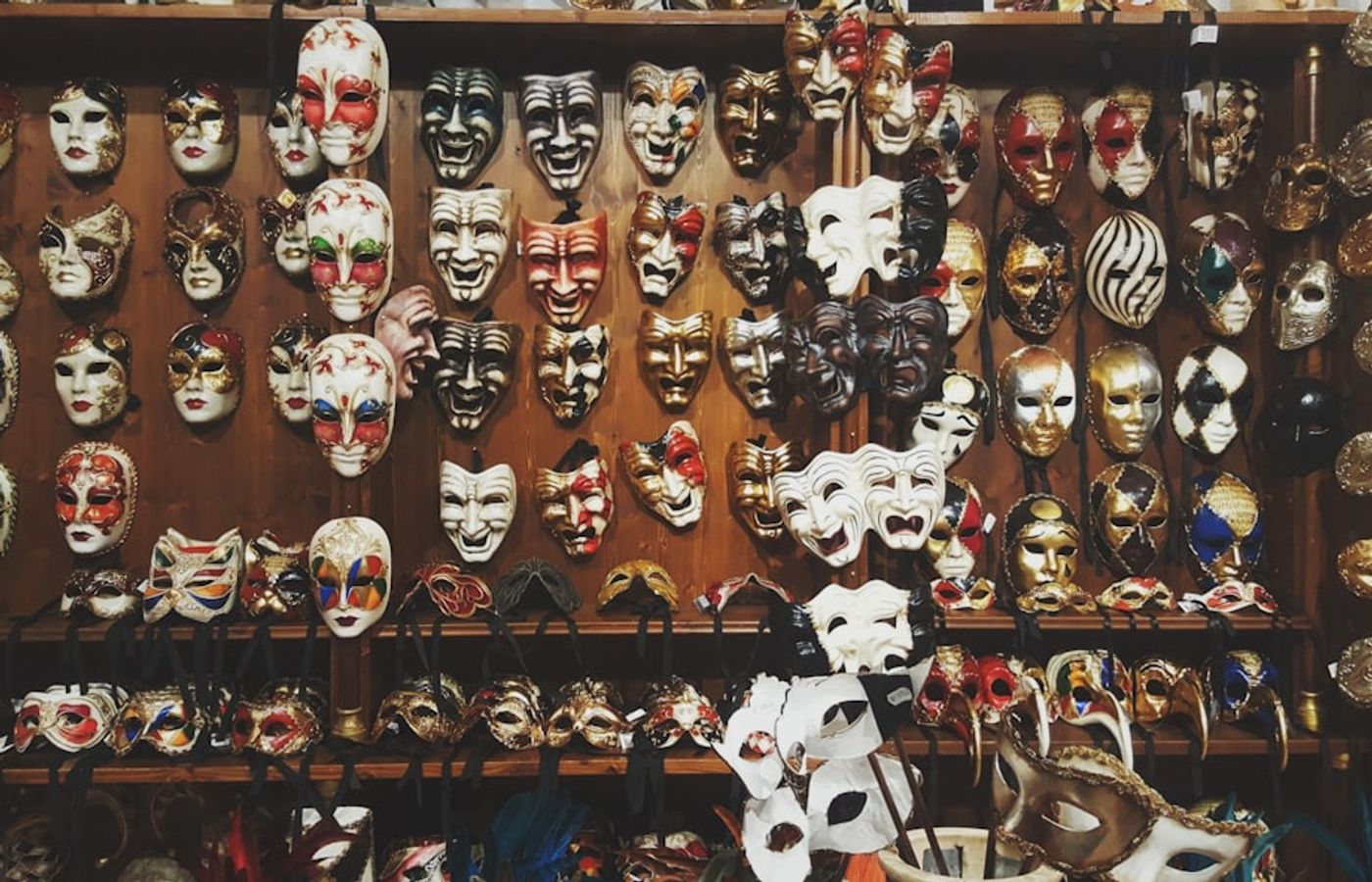
Ca' Macana has been making masks in Dorsoduro since 1984, in papier-mâché pressed over clay moulds and painted by hand on the premises. The shapes are the historic ones. The bauta covers the face with a jutting chin that lets the wearer eat and drink without lifting it. The moretta is the small black velvet oval that women held on by biting an internal button, which meant they could not talk while masked. The medico della peste with its long beak descends from the seventeenth-century physician Charles de Lorme.
The Carnival argument for a working atelier over a bridge stall is practical rather than romantic. From late January the bridges around Rialto and the length of the Strada Nova fill with racks of injection-moulded masks that warp within a day and cut into the bridge of the nose after two hours. A hand-finished papier-mâché mask holds its shape, sits on the face properly and can be worn across three days. Browsing costs nothing, and the shop keeps its winter hours of 10:00 to 18:30 daily, holidays included.
Two honest caveats. Ca' Macana also runs mask-painting sessions in its studio but does not publish a rate online, so you have to email or telephone for the price, and during Carnival week those sessions fill early. And if you want something made to your own face rather than picked off the wall, that is a matter of weeks, not an afternoon. Turning up on 8 February wanting a bespoke mask for the next morning will get you a polite no.
Pro Tip: Arrive before 11:00 on a weekday; from about 15:00 the Dorsoduro mask shops fill with people who need something for that evening. If you want a mask fitted or made to order, email the workshop at least three weeks before Martedì Grasso on 9 February 2027 and ask for the price in writing.
4Ca' Rezzonico - The Century Carnival Is Actually Dressing Up As
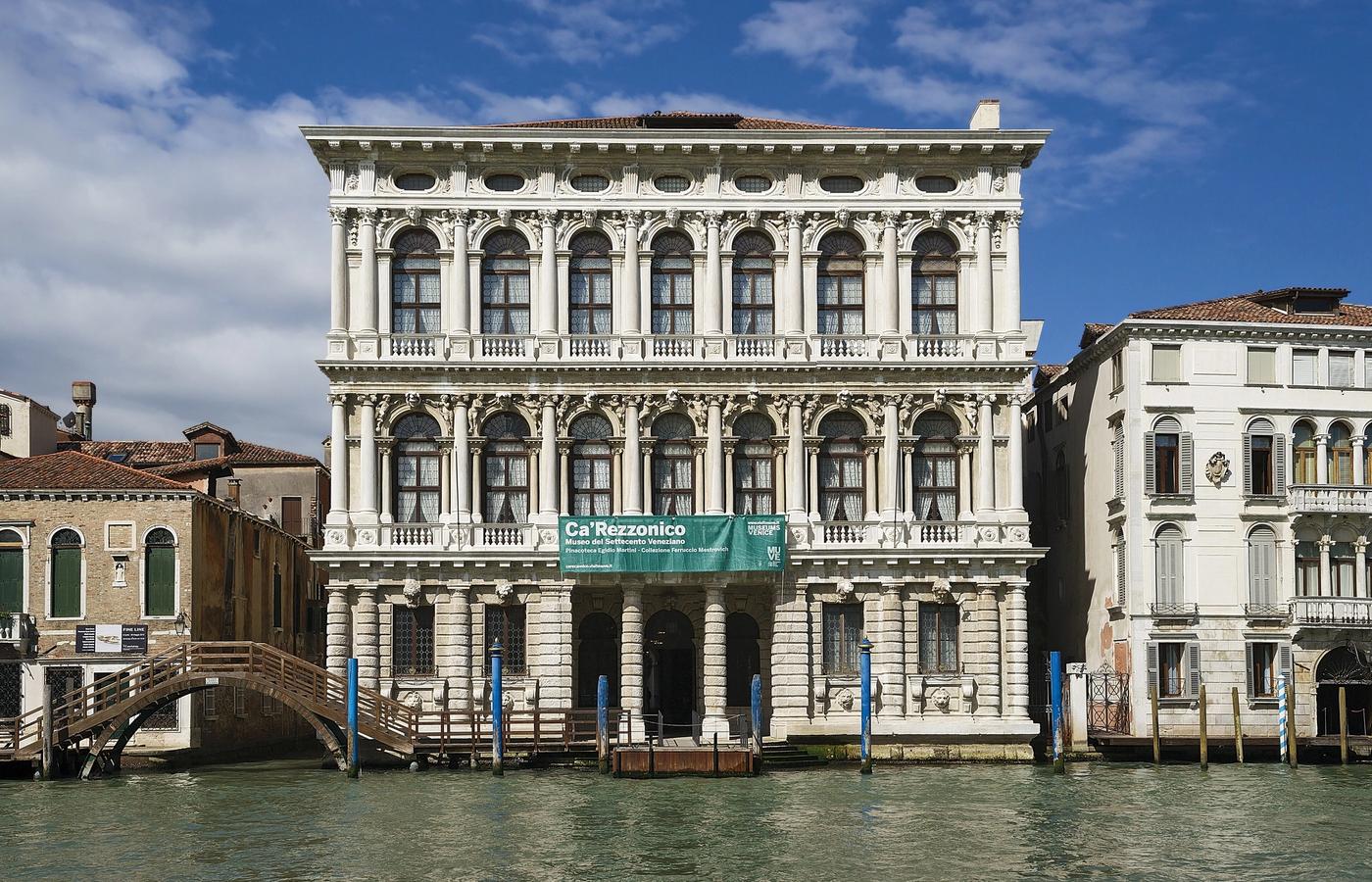
Baldassare Longhena began this palace in 1649 and had it up to the first floor by 1661, then work stopped for decades. The Rezzonico family bought the unfinished shell in 1750 and put Giorgio Massari on it; the Grand Canal facade was completed between 1750 and 1752 and the interiors were close to done by 1756. The city of Venice bought the building in June 1935 and turned it into the Museum of Eighteenth-Century Venice.
That is the exact century every Carnival costume on the street outside is imitating. Pietro Longhi's small canvases upstairs show Venetians in bauta and tricorn doing thoroughly unglamorous things, including the crowd that queued to see Clara the rhinoceros when she was exhibited in Venice in 1751. Giambattista Tiepolo ceilings sit above them, and the reconstructed pharmacy and the covered gondola fill out the picture of how the clothes were actually lived in. Seeing the garments in their own rooms rather than on a hire-shop rail changes what you notice back outside.
Winter hours run 10:00 to 17:00 from November to March with Tuesday as the closing day, and the last published admission was 10 euros full, 7.50 euros reduced for under-25s, over-65s and Rolling Venice holders. Queues stay short through Carnival, partly because line 1 is the slowest boat on the Grand Canal and partly because the costumed crowd concentrates east of the Accademia bridge. Costumed visitors do come in to be photographed in the ballroom, so expect a short wait there rather than at the door.
Pro Tip: Be at the door for the 10:00 opening, go straight up for the Longhi rooms and come down to the ballroom afterwards. Note the closing day: Martedì Grasso 2027 falls on Tuesday 9 February, so if Carnival's final day is your only free one, Ca' Rezzonico is shut and Palazzo Mocenigo is the substitute.
5San Giorgio Maggiore - Take the Lift and Look Down on the Crowd You Escaped
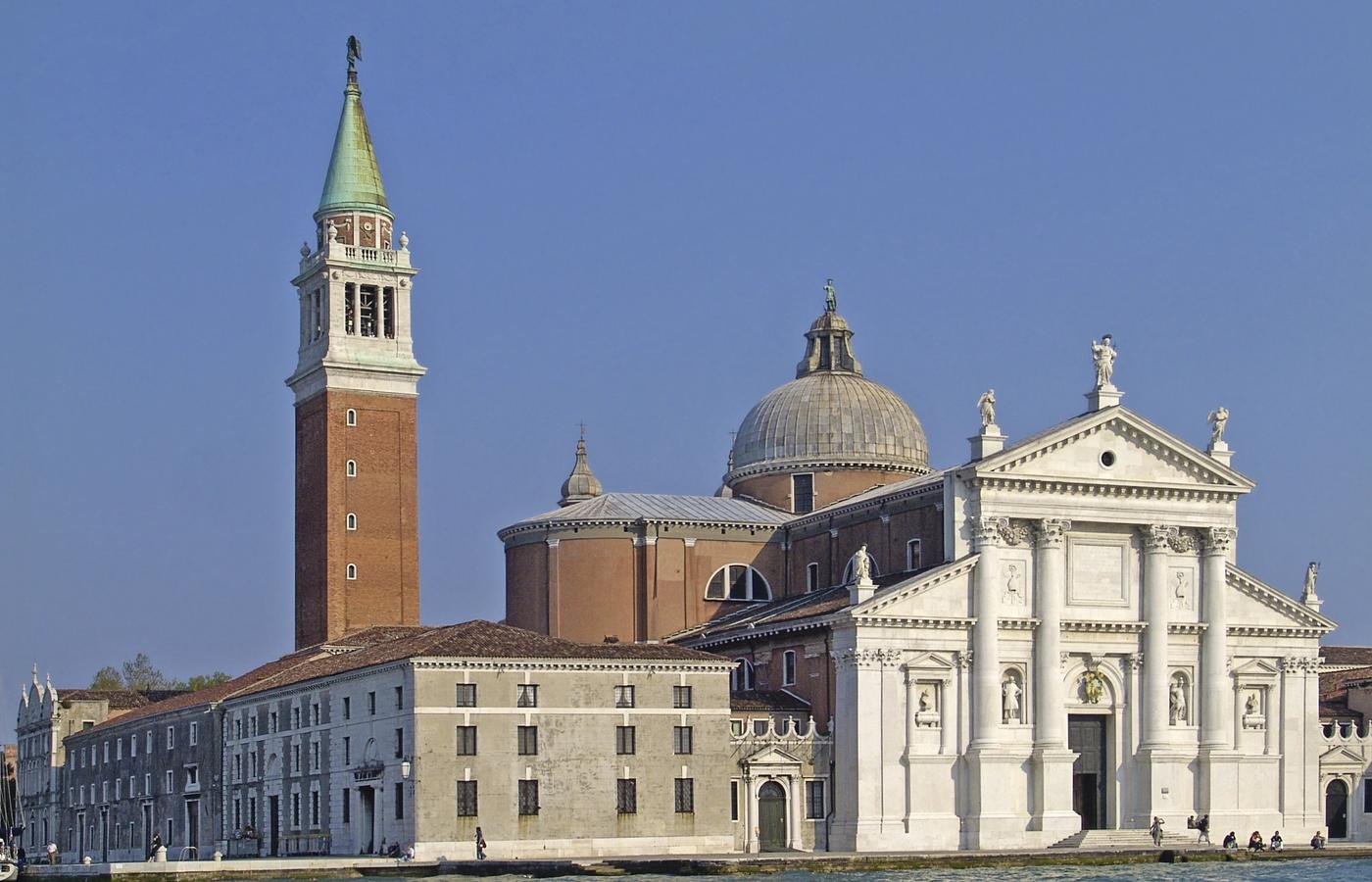
Andrea Palladio laid the first stone of this church in 1566 and the main structure was standing by 1576, with the facade finished between 1597 and 1610. The bell tower is not the original: the 1467 campanile collapsed in 1774 and Benedetto Buratti's replacement, 75 metres tall, went up in 1791. It has a lift, which is the whole point during Carnival: height without the stair climb, and without the queue across the water in Piazza San Marco.
What you see from the top is the Carnival as a shape rather than a crush: Piazza San Marco, the Riva degli Schiavoni, the traffic on the Bacino di San Marco and the costumed crowd reduced to specks of colour moving along the waterfront. The basilica below is free to enter and holds Tintoretto's Last Supper and his Entombment. The campanile costs 8 euros for adults and 6 euros reduced, and opening runs 9:30 to 18:30 Monday to Saturday, with Sunday access cut around services.
The downside is the crossing. San Giorgio Maggiore is 500 metres from Piazza San Marco but the only public way over is the line 2 vaporetto from San Zaccaria, and on Carnival's peak weekends that pontoon is one of the worst pinch points in the city. Boats leave full, and losing 30 minutes in a queue for a 3-minute crossing is normal on the middle Sunday. The lift also takes only a handful of people at a time and the viewing chamber at the top is small, so there is a second queue up there.
Pro Tip: Cross on the first line 2 departure after 09:00 from San Zaccaria, before the day's costumed crowd gathers on the Riva degli Schiavoni. Buy the 8 euro campanile ticket at the desk inside the basilica and go up before you look round the church, not after.
Get hotel deals for Venice
Price drops, new stays and local tips for Venice, straight to your inbox.
No spam, unsubscribe anytime.

CEO and co-founder
Tomas is the co-founder and director of trip1, an European company specializing in reservation services. He launched the company in 2025 with a focus on building scalable, efficient operations.
5 Best Things to Do in Venice During the Venice Carnival - FAQ
From Saturday 23 January to Tuesday 9 February 2027, according to the official Carnevale di Venezia site. The last day is Martedì Grasso, fixed by Easter falling on 28 March 2027. The full programme, including the date of the Festa Veneziana sull'acqua boat parade in Cannaregio, is not out yet, so check carnevale.venezia.it before you book.
Yes, if you plan around the crowds. Piazza San Marco and the bridges around Rialto are packed, and on peak weekends the San Zaccaria vaporetto pontoon can mean a 30 minute queue. Quieter places still work well: the Ghetto in Cannaregio, Palazzo Mocenigo, Ca' Rezzonico and the San Giorgio Maggiore bell tower, whose lift gives a view over the whole crowd.
Nothing to watch: the street celebrations and the boat parade in Cannaregio are free. Costs come from what you add. Palazzo Mocenigo is 15 euros, the San Giorgio Maggiore campanile 8 euros, and Ca' Rezzonico was last listed at 10 euros. Ticketed masked balls cost extra, and full period costume hire from a Venetian atelier runs to several hundred euros a day.
To hide who they were. In the old Venetian Republic a mask hid a person's rank, so nobles and ordinary Venetians could mix freely during Carnival. The bauta covered the face with a jutting chin, so the wearer could eat and drink without lifting it. The moretta, a small black velvet oval, was held on by biting a button, so the wearer could not speak.
However you like: a mask on its own is enough, and full costume is optional. For a period look, see the real 18th-century clothes at Palazzo Mocenigo and Ca' Rezzonico first, then book costume hire months ahead, since the serious ateliers fill up before Martedì Grasso. It is February, so wear warm layers and comfortable shoes, as you will stand outside for hours.
At a working atelier rather than a bridge stall. Ca' Macana in Dorsoduro has made papier-mâché masks by hand since 1984 and opens 10:00 to 18:30 daily in winter. The stall masks around Rialto and the Strada Nova are injection-moulded and warp within a day. A mask made to your own face takes weeks, so email at least three weeks before 9 February 2027.