
Guides · Chicago
Chicago in Fall: Lakefront Colour and Festivals

CEO and co-founder
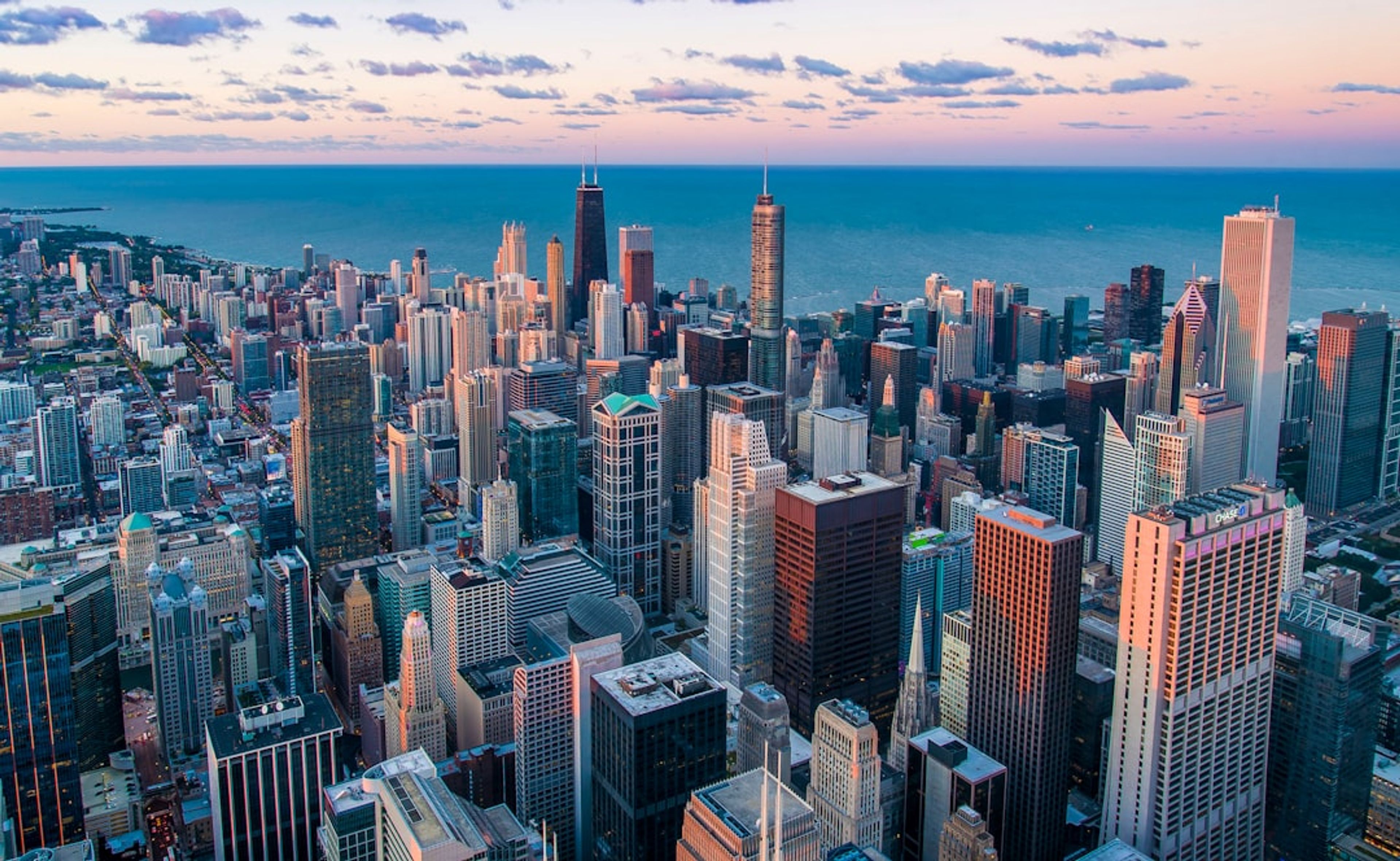
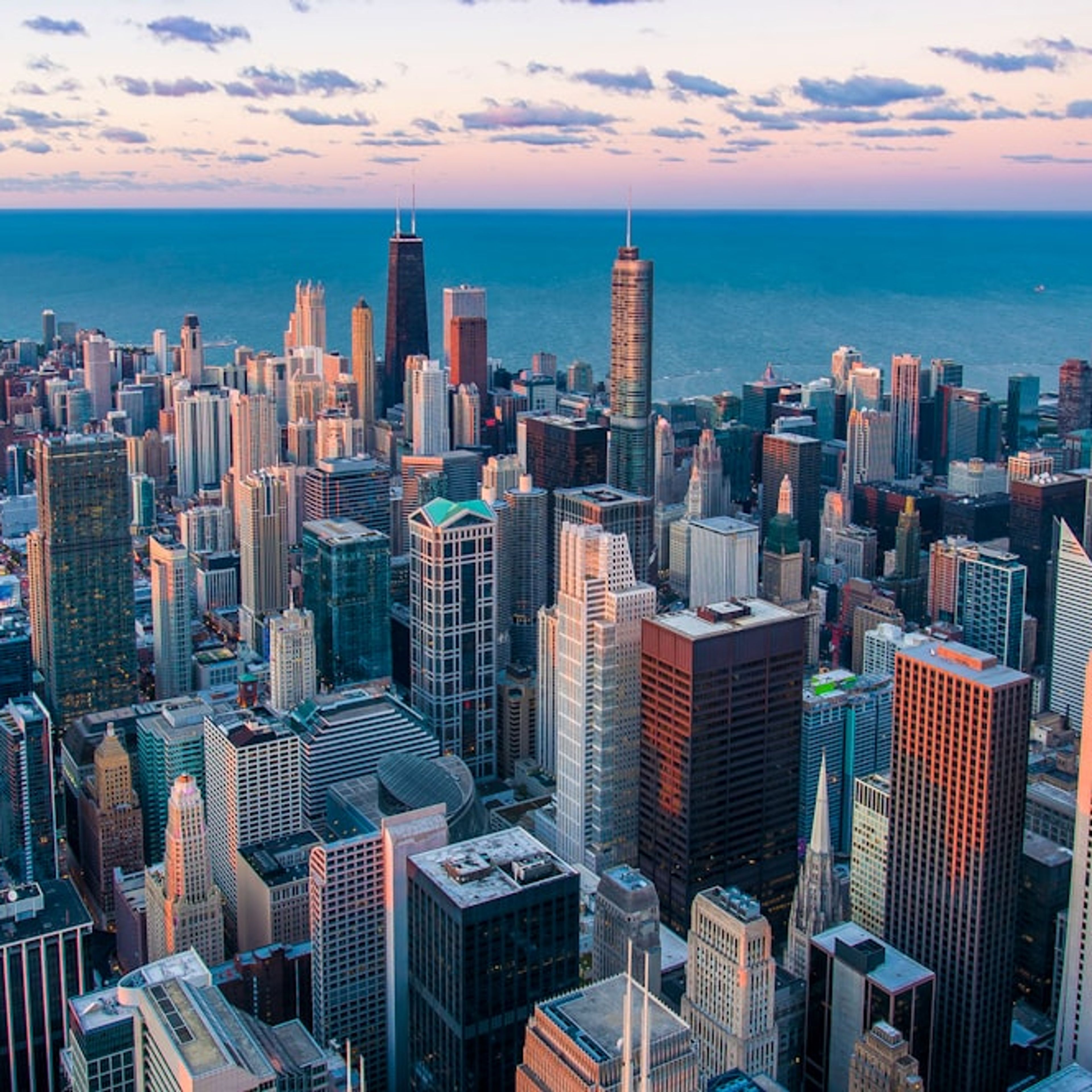
Chicago in fall is the city at its most usable. The humidity that makes August unpleasant has gone, the lake wind has not yet turned into the thing Chicago is famous for, and the colour along the lakefront and out in the western suburbs runs from early October into November. This guide covers 11 places and events worth planning around in 2026, each with the exact address, the nearest 'L' line or Metra station, and a Pro Tip.
On the weather: daytime highs run near 70F (21C) in the first days of October and fall to around 55F (13C) by the end, with overnight lows dropping from about 52F (11C) to 40F (4C). Rainfall is moderate at roughly 3 inches across the month. Daylight Saving Time ends on Sunday 1 November 2026, so October keeps its evenings, with sunset moving from about 6.25pm to 5.45pm.
One date fixes the calendar: the Bank of America Chicago Marathon on Sunday 11 October 2026. Everything else works outward from the Loop. The Art Institute, Millennium Park, Skydeck and the river cruise are downtown. The Lakefront Trail, the Lily Pool and Lincoln Park run north along the water. Garfield Park Conservatory is west, Jackson Park is south, and the Morton Arboretum and Starved Rock are both out of town.
1Chicago Marathon - Sunday 11 October 2026
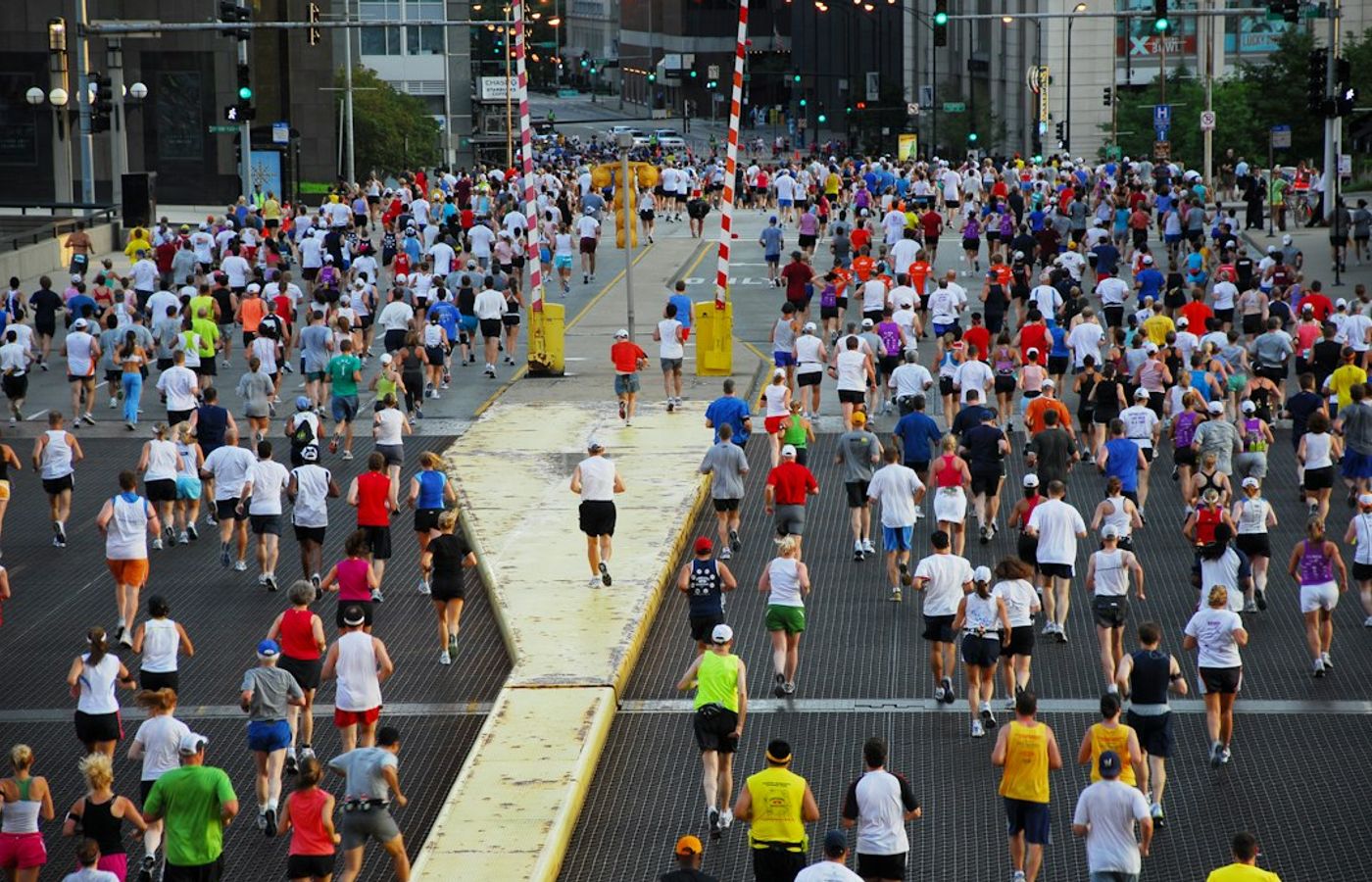

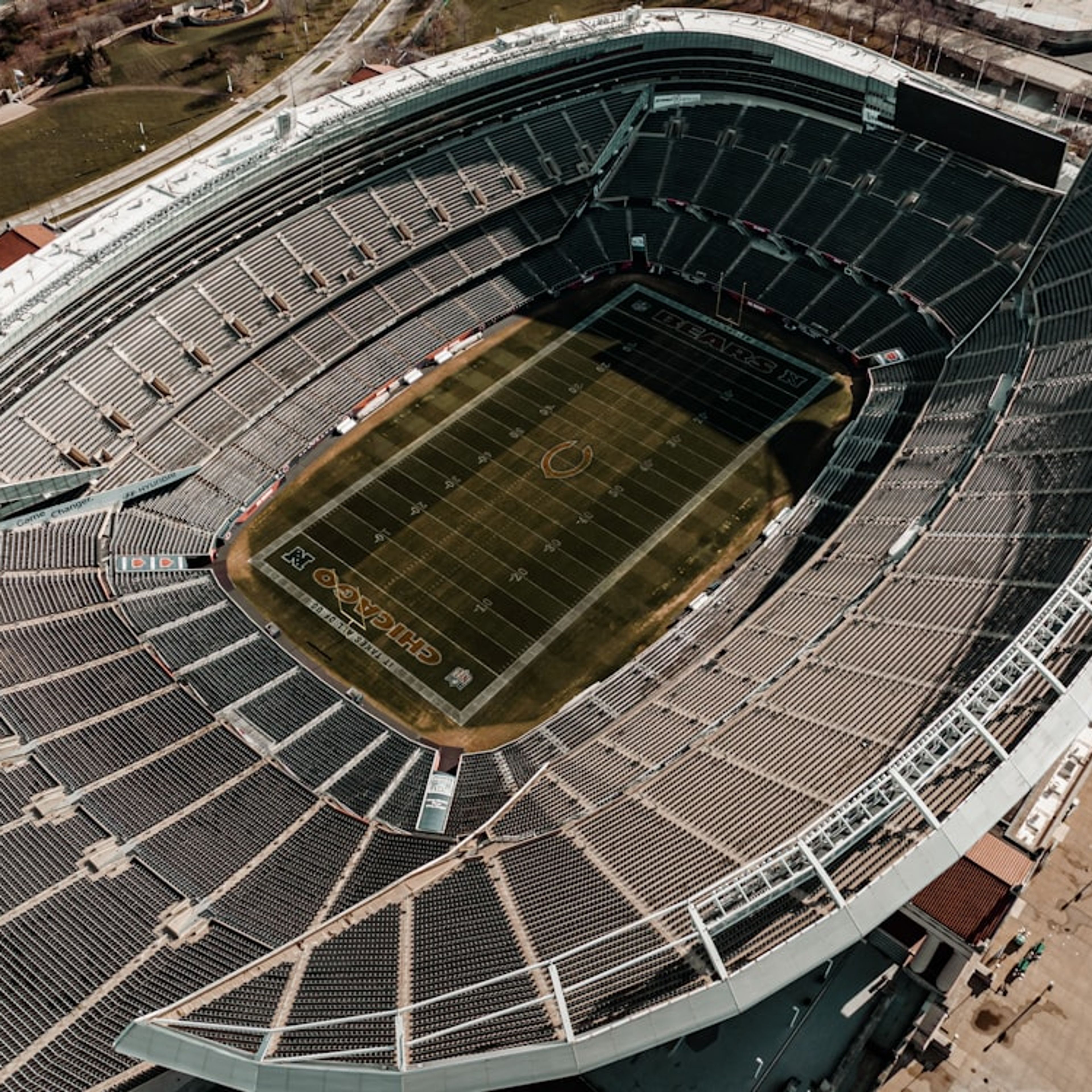
The Bank of America Chicago Marathon runs on Sunday 11 October 2026, the 48th running, and it is one of the World Marathon Majors. Over 200,000 people applied for the 2026 race, a record, with around 53,000 expected to finish. The course starts and finishes in Grant Park and loops through 29 neighbourhoods, and it is flat enough that the men's world record was set here in 2023. The official race site publishes the course map and spectator guidance.
Spectating costs nothing and the neighbourhood sections are better than the finish. Boystown around mile 8 is the loudest stretch on the course by common agreement, Pilsen around mile 20 has mariachi bands, and Chinatown near mile 21 runs lion dancers. The race is done by mid-afternoon. Expect widespread road closures and rerouted buses from dawn, and the packet expo runs at McCormick Place across the preceding days.
Pro Tip: Pick one neighbourhood stretch and stay there rather than chasing a runner across the city. The Red Line runs parallel to much of the northern course, but crossing the route on foot is nearly impossible once the field is through, and the crowds at Grant Park are ten deep.
2The Morton Arboretum - 1,700 Acres of Peak Colour
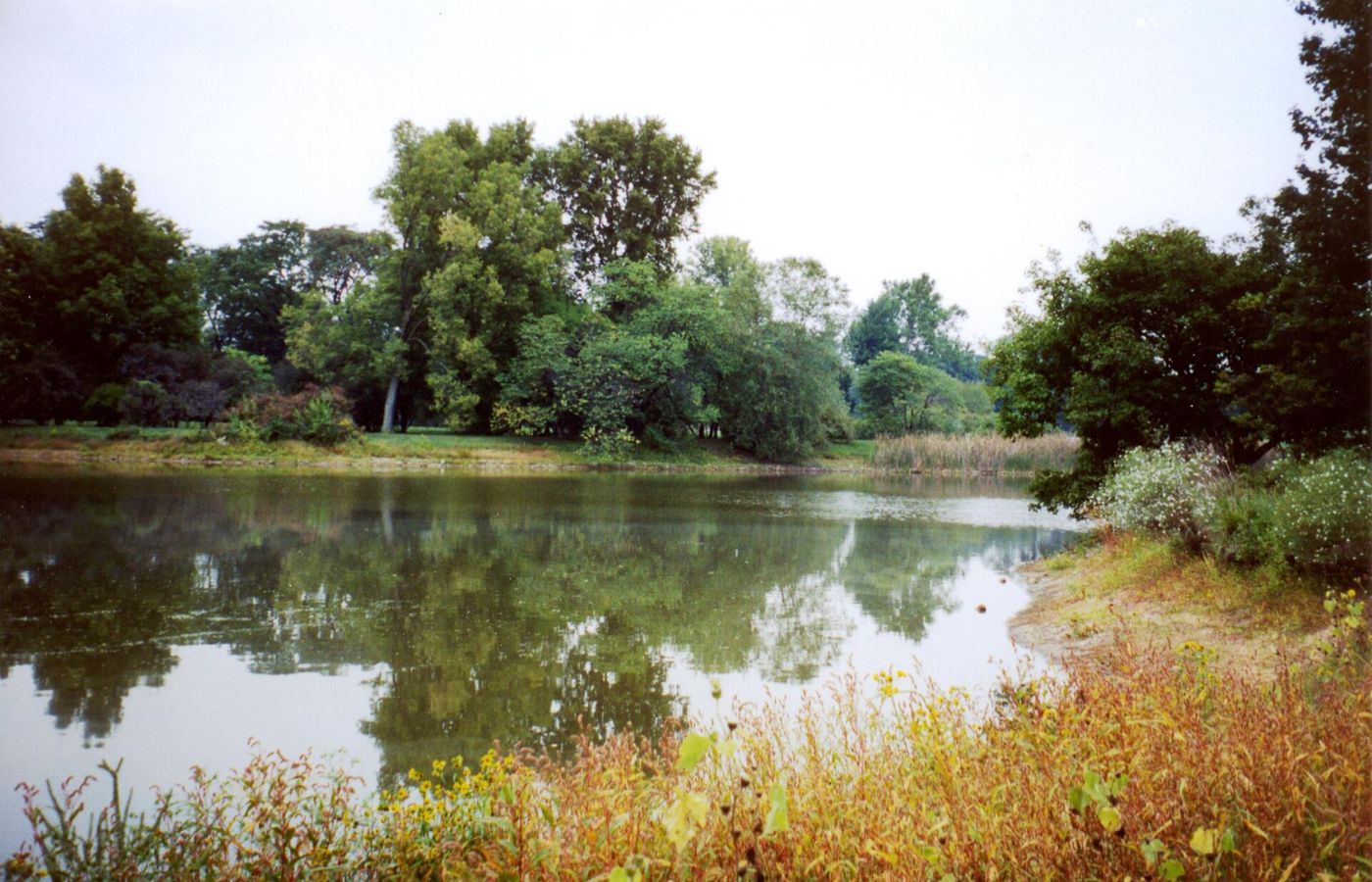

The Morton Arboretum is 1,700 acres of trees in Lisle, 25 miles west of downtown, founded in 1922 by Joy Morton of the salt company. It holds more than 4,000 kinds of trees and plants from around the world, laid out across woodland, prairie and lakes with 16 miles of trails and a nine-mile paved loop you can drive or cycle. For fall colour it is the single best destination in the Chicago area, and it is not close.
The maple collection and the East Woods are the strongest areas, usually peaking in mid to late October, roughly a week ahead of the lakefront because the lake keeps the city warmer. The Arboretum publishes a fall colour report through the season. Timed tickets are required on peak weekends and cars without them are turned away at the gate. Allow four hours plus travel.
Pro Tip: Book the earliest weekday slot you can and walk the East Woods rather than driving the loop road. The car route is where everyone else goes on a colour weekend, and the woodland trails a few hundred metres in are usually close to empty.

3The Lakefront Trail - Eighteen Miles Beside the Water
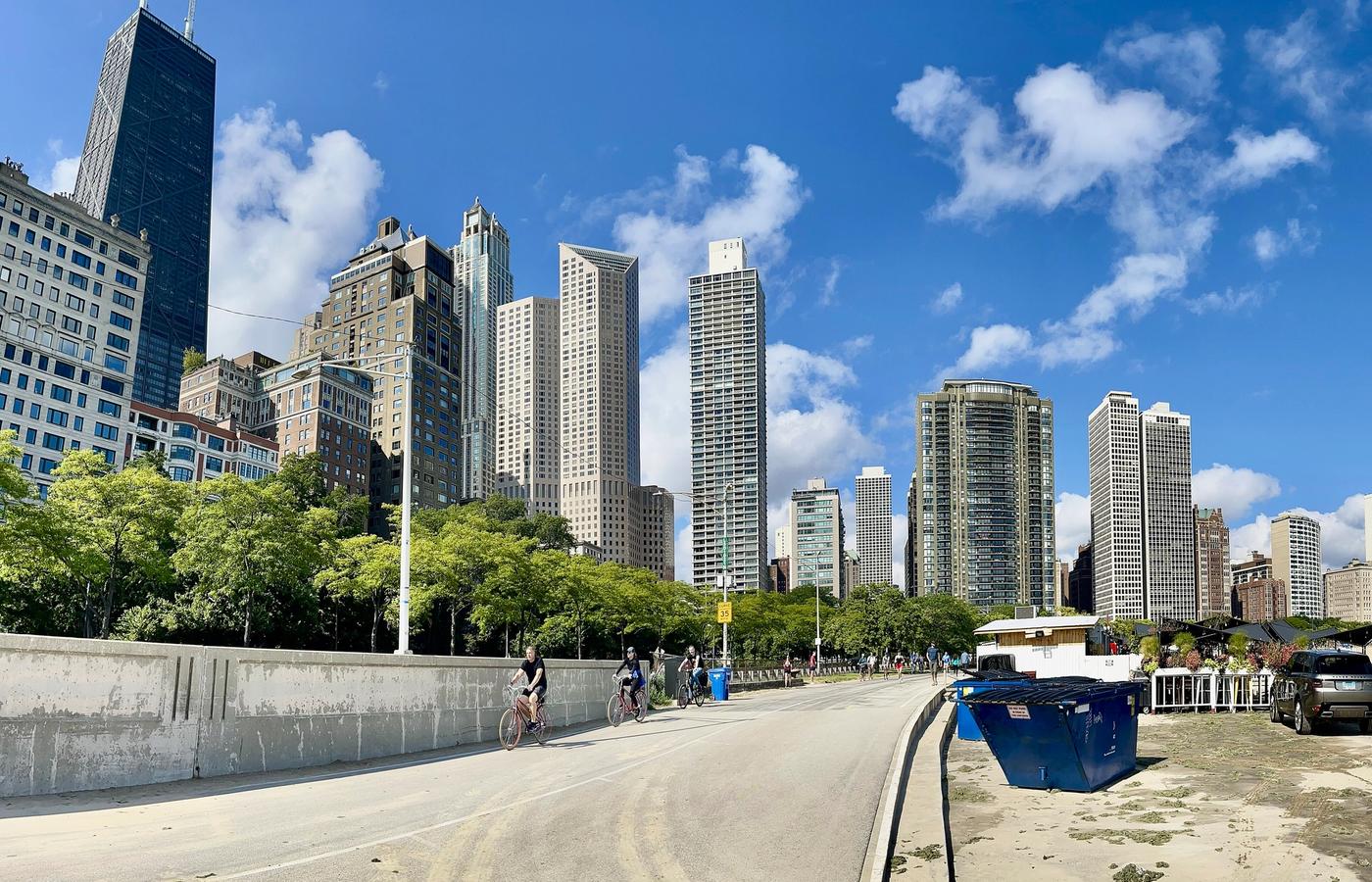

The Lakefront Trail runs 18.5 miles along Lake Michigan from Ardmore Avenue in the north to 71st Street in the south, entirely on public land, because Chicago's 19th-century planners kept the shoreline out of private hands. It was separated into parallel cycling and pedestrian paths a few years ago, which removed the main reason people used to avoid it. The stretch from Oak Street Beach south to the Museum Campus is the classic one.
October is when this becomes the best walk in the city. The skyline view from the curve at Oak Street Beach works better in clear autumn air than in summer haze, the trail empties out, and the trees in the parks alongside turn through the second half of the month. Divvy bike share docks sit along the length of it. Take a windproof layer, because the lake wind is a real thing and there is no shelter.
Pro Tip: Walk or cycle north to south in the late afternoon. The skyline sits in front of you the whole way rather than behind, and finishing at the Museum Campus around sunset gives you the postcard view of the city from the Adler Planetarium point.
4The Architecture River Cruise - Best in Clear October Air
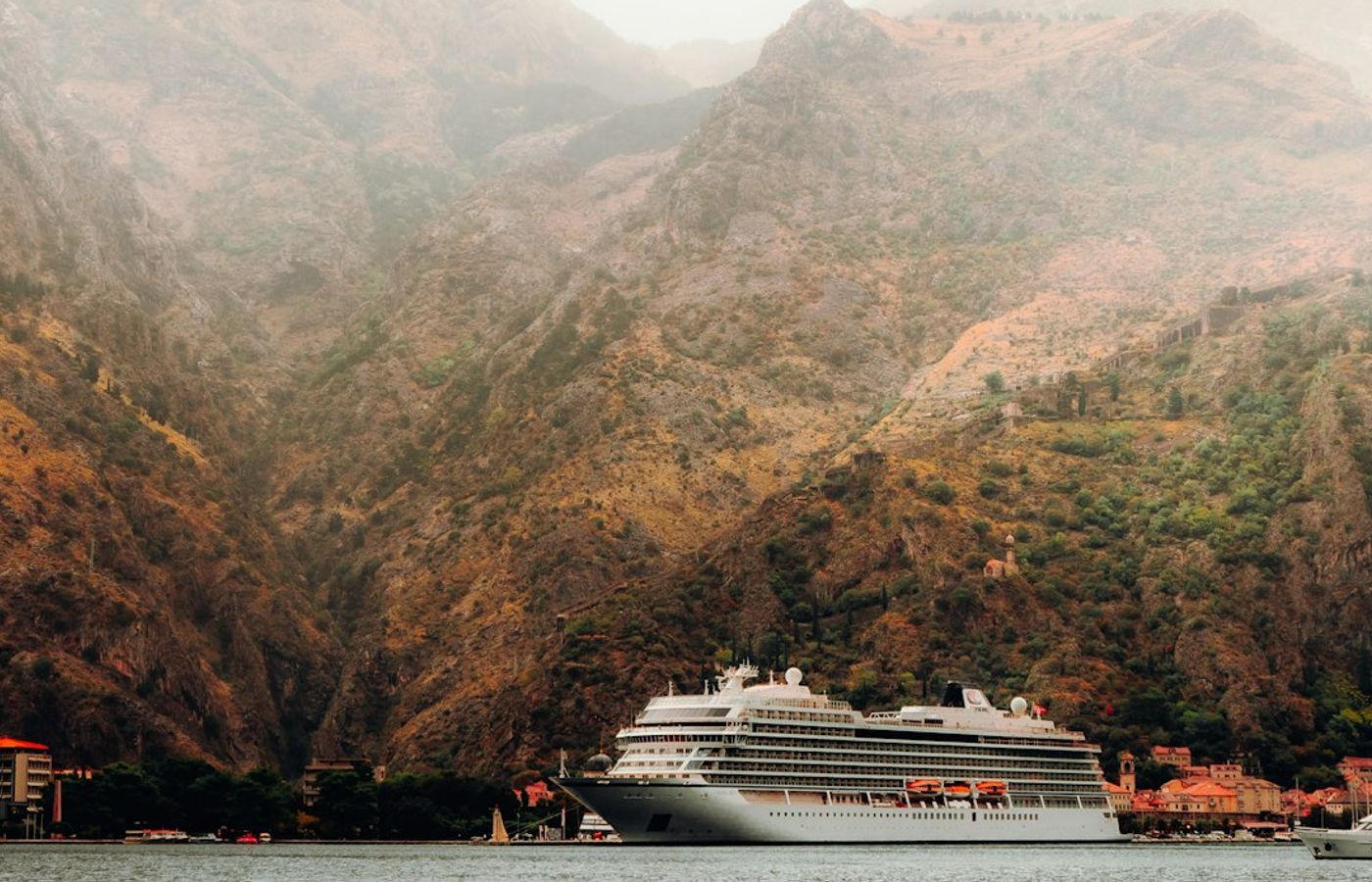
The Chicago Architecture Center river cruise is the one tour in the city that nearly everyone agrees is worth the money. It runs 90 minutes along all three branches of the Chicago River with a trained volunteer docent covering around 50 buildings, and it works because Chicago effectively invented the skyscraper after the 1871 fire and then kept rebuilding. The river-level view is the only angle from which the whole thing makes sense.
The season runs until around late November, so October is one of the last full months. Boats have open upper decks and covered lower ones, and by mid-October you will want the blanket they sometimes offer. Clear autumn light on the limestone and glass is noticeably better than summer haze. Cruises sell out on good weekends, and there are several competing operators from the same docks, so check you have booked the Architecture Center's own.
Pro Tip: Take the last cruise of the day in October. Sunset falls around 6pm early in the month, so the late departure puts you on the river as the buildings light up, and the dock queues are shortest at that hour.
5Millennium Park and the Lurie Garden - Grasses at Their Peak
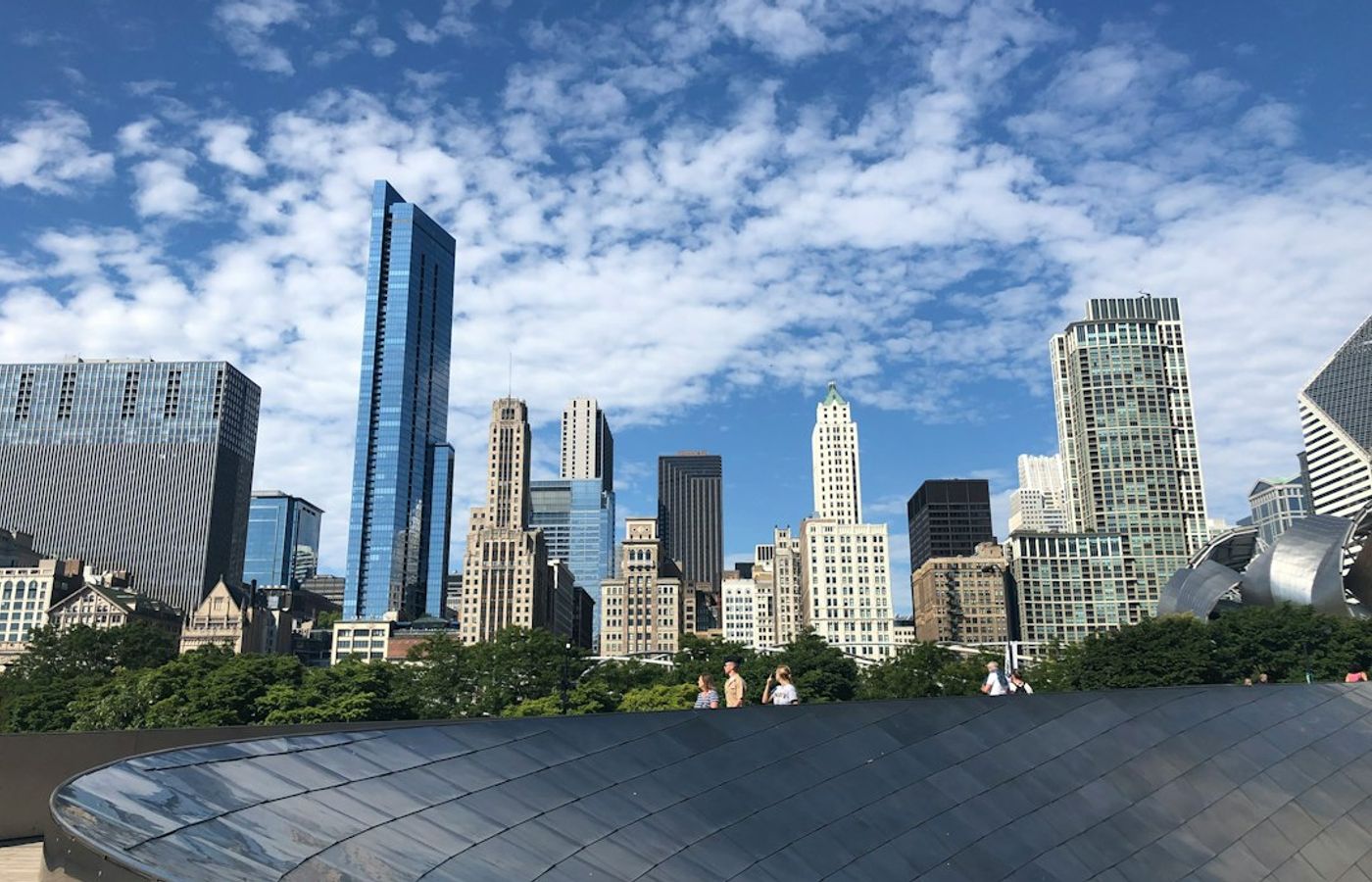
Millennium Park opened in 2004, four years late and massively over budget, on top of what had been a railway yard, and it is now the most visited attraction in the Midwest. Cloud Gate, the polished steel sculpture universally called the Bean, is the reason most people come. The Jay Pritzker Pavilion behind it is a Frank Gehry bandshell with a steel trellis spanning the lawn, and the whole park is free.
The autumn case is the Lurie Garden at the southern end, a five-acre perennial planting by Piet Oudolf, the same designer as New York's High Line. It is built for this season: prairie grasses going bronze, seed heads deliberately left standing, and a shoulder hedge framing it against the skyline. Almost everyone photographing the Bean walks past it without looking.
Pro Tip: Do Cloud Gate before 8am if you want it without a crowd, then spend the time you saved in the Lurie Garden. Cross the BP Bridge afterwards for the walk over Columbus Drive to Maggie Daley Park and the lakefront beyond.
6Garfield Park Conservatory - Free, Warm and Under Glass
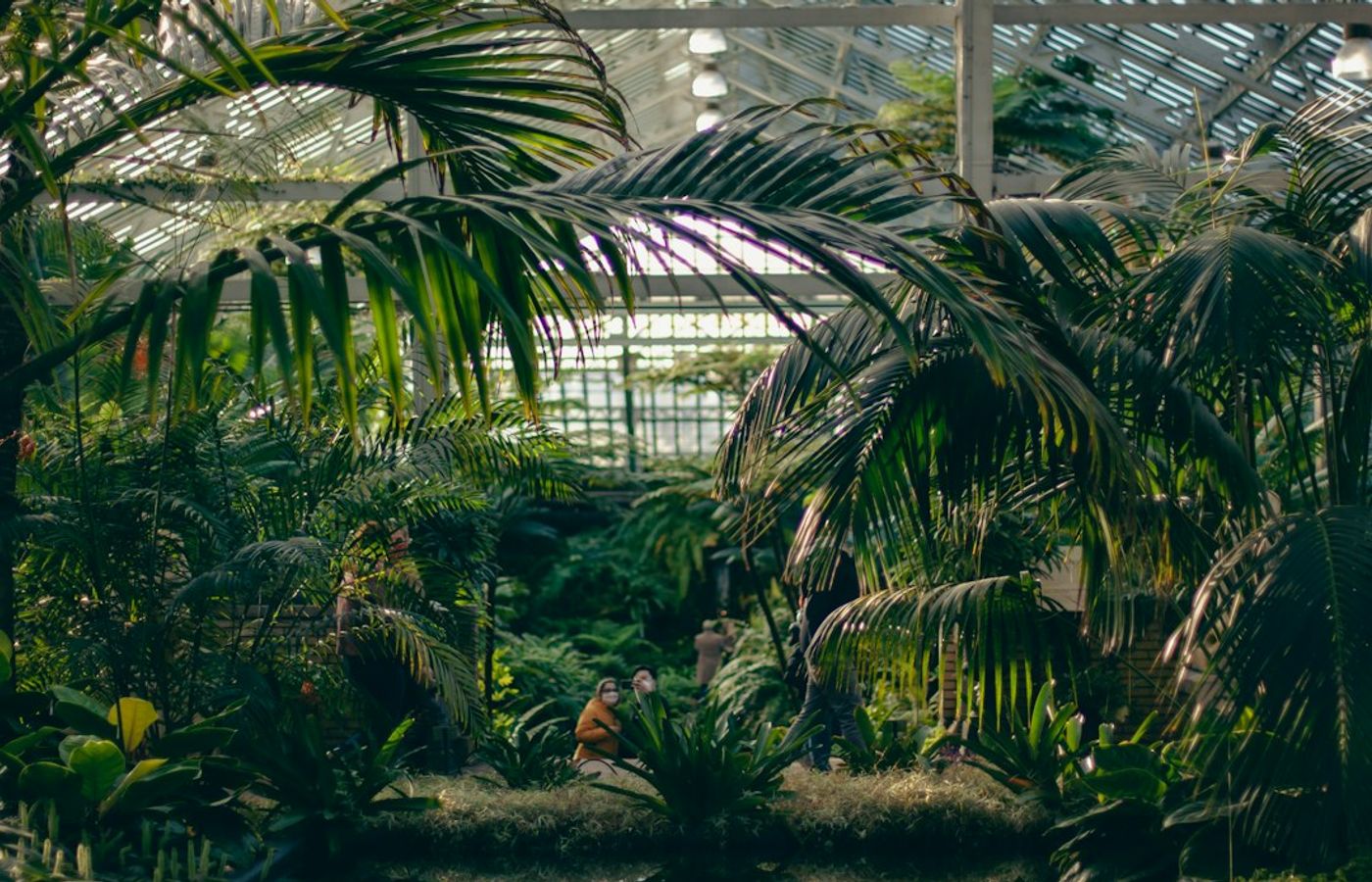
Garfield Park Conservatory is among the largest conservatories in the United States, built between 1906 and 1908 to a design by Jens Jensen that treated the glasshouse itself as landscape art rather than a greenhouse. Two acres are under glass across eight rooms, including a Palm House, a Fern Room built to evoke prehistoric Illinois, and a Desert House. Another 10 acres of gardens sit outside.
Admission is free, which for a site of this quality is remarkable, though donations are invited and timed passes are sometimes used at busy periods. It is on the West Side, about four miles from the Loop, and the Green Line drops you at the door. This is the best wet-day plan in Chicago that is not a museum, and the Fern Room in October, warm and humid with rain on the glass overhead, is the whole argument.
Pro Tip: Save this for the first properly cold or wet day of your trip rather than booking it into a sunny morning. It is indoors, free and warm, and it is a 20-minute ride from the Loop on the Green Line, which makes it the easiest weather fallback on this list.
7The Alfred Caldwell Lily Pool - Three Acres Nobody Finds
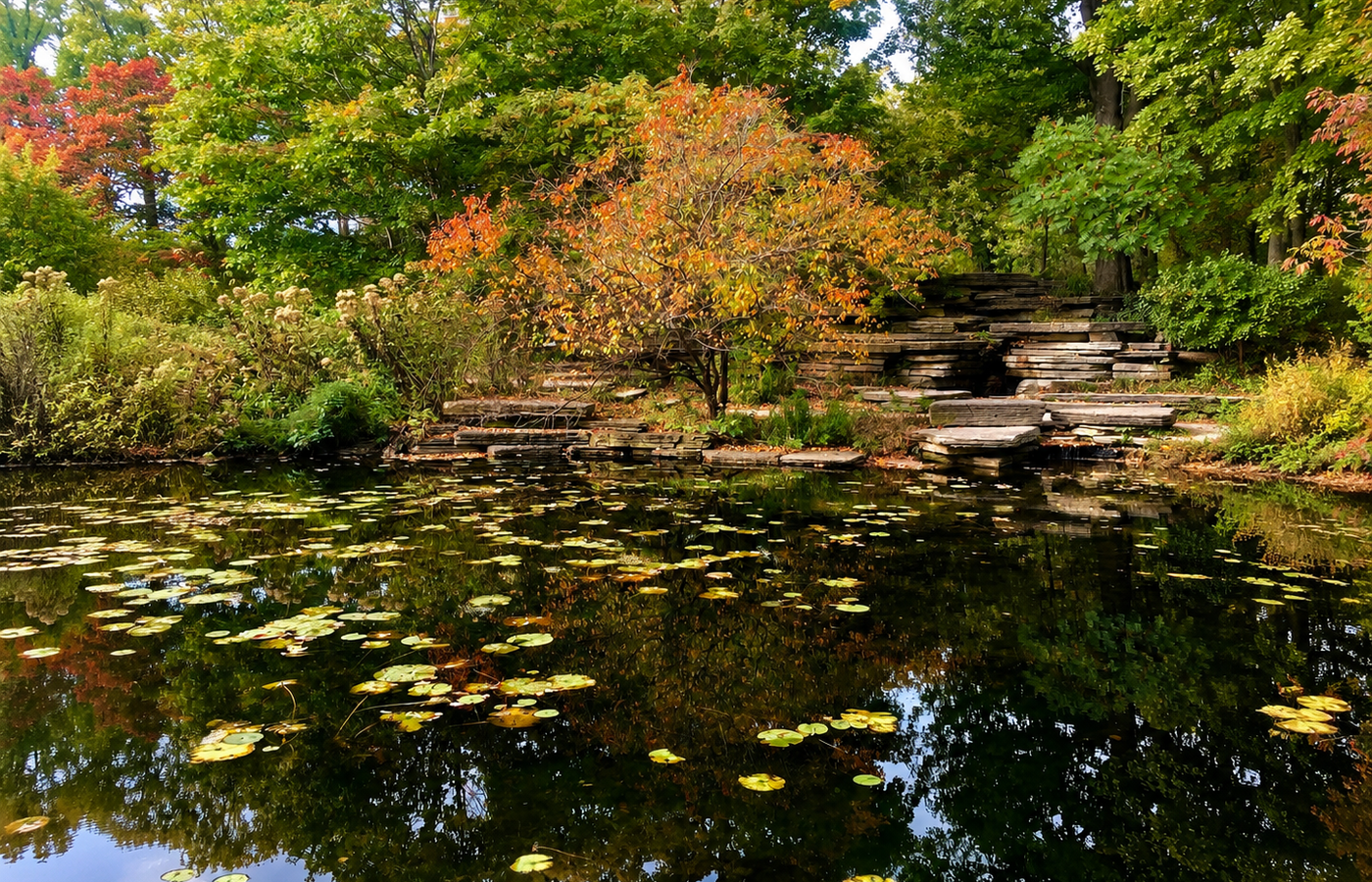
The Alfred Caldwell Lily Pool is a small hidden landscape inside Lincoln Park, designed in the 1930s in the Prairie School style to imitate a river cut through limestone, with a stone council ring, a waterfall and a pavilion. It fell derelict for decades, was restored in 2002 and is now a National Historic Landmark. It covers less than three acres and most people walking past the zoo never find it.
October is its month, with the surrounding trees closing overhead in yellow and the pool holding the reflection. It is free and open seasonally, typically from spring until early November, closing for winter, so a late-October visit is near the end of the window. Lincoln Park Zoo next door is also free and open year-round, which is unusual for a major American zoo.
Pro Tip: Go early on a weekday morning. The pool is tiny, the path around it is single file, and its entire effect depends on being there without a queue behind you. Check it has not closed for the season before making the trip in the last week of October.
8The Art Institute of Chicago - Navigable Again in October
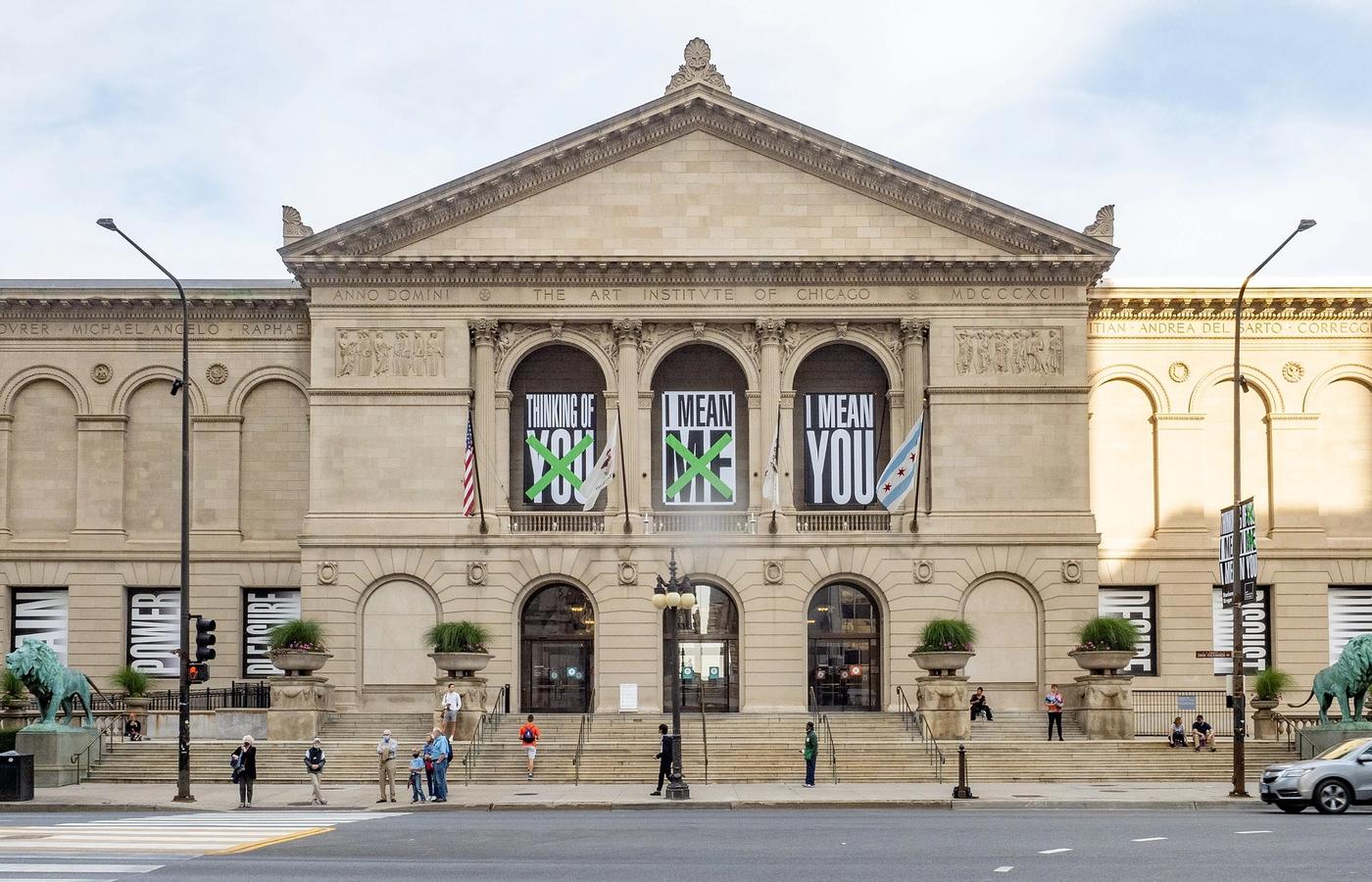
The Art Institute of Chicago holds one of the great Impressionist and Post-Impressionist collections outside France, including Seurat's A Sunday on La Grande Jatte, which fills most of a wall, and more Monet than almost anywhere in the United States. American highlights include Hopper's Nighthawks and Grant Wood's American Gothic. The bronze lions on the Michigan Avenue steps have guarded the entrance since 1894.
The Modern Wing, added in 2009, connects by a footbridge over Monroe Street directly into Millennium Park, which makes the two a natural pairing. Illinois residents get free admission days and the museum is open late one evening a week. Allow three hours minimum. October removes the summer crowds and the Impressionist galleries become navigable again.
Pro Tip: Enter through the Modern Wing on Monroe Street rather than up the lion steps. The Michigan Avenue entrance has the queue and the security bottleneck; the Monroe door is usually walk-straight-in and puts you two minutes from the Impressionist rooms.
9Skydeck at Willis Tower - Four States on a Clear Day
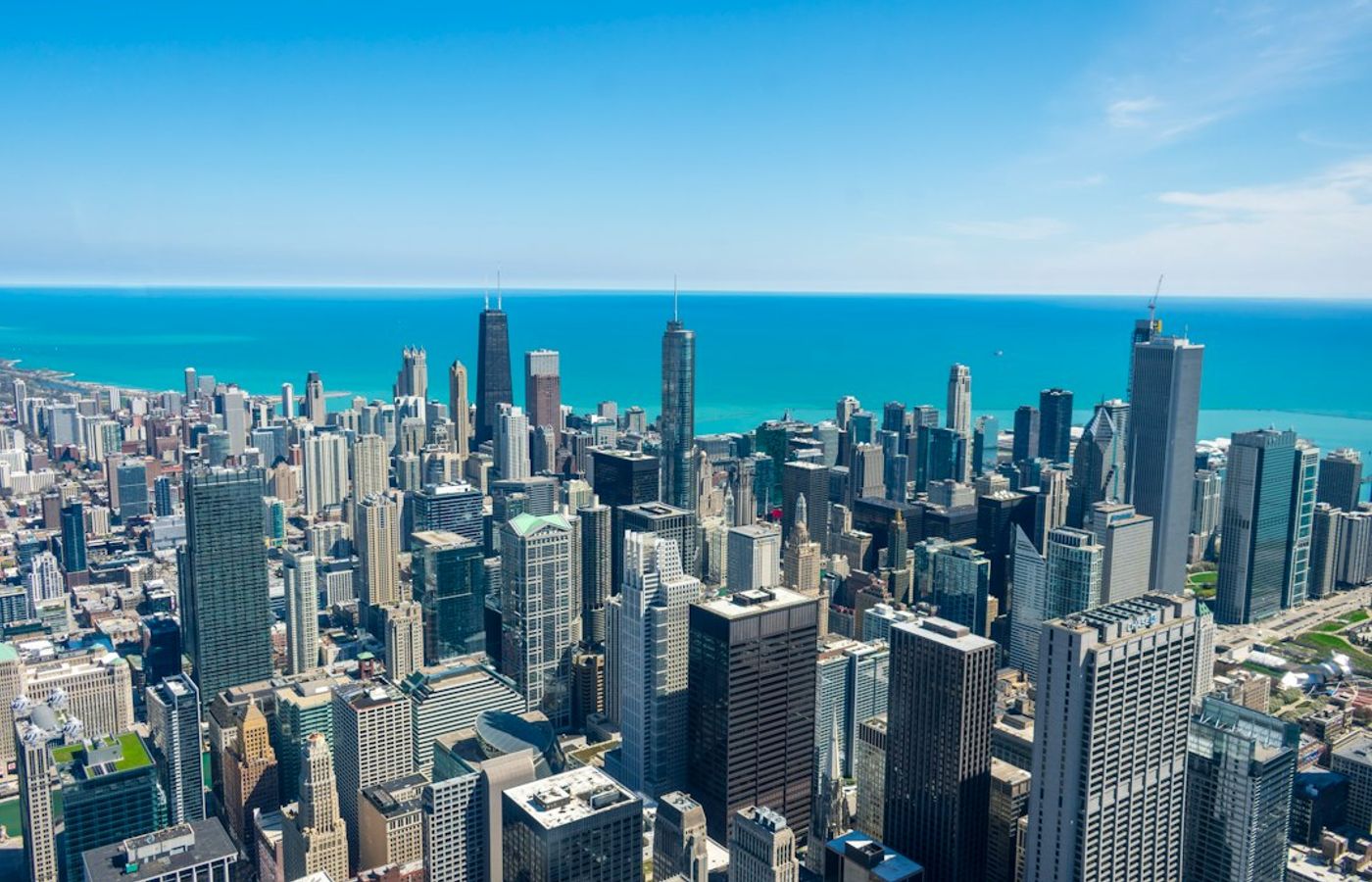
Skydeck occupies the 103rd floor of the Willis Tower, 1,353 feet up, and was the tallest building in the world for 25 years after it opened as the Sears Tower in 1973. The Ledge is the reason people come: glass boxes cantilevered four feet out from the facade with glass floors, so you stand over a quarter-mile drop looking straight down at the Loop. On a clear day the view reaches four states.
That clear-day condition is why October suits it. Summer haze over the lake routinely cuts visibility, while crisp autumn air after a front passes through gives the longest sightlines of the year. Tickets are timed and the upper-floor queue can still run long at weekends. 360 Chicago on the John Hancock Center is the alternative, further north with a better view back at the skyline itself.
Pro Tip: Check the forecast and book the day before rather than weeks ahead. Visibility is the entire product here, and a timed ticket bought in advance for a day that turns out grey is money spent on looking at cloud from an expensive height.
10Jackson Park and the Osaka Garden - The Last Colour to Turn
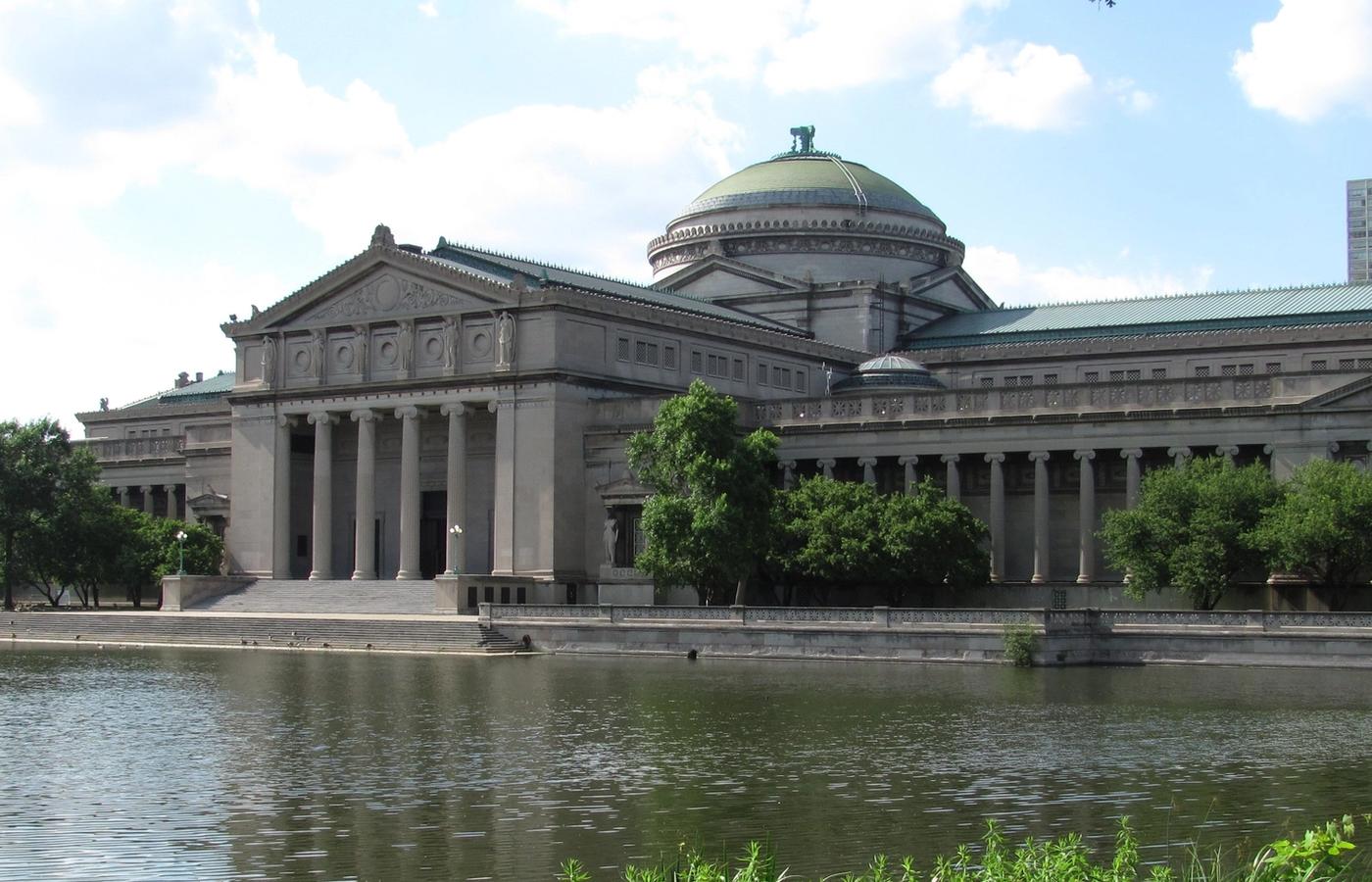
Jackson Park was laid out by Frederick Law Olmsted and hosted the 1893 World's Columbian Exposition, the fair that gave Chicago the nickname the White City and left behind the building now housing the Museum of Science and Industry. The Osaka Garden on the Wooded Island is the other survivor: a Japanese strolling garden originating with the fair's Japanese pavilion, with a moon bridge, stone lanterns and a waterfall.
Japanese maples turn late and hard, which makes this the best colour in the city in the last week of October, well after the western suburbs have dropped. The Wooded Island around it is a designated bird sanctuary and unusually quiet for somewhere inside city limits. Entry is free. The park is on the South Side and the Metra Electric line is the easiest way down.
Pro Tip: Come in the final week of October rather than mid-month. The maples here peak after almost everywhere else in the region, so this is the entry that rescues a late trip when the Morton Arboretum has already gone past its best.
11Starved Rock State Park - Canyons and the Illinois Foliage Trip
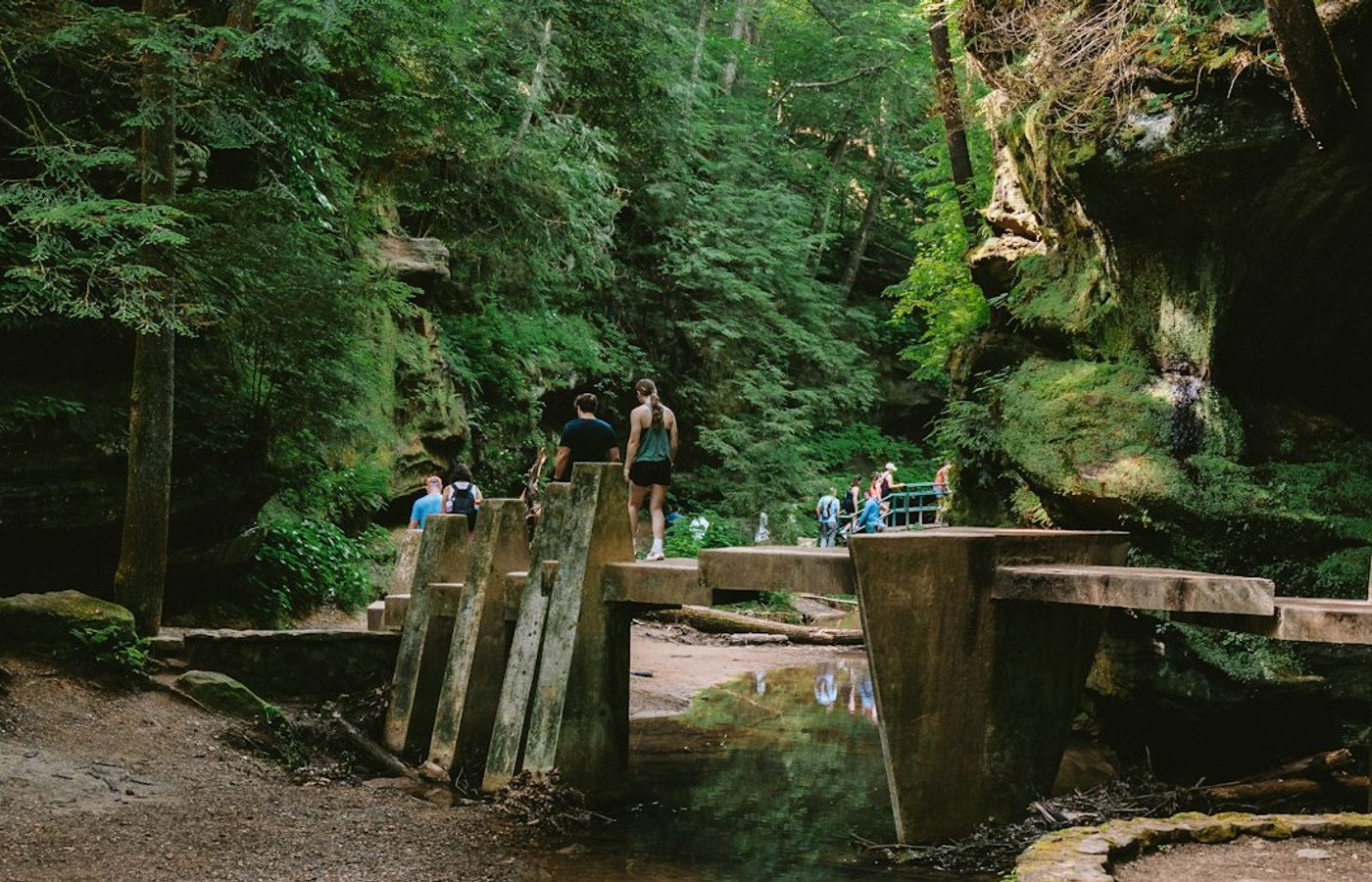
Starved Rock State Park sits on the Illinois River about 95 miles southwest of Chicago and is the closest thing the region has to dramatic landscape: 18 sandstone canyons cut into the bluffs by glacial meltwater, with seasonal waterfalls at the head of several of them. Thirteen miles of trails link the canyons, and the overlooks along the bluff give long views down the river valley.
It is the standard Illinois fall foliage trip and it is busy in October, particularly at weekends when the main car parks fill by mid-morning. Oak, maple and hickory on the bluffs peak from mid to late October. The canyons hold water after rain and the wooden stairways get slick, so proper footwear matters. This one genuinely needs a car: there is no practical public transport, and the drive is about two hours each way.
Pro Tip: Go on a weekday and start at the Wildcat Canyon end rather than the visitor centre. The lots nearest the lodge fill first, the crowds work outward from there, and Wildcat and Tonty canyons hold their waterfalls better than the ones closest to the entrance.

CEO and co-founder
Tomas is the co-founder and director of trip1, an European company specializing in reservation services. He launched the company in 2025 with a focus on building scalable, efficient operations.
Chicago in Fall: Lakefront Colour and Festivals - FAQ
No. Four is realistic inside the city. The two best fall colour sites, the Morton Arboretum and Starved Rock, are both outside Chicago and each needs most of a day. Three days covers the city entries comfortably, with a fourth for one of the out-of-town trips.
Work outward from the Loop. Day one is downtown: the Art Institute, Millennium Park, the architecture river cruise and Skydeck. Day two runs north along the lake: the Lakefront Trail, the Lily Pool and Lincoln Park. Day three goes west or south to Garfield Park Conservatory and Jackson Park. Day four is the Morton Arboretum or Starved Rock. If you are here on 11 October, the marathon takes that Sunday entirely.
Four. The Chicago Architecture Center river cruise sells out on clear October weekends and is the one most worth booking early. Skydeck and the Art Institute both use timed entry. The Morton Arboretum requires advance timed tickets during peak colour weekends and turns cars away without them. Millennium Park, the Lakefront Trail, Garfield Park Conservatory, the Lily Pool and Jackson Park are all free.
Budget roughly USD 130 to USD 180 per adult across the river cruise, Skydeck, the Art Institute and the Morton Arboretum, plus a CTA Ventra pass for unlimited rides. Five entries are free, including Garfield Park Conservatory, which is one of the largest conservatories in the United States and charges nothing. Watching the marathon is also free.
Mid to late October in most years. The Morton Arboretum and Starved Rock, both west and southwest of the city, turn a week or so before the lakefront, because Lake Michigan holds heat into autumn and delays colour in the parks closest to the water. Jackson Park and Lincoln Park are usually last. The Arboretum publishes a fall colour report through the season, which beats guessing.
Ten of the eleven are. The CTA 'L' and buses cover everything in the city on a Ventra card, and Metra reaches the Morton Arboretum via Lisle station with a short rideshare at the end. Starved Rock is the exception: it is 95 miles southwest with no useful public transport, so it needs a car. Expect road closures and rerouted buses across the city on marathon Sunday.
The indoor cultural calendar, which restarts in autumn. The Chicago Symphony, Lyric Opera and Steppenwolf all open their seasons in September and October, and the city's comedy clubs run year-round. The Field Museum, the Museum of Science and Industry and the Shedd Aquarium are also missing here and are the obvious answers on a cold, wet lakefront day.