


When is the best time to visit Turkey?

The best time to visit Turkey is between May and October, the most comfortable stretch of the year on these averages.

Turkey is several climates on one map: a Mediterranean and Aegean coast built for sea holidays, a high plateau that runs hotter in summer and colder in winter, and a Black Sea shore that stays greener and wetter than the brochure south. The pin on this page is a country centroid. Antalya, Cappadocia and Istanbul will not feel like the same week, and a city page is the honest place to read the year if you already know where you are going.

Most visitors come for the west and south coasts, or for a ruins-and-balloon mix inland. The copy below is about how those trips actually feel through the year: when the sea is the plan, when walking Ephesus or Göreme is the plan, and when you should treat this as a city break instead. The monthly table on this page still owns the averages. This layer is the geography the averages flatten.

Turkey

Spring

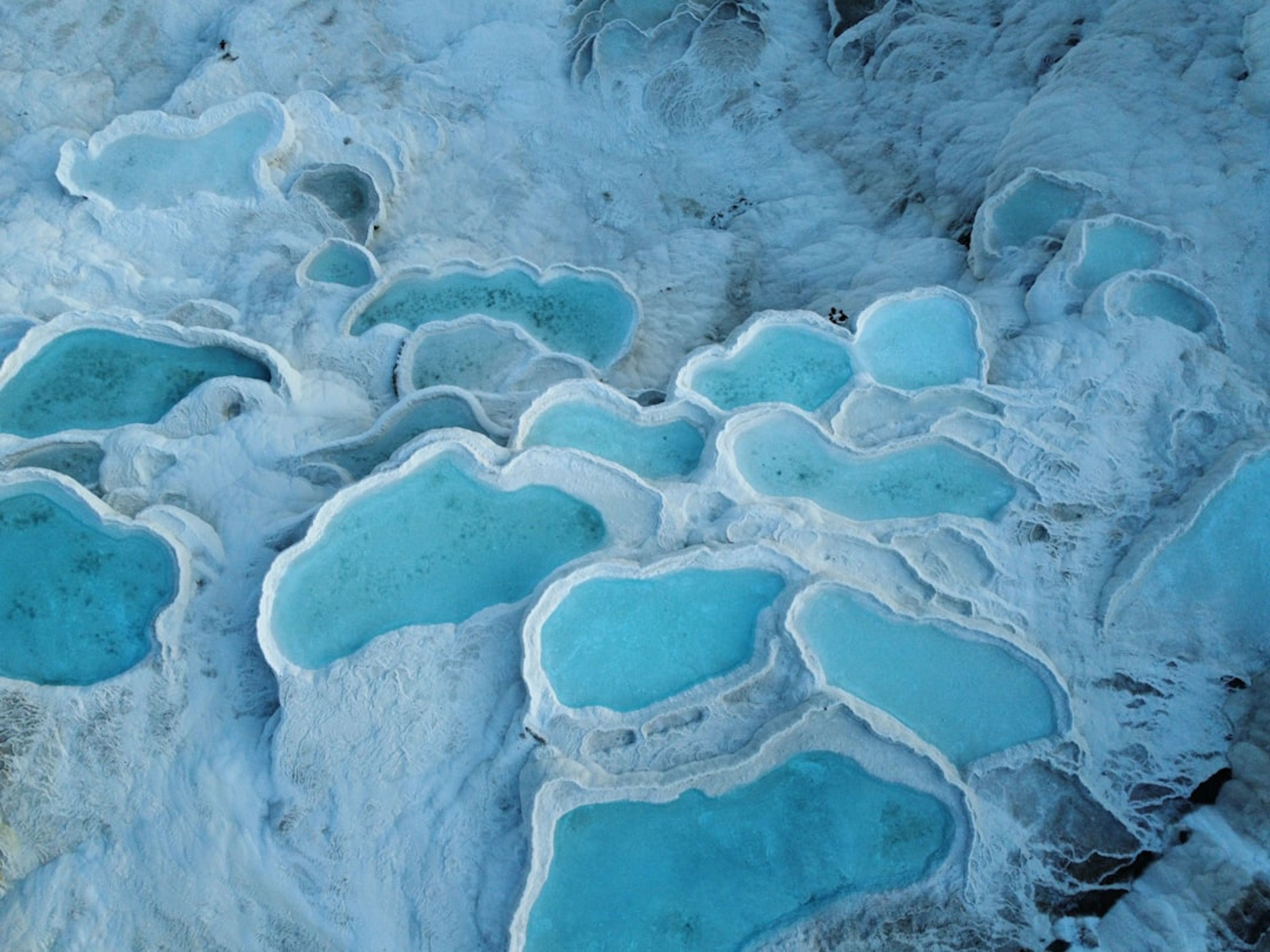
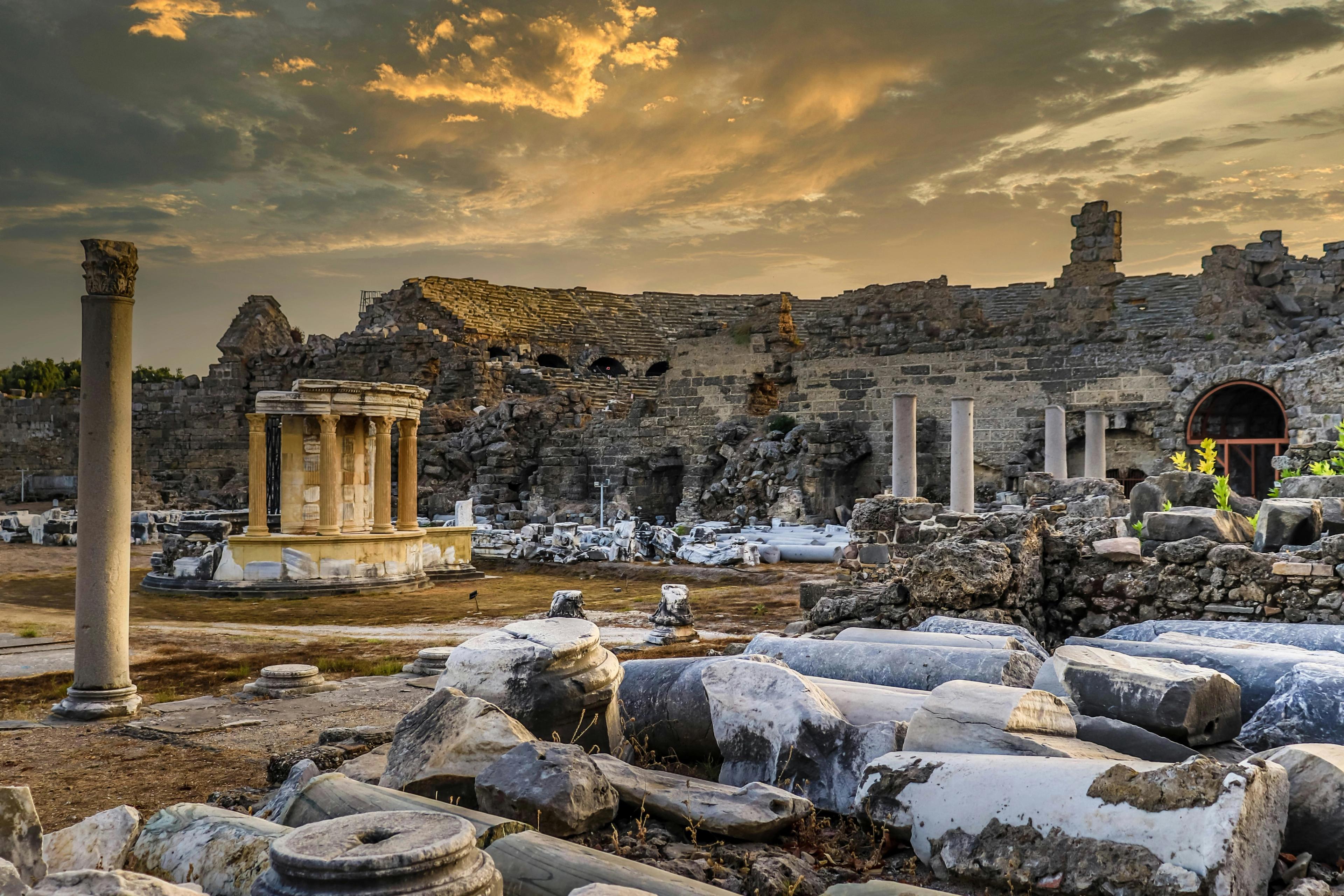
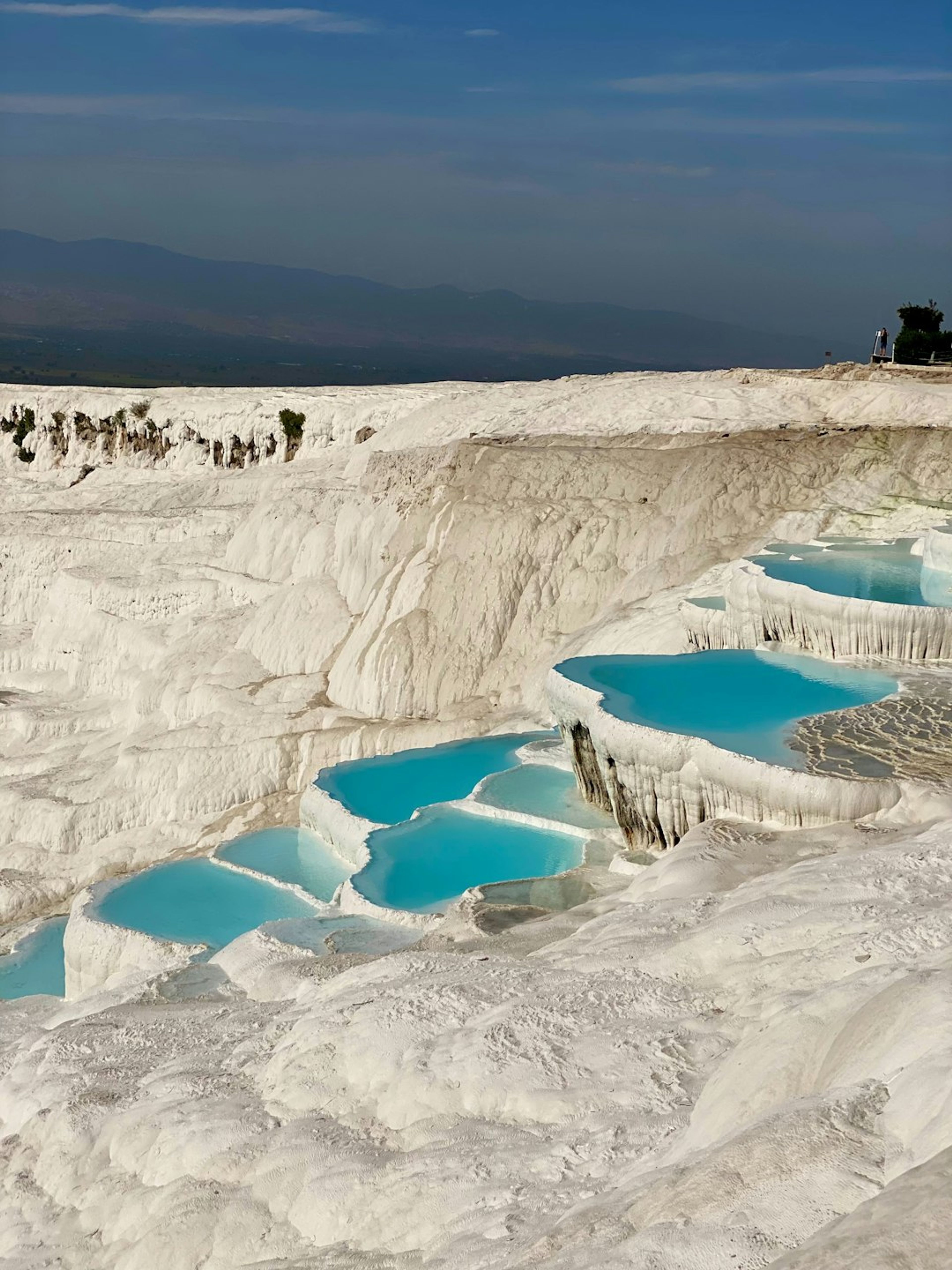
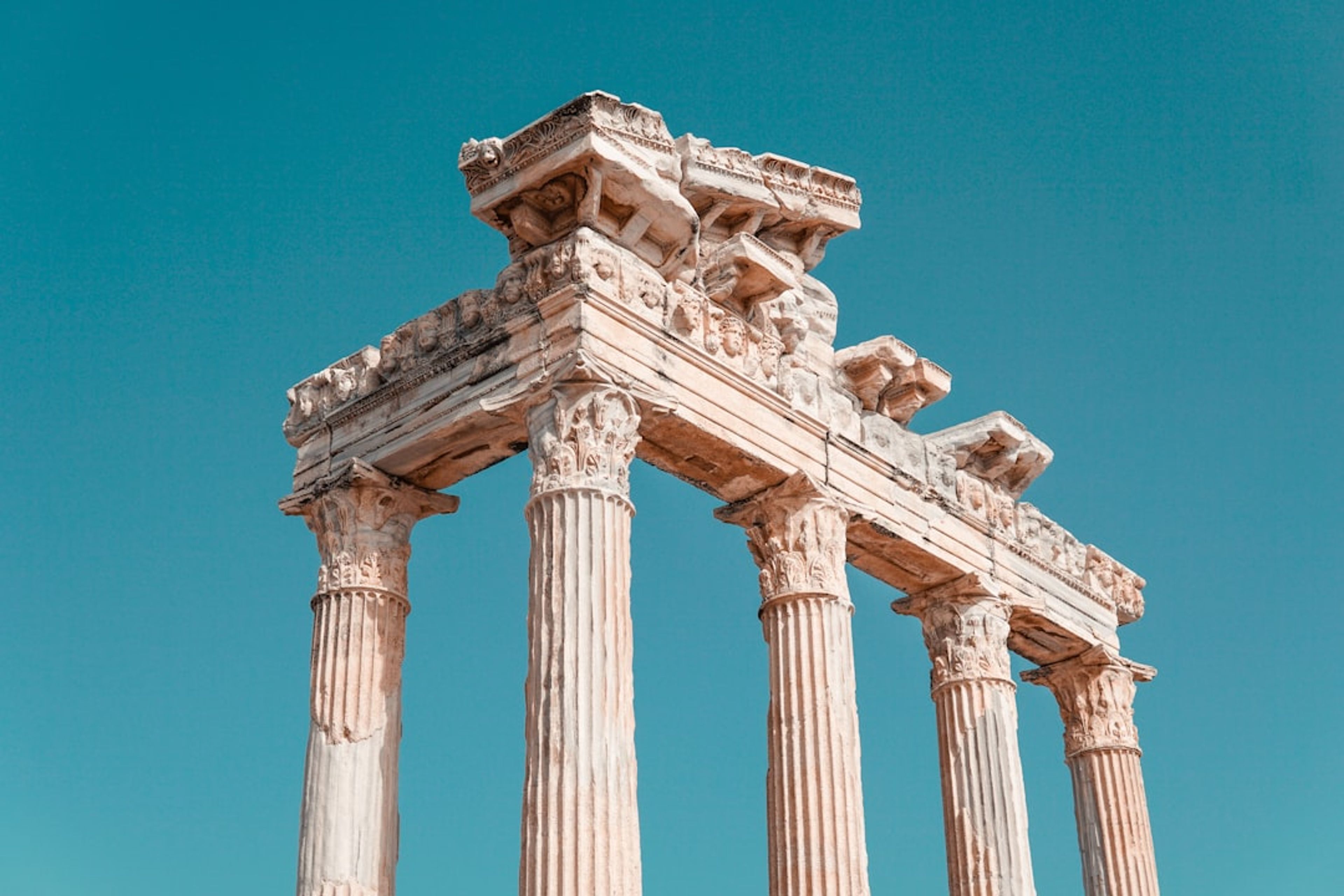
Spring is the ruins season. The south and west coasts come good for walking before the interior does: Ephesus, Hierapolis and the Lycian towns are pleasant in the shoulder, and the big Antalya and Bodrum strips have not filled yet. Cappadocia is still crisp at night. Pack a layer even if the afternoon on the coast feels like a holiday.

Beaches exist, especially by late spring on the Mediterranean, but they are not why you book. Wildflowers, trails in the Taurus foothills, and town-hopping along the Aegean are the better use of the month. If you want guaranteed swimming weather, wait until summer. If you want the country without the resort crush, this is the window.
Summer

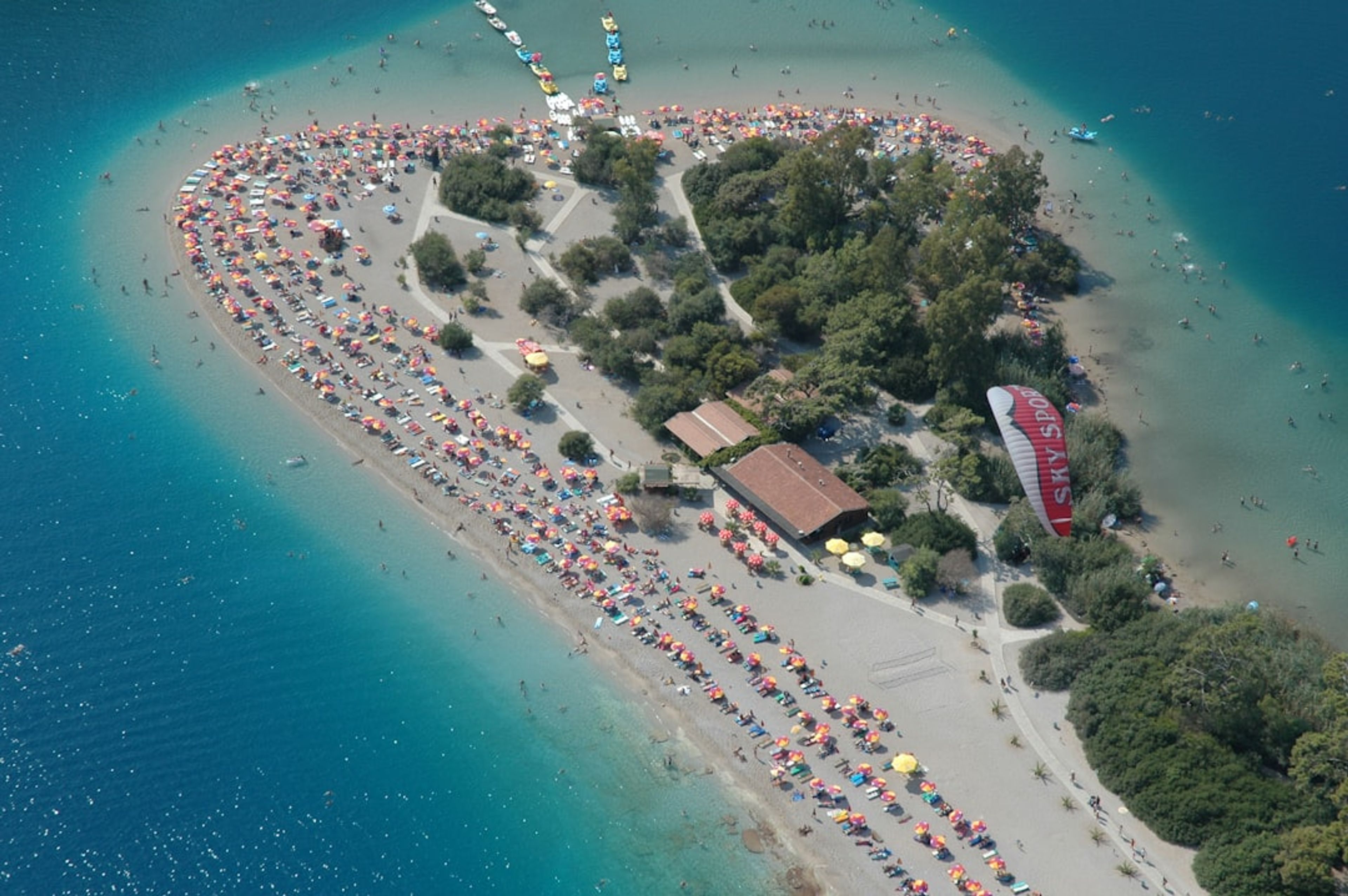
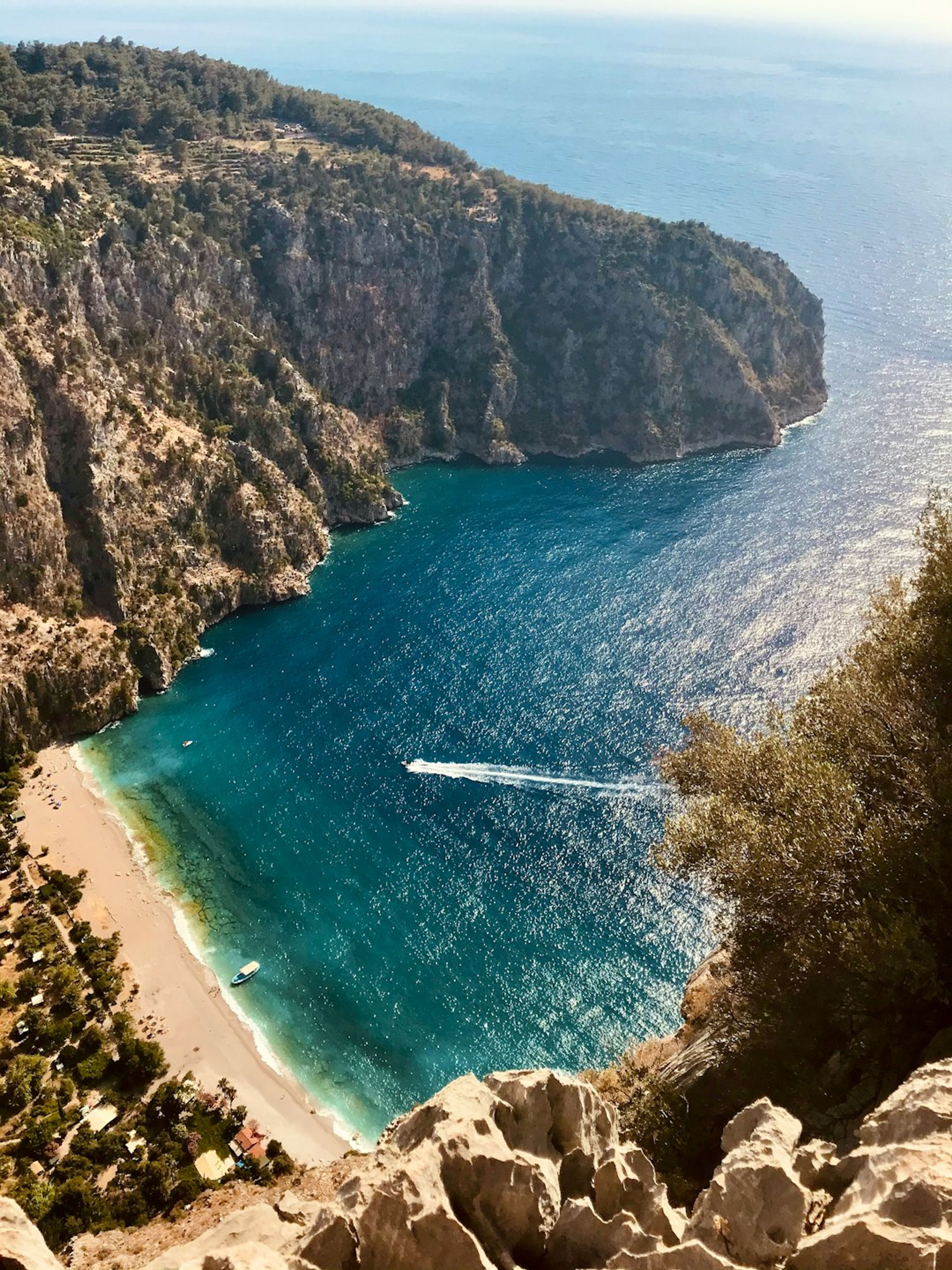
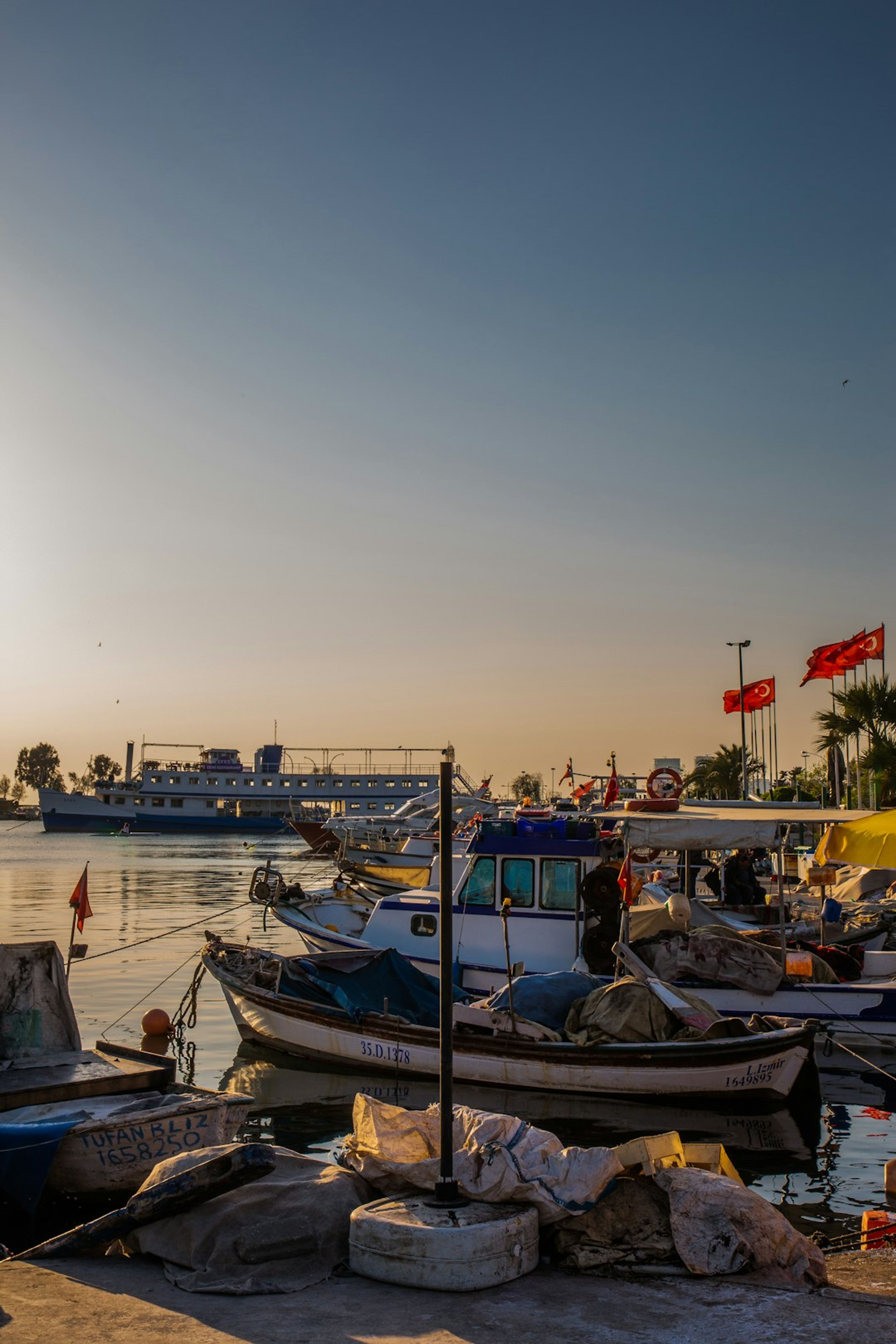
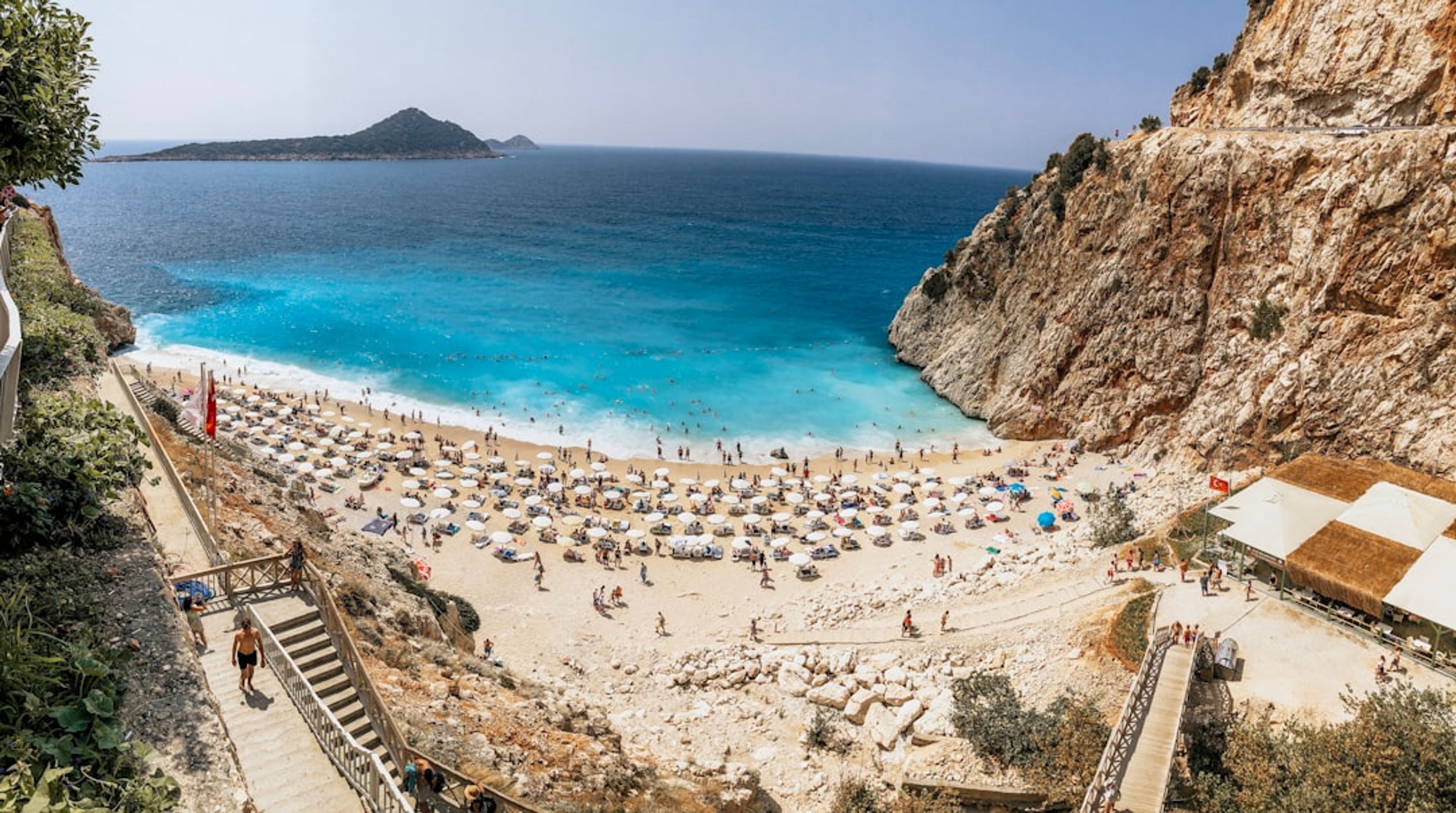
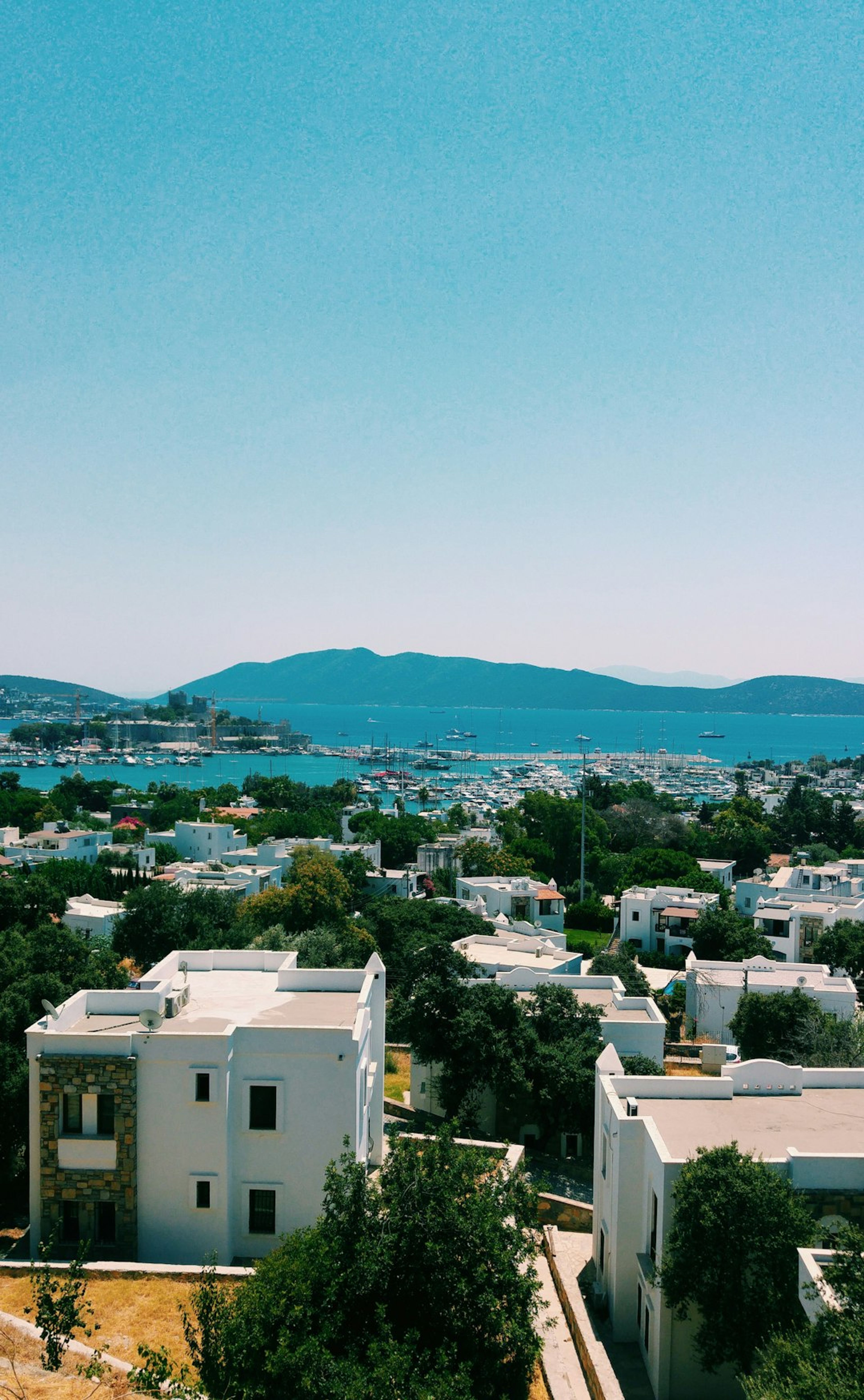
Summer is why the Aegean and Mediterranean coasts exist in a holiday brochure: long dry days, a sea-first itinerary, and resort towns that run at full volume. Antalya, Alanya, Bodrum, Marmaris and the islands off the west coast are the default trip. Plan ruins for opening time. The rest of the day belongs to shade, water and late dinners.

Inland it is a different holiday. The plateau and the east are hot without a beach to drop into, and Cappadocia in high summer is a dawn-and-dusk place. Istanbul stays a city break: humid, busy, not a substitute for the Turquoise Coast. If quiet is the point, summer on the main strips is the wrong brief.

Autumn

Early autumn can still be a sea holiday in the south. The Mediterranean holds its warmth longer than the Aegean, and the crowds on the Antalya coast thin before the water does. Later in the season swimming becomes a maybe, then a no, and the trip shifts to walking: Ephesus, Pamukkale, the Lycian way in shorter stages, Cappadocia without the midday glare.

The plateau cools faster than Antalya. Istanbul eases into proper jacket weather. This is the stretch where a mixed itinerary (a few coast nights, then inland) actually works, instead of one climate fighting the other. Rain starts to matter again in the north-west long before it does on the far south.

Winter

Winter is not a beach season anywhere that people mean when they say Turkish coast. The far south is milder than the plateau, which is a relative claim: you still dress for winter, and the sea is for the stubborn. Istanbul is wet, grey-green, and built for museums, ferries and food. The Black Sea is wetter still.

The east and the high plateau can be properly cold, with snow on Cappadocia and ski areas further out. That is a different postcard from the summer coast, and it is the honest one for these months. Come for cities, food and landscape. Do not come for a sunlounger in Side.

Average weather in Turkey

TemperatureRainfall

Source: MeteostatPeriod: 1991-2020Checked: 28 Aug 2026265 places covered

Check another month

Now pick a month.

FAQs about Turkey

Climate averages for Turkey, 1991–2020.

The best time to visit Turkey is between May and October, the most comfortable stretch of the year on these averages.

July is the hottest month, with an average around 24°C.

May is the wettest month, with about 49 mm of rain.

No. These are 1991–2020 climate normals from Meteostat, not a live forecast. Actual weather in any given week can differ.