

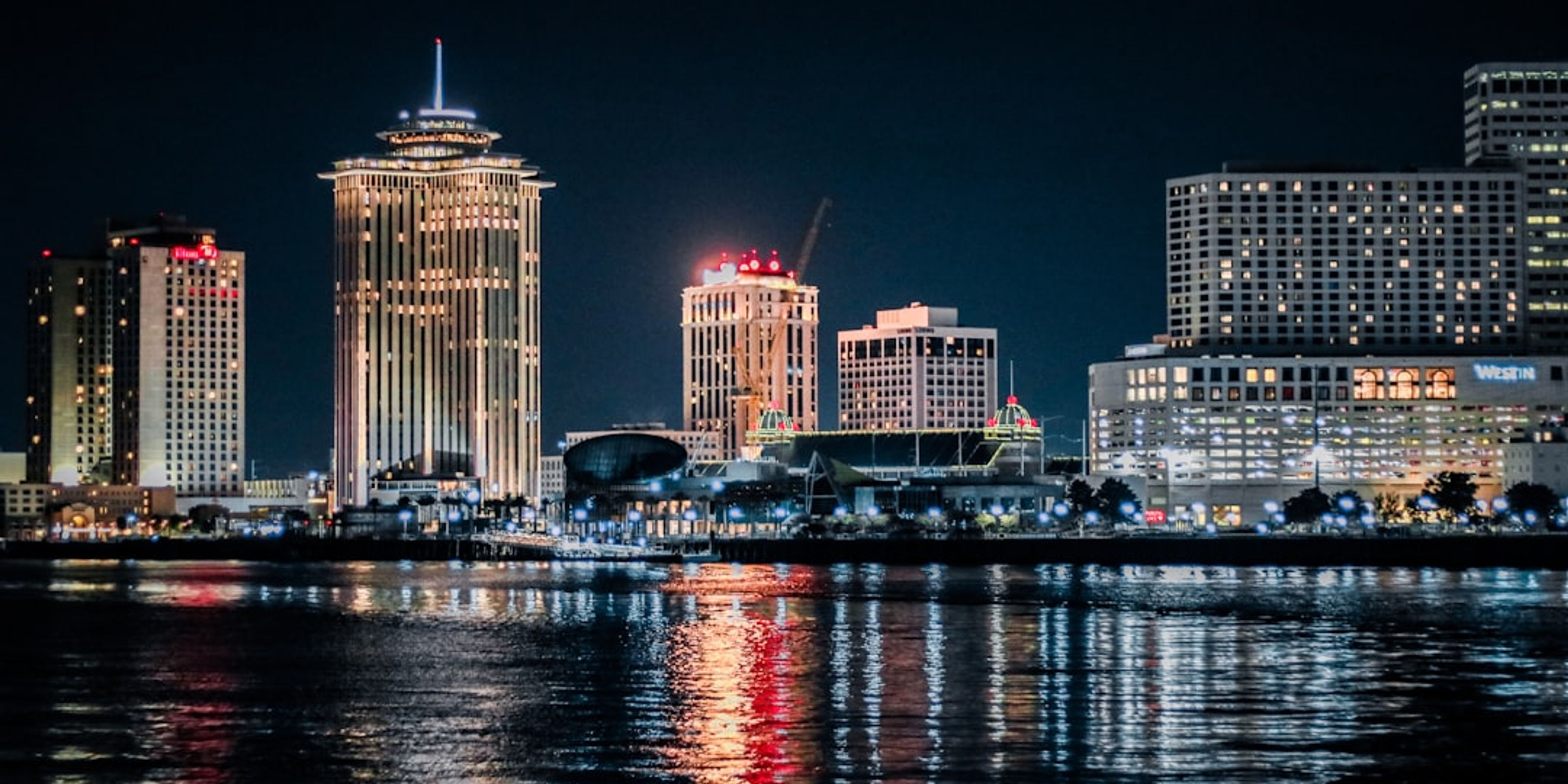

New Orleans travel guides
Browse and explore the best travel guides in New Orleans.
New Orleans travel facts
New Orleans is the least American-feeling city in the United States, founded by the French, ruled by the Spanish, and shaped ever since by Caribbean, African and Creole influences that produced jazz, gumbo and a calendar built around festivals.
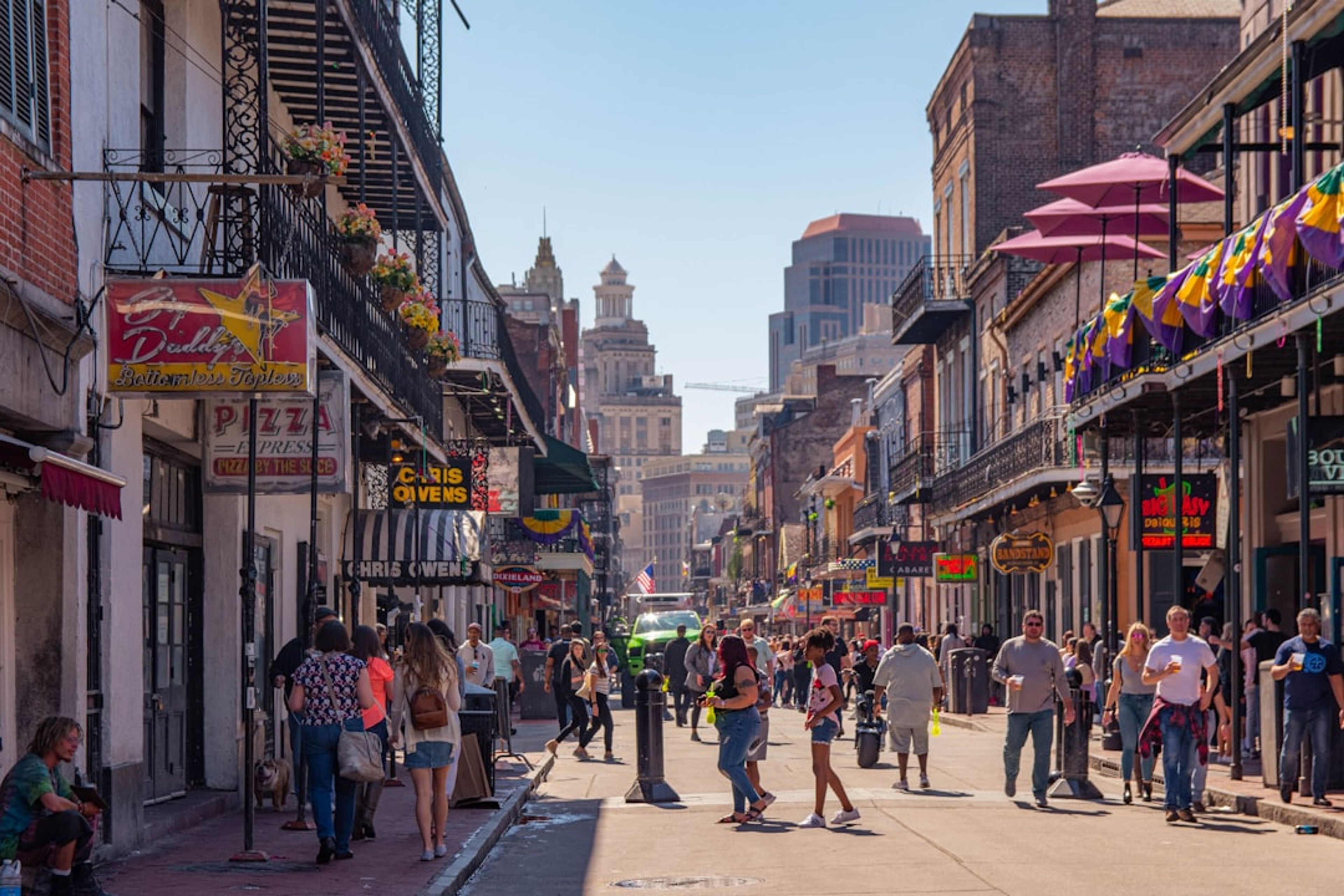
The French Quarter is the historic core, where wrought-iron balconies overhang Royal Street and Bourbon Street handles the noise. Frenchmen Street a few blocks east is where locals go for live music, the Garden District has antebellum mansions along the St Charles streetcar line, and Treme is the neighbourhood where jazz took shape.
Food is inseparable from a visit: po'boys, beignets at Café du Monde, crawfish boils in spring, and Creole institutions that have been running for a century. Mardi Gras and Jazz Fest are the two peaks of the year, and the swamps of the Atchafalaya Basin start half an hour outside town.
Country
United States
Region
Louisiana, Gulf Coast
Population
~365,000 (city), ~1.2 million metro
Elevation
-0.5 m to 6 m — much of the city sits below sea level
Time Zone
CST (UTC-6), CDT in summer
Currency
US Dollar (USD)
Language
English; Louisiana Creole and French heritage
Nearest Airport
MSY (Louis Armstrong New Orleans International), 18 km
Airport to City Centre
~25 min by taxi; ~45 min on the E2 airport bus
Typical Cost Level
Mid-range
Transport Pass
RTA Jazzy Pass for streetcars and buses
Spring (Mar-May)
20-28°C, festival season
Summer (Jun-Aug)
30-33°C, very humid; hurricane season begins
Autumn (Sep-Nov)
22-30°C, cooling from October
Winter (Dec-Feb)
11-18°C, mild
New Orleans travel guides

Stay in the loop
Get the latest deals, new destinations, and travel tips delivered straight to your inbox.
No spam, unsubscribe anytime.
Do you need a visa for United States?
Entry rules, stay length and passport validity by nationality.
Climate averages · 1991–2020
When is the best time to visit New Orleans?
Monthly temperatures, rainfall and sunshine — not a live forecast.
See New Orleans weatherLatest travel guides






New Orleans Destination FAQ
February to May is the best window in New Orleans, covering Mardi Gras, crawfish season and Jazz Fest with comfortable temperatures. Autumn from October to November is the quieter alternative. Summer is oppressively humid and falls within hurricane season.
Take a taxi or ride-hailing app, which reaches the French Quarter in about 25 minutes. Louis Armstrong International is 18 km west of downtown. The RTA E2 bus is the budget option at around 45 minutes but runs less frequently.
Walk in the French Quarter and take the St Charles streetcar to the Garden District and uptown. An RTA Jazzy Pass covers streetcars and buses for one or three days. A car is unnecessary and parking is difficult.
Three to four days covers New Orleans. Two days handle the French Quarter, Frenchmen Street and the Garden District, and the rest allow for the World War II museum, a swamp tour or a plantation visit along the river.
Frenchmen Street in the Marigny is where locals go, with a dozen venues within three blocks. Preservation Hall in the French Quarter offers traditional jazz in a bare room with no amplification and no bar. Bourbon Street is louder, more commercial and rarely the best music in town.
The main tourist areas are patrolled and busy, but New Orleans has higher crime rates than most US cities and awareness matters. Stay on well-lit main streets at night, avoid wandering alone beyond the French Quarter and Marigny after dark, and take a ride rather than a long walk home.
On trip1, you can book hotels across New Orleans and pay with over 50 cryptocurrencies including Bitcoin, Ethereum, and USDC. trip1 covers 3 million+ hotels in 190+ countries, making it easy to find and book accommodation with crypto.