


Maui travel guides
Browse and explore the best travel guides in Maui.
Maui travel facts
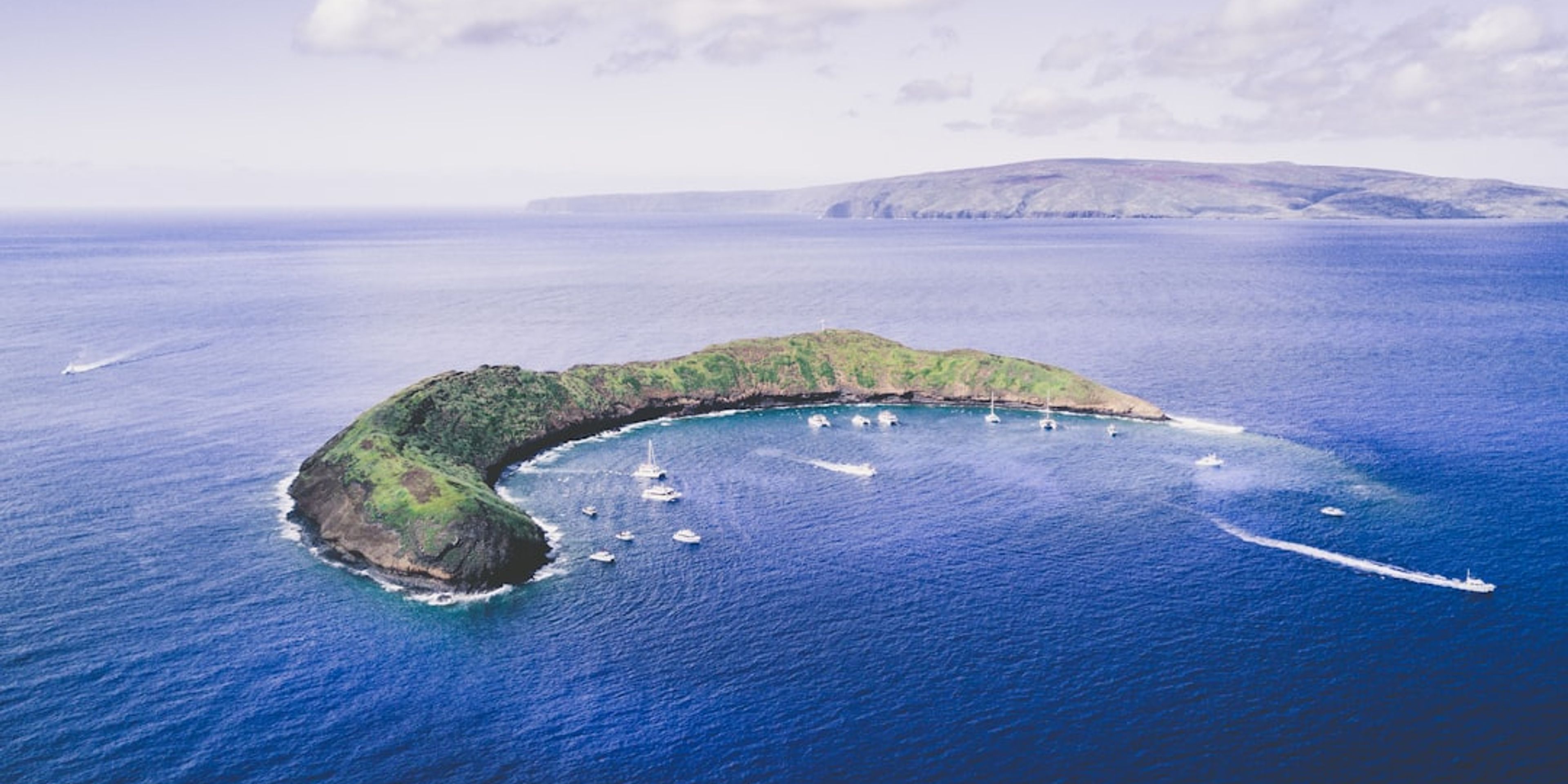
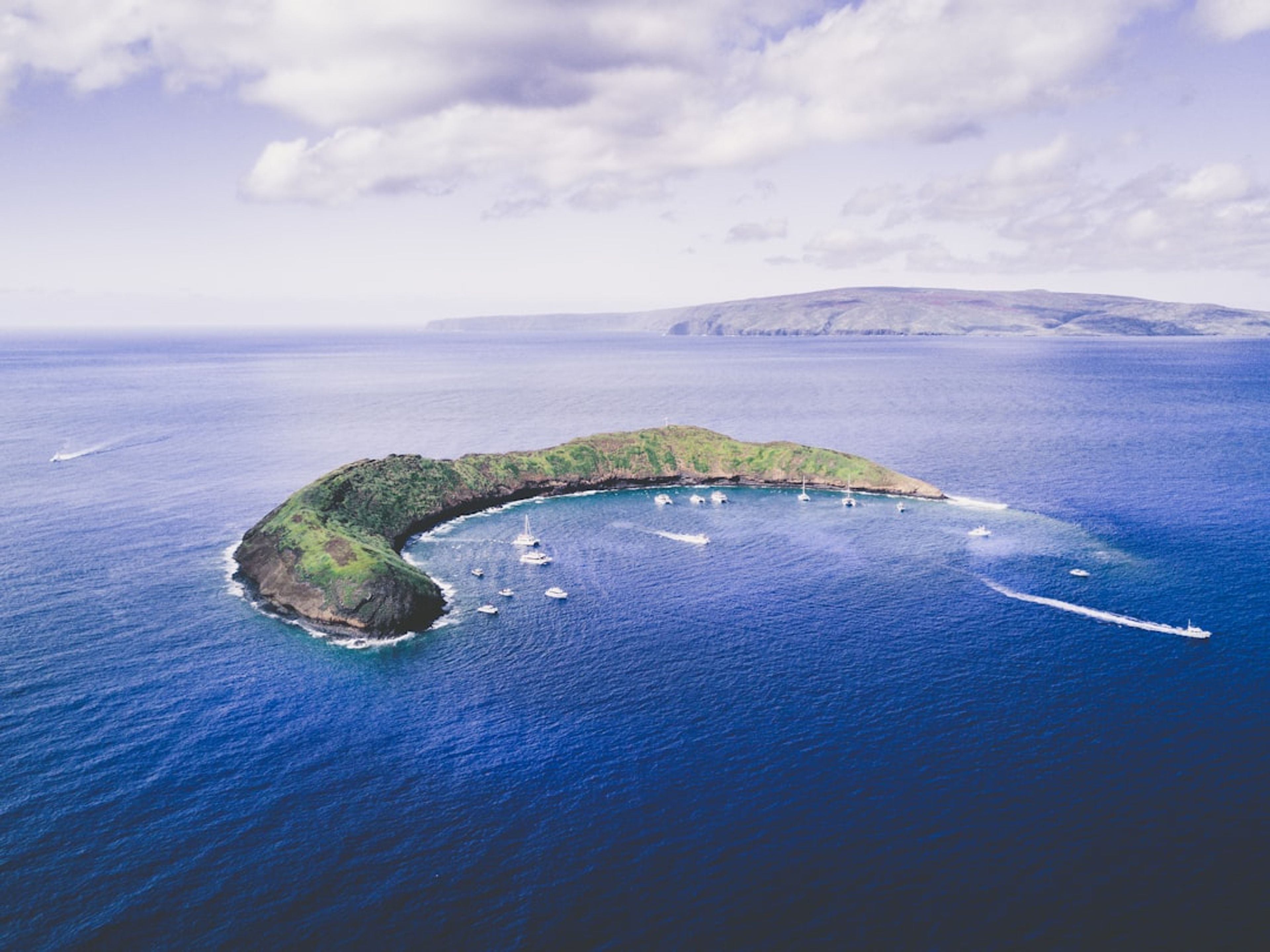
Maui is the second-largest of the Hawaiian Islands and one of the most varied, packing volcanic summits, black-sand beaches, waterfalls, rainforests, and colonial-era harbour towns into a single island the size of Rhode Island. Sunrise at 3,055-metre Haleakala Crater, snorkelling at Molokini, and the twisting Road to Hana are three of the most iconic experiences in the state.
Beach resorts spread across Kaanapali, Wailea, and Kapalua on the west and south coasts, while upcountry towns like Makawao and Kula offer cooler weather, ranch country, and farm-to-table dining. Whale-watching between December and April, world-class windsurfing at Hookipa, and rich native Hawaiian culture round out the appeal.
Maui welcomes visitors respectfully following the 2023 Lahaina wildfires; many west-side businesses have reopened and travellers are encouraged to visit responsibly to support the local economy. A rental vehicle is essential to reach the island's diverse coasts and interior.

Country
United States
Region
Hawaii (Maui County)
Population
~164,000
Elevation
Sea level to 3,055 m (Haleakala)
Time Zone
HST (UTC-10, no DST)
Currency
US Dollar (USD)
Language
English, Hawaiian
Nearest Airport
OGG (Kahului); JHM Kapalua for small aircraft
Airport to Kihei/Wailea
~15-30 min by car
Typical Cost Level
Upscale (peak December-April)
Transport
Rental car essential; limited public bus (Maui Bus)
Spring (Mar-May)
20-28°C, drier and windy
Summer (Jun-Aug)
22-31°C, dry and sunny
Autumn (Sep-Nov)
21-30°C, shoulder season deals
Winter (Dec-Feb)
18-27°C, whale-watching peak; rain on north/east
Maui travel guides

Stay in the loop
Get the latest deals, new destinations, and travel tips delivered straight to your inbox.
No spam, unsubscribe anytime.
Do you need a visa for United States?
Entry rules, stay length and passport validity by nationality.
Climate averages · 1991–2020
When is the best time to visit Maui?
Monthly temperatures, rainfall and sunshine — not a live forecast.
See Maui weatherLatest travel guides




Maui Destination FAQ
April to May and September to early November offer excellent weather, thinner crowds, and lower rates. Peak season runs mid-December through March, when North American snowbirds arrive and whales visit Maui's waters. Summer is warm and family-friendly, with slightly higher prices than the shoulder seasons.
Kahului Airport (OGG) is Maui's main gateway. Rental cars are strongly recommended, and reservations well in advance are essential due to island supply limits. Taxis, ride-share (Uber/Lyft), and hotel-shuttles cover Kihei/Wailea (~30 min) and Kaanapali/Lahaina (~45-60 min). Public Maui Bus routes serve airports and main towns but with limited schedules.
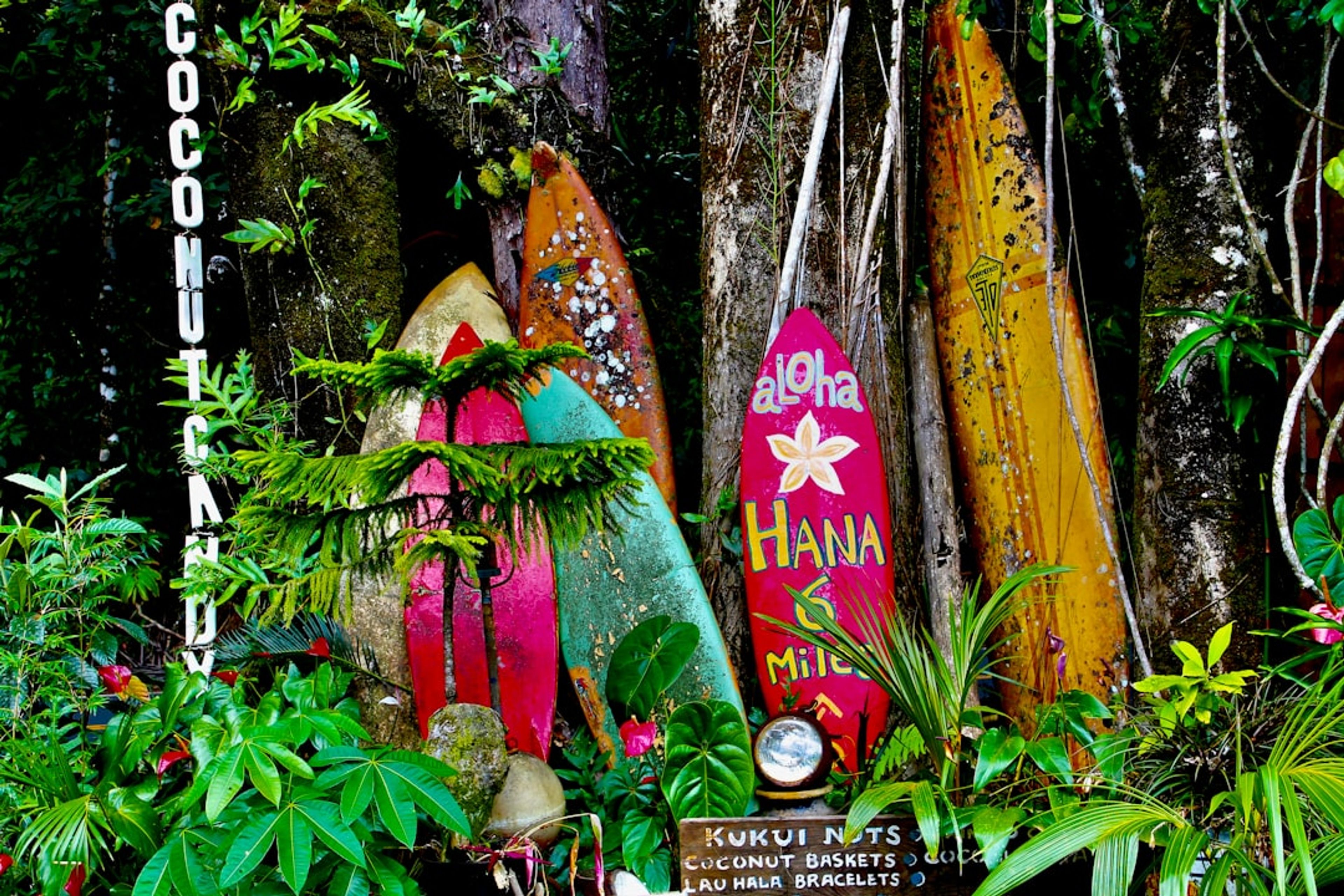
Yes, a rental vehicle is essentially required for exploring beyond your resort. Maui's best beaches, the Road to Hana, Haleakala, and Upcountry towns are widely dispersed with limited public transit. Book your car early, and consider a 4WD or higher-clearance vehicle if you plan to drive the back road past Hana or reach remote beaches.
Plan for 5-7 days to see the highlights without cramming. That covers a Haleakala sunrise, the Road to Hana with an overnight in East Maui, a Molokini snorkel trip, and time to relax on the west or south coast beaches. Ten days lets you add whale-watching cruises, luaus, and quieter island corners.
Yes, Maui is safe for visitors, but ocean and terrain hazards deserve respect. Follow lifeguard warnings, avoid turning your back on Pacific waves, and only snorkel at protected spots. Check current advisories after the 2023 wildfires and respect closures and community requests in West Maui as recovery continues.
West Maui (Kaanapali, Kapalua) and South Maui (Kihei, Wailea) offer the sunniest, driest weather and the largest concentration of resorts and beaches. Central Maui (Kahului, Wailuku) is convenient and less touristy. Upcountry towns like Makawao are cooler and rural, and Hana is remote, lush, and best for a 1-2 night stay.
On trip1, you can book hotels across Maui and pay with over 50 cryptocurrencies including Bitcoin, Ethereum, and USDC. trip1 covers 3 million+ hotels in 190+ countries, making it easy to find and book accommodation with crypto.